kottke.org posts about movies
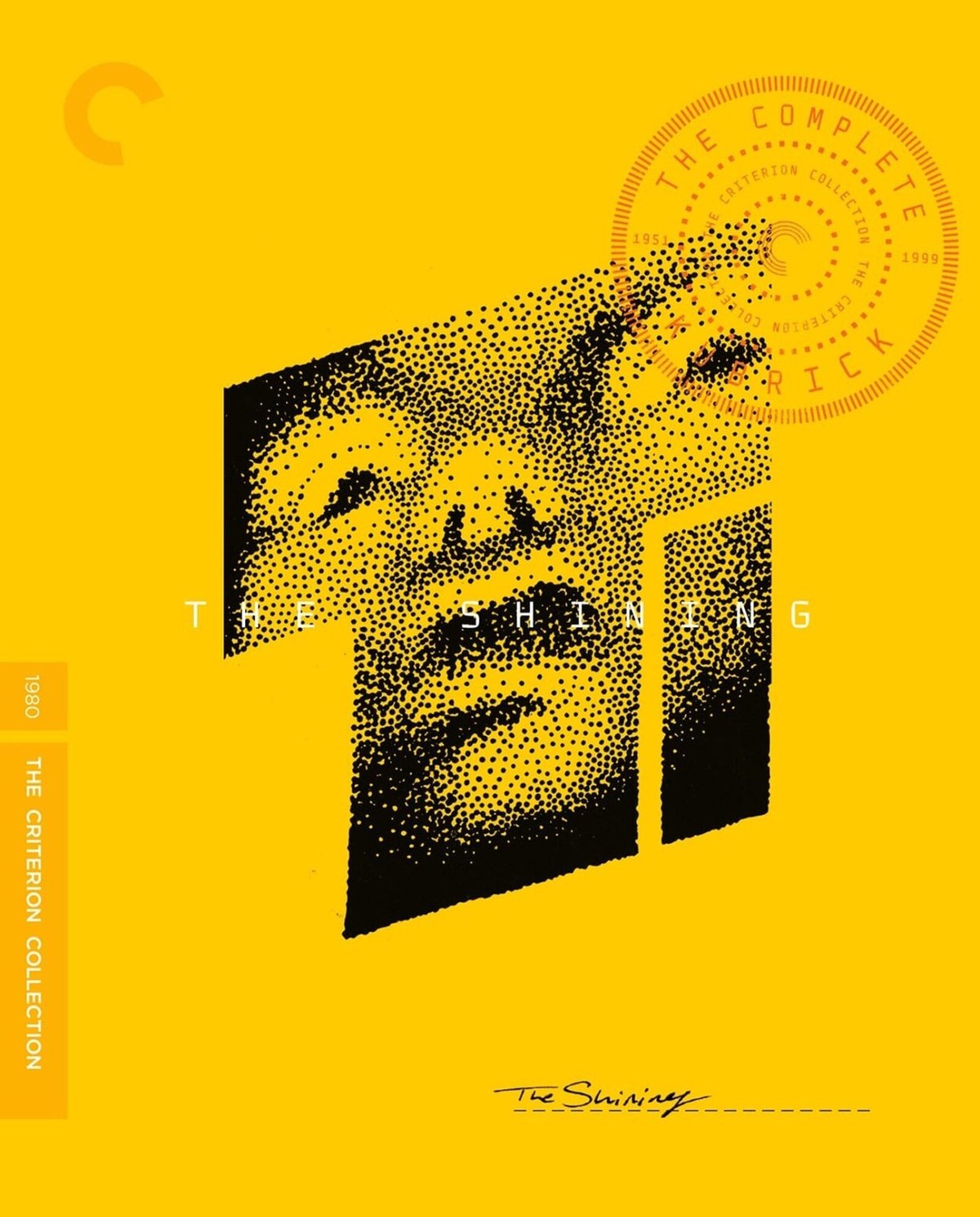
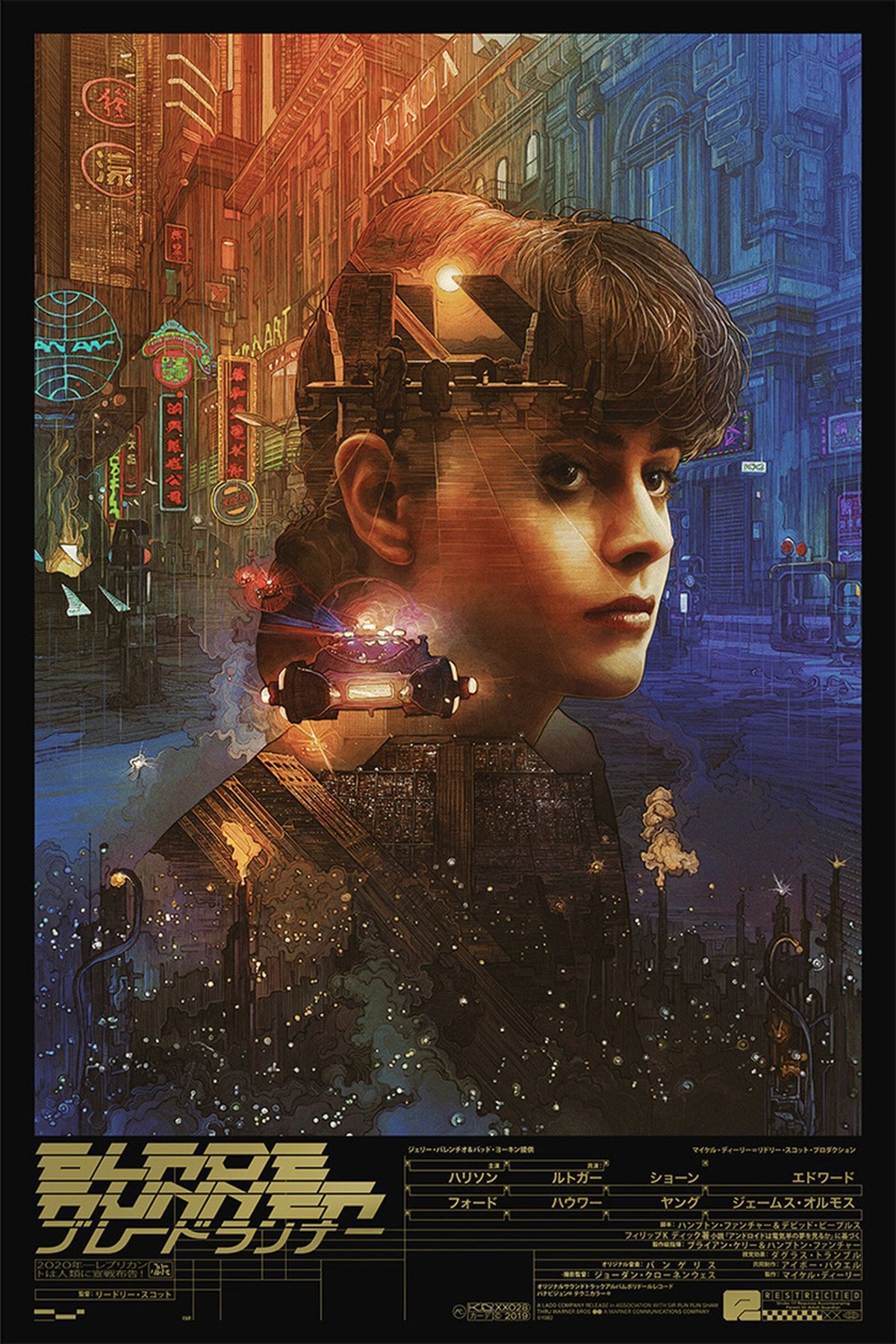
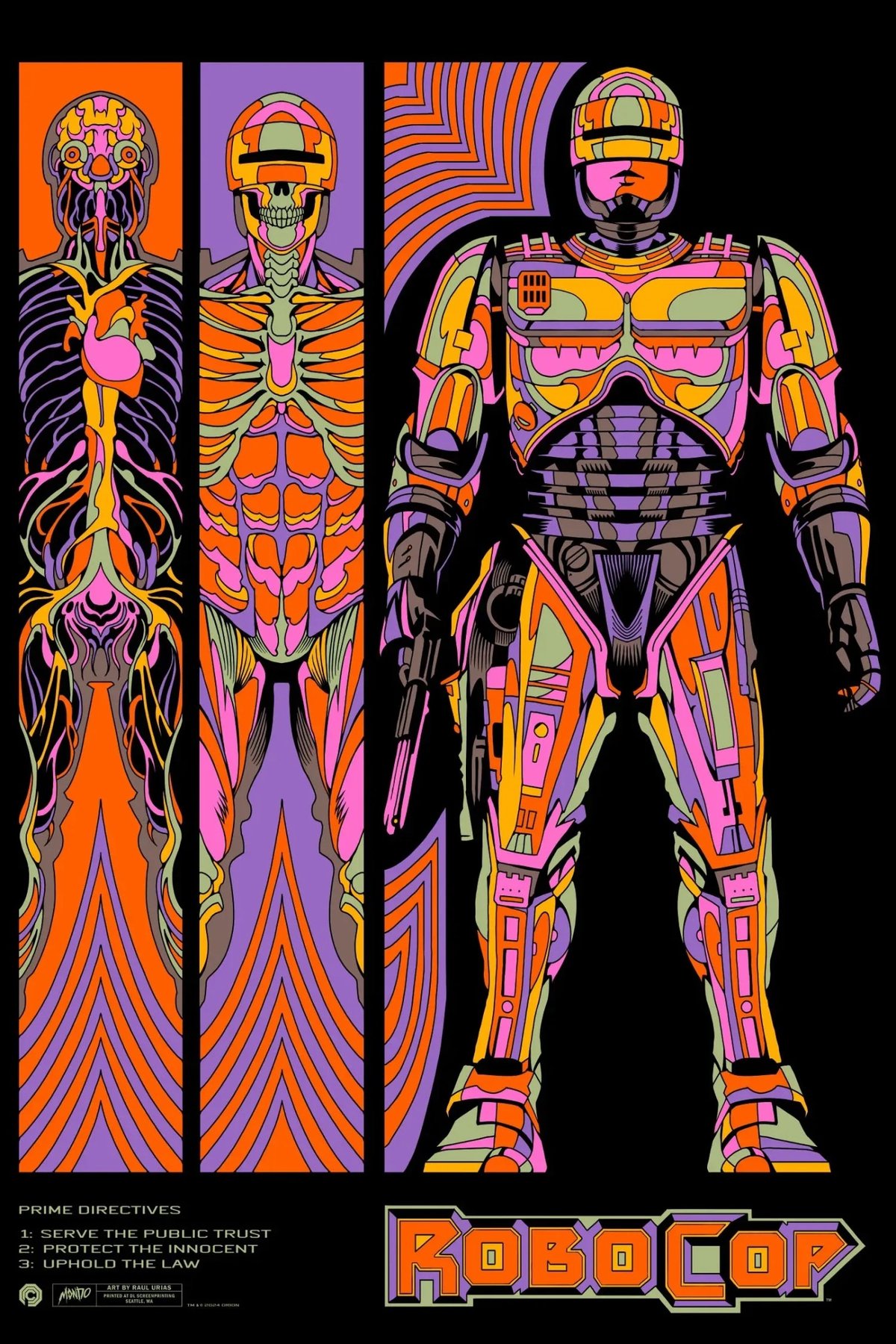
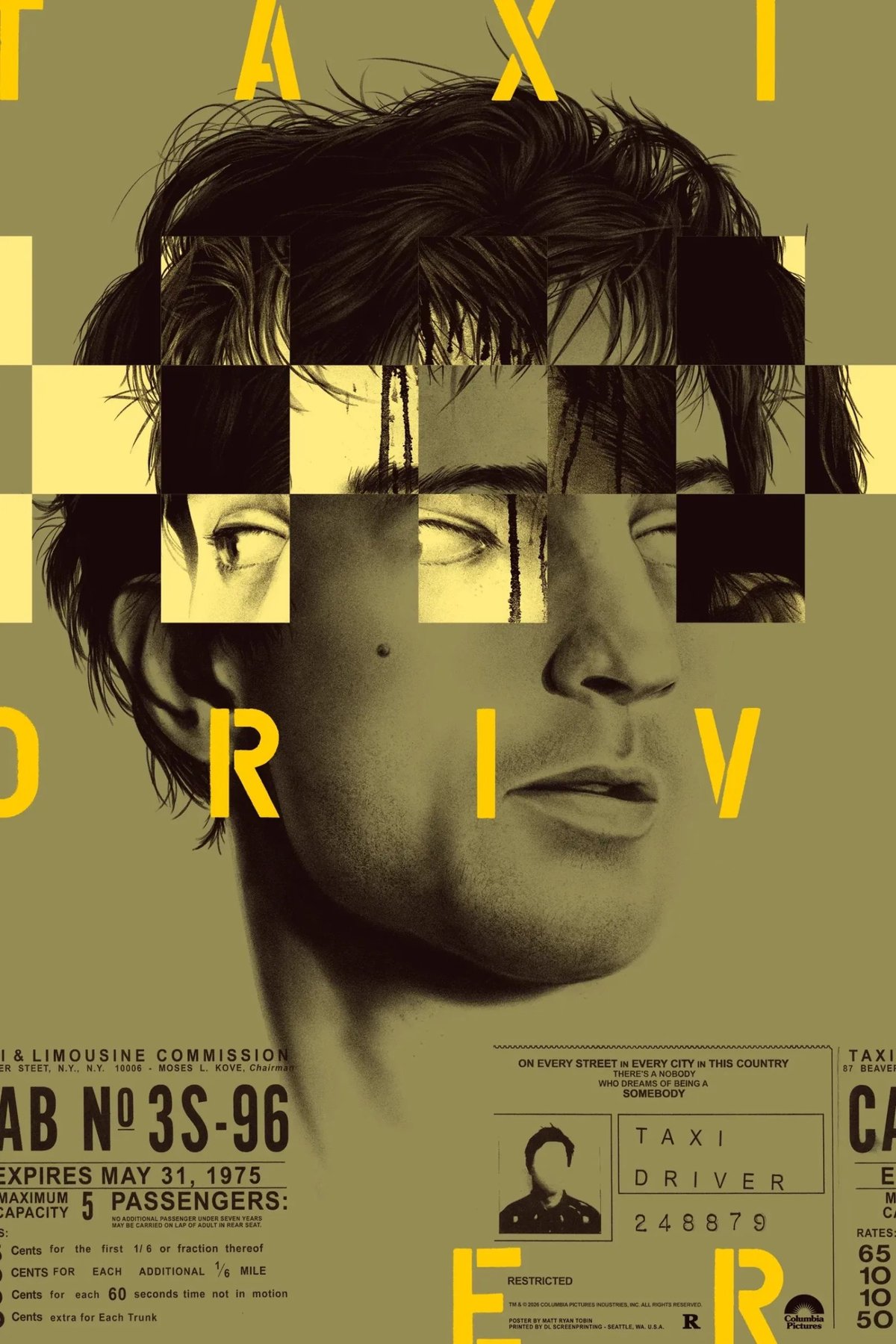
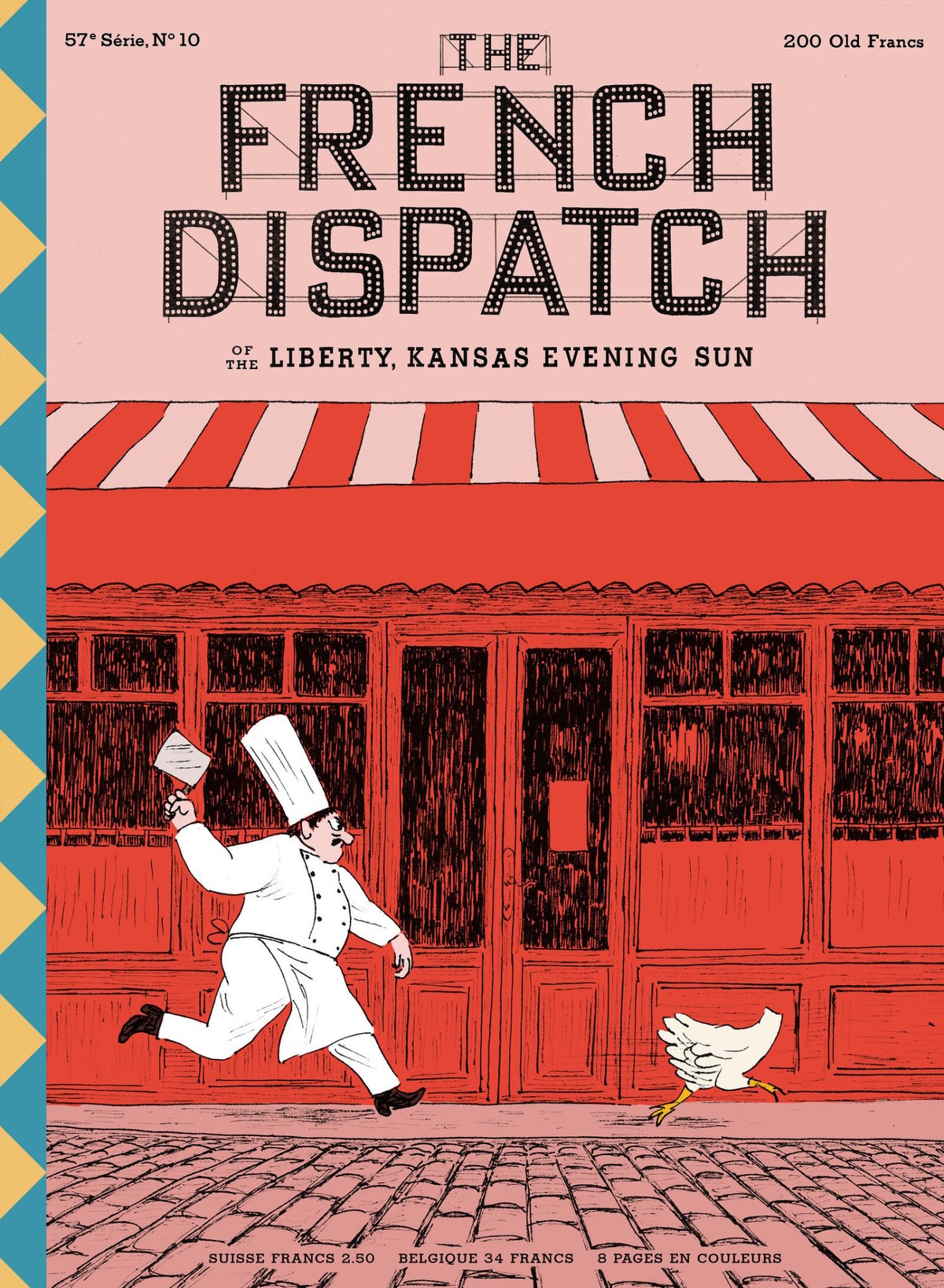
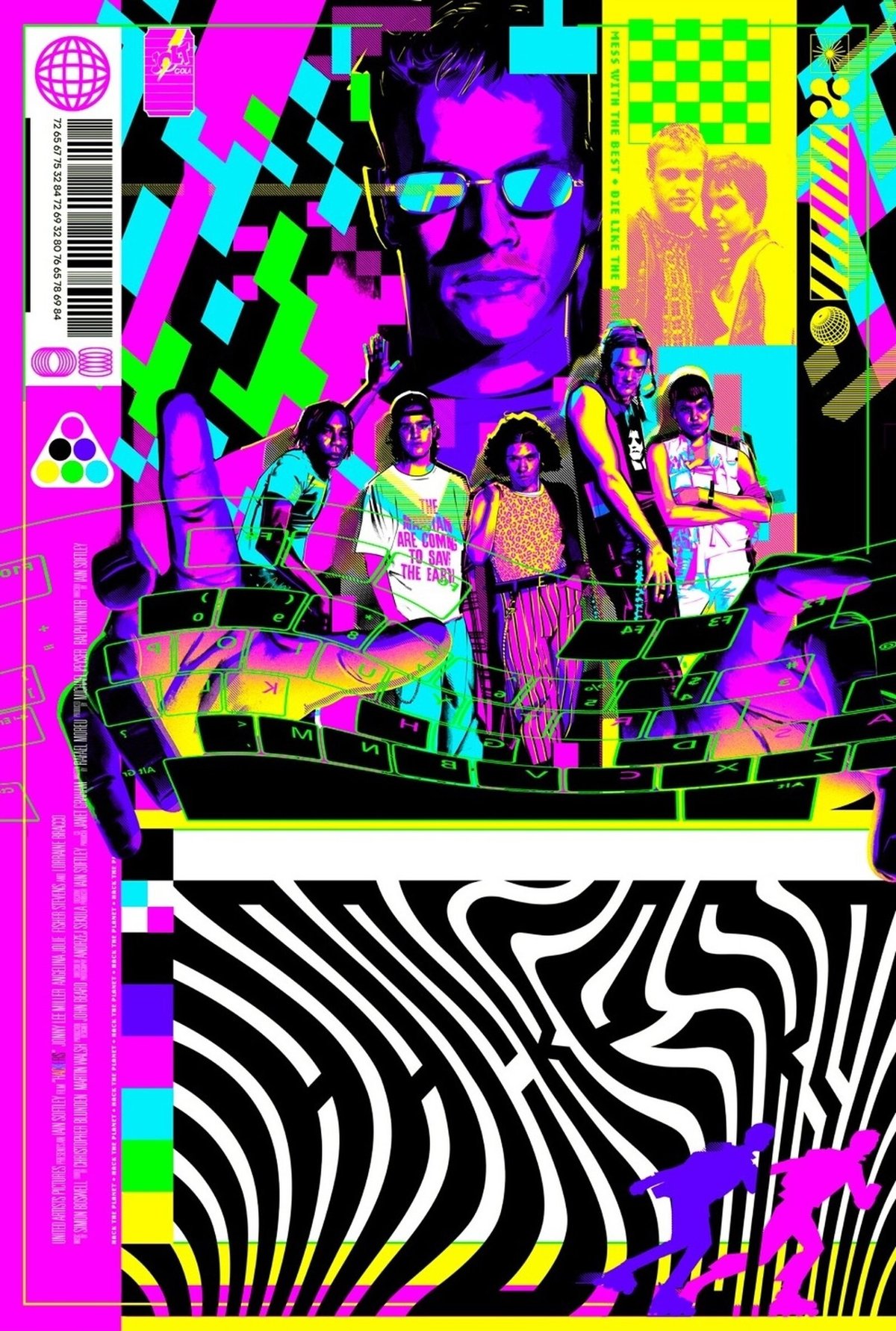
Reelizer is a personal project by Roger Erik Tinch that is a collection of movie art: prints, posters, illustrations, albums, books, covers, etc. Careful, you can lose hours here…Tinch has a great eye. A few of my favorites:
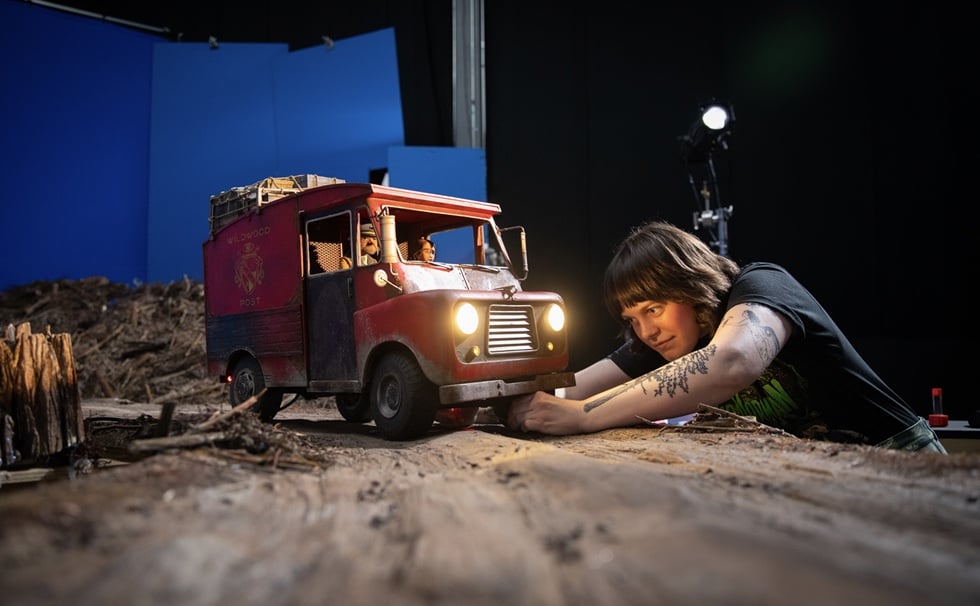
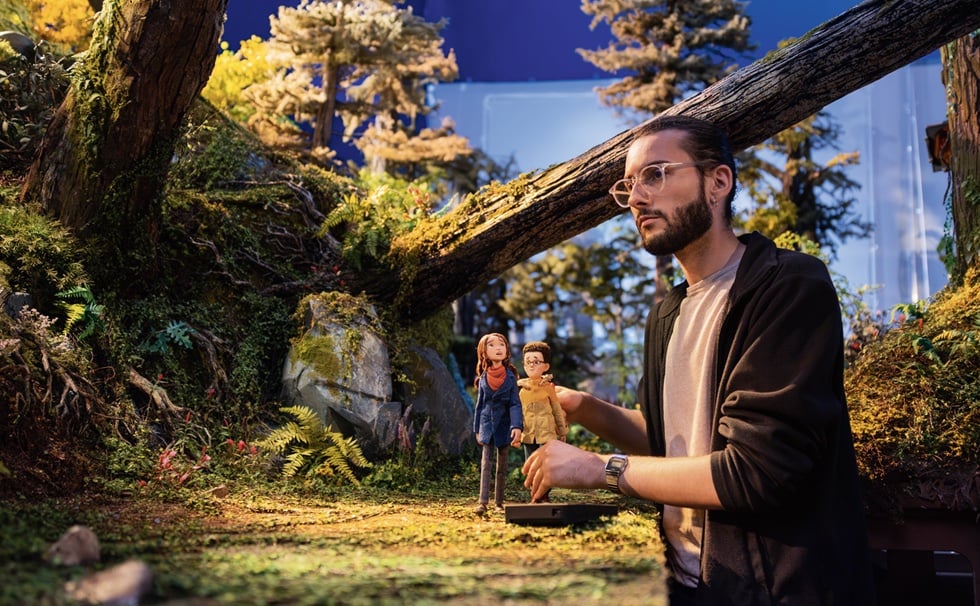
Laika is the stop-motion animation studio that made Coraline & Kubo and the Two Strings. Their newest film, Wildwood, looks pretty incredible; have a look at the trailer.
Creative Boom recently highlighted some of the process behind the film, which is heavily dependent on physical sets and puppets.
The man tasked with putting the show together was art director Matthew Maldonado, having spent five years designing and building Wildwood’s sets. So I asked him the million dollar question: how much of Wildwood is physical and how much is digital?
Matthew’s response is simple. “Every single thing was made by hand, truly,” he stresses. “And every single thing that we built was either shot in camera or referenced by our effects department. We’ve got some really wide, expansive locations and there’s some digital aspect to all of that. But if it wasn’t on camera, on stage, it’s a scanned asset or a reference asset, specifically made by the artisans in the art department.”
“The show” referenced in the quote above is Wildwood: The Exhibition, due to open soon at the Design Museum in London.
(via justin lind)
Silent Friend is a historical drama written and directed by Hungarian filmmaker Ildikó Enyedi. Here’s the description:
In the botanical garden of a medieval German university, a ginkgo tree hundreds of years old watches its human neighbors through the slip-stream of time. Among them, a young woman in 1908 attempts to break through the botany department’s masculine academic culture; an idealistic couple in 1972 performs experiments on plant communication under its branches; and a neurologist on lockdown in 2020 turns to it as he tries to push the boundaries of perception.
It’s got a 94% rating on Rotten Tomatoes and some good reviews on Letterboxd, including this one from film reviewer David Ehrlich:
me before seeing this movie: that is a big tree.
me after seeing this movie: that is a giant, hormonal, unbearably horned up 900-year-old virgin that understands loneliness on a level that most humans could never even begin to imagine.
The trailer and description put me in mind of Peter Wohlleben’s The Hidden Life of Trees, The Overstory by Richard Powers, and Finding the Mother Tree by Suzanne Simard.
I love 2005’s Pride and Prejudice, starring Keira Knightly & Matthew Macfadyen and directed by Joe Wright. So I really enjoyed Danny Boyd’s video essay about the great cinematography in the film.
Pride & Prejudice isn’t a movie I’ve exactly seen a 100 times in my life. And believe me, I like a good romcom. But when I finally sat myself down, put on the 4K disc, and paid attention, I could not believe the level of craft on display here. The cinematography of this movie is insane. Some of the closest to my own personal tastes as I’ve ever found. So today, I want to talk about how director Joe Wright created some of the best extended tracking shots, ones, long takes, that I’ve ever seen.
Wes Anderson steps into the mobile Criterion Closet to select some films that he enjoys.
One unsurprising thing about this video: Anderson says he has his own Criterion closet at home with all of the Criterion films. That’s maybe a $40-50K investment? (He probably gets them free from Criterion tho.) I wonder how many films he watches a day? Two? Three? If Soderbergh’s yearly watch/read lists are any indication, it’s probably in that ballpark.
One surprising thing about this video: I was expecting Anderson to go for Kurosawa, Tati, Truffaut, Welles, and some other of his big influences but instead selected family friendly fare suitable for a trip. The man has a wide array of influences. Here’s the full list:
The 39 Steps (Alfred Hitchcock, 1935)
The Red Shoes (Michael Powell and Emeric Pressburger, 1948)
Heaven Can Wait (Ernst Lubitsch, 1943)
Design for Living (Ernst Lubitsch, 1933)
The Lady Eve (Preston Sturges, 1941)
Stagecoach (John Ford, 1939)
Flow (Gints Zilbalodis, 2024)
Tootsie (Sydney Pollack, 1982)
Charulata (Satyajit Ray, 1964)
I love seeing Flow on there. What a great little film.
See also Wes Anderson Talks Up Some of His Favorite Movies in a Parisian Video Store and this delightful video from 20 years ago or so featuring Anderson and Jason Schwartzman picking out music & movies in a Borders:
Project Hail Mary is already on my list of movies that I can just throw on in the backround while I do a bit of work or puttering around. (Not sure whether that’s an endorsement or not…I like the movie!) Anyhoo, if you get tired of the movie, you can watch Rocky sleep for 2+ hours with the PHM soundtrack playing in the background.
For TCM, Every Frame a Painting’s Taylor Ramos & Tony Zhou tell us how legendary Japanese filmmaker Yasujiro Ozu made the transition to color filmmaking. His first color film was Equinox Flower in 1958 and it took a couple of films for Ozu to work out how to best employ color.
When you watch later Ozu films, you’re struck by how similar two people can be. How often one place resembles another, how life itself is cyclical and Ozu used color as another way to build these patterns.
In the recent post about the supersonic trebuchet, I wrote that if I’d had access to engineering process videos like that when I was a kid, I would have grown up to be an engineer. Well, same thing for Every Frame a Painting: 12-year-old Jason had zero idea how filmmaking worked and videos like theirs would have fired me up to try my hand at it (no idea where I would have gotten a camera though…) Maybe it’s best that I grew up to do what I’m doing, where I can learn a little bit about all of these different fascinating things. 🤷♂️
This 17-minute interview about the Odyssey with Christopher Nolan conducted by philosophy doctoral student Zhong Shu is one of the better ones I’ve seen.
The first two questions are:
- Do you consider yourself a bard for a civilization at dusk?
- Have you Christianized The Odyssey?
And nary a comment or question about filming in IMAX.
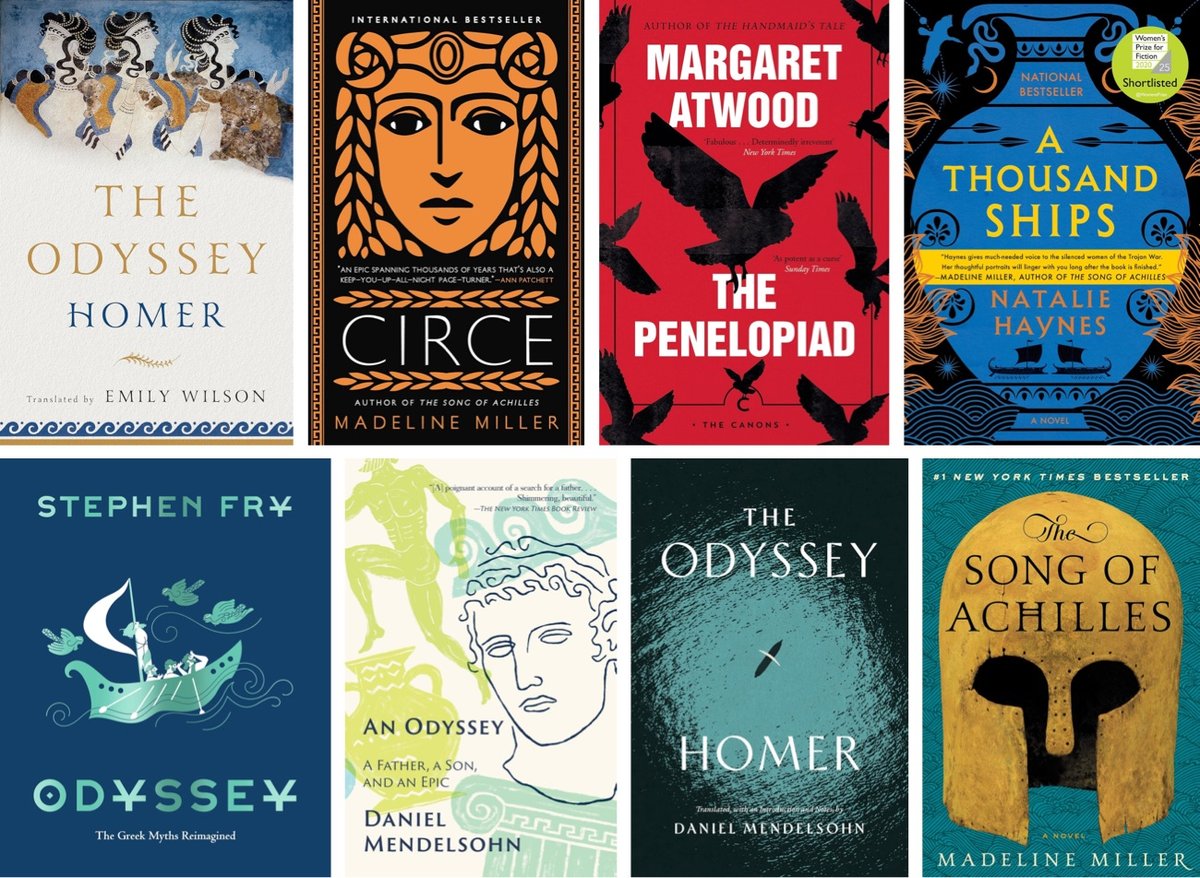
I’m currently doing the thing I do after seeing a movie (The Odyssey) I really enjoyed or found interesting: digging into related media. Yesterday I had an hour in the car, so I listened to this episode of The Daily podcast with Madeline Miller and Emily Wilson.
I think it’s quite odd to think that one book or one translation erases the others. I mean, if people prefer some other translation or if people want to read the Greek, I would love for them to do that. I think it’s great. I have no desire to legislate about which versions of “The Odyssey,” or of any ancient text, people want to engage with. So I think there’s something quite strange about the idea that the canon doesn’t have room for many, many different interpretations, translations, engagements, reinventions.
I’ve also flagged this New York Review of Books podcast with Daniel Mendelsohn, another NYT podcast with Madeline Miller, and this WNYC podcast with Emily Wilson for future listening.
As for reading, Wilson and Mendelsohn both did contemporary translations of The Odyssey within the past few years: The Odyssey translated by Emily Wilson (I loved this, read it aloud to my kids) and The Odyssey translated by Daniel Mendelsohn. Actor Stephen Fry recently did a more approachable reimagining of The Odyssey. The Odyssey: A Graphic Novel by Gareth Hinds is even more accessible, especially for younger readers.
Miller is the author of two great novels based on the Iliad and the Odyssey: Circe (my personal favorite of the two…I love this book and tell everyone to read it)1 and The Song of Achilles.
Other novels based on Homer’s works: The Penelopiad by Margaret Atwood and A Thousand Ships by Natalie Haynes.
Mendelsohn also wrote An Odyssey: A Father, A Son, and an Epic back in 2018; it sounds really interesting:
When eighty-one-year-old Jay Mendelsohn decides to enroll in the undergraduate Odyssey seminar his son teaches at Bard College, the two find themselves on an adventure as profoundly emotional as it is intellectual. For Jay, a retired research scientist who sees the world through a mathematician’s unforgiving eyes, this return to the classroom is his “one last chance” to learn the great literature he’d neglected in his youth—and, even more, a final opportunity to more fully understand his son, a writer and classicist.
Do you have any recommendations for podcasts or favorite Odyssey translations/retellings?
Mission Impossible. Oppenheimer. F1. The Odyssey. Top Gun: Maverick. Mad Max: Fury Road. Inception. Dune. Filmmakers and studios who make movies like these love to emphasize their heavy use of practical effects, i.e. real cars jumping real bridges or real people hanging off of real airplanes. “No CGI”, they say, despite the hundreds of names in the visual effects section of the films’ credits.
In his six-part series, Jonas Ussing, who co-owns a visual effects studio in Denmark, takes a look at these “No CGI” films and shows us just how much digital graphical effects goes into them. For instance, did you know that every single flying jet in Top Gun: Maverick, a movie we were assured was all practical effects, was built with CGI? Take a look:
His latest video is all about Christopher Nolan:
I’ve only watched bits and pieces of these videos so far (the Nolan one is 71 minutes long), but when ILM’s Todd Vaziri says something film-related is good, it’s good.
I suspect like many of you, I saw The Odyssey this weekend. I really liked it and the more I read & think about the film, the more it grows in my esteem. This thread by Mmina Maclang-Tamayo (spoilers!) is pretty much how I interpreted what Nolan was trying to convey.
As it turns out, it was 10,000% important that Christopher Nolan’s The Odyssey was delivered in American accents, beyond just the Emily Wilson linguistics of it all.
It’s because it was about America.
I didn’t think it’d be possible to spoil a 3000 year-old epic, but here’s a 🧵
The emphasis on what’s happening back in Ithaca, with the royal courts and suitors to Penelope reflect upon the internal politics of taking the anxieties of the people about external invaders to attempt to seize power.
Then, Odysseus returns with the revelation: the feared invaders, “The Sea People”, were them all along.
Zeus’ Law has an uncanny resemblance to Christian teaching. “Whatsoever you do to the least of My brothers, that you do unto Me”. (Matthew 25:40)
That America proudly keeps envoking the Abrahamic God in its identity as a nation, and its government attempting to justify their actions in the name of such a God, yet turn around and gravely mistreat the immigrants on their doorstep, and antagonize their own allies, is a betrayal of its identity.
The film warns: America has broken Zeus’ Law.
Steve Donner shared some interesting thoughts in his reading of the film:
20. The point: Nothing is sacred in war, and we have lost all respect for basic decency and hospitality. We’re all the violators; we are all the suitors, we are all the cyclops. Consequently, all the towers and temples burn (“the burning roof and tower, and Agamemnon dead”). It’s Odysseus’ guilt about his foreign wars manifesting again and he’s spent years avoiding the truth.
21. That’s why he’s unconsciously avoided home for twenty years: he simply cannot face what he has become, nor does he wish to show his shame to his wife and son.
I’m looking forward to seeing the movie again in a couple of weeks. In the meantime, what did you think of The Odyssey? And if you read or listened to something interesting or provocative about the film, please share links!
I’d seen that there was a new Tom Cruise movie coming out this fall called Digger, but I was not prepared for the trailer, in which we see Cruise playing a dipshit oligarch in what appears to be a Dr. Strangelove-style satire/thriller.
The most powerful man in the world embarks on a frantic mission to prove he is humanity’s savior before the disaster he’s unleashed destroys everything.
The film is directed by Alejandro Iñárritu (Amores perros, Birdman, The Revenant) and also stars John Goodman as a geriatric president, Sandra Hüller, and Jesse Plemons. Digger has just moved near the top of my most-anticipated movies of 2026 list.
Martin Timko (aka matogolf) cut this video of the best musical moments from Hans Zimmer & Friends: Diamond in the Desert. He plays a number of pieces from various soundtracks, including Dunkirk, Gladiator, Interstellar, Dune, and The Dark Knight. Great to hear live performances of these iconic pieces.
Good god, The Complete Kubrick from Criterion.
Collected here for the first time are Kubrick’s thirteen features and three shorts, all restored in 4K, with their original soundtracks alongside the 5.1 mixes, restored and remastered; over twenty-five hours of interviews, documentaries, and behind-the-scenes materials; and deluxe packaging illustrated with rare photographs, artwork, and documents annotated by Kubrick himself, all housed in a singular box inspired by the director’s legendary archive.
Altogether it’s 30 discs, $480 if you pre-order, and it’ll be out in mid-October.
P.S. While it’s not a fancypants box set, the KDO tag page for Stanley Kubrick functions pretty well as “DVD extras” — and it’s free. (via df)
Before making his revolutionary documentary film The Thin Blue Line, filmmaker Errol Morris worked as a private detective. His detective skills came in handy not only in making the film but in actually solving the crime at the heart of the story and freeing an innocent man from a prison life sentence.
The Thin Blue Line (1988) not only exposed a miscarriage of justice and freed an innocent man from prison, but created a new genre of movies and forever changed the way Americans view their own justice system.
The teaser trailer for the sequel to David Fincher’s The Social Network is here — they’re calling the movie “a companion piece” to the first film. It’s based on The Facebook Files:
Primarily, the reports revealed that, based on internally commissioned studies, the company was fully aware of negative impacts on teenage users of Instagram, and the contribution of Facebook activity to violence in developing countries. Other takeaways of the leak include the impact of the company’s platforms on spreading false information, and Facebook’s policy of promoting inflammatory posts. Furthermore, Facebook was fully aware that harmful content was being pushed through Facebook algorithms reaching young users. The types of content included posts promoting anorexia nervosa and self-harm photos.
Jeremy Strong nails Zuckerberg’s voice & mannerisms. The hint of Reznor/Ross at the end is great, though it looks like Alexandre Desplat is doing the music this time around. Aaron Sorkin, who wrote the screenplay for the first film, writes and directs. Out in theaters October 9th.
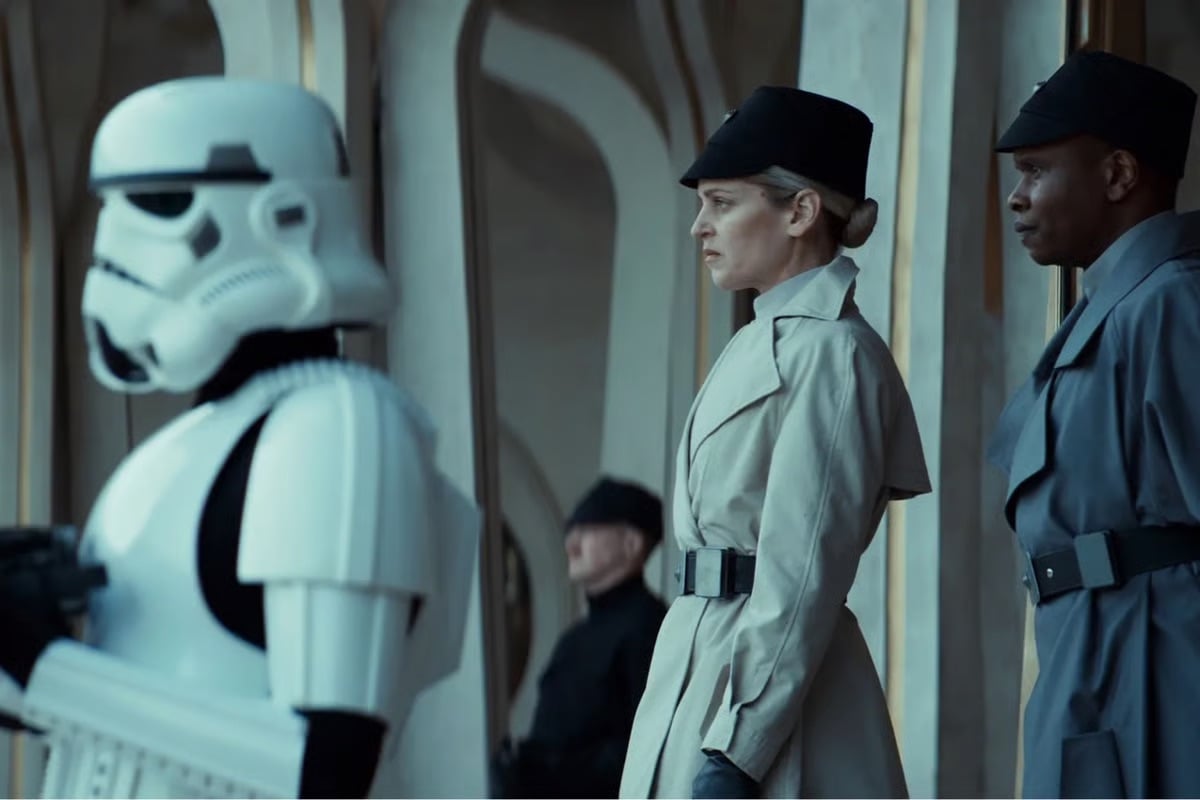
Now that Andor has been out for a while, showrunner Tony Gilroy is free to speak his mind on what the show was all about. I mean, it was pretty clear to the audience, but now he can say his piece. Andor won a Peabody Award and at the awards ceremony, Gilroy gave the following acceptance speech:
We spent six years contemplating a fascist takeover of a galaxy far, far away. Six years thinking about what happens to ordinary beings when an authoritarian, insane, unchecked regime comes into the deal, and the show is really kind of what we learned.
If you’re not willing to fight for the things that you love — your family, community, your culture, your planet, your truth, freedom — there’s an asshole ready to come in and take it away. We learned that bravery and sacrifice and resistance comes in all shapes and sizes, and we learned that courage is contagious.
There’s so much is happening, it’s a fire hose of crap that you just can’t get through. And here we are. There isn’t a new cycle that goes by right now that doesn’t contain a variety of outrages that in any other time in our history in America wouldn’t be grounds for treason.
Please do not stop. Please do not turn out the lights until we can kill this nightmare. And fuck the Empire!
Gilroy also recently appeared on Peabody’s podcast We Disrupt This Broadcast where he talks about the show’s prescience regarding the current political moment. From the transcript:
So any really specific prescient coincidence, and there probably will be some, they’re not intentional. They weren’t intentional at the time. They’re sadly what they are. And we were not looking at the newspaper when we wrote this. It doesn’t behoove me to do that. It’s incredibly, almost narcissistic how people feel that they’re always living at the edge of history in a way that’s just so unique. We feel so special.
And the sad truth is that, you know, we are just in another wheel of history. And I must admit that after 9/11 and Vietnam and Covid and Watergate and all the things I’ve grown up, I’m 68. I kind of thought, well, I’ve seen all the history I’m gonna see. I don’t feel that way anymore. I don’t feel so special anymore as a human who’s lived on the planet and lived in something called civilization. I think sadly, it’s sort of a Catherine Reel of repetitive stupidity.
See also Andor Creator Tony Gilroy Is Free to Speak About Fascism Now and An Interview With Andor’s Creator, Tony Gilroy.
The original Star Wars movie was a mashup. George Lucas and his collaborators pulled from everywhere: westerns, samurai movies, Flash Gordon, and a 1955 war film called The Dam Busters. This video shows just how closely the attack on the Death Star mirrors a scene from The Dam Busters of a group of bombers attacking a dam. The dialogue is identical in places. From the Dam Busters Wikipedia page:
Director George Lucas hired Gilbert Taylor, responsible for special effects photography on The Dam Busters, to be the director of photography for the film Star Wars. The attack on the Death Star in the climax of Star Wars is a deliberate and acknowledged homage to the climactic sequence of The Dam Busters. In the former film, rebel pilots have to fly through a trench while evading enemy fire and fire a proton torpedo at a precise distance from the target to destroy the entire base with a single explosion; if one run fails, another run must be made by a different pilot. In addition to the similarity of the scenes, some of the dialogue is nearly identical. Star Wars also ends with an Elgarian march, like The Dam Busters.
You can also watch Star Wars footage with Dam Busters audio and Dam Busters footage with Star Wars audio to see just how closely the two scenes match.
Given modern IP concerns and stakes, it’s difficult to envision this type of homage working today. Star Wars came out just 22 years after The Dam Busters, which is a beloved & acclaimed movie in Britain…it’s not obscure. Imagine a movie released in 2026 by a young Academy Award-nominated director that lifts a scene wholesale from a 2004 film like The Notebook, The Incredibles, Eternal Sunshine of the Spotless Mind, or Million Dollar Baby — it just wouldn’t happen without a lot of lawyerly conversation. I mean, maybe Lucas had those convos with The Dam Busters filmmakers… 🤷♂️
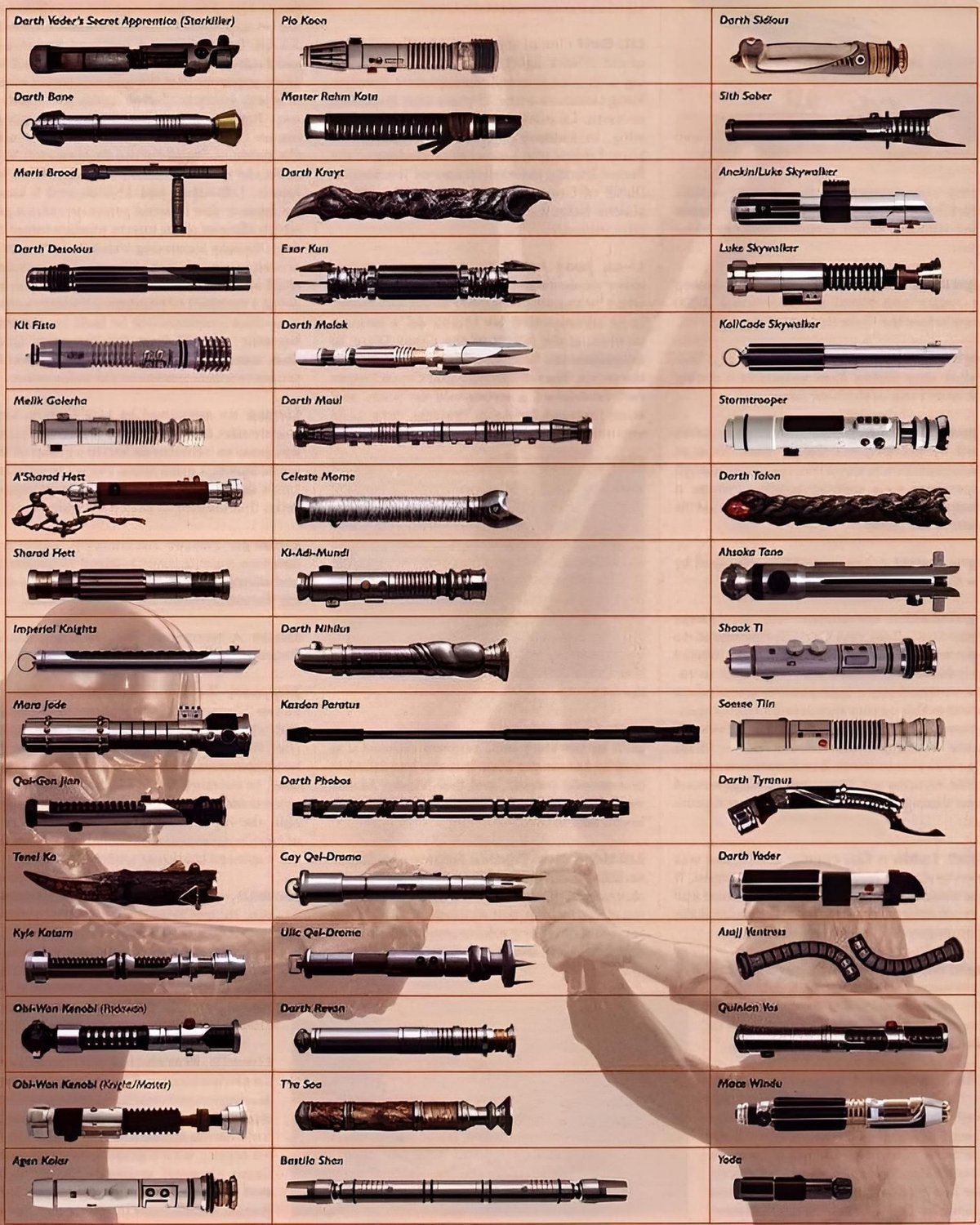
This scan isn’t very good (best I could find), but these are all the lightsabers used by Jedi and Sith in the various Star Wars shows and movies. I think this is from a few years ago, so I’m not sure how up to date it is.
In the SW universe, making your own saber is a Jedi and Sith rite of passage, which accounts for the diversity in design. No shortcuts allowed…Babu Frik wasn’t out there selling Ancient Laser Sword™ kits to young padawans (kyber crystal sold separately). (via dennis crowley)
Cookie Queens is a feature-length documentary film that follows four Girl Scouts as they navigate the big business & big feelings of Girl Scout Cookie season.
“Cookie Queens” is a coming-of-age story about the joys, pressures, and pain points woven into one of America’s most cherished rituals: Girl Scout Cookie season. Captivating, candid, and full of heart, the film follows four girls ages 5-12 as they navigate the annual whirlwind of selling, striving, and succeeding. For these Girl Scouts, selling cookies isn’t just about Thin Mints and sisterhood — it’s a crash course in commercialism. Behind the smiles lie real pressure: long hours, ambitious goals, and weighty expectations. With humor, warmth, and a keen eye for small moments revealing big truths, “Cookie Queens” shows how growing up is shaped by tensions between community and capitalism.
My favorite and also, when I think about it too much, least favorite trailer moment: “There’s no stopping point.” Amen, sister. Opens August 7 in theaters.
David Kaylor is re-editing Rogue One into what he calls “The Andor Cut”; the trailer seems pretty compelling and well-done. He says this is Rogue One if it was produced after Andor:
The original version is the events of Rogue One as seen through Jyn’s perspective, and this is through Cassian’s.
The remixed Rogue One will be out on May 25, available in 4K with 5.1 surround sound. Kaylor has previously produced cuts of all three original trilogy Star Wars movies, Star Wars: Episode III - The Siege of Mandalore & Revenge of the Sith (a combo of the third prequel and part of the 7th season of Clone Wars), and Star Trek: Picard: The Last Generation (a recut of Star Trek: Picard’s 3rd season).
This edit is not to be confused with Andor: The Rogue One Arc, which recuts Rogue One into an Andor-like three-episode arc, leaning heavily on Andor’s soundtrack to set the mood.
This edit is kind of an expression of that with a movie I generally really liked - moving its energy from emulating the jaunty, swashbuckling OT, to more in line with its prequel show’s feel.
Up front, I don’t actually think this elevates or changes Rogue One in any meaningful way. The movie is still the movie, still fast paced and action oriented, particularly compared to Andor’s fiercer, slower, and paranoid ethos. But I do think the elements Andor is rooted in become far more apparent foregrounded to this soundtrack. Where the movie somewhat failed to recapture the energy and excitement of traditional Star Wars (and not for lack of Giacchino effort), the places where it takes itself seriously should now feel less dissonant in a [tonal] context that seriously considers them.
I’ve watched The Rogue One Arc and am looking forward to comparing it to The Andor Cut. And I’ve been seriously contemplating yet another rewatch of the TV series.
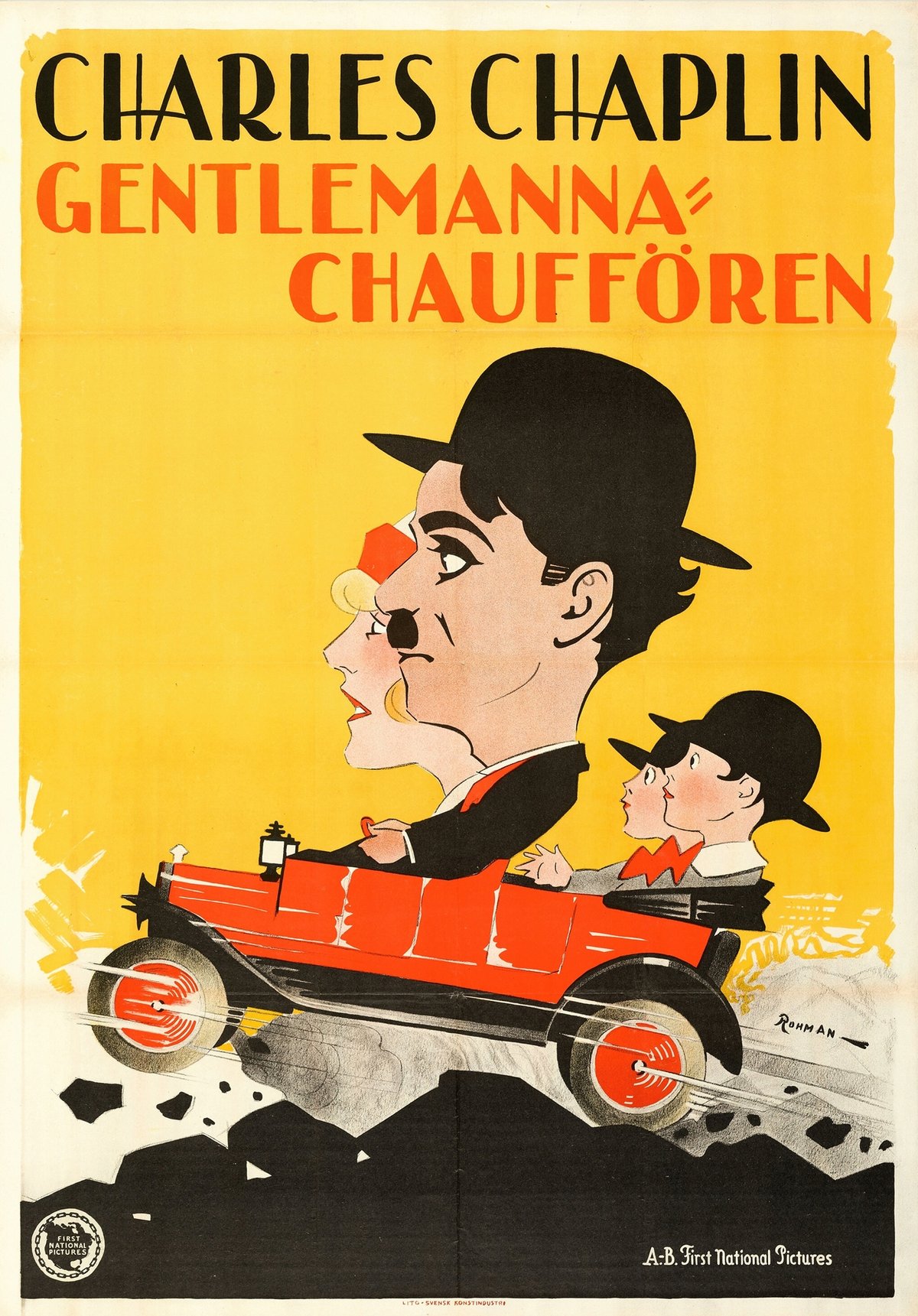
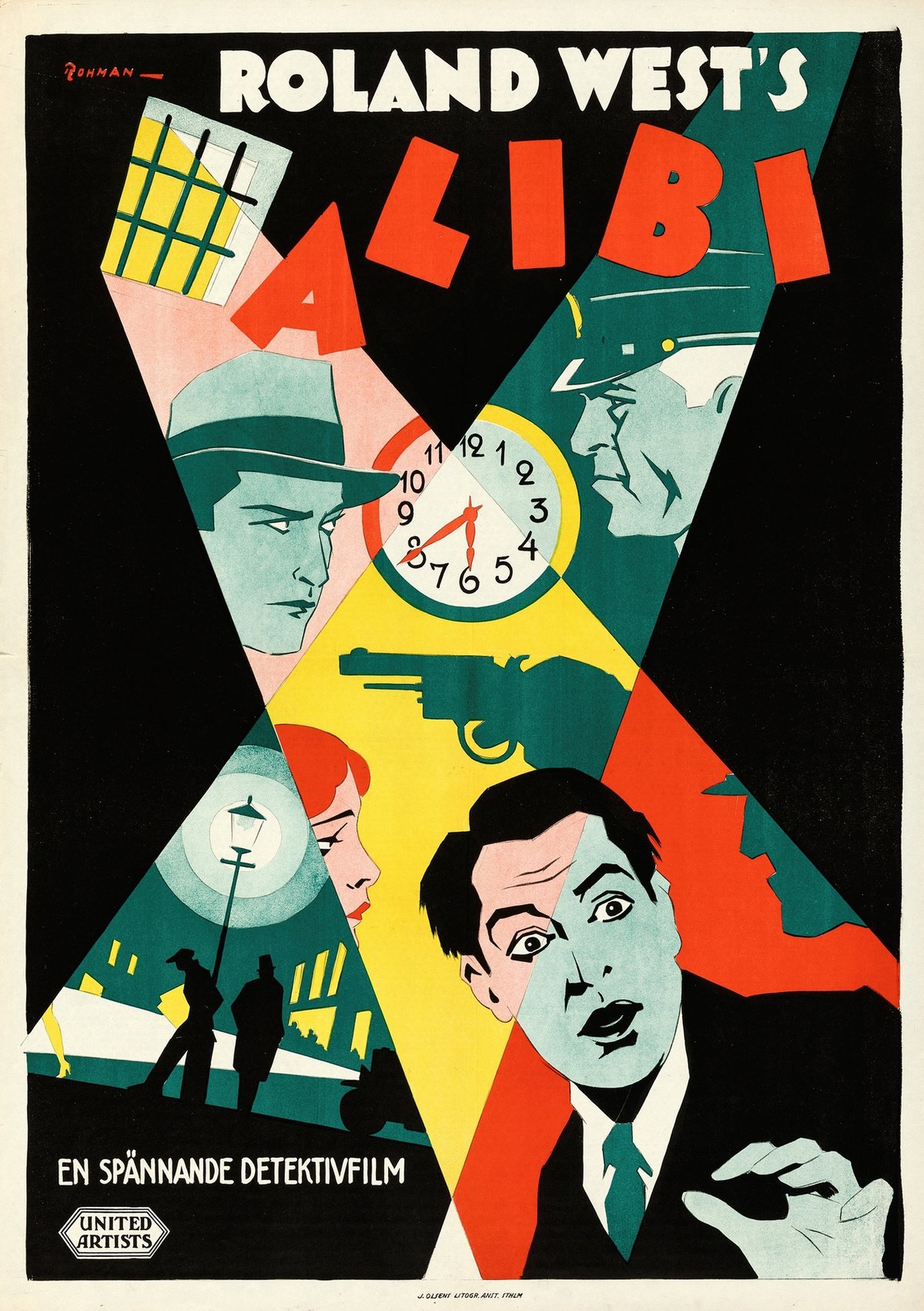
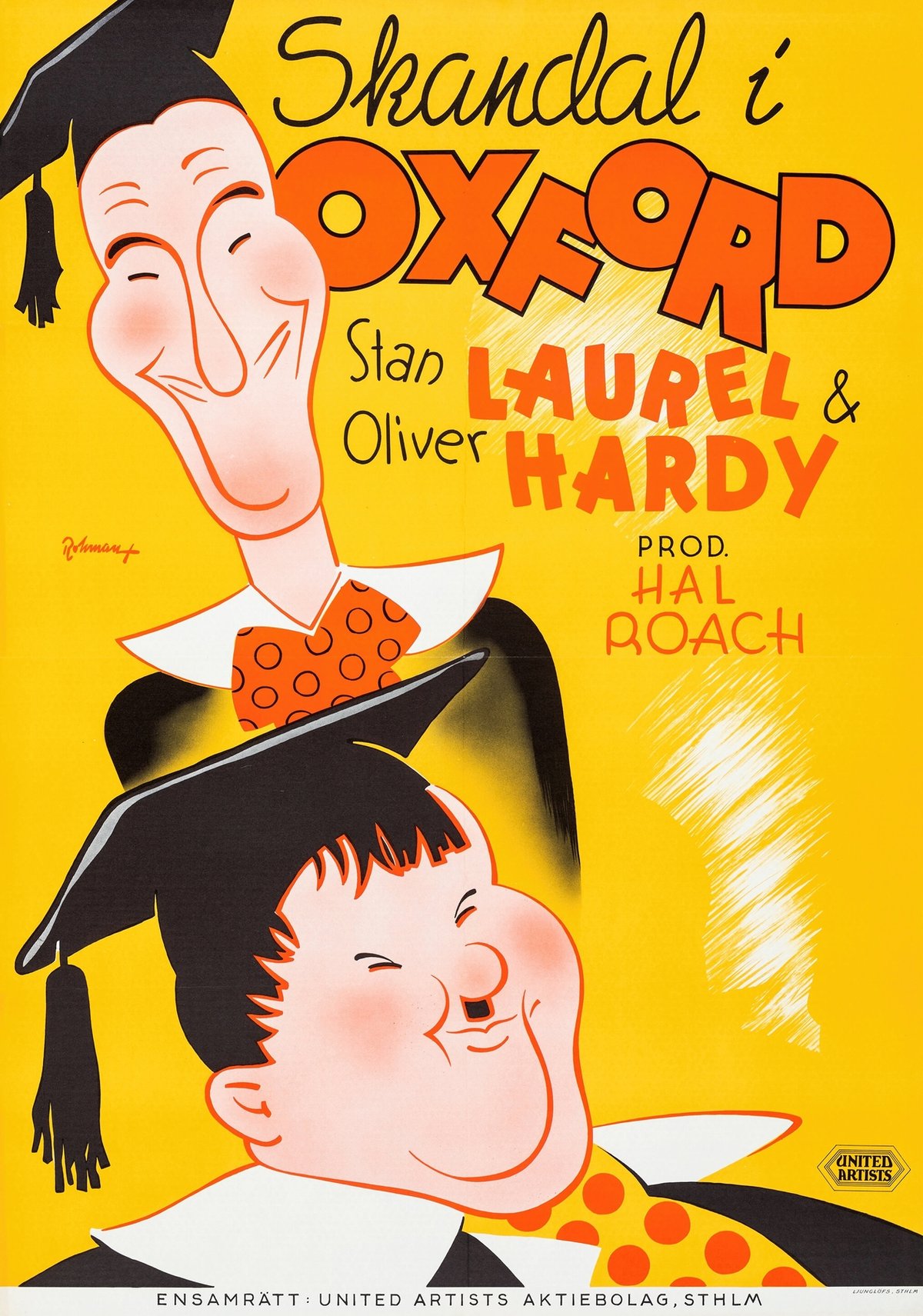
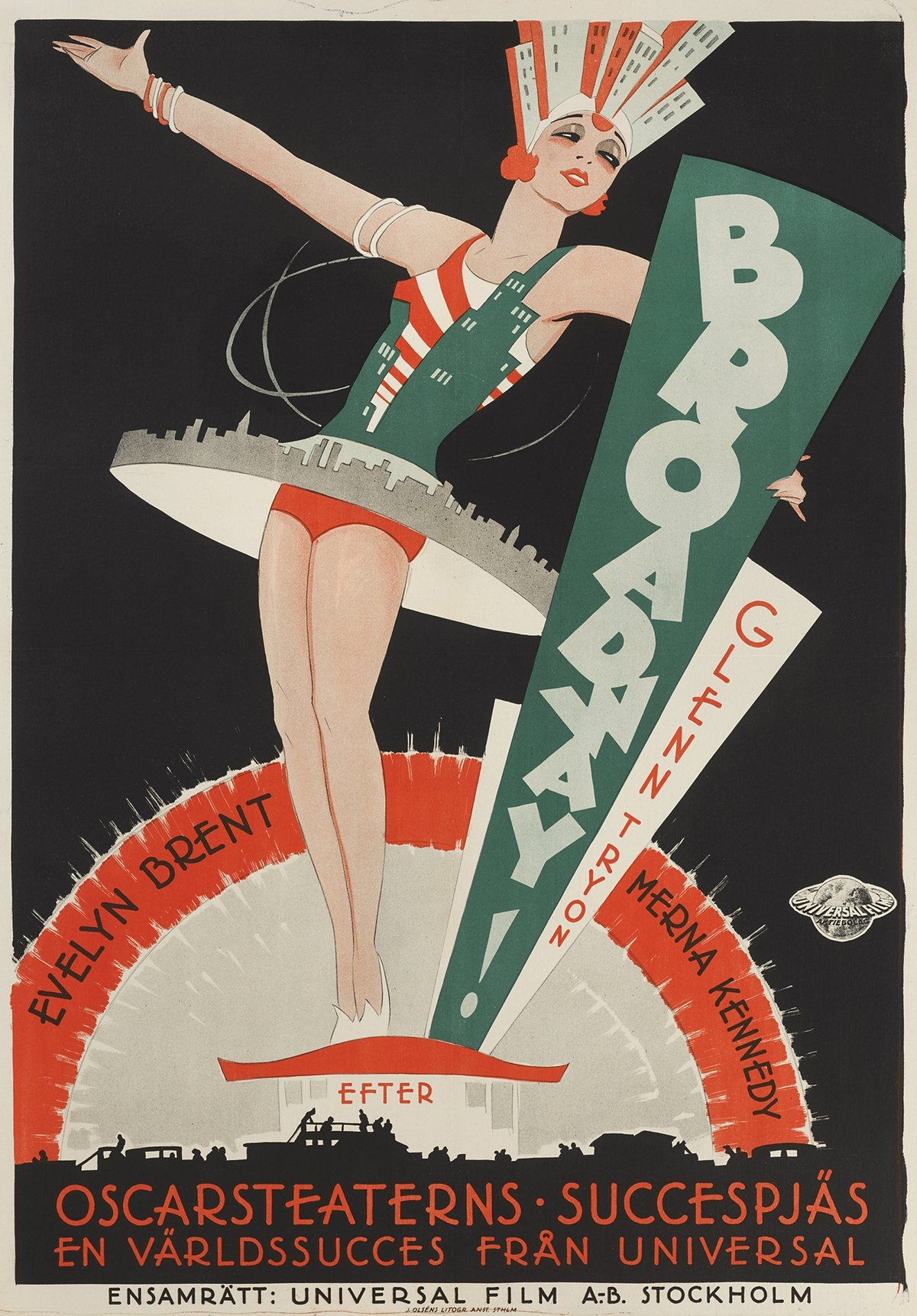
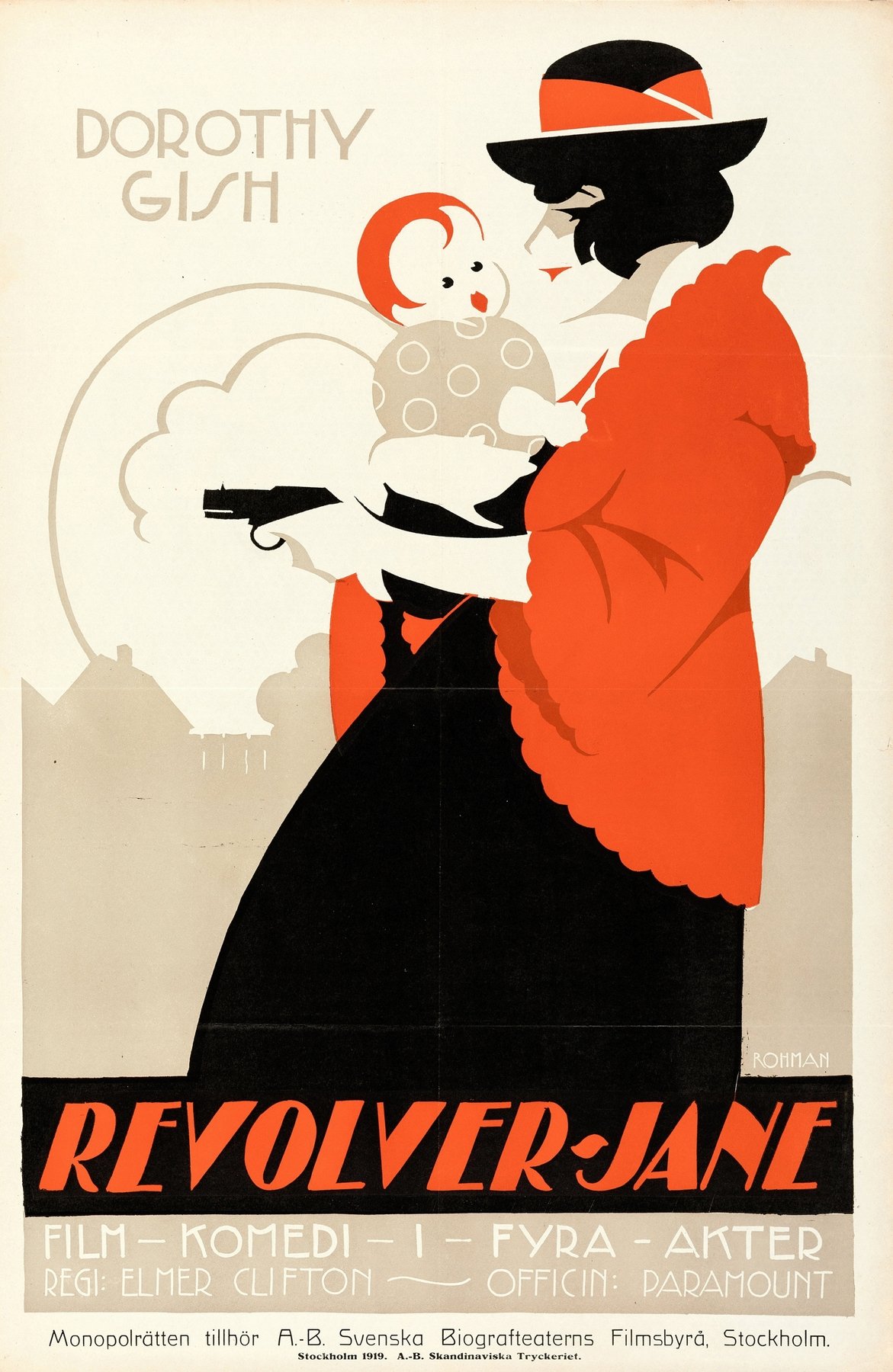
Some nice work here from Swedish designer Eric Rohman, who designed thousands of movie posters in the early-to-mid 20th century. (via meanwhile)
Huh. A24 is coming out with an Anthony Bourdain biopic that focuses on the time period around the chef/writer’s college years, when he first started working in kitchens. Directed by Matt Johnson, who co-created Nirvana the Band the Show and directed BlackBerry. Could be good. (via rex)
I’m gonna call it: Every Frame a Painting, my all-time favorite YouTube channel, is back. Tony Zhou and Taylor Ramos stopped producing their fantastic video essays back in 2017 and while they have popped up here and there since then, they’ve mostly stuck to their retirement.
But for the past few months, the duo have been releasing video essays produced in partnership with Criterion: Night of the Living Dead: Limitations into Virtues, The Blade (1995): The Edges of Wuxia, and just yesterday, The Visual Comedy of Isle of Dogs (embedded above).
For the past three decades, Wes Anderson has left a distinctive fingerprint in American comedy, with his penchant for artificial worlds, deadpan performances, literary devices, and snappy narration. But there’s something else. These movies are funny to look at. Over the years, Anderson has experimented more and more with visual comedy. And none of this is more apparent than in Isle of Dogs.
It looks like they’re doing about one video a month. I hope they keep it up…I love their videos.
(Ok, maybe don’t read this bit until you’ve watched the Isle of Dogs video, but did you detect that Zhou’s narration seems to be synced to the mouth movements of the characters in the clips he’s talking over? Such a great little detail of visual comedy…I clapped my hands in glee like a toddler when I noticed.)
For his latest video essay, Evan Puschak tells us about Un Chien Andalou, the pioneering surrealist short film by Luis Buñuel and Salvador Dalí. The film is particularly notable for a shocking shot in the opening scene, which, if you’ve seen it, you’ve likely never forgotten. Said Buñuel of the film:
This film has no intention of attracting nor pleasing the spectator; indeed, on the contrary, it attacks him, to the degree that he belongs to a society with which surrealism is at war.
You can watch Un Chien Andalou on YouTube:
One wonders what Buñuel and Dalí would have made of YouTube…
Listen, sometimes you just want to watch things blow up. But safely and without consequence (although Arnold Schwarzenegger did somehow become the governor of California). So, can I interest you in three minutes of movie explosions? The 80s and 90s were really a golden age for kick-ass movie explosions. (via @tvaziri.com)
Boots Riley made his directorial debut with the totally weirdo (complimentary) movie Sorry to Bother You in 2018. He’s been quiet since then, but he’s back with a new comedy, I Love Boosters. This looks great. From a review on Letterboxd:
Maximalist social commentary delivered with anime action and colourful high strangeness. Did it kind of fall off the rails towards the end? Absolutely. Was it fun as fuck and creative right to the end? You best believe it. God bless the shoplifters. I got major Everything Everywhere All At Once vibes from this…
The film debuted at SXSW in March and is opening in theaters on May 22.
We thought this day would never come. But we kept the faith and now we can begin to reap the rewards: there is actually a trailer for the Coyote vs. ACME movie and the movie itself is actually coming out on Aug 28.
Quick recap of the situation so far: Ian Frazier wrote a story for the New Yorker in 1990 about an imagined lawsuit brought by Wile E. Coyote against the Acme Company. Fast forward to 2022-23: James Gunn, Dave Green, Will Forte, and others make a movie based on the NYer article…and then Warner Bros. shelves the movie to take a tax write-off. Like, they are going to destroy the completed film. And now, somehow, miraculously, Warner seems to have finally done the right thing and sold the rights to the film so it can be released (which is theoretically the primary reason for their business, releasing movies).
Every Frame a Painting’s Taylor Ramos & Tony Zhou are back with a video essay about pushing the boundaries of genre in Tsui Hark’s 1995 film The Blade.
One reason filmmakers like to work in a genre is that it gives us a pre-made box: a set of expectations, tropes, and boundaries. On the one hand, we want to play within that box, and on the other, we want to push against its edges. Tsui Hark’s The Blade is an exploration and a deconstruction of the box that is wuxia.
If you’re not familiar with wuxia, the video explains the genre; it’s basically Chinese martial arts fantasy — think Crouching Tiger, Hidden Dragon or Hero. (thx, neil)
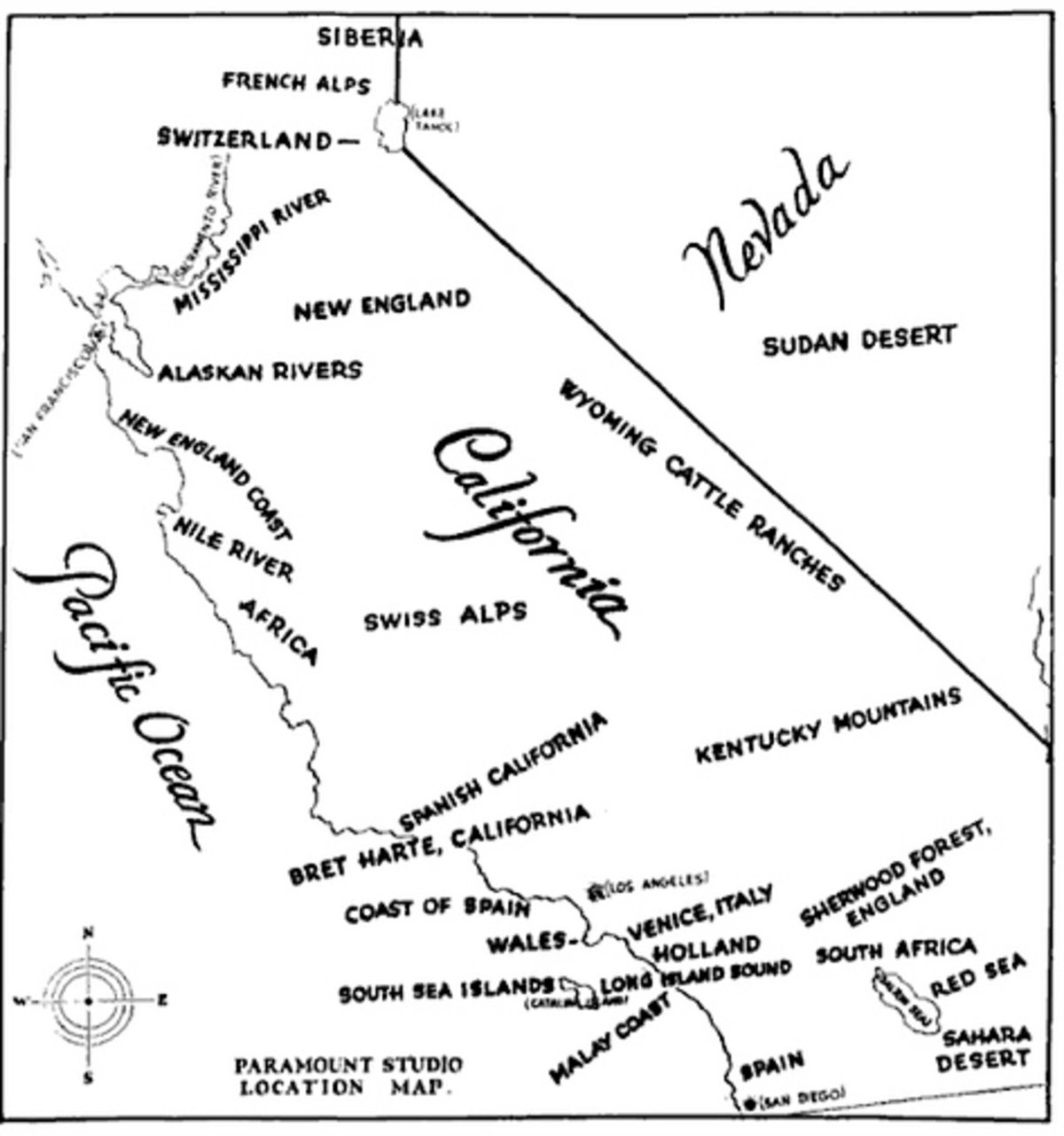
This is a map published in 1927 by Paramount Studios showing the areas of California & Nevada that doubled as shooting locations for far-flung locales, including Siberia, Wales, the Nile, New England, the Red Sea, and the Alps.
Older posts



Socials & More