Just like last year, I kept track of almost everything I read, watched, listened to, and experienced in my media diet posts. In this post, I’m gonna share some of the very best of that content, stuff that stuck with me in one way or another. I marked my absolute favorites with a (*). (Above, my #bestnine Instagram images of 2018.)
Books. I made an effort to read more books this year, particularly those written by women. Hope to continue both of those trends in 2019.
After years of reading the entire Harry Potter series with my kids, we spent several months reading Emily Wilson’s translation of The Odyssey. I was unsure whether they would be into it, but they’d routinely ask for some extra reading time before bed.*
Charles Mann is one of the best nonfiction authors out there, a master of combining culture, history, and science into compelling stories. The Wizard and the Prophet is his latest book and I recommend you read it.*
Normally I shy away from terms like “must-read” or “important” when talking about books, but I’m making an exception for this one. The Wizard and the Prophet is an important book, and I urge you to read it. (The chapter on climate change, including its fascinating history, is alone worth the effort.)
Arbitrary Stupid Goal by Tamara Shopsin. Lots for me to chew on in this one, not least of which is the value of a non-traditional childhood.
I listened to the audiobook version of Kitchen Confidential read by Anthony Bourdain. This book is 18 years old but aside from some details, it felt as immediate and vital as when it came out. What a unique spirit we lost this year.
Circe by Madeline Miller. A fun and engrossing “sequel” to The Odyssey.
In response to this post about They Shall Not Grow Old by Tim Carmody, Stephan Pimpare wrote: “Howard Zinn is derided for a sometimes simplistic and sloppy history, but his singular contribution was a kind of historical Rashomon — the urgent lesson that the shape of all histories can and should be inverted.” Small Fry by Lisa Brennan-Jobs is an inversion of sorts of the traditional history of Silicon Valley.
Movies. Geography has hindered my movie choices since moving to Vermont, and I haven’t seen many of the movies on everyone else’s best of lists. But my movie-viewing has also been less adventurous this year; I’ve preferred less challenging fare after long work days.
Somehow, Black Panther came out this year? It seems like it’s always been with us. BP is the 2018 movie I’d most like to erase from my memory so I could watch it again for the first time. (Honorable mention to Avengers: Infinity War.)
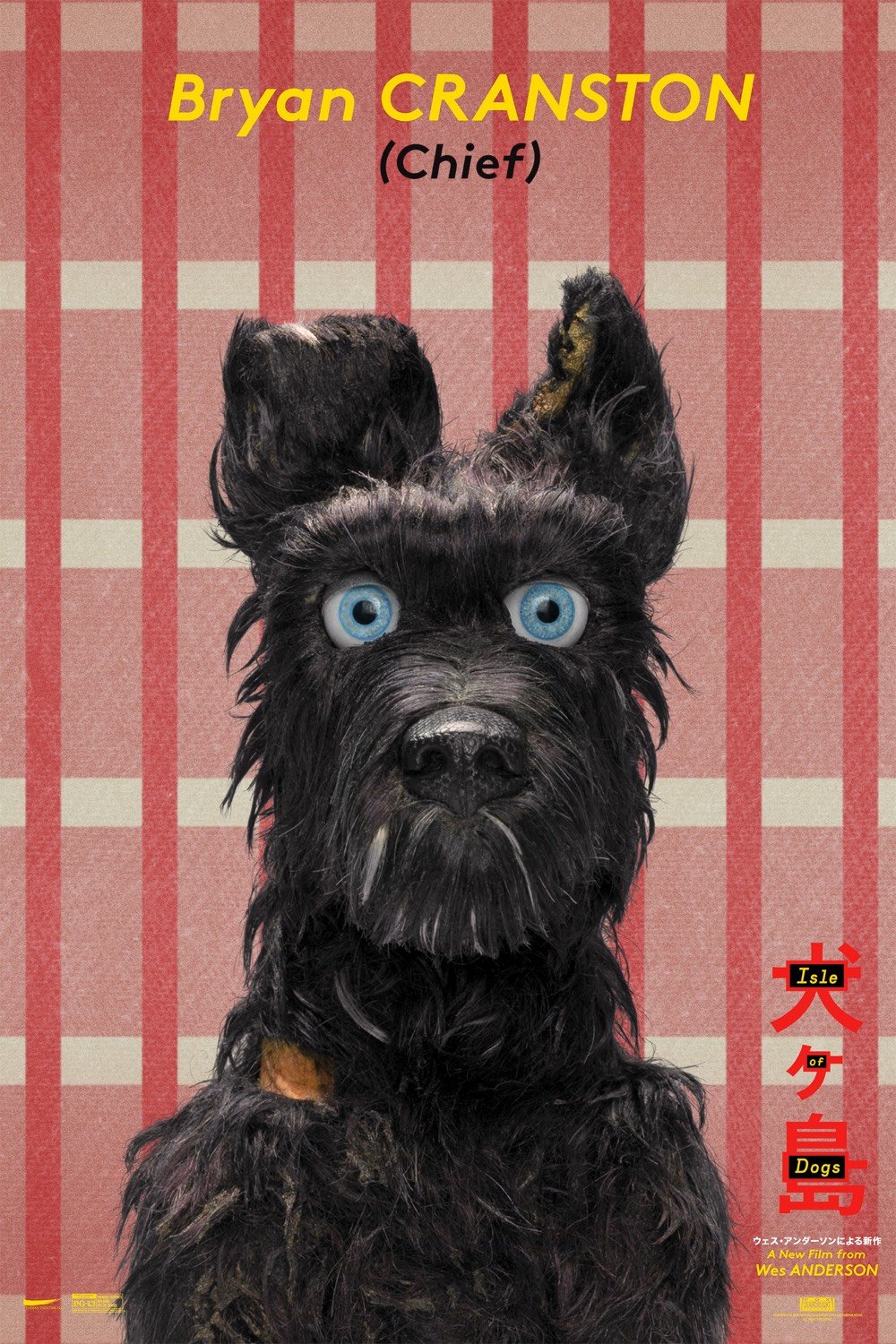
Isle of Dogs. The cinematography and production design of this were just so good. I left the theater wanting to make great things.
Won’t You Be My Neighbor? I waited to see this one at home because I didn’t want to be caught sobbing in public.
Even in the age of Netflix, going to the theater can still be a lot of fun. I saw Bohemian Rhapsody on opening night with a bunch of Queen fans and they made the theater shake with their singing, clapping, and stomping.
TV. I watched a lot of TV this year, perhaps too much. But not a whole lot of it ended up being that substantial…I saw nothing this year as good as Planet Earth II, Blue Planet II, or The Vietnam War. Maybe I should watch a little less next year?
The Americans. An excellent final season and a very strong and heartbreaking last episode.*
My Brilliant Friend. I spent the first 3-4 episodes disappointed that it wasn’t the books, but by the end, I was ready for a second season. The two lead actresses were excellent, particularly Margherita Mazzucco as Elena Greco.
The Handmaid’s Tale. Many people felt this stumbled this season, but I was not one of them.
Alto’s Odyssey. Perhaps one of my all-time favorite games. Several months ago, I made it up to #2 on the global high score list. I deleted it from my phone last week because I was playing it too much.*
While I waited for my food, I noticed an order of köfte going out of the kitchen…to a diner at the restaurant across the street. When he was finished, the staff at that place bussed the dishes back across the way. Meanwhile, my meal arrived and the köfte were flavorful and tender and juicy, exactly what I wanted…no wonder the place across the street had outsourced their meatballs to this place. I’d noticed the owner, the waiter, and the cook drinking tea, so after I finished, I asked if I could get a tea. The owner nodded and started yelling to a guy at the tea place two door down. A few minutes later, a man bearing a tray with four glasses of tea arrived, dropping one at my table and the other three for the staff.
Electricity. Ok, let me explain. I live in a rural area and work from home so when it’s really windy or there’s an ice storm, the power goes out. Sometimes it’s out for an hour or two, sometimes longer. It would be quaint if I didn’t have stuff to do. When electricity isn’t the default, you come to appreciate it a lot more.
SpaceX launch of Falcon Heavy. Watching those two boosters land back on the surface at almost the same time was mind-blowing.
Sleep. Getting at least 7 (and often 8+) hours of sleep every night has transformed my life. This is even lower-hanging self-help fruit than yoga or meditation.
Goodthreads t-shirt. I’m heading into uniform territory and having plain white t-shirts that fit me perfectly is essential.
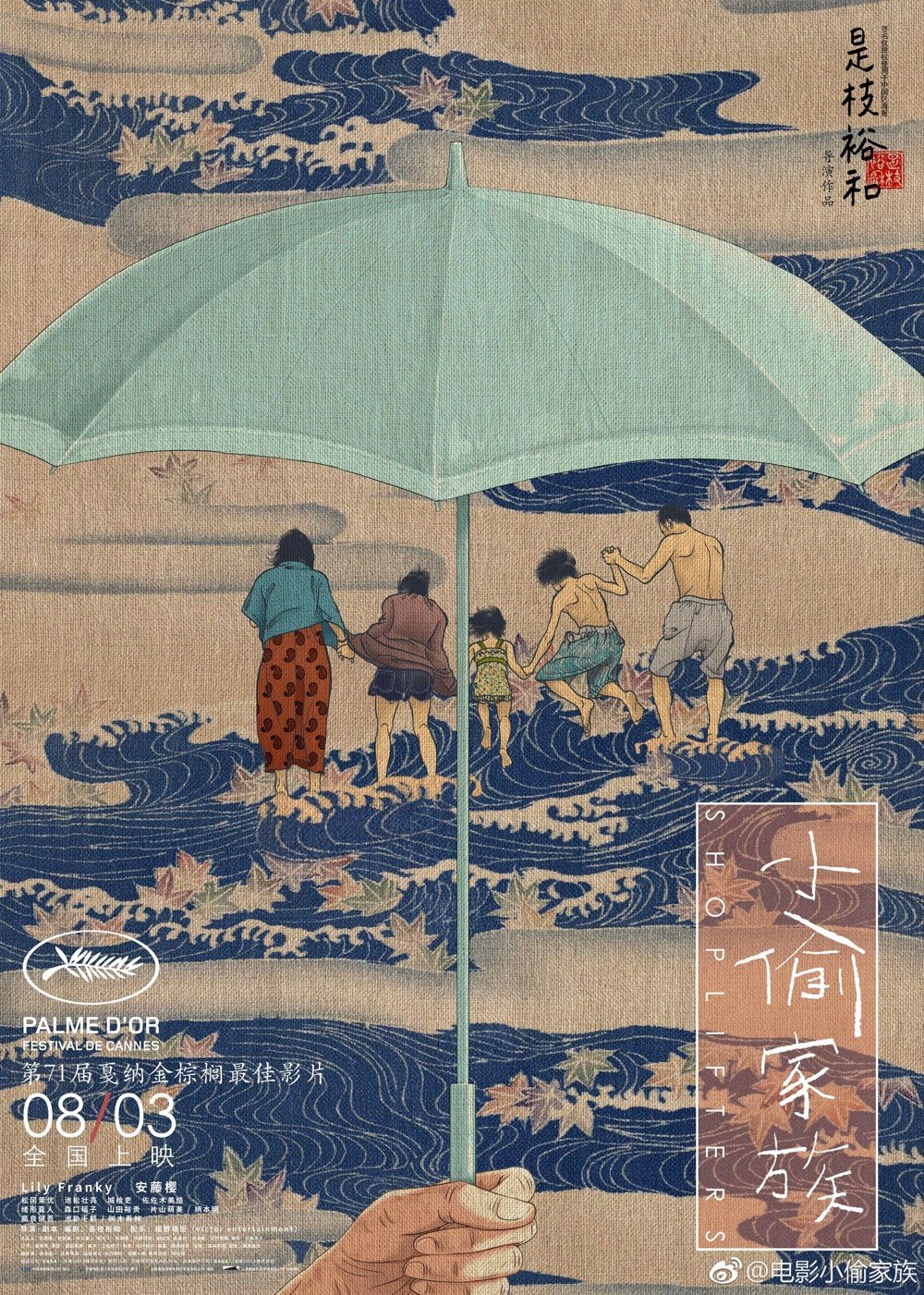
This year, Obama also shared his favorite movies and songs. The movie list contains some pretty interesting entries: Annihilation, The Death of Stalin, Shoplifters, Won’t You Be My Neighbor. I wonder if he sees these in the theater or via Netflix/Apple/Amazon or he just gets a ton of screeners from the studios?
And Mr. President, let me know if you ever want to contribute a guest media diet post…I will try to squeeze you into my editorial calendar.
Films are vain creatures that typically demand a dark room, full attention, and eager eyeballs ready to accept light beamed from the screen or projector to your visual cortex. VSMP inverts all of that. It is impossible to “watch” in a traditional way because it’s too slow. In a staring contest with VSMP you will always lose. It can be noticed, glanced-at, or even inspected, but not watched. That’s one of the things I like about the Bill Viola pieces. You don’t watch them because they’re not films; they’re portraits so you see them, and it just so happens that you see them in four dimensions.
Ahhh, look at this gloriously retro aesthetic:
His whole essay about the project is worth reading for the thoughtful insights throughout. I totally want a wall-sized VSMP in my bedroom.
Update: Inspired by the VSMP, Jon Bell built a web page that will show Sofia Coppola’s Lost In Translation stretched out over the course of the next year. You can watch here.
Update: Inspired by the projects above, Nic Magnier made Yearlong Koyaanisqatsi, a Twitter bot that will show Godfrey Reggio’s Koyaanisqatsi very slowly over the course of the next year, one frame every 6 hours.
This is a relatively straightforward project. There’s no soldering and no hardcore coding. If you’re at all comfortable using a command line, and you’ve seen Python script before then you’ll be fine. The e-paper screen, Pi, SD Card and IKEA frame cost me about £120 in total.
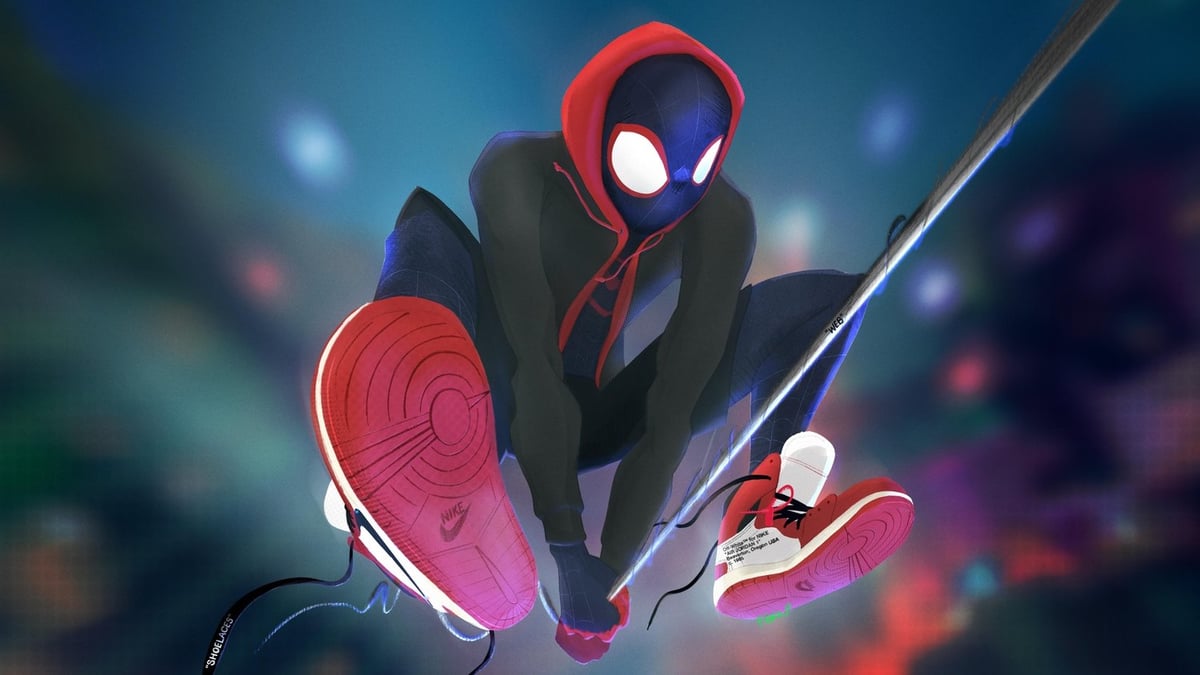
The list also includes the titles for Spider-Man: Into the Spider-Verse, which might be the most visually inventive box office #1 in recent memory.
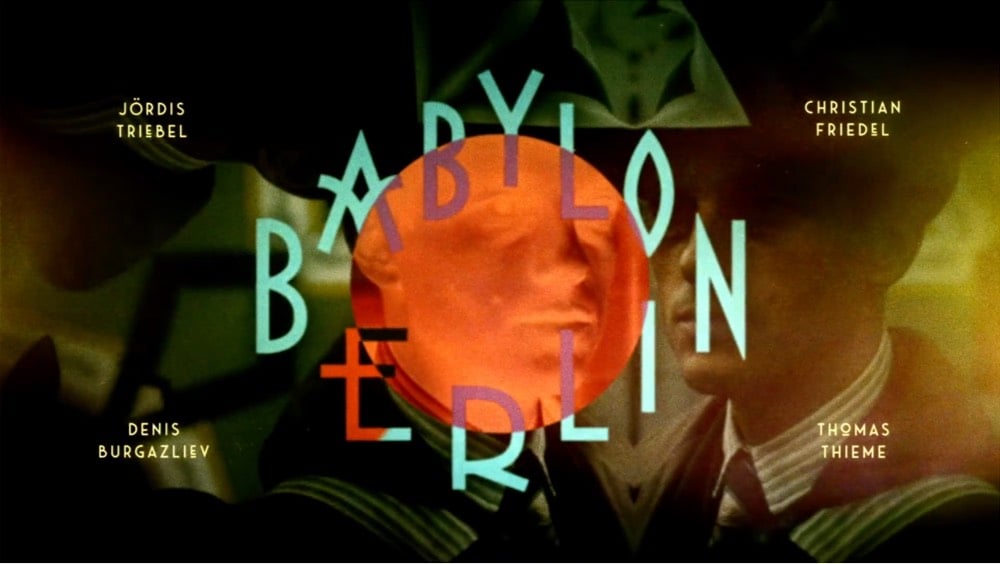
Interestingly, two of the sequences on the list aren’t from film or TV but from conferences: Semi Permanent 2018 and Made In The Middle 2018. Only three out of the ten were from movies.
I’ve been keeping track of every media thing I “consume”, so here are quick reviews of some things I’ve read, seen, heard, and experienced in the last month or so. Look for 2018 media recap sometime later this week.
Small Fry by Lisa Brennan-Jobs. Under-read and under-remarked upon by the tech press…but if you read this just for the Steve Jobs bits, you’re really missing out. (A)
The Good Place. Not quite as charmed by this as everyone else, but I’d definitely listen to a weekly hour-long podcast that goes deeper into the philosophy featured in each episode. (B+)
Outlaw King. Not so bad if you’re in the mood for medieval battles. (B)
Fantastic Beasts: The Crimes of Grindelwald. A letdown after the first film, which has gotten better every time I’ve rewatched it. Way too much exposition and not enough fun. By the end, I was bored. My kids said they liked it but without much conviction in their voices. (C+)
Bodyguard. Some shows, even my all-time favorites, took a few episodes to get into. Bodyguard hooked me after 5 minutes. (A-)
Function. A podcast on “how technology is shaping culture and communications” hosted by my pal Anil Dash. (I listened to the Should Twitter Have an Edit Button? episode.) The podcast reproduces to a remarkable degree the experience & content of dinner conversation with Anil. (B+)
Andy Warhol - From A to B and Back Again. I was personally underwhelmed by this, possibly because I’ve seen so much Warhol and read so much about him and his work? (B)
The Odyssey translated by Emily Wilson. Finally finished reading this with the kids. Everyone loved it. (A)
Yotam Ottolenghi’s green gazpacho. It was hardly the season for it, but I was jonesing for the green gazpacho dish that my favorite restaurant used to serve. I took a guess that they used Ottolenghi’s recipe…naaaaaailed it. Delicious with some shrimp and croutons. Will use less garlic next time though. (A-)
Fawlty Towers. Passing on the family tradition of watching old British comedies to my children. Some of the best television ever made, yessiree. (A)
Ralph Breaks the Internet. Perhaps this is small-minded, but I really wanted to see a little kottke.org shop in the background when Ralph and Vanellope are bopping around Internet City, like a tiny boutique next to BuzzzTube or something. (B+)
Can You Ever Forgive Me? Great acting, particularly from Melissa McCarthy. She reminded me of a young Kathy Bates in this. (B+)
The Day After Tomorrow. I’ve seen this movie probably 10 times and it seems more and more plausible with each viewing. (A)
Circe by Madeline Miller. I am enjoying this trend of old stories told from new vantage points. (A-)
The Marvelous Mrs. Maisel. I was charmed by the first three episodes but the rest wasn’t as entertaining. People kept changing their entire personalities from episode to episode and we’re supposed to just go along with that? I don’t agree with all of it, but I loved reading Emily Nussbaum’s pan of the show for the New Yorker. (B-)
Spider-Man: Into the Spider-Verse. Visually dazzling and by far my favorite Spider-Man movie, but I preferred Black Panther and Avengers: Infinity War. This movie is much more “comics-y” than the live-action Marvel movies and despite much effort, I am just not a comics guy. (B)
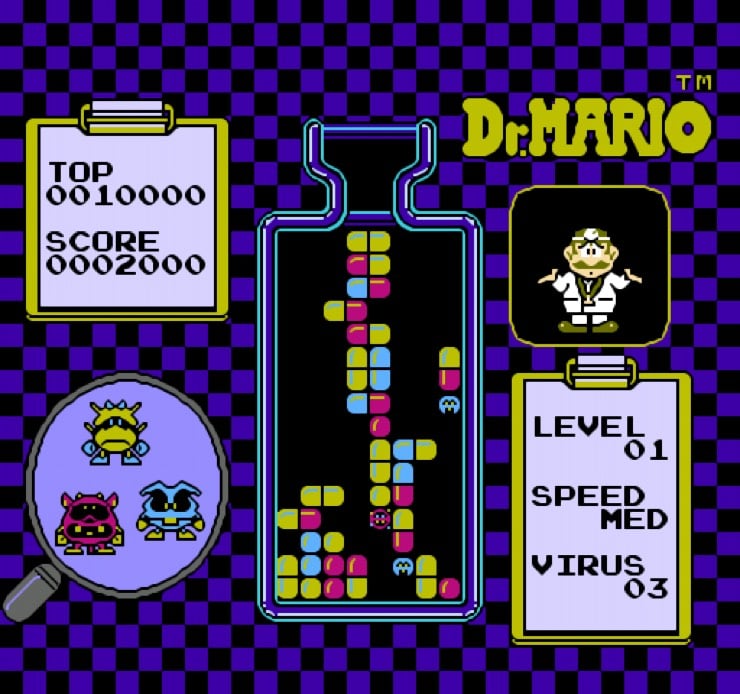
Dr. Mario. Used to play this a lot when I was a kid. Still fun. Would love a networked version to play against friends. (B+)
My Brilliant Friend. About halfway through and enjoying it, but it’s just not the book (which I loved). (B+)
Summer Games. This track off of Drake’s Scorpion has grabbed my attention lately. I love the Chariots of Fire + NES Track and Field vibe of the music. (B+)
The Ezra Klein Show with Anand Giridharadas. This episode was referenced in the On Being interview above and is slightly better because Klein pushes back on Giridharadas’s argument and makes him work a little harder. (B+)
What a relief to resist what one can entirely respect and even admire! What a comfort it is to be not always defending oneself from vulgarity, or enlightened stupidity, or the masked cliché, or smallness of aim, but sometimes to stand out against the force of greatness.
Peter Jackson’s They Shall Not Grow Old is not Finnegans Wake, but it is a stunning technical achievement made by a filmmaker and producer at the top of their form. If I had seen it in my twenties, when I was obsessed with the Great War, with war in general, and with films that emphasized both the quotidian and the unthinkable nature of violence, I would have doubtlessly been very taken with it. But as I am today, given everything I’ve learned about cinema and the universe, I can’t help but refuse and reject this picture in the strongest possible terms. It is a brilliant film that is also, unfortunately, a total mistake.
I’m not interested in films that plunge themselves headlong into violence any more. I’m not interested in the manipulation of multitudinous evidence to tell a simple, linear story. I’m not interested in British soldiers fighting Germans on the Western Front, telling stories about their time in the trenches. I came to the film looking for a story I hadn’t seen or heard before, and those stories were nowhere to be found.
To be sure, the best parts of the film are about the everyday life of soldiers: what they ate, what they wore, the things they carried, how they kept themselves clean, how they occupied themselves in downtime, how they made tea using water heated by tank chassis and took a shit by sitting six abreast on a long pole. This is rich material.
The problem, however, is principally who gets to tell their story, and how their story is told. Peter Jackson took hundreds of hours of archival film footage, and later audio recordings of veterans made by the BBC, and artfully juxtaposes the two.
Despite the many voices, it is almost as if a single soldier is telling his story: he enlisted young because he felt a peculiarly British call of duty, and to alleviate boredom on the home front; he trained and drilled relentlessly until his body was whipped into shape; he was dispatched to fight and kill Germans in defense of France; he visited brothels and became a man; he was gassed and recovered, wounded and recovered; he dodged artillery shells launched by both the enemy and his own side; and he killed Germans in a heroic over-the-top charge across the no-man’s land that soon ended the war; he returned to ungrateful civilians who couldn’t possibly understand the horrors he’d seen, and how they’d forever changed him.
Any differences between these men, of class, of region, of age or experience, of height and weight, of rank or distinction achieved during the war, are completely washed away. They are simply young British infantrymen, made entirely generic and interchangeable. This is whose experience we’re getting in the film: not any particular men with individual stories, but a monolith.
Jackson can do this because he’s already selected these soldiers for their homogeneity. He tells us after the film that he’s discarded any footage that falls outside what really is a quite narrow view of the war and the people who fought it. He’s not interested in any of the other fronts of the war or the nations who fought in it. He has hours of footage of aircraft and pilots. He doesn’t use them. He has footage of women working as nurses and drivers and support staff, on and around the battlefield. He discards it. He has really quite stunning footage of women working in factories to produce the arms and gear that he so lovingly dotes on when they’re in his beloved soldiers’ possession. He throws it away. And, he tells us, he chose not to tell the story of the British colonial soldiers, men from all over the world, or their allies, including Chinese soldiers who fought on the Western front, or white or black Americans or anyone else.
He takes the “world” out of the first world war. And then, he tells us, unbelievably, that this extremely diluted, abstract take on the British soldier could stand in for any soldier who fought in the war. Whether they were German, Canadian, American, Polish, Turkish, or Russian, he thinks their experience of the war was likely very much the same as the British soldiers whose stories he smashes together.
Ask a black American soldier, fighting in a segregated regiment, whether his experience of the war was the same as the British soldiers he fought besides. Ask one of the Arab irregulars immortalized and distorted in Lawrence of Arabia what it was like to fight across German soldiers, who turned out to be really not so different after all, in trenches. Ask the African soldiers who fought and died in Europe. Ask what their equipment situation was, whether they got paid, or what their lives were like when the war ended. Ask the civilians whose lives were uprooted by these soldiers killing and destroying the countryside in their midst. Ask one of the women who cranked out artillery shells in the factory only to be turned away from her job at the war’s end whether or not anyone else could really understand her wartime experience.
Go ahead, ask them. I’ll wait.
Because Jackson didn’t have any footage of hand-to-hand combat, he chose instead to do a kind of Ken-Burns-effect dramatic pan over contemporary cartoons from war magazines. The trouble is that, as Jackson notes, these were racist propaganda magazines that he just happened (for some reason?) to have a complete personal collection of. But, he promises, he and his editors avoided the most egregiously racist images.
Jackson’s depiction of violence in this movie is jolting. One technique he loves is to pick a voice-over of a veteran describing the death of a friend that he witnessed, laying this audio over a zoom-in of a soldier smiling and laughing, then quick-cutting to a dead body lying in a heap, with blood and bodily matter everywhere. The blood isn’t the matted black stuff of reality that the men saw, but a sickly, B-movie red.
If you loved watching orcs get their heads split open in The Lord of the Rings, you will love this movie. If you loved Schindler’s List and Saving Private Ryan, or any war movie that substituted blood and guts for gritty realism, you will love this movie. If however, you think, as I do, that these films, while works of a kind of genius, ultimately worked to manipulate our emotions and make us less feeling and less human, you will have huge problems with this movie.
Ultimately, at this point in my life, when movies like Moonlight and If Beale Street Could Talk and Creed and Spider-Man: Into the Spider-Verse exist, I’m less interested in brutality for brutality’s sake, and much more interested in the possibility of love between fully realized, lovingly rendered human beings. I’m much less interested in white people’s stories, and the white man’s gaze, especially when they are stories we have heard so many times before, from a point of view that everyone is expected to pretend has no differences from their own.
You will learn nothing about love in They Shall Not Grow Old. You will learn nothing about World War 1 that you didn’t already know if you’d read a few Wilfred Owen poems and skimmed a high school history book. You honestly learn very little that you don’t learn from the trailer.
You get no sense of what the war was about, why it was fought, how it changed anything, or why it mattered, or even if it did matter. The world that it shows is seen through a peephole in a trench, made by a boy who fantasized about reliving his grandfather’s experiences.
That peephole is not a door that can take you anywhere. The shift from a narrow, small black and white screen to a full-screen 3D color experience is just a camera trick. You never left Kansas, not even for a minute.
In an ideal world, Jackson will return to all that footage he left behind, and make the film he should have made, telling the stories of the war that truly have not already been told. As it stands, though, this film is a paltry thing, a tattered coat upon a stick. In trying to celebrate their heroism, it distorts and distends the memories of all those who died in the war, who didn’t return to tell their stories.
There died a myriad,
And of the best, among them,
For an old bitch gone in the teeth,
For a botched civilization.
Charm, smiling at the good mouth,
Quick eyes gone under earth’s lid,
For two gross of broken statues,
For a few thousand battered books.
While it’s billed as “How Pixar Helped Win 27 of the Last 30 Oscars for Visual Effects”, this video from Wired works pretty well as a short history of computer-generated visual effects, from the Genesis visualization in Star Trek II: The Wrath of Khan to Jurassic Park’s dinosaurs to Pixar’s own Coco.
The tradition of fans recutting trailers and clips of movies and TV shows into different genres — like Toy Story as a horror film and The Shining as a romantic comedy — has been around almost as long as YouTube itself. But I think this trailer by 20th Century Fox is the first official effort I’ve seen. Die Hard has become an unlikely holiday favorite so I guess they figured, hey, let’s put out a trailer that explicitly recasts the it as a Christmas film. Merry Christmas Hans!
Howl’s Moving Castle by Hayao Miyazaki is one of my favorites if not my very favorite movie. I’ve written about it here before at some length. I use pictures from it as my Twitter background, as my login prompts on both of my computers, and my pinned tweet is a quote about the film and its simple-yet-allegorical applicability to understanding your own life and psyche.
First, there’s this remarkably concise and comprehensive survey of food in the Miyazaki-verse:
In Studio Ghibli movies, food is a feast for the eyes. Nearly every one of Hayao Miyazaki’s films includes a memorable shot of food, some more extravagant than others. A monk stirring a pot of soup on a cold night in Princess Mononoke. A herring pie, golden and steaming, fresh from the oven, in Kiki’s Delivery Service. Ramen noodles piled with toppings in Ponyo. Piles of roasted meat and dumplings spilling across the counter of an enchanted restaurant in Spirited Away. Even the Miyazaki films that don’t focus so heavily on food still allow their characters a chance to pause and eat. Nausicaä stops for a moment to eat a small bag of nuts as the world falls apart around her. Porco Rosso eats spaghetti bolognese as he hides out from the Italian authorities. Extravagant or simple, quick or languorous, the shots of food in Miyazaki films all tempt the senses.
Then this close reading of food and its themes in Howl:
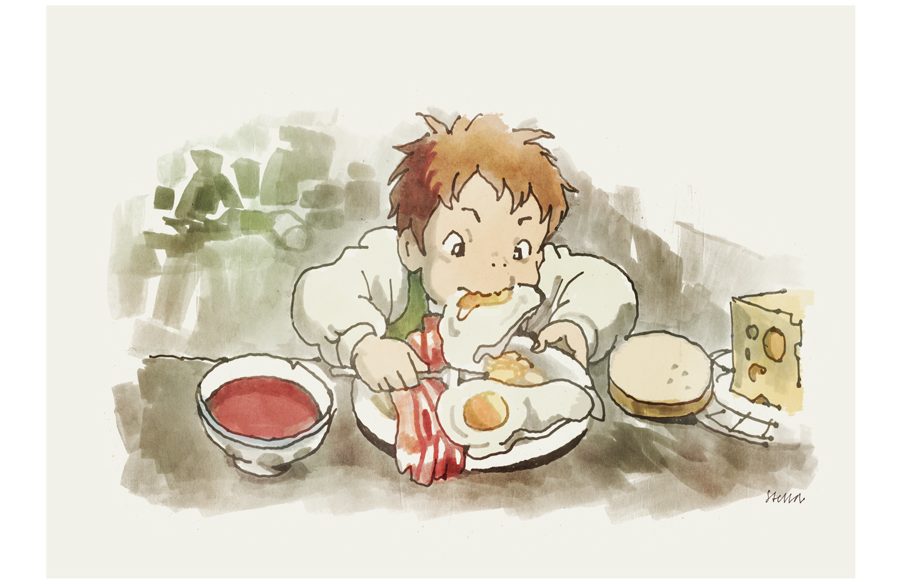
In Howl’s Moving Castle, food is more than just a necessity. It sustains life, in every sense of the phrase: it helps a body hold skin and sinew together, and acts as an expression of love and care. We get the sense that Howl is a good person from the way he prepares breakfast. He has a sure hand, and a light touch. He might be flighty, but he cares enough to put together a well-cooked breakfast big enough for everyone in the room, including Sophie the interloper.
Food is also an expression of identity. Howl’s cooking is simple and elegant, but feels like a feast. The bacon is thick and crackling, and the eggs are perfect, cooked sunny-side-up with not a single yolk broken. Sophie’s own choices of food are plain and practical, like her, but that doesn’t make them any less valuable than the more extravagant examples of food we see in other Miyazaki films. Her bread and cheese look just as tasty as Howl’s bacon and eggs, and they’re likely just as satisfying. Calcifer, too, needs to eat, despite being a supernatural creature. He stuffs logs into his mouth, one by one, every time he needs to move the castle. When he isn’t active, he’s still perpetually consuming wood, albeit at a slower pace; fire is a hungry creature, and will go out if it is not fed.
Hunger in Howl is twofold: it can be the desire to be sustained, and it can be the desire to possess. This second desire takes the form of gluttony, and it is a destructive force. While he’s out in his wanderings, Howl comes across battles between the two rival countries. He refuses to fight, but he can’t stay away; the war is encroaching. Other wizards who swore loyalty to the king take part in these battles, and on more than one occasion, Howl is chased through the skies by the “hack wizards” who turned themselves into monsters in service of the war. They’re horrible half-lizard, half-dragonfly things, all oily skin and gaping mouths full of sharp teeth, open as if ready to devour. Miyazaki’s war imagery tends toward images of devouring, but the action of eating here is neither life-giving nor sustaining. War is gluttony, a force that needs to mindlessly consume until there is nothing left.
And this remarkable conclusion:
The kitchen is said to be the heart of a home, and Howl’s kitchen was empty until Sophie talked her way in to clean it. Food and love are both life-sustaining forces, but only when held lightly, without thought of possession or ownership. Sophie saves Howl without a thought for her own happiness, and, in return, Howl loves her back of his own free will. Neither takes what the other is not willing to give. Their love is neither greedy nor ravenous, but rather a hunger for food that sustains and leaves the hungry satiated.
I’m convinced: food, and the overlapping and contradictory economies of food, are the keys to this movie! This puts it up with Babette’s Feast as my favorite movies about food, love, and community. Thank you, Sarah, for helping me appreciate this remarkable film in a whole new way.
(Thanks too to @nandelabra for pointing this my way.)
Sleepy Skunk took audio and footage from dozens of trailers of movies that came out in 2018 and mashed them together into one mega movie trailer. And it’s actually coherent! Or at least as coherent as trailers for blockbuster movies typically are. I dunno, I’d watch this movie.
Before I started making my own web pages, I spent a not-insignificant amount of my time on the Internet trawling the alt.fan.tarantino newsgroup for bits of knowledge about Quentin Tarantino, Pulp Fiction, and Reservoir Dogs. A big topic of discussion back then was speculation about the contents of the briefcase that Jules and Vincent were tasked to retrieve for Marsellus Wallace. Was it gold? Diamonds? Wallace’s soul? No one knew and Tarantino wasn’t telling. It was the most compelling MacGuffin since Hitchcock himself.
Now, after nearly 25 years, we finally learn what was in the briefcase:
Since 2014, Abraham Riesman has kept a regularly updated list of the best superhero movies since Blade. This is partly an arbitrary starting point (would it really be so hard to rank the early Superman and Batman movies too?), and partly not: Blade moved away from the Superman and Batman top character mini-franchises, kicked off Marvel’s entry into modern superhero cinema, and started the pattern of every-other-year/no, every-year/wait-how-many-superhero-movies-are-out-this-year? sprawling multiverses we associate with the genre(s) today.
While there were a lot of superhero movies between 1998 and 2014, there have been, um, a lot more since. And some of the very best ones, too. “When I did the first edition of this list in the fall of 2014, I did not in any way predict that it would become my life’s work in the way it has,” Abe writes.
Today, a new entry cracks the top five. Abe rates the animated Spider-Man: Into the Spider-Verse, starring the former Ultimate Comics hero Miles Morales, fifth on his list, well ahead of the rest of the Spider-movies and just behind the highly revered The Dark Knight. Abe writes:
The unassuming and artistic Miles, a more recent addition to the comics’ Spider-canon, feels new and Zeitgeist-y in a way that Peter hasn’t in decades, and we want desperately for him to find his footing as he tries to be a hero. Luckily, he has the assistance of an array of other Spider-people from alternate dimensions — a gimmick common in comics, never before dared on the big screen, and here executed with deft and thrilling elegance. The story, performances, and jokes are all top-flight, but perhaps the greatest delight is the film’s awe-inspiring mastery of visual whizbang: Rather than try to ape reality, everyone is designed to evoke a feeling, be it the hulking intimidation of the inhumanly massive Kingpin or the proud wackiness of the stoutly cartoony Spider-Ham. It’s a damn shame that Lee and Ditko both died a matter of weeks and months before they could see the release of Into the Spider-Verse (though the famously reclusive Ditko wouldn’t have watched it, anyway), but their beloved baby is in good hands.
I love Miles Morales, and can’t wait to see him on screen. It’s been surprising that Marvel and DC haven’t done more with animation outside of television: cartoons are proven family-friendly money makers at the box office, and there’s a natural connection between comics and animation. Here’s hoping this spurs the superhero cabal to give more formats a try.
Miles is also in a new comic book series, written by Saladin Ahmed and drawn by Javier Garrón. Issue #1 comes out next Wednesday, December 12.
My favorite scene in Wes Anderson’s Isle of Dogs is the sushi-making scene. It’s a pure showcase of stop motion animation goodness and wordless storytelling.
Andy Biddle has posted a behind-the-scenes time lapse video of him and Anthony Farquhar-Smith animating that scene:
From the costume changes, it looks like that 40 seconds of video took about 29 days to complete, although obviously not full days in many cases.
Update: Somehow I totally missed the days counter in the upper left corner of the video…the sequence took 32 days to do. (This is like the awareness test with the moonwalking bear.) (thx, all)
Update: Isle of Dogs’ head puppet master explains a bit more about what goes into making these stop motion scenes.
My favorite end-of-the-year review of movies is always David Ehrlich’s video countdown of the top 25 best films. In this year’s review, I was surprised to see Annihilation on the list (I thought it was ok?) and also delighted by the high ranking of Paddington 2. Eighth Grade, The Favourite, and First Reformed all deservedly made the list, along with Mission: Impossible - Fallout, which I really liked. Would have liked to have seen Black Panther on there though.
Note: If you are a member and tried to log in, it didn't work, and now you're stuck in a neverending login loop of death, try disabling any ad blockers or extensions. Or try logging out and then back in. Still having trouble? Email me!







Socials & More