kottke.org posts about art
In partnership with over 30 museums and institutions from around the world, Google Arts & Culture has launched Faces of Frida, a massive collection of art, letters, essays, videos, and other artifacts about the life and work of Frida Kahlo. There’s a *lot* here, including dozens of zoomable high-resolution scans of her artwork and essays by art historians and experts.
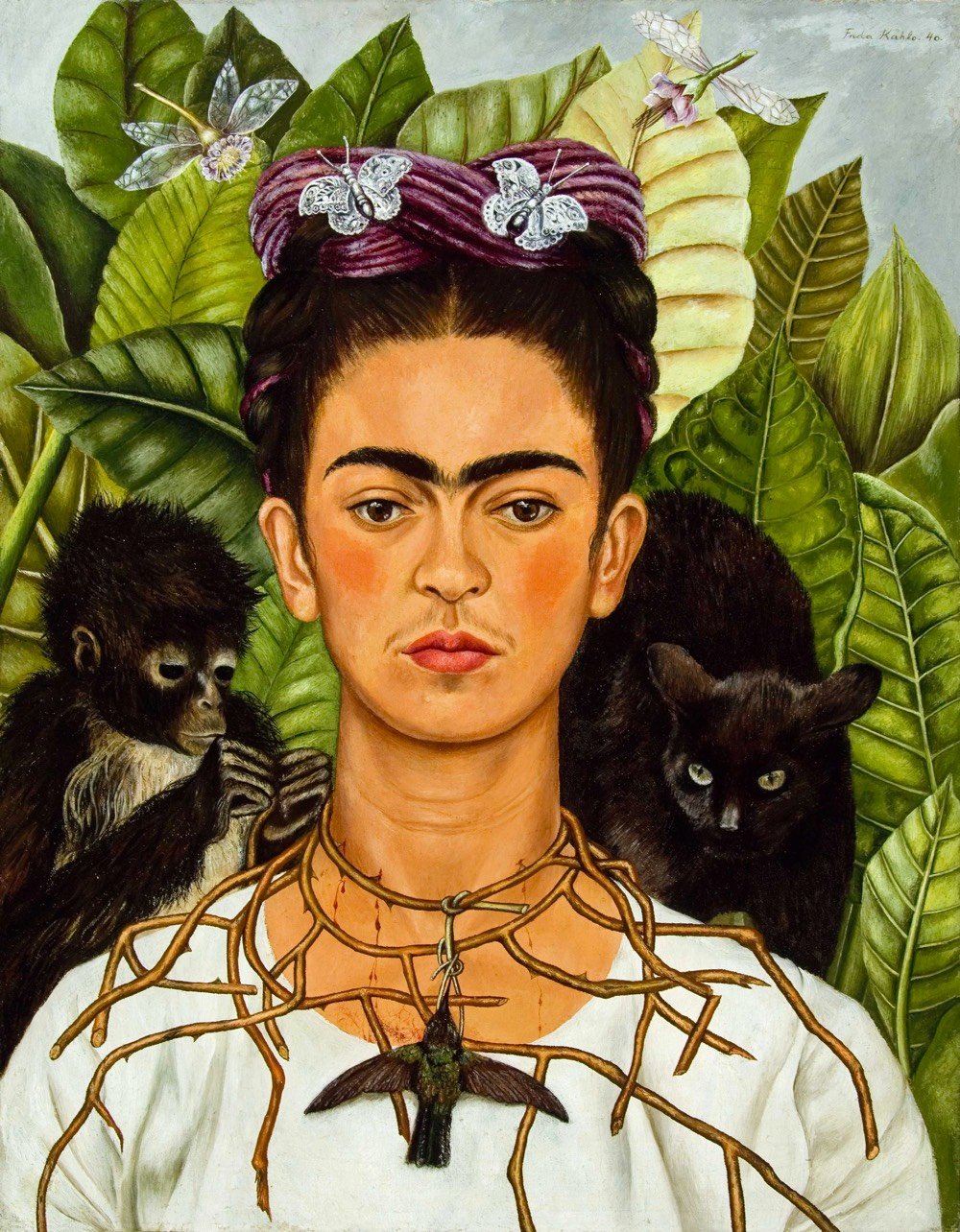
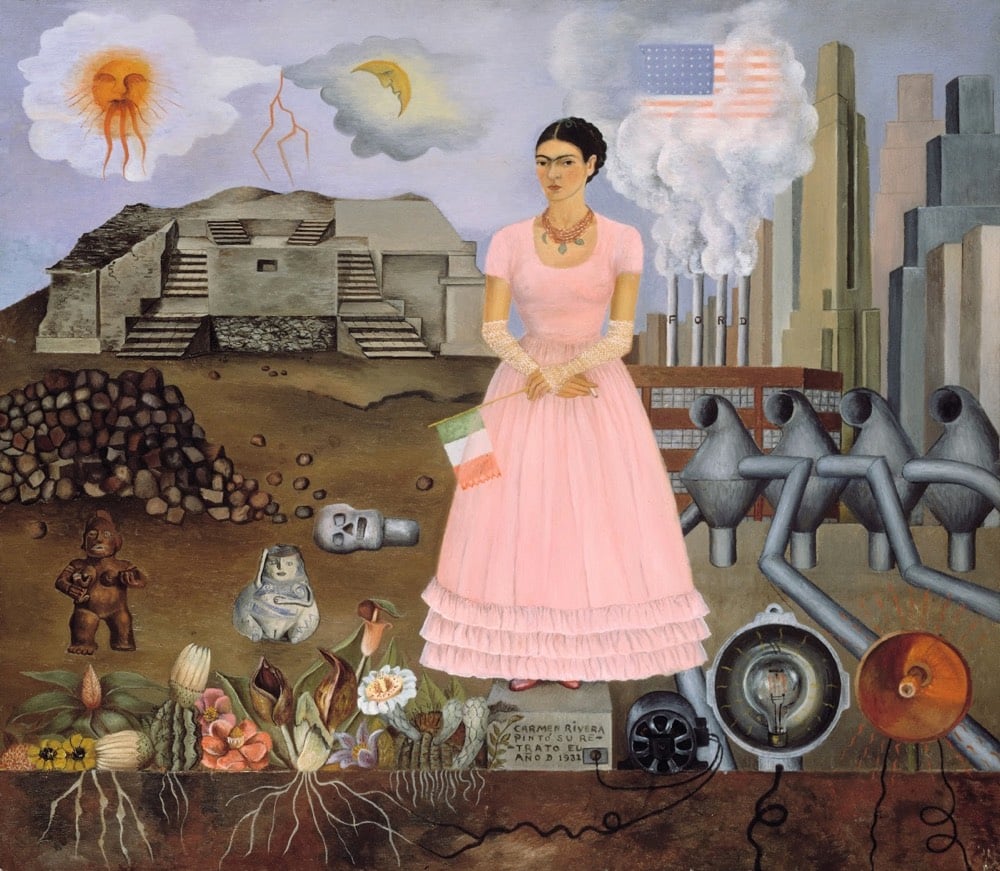
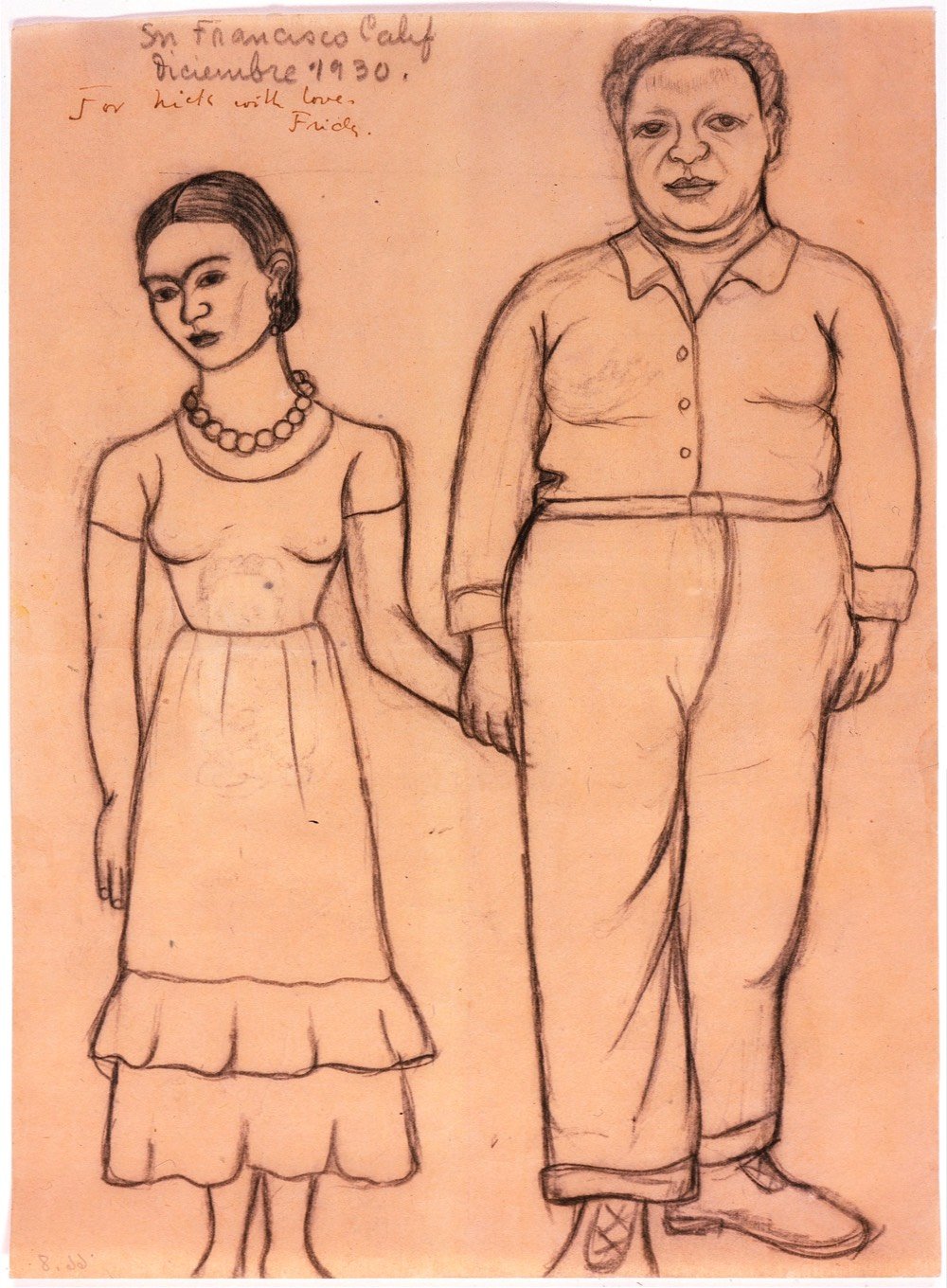
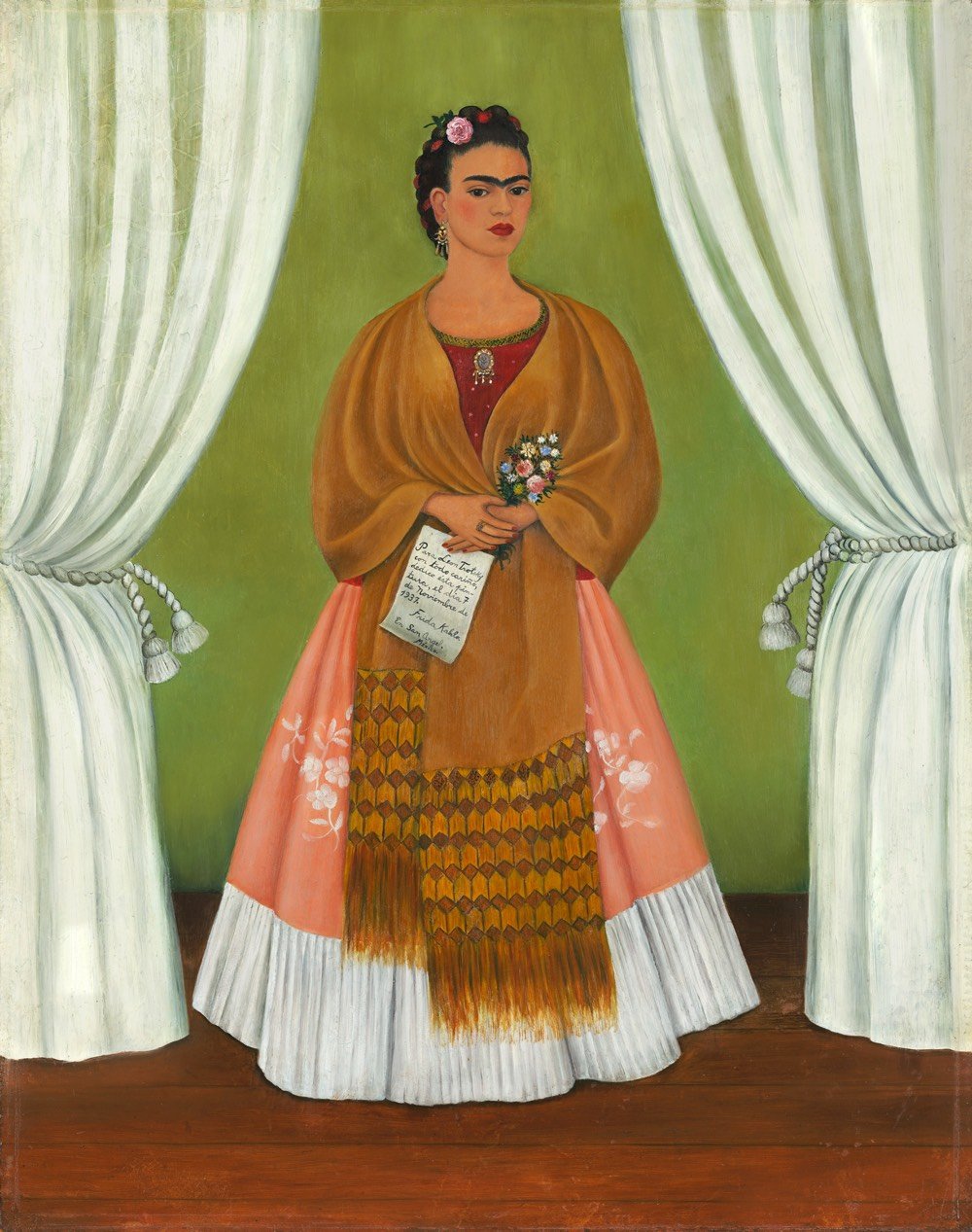
This is the kind of “organizing the world’s information” I want to see more of from Google. (via open culture)


All through the 1980s, a disgruntled Department of Defense analyst adorned his daily desk calendar with all sorts of illustrations and commentary on the news.
The majority of the entries focus on domestic politics and international affairs, providing (with the exception of 1988) a day-by-day view of the Reagan Administration and the waning years of the Cold War. It all seems to be here: the end of the Iran hostage crisis, the invasion of Afghanistan, Poland’s Solidarity movement, supply-side economics, and the Space Shuttle, to name just a few, along with hundreds of lesser-known events all but forgotten today except by scholars.
What a wonderful piece of folk art. (via the paris review)
The NYC subway is home to many interesting characters and creatures but perhaps none as delightfully weird as Matthew Grabelsky’s straphanger chimeras.
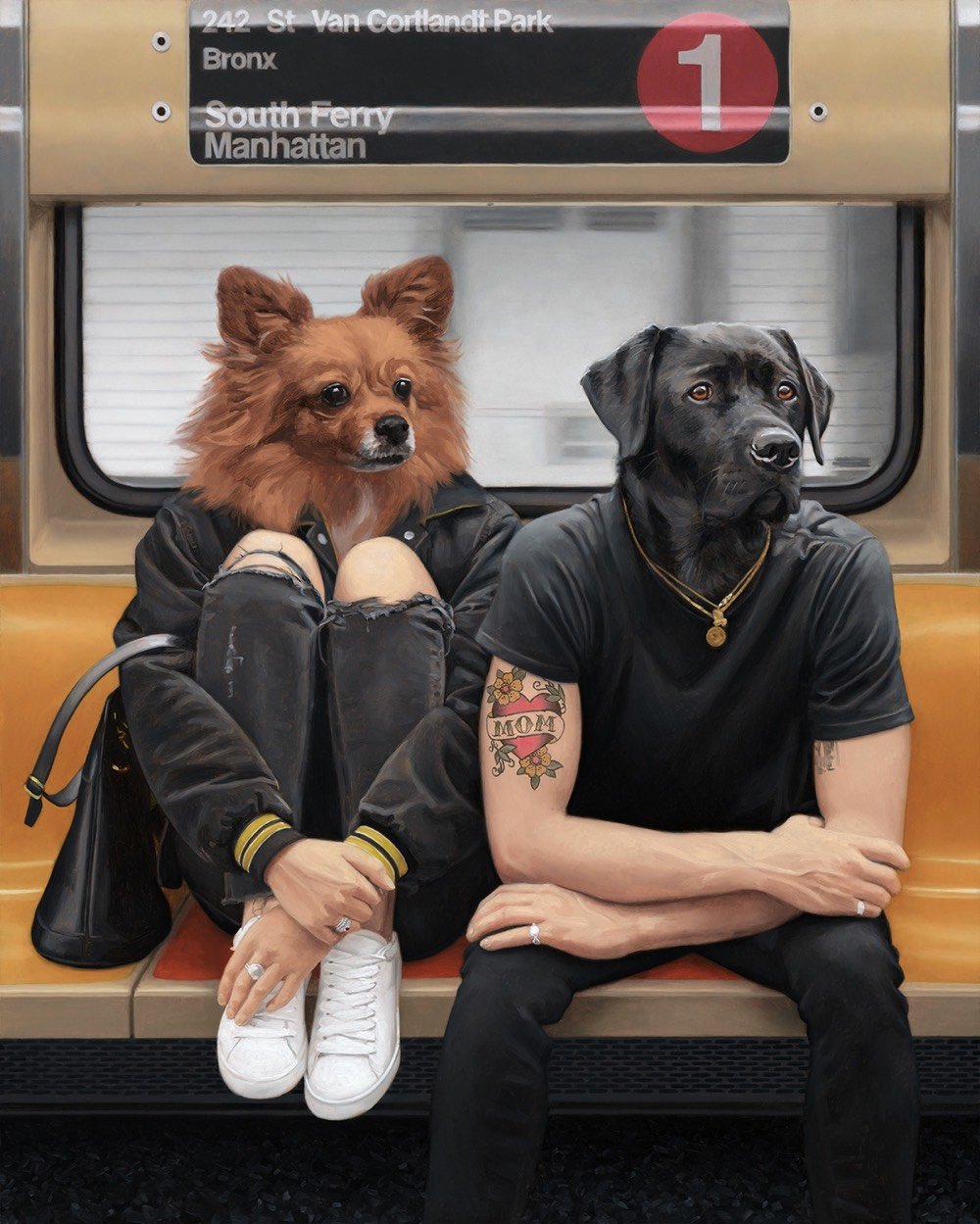

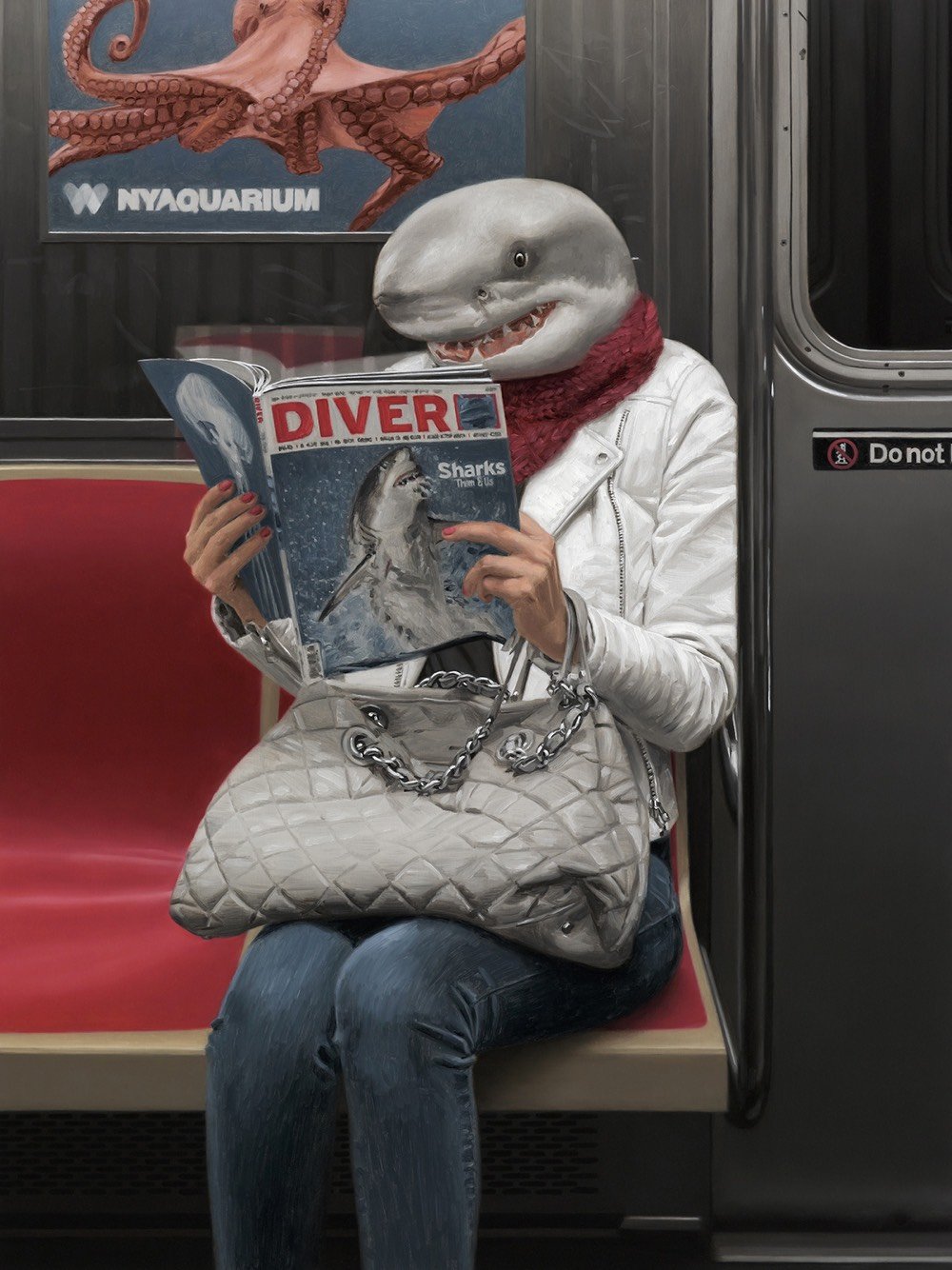
(via colossal)


I really like these dynamic swirling drawings by artist Lee.k. They’re like a cross between van Gogh, DeepDream, and Wind Map. (via colossal)
Over 300 different people drew/illustrated moments from a real-life dance performance, which Kristen Lauth Shaeffer then assembled into one cool animated performance. This strongly reminds me of Oliver Laric’s clip-art animation.
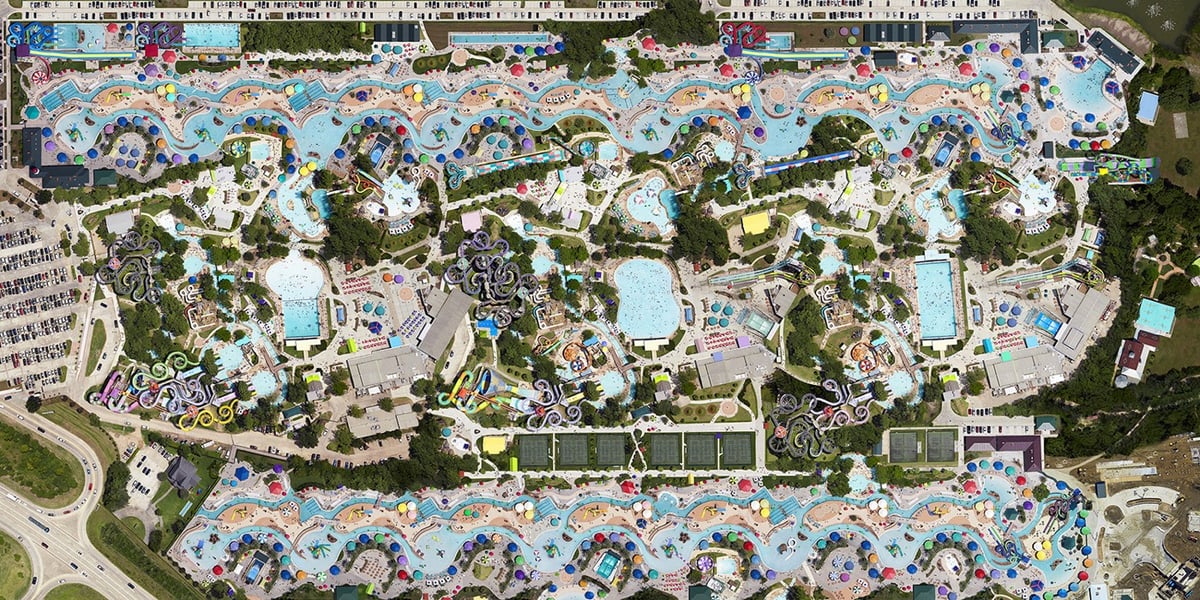
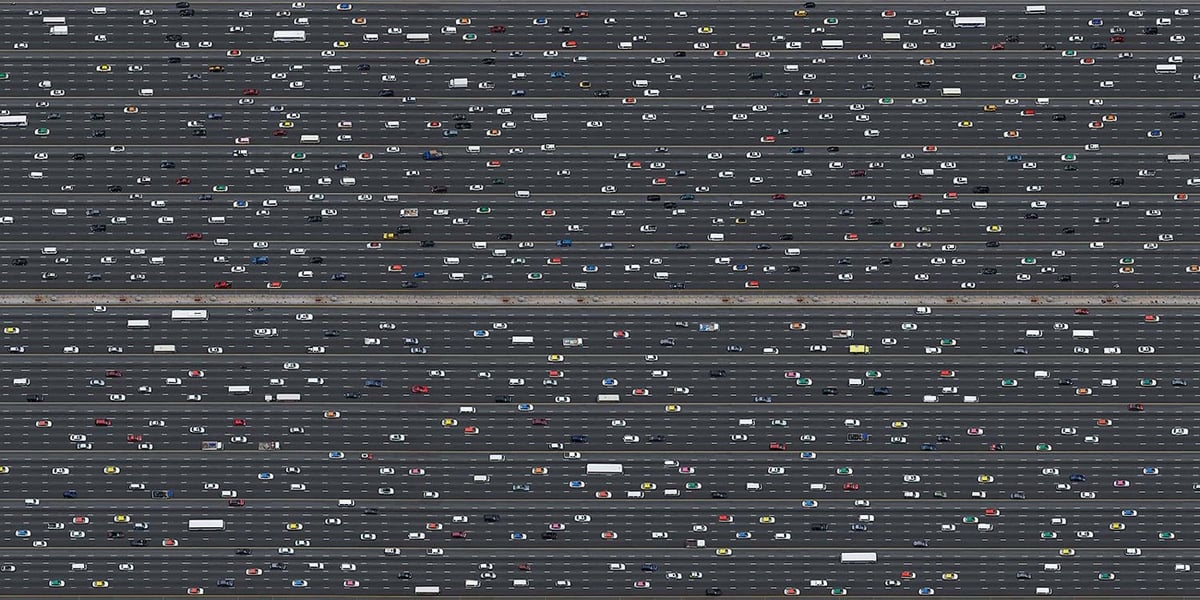
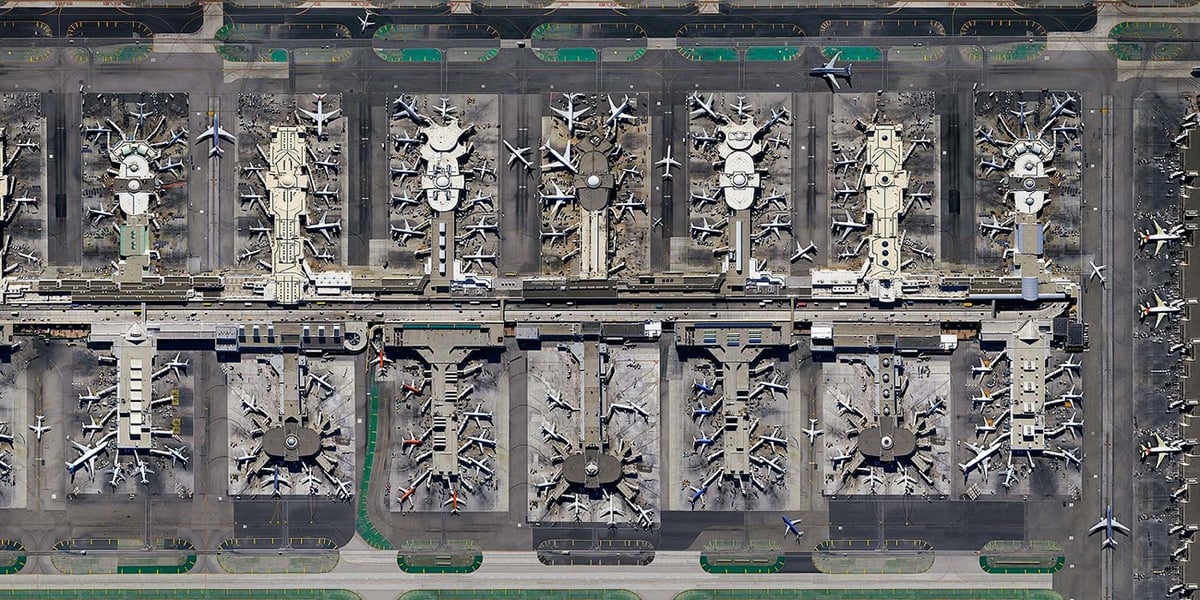
For his projects Exodus and Timeout, Marcus Lyon takes overhead photographs and edits them into fantastical scenes that nonetheless seem plausible. LAX isn’t that large, no waterpark in Houston has that many pools, and Dubai’s roads do not have 70+ lanes, but you kinda have to look at satellite imagery on Google Maps to verify the fabrications.
Artist Guido Zimmermann has updated the architectural styling of the cuckoo clock with models based on buildings by Brutalist & Bauhaus architects.
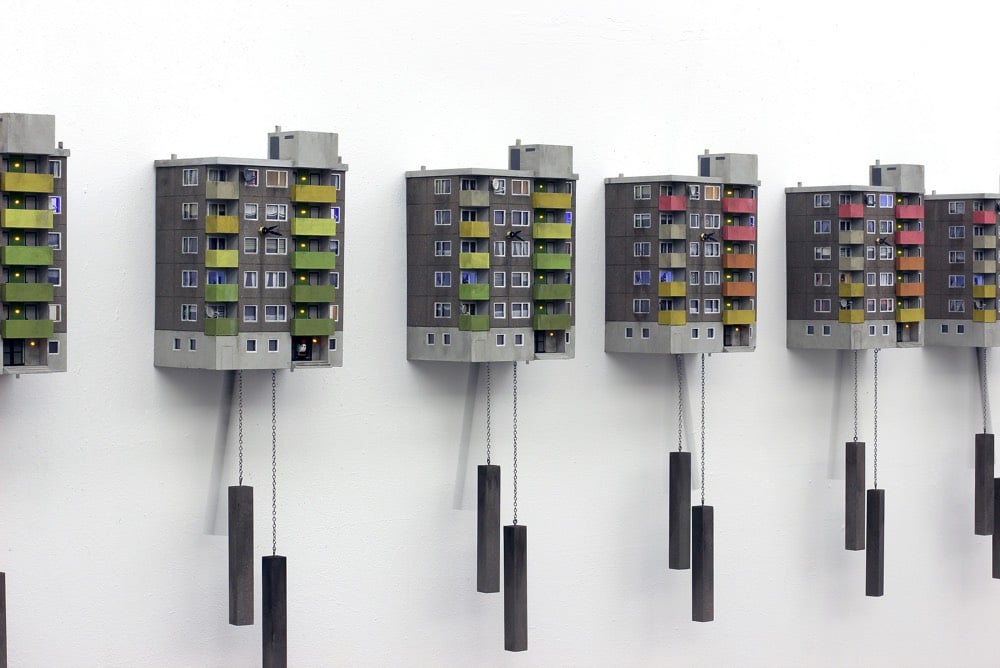
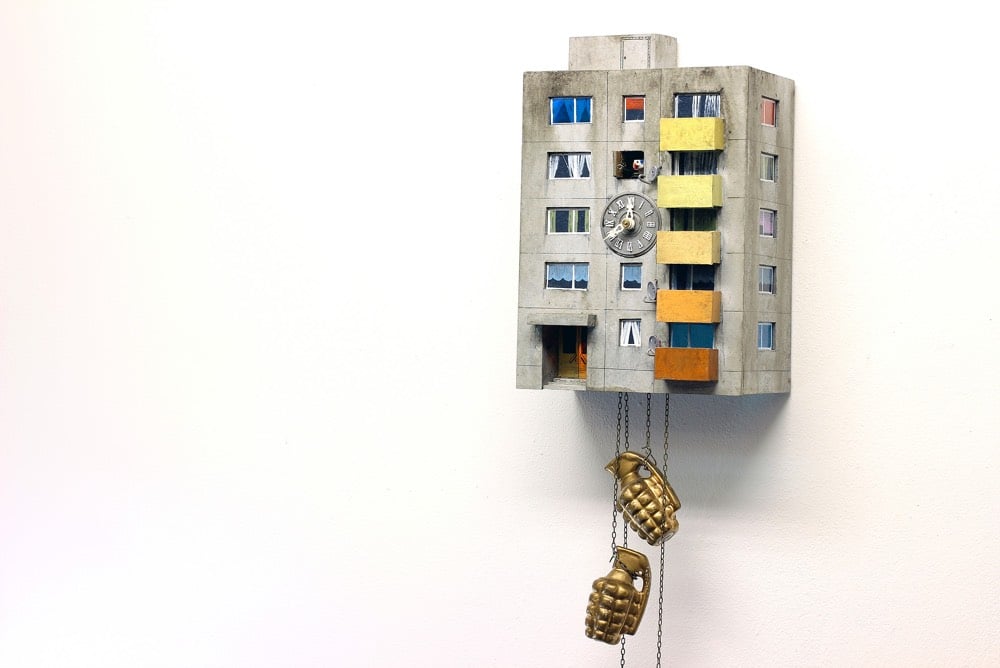
The classic cuckoo clock is a symbol for prosperity in the middle class and is considered a kind of luxury for the home. The updated version, a prefabricated panel construction (“plattenbau”), reveals today’s urban and social life in residential blocks.
(via colossal)
Artist Lydia Ricci collects scraps (of paper, cardboard, etc.) and sculpts them into everyday objects.
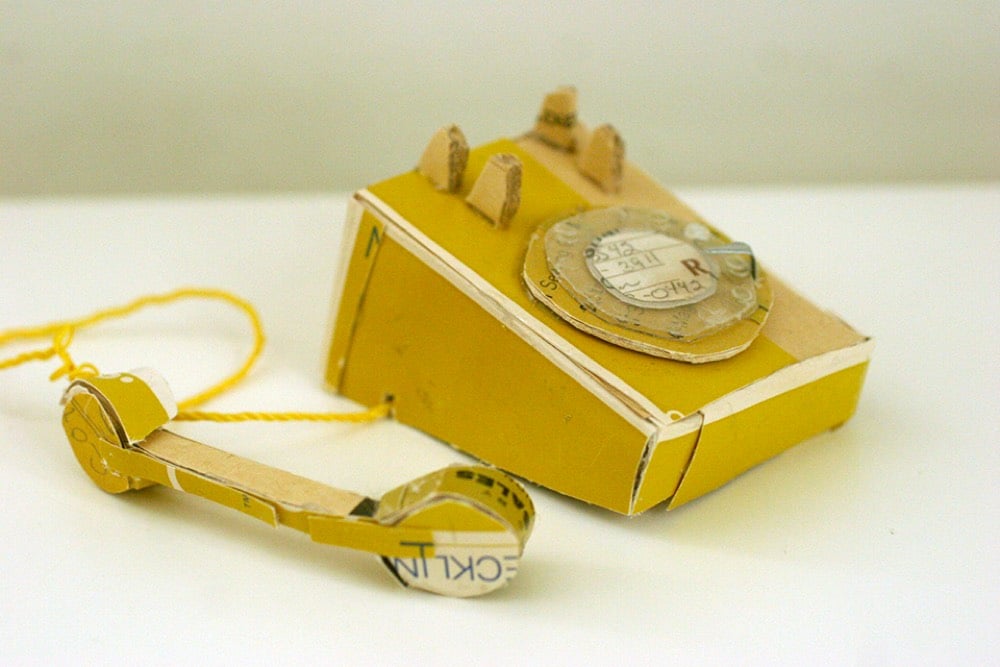
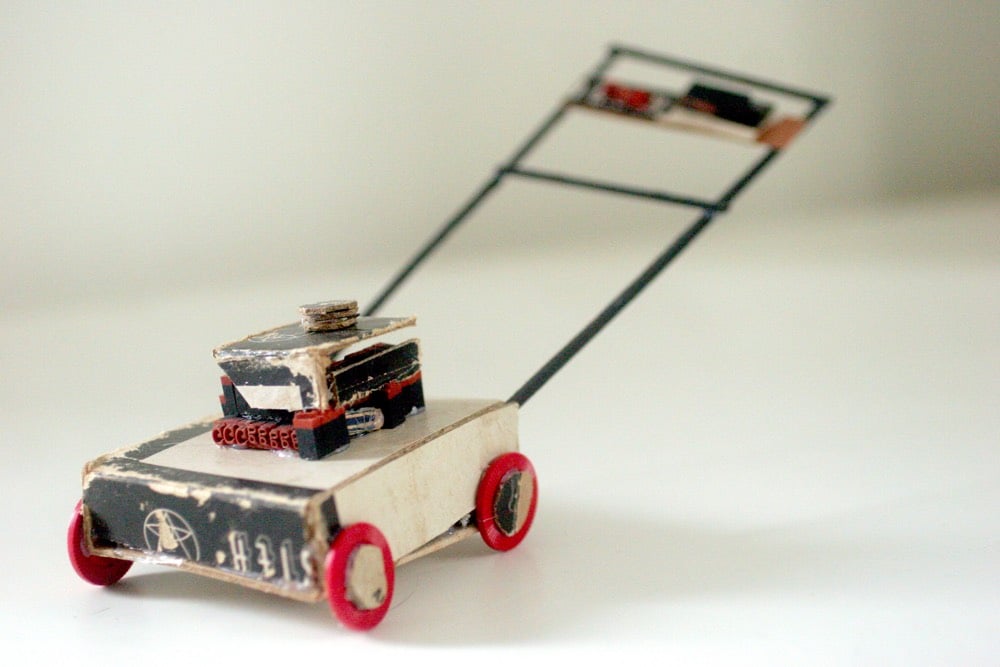
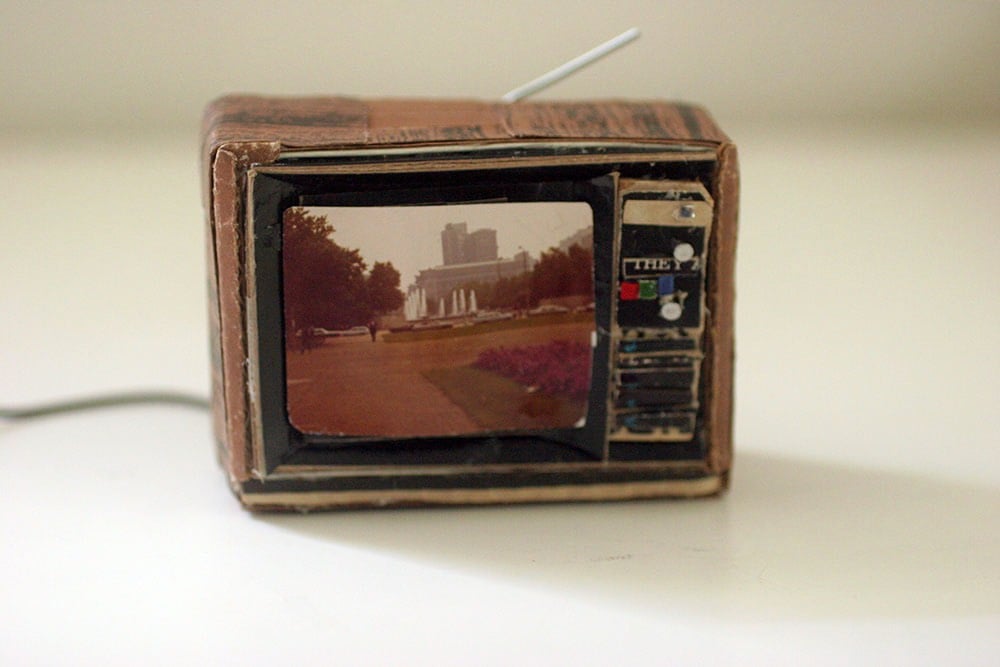
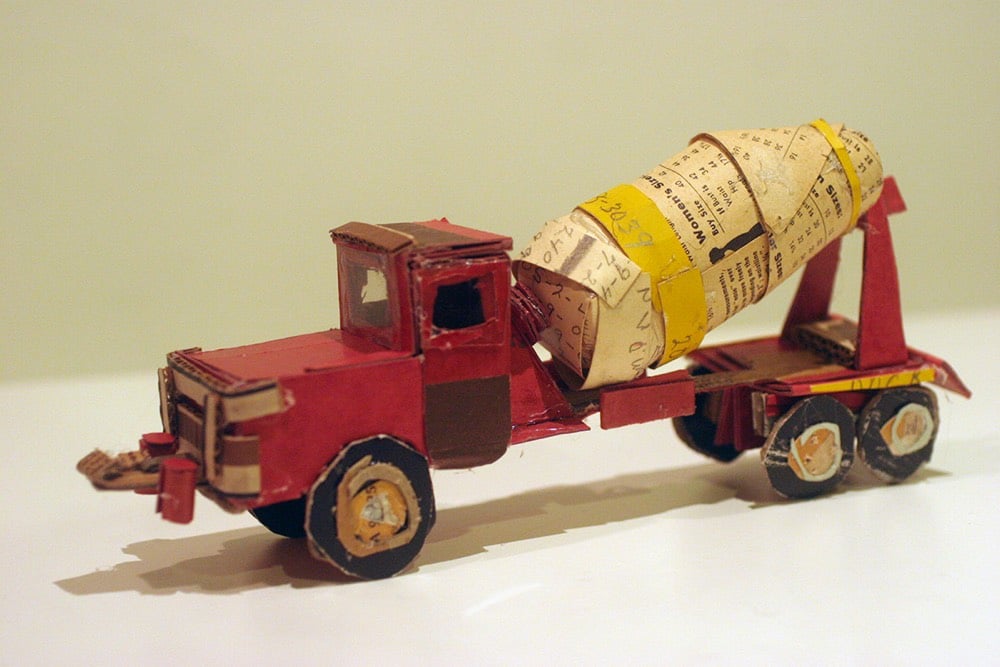
I love these…and there are a ton more to look at. Gah ok, just one more:
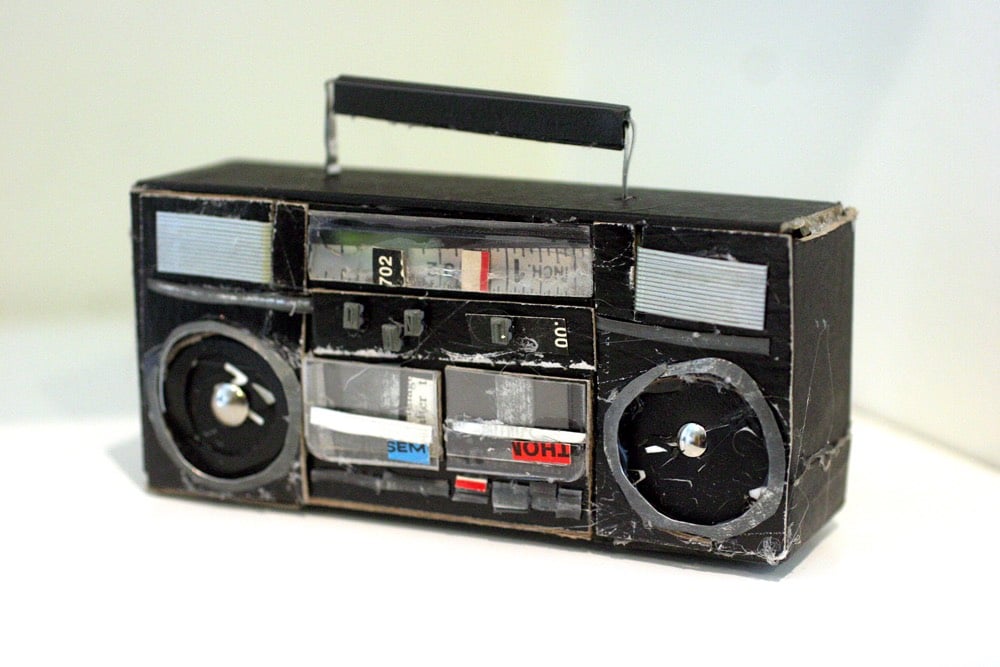
(via @yhaduong)
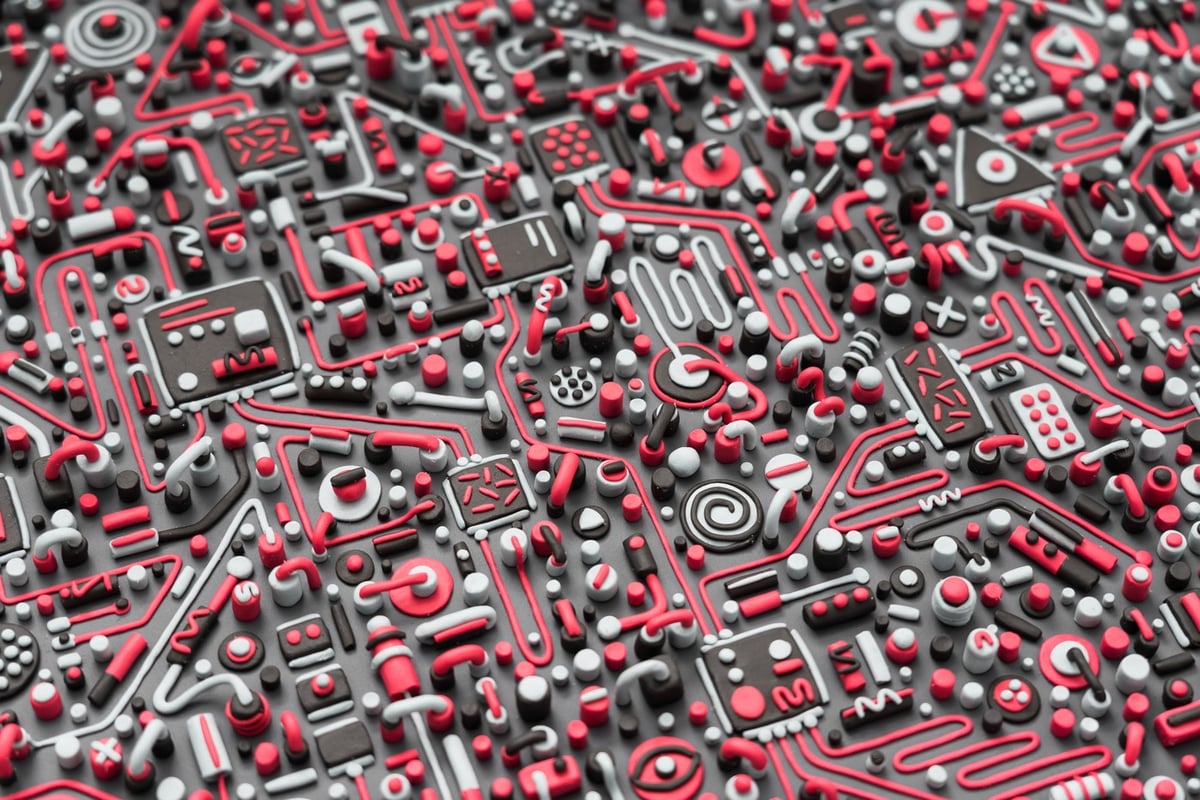
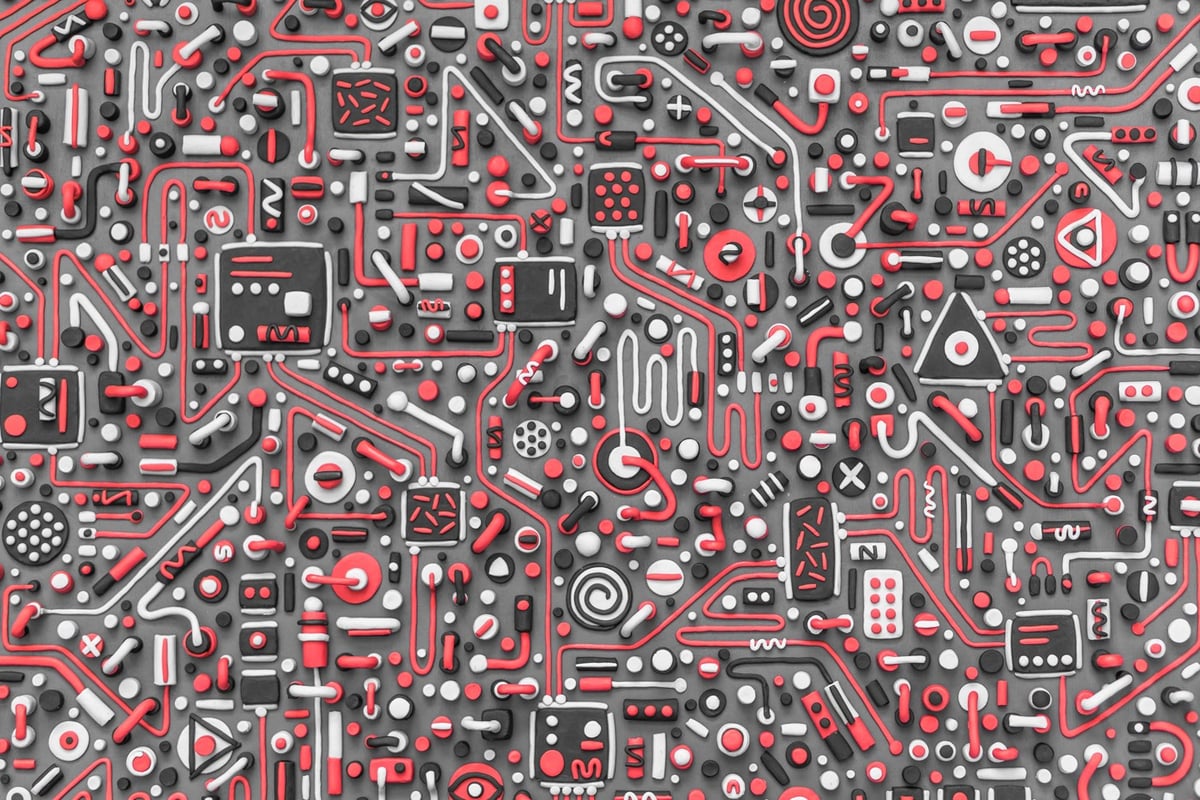
When commissioned to create some artwork for a London music duo, Tim Easley spent 80 hours making this model circuit board out of plasticine clay.
The idea behind the cover was how the modified men of the future may make artwork out of ancient circuit boards, not quite understanding what they were for because of their crude appearance. For this I created a design with representations of computer chips and wires.
He then photographed the results for an album cover and other printed matter. (via colossal)


Illustrator Richard Wilkinson is drawing a series of insects inspired by Star Wars and other pop cultural items.
This project was born out of a fascination with collecting, cataloguing and classifying.
It draws inspiration from classic Natural History illustration but explores the subjects that we love to collect and classify from the modern world: Films, TV, Video Games, Comics, Vehicles, Sneakers, Brands etc.
The first book of the series, working title: “Arthropoda Iconicus Volume I: Insects From A Far Away Galaxy”, is a collection of insects that bear a subtle yet uncanny resemblance to characters and vehicles from the worlds favourite space opera.
You can check out more on his Instagram and a few are available as prints in his online shop. (via colossal)
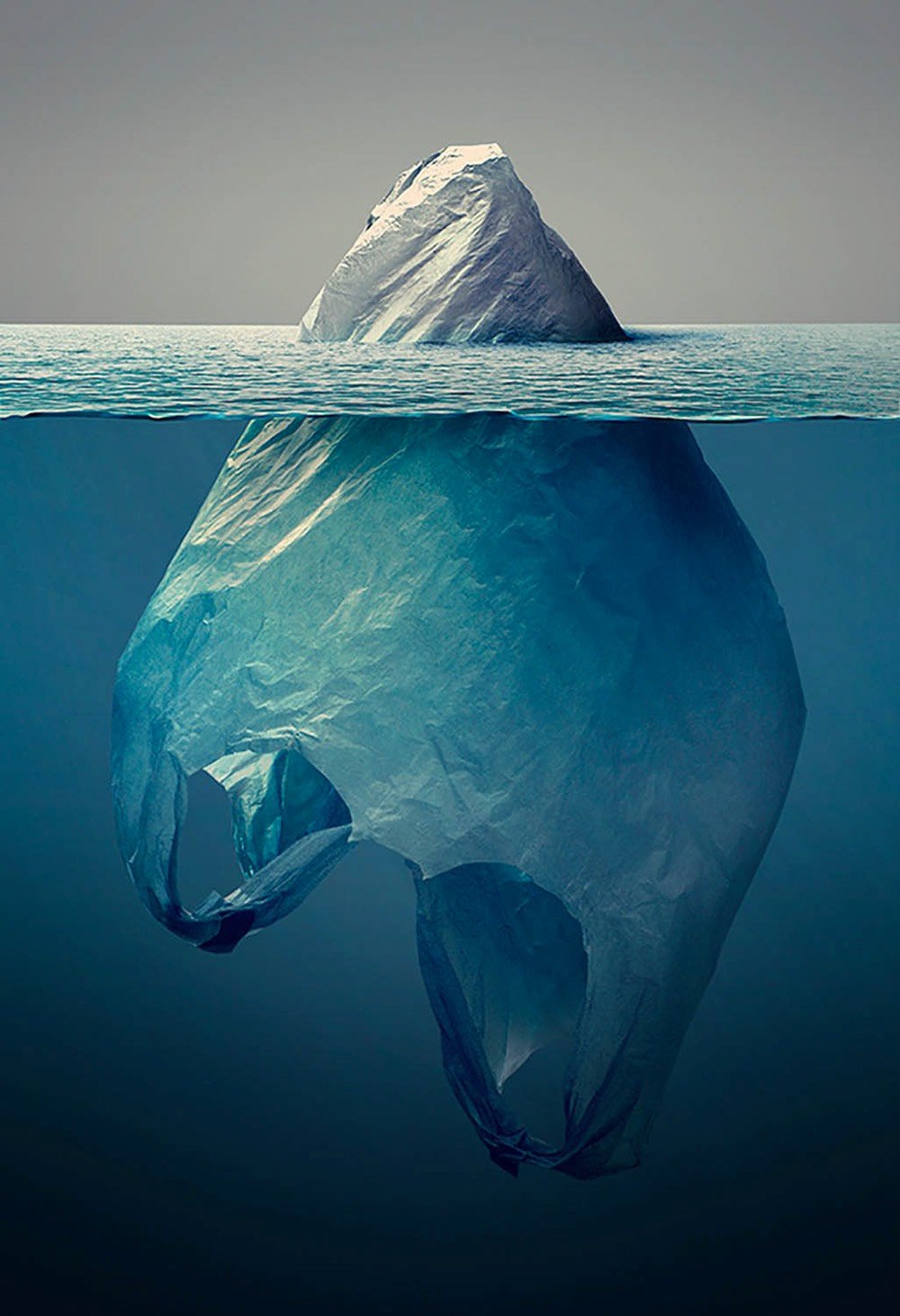
Speaking of great magazine covers, for their issue on plastic, National Geographic put artist Jorge Gamboa’s arresting plastic bag iceberg image on the cover. A simple yet powerful concept, perfectly executed.
Update: The iceberg plastic bag is not an original concept. Prior art includes a 2015 ad campaign for Tesco and a pair of stock images on Getty (date not listed). It’s unclear whether Gamboa created his image after seeing these images or if multiple people had this same idea. (via @krjohn01/status/997198395189223424)
I’ve never watched a single second of the reality TV show Keeping Up with the Kardashians but I found Rachel Tashjian’s When a Modigliani Almost Changed the Kardashians’ Lives to be an engaging read.
Suddenly, Scott’s doubts seem to diminish. Kourtney finds him a few days later examining carpet samples and asks if they’re for his new home. He delivers a maxim we should all live by: “I look at carpet only for aviation and yachts.” When Kourtney asks why he’s “suddenly into this,” he begins screaming: “I’VE ALWAYS BEEN INTO BEING ULTRA RICH! I JUST NEVER BELIEVED IT WAS GOING TO HAPPEN THE WAY IT’S GOING TO HAPPEN!”
The tension builds to obscene absurdism. The idea that the Kardashians — who live in Calabasas, a city with a median income of $119,624, and who film each scene sprawled on pristine white couches in endless living rooms, and snacking off giant marble countertops in family room-sized kitchens — are dreaming about getting rich is almost too…rich. But then, this is the arc of American promise, regardless of how much money you have: this idea that something everyone else thinks is worthless or pointless is actually going to make you rich and famous is what has fueled 22 seasons of Antiques Roadshow, is perhaps the foundation of Southern Gothic literature, and is what makes people believe in the American dream to begin with.
Eddie Putera makes incredibly detailed scale models and miniature scenes, often of rusting and decaying things.


I love his rusted-out smartphone:

You can follow Putera’s work on Instagram and purchase some of his pieces on his website (not photos, the actual miniature models).


The Boston Public Library has digitized their collection of M.C. Escher prints; browse the whole collection here. The level of zoom you can get to with these images is amazing.
Traveling to Spain in 1936, Escher visited the Alhambra for the second time and visited the mosque in Córdoba. The renewed exposure to Arabic design occasioned an important change in his work — he became fascinated with geometry and symmetry and how those abstract design elements could be incorporated into his representations of the natural world. The images in his later prints are created from within his mind rather than representations of the physical world. He explored how to represent people, animals, and objects rising from the flat page and then returning, as well as how to represent the endlessness of infinity.
Browsing through these takes me back to my college days. I don’t know what the situation is now, but when I was in school, it was almost a requirement that 50% of the dorm rooms on any given floor had to have an M.C. Escher poster hanging on the wall. (via @john_overholt)

This is beautiful and fascinating, a representation of Paris through the photos shared online. The creator, Moritz Stefaner, used millions of Instagram pictures to create his Multiplicity installation. From those millions he selected 25K, then analyzed and classified them using neural networks and various processing tools. Presented on large screens, it offers touch and joystick control to dive into, pan and zoom through the clusters of images.
Today, we collectively and continuously document our city experience on social media platforms, shaping a virtual city image. Multiplicity reveals a novel view of this photographic landscape of attention and interests. How does Paris look as seen through the lens of thousands of photographers? What are the hotspots of attraction, what are the neglected corners? What are recurring poses and tropes? And how well do the published pictures reflect your personal view of the city?

The projected display seamlessly zooms from the cloudy overview map over a gridded version of the cloud to a full grid. This layering allows to understand the clustering and neighborhood structure well in the zoomed out view, while providing a tidy and efficient image display in zoomed views.


The interplay between automatic analysis, inspection of the results — what does the machine suggest and conclude — and my own actions — (in terms of layout, content selection, parameter tweaking…) was inspiring to explore.
As a design hint, the use of handwriting for the map annotations hints at the involvement of me as an active author and a subjective sense-making process.
The final result emerged from a dialogue between me and the city, the image contents and the algorithms, which actually managed to surprise and inspire me throughout the project.

The linked article provides a lot more details, including the process of placing the images and the software Stefaner used. The installation is part of the 123 data exhibition in Paris.
(Via @nicolasnova.)
Newer posts
Older posts


Socials & More