kottke.org posts about art
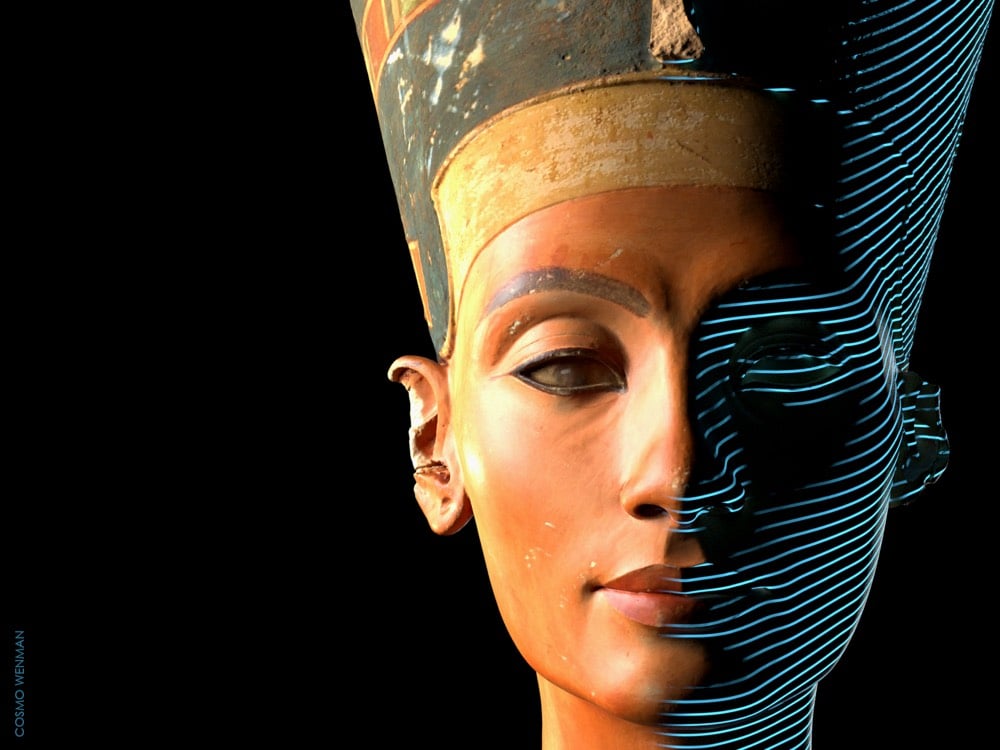
The spectacular bust of Nefertiti, some 3300 years old, is currently housed at the Neues Museum in Berlin. A few years ago, high-resolution scans of the sculpture were released without permission of the museum. Now, after three years of pressure on the museum related to their claim on the bust, an official “full-color, 6.4 million-triangle 3D scan of the Bust of Nefertiti” has been released under a Creative Commons license. Cosmo Wenman has the story of how he eventually got the Prussian Cultural Heritage Foundation to release the scans.
For more than a decade, museums around the world have been making high-quality 3D scans of important sculptures and ancient artifacts. Some institutions, such as the Smithsonian and the National Gallery of Denmark, have forward-thinking programs that freely share their 3D scans with the public, allowing us to view, copy, adapt, and experiment with the underlying works in ways that have never before been possible. But many institutions keep their scans out of public view.
The Louvre, for example, has 3D-scanned the Nike of Samothrace and the Venus de Milo. The Galleria dell’Accademia in Florence 3D-scanned Michelangelo’s David. The Bargello has a scan of Donatello’s David. Numerous works by Auguste Rodin, including the Gates of Hell, have been scanned by the Musée Rodin in Paris. The Baltimore Museum of Art got in on the Rodin action when it scanned The Thinker. The Metropolitan Museum of Art has scans of works by Bernini, Michelangelo, and many others. But instead of allowing them to be studied, copied, and adapted by scholars, artists, and digitally savvy art lovers, these museums have kept these scans, and countless more, under lock and key.
In Berlin, the state-funded Egyptian Museum and Papyrus Collection has a high-quality, full-color 3D scan of the most iconic portrait sculpture ever produced, the 3,364-year-old Bust of Nefertiti. It has held this artifact since 1920, just a few years after its discovery in Amarna, Egypt; Egypt has been demanding its repatriation ever since it first went on display. The bust is one of the most copied works of ancient Egyptian art, and has become a cultural symbol of Berlin. For reasons the museum has difficulty explaining, this scan too is off-limits to the public.
Rather, it was off-limits. I was able to obtain it after a 3-year-long freedom of information effort directed at the organization that oversees the museum.
(via open culture)
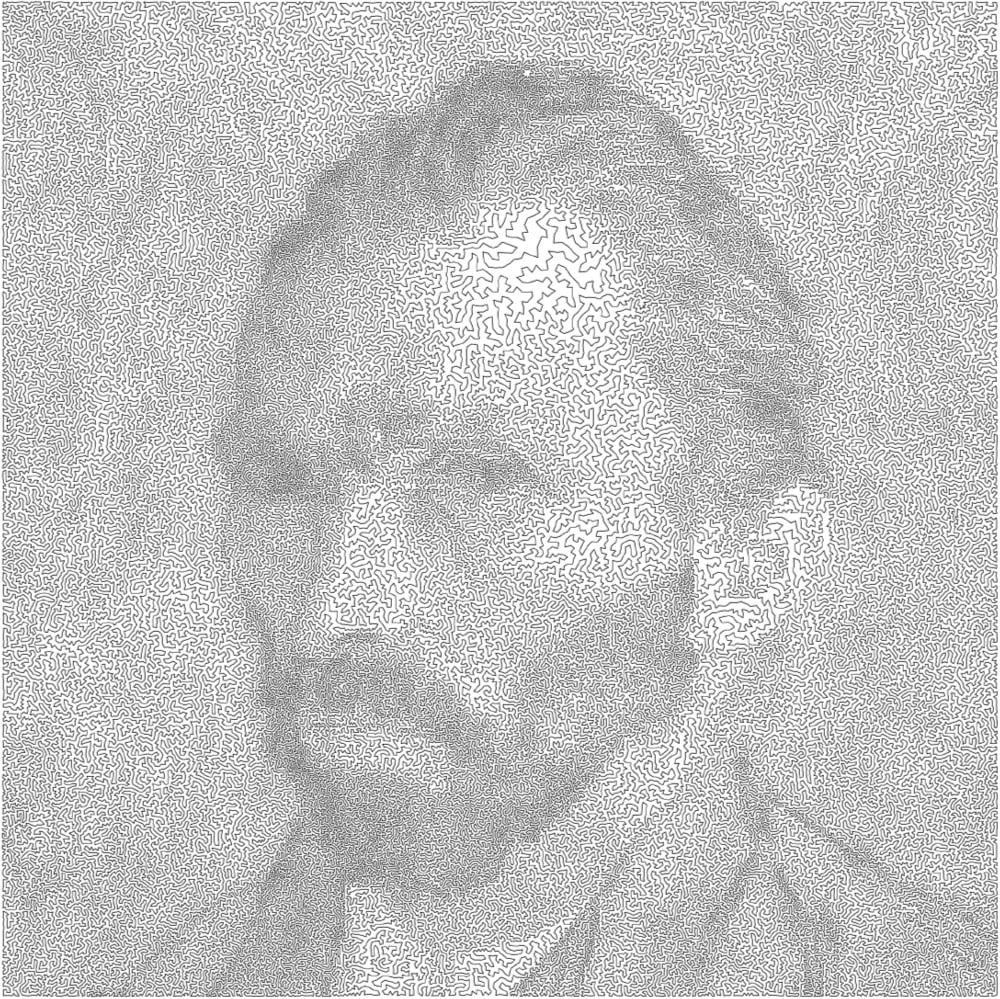
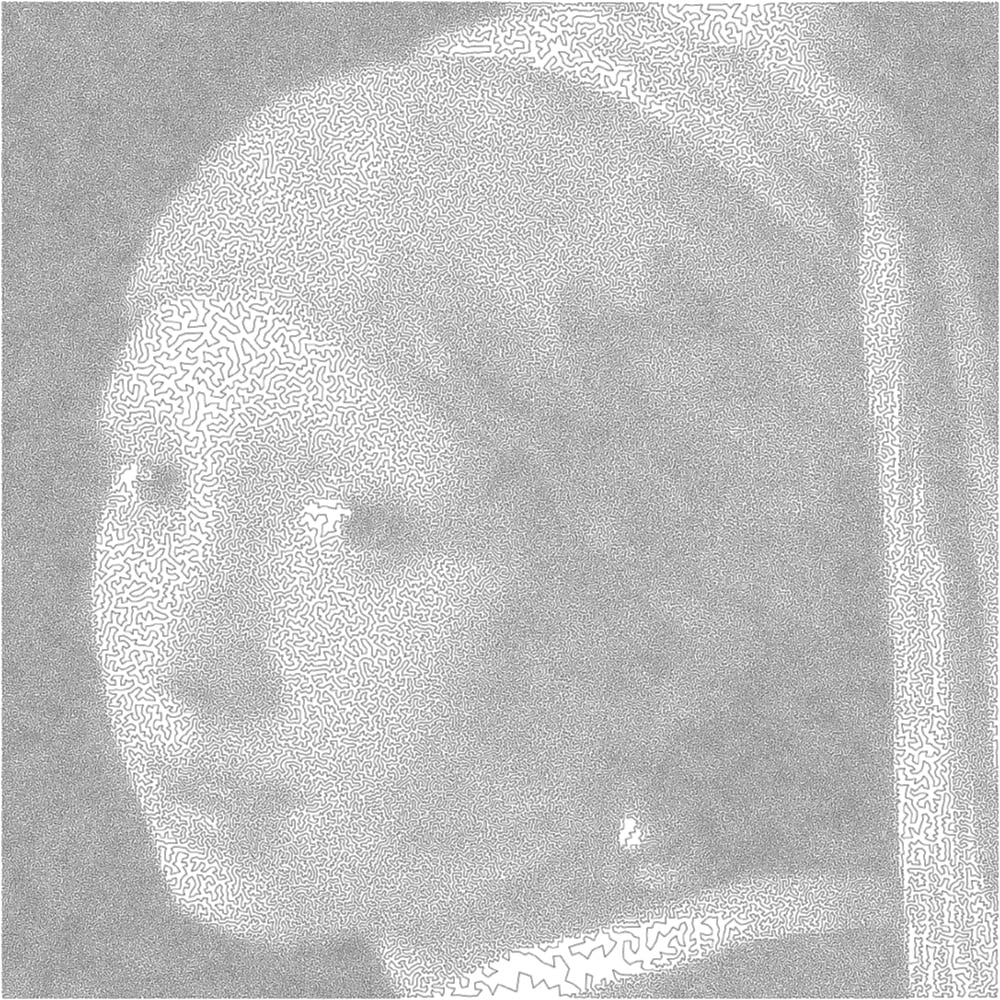
All art is bounded by one constraint or another. Mathematician Robert Bosch makes what he calls “optimization art”, which is best embodied by these images produced as solutions to the travelling salesman problem. Each image is made up of a continuous line that is the shortest possible route through a series of points without revisiting any single point, much like the optimal route of a travelling salesperson visiting cities. The rendition of a van Gogh self-portrait uses a solution for 120,000 “cities” while the single line forming the Girl with the Pearl Earring visits 200,000 cities.
I would love to see an Observable notebook where you could upload any photo to make images like these. (via @Ianmurren)
I had somehow never registered this before, but it was (ridiculously) obvious once it was pointed out to me in this video: the psychedelic design of music posters in the 60s were inspired in part by the Art Nouveau movement of the late 1800s. For instance, here’s an absinthe advertisement from the 1890s and a 1966 Pink Floyd poster.
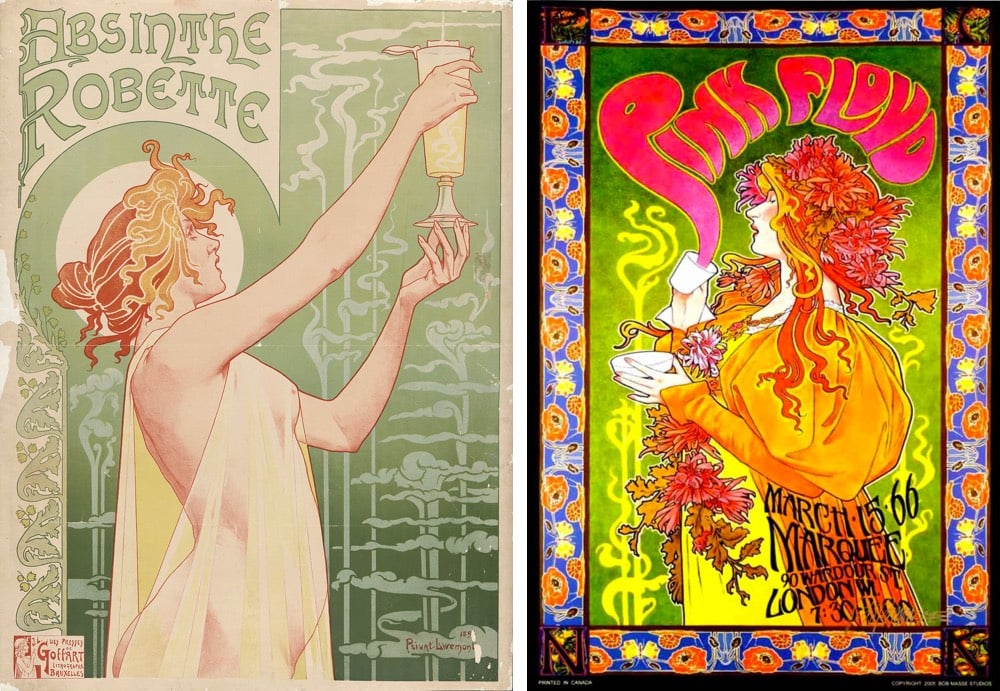
“You can draw a straight line between Art Nouveau and psychedelic rock posters,” Martin Hohn, president of the Rock Poster Society, says. “Mucha, Jules Chéret, Aubrey Beardsley. Borrow from everything. The world is your palette. It was all meant to be populist art. It was always meant to be disposable.” He later adds: “What the artists were saying graphically was the same thing the rock bands were saying musically.”
In The Role of the Artist in the Age of Trump, playwright Lin-Manuel Miranda reflects on how truth inherent in art means that “all art is political”.
At the end of the day, our job as artists is to tell the truth as we see it. If telling the truth is an inherently political act, so be it. Times may change and politics may change, but if we do our best to tell the truth as specifically as possible, time will reveal those truths and reverberate beyond the era in which we created them. We keep revisiting Shakespeare’s Macbeth because ruthless political ambition does not belong to any particular era. We keep listening to Public Enemy because systemic racism continues to rain tragedy on communities of color. We read Orwell’s 1984 and shiver at its diagnosis of doublethink, which we see coming out of the White House at this moment.
In a 1969 piece, Kurt Vonnegut asserted that art is an early warning system for society:
I sometimes wondered what the use of any of the arts was. The best thing I could come up with was what I call the canary in the coal mine theory of the arts. This theory says that artists are useful to society because they are so sensitive. They are super-sensitive. They keel over like canaries in poison coal mines long before more robust types realize that there is any danger whatsoever.
While not specifically about art, here’s a bit of what I wrote in a January 2017 post, How to Productive in Terrible Times.
I’ve always had difficulty believing that the work I do here is in some way important to the world and since the election, that feeling has blossomed into a profound guilt-ridden anxiety monster. I mean, who in the actual fuck cares about the new Blade Runner movie or how stamps are designed (or Jesus, the blurry ham) when our government is poised for a turn towards corruption and authoritarianism?
I have come up with some reasons why my work here does matter, at least to me, but I’m not sure they’re good ones. In the meantime, I’m pressing on because my family and I rely on my efforts here and because I hope that in some small way my work, as Webb writes, “is capable of enabling righteous acts”.
(via laura olin)
You may remember the Border Wall Seesaw implemented by activist architects Ronald Rael and Virginia San Fratello earlier this year; they installed seesaws through the US/Mexico border wall, enabling people from both countries to play together on them.
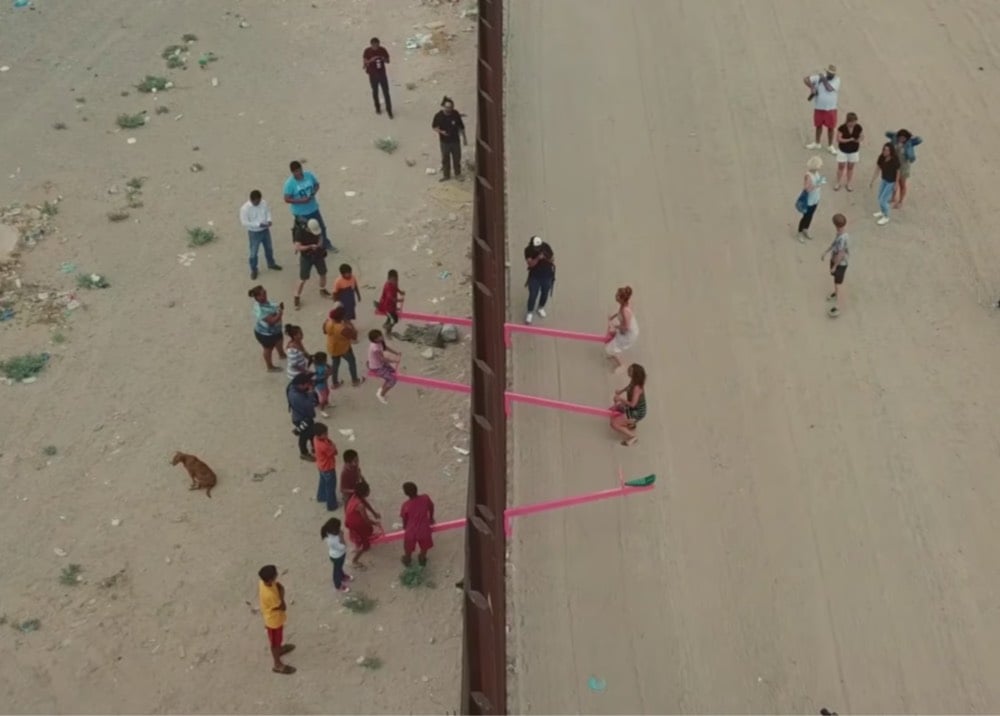
This short documentary called Borderlands follows Rael to three communities along the wall — San Diego & Tijuana, Brownsville & Matamoros, El Paso & Juárez (where he installed the seesaws) — where the connections between the US & Mexican sides persist and flourish despite their artificial separation.
Rael is well aware that, not too long ago, the boundary between the United States and Mexico, which is now delineated by more than seven hundred miles of fencing, was an open frontier, dotted with stone monuments. His book “Borderwall as Architecture” makes clear that the billions of dollars the U.S. government has spent on curbing migration and enhancing border security have done little to deter those intent on crossing by foot, using wooden ladders and ramps, or through tunnels. Decades of flawed policies suggest that the building of a grand wall is entirely divorced from the reality on the ground.
See also Best of Luck With the Wall, Josh Begley’s satellite image tour of the wall from the Pacific to the Gulf.
Ok, this post doesn’t have anything to do with boy detective Encyclopedia Brown…I just needed him for the title. In the NY Times, art critic Jason Farago argues that in order to improve the visitor experience at the Louvre, the Mona Lisa and her smile have got to go.
Yet the Louvre is being held hostage by the Kim Kardashian of 16th-century Italian portraiture: the handsome but only moderately interesting Lisa Gherardini, better known (after her husband) as La Gioconda, whose renown so eclipses her importance that no one can even remember how she got famous in the first place.
Some 80 percent of visitors, according to the Louvre’s research, are here for the Mona Lisa — and most of them leave unhappy. Content in the 20th century to be merely famous, she has become, in this age of mass tourism and digital narcissism, a black hole of anti-art who has turned the museum inside out.
Enough!
I visited the Louvre back in 2017 and the Mona-driven crowds were very distracting. I wrote a short review for my media diet:
The best-known works are underwhelming and the rest of this massive museum is overwhelming. The massive crowds, constant photo-taking, and selfies make it difficult to actually look at the art. Should have skipped it.
The Louvre is actually not a good place to look at art and if moving the Mona Lisa to a dedicated gallery elsewhere can help solve that problem, they should do it. (via @fimoculous)
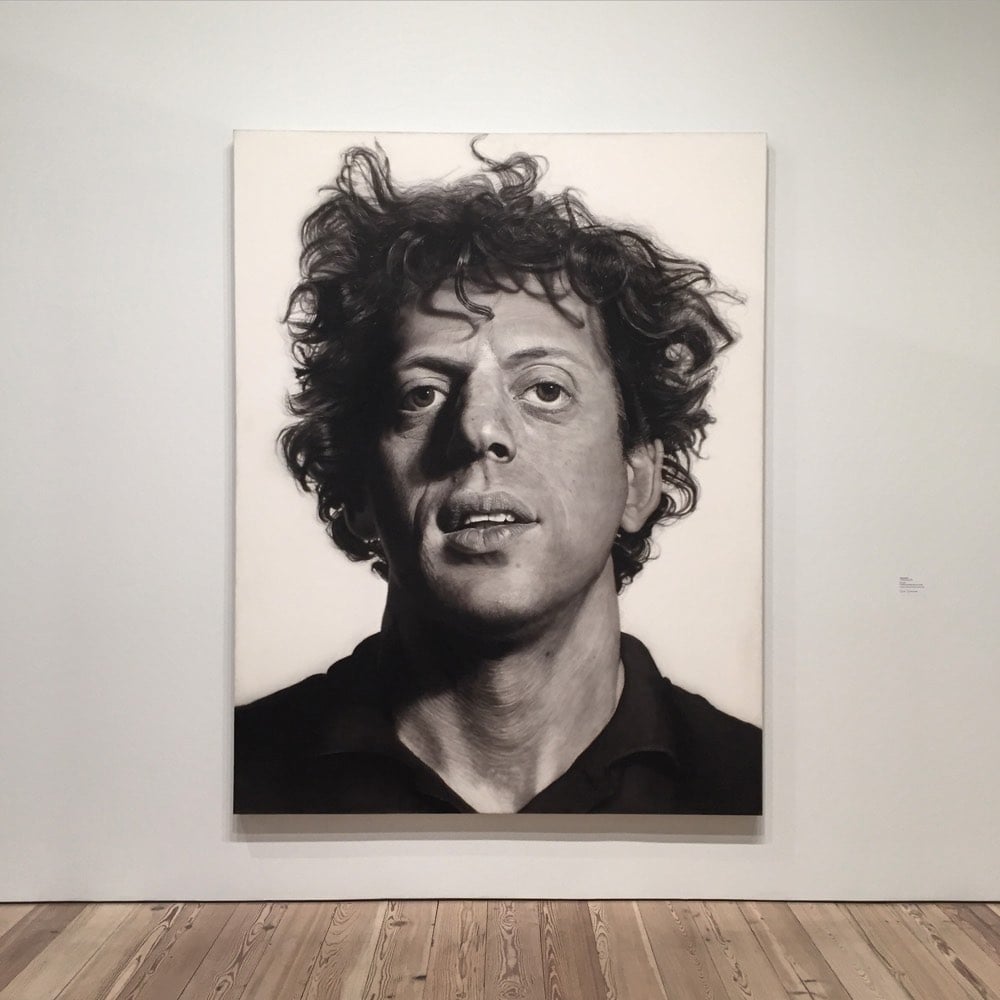
From the NY Times, Philip Glass Is Too Busy to Care About Legacy.
“I’m pragmatic,” Mr. Glass said. “I don’t know what’s going to happen in 10 years. We don’t even get to know what’s going to happen after someone dies. We need to wait until everyone who knew them is dead, too.”
If that’s true, it won’t be until nearly 2100 when a full measure of Mr. Glass’s footprint will be possible. But some weighing can start now. The most instantly recognizable voice in contemporary music, he opened a new chapter in operatic history, pushing the bounds of duration and abstraction. At a time when the most lauded composers disdained overproduction, Mr. Glass wrote unashamedly for everyone and everything — and all stubbornly in the distinctive style he created, establishing a model for serious artists moving from the opera house to the concert hall to the film studio, garnering both Met commissions and Academy Award nominations.
But if the question is whether, a century from now, his operas will get new productions, his symphonies will circulate more frequently, or pianists will take on his études, Mr. Glass couldn’t care less.
“I won’t be around for all that,” he said. “It doesn’t matter.”
Austin Kleon expanded on this piece with some thoughts about lineage vs legacy.
I like this idea of thinking about lineage vs. legacy, because it means you can sort of reframe any worrying about immortality and how you’re going to project yourself into the future, and think more about what you’re taking from the past and what you’re adding to it that creates a more interesting and helpful present.
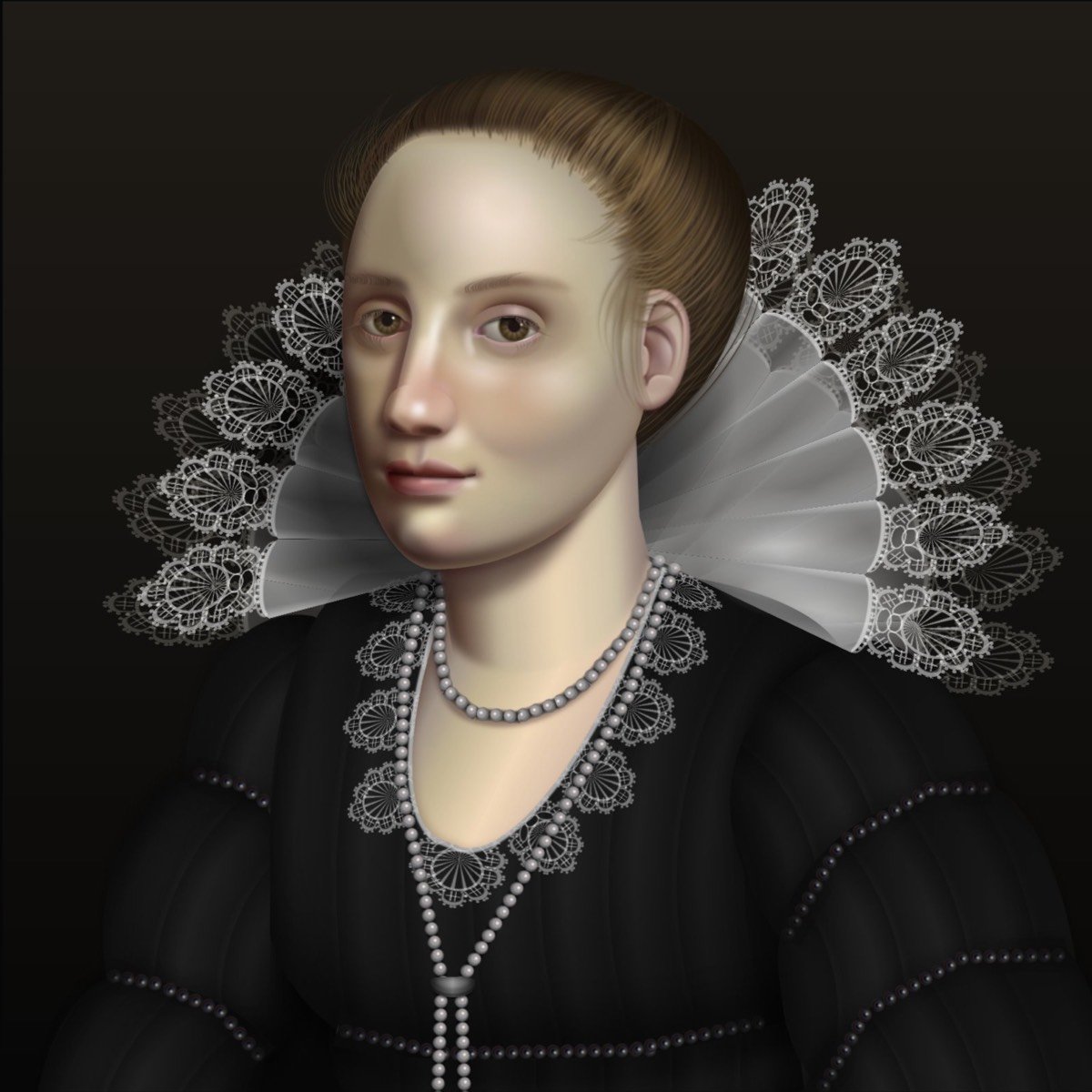
Believe it or not, the image above was made using only HTML & CSS by developer Diana Smith. It’s coded by hand and built for Chrome — you can check it out here. The source code and accompanying CSS is not as extensive as you might think.
As Andy Baio notes, Smith’s creations render less well in other browsers. Who knew Internet Explorer 8 for Windows 7 was a Cubist master?
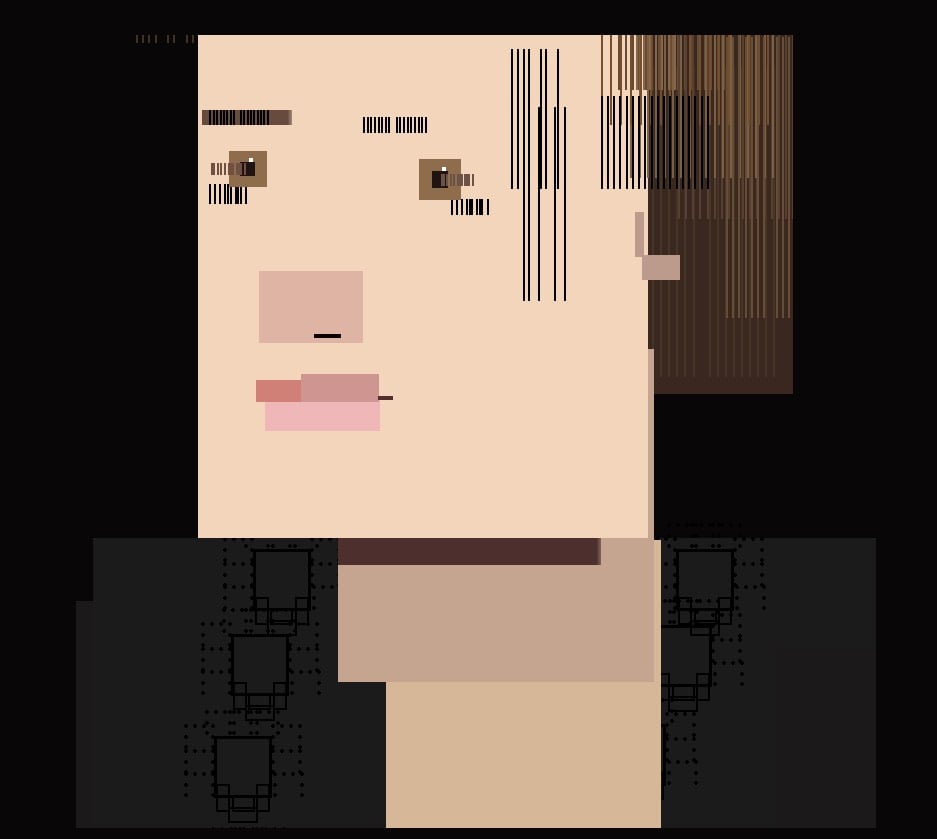
You can view several other of Smith’s creations here, here, and here.
See also Tatsuo Horiuchi, the Excel Spreadsheet Artist. (via waxy)

These are absolutely stunning! Piranesi meets Escher meets… reminds me of someone else I can’t put my finger on.
“Over many years my interest in architecture and cityscapes has evolved.” [These pieces have] “become a way and means of expressing the infinite, playing with perspective and exploring a range of histories, cultures, places.”


His exhibit in Berlin runs until January 22 2020.
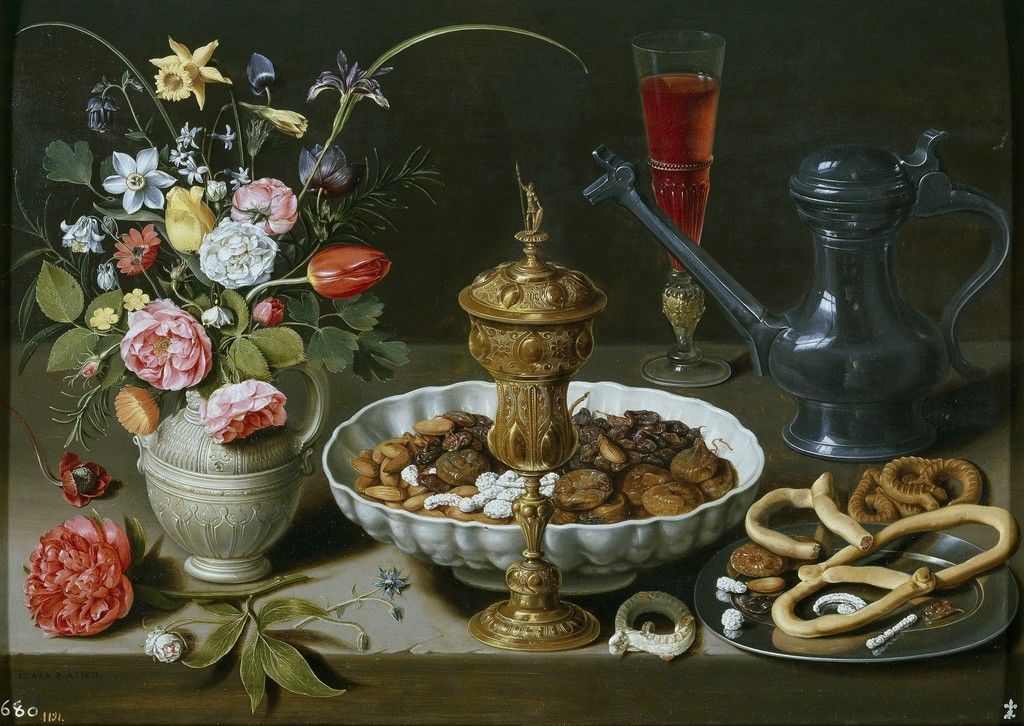
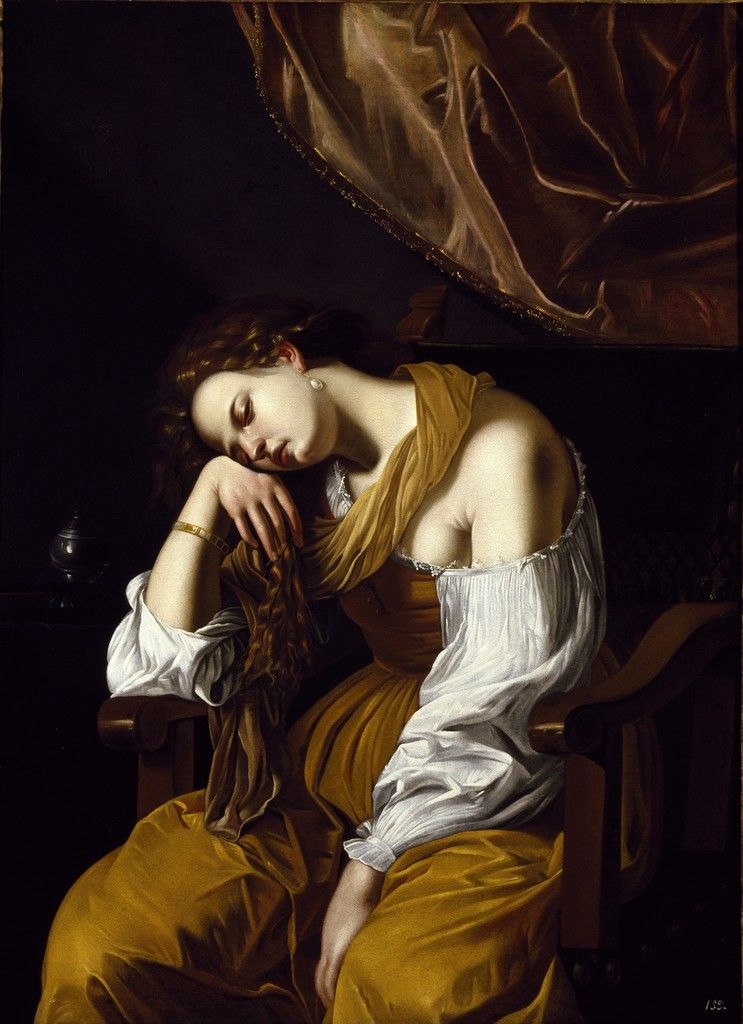
There’s growing visibility and demand for the work of female artists of the Renaissance and Baroque periods, from The Museo Nacional del Prado showcasing the work of Sofonisba Anguissola and Lavinia Fontana as part of its 200th anniversary programming, to Sotheby’s achieving record-breaking prices for female Old Masters, to D.C.’s National Museum of Women in the Arts current “Women Artists of the Dutch Golden Age.”
Anguissola was a celebrated portraitist in the late 16th and early 17th centuries whose fame earned her a place as a lady-in-waiting to Isabel de Valois at the court of King Philip II of Spain. Fontana worked around the same time in Rome and Bologna, disregarding the limits of genres imposed on her sex, even painting from the nude—a practice from which women were generally excluded at the time.
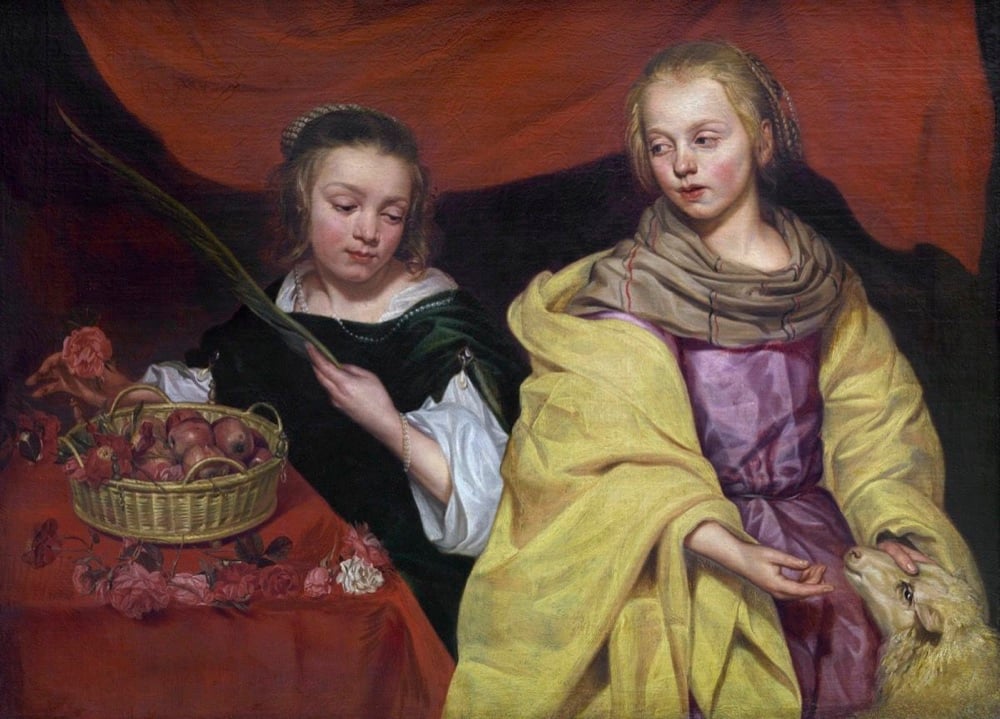
As often happens when trying to right some imbalances, it starts with breaking the loop of being too unknown to be featured but needing to be exhibited to become known.
Art historian Katlijne Van der Stighelen first rediscovered the Baroque painter Michaelina Wautier in the 1990s, but found it impossible to get support for an exhibition as museums would not risk gambling on an unknown artist. It was not until the Flanders tourism department decided to invest heavily in a three-year exhibition program, beginning in 2018 with Peter Paul Rubens and Baroque painting, that she finally got her chance.
Until of course someone finally “takes a chance” only to find out that yes, there is a thirst for more diversity of voices in all domains.
The response exceeded anything Van der Stighelen or MAS could have hoped for. Both the national and international press were attracted by the “surprise element” of an artist so technically accomplished, yet completely unknown. By the time the show came down in September 2018, some 40,000 visitors had seen it—about four times the usual number for a summer show at MAS, according to Van der Stighelen.

Artist Chris Soal makes these shaggy-looking sculptures out of thousands of toothpicks. Here’s a closeup of one of his works, where you can see the whorls created by the toothpicks:

(via moss & fog)
In a recent episode of The Art Assignment, they make the case for Impressionism.
The arrival of photography had also revealed new ways of framing images, suggesting the possibility of unbalanced, snapshot-like compositions, long before cameras would reach snapshot size and speed. Some have theorized that now that photography could capture reality so well, painting was then freed from the shackles of realism and could do what paint does best, which is being colorful and tactile, and you know, painty.
This new kind of art also involved more women and represented them in new ways. Berthe Morisot participated in all but one of the Impressionist exhibitions, and gave us remarkable views into the domestic sphere and lives of well-to-do women. Mary Cassatt joined the ranks as well, and became known for depicting women and children as well as her own family. Women of a variety of classes were subjects for the Impressionists, and not just nude and lying on a bed anymore, but shown doing the things they actually do, in the home as well as out in the world, enjoying Paris’s nightlife, and also being it.
I love these little art history lessons.

Ever since I read this tweet the other day, I can’t unsee Munch’s The Scream as a painting of a spaniel dog. (The tweet’s photo has been doctored but I can still see it in the original above.)
Have we considered that it’s possible that Munch was just trying to paint a spaniel, but he was a bit shit, and then people got excited about it so he went along with it?
You’re welcome!
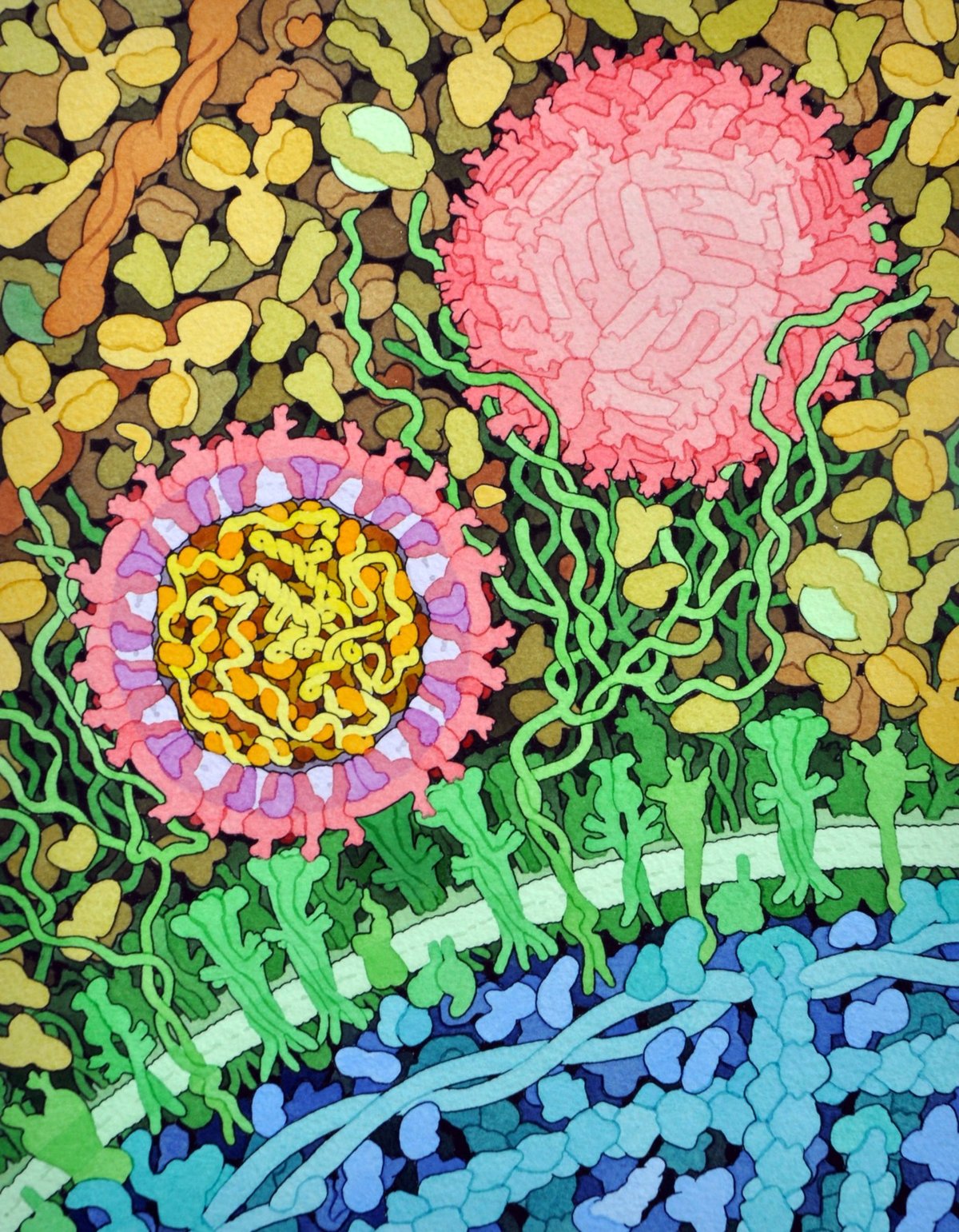
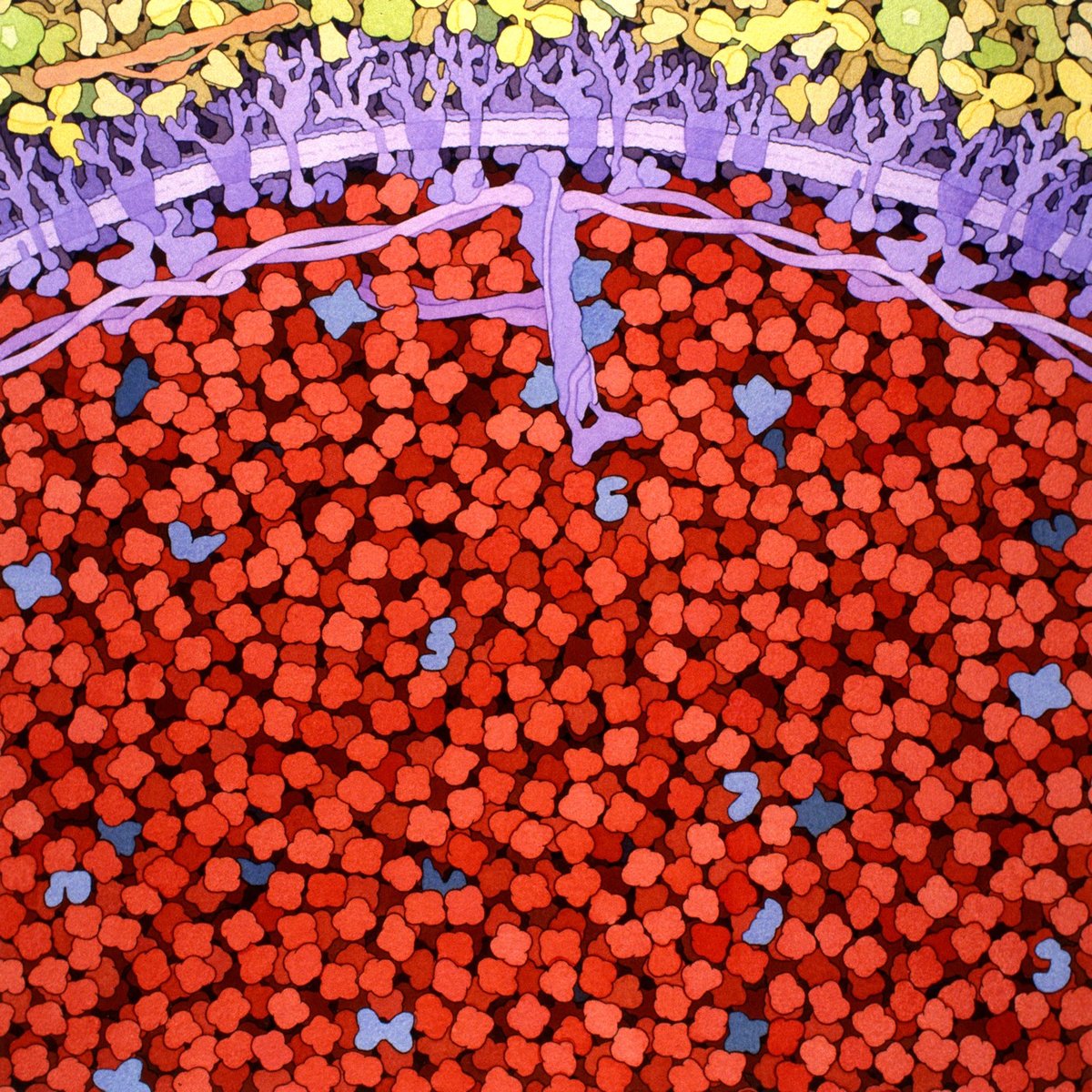
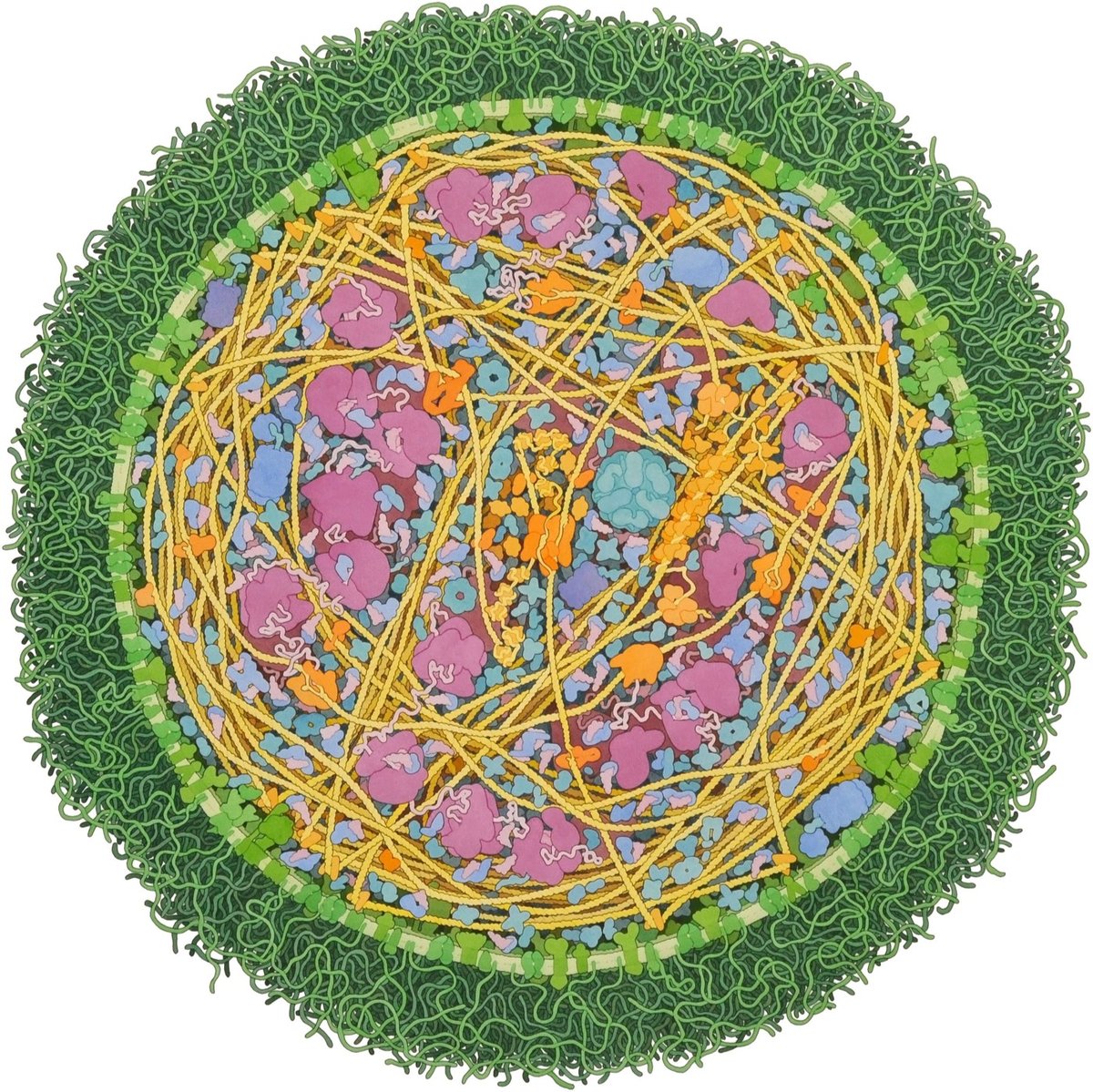
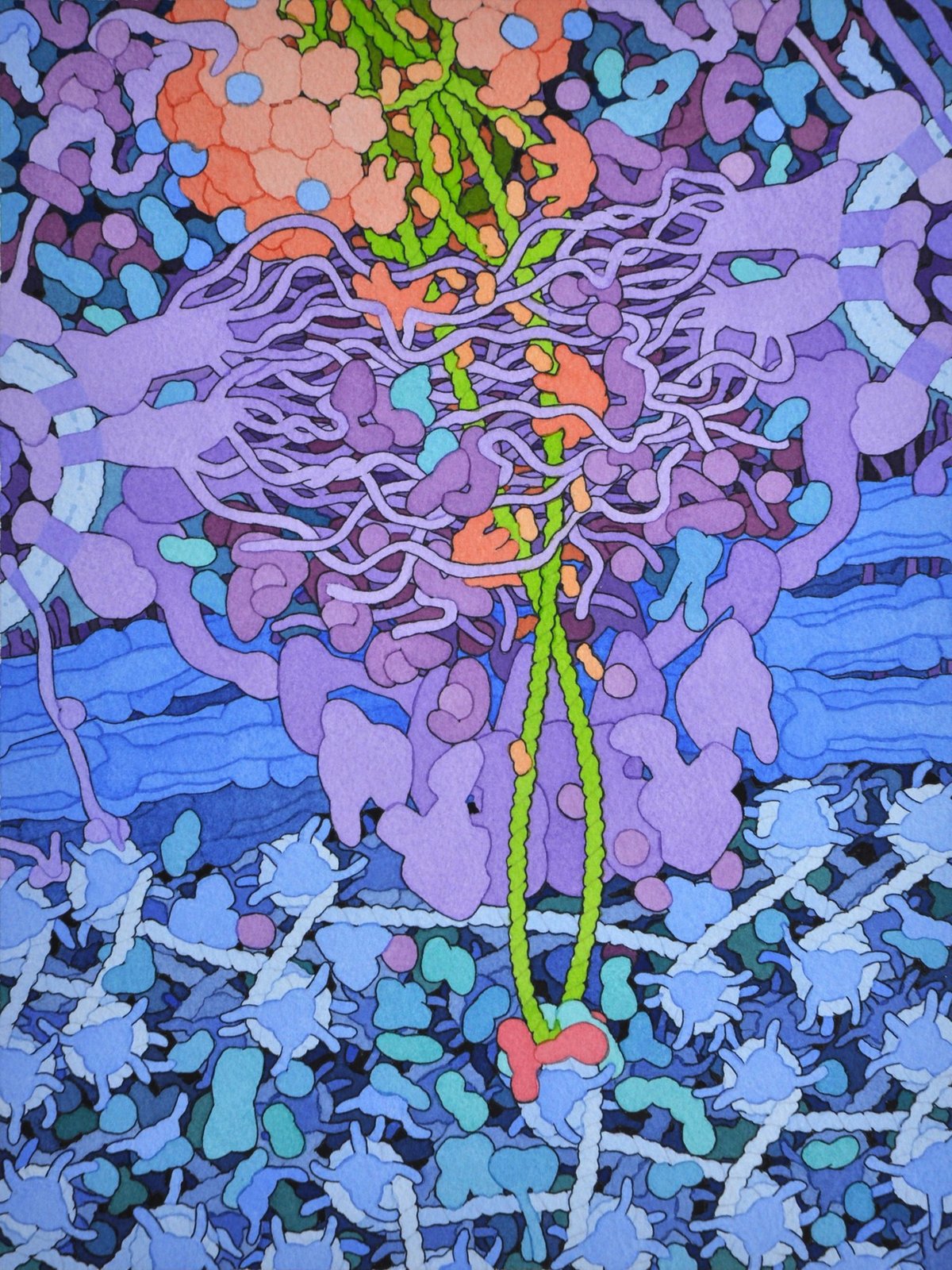
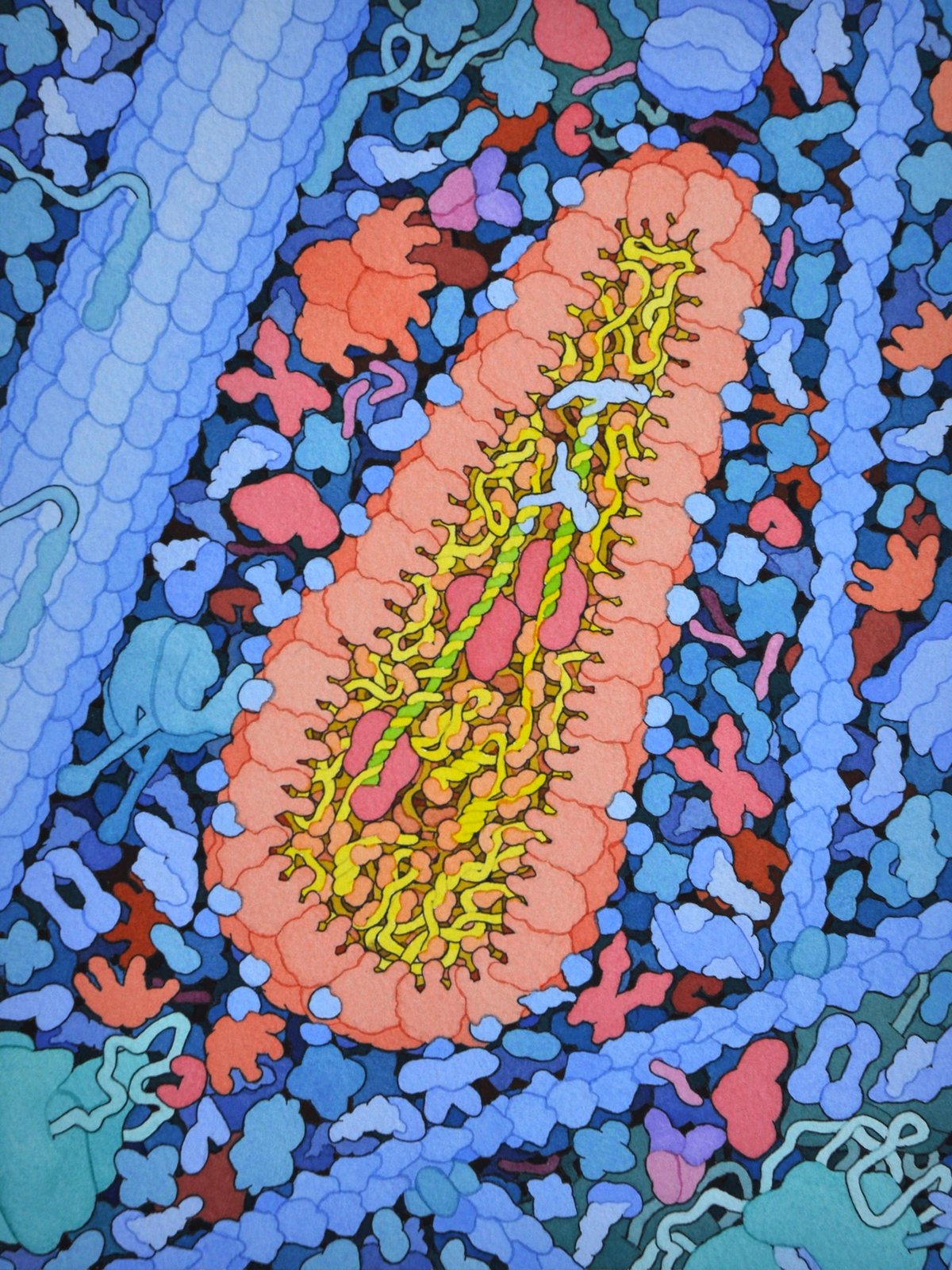
For more than 25 years, biologist David Goodsell has been making scientifically accurate paintings and illustrations of the molecular structures of things related to HIV, cancer cells, ebola, Zika, diabetes, proteins, enzymes, and hundreds of other scientific and medical processes.
Since the early 1990s, I have been working with a type of illustration that shows portions of living cells magnified so that you can see individual molecules. I try to make these illustrations as accurate as possible, using information from atomic structure analysis, electron microscopy, and biochemical analysis to get the proper number of molecules, in the proper place, and with the proper size and shape.
Much of his work is available to use for free (with attribution) and is scattered across the web: the Molecule of the Month, Molecular Landscapes, Illustrations for Public Use. He has also published several books of his paintings, the most popular of which is The Machinery of Life. Science magazine recently profiled Goodsell and his work.
In addition to studying pictures of cells from high-powered microscopes, Goodsell relies on molecular structures from electron microscopy (EM), x-ray crystallography, and nuclear magnetic resonance spectroscopy to make his paintings, which show the often crowded and complex world of cells and the microbes that infect them. He even uses the known weights of molecules if that’s all he has so that he can at least draw, say, a correctly sized circle. “I’m a scientist first,” he says. “I’m not making editorial images that are meant to sell magazines. I want to somehow inform the scientists and armchair scientists what the state of knowledge is now and hopefully give them an intuitive sense of how these things really look — or may look,” he says.
May look?
“These pictures have tons and tons and tons of artistic license,” he says. “They’re just one snapshot of something that’s intrinsically superdynamic. Every time I do a painting, the next day it’s out of date because there’s so much more data coming out.”
Here’s a quick video profile as well:
All images are by David S. Goodsell, the Scripps Research Institute. (via alexandra kammen)


I really like Owen Pomery’s illustrative style — his drawings are spare yet detailed, precise but a bit messy. You can see his work on his website, on Twitter, or on Instagram. He sells prints and books in his shop, including this field guide to modernist kiosk designs in a fictional country.

(via @dunstan)
Newer posts
Older posts




Socials & More