Entries for April 2020
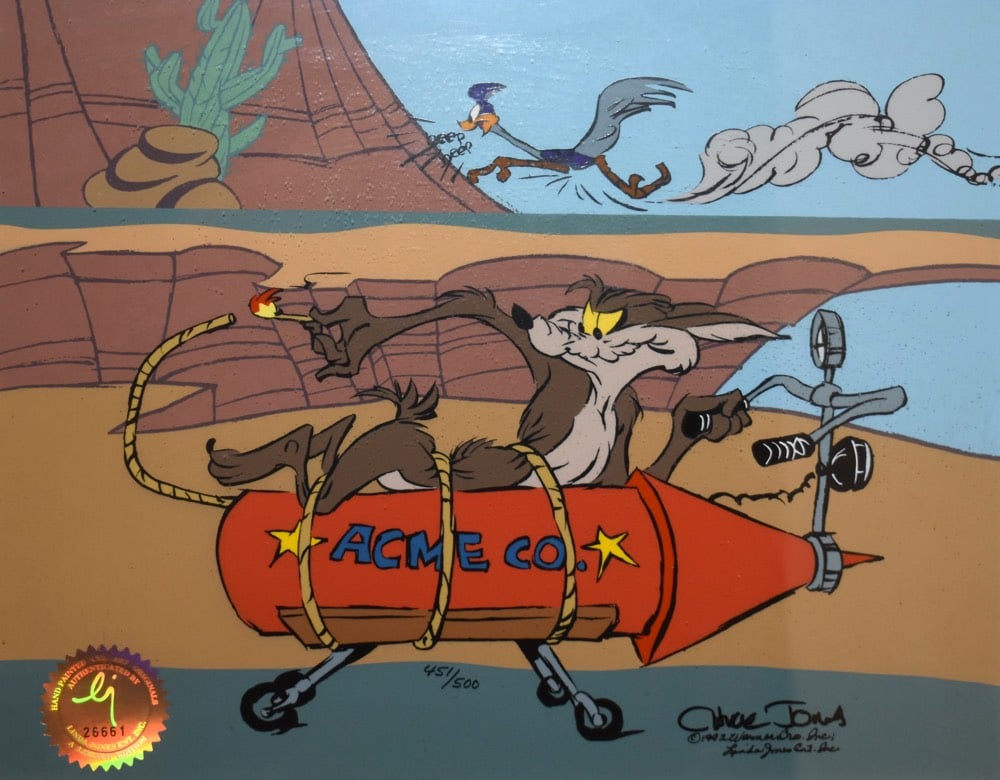
In a classic New Yorker article from 1990, Ian Frazier writes about an imagined lawsuit filed by Wile E. Coyote against the Acme Company in which he “seeks compensation for personal injuries, loss of business income, and mental suffering” due to the company’s defective products.
Mr. Coyote states that on December 13th he received of Defendant via parcel post one Acme Rocket Sled. The intention of Mr. Coyote was to use the Rocket Sled to aid him in pursuit of his prey. Upon receipt of the Rocket Sled Mr. Coyote removed it from its wooden shipping crate and, sighting his prey in the distance, activated the ignition. As Mr. Coyote gripped the handlebars, the Rocket Sled accelerated with such sudden and precipitate force as to stretch Mr. Coyote’s forelimbs to a length of fifty feet. Subsequently, the rest of Mr. Coyote’s body shot forward with a violent jolt, causing severe strain to his back and neck and placing him unexpectedly astride the Rocket Sled. Disappearing over the horizon at such speed as to leave a diminishing jet trail along its path, the Rocket Sled soon brought Mr. Coyote abreast of his prey. At that moment the animal he was pursuing veered sharply to the right. Mr. Coyote vigorously attempted to follow this maneuver but was unable to, due to poorly designed steering on the Rocket Sled and a faulty or nonexistent braking system. Shortly thereafter, the unchecked progress of the Rocket Sled brought it and Mr. Coyote into collision with the side of a mesa.
See also the rules followed by animator Chuck Jones and his team while making the Wile E. Coyote and Road Runner cartoons.
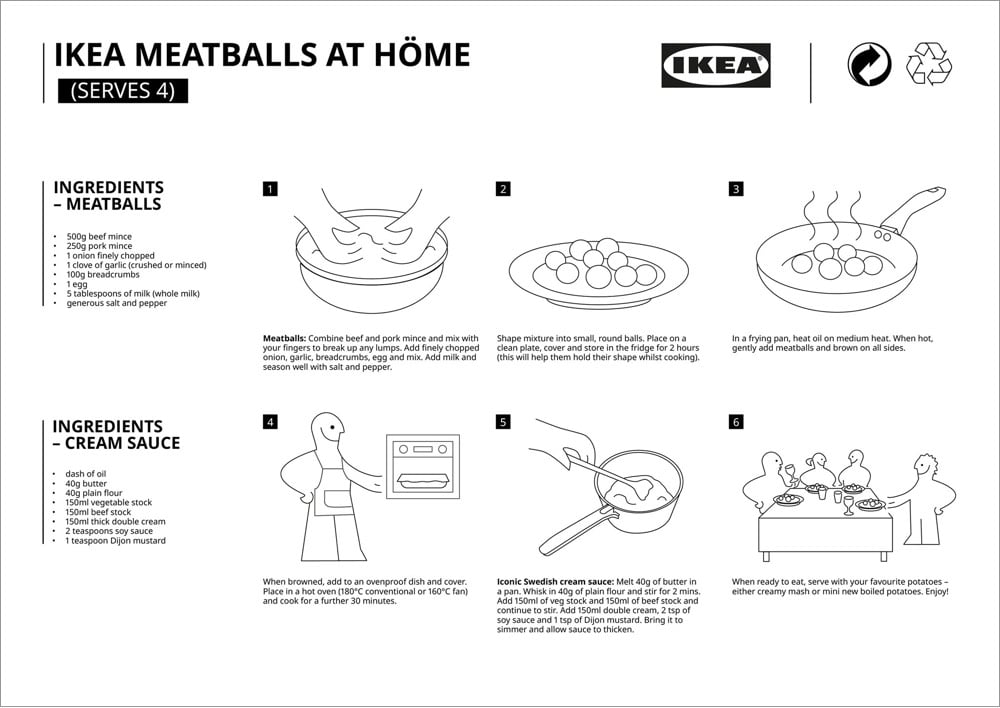
On Twitter the other day, Ikea UK shared the official recipe for their iconic meatballs and cream sauce,— in the form of Ikea instructions naturally. As a midwesterner of partial Swedish heritage, this sort of thing is right up my alley.
It’s kind of amazing that society has collectively decided to give up all its secrets and control in the face of the pandemic — museums putting their collections online, filmmakers streaming their movies for free, people indiscriminately sending each other nudes, bands putting live performances on YouTube for free, and now this Ikea meatballs thing. The world has turned upside down. (via why is this interesting?)
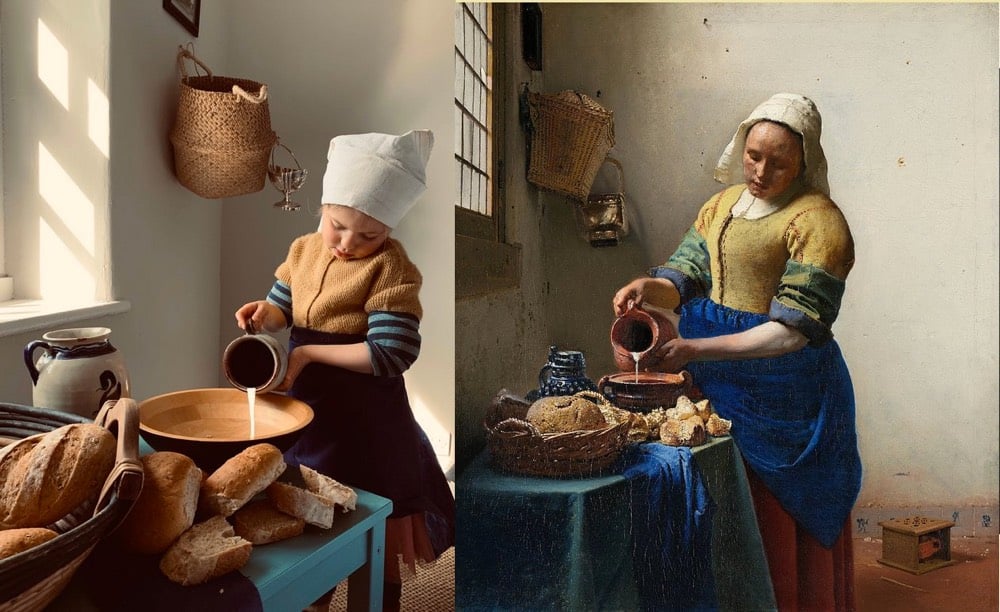
With art museums closed and people quarantined at home, some folks have taken to recreating famous artworks using stuff laying around the house. Some of the best recreations are from the Covid Classic Instagram account.
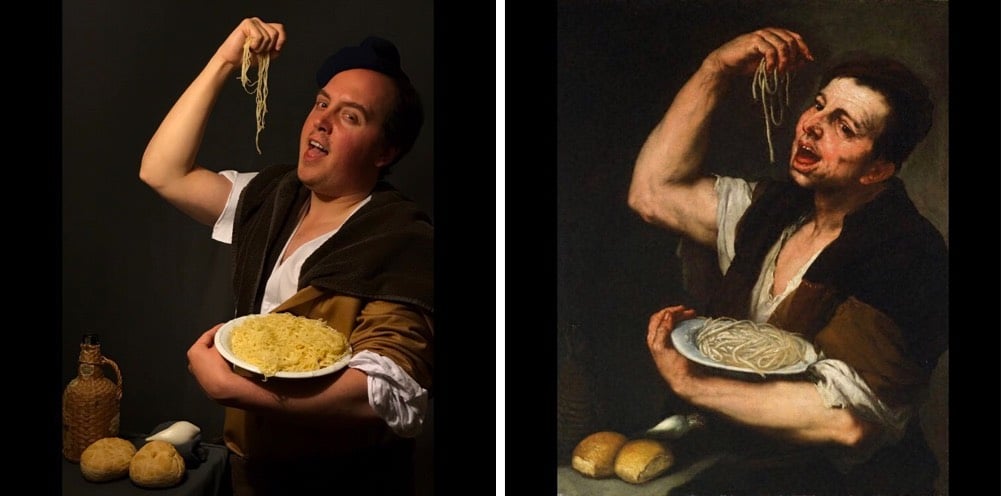
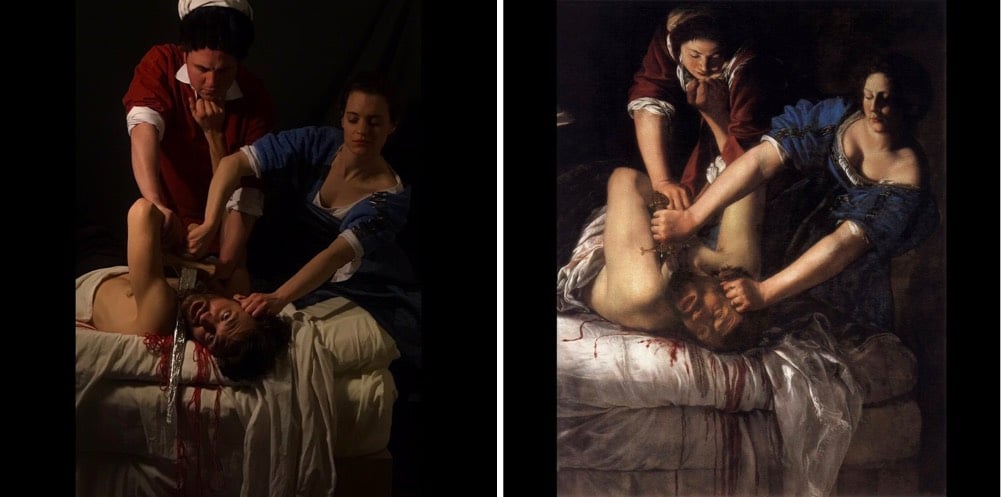
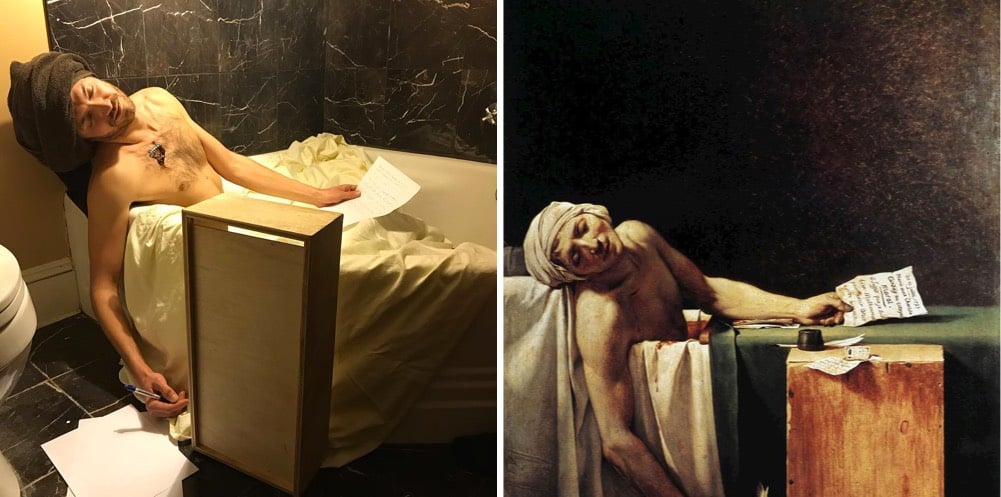
Tussen Kunst & Quarantaine is pretty good too.
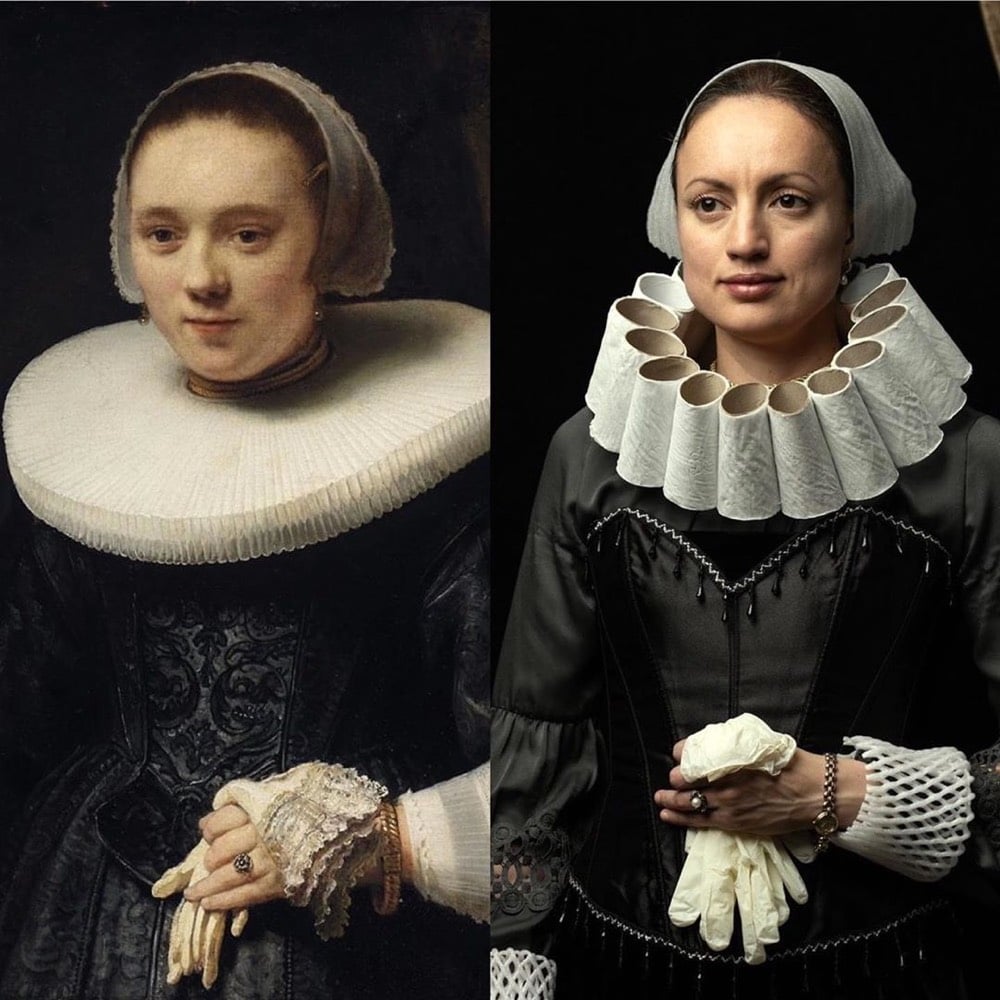
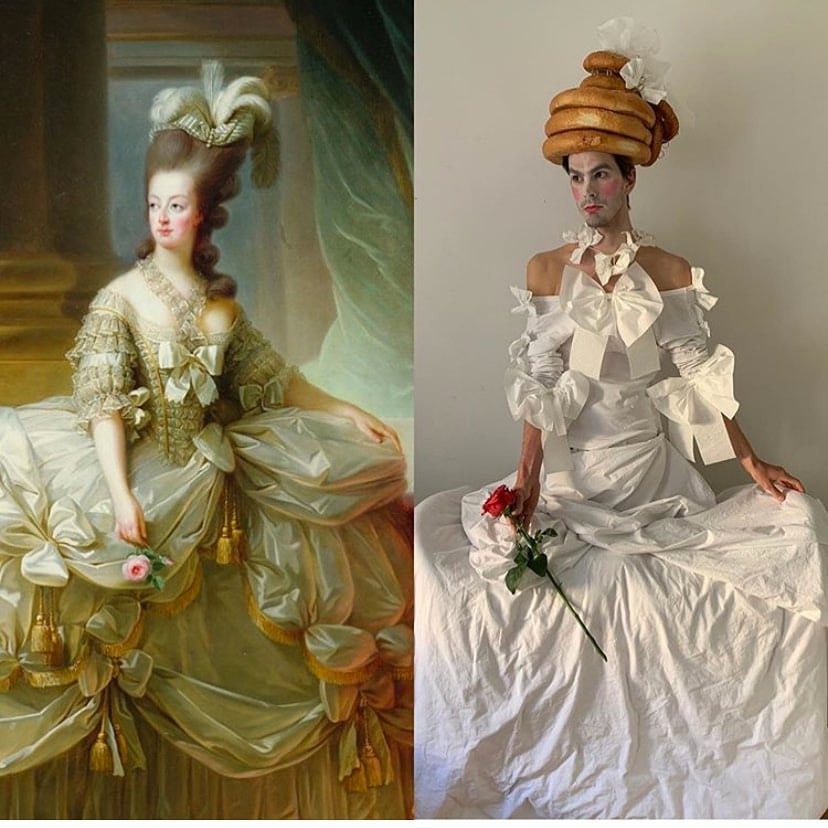
Museums like Rijksmuseum and the Getty have also been getting into the act, challenging people to send in their creations.
Have you ever wanted to hear Jay Z rap the “To Be, Or Not To Be” soliloquy from Hamlet? You are in luck:
What about Bob Dylan singing Britney Spears’ “…Baby One More Time”? Here you go:
Bill Clinton reciting “Baby Got Back” by Sir Mix-A-Lot? Yep:
And I know you’re always wanted to hear six US Presidents rap NWA’s “Fuck Tha Police”. Voila:
This version with the backing track is even better. These audio deepfakes were created using AI:
The voices in this video were entirely computer-generated using a text-to-speech model trained on the speech patterns of Barack Obama, Ronald Reagan, John F. Kennedy, Franklin Roosevelt, Bill Clinton, and Donald Trump.
The program listens to a bunch of speech spoken by someone and then, in theory, you can provide any text you want and the virtual Obama or Jay Z can speak it. Some of these are more convincing than others — with a bit of manual tinkering, I bet you could clean these up enough to make them convincing.
Two of the videos featuring Jay Z’s synthesized voice were forced offline by a copyright claim from his record company but were reinstated. As Andy Baio notes, these deepfakes are legally interesting:
With these takedowns, Roc Nation is making two claims:
1. These videos are an infringing use of Jay-Z’s copyright.
2. The videos “unlawfully uses an AI to impersonate our client’s voice.”
But are either of these true? With a technology this new, we’re in untested legal waters.
The Vocal Synthesis audio clips were created by training a model with a large corpus of audio samples and text transcriptions. In this case, he fed Jay-Z songs and lyrics into Tacotron 2, a neural network architecture developed by Google.
It seems reasonable to assume that a model and audio generated from copyrighted audio recordings would be considered derivative works.
But is it copyright infringement? Like virtually everything in the world of copyright, it depends-on how it was used, and for what purpose.
Celebrity impressions by people are allowed, why not ones by machines? It’ll be interesting to see where this goes as the tech gets better.
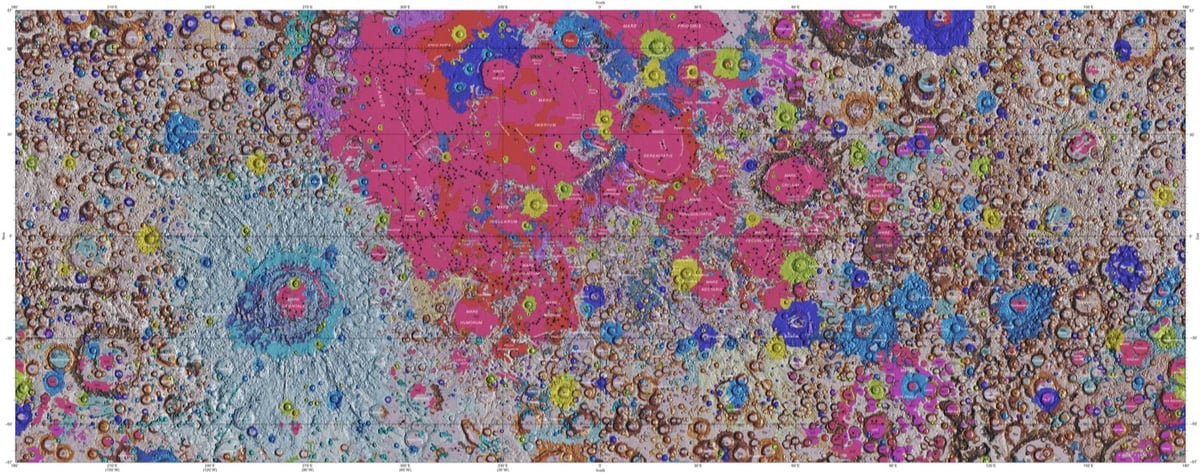
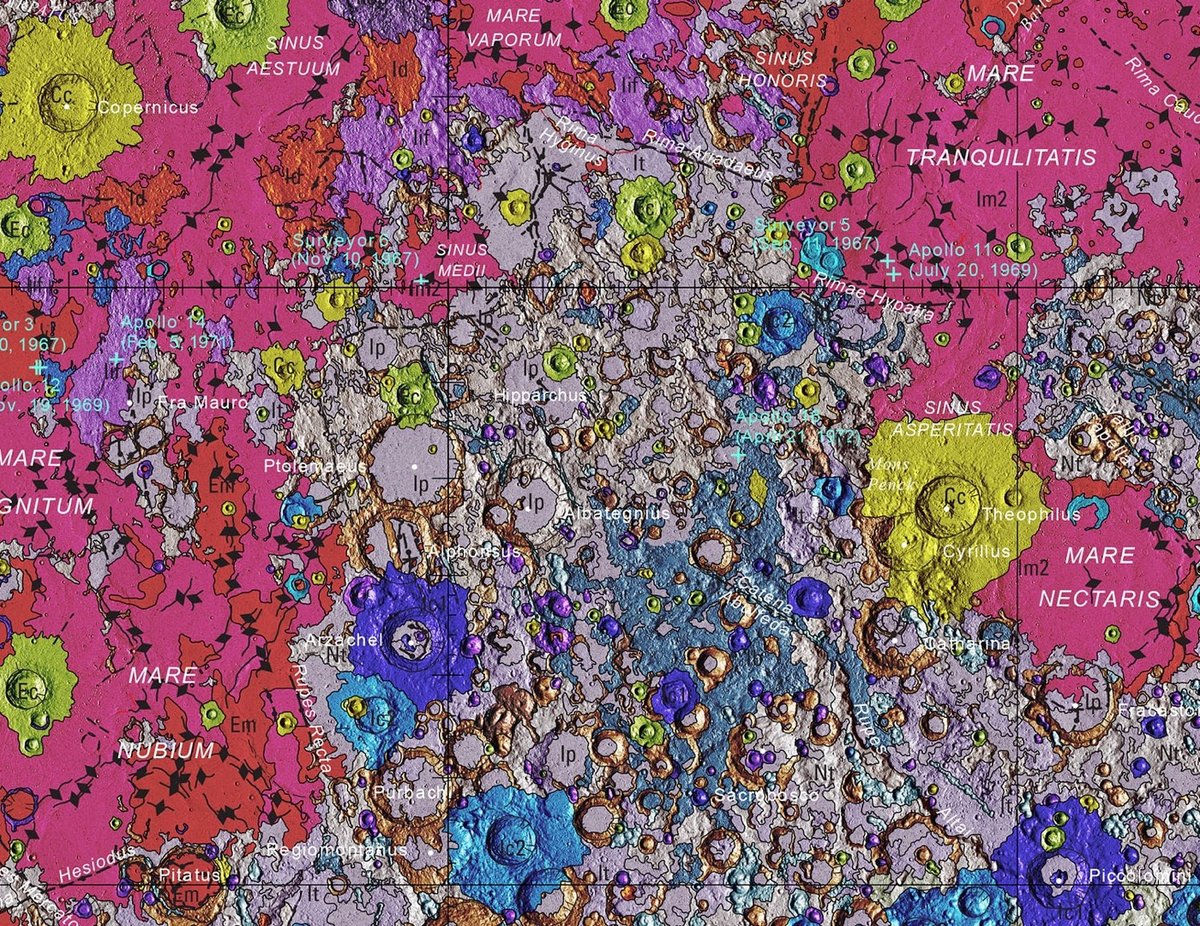
In collaboration with NASA and the Lunar and Planetary Institute, the USGS has released the first complete geological map of the Moon’s surface.
This new work represents a seamless, globally consistent, 1:5,000,000-scale geologic map derived from the six digitally renovated geologic maps (see Source Online Linkage below). The goal of this project was to create a digital resource for science research and analysis, future geologic mapping efforts, be it local-, regional-, or global-scale products, and as a resource for the educators and the public interested in lunar geology.
Strange Maps has more information on how the map came to be and what it shows.
The map was created by the U.S. Geological Service’s Astrogeology Science Center in Flagstaff, Arizona. In collaboration with NASA and the Lunar and Planetary Institute, it combined six ‘regional’ maps of the Moon made during the Apollo era (1961-1975) with input from more recent unmanned lunar missions.
This included data on the polar regions from NASA’s Lunar Orbiter Laser Altimeter (LOLA) and close-ups of the equatorial zone from the Japanese Space Agency’s recent SELENE mission.
The two images above show the entire map and a detailed view of a single area (which includes the landing sites of 3 Apollo missions) while the video shows a rotating globe version of the map.
The Nude Selfie Is Now High Art. “It has become an act of resilience in isolation, a way to seduce without touch.”
Last month, I told you about Comet ATLAS, which at that time looked capable of putting on a real show in the night sky.
Except, since its discovery, the comet has been brightening at an almost unprecedented speed. As of March 17, ATLAS was already magnitude +8.5, over 600 times brighter than forecast. As a result, great expectations are buzzing for this icy lump of cosmic detritus, with hopes it could become a stupendously bright object by the end of May.
It turns out the increase in brightness was fleeting — and possibly due to the comet breaking apart. In the past week, the Hubble Space Telescope has gotten two good looks at the disintegrating comet, identifying that the main mass has broken into about 30 fragments.
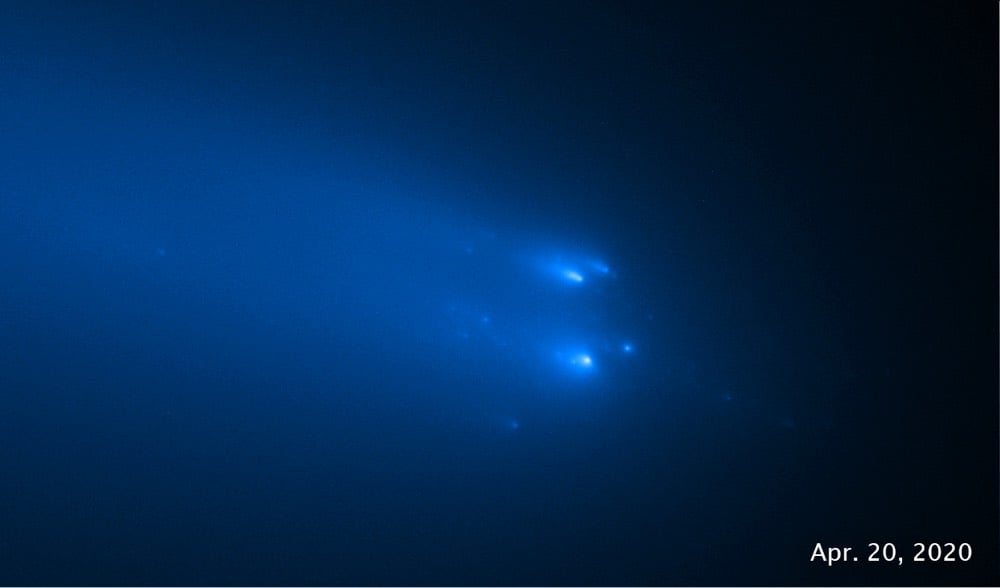

“This is really exciting — both because such events are super cool to watch and because they do not happen very often. Most comets that fragment are too dim to see. Events at such scale only happen once or twice a decade,” said the leader of a second Hubble observing team, Quanzhi Ye, of the University of Maryland, College Park.
The results are evidence that comet fragmentation is actually fairly common, say researchers. It might even be the dominant mechanism by which the solid, icy nuclei of comets die. Because this happens quickly and unpredictably, astronomers remain largely uncertain about the cause of fragmentation. Hubble’s crisp images may yield new clues to the breakup. Hubble distinguishes pieces as small as the size of a house. Before the breakup, the entire nucleus may have been no more than the length of two football fields.
I like to listen to music while I work, but it can’t have any vocals or I get too distracted when I’m writing or reading. So I end up listening to a lot of electronic, classical, and soundtracks. During the pandemic, I’ve been sharing my daily work soundtrack in this Twitter thread with selections like the Amelie soundtrack, Burial, Tycho, Nine Inch Nails, and Philip Glass. I’m no musical expert or connoisseur, but I know what I like and what works to keep me focused.
Over the past few months, I’ve been getting a lot of good music recommendations from the Flow State newsletter, so I was happy to write a guest issue for them today recommending music from Ben Prunty.
Today we’re listening to Ben Prunty, a composer of video game soundtracks. His first release was the chiptune soundtrack for the critically acclaimed FTL: Faster Than Light, a video game released in 2012. The music is chill and retro, the perfect backdrop for gameplay that’s more about careful planning and execution than fast-twitch reflexes. Inspired by fans who listened to the FTL soundtrack while working or studying, Prunty released Color Sky a couple of years later, describing the album as an “epic journey across your own subconscious.”
You can find the links for the albums I mentioned if you click through and so many more recommendations in their back issues.
Update: Damien Joyce reminded me that I asked for recommendations for “head-down coding/designing/writing concentration music” on Twitter a few years ago and received a bunch of great responses. Joyce compiled many of the responses into a 15-hour playlist on Spotify.
For his 68th birthday, Kevin Kelly shares 68 bits of unsolicited advice. “Gratitude will unlock all other virtues and is something you can get better at.”
As Ed Yong notes in his helpful overview of the pandemic, this is such a huge and quickly moving event that it’s difficult to know what’s happening. Lately, I’ve been seeking information on Covid-19’s presenting symptoms after seeing a bunch of anecdotal data from various sources.
In the early days of the epidemic (January, February, and into March), people were told by the CDC and other public health officials to watch out for three specific symptoms: fever, a dry cough, and shortness of breath. In many areas, testing was restricted to people who exhibited only those symptoms. Slowly, as more data is gathered, the profile of the presenting symptoms has started to shift. From a New York magazine piece by David Wallace-Wells on Monday:
While the CDC does list fever as the top symptom of COVID-19, so confidently that for weeks patients were turned away from testing sites if they didn’t have an elevated temperature, according to the Journal of the American Medical Association, as many as 70 percent of patients sick enough to be admitted to New York State’s largest hospital system did not have a fever.
Over the past few months, Boston’s Brigham and Women’s Hospital has been compiling and revising, in real time, treatment guidelines for COVID-19 which have become a trusted clearinghouse of best-practices information for doctors throughout the country. According to those guidelines, as few as 44 percent of coronavirus patients presented with a fever (though, in their meta-analysis, the uncertainty is quite high, with a range of 44 to 94 percent). Cough is more common, according to Brigham and Women’s, with between 68 percent and 83 percent of patients presenting with some cough — though that means as many as three in ten sick enough to be hospitalized won’t be coughing. As for shortness of breath, the Brigham and Women’s estimate runs as low as 11 percent. The high end is only 40 percent, which would still mean that more patients hospitalized for COVID-19 do not have shortness of breath than do. At the low end of that range, shortness of breath would be roughly as common among COVID-19 patients as confusion (9 percent), headache (8 to 14 percent), and nausea and diarrhea (3 to 17 percent).
Recently, as noted by the Washington Post, the CDC has changed their list of Covid-19 symptoms to watch out for. They now list two main symptoms (cough & shortness of breath) and several additional symptoms (fever, chills, repeated shaking with chills, muscle pain, headache, sore throat, new loss of taste or smell). They also note that “this list is not all inclusive”. Compare that with their list from mid-February.
In addition, there’s evidence that children might have different symptoms (including stomach issues or diarrhea), doctors are reporting seeing “COVID toes” on some patients, and you might want to look at earlier data from these three studies about symptoms observed in Wuhan and greater China.
The reason I’m interested in this shift in presenting symptoms is that on the last day or two of my trip to Asia, I got sick — and I’ve been wondering if it was Covid-19.
Here’s the timeline: starting on Jan 21, I was in Saigon, Vietnam for two weeks, then in Singapore for 4 days, and then Doha, Qatar for 48 hours. The day I landed in Doha, Feb 9, I started to feel a little off, and definitely felt sick the next day. I had a sore throat, headache, and congestion (stuffy nose) for the first few days. There was also some fatigue/tiredness but I was jetlagged too so… All the symptoms were mild and it felt like a normal cold to me. Here’s how I wrote about it in my travelogue:
I got sick on the last day of the trip, which turned into a full-blown cold when I got home. I dutifully wore my mask on the plane and in telling friends & family about how I was feeling, I felt obliged to text “***NOT*** coronavirus, completely different symptoms!!”
I flew back to the US on Feb 11 (I wore a mask the entire time in the Doha airport, on the plane, and even in the Boston airport, which no one else was doing). I lost my sense of taste and smell for about 2 days, which was a little unnerving but has happened to me with past colds. At no point did I have even the tiniest bit of fever or shortness of breath. The illness did drag on though — I felt run-down for a few weeks and a very slight cough that developed about a week and a half after I got sick lingered for weeks.
According to guidance from the WHO, CDC, and public health officials at the time, none of my initial symptoms were a match for Covid-19. I thought about getting a test or going to the doctor, but in the US in mid-February, and especially in Vermont, there were no tests available for someone with a mild cold and no fever. But looking at the CDC’s current list of symptoms — which include headache, sore throat, and new loss of taste or smell — and considering that I’d been in Vietnam and Singapore when cases were reported in both places, it seems plausible to me that my illness could have been a mild case of Covid-19. Hopefully it wasn’t, but I’ll be getting an antibody test once they are (hopefully) more widely available, even though the results won’t be super reliable.
Update: More on the changing profile of Covid-19 symptoms from a sample size of more than 30,000 tests.
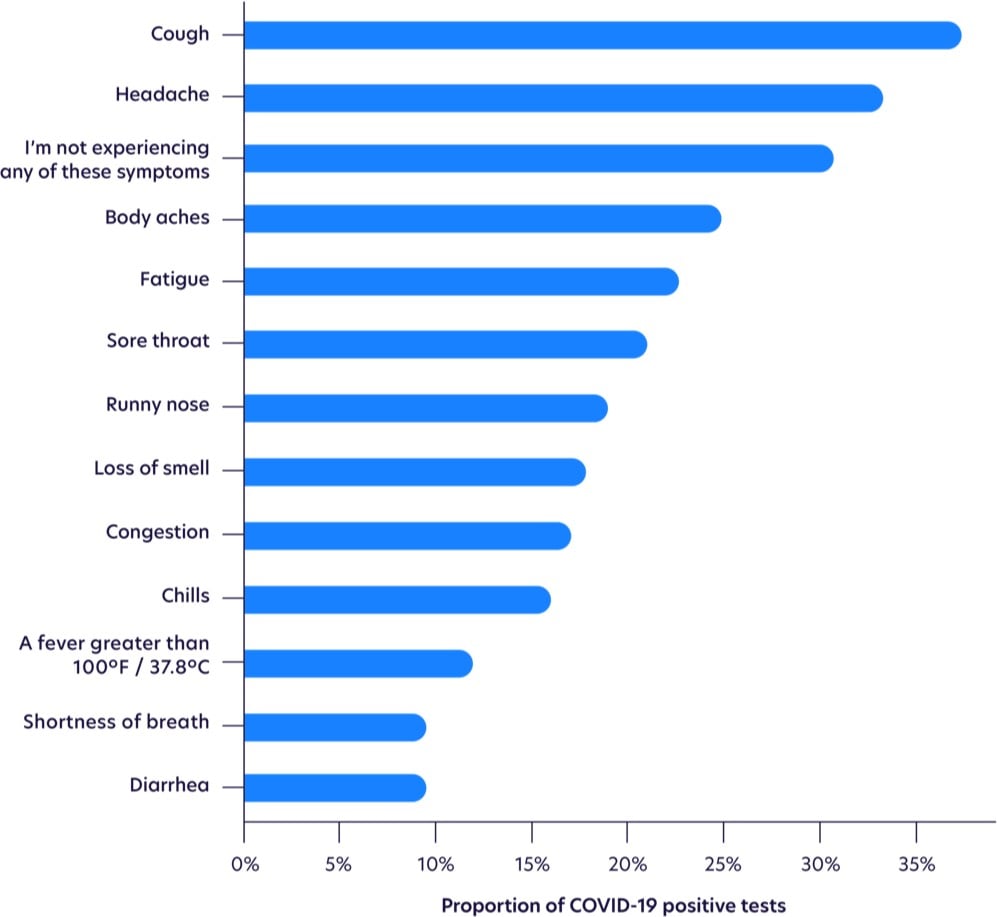
Fever is waaay down on the list.
While not as common as other symptoms, loss of smell was the most highly correlated with testing positive, as shown with odds ratios below, after adjusting for age and gender. Those with loss of smell were more likely to test positive for COVID-19 than those with a high fever.
Seeing this makes me think more than ever that I had it. I had three of the top five symptoms, plus an eventual cough (the most common symptom) and a loss of smell & taste (the most highly correlated symptom). The timing of the onset of my symptoms (my first day in Qatar) indicates that I probably got infected on my last day in Vietnam, in transit from Vietnam to Singapore (1 2-hr plane ride, 2 airports, 1 taxi, 1 train ride), or on my first day in Singapore. But I went to so many busy places during that time that it’s impossible to know where I might have gotten infected (or who I then went on to unwittingly infect).
Update: A few weeks ago, I noticed some horizontal lines on several of my toenails, a phenomenon I’d never seen before. When I finally googled it, I discovered they’re called Beau’s lines and they can show up when the body has been stressed by illness or disease. Hmm. From the Wikipedia page:
Some other reasons for these lines include trauma, coronary occlusion, hypocalcaemia, and skin disease. They may be a sign of systemic disease, or may also be caused by an illness of the body, as well as drugs used in chemotherapy, or malnutrition. Beau’s lines can also be seen one to two months after the onset of fever in children with Kawasaki disease.
From the Mayo Clinic:
Conditions associated with Beau’s lines include uncontrolled diabetes and peripheral vascular disease, as well as illnesses associated with a high fever, such as scarlet fever, measles, mumps and pneumonia.
From the estimated growth of my nails, it seems as though whatever disruption that caused the Beau’s lines happened 5-6 months ago, which lines up with my early February illness that I believe was Covid-19. Covid-19 can definitely affect the vascular systems of infected persons. Kawasaki disease is a vascular disease and a similar syndrome in children resulting from SARS-CoV-2 exposure is currently under investigation. And here’s a paper from December 1971 that tracked the development of Beau’s lines in several people who were ill during the 1968 flu pandemic (an H3N2 strain of the influenza A virus) — coronaviruses and influenza viruses are different but this is still an indicator that viruses can result in Beau’s lines. “Covid toe” has been observed in many Covid-19 patients. Harvard dermatologist and epidemiologist Dr. Esther Freeman reports that people may be experiencing hair loss due to Covid-19.
I couldn’t find any scientific literature about the possible correlation of Covid-19 and Beau’s lines, but I did find some suggestive anecdotal information. I found several people on Twitter who noticed lines in their nails (both fingers and toes) and who also have confirmed or suspected cases of Covid-19. And if you go to Google’s search bar and type “Beau’s lines c”, 3 of the 10 autocomplete suggestions are related to Covid-19, which indicates that people are searching for it (but not enough to register on Google Trends).
But I am definitely intrigued. Are dermatologists and podiatrists seeing Beau’s lines on patients who have previously tested positive for Covid-19? Have people who have tested positive noticed them? Email me at [email protected] if you have any info about this; I’d love to get to the bottom of this.
Why the Coronavirus Is So Confusing. I found this “here’s what we know so far” piece by Ed Yong on the pandemic to be helpful.
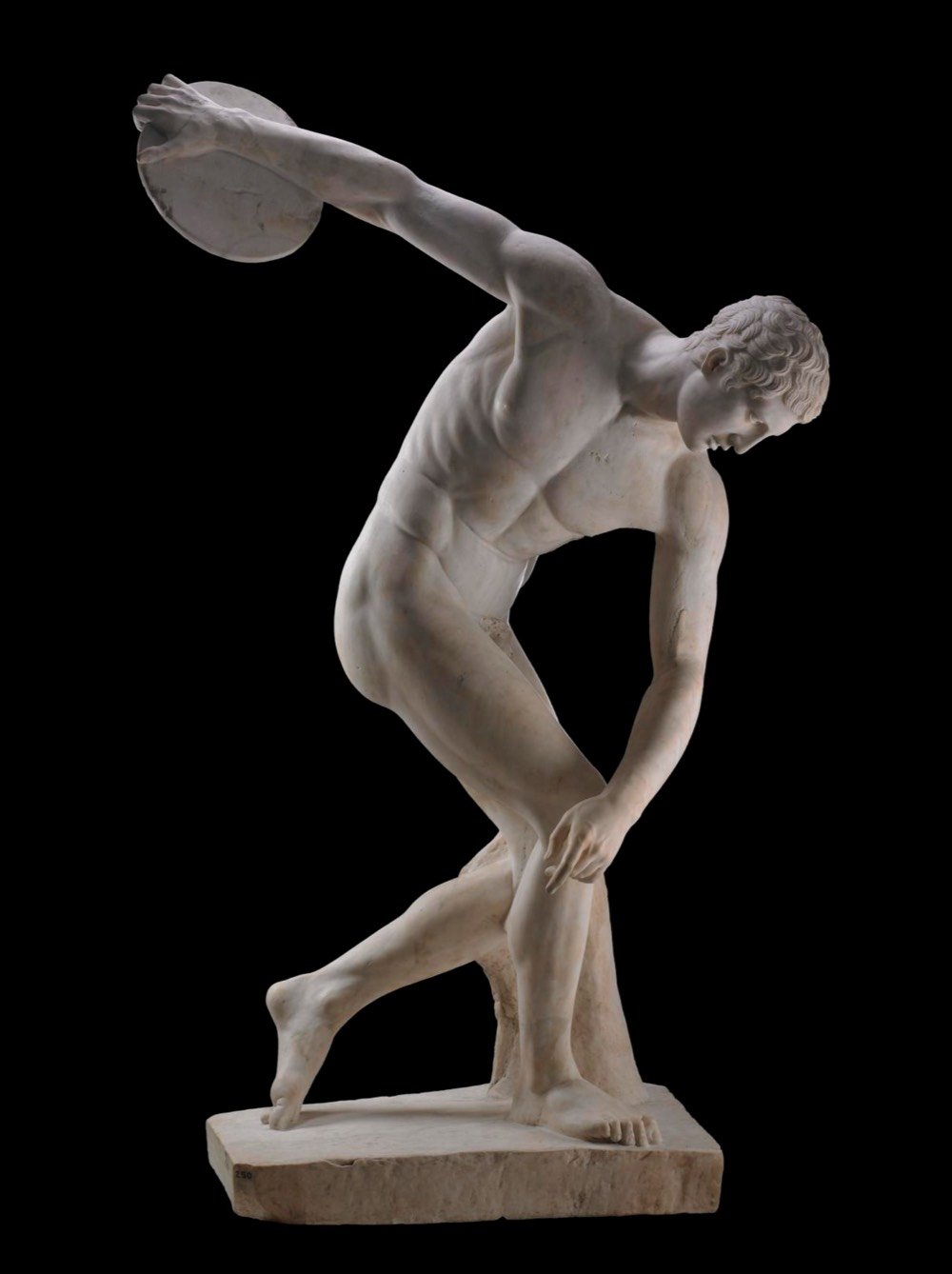
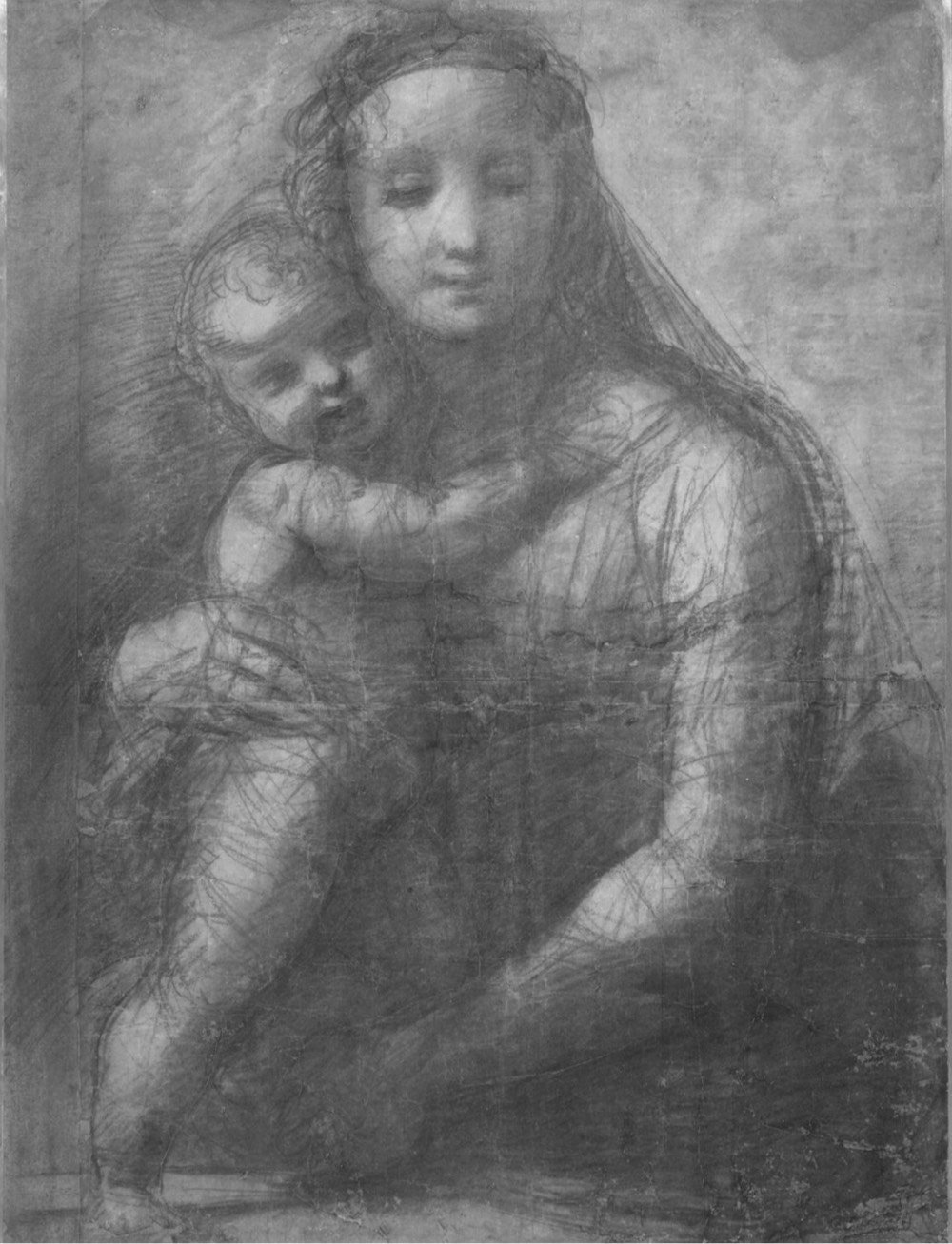
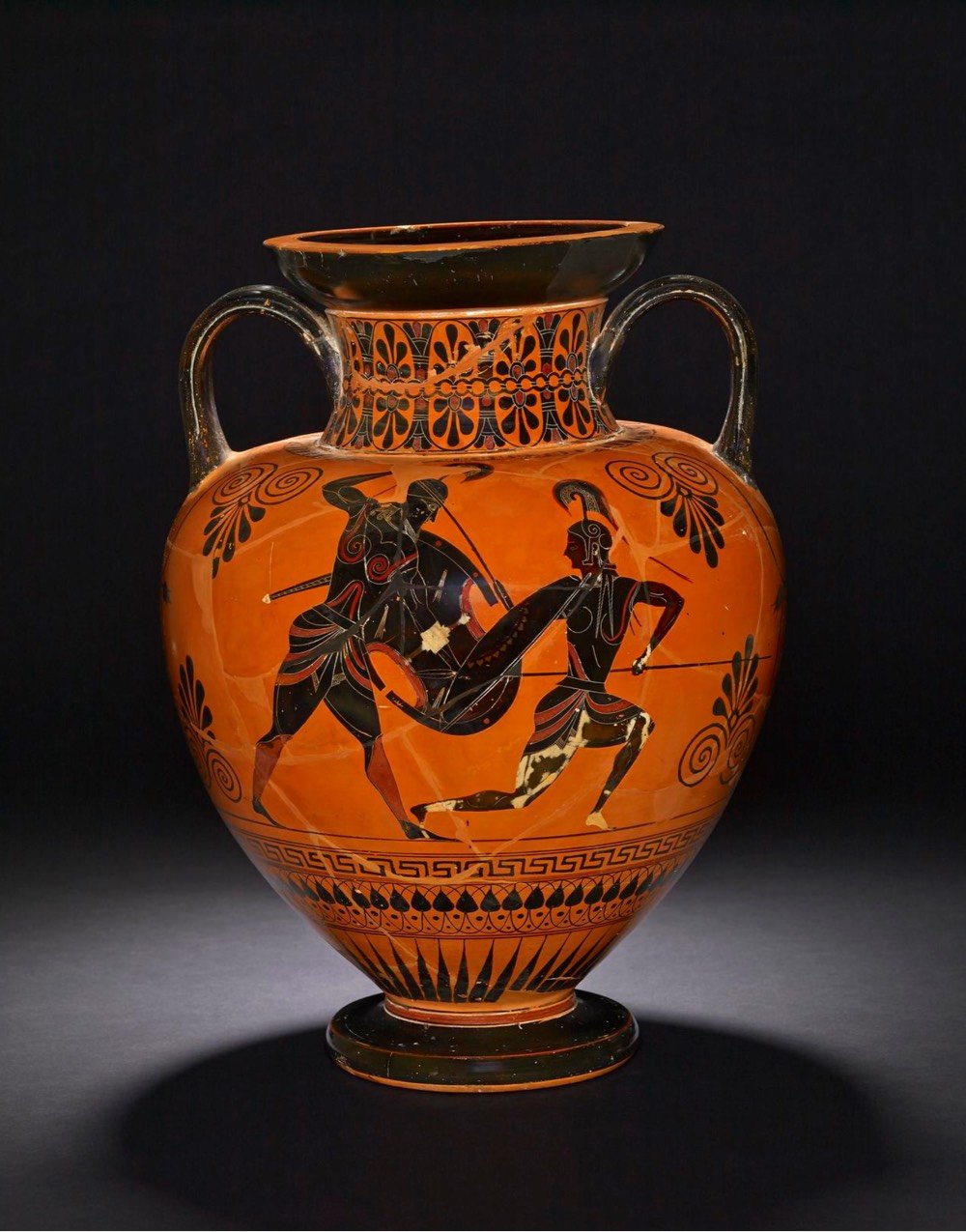

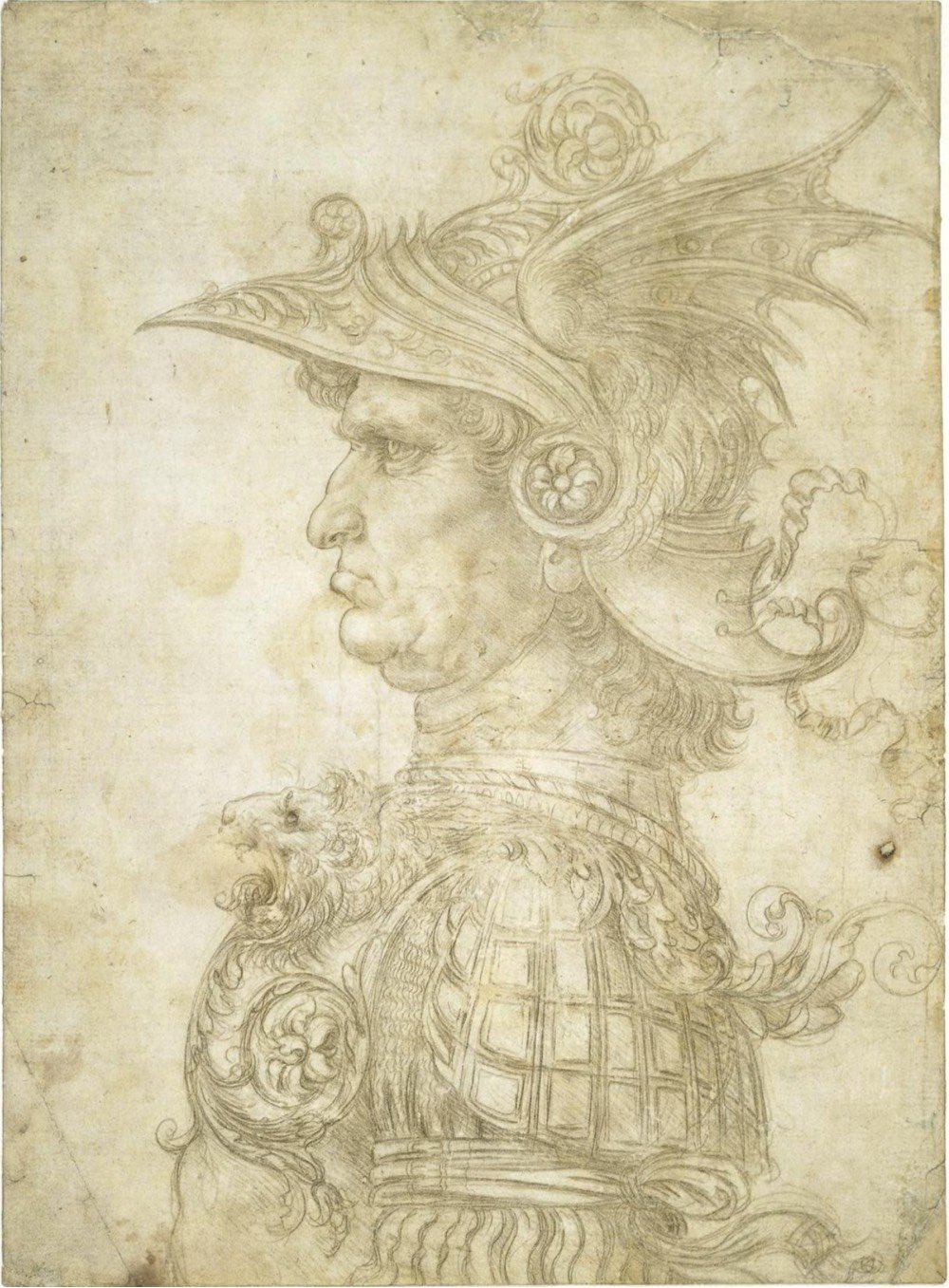
As part of a website refresh, The British Museum has made over 1.9 million photos of its collections freely available to the public. Visitors to their online collections website can download images, and share & adapt them for non-commercial purposes under a Creative Commons CC BY-NC-SA 4.0 license. Museum director Hartwig Fischer said of the refresh:
The British Museum Collection Online makes millions of objects accessible to the citizens of the world, wherever they might be. Whether you are a student, an artist, a scholar or are a lover of history and culture, this is an unparalleled resource to explore the richness, diversity and complexity of human history contained in the British Museum’s collection. It is also a platform where we can share the latest knowledge and research. We are delighted to be able to unveil this major revamp early, and hope that these important objects can provide inspiration, reflection or even just quiet moments of distraction during this difficult time.
Pictured above from the collection are the Townley discobolus, a drawing by Raphael, a Greek amphora, the Sloane astrolabe, and a drawing by Leonardo da Vinci. And pictured below are a print by George Cruikshank, a portrait of William Shakespeare, marble metope from the Parthenon, the Rosetta Stone, and Albrecht Dürer’s print of a rhinoceros.
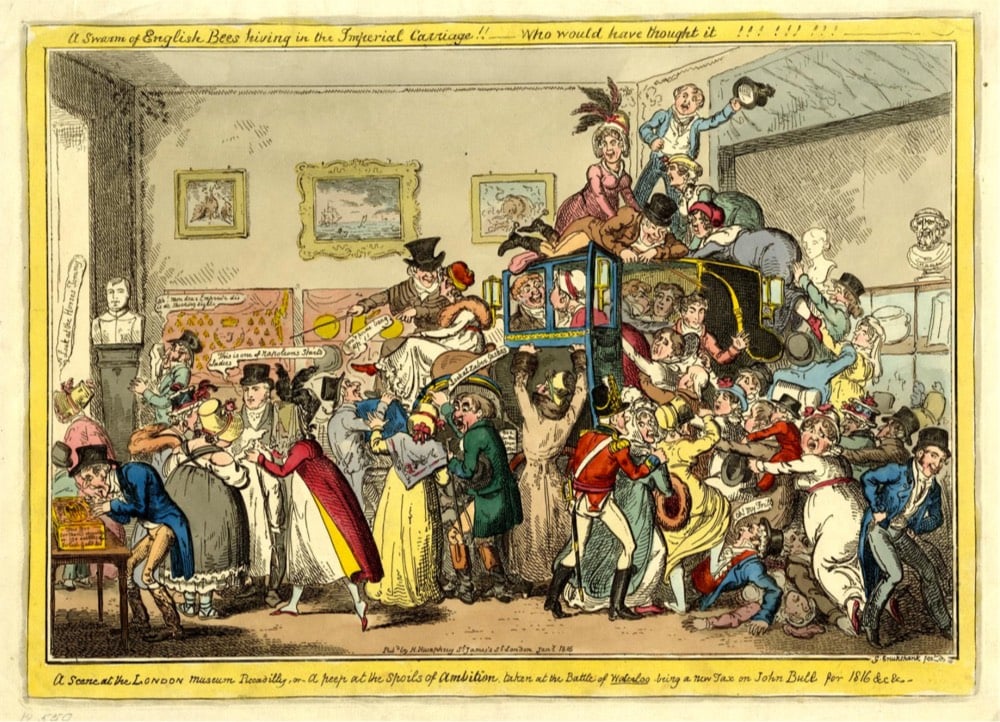
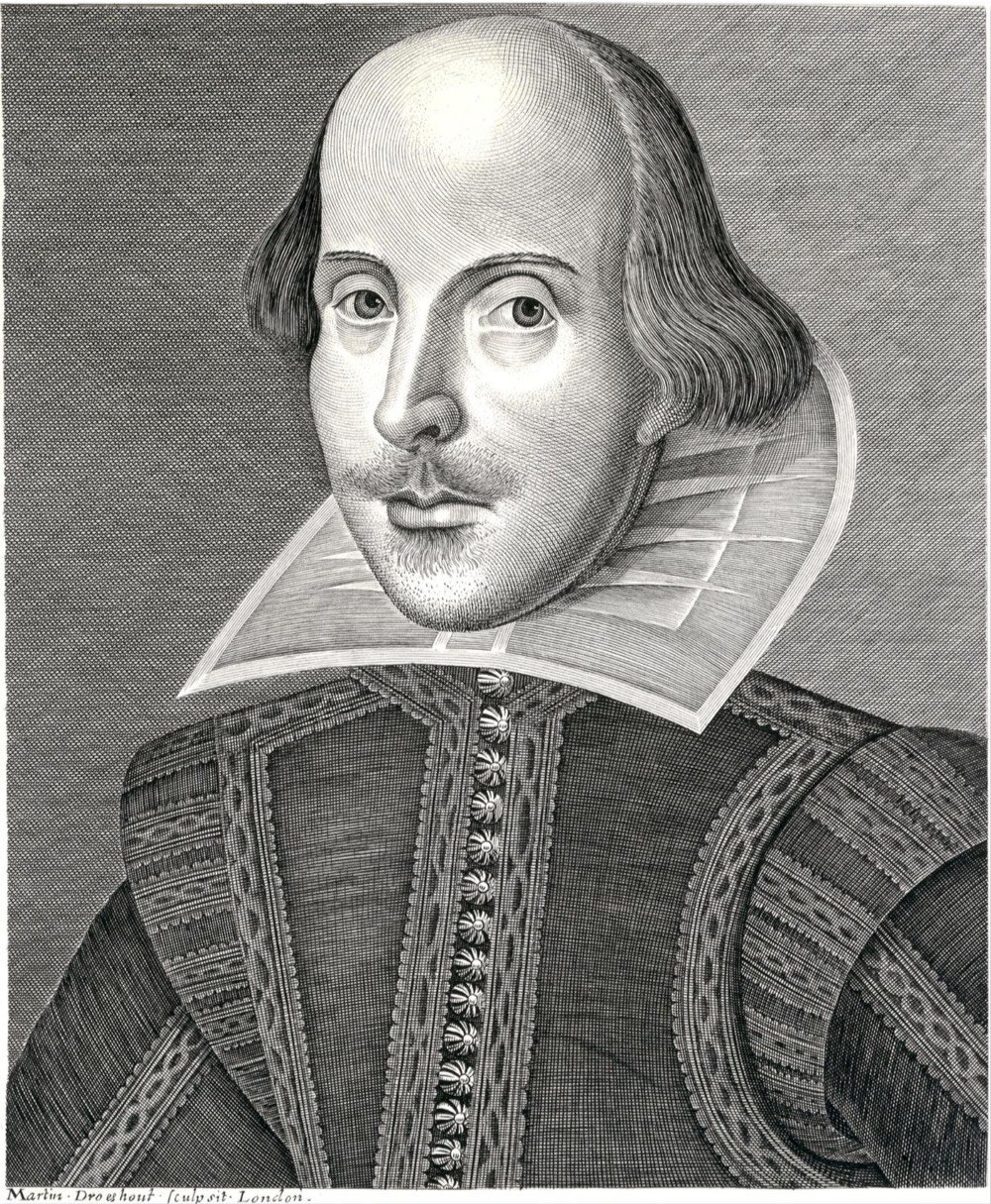
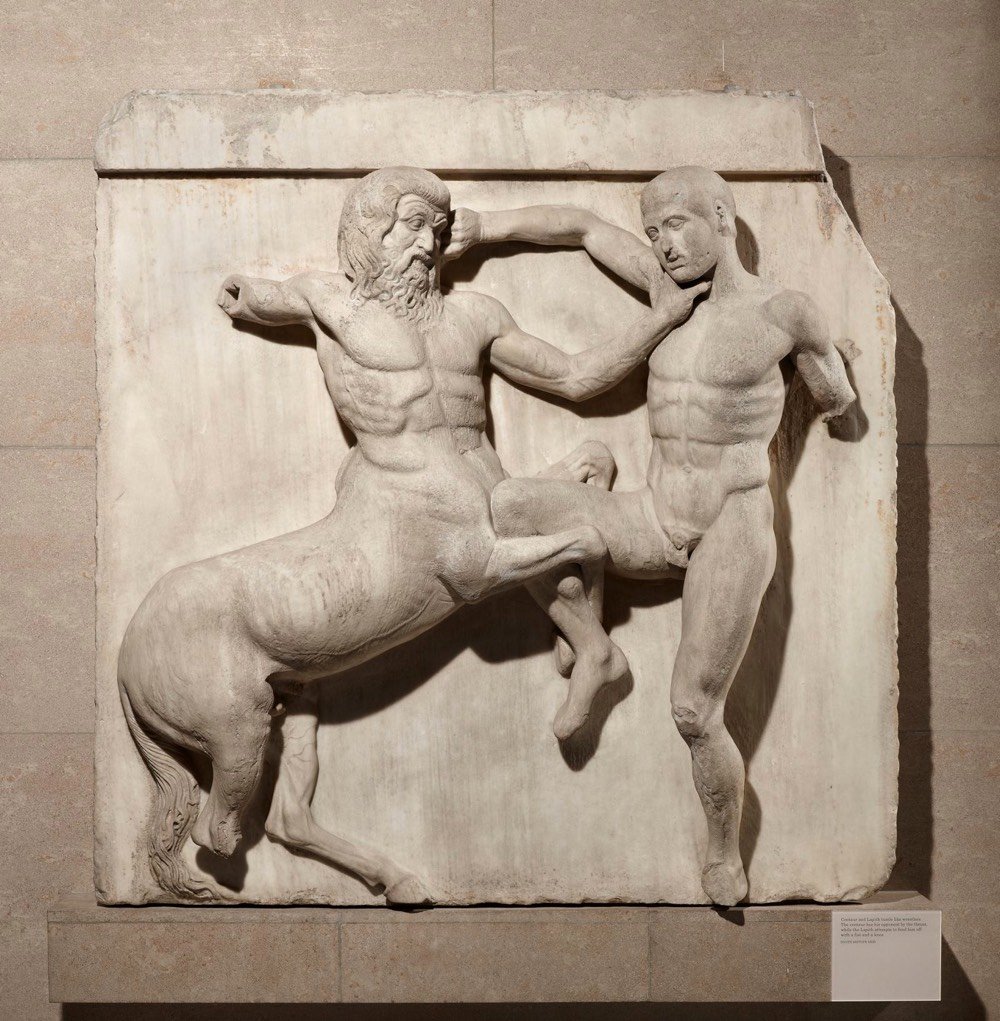
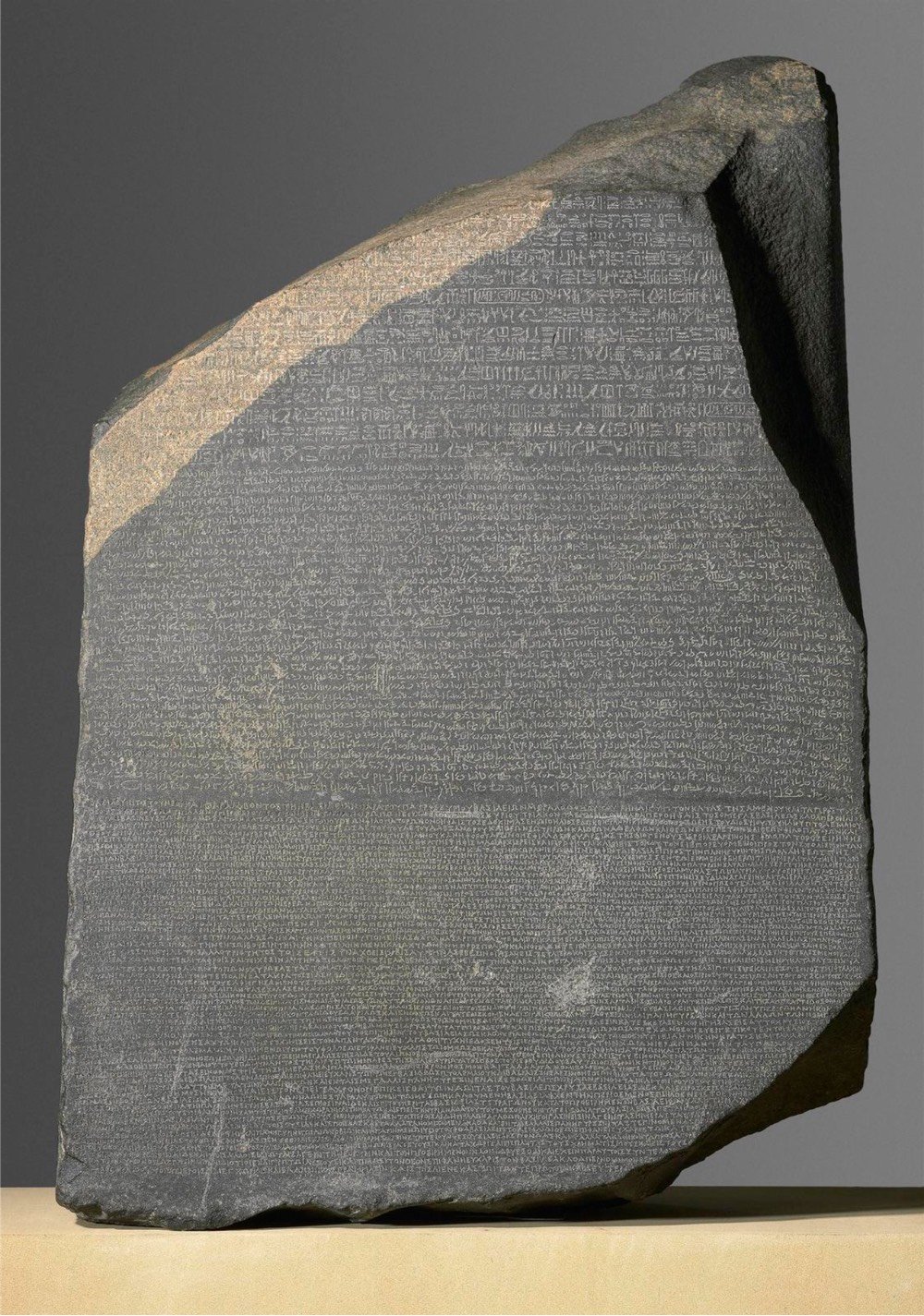
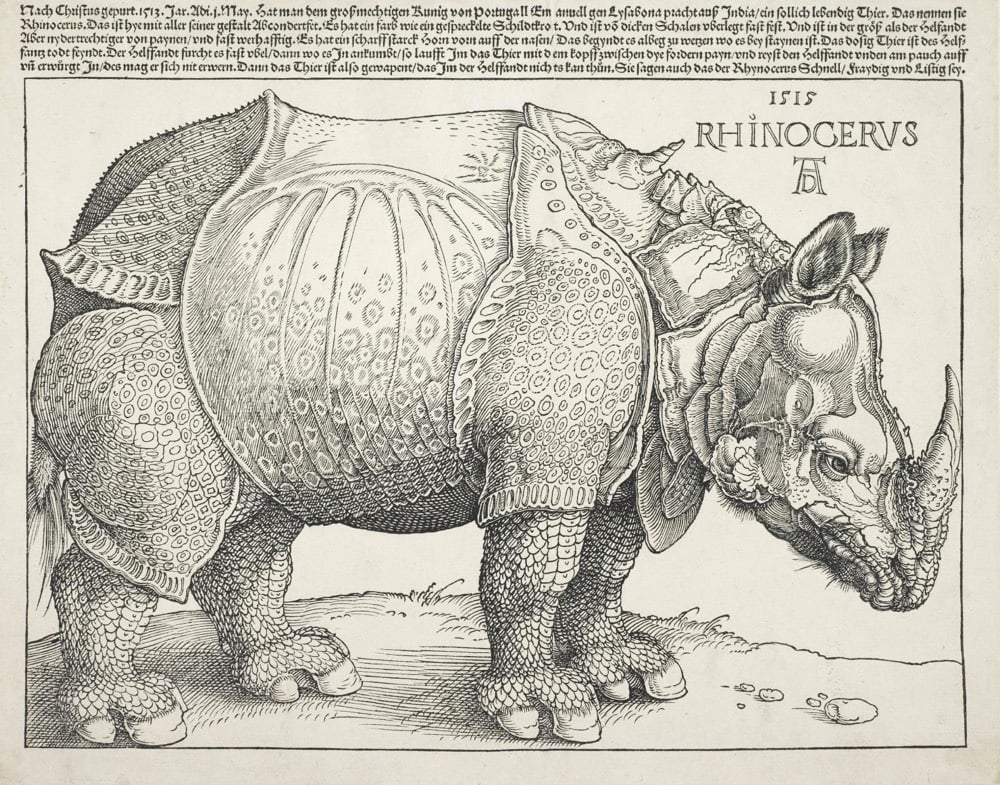
However useful the new online collection is, it must be noted that the ownership of several of the items in the British Museum’s collection — including the Parthenon Marbles & Rosetta Stone — is disputed.
For more large collections of images for public use, see also Paris Museums Put 100,000 Images Online for Unrestricted Public Use, Smithsonian Releases 2.8 Million High-Res Images Into the Public Domain, A Virtual Tour of the Van Gogh Museum, The Art Institute of Chicago Has Put 50,000 High-Res Images from Their Collection Online, and Met Puts Huge Digital Image Trove Online. (via ianvisits)
Characters in Wes Anderson’s films are often misfits, outcasts, or are estranged from one another for various reasons. That apartness is often depicted cinematically using physical distance between individuals onscreen, with the aesthetic side effect of using all of that gorgeous 1.85:1 or even 2.35:1 aspect ratio. Luis Azevedo made a short supercut of moments in Anderson’s movies where the characters are practicing good social distancing techniques.
The artist Jason Polan passed away in January from colon cancer. A group of his friends are trying to memorialize Polan and his art with a commemorative postage stamp from the USPS. Kelli Anderson created mockups for the stamps.
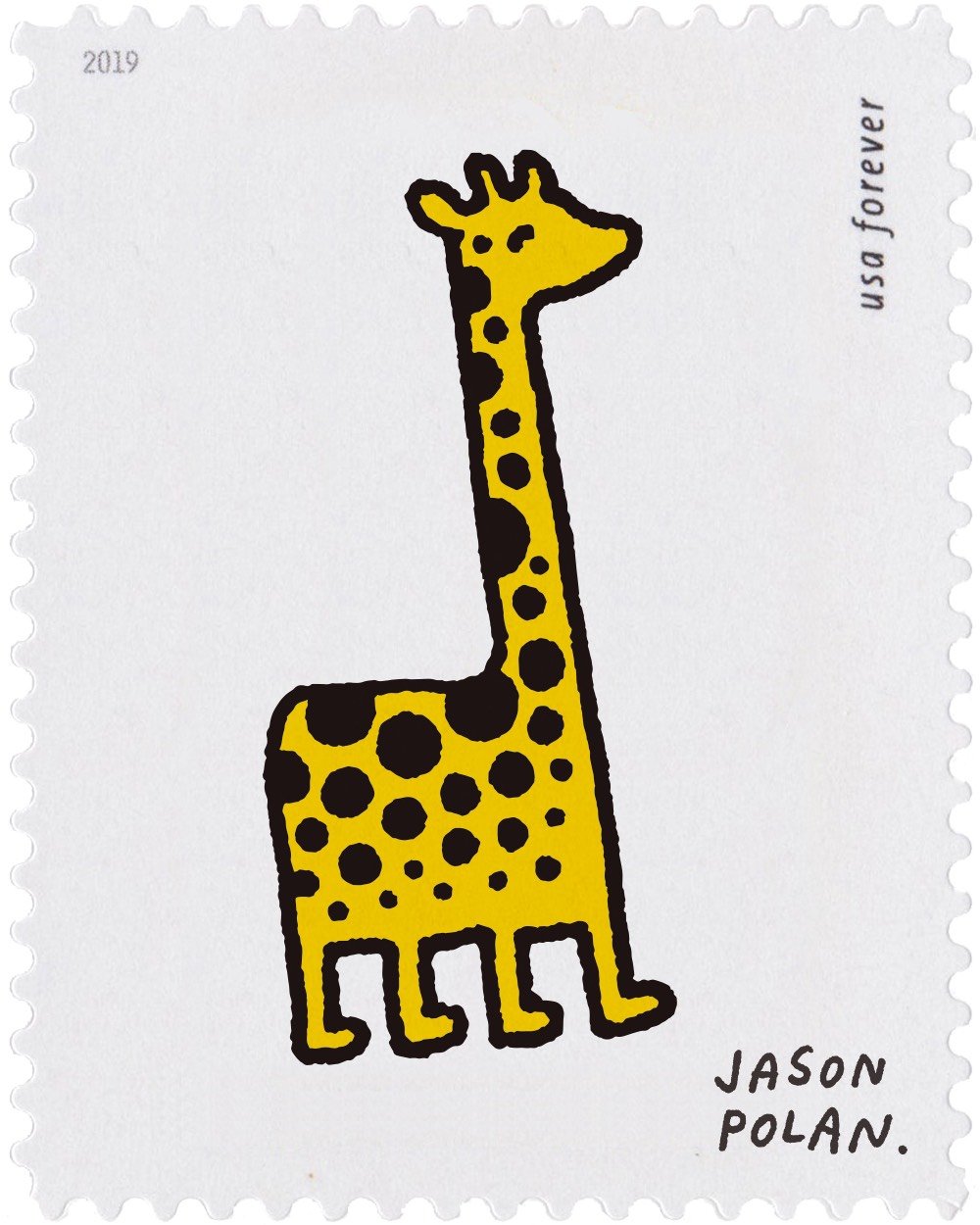
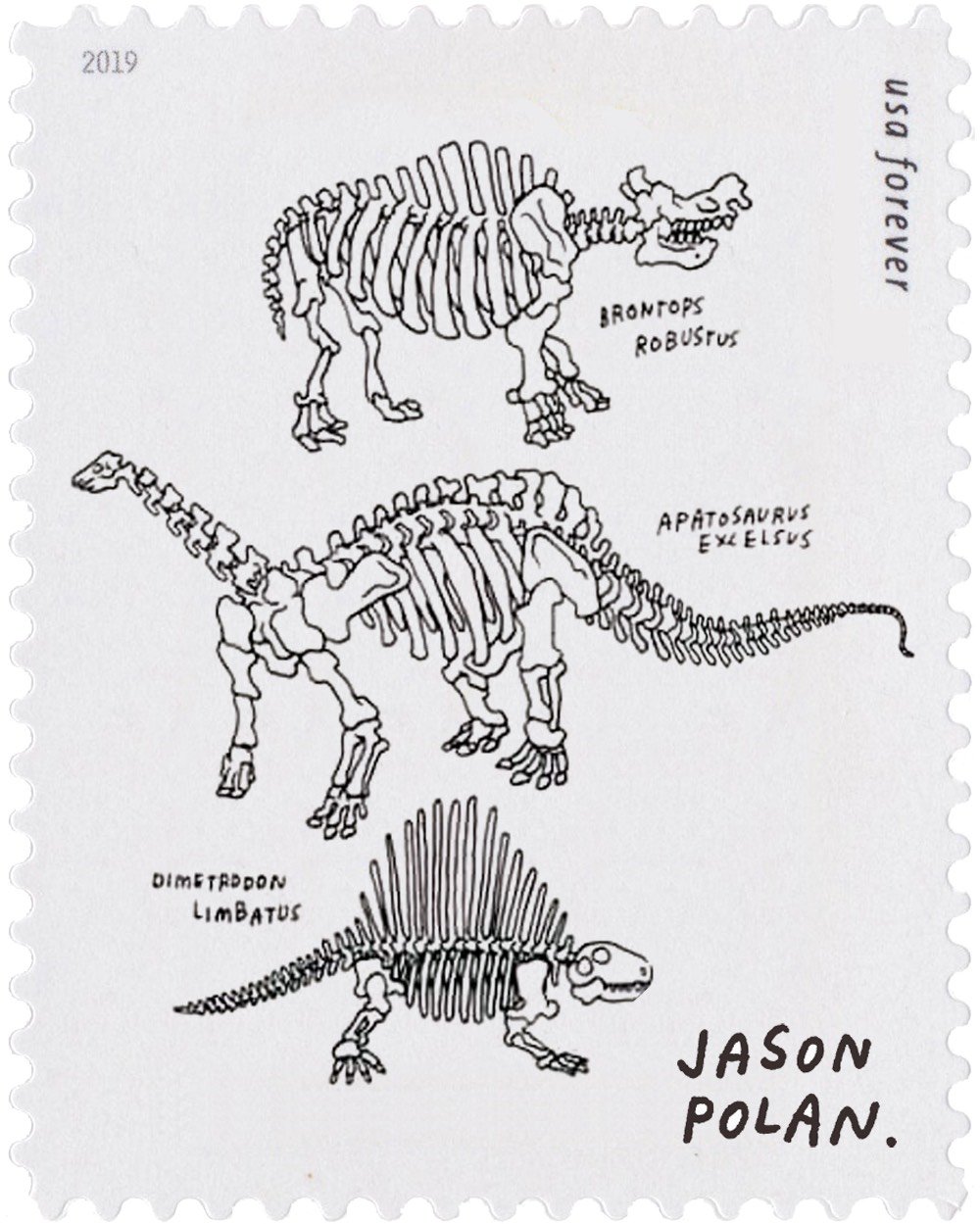
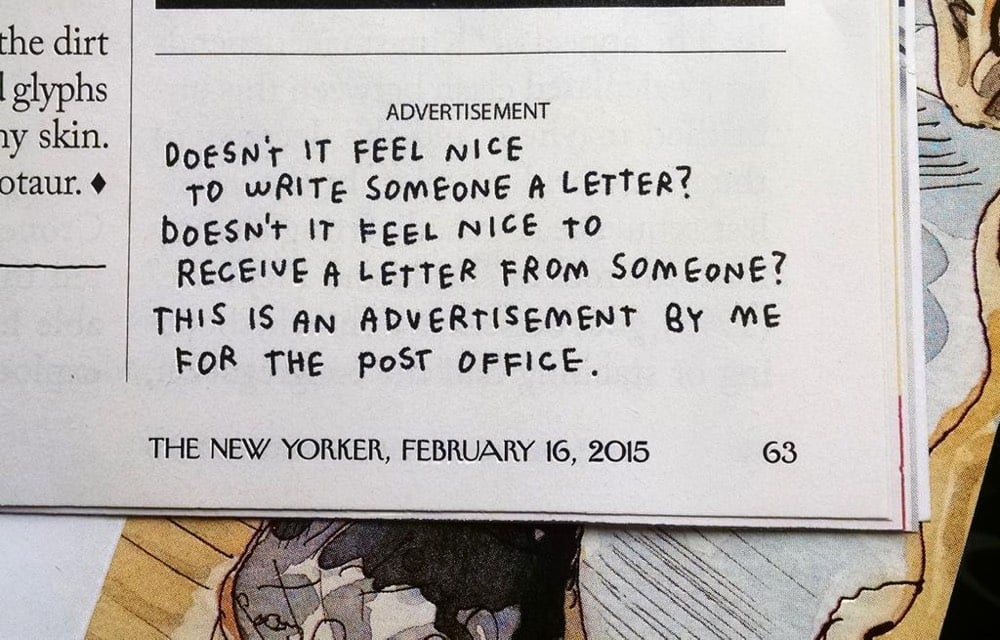
Polan loved mail and the USPS. A few years ago at his own expense, he took out a small ad in the New Yorker for the post office:
FWIW, here’s how the USPS’s stamp selection process works.
The Pandemic Shows What Cars Have Done to Cities. “Along streets suddenly devoid of traffic, pedestrians get a fresh look at all the space that motor vehicles have commandeered.”
Over the course of 24 hours, Beau Miles ran around his mile-long block once every hour (plus a few more at the beginning) to complete a marathon in a day. But he also did a bunch of other stuff along the way: cooked dinner, made a table, fixed things, picked up trash, played Scrabble, got a bit of sleep, and made the short film above.
A different kind of marathon; running one lap an hour, for 24hrs, around my perfectly mile long block. The rest of the time I do as much as possible; making things, odd jobs, fixing stuff. It’s about running, doing, and thinking.
How the pandemic will change American retail. “The big will get bigger as mom-and-pops perish and shopping goes virtual. In the short term, our cities will become more boring.”
For an upcoming episode of a show called Spy in the Wild, PBS’s Nature used a tiny drone disguised as a hummingbird to capture footage of a swarm of half a billion monarch butterflies as they overwinter in Mexico. The butterflies pay the hummingbird robot little mind:
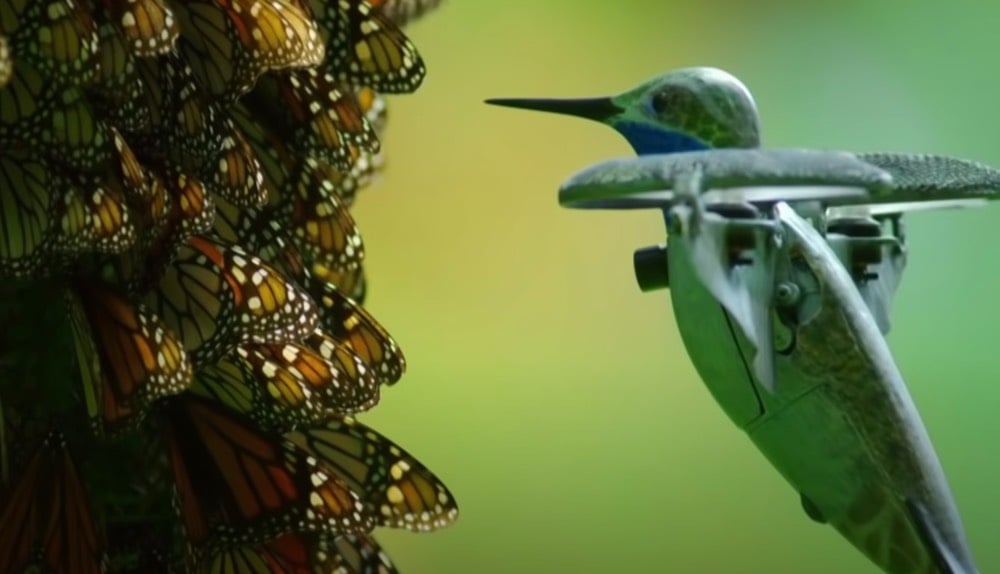
The monarch butterfly is under increasing pressure due to habitat loss, pesticides, and climate change, driving down their population.
The current state of the smaller western population of monarchs that overwinter in California is more dire than their eastern counterparts. The western population crashed by 99% in the latest count, reaching a historic low of fewer than 30,000 butterflies for the second year in a row, down from 1.2 million two decades ago.
Both butterfly populations are below the threshold at which government scientists predict the migrations could collapse. Federal scientists estimate there is nearly a 60% chance the monarch’s spectacular, multigenerational migration in the eastern half of the country could completely collapse within the next 20 years.
(via @MachinePix)
9 Ways Schools Will Look Different When (And If) They Reopen. “Schools can open up, but some parents might still choose to keep their children at home.”
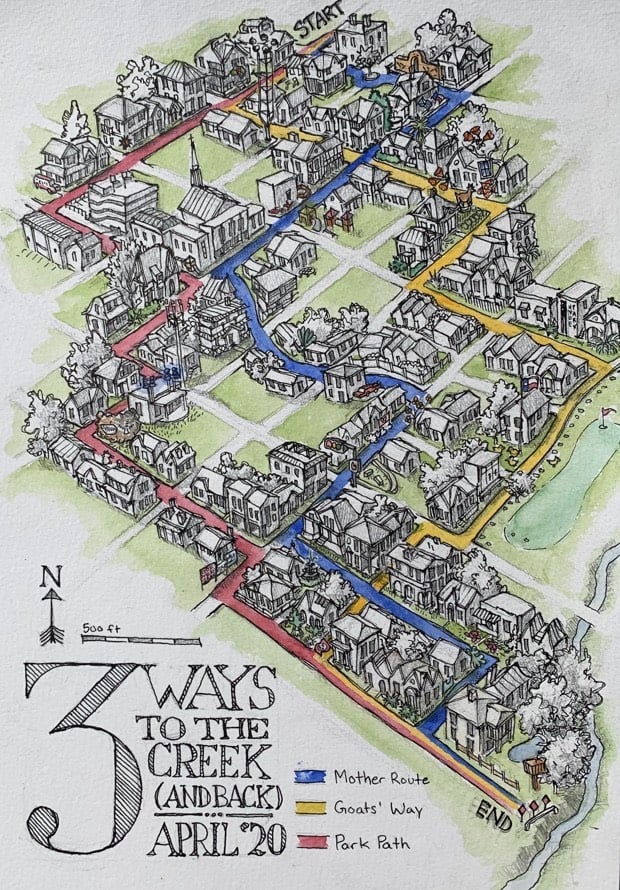
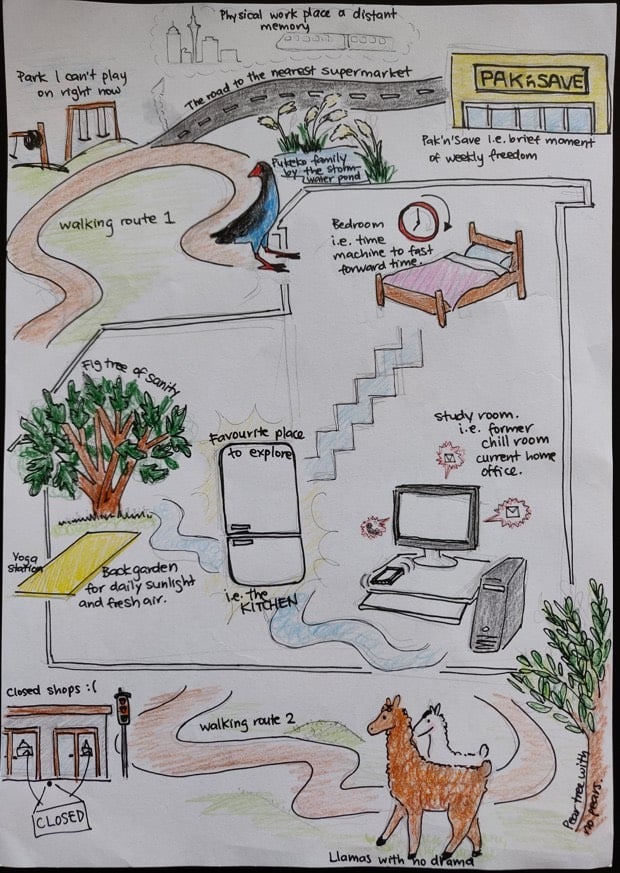
CityLab asked its readers to “draw maps of their worlds in the time of coronavirus”. They drew floor plans, neighborhood walking diagrams, and more abstract representations of their surroundings.
You charted how your homes, neighborhoods, cities and countries have transformed under social distancing and stay-at-home orders around the planet, from daily work routines and the routes of your “sanity walks,” to the people you miss and the places you fled.
While most used markers, pens, and computer-based drawing tools to sketch maps by hand, some used watercolors, clay, and photography. Some were humorous, others heart-wrenching - between them all, a full spectrum of quarantine-era emotion emerged.
(via @ctsinclair)
A manifesto for economic change after the Covid-19 crisis by a group of Dutch economists. “2) Build an economic framework focused on redistribution, which establishes a universal basic income…”
Global coronavirus death toll could be 60% higher than reported. “Excess mortality has risen most steeply in places suffering the worst Covid-19 outbreaks, suggesting most of these deaths are directly related to the virus…”
Well, this is just beautiful. Photographer Patrick Coyne was lucky enough to capture some dolphins swimming through bioluminescent algae off the coast of Newport Beach, CA. When this kind of algae is disturbed, it emits a bluish light, which causes the dolphins to glow as they move through the water. He wrote about the experience — “one of the most magical nights of my life” — on Instagram:
Conditions have to be absolutely perfect for the bioluminescence to show up and to have an animal swim through it so we can film it. On top of all that just trying to nail the focus at such a wide aperture with something moving in the water was a nightmare. We were out for a few hours and on our final stretch back we finally had 2 Dolphins pop up to start the incredible glowing show. A few minutes later and we were greeted by a few more which was insane. I’m honestly still processing this all…
Coyne also captured some glowing waves crashing on the beach. More dolphins swimming in bioluminescent waters here. Incredible. (via bb)
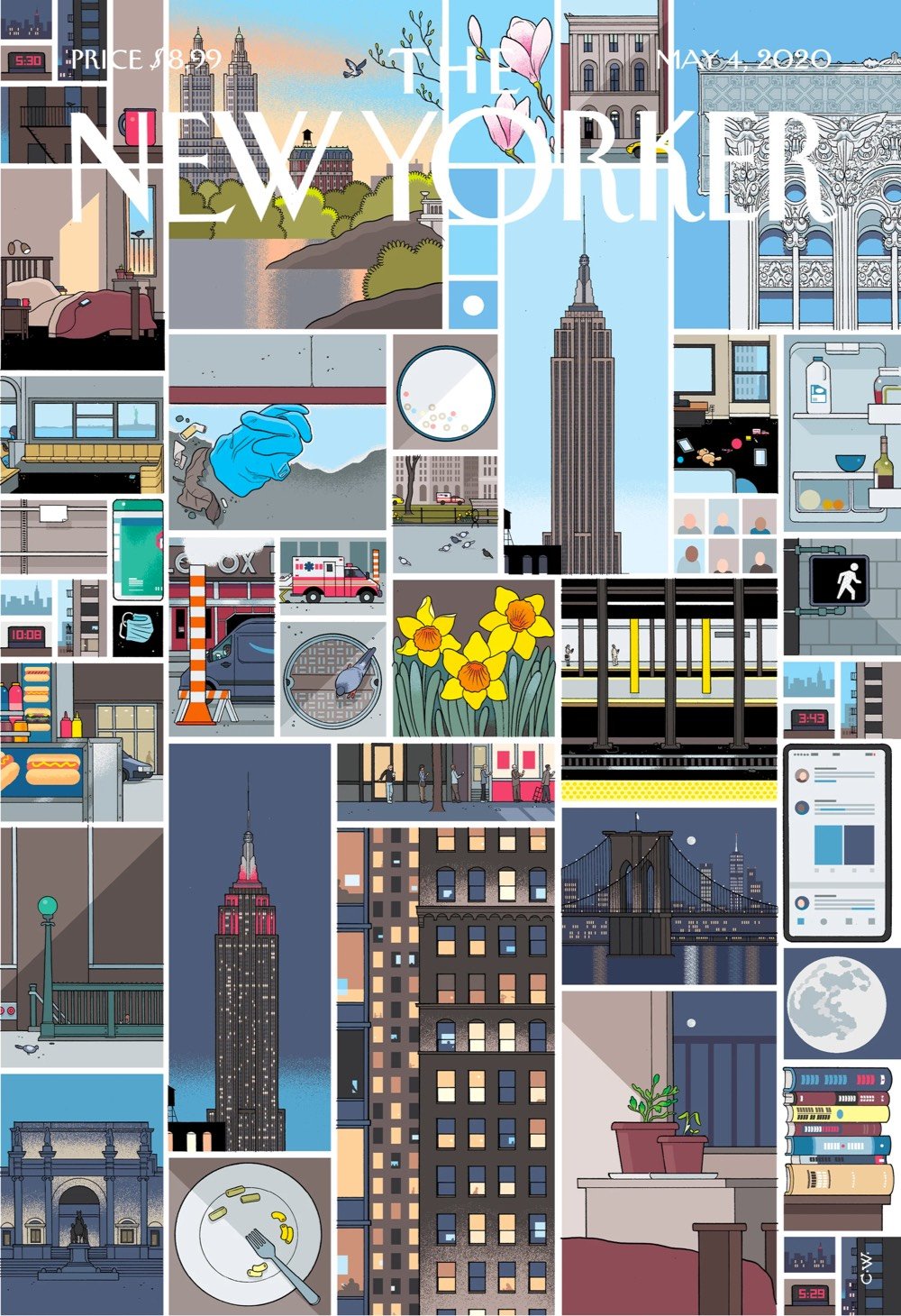
For the cover of this week’s New Yorker, Chris Ware drew several vignettes of NYC arranged in his trademark grid as a companion to this incredible piece about a single day of the Covid-19 crisis in the city. About the cover, Ware wrote:
Teeming with unpredictable people and unimaginable places and unforeseeable moments, life there is measured not in hours but in densely packed minutes that can fill up a day with a year’s worth of life. Lately, however, closed up in our homes against a worldwide terror, time everywhere has seemed to slur, to become almost Groundhog Day-ish, forced into a sort of present-perfect tense — or, as my fellow New Yorker contributor Masha Gessen more precisely put it, ‘loopy, dotted, and sometimes perpendicular to itself.’ But disaster can also have a recalibrating quality. It reminds us that the real things of life (breakfast, grass, spouse) can, in normal times, become clotted over by anxieties and nonsense. We’re at low tide, but, as my wife, a biology teacher, said to me this morning, “For a while, we get to just step back and look.” And really, when you do, it is pretty marvellous.
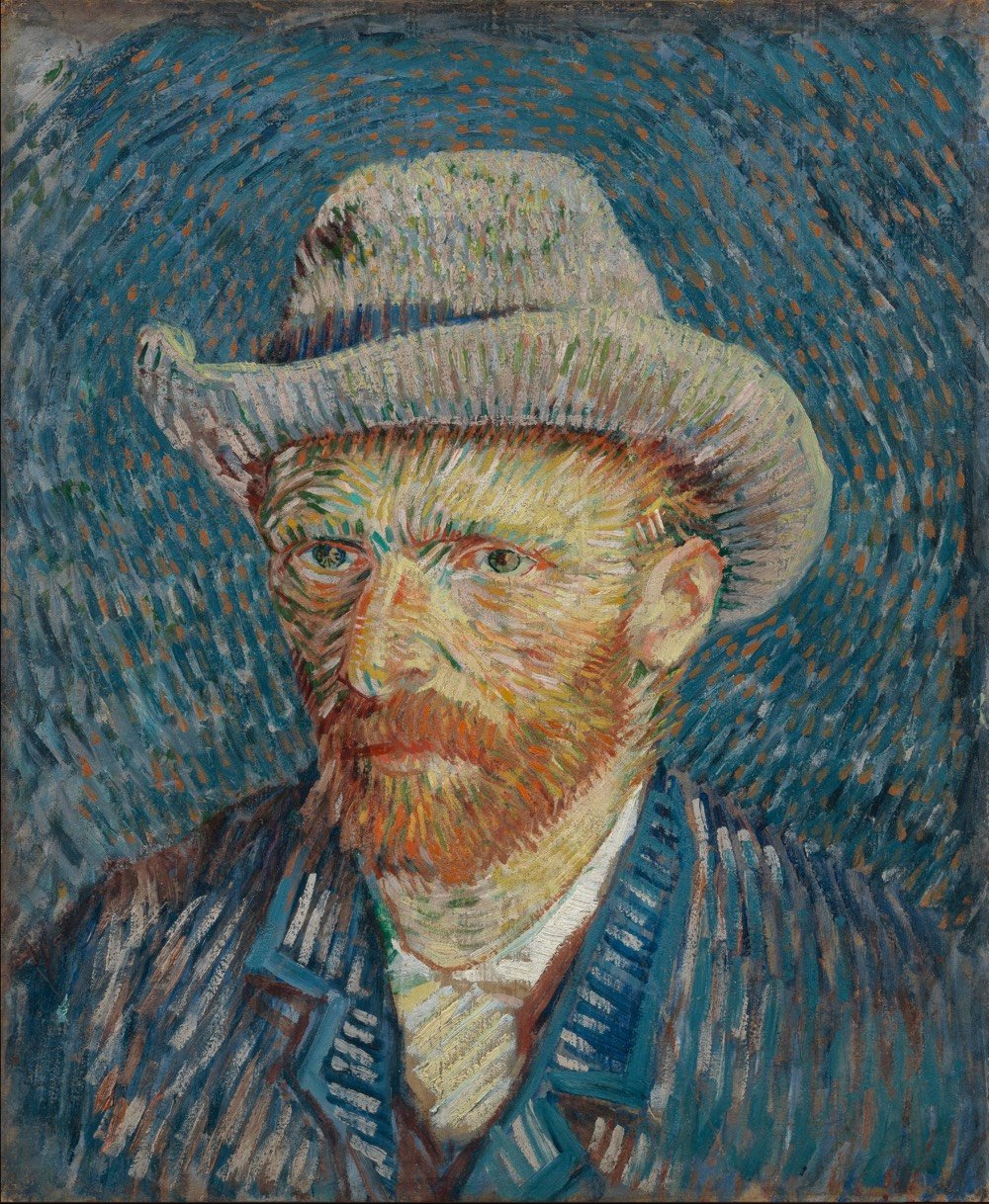
One of my favorite museums I’ve visited in the past few years is the Van Gogh Museum in Amsterdam. Van Gogh’s art career lasted for only 10 years, and the museum provides a fascinating account (through his work, letters, and other material) of how a talented but unremarkable painter made the conceptual breakthrough for which he is now known the world over.
The museum is closed due to the pandemic, but anyone with an internet connection can experience the collection at home thanks to the museum’s dedication to accessibility. This 15-minute tour of the museum filmed in 4K resolution should get you started — here are the first two parts:
The museum has also digitized and put online hundreds of the artist’s paintings, sketches, and letters. The high resolution scans allow you to see details that you probably couldn’t in person. This is a close-up view of the 1887 self-portrait pictured above:
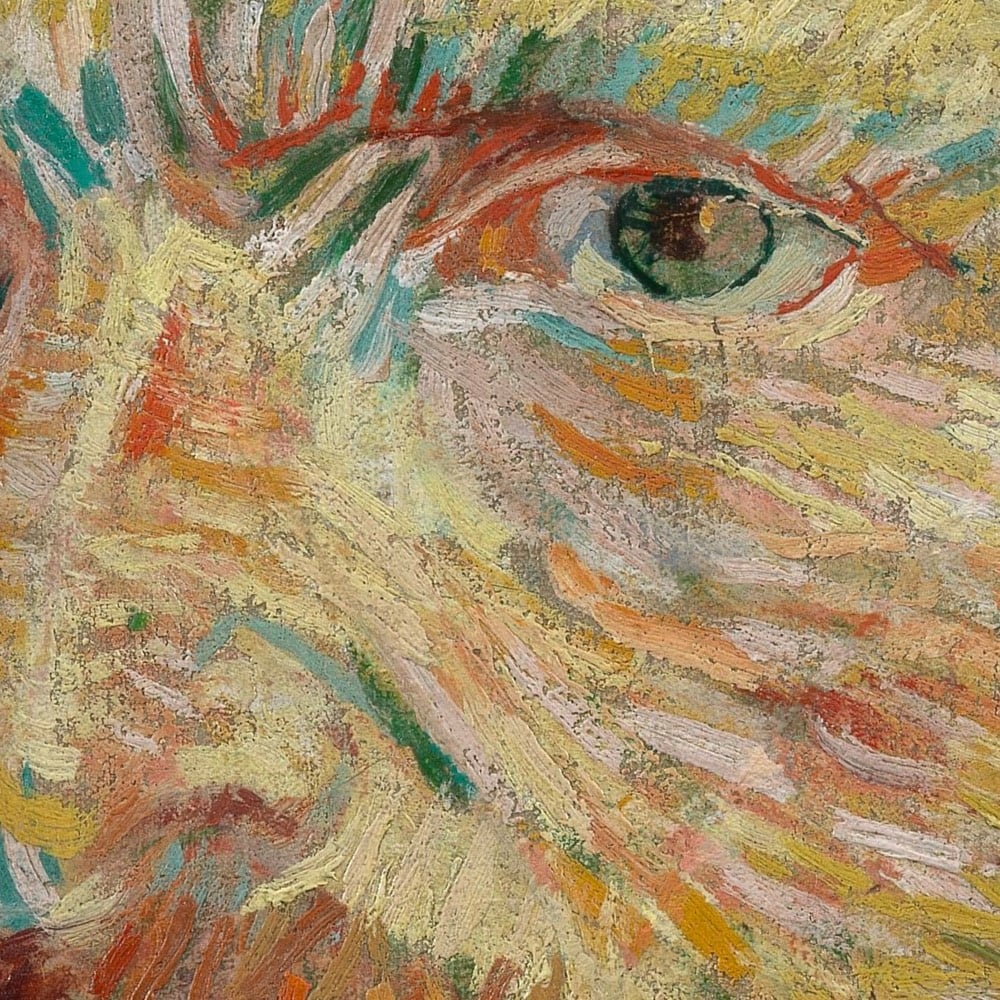
It’s mind-blowing to see all of those brushstrokes in such detail.
The museum’s website offers a number of other ways to engage with van Gogh’s art, including coloring activities and lessons for children. And for those who exhaust the museum’s offerings, try browsing van Gogh’s works at Google Arts & Culture, MoMA, the Met, and the Rijksmuseum. (via open culture)
This short film by Roman Hill shows a chemical reaction at microscopically close range, all filmed in a single shot over an area of a third of an inch square. The result looks like a tour of a vast colorful cosmos, a reminder of how similar the different scales of our universe can appear sometimes. (thx, cs)
Using data from the Correlates of War Project and the Stockholm International Peace Research Institute, this bar chart race shows the annual military spending of the world’s top spending countries from the start of WWI in 1914 to 2018. See also military spending info from Our World in Data.
The Manifesto of the Idle Parent. “We pledge to leave our children alone (that should mean they leave us alone too).”
In early March, Dr. Caroline Schulman was responsible for calling patients at her hospital to tell them they had tested positive for Covid-19. She shared some of her experiences in a piece for Stat.
Erik lives with his entire family in a one-room rental house with eight other occupants. He didn’t understand the precautions for preventing the spread of Covid-19 and had regularly been socializing in the apartment. He kept asking how to file for unemployment and how to isolate the household when the house itself could barely hold those living in it.
Jeff lives alone. He has a chronic blood condition and is struggling to get by. A few hours before we talked, he had resumed his job as a ride share driver because he needed to make ends meet.
Angela is 40 years old and has one of the preexisting conditions that put people at high risk for serious complications of Covid-19. When we spoke, she told me that she was feeling better, but that her home life was difficult. Her children had returned home after Mayor Muriel Bowser issued a stay-at-home order for the District of Columbia. She asked her kids to take precautions, but they continued to leave the house often. One son brought home his girlfriend, who had a cough, and displaced Angela from her room. She was unable to make an appointment with her primary doctor and couldn’t afford her medical supplies because of insurance issues. When I spoke with her, she sounded well and had no classic symptoms, but something didn’t sound right. I arranged a televisit that afternoon to have her evaluated more closely. By the time she got the call two hours later, she was so short of breath she could barely speak. When an ambulance arrived to take her to the hospital, her oxygen levels were dangerously low.
Reading through these stories, I just kept thinking about the measures that are going to be necessary if we’re going to safely restart public life in America — hygiene, mask wearing, some social distancing, and eventually a vaccine — and how our collective safety is going to depend on individuals doing the right thing. And most people will. But it’s clear that, especially without coherent national leadership & economic support, some people will be unable to take the necessary precautions for economic reasons and others won’t because they don’t understand why these measures are necessary, don’t trust science, or a dozen other reasons.
Comet 2I/Borisov is just the second known interstellar visitor to our solar system. Hubble data indicates the carbon monoxide-rich comet may have originated “from a circumstellar disk around a class of star called a cool red dwarf”.
Ok, take a look at this short video of a Lego structure. Whaaaaat kind of sorcery is this?!
The top part of the structure appears to be floating, held aloft by plastic chains seemingly incapable of supporting the load. This is an example of a tensegrity sculpture, in which tension (and not compression) is used to carry weight.
If you want to build your own, the instructions and parts list are available and you can watch this tutorial as well:
(via colossal)
Older posts



Socials & More