kottke.org posts about best of 2014
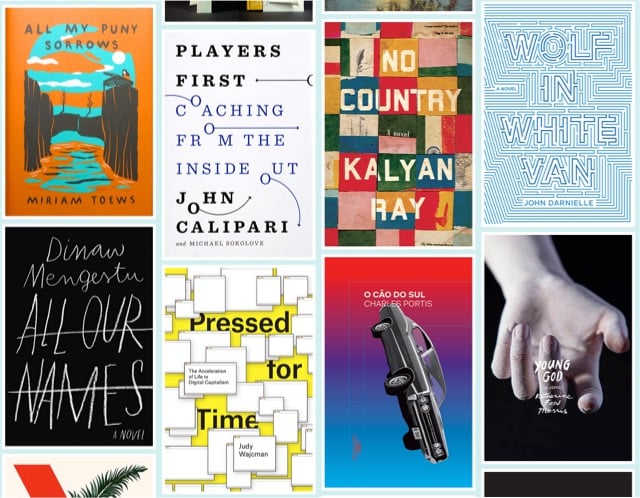
Design Observer and the AIGA have announced the winners of their 50 Books | 50 Covers competition to find the best designed books and book covers published last year. The books are here and the covers are here.
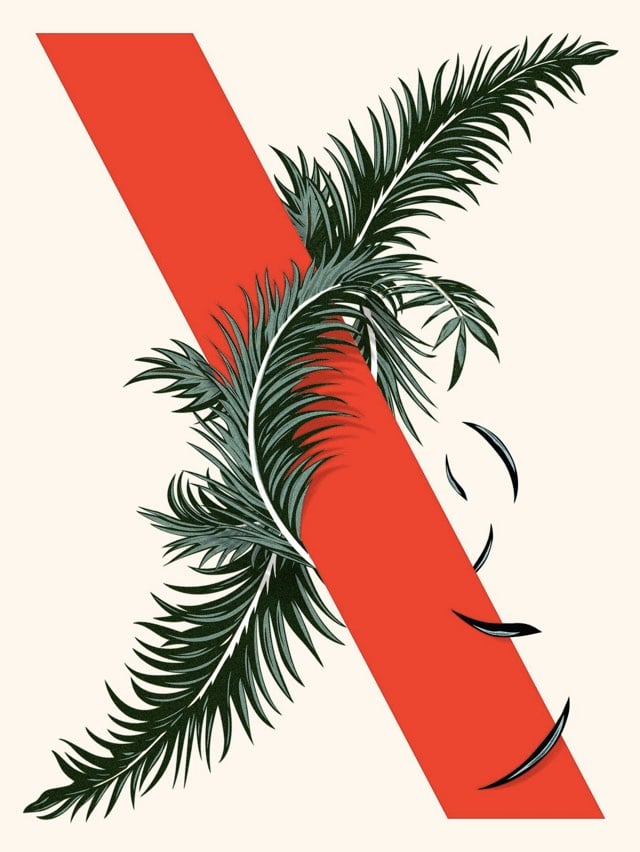
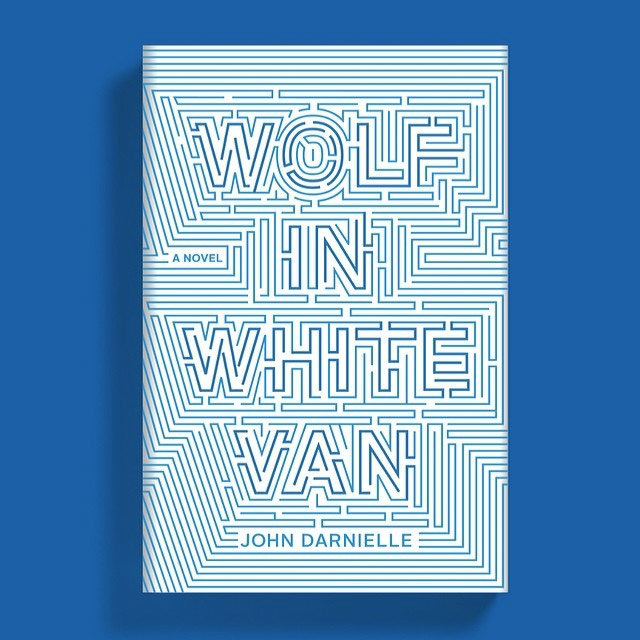
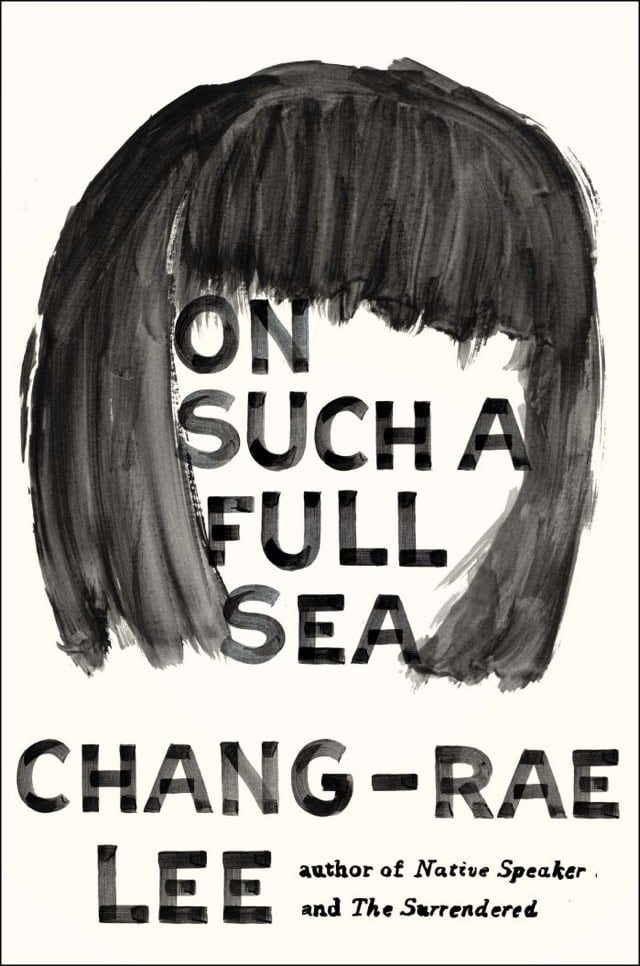
They’re publishing a book and putting on an exhibition in New Orleans of the winners and need your help on Kickstarter to make it happen.
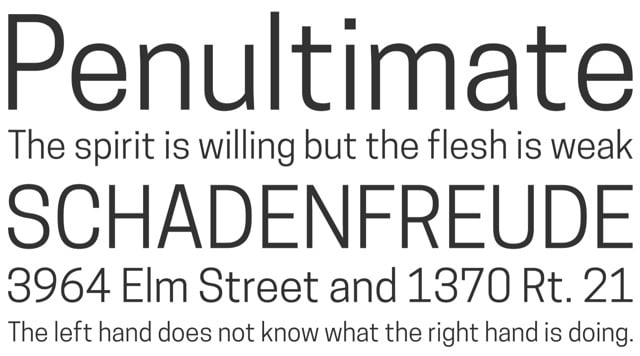
Although I am slowly coming around1 to Massimo Vignelli’s assertion that designers should only use a handful of typefaces, I enjoyed seeing Typographica’s list of their favorite typefaces of 2014.
Typeface design and distribution is in a state of rapid change. Last year we noted its diffusion around the globe, and that trend persists. The majority of font production is no longer concentrated in a few regional epicenters.
That goes for corporate epicenters as well. The independence of type designers themselves is increasingly evident. Small foundries have existed since the dawn of digital fonts, but now they are the norm. Only a handful of the selections in this year’s list were published by companies with more than ten employees.
I discovered that one of the selections, a beautiful custom typeface made for the reopening/rebranding of the Cooper Hewitt Design Museum (sample shown above), has been made available by the museum for free download (including a web fonts version).
David Ehrlich returns with a video montage of his 25 favorite movies of 2014. (Here’s his 2013 video.)
His top 5:
5. Gone Girl
4. Nymphomaniac
3. Under The Skin
2. Inherent Vice
1. The Grand Budapest Hotel
These year-end videos by Ehrlich are incredibly effective trailers for movies. Not just the individual films, but the whole idea of cinema itself. Having just watched this, I want to leave my office, head to the nearest theater and just watch movies all day.
From The Nerdwriter, some of the best uses of slow motion in movies, TV, and music in 2014.
Good stuff. But they missed one. :) (via devour)
From the excellent Art of the Title (which had a great year), the top 10 title sequences of 2014. So awesome to see Halt and Catch Fire take the top spot. And Too Many Cooks!


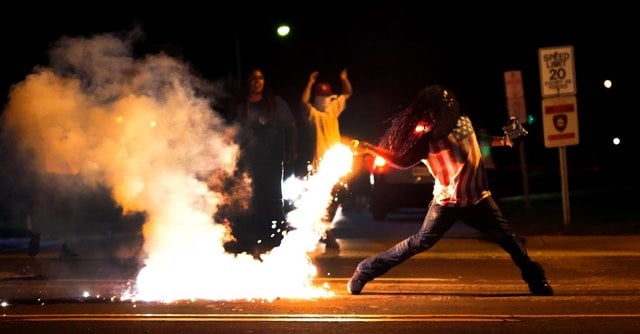
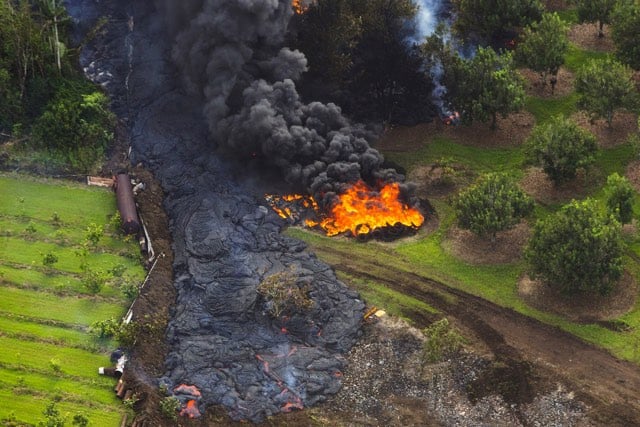
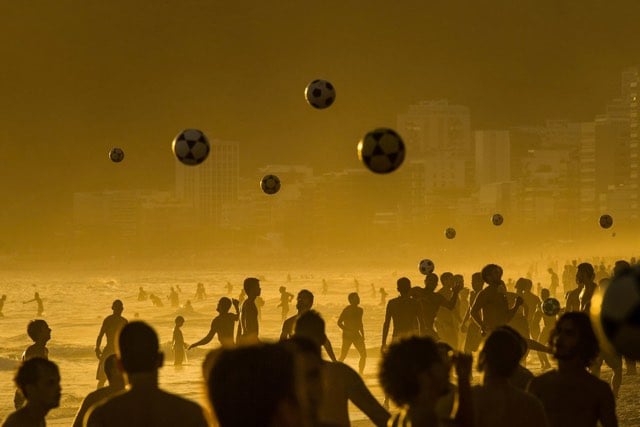

Photos by AP Photo/UNRWA, Justin Sullivan/Getty Images, Robert Cohen/MCT/St. Louis Post-Dispatch, Andrew Hara/Getty Images, Yasuyoshi Chiba/Agence France-Presse, and ESA/Rosetta/MPS for OSIRIS Team, respectively.
Many many more photos of the year at In Focus, Reuters, Buzzfeed, Agence France-Presse, the NY Times, Time, and The Big Picture.
Hiro teaching Baymax how to fist bump in Big Hero 6.
Update: Jason Porath smartly speculates that Big Hero 6’s fist bump scene was a social media snack sized moment inserted into the movie for marketing purposes, which is part of a larger industry trend.
I don’t have a good word to describe this phenomenon, so I’m going to term it “hashgags.” This is a joke in an animated movie, usually input at the behest of marketing forces, that is used to sell the movie. It’s usually inserted late into production and test screened to within an inch of its life. Some are used repeatedly, some are one-offs that do well with trailers. And it is crippling the entire industry.
The Pew Research Center shares some of the most interesting findings from the reports they published in 2014. The increasing gap in wealth between white and non-white households since the 2007 recession was the most shocking to me.
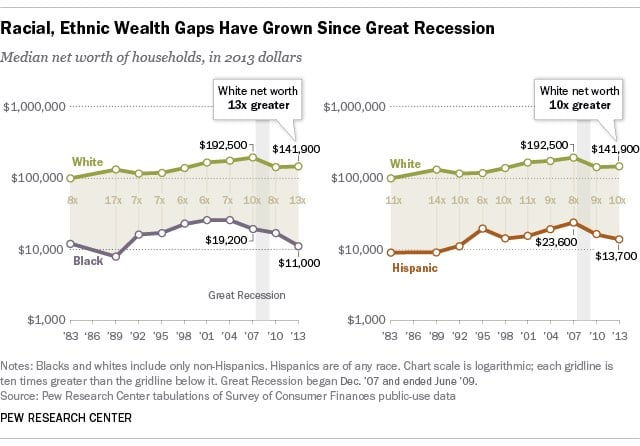
Over the past 10 years, the net worth of black households has been cut in half.
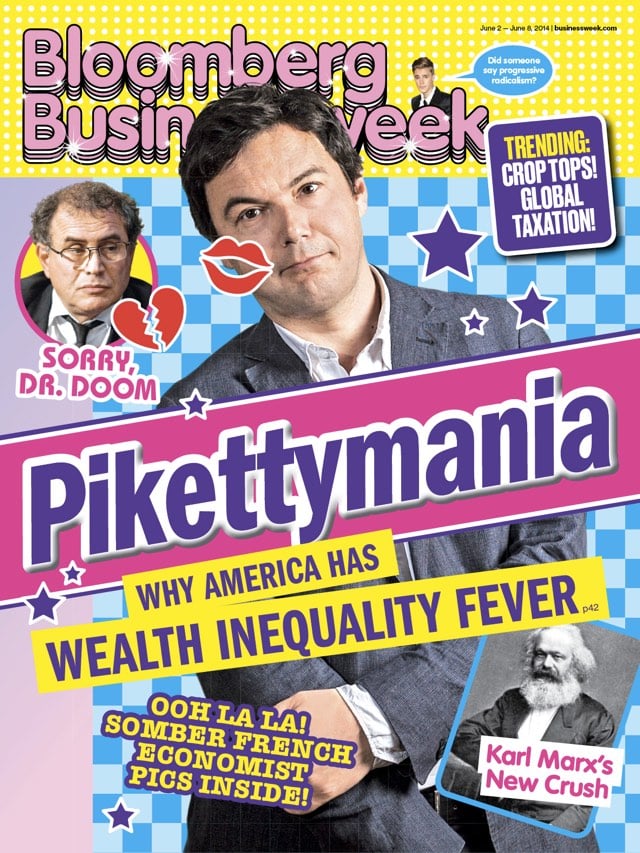
The picks for the finest magazine covers of the year are starting to trickle out. Coverjunkie is running a reader poll to pick the most creative cover of 2014. Folio didn’t pick individual covers but honored publications that consistently delivered memorable covers throughout the year; no surprise that The New York Times Magazine and Bloomberg Businessweek were at the top of the heap.
See also the best book covers of 2014.
Legal scholar Cass Sunstein presents his annual list of the movies that best showcased behavioral economics for 2014.
Best actor: In 1986, behavioral scientists Daniel Kahneman and Dale Miller developed “norm theory,” which suggests that humans engage in a lot of counterfactual thinking: We evaluate our experiences by asking about what might have happened instead. If you miss a train by two minutes, you’re likely to be more upset than if you miss it by an hour, and if you finish second in some competition, you might well be less happy than if you had come in third.
“Edge of Tomorrow” spends every one of its 113 minutes on norm theory. It’s all about counterfactuals — how small differences in people’s actions produce big changes, at least for those privileged to relive life again (and again, and again). Tom Cruise doesn’t get many awards these days, or a lot of respect, and we’re a bit terrified to say this — but imagine how terrible we’d feel if we didn’t: The Top Gun wins the Becon.
(via @tylercowen)
At the NY Times, Nicholas Blechman weighs in with his picks for the best book covers of 2014.
Dan Wagstaff, aka The Casual Optimist, picked 50 Covers for 2014.
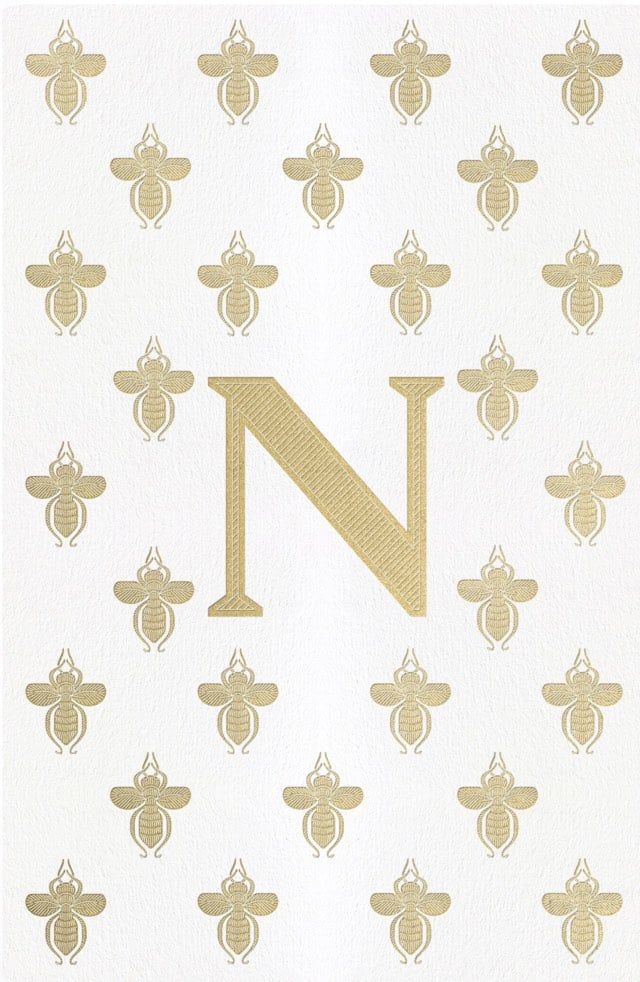
From Jarry Lee at Buzzfeed, 32 Of The Most Beautiful Book Covers Of 2014.
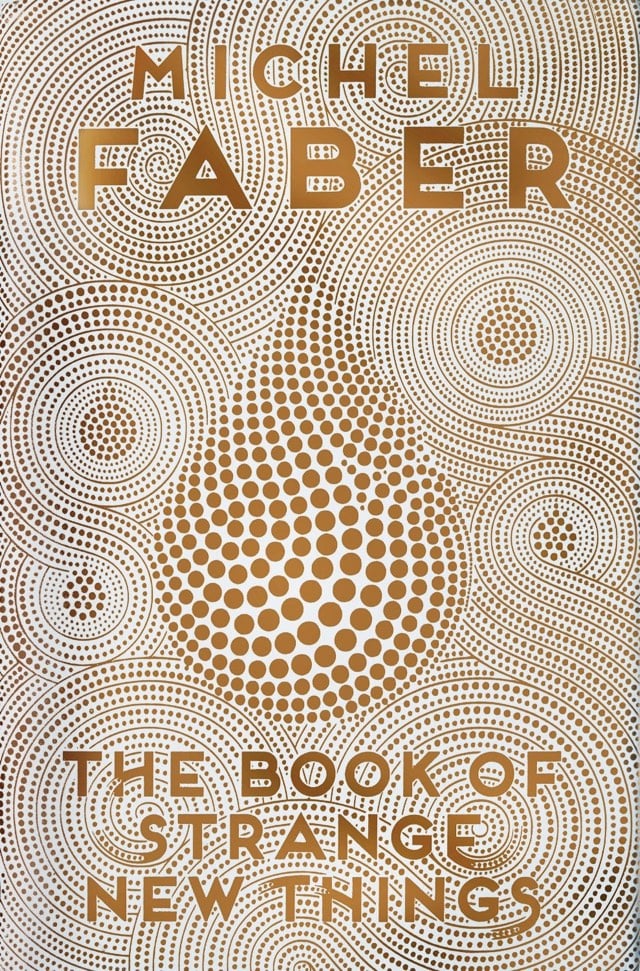
Paste’s Liz Shinn and Alisan Lemay present their 30 Best Book Covers of 2014.
And from much earlier in the year (for some reason), Zachary Petit’s 19 of the Best Book Covers of 2014 at Print.
Adrian Curry selects his favorites for the best movie posters of 2014. This one, for Gabe Polsky’s Red Army, caught my eye:
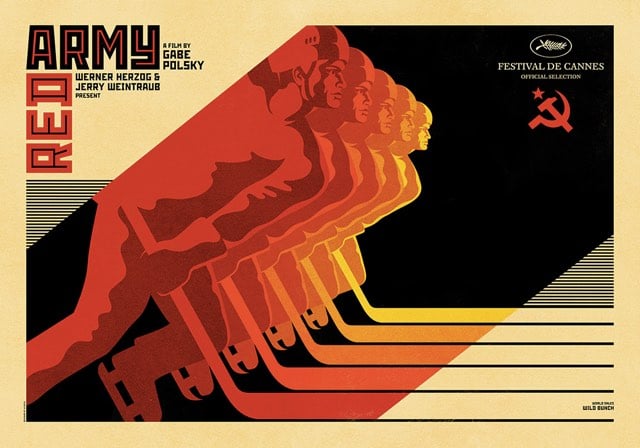
See also the best poster lists from Empire, Entertainment Weekly, and Indiewire. (via subtraction)
Physics World, the magazine of the Institute of Physics, has named their 2014 Breakthrough of the Year and nine runners-up. The top spot goes to the ESA’s Rosetta mission for landing on a comet.
By landing the Philae probe on a distant comet, the Rosetta team has begun a new chapter in our understanding of how the solar system formed and evolved — and ultimately how life was able to emerge on Earth. As well as looking forward to the fascinating science that will be forthcoming from Rosetta scientists, we also acknowledge the technological tour de force of chasing a comet for 10 years and then placing an advanced laboratory on its surface.
The other nine achievements, which you can click through to read about, are:
Quasar shines a bright light on cosmic web
Neutrinos spotted from Sun’s main nuclear reaction
Laser fusion passes milestone
Electrons’ magnetic interactions isolated at long last
Disorder sharpens optical-fibre images
Data stored in magnetic holograms
Lasers ignite ‘supernovae’ in the lab
Quantum data are compressed for the first time
Physicists sound-out acoustic tractor beam
Older posts



Socials & More