

Patti Smith remembers Tom Verlaine. “As I watched Tom play, I thought, Had I been a boy, I would’ve been him.” The little details in this are 1) too many to list 2) universally great.

Advertise here with Carbon Ads
This site is made possible by member support. 💞
Big thanks to Arcustech for hosting the site and offering amazing tech support.
When you buy through links on kottke.org, I may earn an affiliate commission. Thanks for supporting the site!
kottke.org. home of fine hypertext products since 1998.
Beloved by 86.47% of the web.
Entries for January 2023
Great apes use a proto-language of some 80+ common gestures. It turns out that humans can understand (and in some cases share) these gestures too
The Philosopher Who Was Too Popular
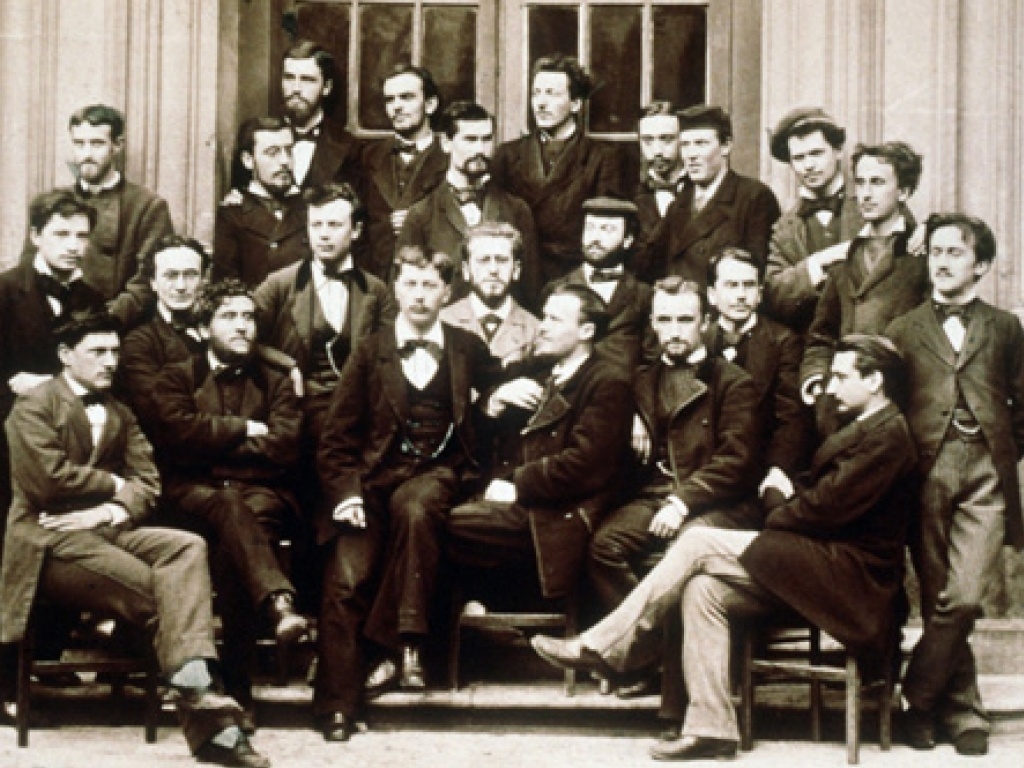
In the early twentieth century, Henri Bergson had a problem. His philosophy lectures were too popular:
On average, 700 people would attempt to squeeze into a room designed for 375. It was suggested that his classes be moved to the Grand Amphithéâtre of the Sorbonne or even to the Palais Garnier. Abroad too, Bergson drew huge crowds. The talks he delivered in London in 1911 filled venues to their ‘utmost capacity’, and he was greeted to the sound of ‘loud cheers’. Two years later, a visit to New York caused the first ever traffic jam on Broadway.
Bergsonmania had another problem, too: many of its most devout adherents were women.
In France, Bergson’s female followers were given derogatory nicknames such as caillettes, which designated a type of pâté, a kind of small bird, and in this context, a frivolous babbling woman, and snobinettes, which conveyed the common assumption that these women were ignorant socialites more interested in being seen at a fashionable event than in learning about philosophy. In 1912, Bergson was preparing to leave on an eagerly anticipated tour of the United States that would take place the following year. A writer for the magazine La vie Parisienne - known for its literary critiques, erotic illustrations, satirical takes on art, culture, politics and the indiscretions of the Parisian elite - scoffed: ‘How will our snobinettes quench their thirst for metaphysics?’ Which professor, the reporter wondered, would these ‘anxious women’ choose to replace Bergson? Surely, their decision would be based on the convenience of the time slot of the lectures rather than on their content.
The female audience was depicted as a crowd of posers, too frivolous to develop any profound interest in philosophical matters, and thus undeserving of the precious seats at the Collège de France. Many commentators thus dismissed the Bergsoniennes’ enthusiasm for philosophy as nothing more than the bourgeois attempts of mondaines (socialites) to raise their social standing. Such ideas were embedded within a long tradition of French satire at the expense of learned women…
The presence of women in a traditionally exclusively masculine space was regarded at best as a source of ridicule, at worst as a nuisance (for instance, some worried that, by their mere presence, the Bergsoniennes were robbing male philosophy students of their rightfully earned seats). Others took this phenomenon to be the sign of something more serious. The fact that so many women were drawn to Bergson’s philosophy perhaps said something about Bergson as a thinker. Indeed, traits traditionally associated with femininity, such as irrationality and sentimentality, clashed with the traditionally masculine qualities deemed necessary to be a good philosopher. Some of Bergson’s most serious adversaries began arguing that Bergson’s success among women was no accident. They believed that the reason the most irrational beings of all, women, were so enthusiastic about Bergson’s ideas was that Bergson’s philosophy was a philosophy of the irrational.
Bergson himself did not enjoy his celebrity status, but it is noteworthy that he inspired a generation of French feminist thinkers, including Simone De Beauvoir, who largely differed from his metaphysical positions but adopted parts of his popular, literary style (in both writing and public lectures) as a way to connect with audiences outside of the academy’s cloisters.
Philosophy and public intellectual life changed tremendously during the years of Bergson’s activity, not least because his own style and that of his admiring fans helped push matters along.
Walking the Basketball Dog
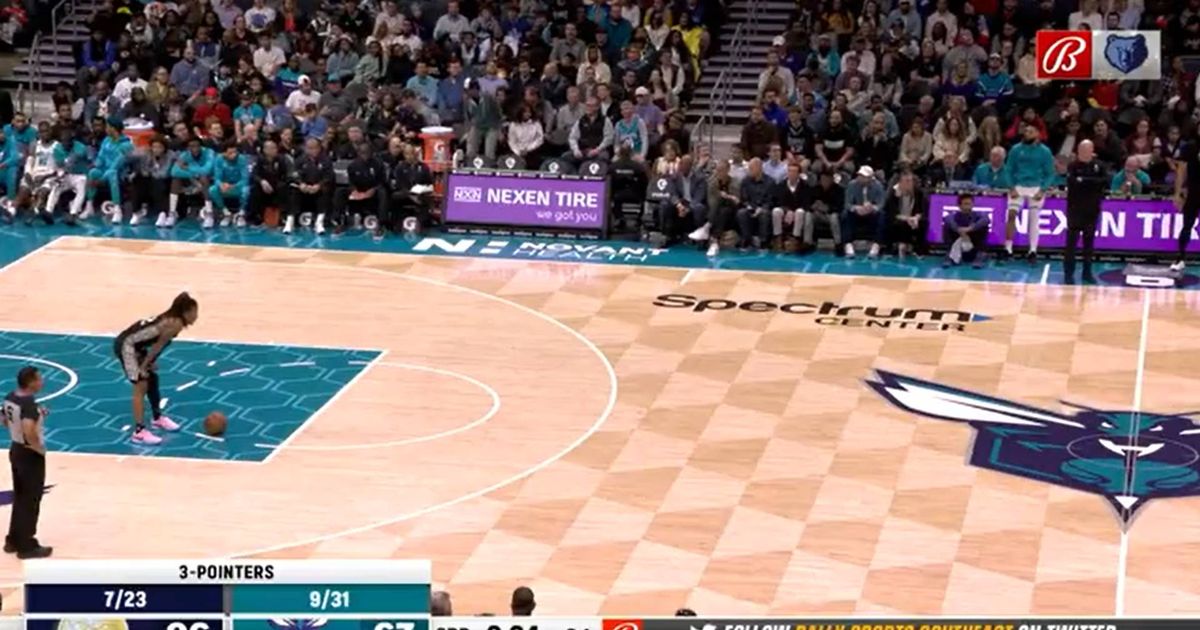
If you’ve watched a high-level basketball game in the last ten or so years (NBA, WNBA, NCAA), you’ve probably seen something a little strange. Instead of throwing the ball inbounds directly to a teammate, the inbounder will slowly roll the ball on the floor in their general direction… and then the ball handler will wait as long as possible before he picks it up and starts dribbling. Sometimes it’s just a few seconds, and sometimes it feels like an eternity. What is this, and why do they do it?
It’s called “walking the dog,” and it exploits a rule that’s as old as the shot clock itself. The shot clock (24 seconds long in the NBA) begins counting down as soon as a team takes possession of the ball after an inbounds pass. If you don’t shoot and make contact with the rim within 24 seconds, the other team takes possession of the ball.
The shot clock is designed to speed up play. Walking the dog is a loophole designed to slow it down. You use it for two reasons: to delay starting the shot clock (giving you longer to get down court and set up a play) and to run time off the game clock (giving your opponent less time to control the ball and score).
Walking the dog is very old — the 60s Celtics used to use it after the other team scored to give them more time for their legendary center Bill Russell to get down court and set up the offense. And generally, that’s been how it’s used in the modern NBA, to get more time back on the shot clock. But in recent years, more ball handlers have been walking the dog to run time — sometimes, lots of time — off the game clock. So it’s becoming more controversial.
One of the most notorious dogwalkers is Ja Morant, who usually makes highlight reels for his explosive dunks. But his slow roll strolls up the court are becoming just as much a signature move:
Two years ago, Morant became a regular dog walker in his sophomore season and quickly got his team to buy in. He’s utilized the move 41 times across all quarters and has been the ball handler on 23 of those 34 plays in crunch time, wasting over three minutes of game clock. In just over half this season, Morant has wasted more time walking the dog than any team had in an entire year and holds three of the longest dog walks recorded in the NBA this season (his teammate Desmond Bane has one of the others)…
The Grizzlies don’t discuss this in practice or plan these plays in advance. Morant often motions to his inbounder to roll the ball in slowly in these situations right as they materialize, especially when leading late in a game. The guy will do anything to shave a few seconds off. He’ll leap out of the way instead of catching the ball if the inbounder throws it too hard in his direction. If Morant finds himself inbounding, he’ll play dumb and misplace the ball as the game clock keeps running.
How has Morant become so good at walking the dog? He declined to speak with ESPN for this story, but his teammates think it boils down to his speed and athleticism. Opponents are hesitant to really press him 75-plus feet from their own hoop. If they make a mistake, he could have a huge runway with a numbers advantage. Others think it’s more a combination of fatigue and a never-ending game of chicken.
How do you stop a player from walking the dog? It’s so simple that it’s stupid: send a defender to make them pick up the ball. There’s some risk on either side here: an inattentive ball handler might allow an aggressive defender to steal a rolling ball. But an overaggressive defender might accidentally foul the ball handler in the back court while trying to steal the ball. That’s exactly what happened to Ben Simmons in a recent game against Morant:
As the Grizzlies’ star guard makes his way up the court, he lets the basketball roll alongside him, slowly, slowly, slowly, an inch at a time, untouched. Morant only needs to maintain a slow walk to keep up as he scans the court, uncontested by any Nets defender.
The ball rolls another inch, another inch, another inch. Morant is almost at half court. He keeps letting the ball roll alongside him, knowing the 24-second shot clock won’t start until he touches it — burning precious game clock at the same time, almost 21 seconds now.
As he crosses half court, Morant finally picks up the ball and glances over to his bench. His defender, Ben Simmons, suddenly closes on him and lunges at the ball, looking for a steal — but he’s too late. Morant sees it coming and protects the ball. Simmons hits him in the arm. Whistle. Foul. That’s Simmons’ sixth; he’s out of the game.
Thanks in part to that play, Memphis wins by 10. Afterward, Morant explains that he was baiting Simmons, knowing he’d bite based on past experience. Clips of the play soon go viral.
Personally, I like it when clever players find ways to play games-within-a-game in sports, especially basketball. So I have no problem with walking the dog. Other people think it’s boring, unfair, or it slows down the game too much. It definitely seems like if a lot of games come to a literal standstill, then the league office might step in and make a rules change. But until then, it’s worth enjoying the players who play this game — and all of its wrinkles — the best.
Cistercian Numerals

Cistercian numerals were invented by the Cistercian order of monks in the 13th century. Giuseppe Frisella explains how the notation system works:
A vertical straight line acts as an axis dividing the plane into four quadrants, each one representing one of the four digits: the upper right quadrant for the units, the upper left quadrant for the tens, the lower right quadrant for the hundreds, and the lower left quadrant for the thousands.
What this does well, indeed better than the roman or Arabic numeral systems it’s related to, is to represent both small and large numbers (1 up to 9999) in a single glyph. What it doesn’t do well, compared to roman or Arabic systems, is allow you to reduce operations on large numbers to operations on smaller ones. There’s no long division, in other words — and even addition and multiplication aren’t very straightforward.
So you might think about this as a kind of mathematical compression system, optimizing for storage rather than operations. If you just need to record a number — say, a four-digit year — you can do it quickly and in a minimum amount of space in the Cistercian system. If you need to do bookkeeping, then the Arabic numerals are probably what you want.
But if you’ve read this far, you’re probably thinking what I usually think anytime I encounter something a little strange in the world of mathematical notation — what about aliens? One can imagine an alien species that can easily do simple arithmetic operations on what they would call small numbers (less than 10,000) in their heads (or has offloaded such tasks to machine), and which would correspondingly value the storage and computational efficiency of a system of numbers like this. Maybe Cistercian numerals, rather than the clumsy digits of our intellectual infancy, will be the best way to make ourselves understood when first contact begins.
(Via Clive Thompson)
Update: Shelby Wilson has created an easy-to-use Cistercian numeral generator. (Via Alex Miller)
A Table Read for The Muppet Show
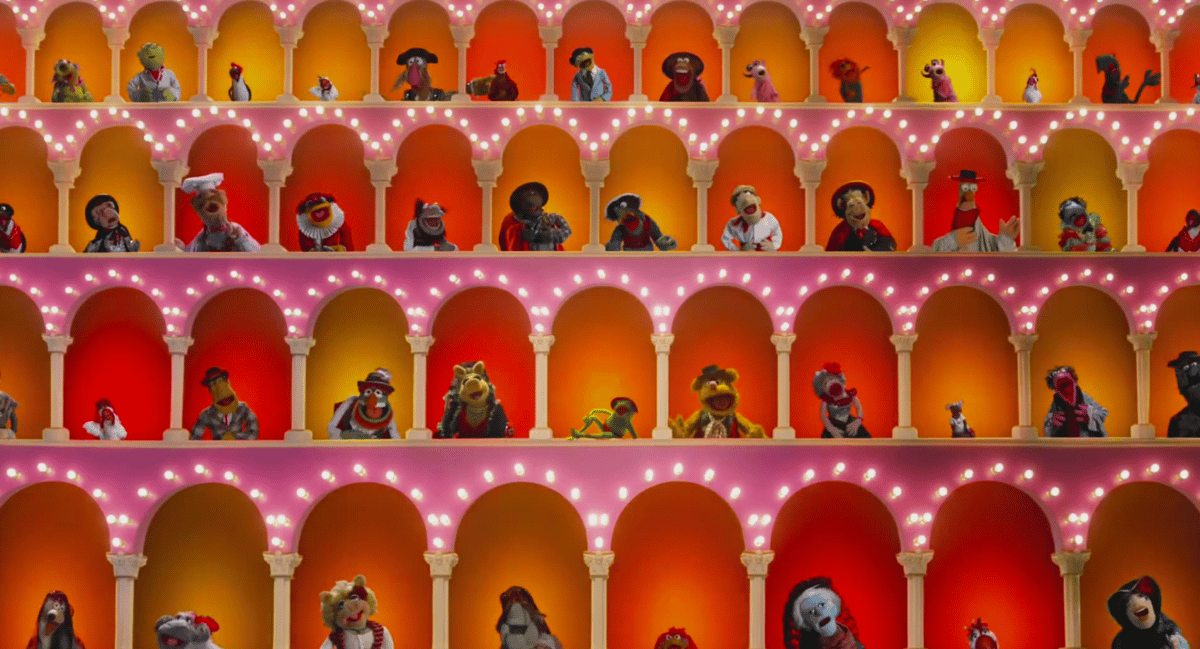
In film and television, a table read is an early part of the rehearsal process where, as the name suggests, all the performers read their scripts together around a table, out of costume.
But what do you do when the performers are also operating puppets? The rehearsal process becomes more iterative; the table read is a kind of sketchboard, and the performance moves quickly from spoken dialogue to early filming in full costume. These two videos (less than six minutes long in total) follow the rehearsals of The Muppet Show (1976-1981) from a table read to filming.
One thing that might surprise you (I admit it surprised me) is how much the puppeteers use floor monitors to guide their performances. As Jim Henson says in the second of these two videos, “when we’re working, our entire reality is on the screen. You are performing, and at the same time, you’re seeing your performance the same as the audience does.” On the one hand, this makes perfect sense: on the other, it’s just another point of focus, another degree of difficulty in making an entire performance come together.
@muppetmarissa they really put so much into the muppet show #themuppets #themuppetshow #muppets #muppet #muppettok #muppetcore #muppeteer #muppeteers #ReadySetLift #behindthescenes
@muppetmarissa they really put so much into the muppet show #themuppets #themuppetshow #muppets #muppet #muppettok #muppetcore #muppeteer #muppeteers #ReadySetLift #behindthescenes
(Thanks to Ethan Marcotte)
Update: The full documentary (nearly an hour!) is on YouTube (again, thx Ethan)
Mac 30th Anniversary Icons. Icons in SVG format of Macs from the original Macintosh 128K to 2013’s Mac Pro.
Huh, chess[dot]com’s traffic has doubled since the beginning of December for no obvious single reason. Why the explosion in interest in chess?
From XKCD, a recipe for a margarita made from the icy nucleus of a planet-killing-sized comet. “The juice from 20 trillion limes.”
Since it assumed leadership in the effort to eradicate guinea worm disease, the foundation started by Jimmy & Rosalynn Carter has reduced cases from 3.5 million in 1986 to just 13 in 2022. Best former President ever (and it’s not close).
HBO has renewed The Last of Us for a second season. Started watching this last night and liked it immediately.
Geometric Primes


Nicholas Rougeux designed a series of posters to visualize all 143 prime numbers with three digits based on simple rules.
Each print contains all 143 prime numbers with 3 digits. Each is represented by an image composed of simple geometric shapes based on its digital root and colors based on its digits. Arranging these images sequentially creates colorful collages of prime numbers based on simple rules.
For each poster, a unique shape was assigned to the digital root of each prime number which is calculated by iteratively summing its digits until one remains. (All known prime numbers greater than 3 have digital roots of 1, 2, 4, 5, 7, or 8.)
There are nine posters in all that use a few different styles of geometric shape.
Chronophoto game in which you have to guess the year that photos were taken. I looove games like this – there goes the rest of my day.
Sunburn Photographic Printing
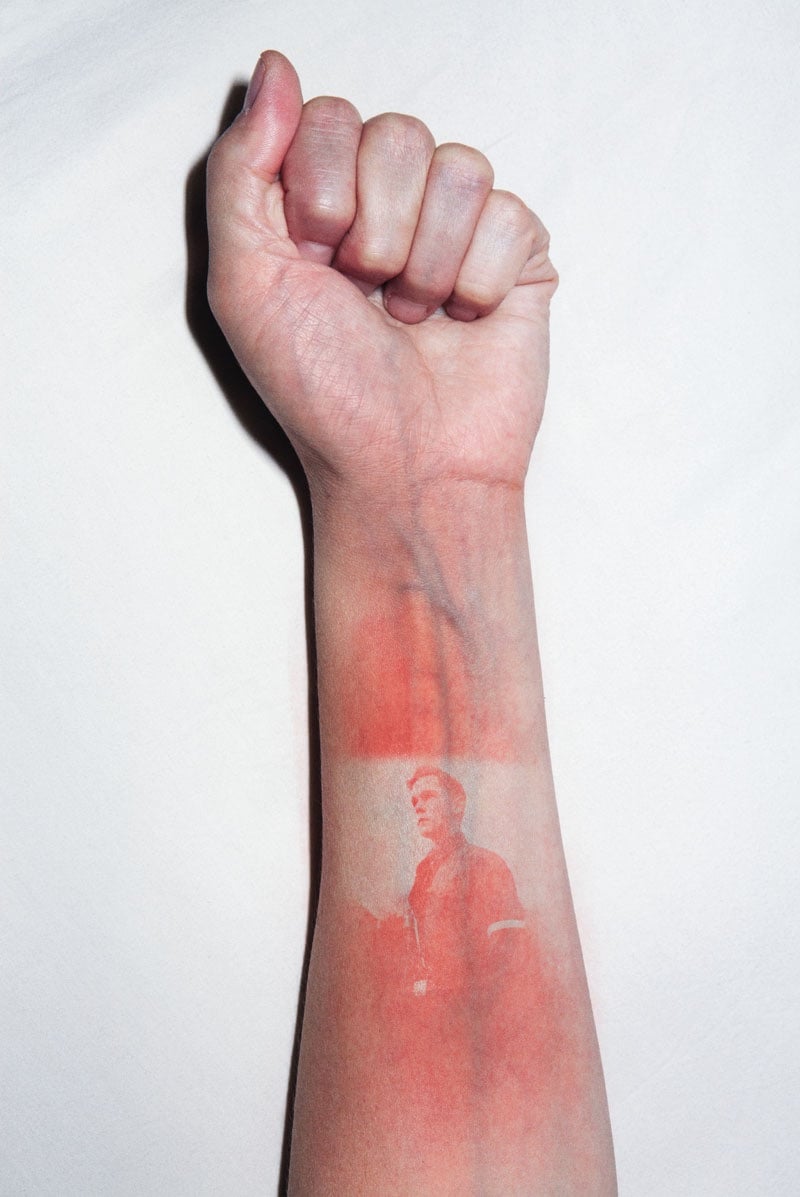


For his project Illustrated People, Thomas Mailaender imprinted photographic images onto people’s skin by shining a UV light through negatives. The visual effect created is not unlike that of a sunburn but it goes away as soon as the skin is exposed to light. I wonder…does it hurt like a sunburn?
Creating the Soundtrack for a Pinball Machine
This is a delightfully early-80s clip about how electronic music legend Suzanne Ciani created the soundtrack and sound effects for the Xenon pinball game. Xenon was the first talking Bally pinball game and the first pinball game voiced by a woman.
The idea of using the short grunts and groans came to me when I watched people playing the game — the way that people expressed their frustrations or their involvement with the game — and I wanted the game to do that back. I wanted it to talk back to the people playing.
Here are two other videos from the 80s of her explaining her work: on PBS’s 3-2-1 Contact (I *loved* that show) and on The David Letterman Show. According to her Wikipedia page, Ciani created the Coca-Cola “Pop ‘n Pour” sound logo as well as other sound logos for Energizer and ABC.
In 2013, Ciani was inducted into the Pinball Expo Hall of Fame for her pioneering work on the game. (thx, caroline)
The Cause of Depression Is Probably Not What You Think. “Depression has often been blamed on low levels of serotonin in the brain. That answer is insufficient, but alternatives are coming into view and changing our understanding of the disease.”
The Enshittification Lifecycle of Online Platforms
This piece by Cory Doctorow on TikTok’s enshittification (also available at Wired) contains some of the best and simplest descriptions of how online platforms like Amazon, Facebook, Uber, TikTok, Twitter, etc. evolve as they grow and then eventually die.
Here is how platforms die: First, they are good to their users; then they abuse their users to make things better for their business customers; finally, they abuse those business customers to claw back all the value for themselves. Then, they die.
…
This is enshittification: Surpluses are first directed to users; then, once they’re locked in, surpluses go to suppliers; then once they’re locked in, the surplus is handed to shareholders and the platform becomes a useless pile of shit. From mobile app stores to Steam, from Facebook to Twitter, this is the enshittification lifecycle.
The Amazon example he uses is really easy to follow. Early in the company’s history, the site used to be a great place to shop; their customers loved Amazon. But then Amazon’s sellers became their real customers and the user experience started to suffer. And now, much of the value generated by the users and customers goes to the shareholders (which, functionally speaking these days, means several dozen people who run hedge funds or large investment funds).
This strategy meant that it became progressively harder for shoppers to find things anywhere except Amazon, which meant that they only searched on Amazon, which meant that sellers had to sell on Amazon. That’s when Amazon started to harvest the surplus from its business customers and send it to Amazon’s shareholders. Today, Marketplace sellers are handing more than 45 percent of the sale price to Amazon in junk fees. The company’s $31 billion “advertising” program is really a payola scheme that pits sellers against each other, forcing them to bid on the chance to be at the top of your search.
Over at Techdirt, Mike Masnick riffed on Doctorow’s piece, arguing that enshittification, this playing of various parties against each other while siphoning off the value, is bad business because it focuses too much on short term gains.
Because maximizing revenue in the short term (i.e., in the 3 month window that Wall Street requires) often means sacrificing long term sustainability and long term profits. That’s because if you’re only looking at the next quarter (or, perhaps, the next two to four quarters if we’re being generous) then you’re going to be tempted to squeeze more of the value out of your customers, to “maximize revenue” or “maximize profits for shareholders.”
He uses early Amazon as an example of long-term thinking:
Once you go public, and you have that quarterly drumbeat from Wall Street where pretty much all that matters is revenue and profit growth. Indeed, it’s long forgotten now, but Jeff Bezos and Amazon actually were a rare company that kind of bucked that trend, and for a while at least, told Wall Street not to expect such things, as it was going to invest more and more deeply in serving its customers, and Wall Street punished Bezos for it. It’s long forgotten now, but Wall Street absolutely hated Amazon Prime, which locked in customer loyalty, but which they thought was a huge waste of money. The same was true of Amazon Web Services, which has become a huge revenue driver for the company.
They created a tremendous amount of value for their shareholders by playing the long game, which for whatever reason they aren’t willing to do anymore.
The Knitting Clock

Artist Siren Elise Wilhelmsen designed a clock that knits while it tells time — the clock makes one two-meter long scarf every 365 days.
Time is manifested in physical objects; in things that grow, develop or extinguish. Time is an ever forward-moving force and I wanted to make a clock based on times true nature, more than the numbers we have attached to it.
(via clive thompson)
How donkeys changed the course of human history. “From bearing the burdens of the Roman Empire to enabling trade over long distances, the humble donkey has been surprisingly influential.” Also: giant donkeys!
Succession. Season Four Teaser Trailer. Boom.
With soooo much TV these days, everyone has their own pick for The Best Show on TV Right Now and my pick, aside from the excellent & underrated My Brilliant Friend, is Succession. Since the middle of the first season, I have eagerly looked forward to each episode and I’ve been jonesing for season four since about 2 seconds after the final episode of season three aired. Plus, the opening credits are unskippable. Succession starts up again on HBO Max on March 26.
Bike Lanes Are Good for Business, But Local Shops Still Hate Them
This is something I’ve heard over and over again, in many cities around the world: putting in bike lanes in place of car parking and/or car lanes results in an increase in humans patronizing local businesses and increased sales.
Five years ago, the city of Queens, New York, announced that it would be putting bike lanes onto a stretch of Skillman Ave-and removing 116 parking spots. Cyclists loved the plan, but local business owners went ballistic. Taking out those parking spots, as they argued at protests and in letters to the city council, would devastate stores and restaurants along Skillman. “Parking here is already a nightmare,” one fumed at a protest rally.
But the bike lanes were a done deal, and soon they were in place. Early this year, Jesse Coburn — an investigative writer with Streetsblog New York — wondered whether those predictions of economic collapse came true. So he asked the city’s Department of Finance to give him a few years’ worth of sales figures for that stretch of Skillman Ave. How had the businesses on that street fared?
Quite well, it turns out. In the year after the bike lanes arrived, businesses on Skillman saw sales rise by 12 percent, compared to 3 percent for Queens in general. What’s more, that section of road saw new businesses open, while Queens overall had a net loss.
The thing is, the actual merchants along Skillman? They didn’t believe it. When Coburn spoke to them and described what he’d found, only a few store owners admitted the lanes had helped. Many still insisted the lanes were killing their part of the city. And emotions ran hot: Someone scattered tacks on the bike lane.
This graph of military spending is the one of the most misleading statistical graphs I’ve ever seen. “If a student presented this in a statistics 101 class, the teacher would likely give them an F.”
The Minimalist Photography Awards for 2022
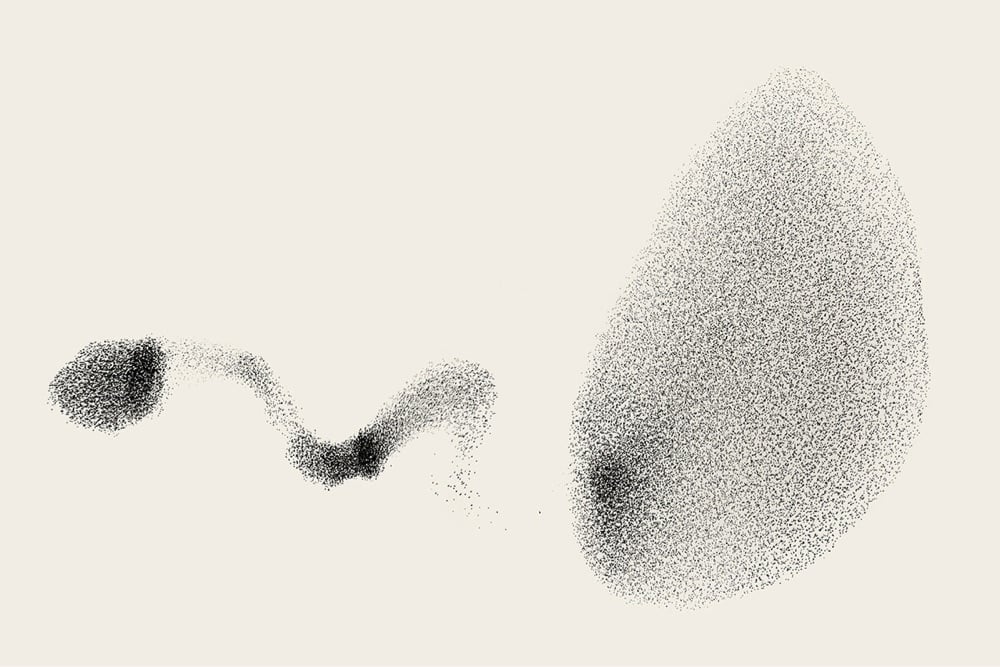

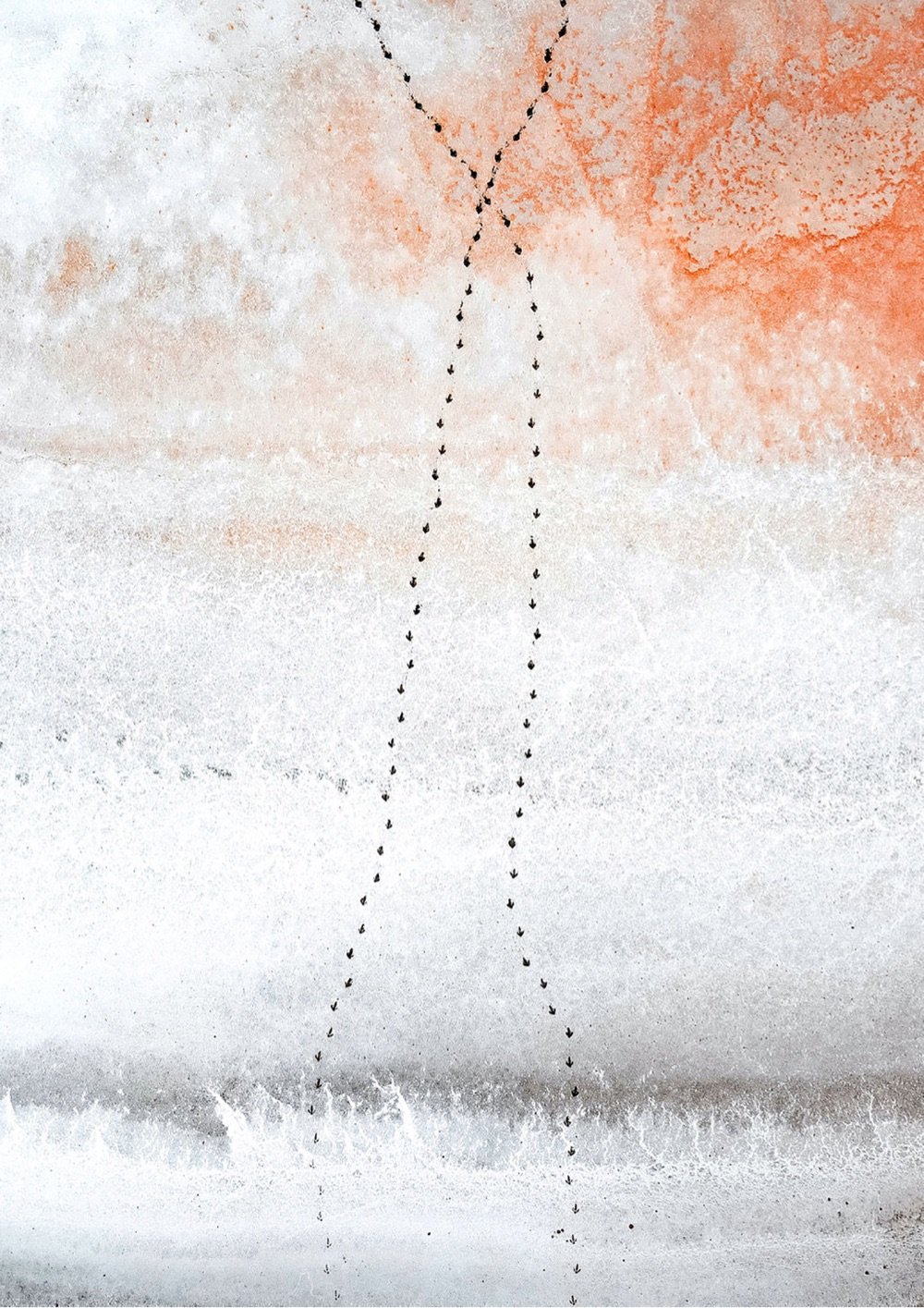

Some really nice work amongst the winners and runners up of the Minimalist Photography Awards for 2022. I’ve included a few favorites of mine above (from top to bottom: Daniel Dencescu, Gleici Rufatto, Julie Kenny, and Alexandre Caetano).
The “Contagious Visual Blandness” of the Netflix Look
Haley Nahman on the contagious visual blandness of Netflix:
It’s actually, specifically, about how movies these days look. That is, more flat, more fake, over-saturated, or else over-filtered, like an Instagram photo in 2012, but rendered in commercial-like high-def. This applies to prestige television, too. There are more green screens and sound stages, more CGI, more fixing-it-in-post. As these production tools have gotten slicker and cheaper and thus more widely abused, it’s not that everything looks obviously shitty or too good to feel true, it’s actually that most things look mid in the exact same way.
Yes, yes, 1000 times yes. This has been bugging me for years now — movies and TV shows are too blandly shiny these days (or is it shinily bland?) It’s easy to make everything look just so — and so filmmakers do, without the visual zip of a Wes Anderson or David Fincher. This comment from Reddit captures the vibe:
I actually think it looks too “perfect”. Everyone is lit perfectly and filmed digitally on raw and tweaked to perfection. It makes everything have a fake feeling to it. Commercials use the same cameras and color correction so everything looks the same. Every shot looks like it could be used in a stock photo and it looks completely soulless.
No film grain, no shadows on faces, and no wide shots. I have a theory that going from tungsten to led lightning added to this as well. Tungsten allows for more accurate color in camera but LEDs are cheaper, cooler, and more convenient. So the solution is to film on a nice digital camera and fix the color in post. However, this makes for less creativity on set and less use of shadows.
Green screens make it worse as they also require flatter lighting to work. Marvel films are very obviously mostly made in post and they all look very flat and not real. Even shitty low budget 90’s comedies look better and I think this can be attributed to the lighting.
Perfidious Pricing: How Companies Use Drip Pricing to Overcharge Consumers. Odd choice to use restaurants as an example of drip pricing creep – tax + tip has always been a “hidden” charge.
Macroeconomic Changes Have Made It Impossible for Me to Want to Pay You. “Let’s not mince words, though; the accountability for this decision rests with me. The consequences, on the other hand, rest with you.”
Cinema’s Best Ending Credits?

Catherine Scorsese appeared in many of her son Martin’s films — Goodfellas, Taxi Driver, Mean Streets, Casino, etc. — and would often cook for the cast and crew.
Robert DeNiro said, “She made the best pizza I’ve ever eaten. I always wanted to serve it at TriBeCa Grill,” while Harvey Keitel said, “In my memory, Catherine was the epitome of a warm, loving Italian mother. She enjoyed watching me eat as much as I enjoyed eating her cooking.” And Pesci said, “Katie was one of the sweetest ladies I ever met. She was a true innocent. She never did anything bad; she never knew anything bad. In terms of her cooking, it’s a toss-up as to who’s a better cook, Katie or my mother.”
In 1974, Martin made a documentary about his parents called Italianamerican:
Over dinner at their New York apartment on Elizabeth Street, Martin engages his parents in a lively and candid discussion about their lives, discussing such topics as their upbringing, family, religion, marriage, their Italian ancestors, post-war life in Italy, and the hardships of poor Sicilian immigrants striving to succeed in America.
During the film, Catherine cooks meatballs and sauce for dinner and a bare-bones recipe appears in the ending credits (which you can see here with the rest of the film):
The Sauce:
Singe an onion & a pinch of garlic in oil. Throw in a piece of veal, a piece of beef, some pork sausage, & a lamb neck bone. Add a basil leaf.
When the meat is brown, take it out & put it on a plate. Put in a can of tomato paste & some water. Pass a can of packed whole tomatoes through a blender and pour it in. Let it boil. Add salt, pepper & a pinch of sugar. Let it cook for awhile. Throw the meat back in. Cook for 1 hour.
Now make the meatballs. Put a slice of bread, without crust, 2 eggs, & a drop of milk, into a bowl of ground veal & beef. Add salt, pepper, some cheese & a few spoons of sauce. Mix it with your hands. Roll them up, throw them in. Let it cook for another hour.
As you can see, the recipe is pretty vague on measurements, but Catherine published a cookbook of her recipes shortly before she died, Italianamerican: The Scorsese Family Cookbook. The book has long been out of print and seems to be an expensive collector’s item now, but some kind soul has republished the full meatballs and sauce recipe here.
See also burger recipes from Ernest Hemingway, Dean Martin, and Frank Sinatra and The Artists’ and Writers’ Cookbook.
Kenji López-Alt: The Food Expiration Dates You Should Actually Follow. “Vinegars, honey, vanilla or other extracts, sugar, salt, corn syrup and molasses will last virtually forever.”
Orion Magazine recently republished Rebecca Solnit’s 2013 piece, Cyclopedia of an Expedition Around Svalbard. “The water liquid pewter and iron, with gentle ripples rather than white-crested waves. And the smeared red of a polar bear’s meal.”
Ain’t it funny how the knight moves? A simple chess game involving moving your knight. “Don’t land anywhere the queen can take you, and don’t take the queen.”
Light Painted Landscapes


It’s been a bit since we’ve checked in on artist Reuben Wu, who uses drones to paint (sculpt?) with light in the sky over dark landscapes. Most of his recent stuff seems to be video on his Instagram account but I pulled a couple of photos of his that I haven’t featured before. Always inspiring stuff worth exploring.
How to Find the Rare Green Comet in the Night Skies

A comet called Comet C/2022 E3 (ZTF) is currently visible in northern skies with the naked eye and here’s how you can catch a glimpse for yourself.
Comet C/2022 E3 (ZTF) is currently making its way through the northern skies and should reach its brightest magnitude in early February, according to In-The-Sky.org as it approaches perigee on Feb. 1. To see the comet for yourself, look to the north just after sunset and look for a faint greenish glow. Under the right dark sky conditions, the comet could be visible to the unaided eye, but binoculars will certainly make the job easier.
The comet last visited the Earth about 50,000 years ago and this may be its last visit before it leaves the solar system for good. The unusual green color results from a rare chemical reaction:
The comet itself isn’t green, but its head does appear to glow green thanks to a somewhat rare chemical reaction. The glow likely comes from diatomic carbon (C2) — a simple molecule made of two carbon atoms bonded together. When ultraviolet light from the sun breaks this molecule down, it emits a greenish glow that can last for several days, according to a 2021 study in the journal Proceedings of the National Academy of Sciences.
This eerie light disappears before making its way to the comet’s tail, or coma, which is made of gas. That gas is once again a result of solar radiation - in this case, sunlight causes part of the comet to sublimate, or transition from a solid into a gas without entering a liquid state. That gas streaks behind the comet, often glowing blue from the ultraviolet light.
The best, brightest views of the comet will be right around Feb 1, when it will be near the constellation Camelopardalis (almost due north, in the general vicinity of the Big and Little Dippers) right after sunset — use an app like Sky Guide to help find it. It’s cloudy here in Vermont until Friday…I’m going to try to catch a glimpse of it then.
Amazing photo of Comet C/2022 E3 (ZTF) above by Dan Bartlett.
Collective Nouns for Humans in the Wild by Kathy Fish. “A resplendence of poets. A beacon of scientists. A raft of social workers. […] A group of schoolchildren is a target.”
This education startup from Hank and John Green (plus Arizona State and Google) looks really interesting: “a path to get college credit that begins on a YouTube video”. Videos are free, classes are $25, college credit is $400.
The Wonders of Street View, a collection of “weird and wonderful” locations on Google Street View. You could lose days to this…
Pickup trucks have gotten bigger, less useful, and are increasingly purchased for lifestyle & image reasons. “So what are people using their trucks for? Shopping, errands, commuting and Sunday drives.”
The Rijksmuseum Brings All the Vermeers to the Yard

Wow! A forthcoming exhibition at Amsterdam’s Rijksmuseum will bring together 28 of the 37 known paintings by Dutch master Johannes Vermeer, including The Girl with a Pearl Earring. As the museum’s website says: “Never before have so many Vermeers been brought together”.
The exhibition will include masterpieces such as The Girl with a Pearl Earring (Mauritshuis, The Hague), The Geographer (Städel Museum, Frankfurt am Main), Lady Writing a Letter with her Maid (The National Gallery of Ireland, Dublin) and Woman Holding a Balance (The National Gallery of Art, Washington DC).
Works never before shown to the public in the Netherlands will include the newly restored Girl Reading a Letter at the Open Window from the Gemäldegalerie Alte Meister in Dresden.
This page lists all of the works that will appear in the exhibition — you can click on the title of any of the artworks to see a zoomable high-resolution image of the painting, e.g. The Milkmaid or Girl Reading a Letter at an Open Window.
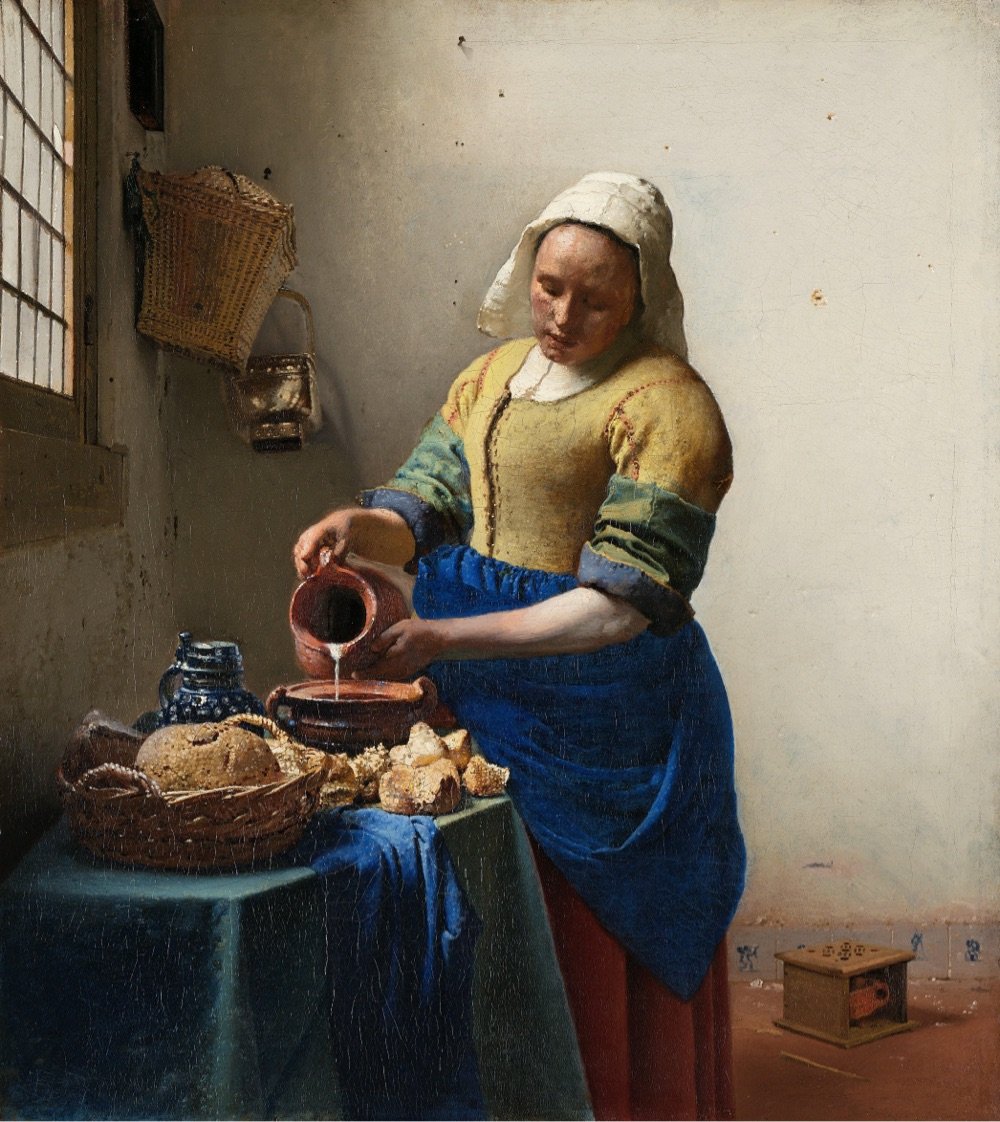
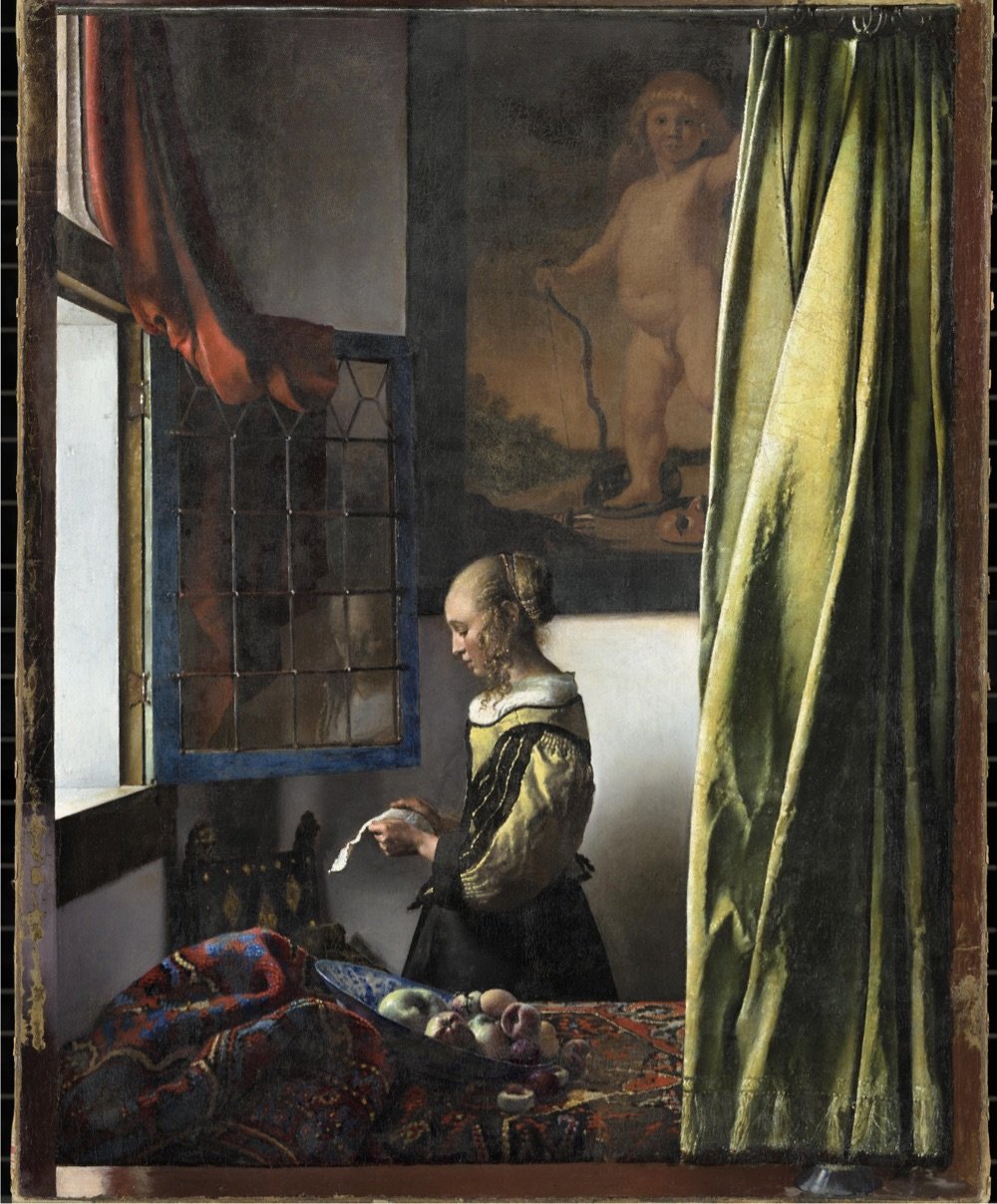
Accompanying the exhibition is an online guided tour of Vermeer’s works, narrated in English by Stephen Fry. The History Blog raved about the tour:
This is one of the best virtual exhibitions I have ever seen, and I have seen a lot of them. It is written in a personable, light-hearted style that still manages to be incredibly information-rich. The way they zoom into the detail of the paintings to illustrate the commentary is flawlessly paced and takes full advantage of the ultra-high resolution photographs. Fry explains changes Vermeer made based on the most recent imaging and research into his process. There are also annotated areas of each painting which you can click on for a shot of additional information. The notes open in windows that have click-through images, so every note is really multiple notes. Then when you’re done exploring the nooks and crannies, you click back to the main tour and the narration picks up where you left off. Whoever designed this is a content management genius, seriously.
The exhibition runs at the Rijksmuseum from February 10 to June 4, 2023 — but note that The Girl with a Pearl Earring will only be available for viewing until March 30, at which point the painting will return to Mauritshuis in The Hague. I….think I might have to get to Amsterdam to go see this?


Socials & More