From Business Insider’s series Still Standing, a look at La Maison du Pastel, a 300-year-old French company that makes pastels for artists by hand. Back in its golden age, the company supplied the likes of Monet & Degas but fell into neglect near the end of the 20th century. The newest generation of ownership has restored the company and they now offer over 1,900 different pastel colors.
Seriously, take a look at their online shop…there’s all sorts of amazing stuff in there. Like this antique watercolors set — get a load of these color names: Violet Lake, Burnt Lake, Carmine, Venice Red, Vermilion, Orange Chrome, Gamboge, Zinc White, Yellow Ochre, Burnt Umber, Van Dyck Brown, Lamp Black, Payne’s Gray, Indigo, Celestial Blue, Blue Ash, Prussian. You can even order a full set of their pastels for only €29,450.00 (the set comes with a custom-made chest of drawers).
I am not at all an artist but these colors all look so amazing that I’m eyeing one of the smaller sets for myself… (thx, caroline)
Queendom is a documentary film by Agniia Galdanova about queer Russian activist and performance artist Jenna Marvin and her unusual form of protest against the war in Ukraine and Russia’s treatment of LGBTQ+ people. From a short review in the Guardian:
When Russia invaded Ukraine in February last year, some brave souls took to the streets of Moscow to voice their horror at the war, and were met with batons and police brutality. Radical queer performance artist Gena Marvin took a different approach. Wearing platform boots, body paint and wrapped in barbed wire, she walked the streets of Moscow in a stark, silent statement against the war. To call Gena a drag artist fails to capture just how subversive and courageous are her public “performances”. Her otherworldly costumes, created from junk and tape, show the influence of Leigh Bowery; her fearlessness evokes the punk provocation of Pussy Riot.
Marvin’s performances can be intense — check out this video from Paris in 2022. France had just advanced into the semifinals of the World Cup and she went out on the streets dressed in an all-black costume straight out of Alien or Pan’s Labyrinth:
Queendom opens in theaters and will available on streaming on June 14.
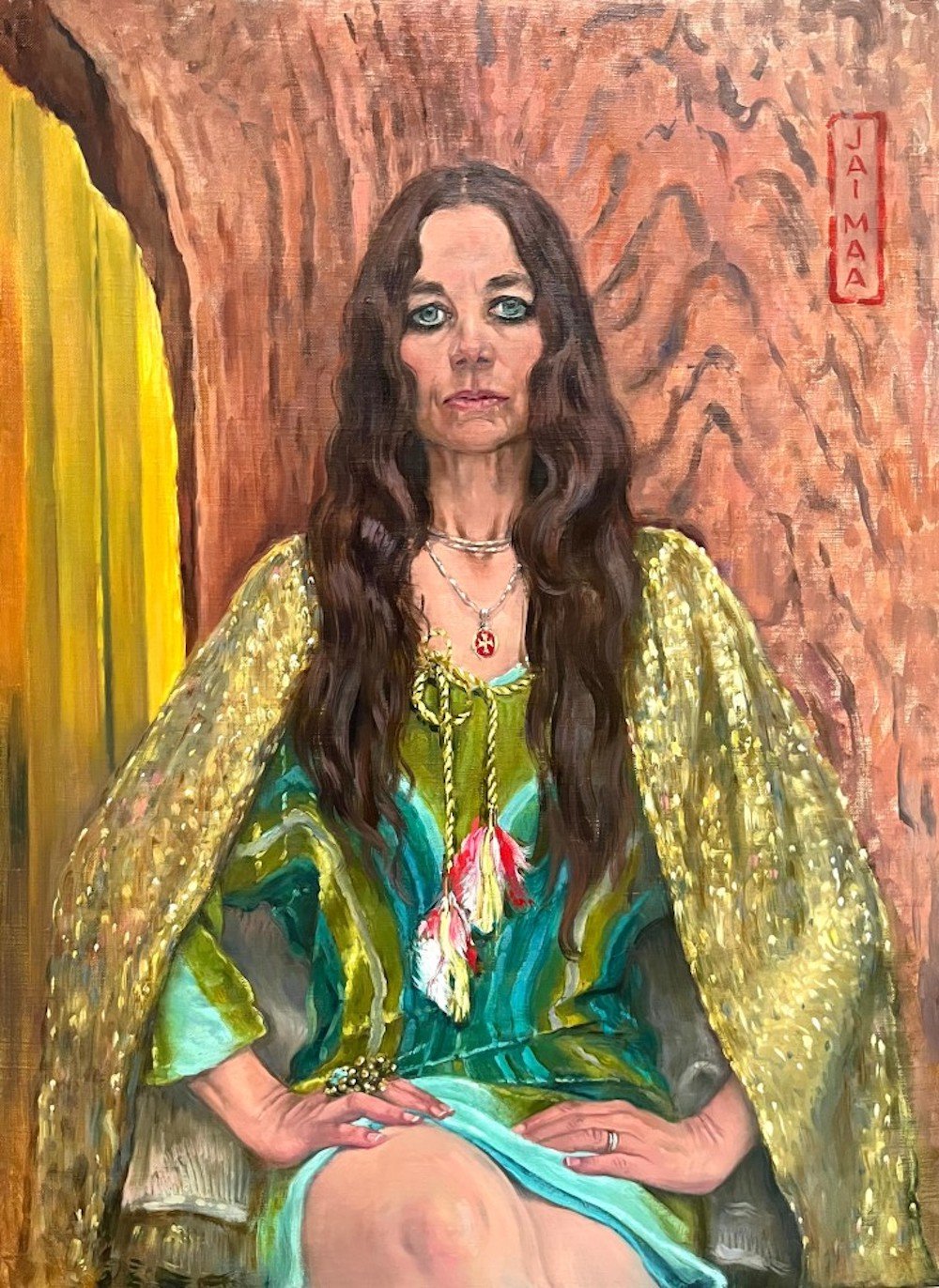
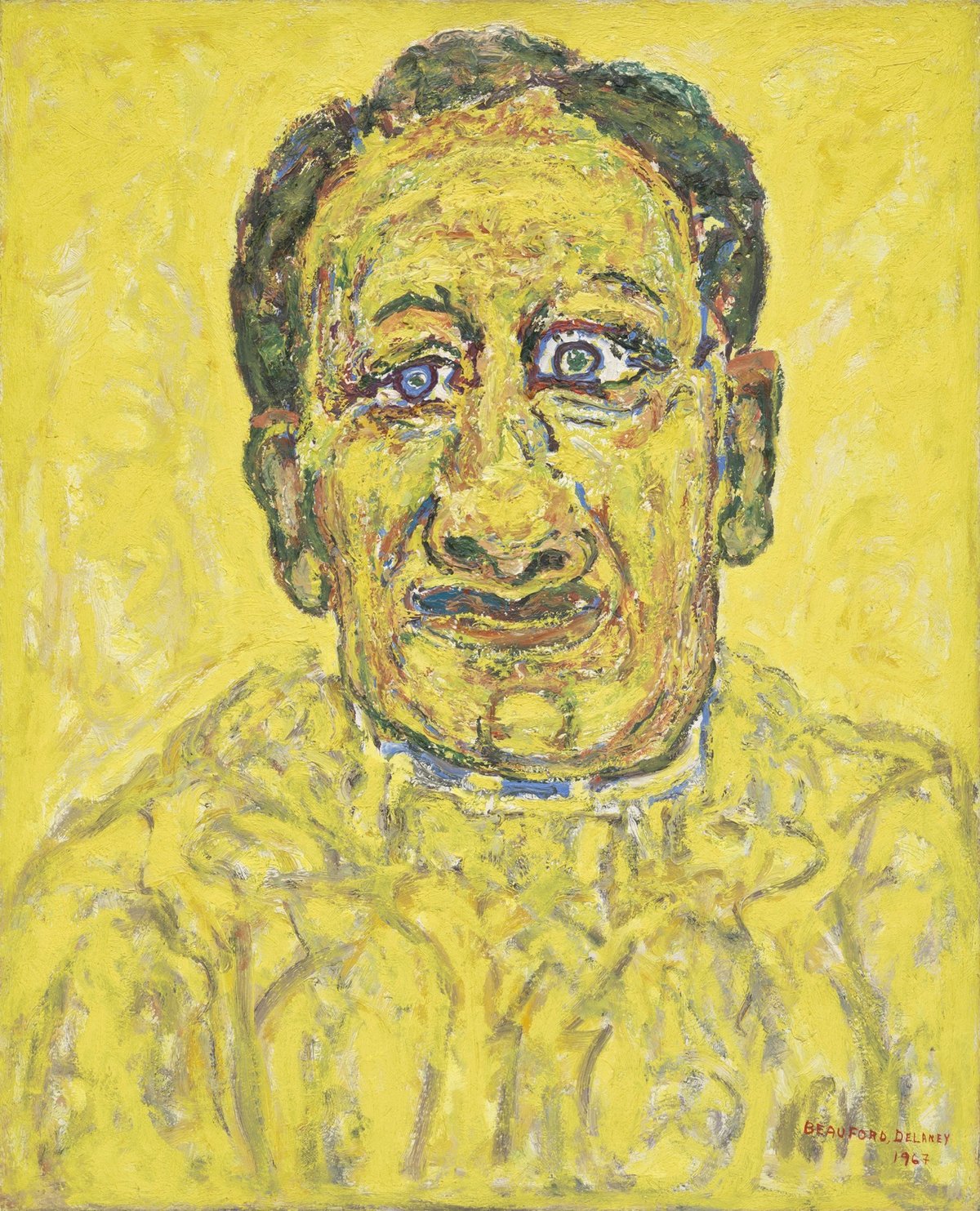
Thanks to the Instagram account New American Paintings, I recently came across the work of Los Angeles-based artist Delia Brown, including the above portrait, “Jai Maa! (Justine II),” which I love. A feature on Brown in Independent Art Fair magazine also includes an awesome painting of hers from 2000 called “What, Are You Jealous?” (probably NSFW).
Someday — someday! — I want to turn down an invitation to something because “I can’t, I’m sitting for my portrait at that time.”
Elsewhere in portraits: King Charles’s, by Jonathan Yeo. “In his interview with the BBC,” the NYT’s Vanessa Friedman writes, “Mr. Yeo noted that when the king first saw the painting, he was ‘initially mildly surprised by the strong color,’ which may be an understatement.”
Many more of Brown’s paintings can be found on her website and Instagram.
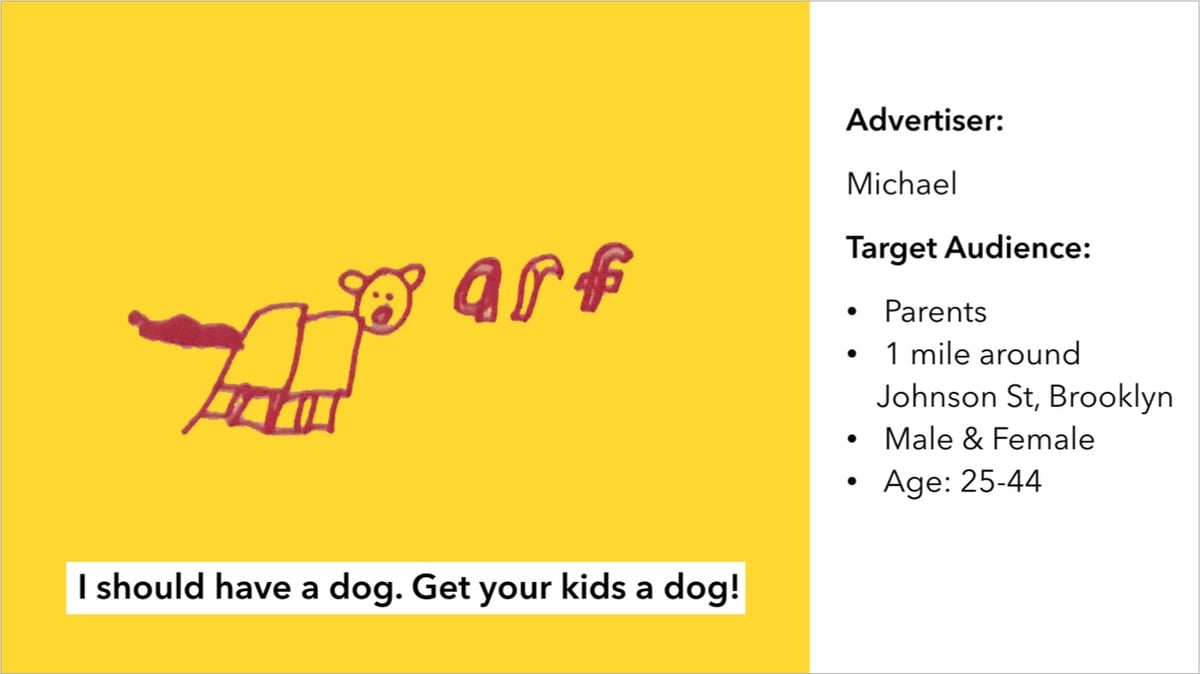
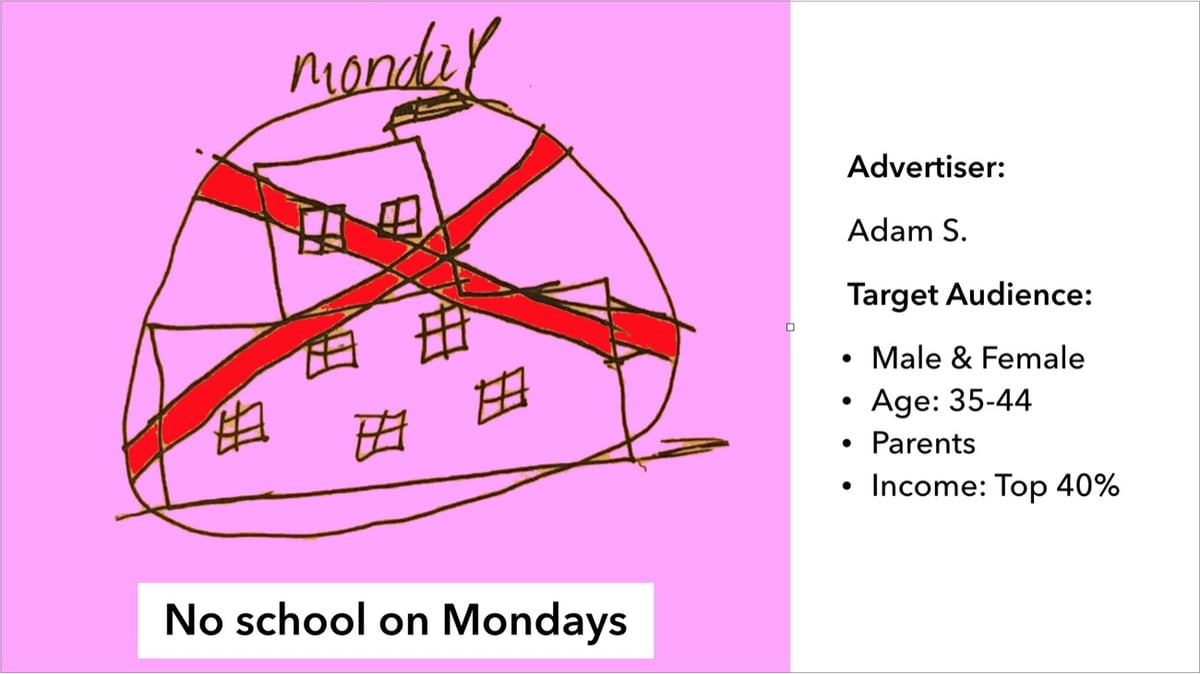
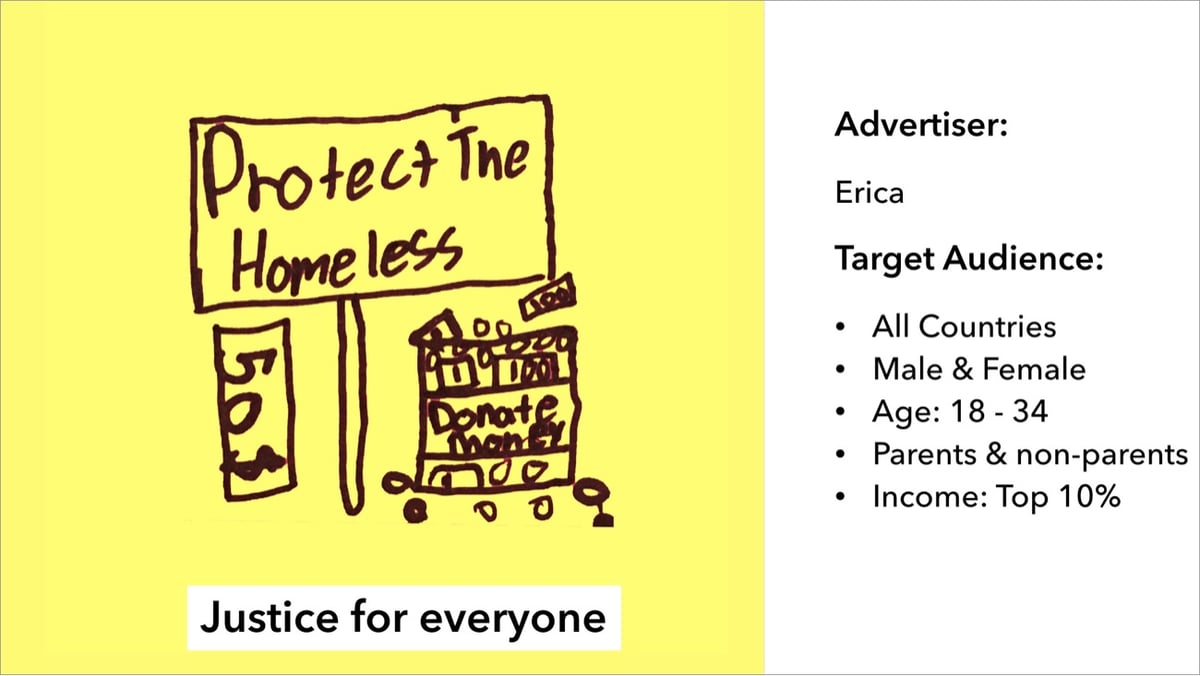
In 2019, artist and engineer Tega Brain gave some kids the opportunity to create targeted advertising relevant to their particular interests: Bushwick Analytica.
Politicians and marketers now use data and targeted advertising to try to change our behaviors and influence our worldviews. But why should these tools only be available to people in places like Washington DC, Manhattan and London?
Some of the kids’ ads targeted their parents:
While others were aimed at people who could help with causes the kids were interested in:
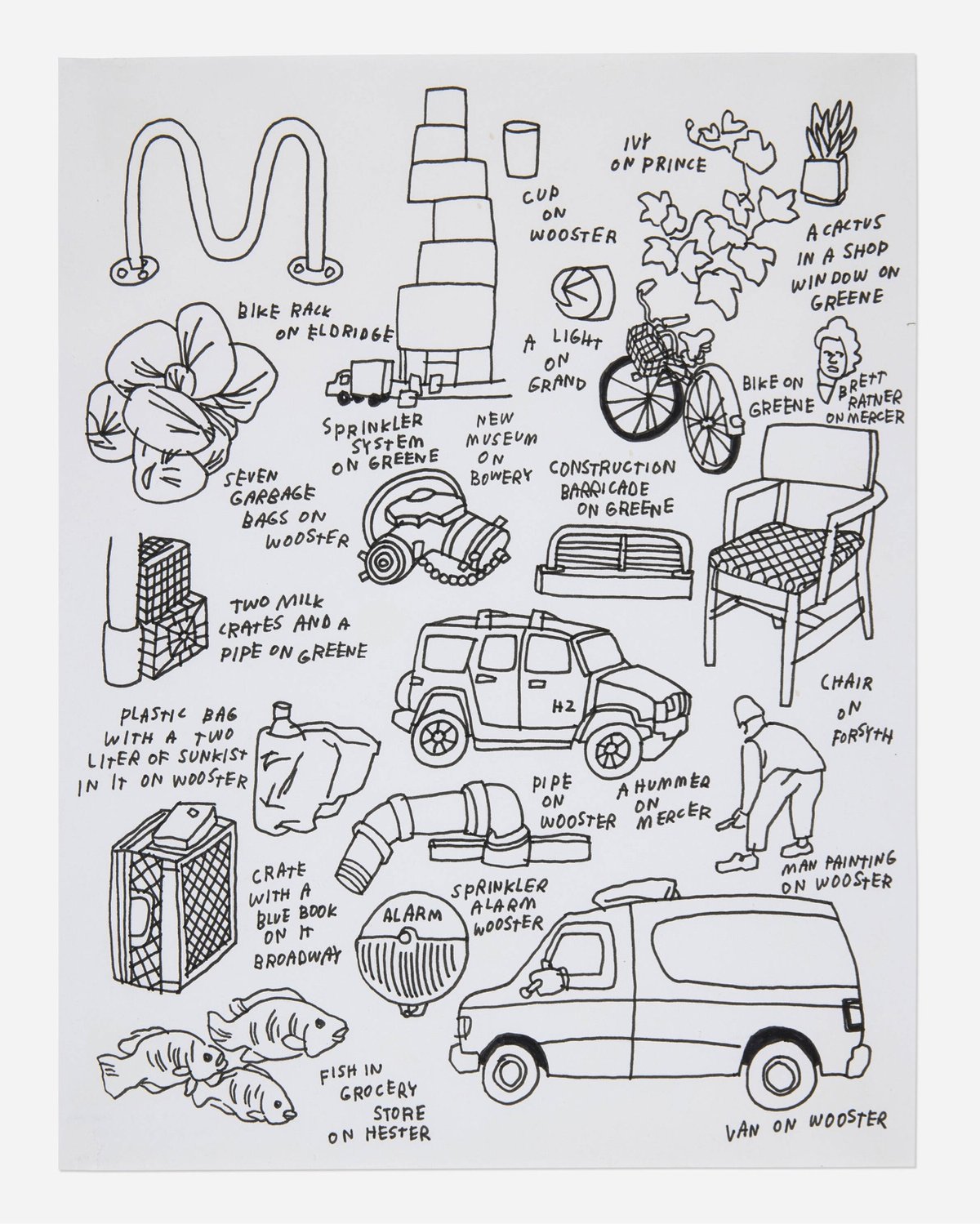
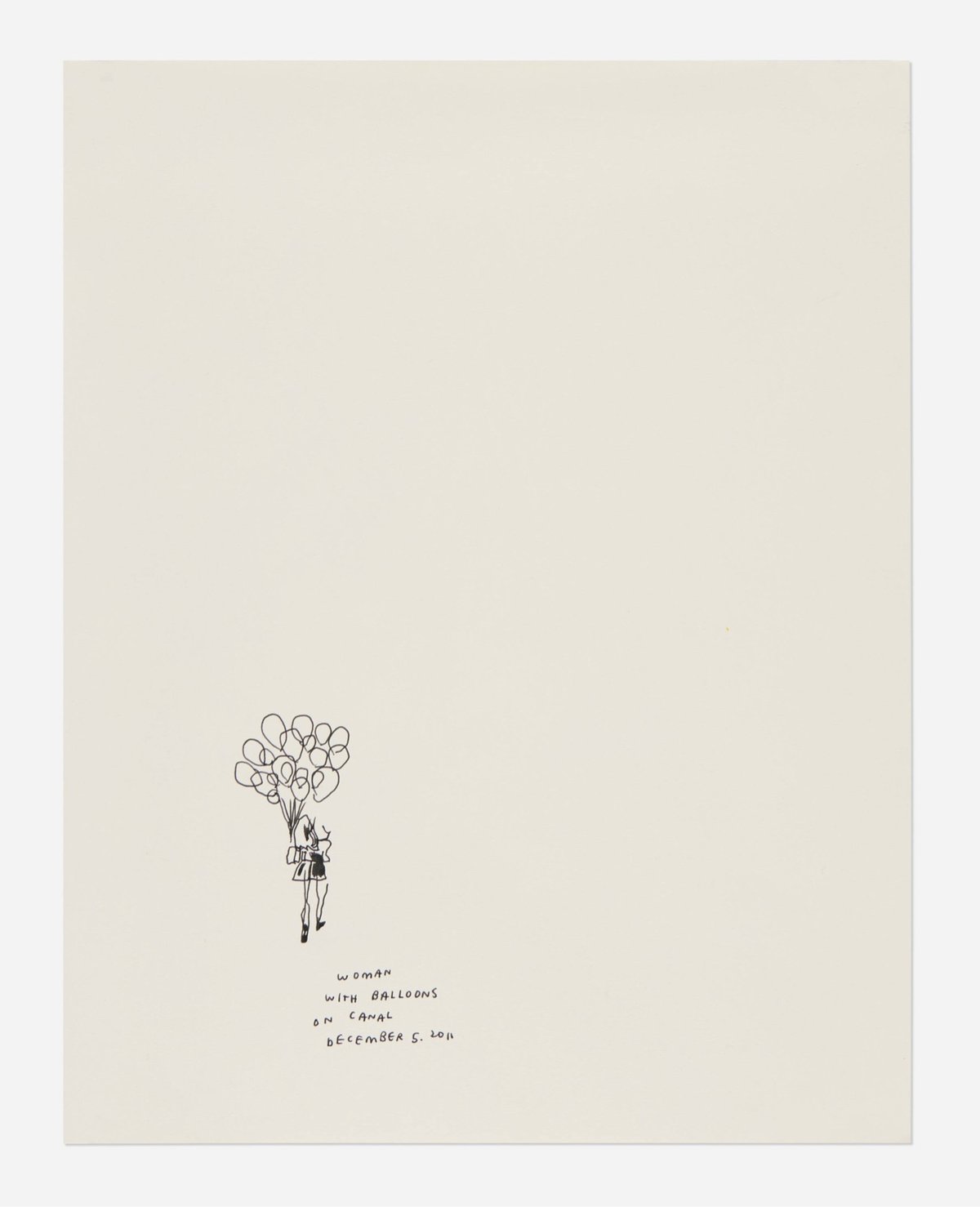
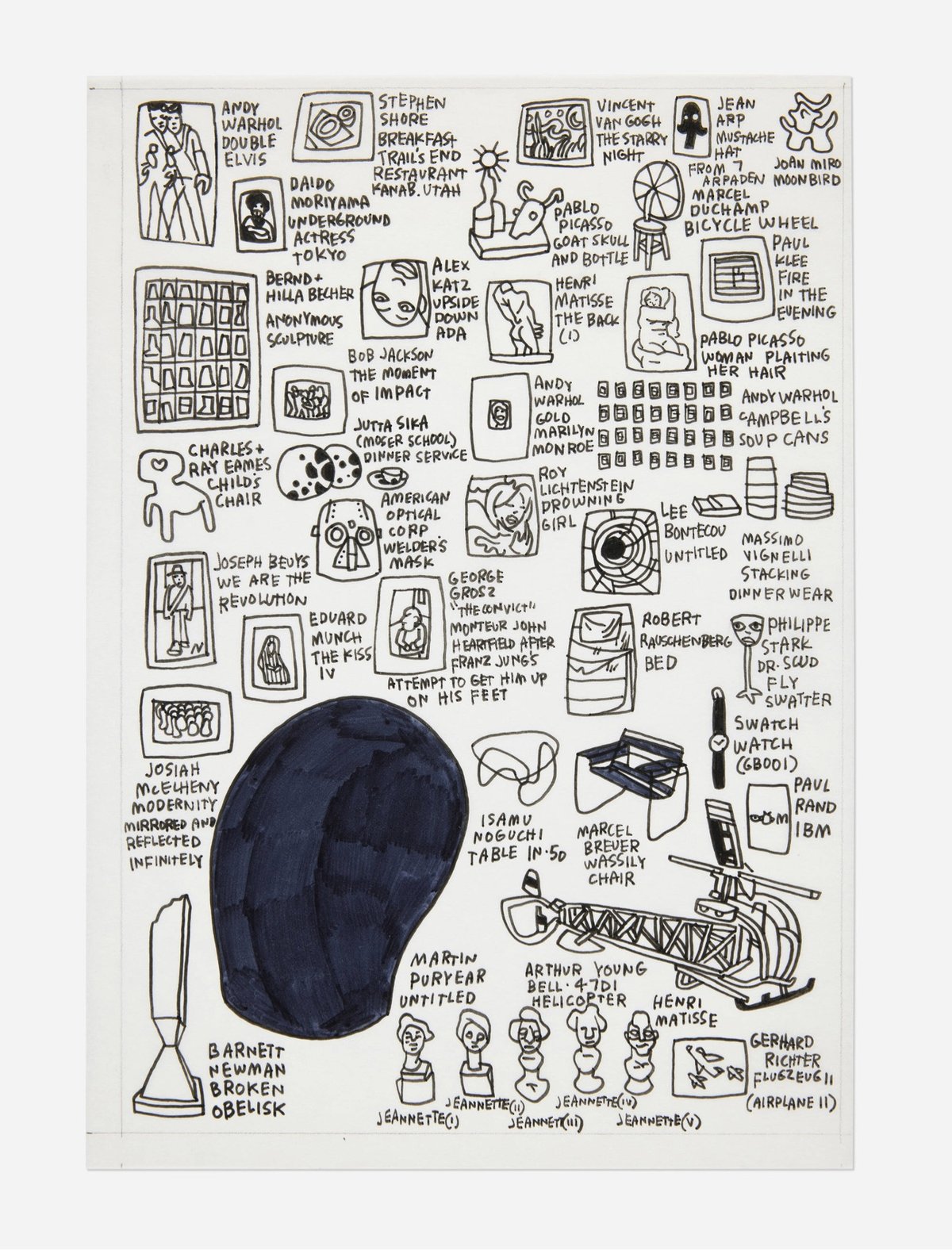
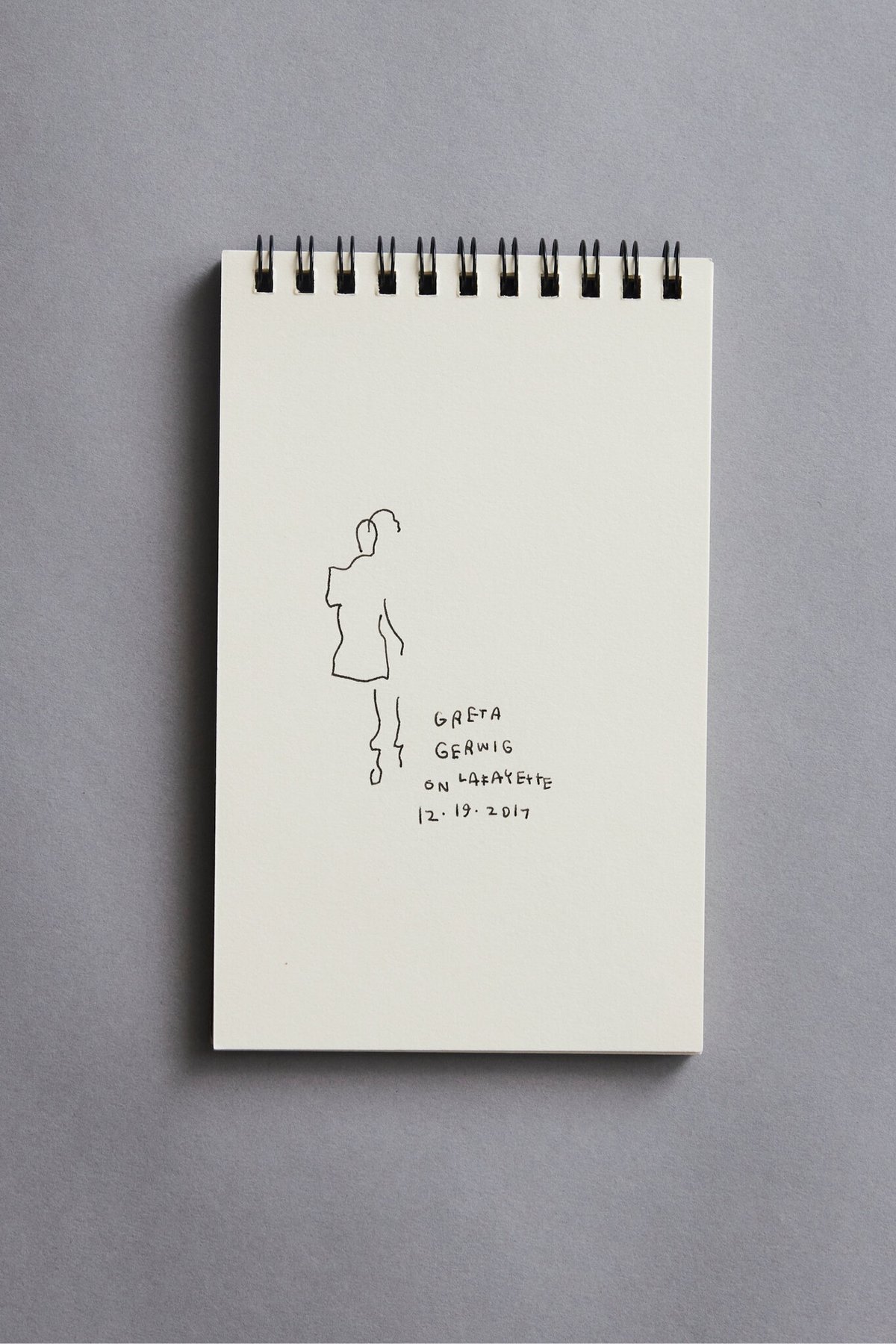
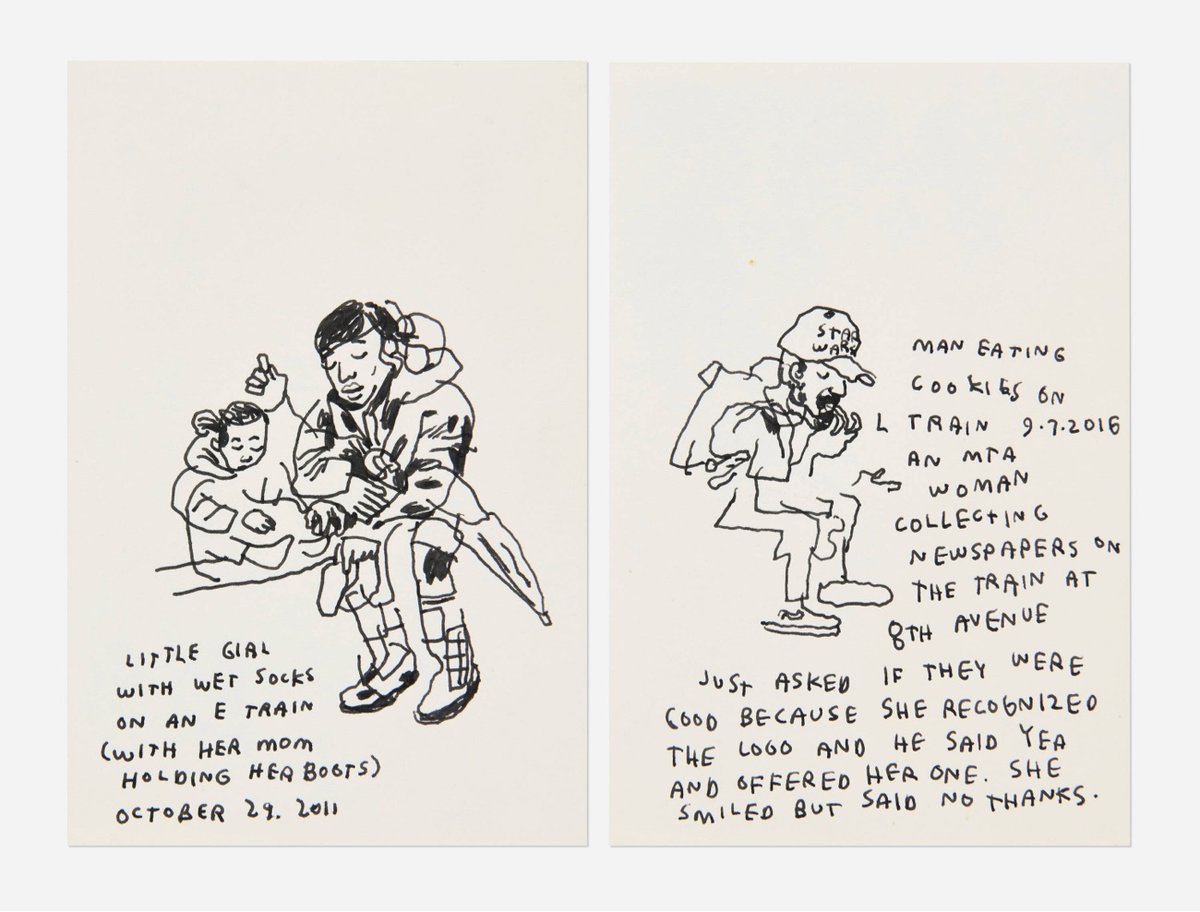
Jen Bekman, the founder of the online gallery 20x200, reflected on Mr. Polan’s legacy while she sat beside his sketches.
“These are not doodles,” Ms. Bekman said. “That word is diminishing. People remember him as an illustrator, but Jason was a great artist, and his practice was his life.”
It’s great to see Polan’s legacy being preserved and his art being spread around the world. And to be reminded of that time he went to a fashion show.
I sort of stood still because I was a little confused as to what just happened. Kim walked right by me. Puff Daddy took a picture with someone right in front of me. I then saw Beyoncé walking toward me and I said, “Hi Beyoncé,” and she said, “Heeey,” and smiled and it was kind of like having a Bar Mitzvah. Then Jay Z walked by and I said, “Hi Jay,” and in the second I said that I thought, am I supposed to add a Z? but didn’t and he said hey but not as beautifully as Beyoncé. I love her so much. I drew a couple more people and then went outside and forgot where I was and then walked to the train and went home.
The Water Lilies paintings that French impressionist Claude Monet is most known for were all painted in the garden of his house in Giverny. Pay a relaxing visit to the set of the MBU (Monet Botanical Universe) with this leisurely video. Here’s another tour of the gardens with music.
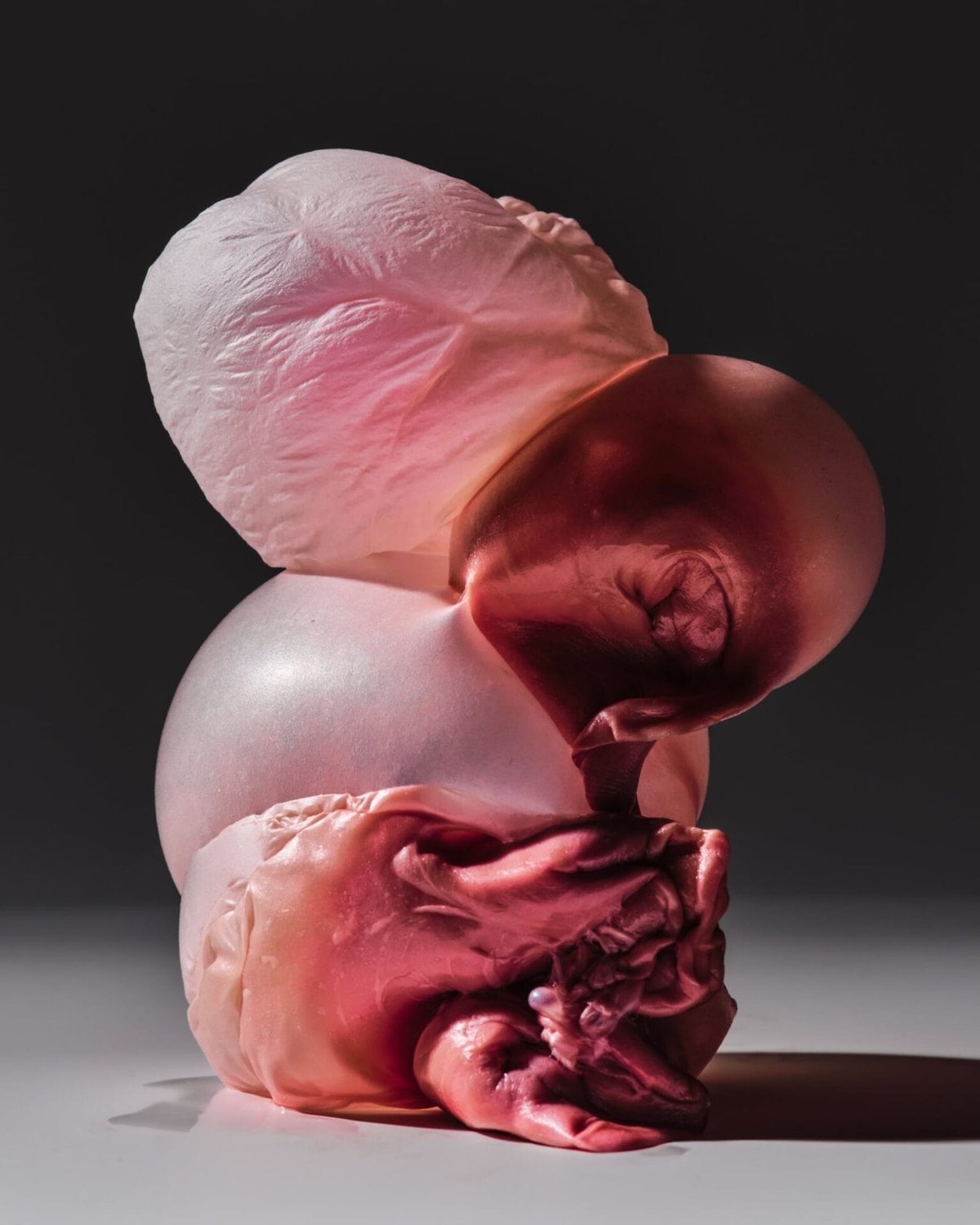
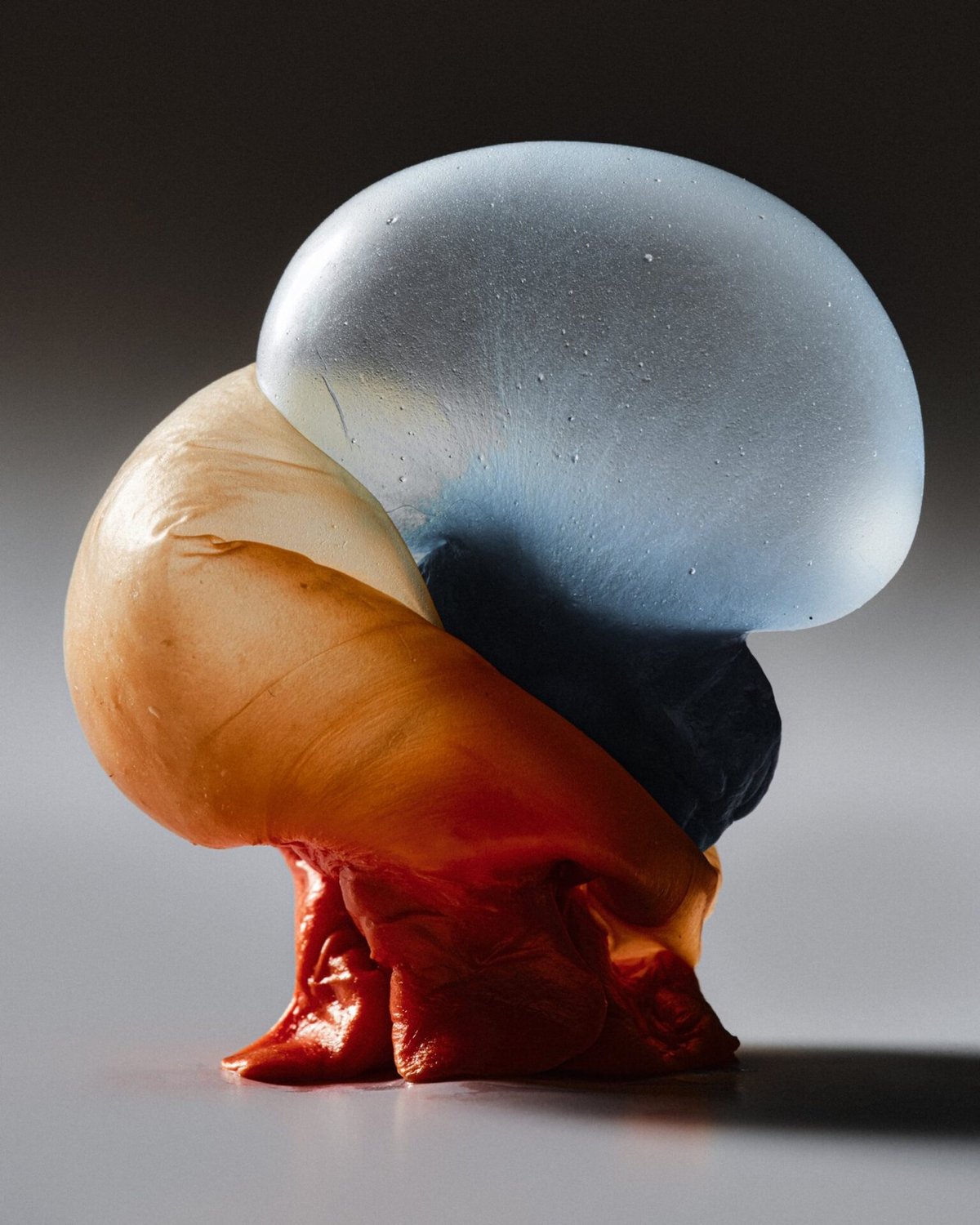
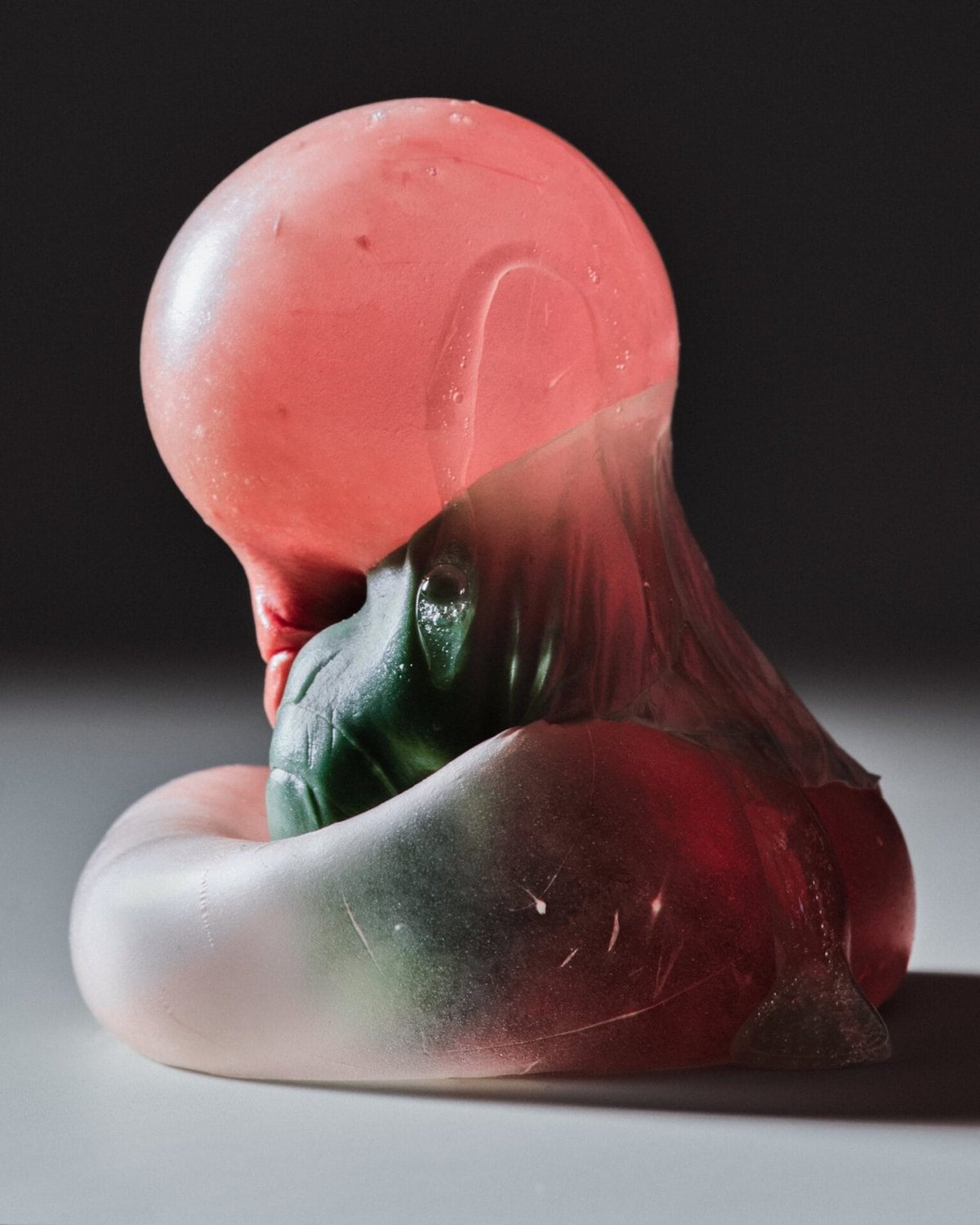
Conjuring memories of childhood competitions and absent-minded chomping, the photos zoom in on chewed wads of pink, blue, and green that appear almost corporeal, their pudgy folds and pockets evoking the beauty and repulsion of the human body.
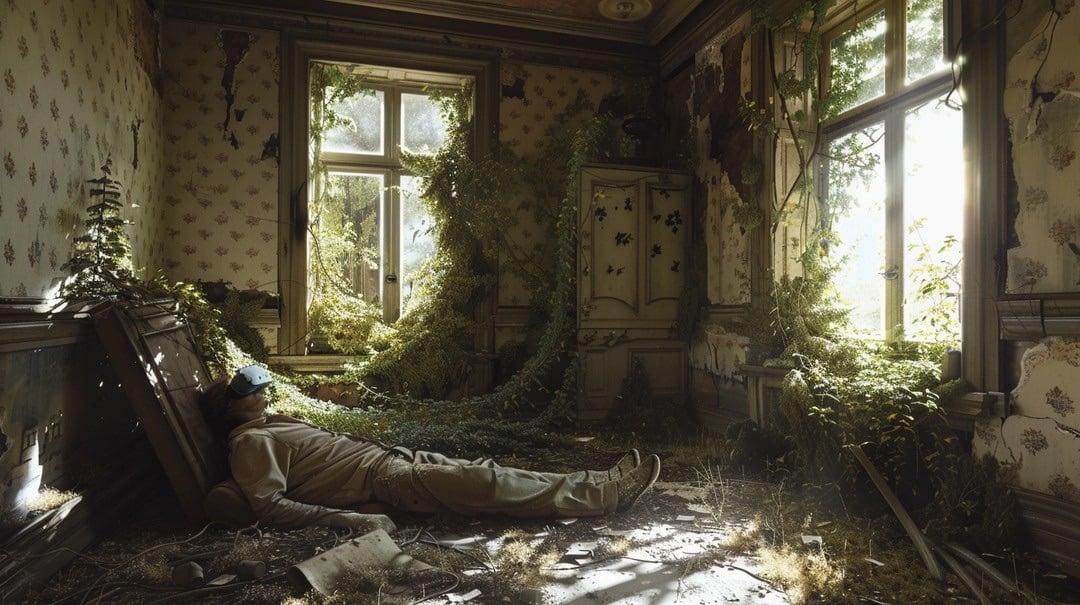
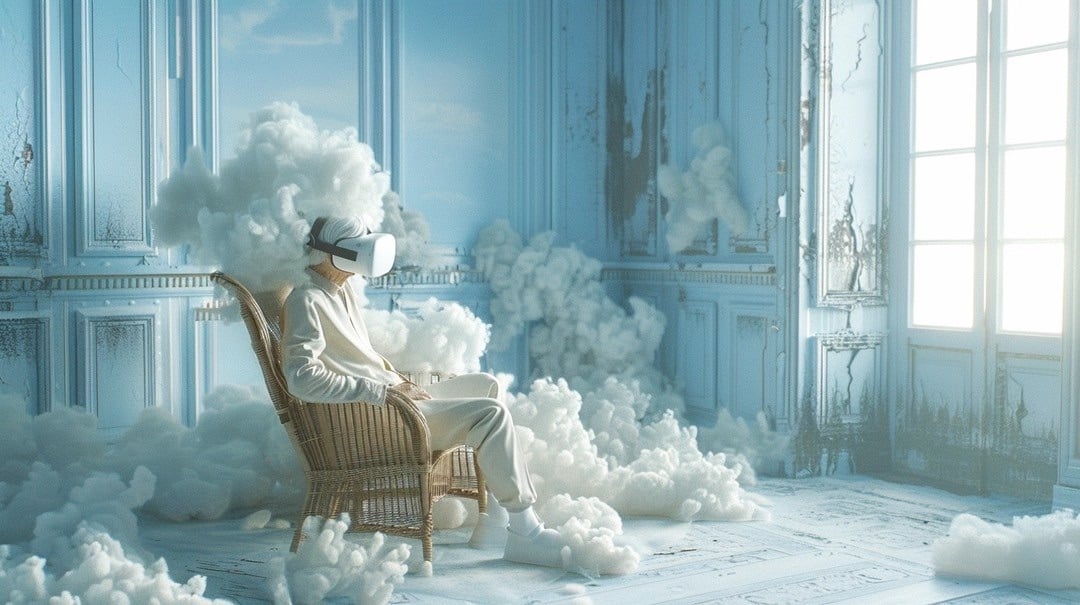
Data artist Robert Hodgin recently created a feedback loop between Midjourney and ChatGPT-4 — he prompted MJ to create an image of an old man in a messy room wearing a VR headset, asked ChatGPT to describe the image, then fed that description back into MJ to generate another image, and did that 10 times. Here was the first image:
It retains much of the information on the Web, in the same way that a jpeg retains much of the information of a higher-resolution image, but, if you’re looking for an exact sequence of bits, you won’t find it; all you will ever get is an approximation. But, because the approximation is presented in the form of grammatical text, which ChatGPT excels at creating, it’s usually acceptable. You’re still looking at a blurry jpeg, but the blurriness occurs in a way that doesn’t make the picture as a whole look less sharp.
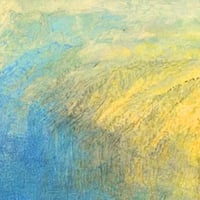
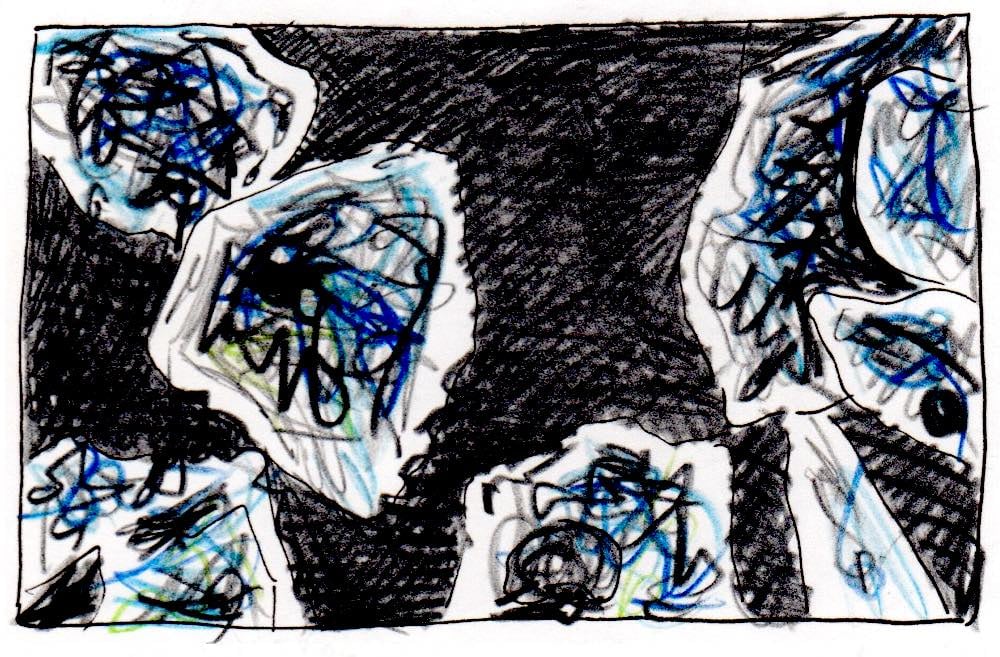
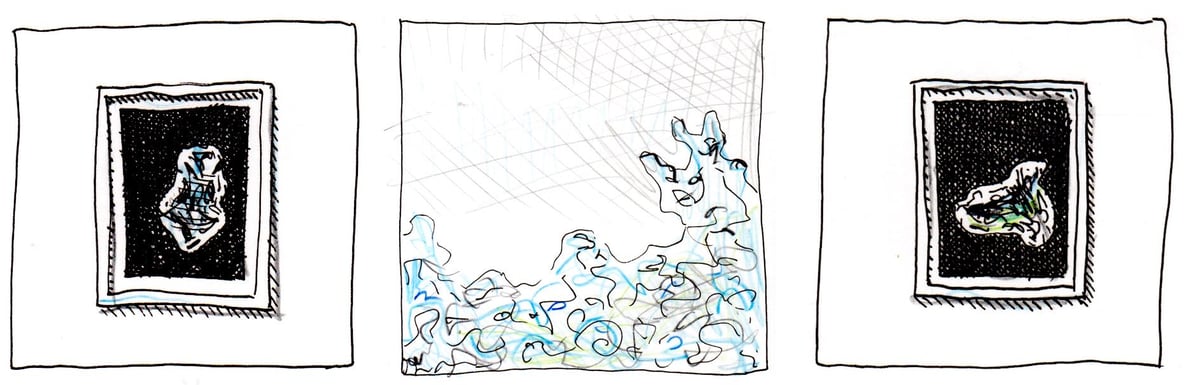
Edith here. For the latest installment of my newish illustrated column, I interviewed my friend and neighbor, the artist and climate activist Zaria Forman. Zaria makes pastel drawings of ice, among other things, and her solo show “Fellsfjara, Iceland” is currently on exhibition at Winston Wächter gallery in New York until May 4. (I’ve rendered a miniature version of some of it right below these words, but definitely click here for the actual images.) Zaria is also on Instagram.
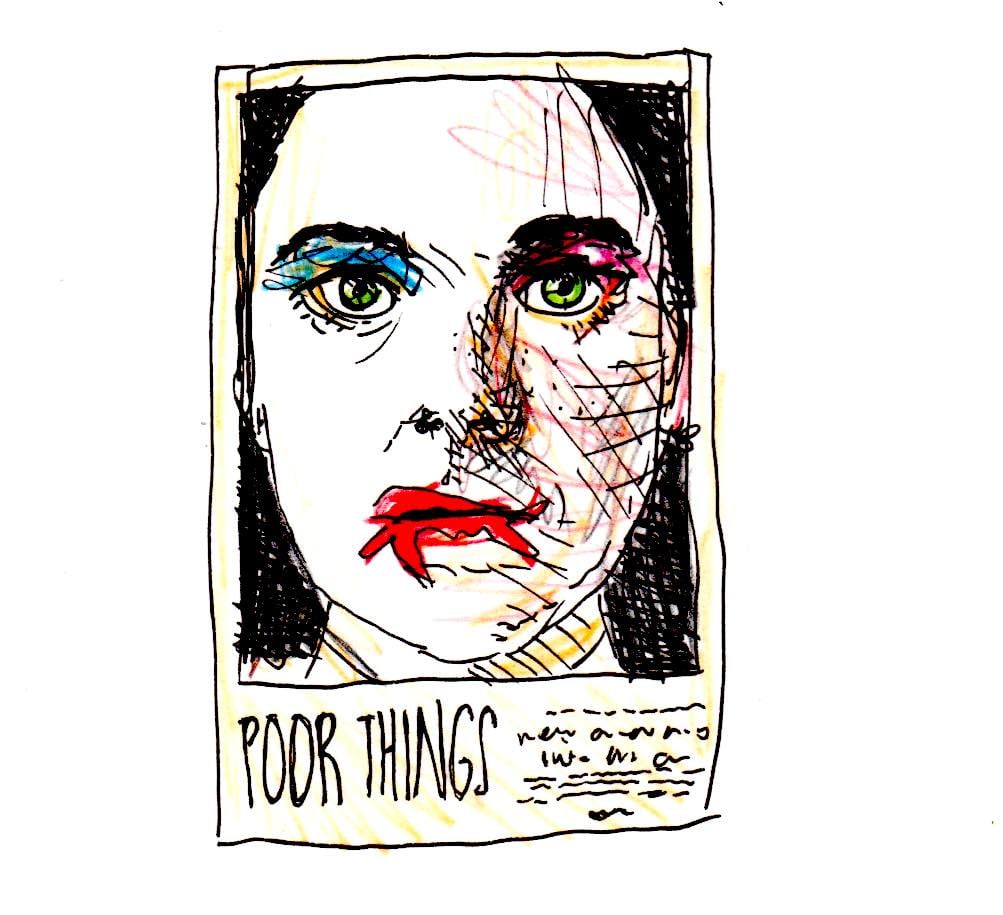
Zaria, have you read, watched, listened to, or otherwise experienced anything good recently? Poor Things. It was so visually stimulating and imaginative — more than anything I’ve seen in a while.
Possibly more interesting: the ice storm a few weekends ago! I’d never seen an ice storm before moving to upstate New York, and although the storms are destructive, they’re so beautiful. It was the most spectacular one I’ve ever experienced.
Seen anything bad? Mr. and Mrs. Smith, the new version. I thought it was poorly cast and just plain dumb. OR: All the mud, now that the ice has melted ;)
What’s something you’ve read or seen that changed your life?
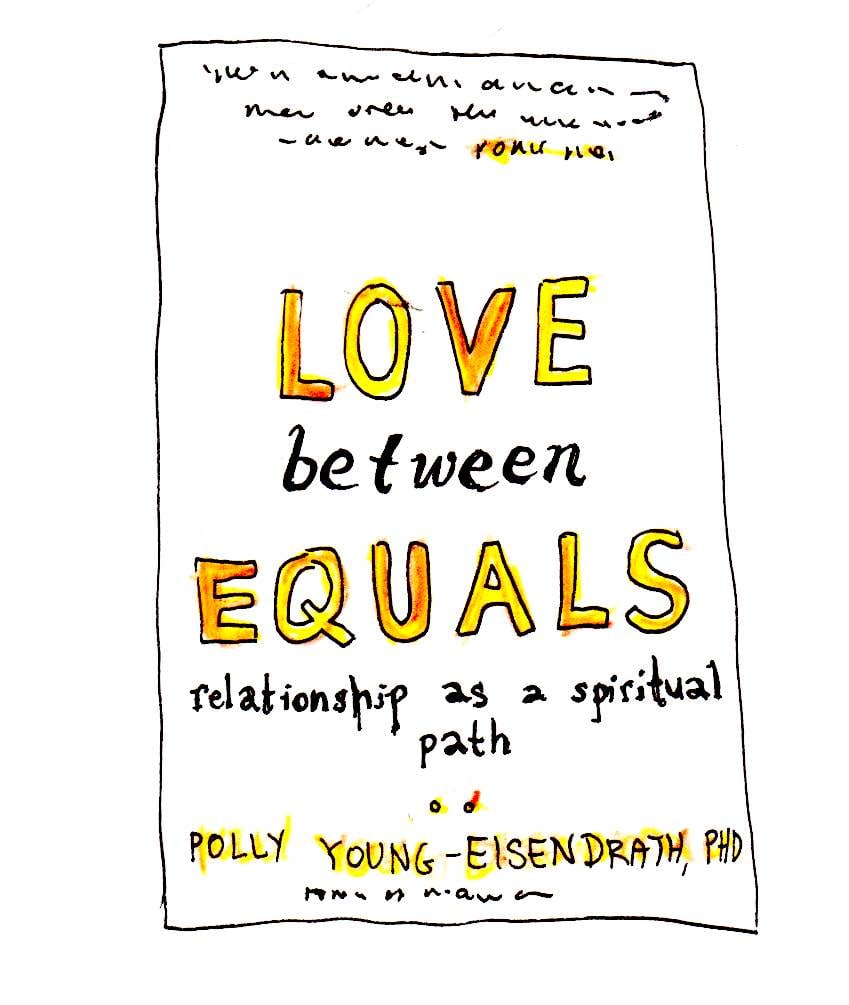
Seeing glaciers and icebergs for the first time absolutely changed my life. But if we’re sticking to books, etc., one that changed my way of thinking was Love Between Equals: Relationship as a Spiritual Path, by Polly Young-Eisendrath.
She’s a psychologist and couples therapist, and the book just kind of reframed the idea of relationships in my mind — of how you relate to someone you’re in a long-term relationship with, and how you can grow with them. And how, like, love is.
She talks about radical acceptance, fully accepting someone for who they are, learning how to do the same for yourself, and then figuring out how all of that can work together.
Does anything make you laugh online?
Memes on Instagram!
What’s a recent one?
I just forwarded you the last one I sent to [my husband] this morning.
Are there any cultural moments you currently think about unusually often? Like are you haunted by a moment from a TV show, or anything like that?
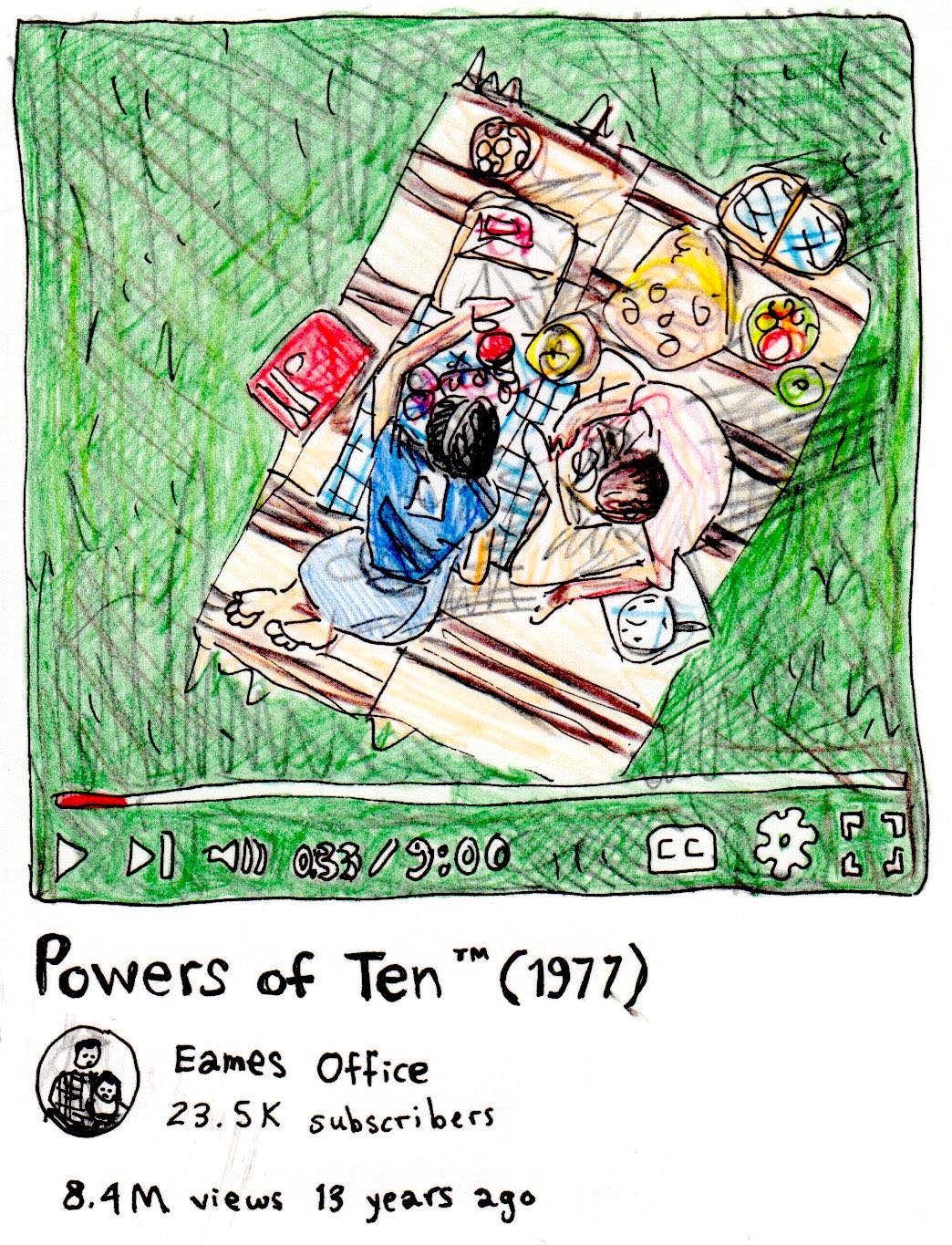
More “inspired” than “haunted,” but the artists Ray and Charles Eames made a 10-minute documentary in 1977 called “Powers of 10” that made a big impact on me. The Tang Teaching Museum in Saratoga Springs exhibited the film in a show during my years at Skidmore College, and it’s probably the one film I think about more than any other.
What’s it about?
It starts with a couple on a blanket having a picnic by a lake in Chicago. And then from one of their hands, the camera zooms back 10 meters. And then it continues zooming back by powers of ten. And so you see these squares get smaller and smaller, and it keeps going into the atmosphere, and the solar system, and it’s just mind-boggling how it keeps going.
And then it then zooms back down to the picnic and goes into their skin and all the way down to, like, a molecule inside the body. And it’s crazy to see the similarities between the two.
It’s on YouTube, if you want to watch — I highly recommend!
What were you really into when you were 12?
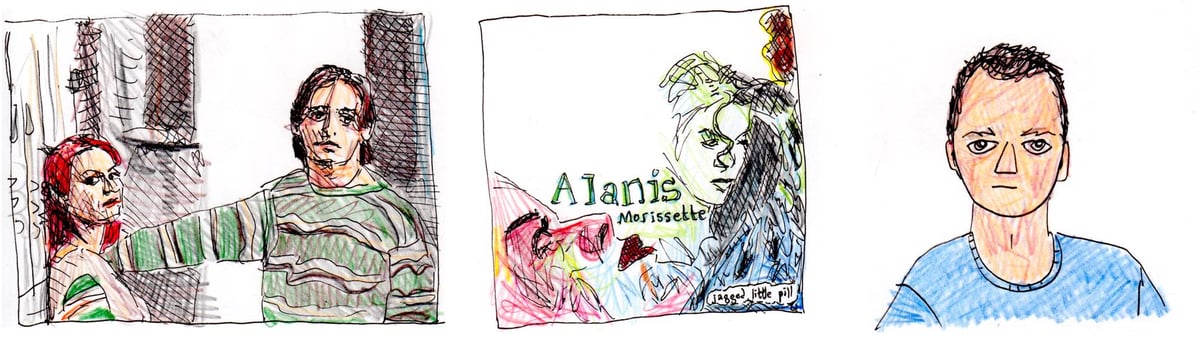
My So-Called Life, singing along to Alanis Morissette, and a boy named Ben.
Is there a book/movie/whatever you’d like to experience again for the first time?
Burning Man. There’s just no way to really know what it’s like until you’re there, in the middle of it. And when you know what to expect, it’s not as thrilling. But as a climate activist, it doesn’t feel right to continue attending over and over.
What’s a funny or weird way people have described your art?
As “finger painting.” It was a term used first (I think) in the Daily Mail, and then almost every writer used it to describe my work for several years. I wince at a line I say in my TedTalk: “I cringe when people call me a finger painter,” or something like that — my tone just sounds so snobby, I hate it — but I was attempting to detach my work from the term, and it did finally work. It pops up every now and then, but rarely.
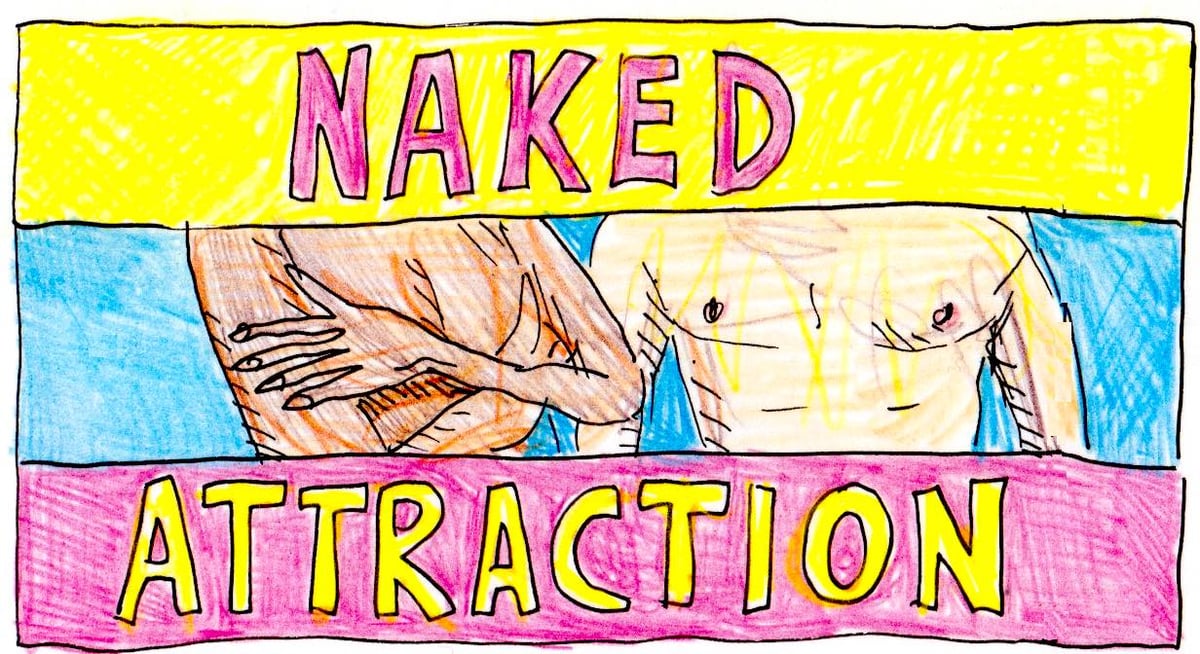
Please tell me something silly that you love. Naked Attraction, the dating show where people are naked.
Thanks, Zaria!
Zaria’s work can be found here. And past installments of Drawing Media can be found here.
Mid TV, on the other hand, almost can’t be bad for some of the same reasons that keep it from being great. It’s often an echo of the last generation of breakthrough TV (so the highs and lows of “Game of Thrones” are succeeded by the faithful adequacy of “House of the Dragon”). Or it’s made by professionals who know how to make TV too well, and therefore miss a prerequisite of making great art, which is training yourself to forget how the thing was ever done and thus coming up with your own way of doing it.
Mid is not a strict genre with a universal definition. But it’s what you get when you raise TV’s production values and lower its ambitions. It reminds you a little of something you once liked a lot. It substitutes great casting for great ideas. (You really liked the star in that other thing! You can’t believe they got Meryl Streep!)
Mid is based on a well-known book or movie or murder. Mid looks great on a big screen. (Though for some reason everything looks blue.) Mid was shot on location in multiple countries. Mid probably could have been a couple episodes shorter. Mid is fine, though. It’s good enough.
Above all, Mid is easy. It’s not dumb easy — it shows evidence that its writers have read books. But the story beats are familiar. Plot points and themes are repeated. You don’t have to immerse yourself single-mindedly the way you might have with, say, “The Wire.” It is prestige TV that you can fold laundry to.
I’d only take issue with this excellent Poniewozik essay in the sense that not all Mid TV is created equal. Poker Face and Mr. & Mrs. Smith are great examples of the kinds of shows they want to be. I’d rather have those than all these wild swings by people who don’t understand how to make TV.
For me, the problem with Mid TV is differentiating it from actual good TV…finding shows that you actually don’t want to fold laundry to. I’ve gotten burned a few times on shows that I thought were going to be challenging & interesting — Constellation, 1899, and Mrs. Davis come to mind — but were just sort of aggressively fine (so much so that it turned me off).
Two more thoughts, from the comments section of Poniewozik’s piece. I love this re: specificity:
Shogun is by far the best show released this year, and it has an enormous amount to do with its *specificity* of artistic vision. All of the “mid” shows otherwise referenced here are trying to achieve too many things at once or appeal to too many demographics to have much of an impact. They are content, not art.
It’s a contradictory truth that if you want to create something that really connects with people (even a lot of people), you gotta make it specific or personal (or both). Shōgun is right at the top of my to-watch list (after I finish the five shows I’m stinge watching).
Writer of TV here. I won awards for an iconic HBO show. I can tell you that 95 percent of the blame here lies with the executives who are now so scared to lose their jobs that they just go right down the middle — to the mid, if you will. It’s easier to say yes to a show they have seen before than take a risk on something outside the box.
And yes, they are using AI to give us “notes”. I feel very lucky to have worked in this medium when it still rewarded real creativity.
Oh my gosh — this video about making the teeny-tiny sweaters seen in the movie Coraline! Says artist Althea Crome:
I think knitters are often fascinated by the fact that I use such tiny needles. Some of the needles are almost the dimension of a human hair.
Sublimely absurd, perfection. More info in Reactor. [Thanks, Tobias!]
And here’s another pic, grabbed from Crome’s website:
I don’t know about you, but this makes me want to drop everything and disappear into the process of knitting a microscopic sweater for the next six months. Like her Starry Night one.
Actually, the Starry Night sweater should just be its whole own post:
“I love the paradox of creating an object that takes the form of something you can wear,” Crome writes, “yet is impossible to wear.”
I love this: The Pudding ran an online experiment where they started with a shape (like a straight line or circle) and asked people to trace, as best they could, the tracing of the person before them. This resulted in a series of “flipbook” animation of how the shapes evolved over time — invariably, a squiggle.
One thing I noticed right away was how all the squiggles ended up squished over on the right side of the screen. The Pudding team had a theory on why that happened (the 3:20 mark in this video):
I found this study from like 35 years ago - they were trying to figure out why people kept missing their targets on touch screens. They found people tended to touch below their target and people tended to touch closer to the edges of the screen. And so I figure if it’s like right-handers who are missing, you’re going to be missing to the right. We probably had about half the users on mobile and 90% of the those half are probably going to be right-handed so it would make sense that it would gradually go to the right.
Go read the rest of the post — they also did an experiment about people’s inclination to draw penises on “any free-form drawing project on the internet”. (via waxy)
Note: If you are a member and tried to log in, it didn't work, and now you're stuck in a neverending login loop of death, try disabling any ad blockers or extensions. Or try logging out and then back in. Still having trouble? Email me!




Socials & More