kottke.org posts about Apollo

57 years ago today, on July 20, 1969, Neil Armstrong & Buzz Aldrin landed on the Moon and went for a little walk. For the 18th year in a row, you can watch the original CBS News coverage of Walter Cronkite reporting on the Moon landing and the first Moon walk on a small B&W television, synced to the present-day time. Just open this page in your browser today, July 20th, and the coverage will start playing at the proper time. Here’s the schedule (all times EDT):
4:10:30 pm: Moon landing broadcast starts
4:17:40 pm: Lunar module lands on the Moon
4:20:15 pm - 10:51:26 pm: Break in coverage
10:51:27 pm: Moon walk broadcast starts
10:56:15 pm: First step on Moon
11:51:30 pm: Nixon speaks to the Eagle crew
12:00:30 am: Broadcast end (on July 21)
Set an alarm on your phone or calendar! Also, this works best on an actual computer but I think it functions ok on phones and tablets if necessary.
Back in 2018, I wrote a bit about what to look out for when you’re watching the landing:
The radio voices you hear are mostly Mission Control in Houston (specifically Apollo astronaut Charlie Duke, who acted as the spacecraft communicator for this mission) and Buzz Aldrin, whose job during the landing was to keep an eye on the LM’s altitude and speed — you can hear him calling it out, “3 1/2 down, 220 feet, 13 forward.” Armstrong doesn’t say a whole lot…he’s busy flying and furiously searching for a suitable landing site. But it’s Armstrong that says after they land, “Houston, Tranquility Base here. The Eagle has landed.”. Note the change in call sign from “Eagle” to “Tranquility Base”. :)
Two things to listen for on the broadcast: the 1201/1202 program alarms I mentioned above and two quick callouts by Charlie Duke about the remaining fuel towards the end: “60 seconds” and “30 seconds”. Armstrong is taking all this information in through his earpiece — the 1202s, the altitude and speed from Aldrin, and the remaining fuel — and using it to figure out where to land.
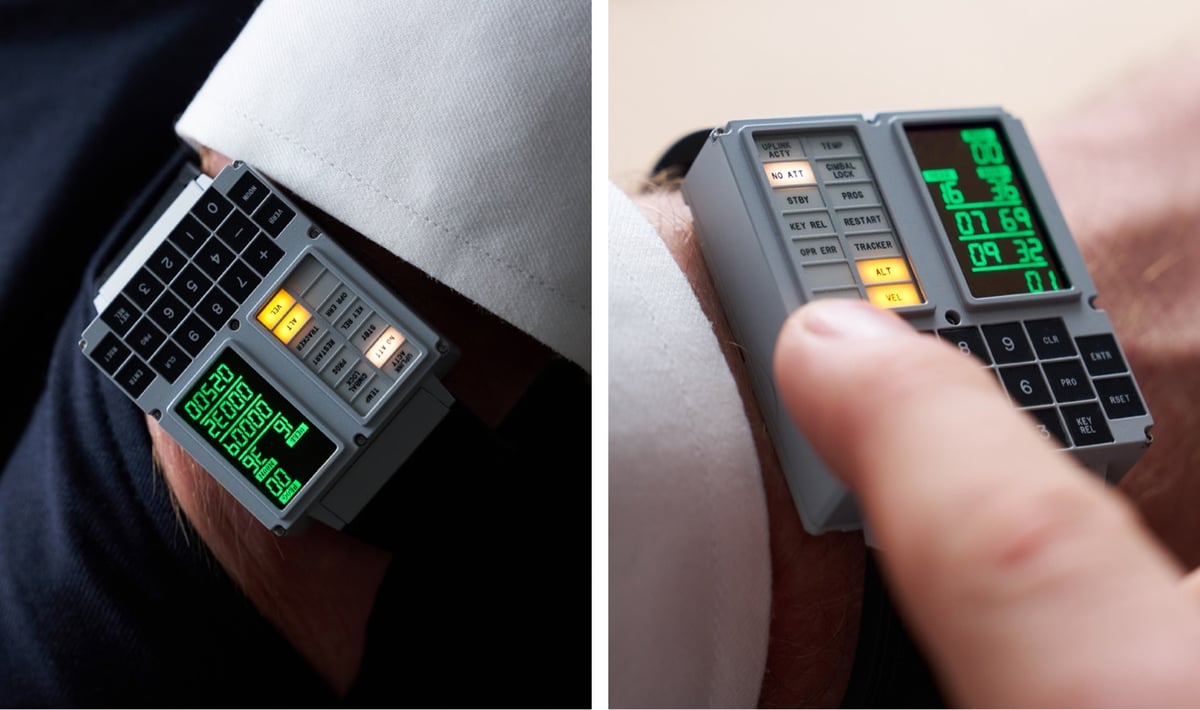
A British company is selling a wristwatch that’s a shrunk-down replica of the Apollo Guidance Computer interface that the Apollo astronauts used to maneuver their spacecraft to the Moon and back. From Gizmodo:
The original AGCs were used by astronauts for guidance and navigation, which you cannot do with the watch — and no offense, but you probably don’t have a spacecraft anyway. But it does function in its own way. The watch has a built-in GPS, a digital display, and a working keyboard. It’s also programmable, built atop an open-source framework that is compatible with a number of coding environments including Arduino and Python. So if you have some features you’d like to run, it’s open to input.
You can pre-order the DSKY Moonwatch today. (via moss & fog)
Apollo 13: Survival is a documentary film that uses original footage and interviews to tell the story of NASA’s Apollo 13 mission, what went wrong, and how the astronauts returned safely to Earth. It’s now playing on Netflix.
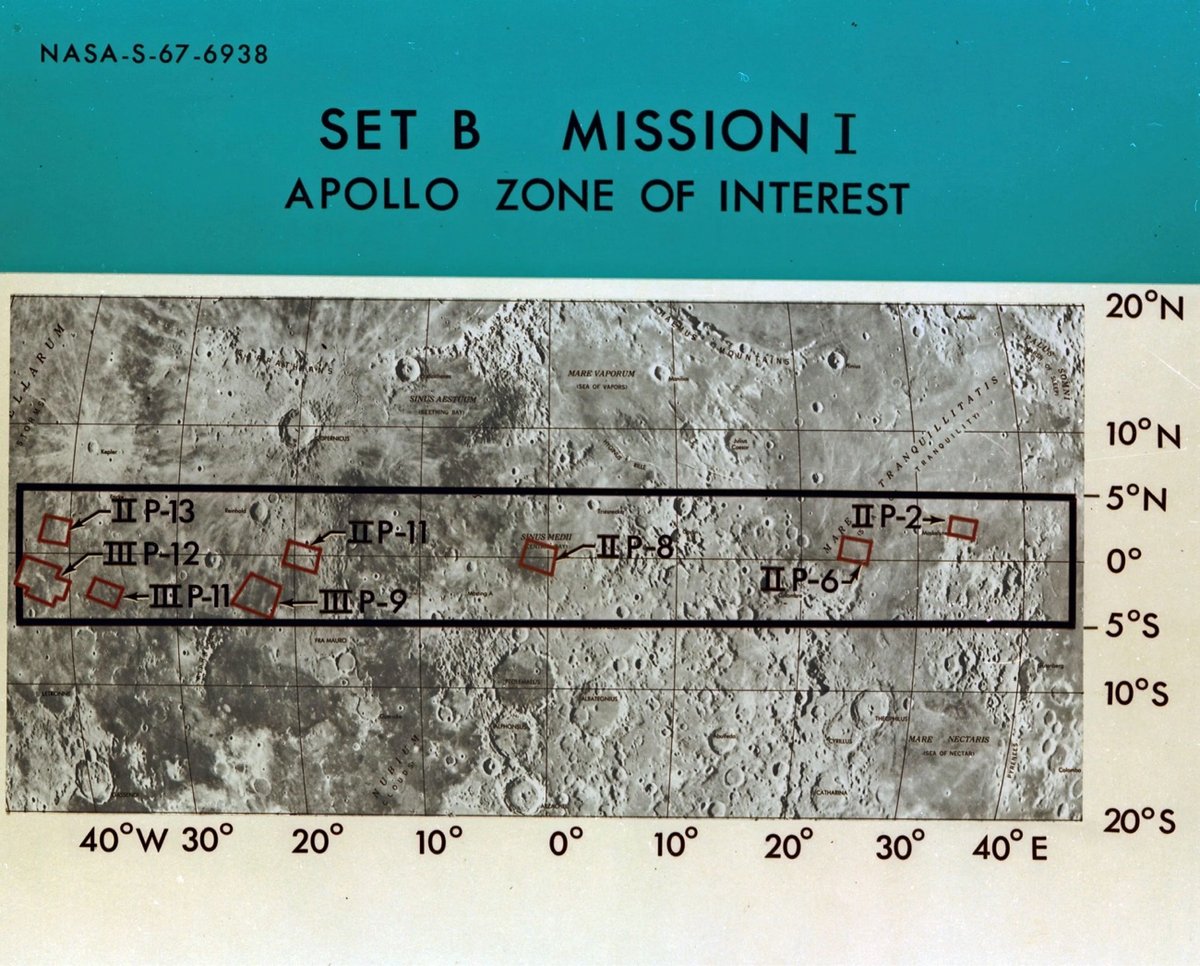
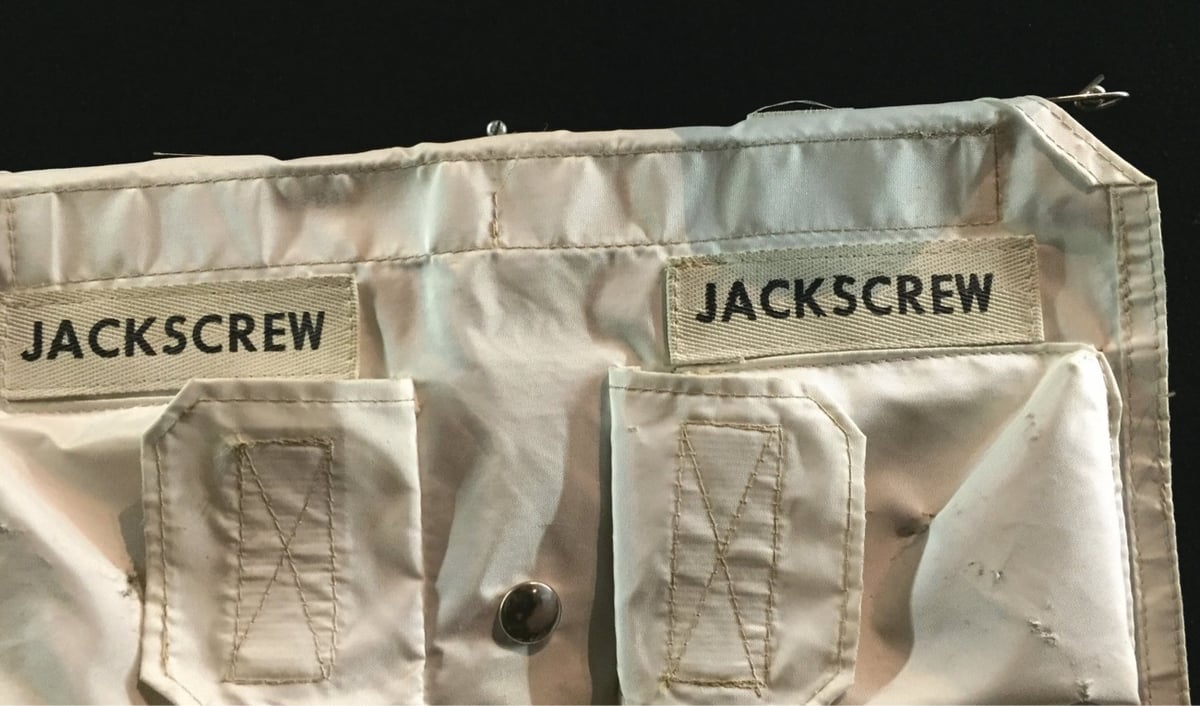
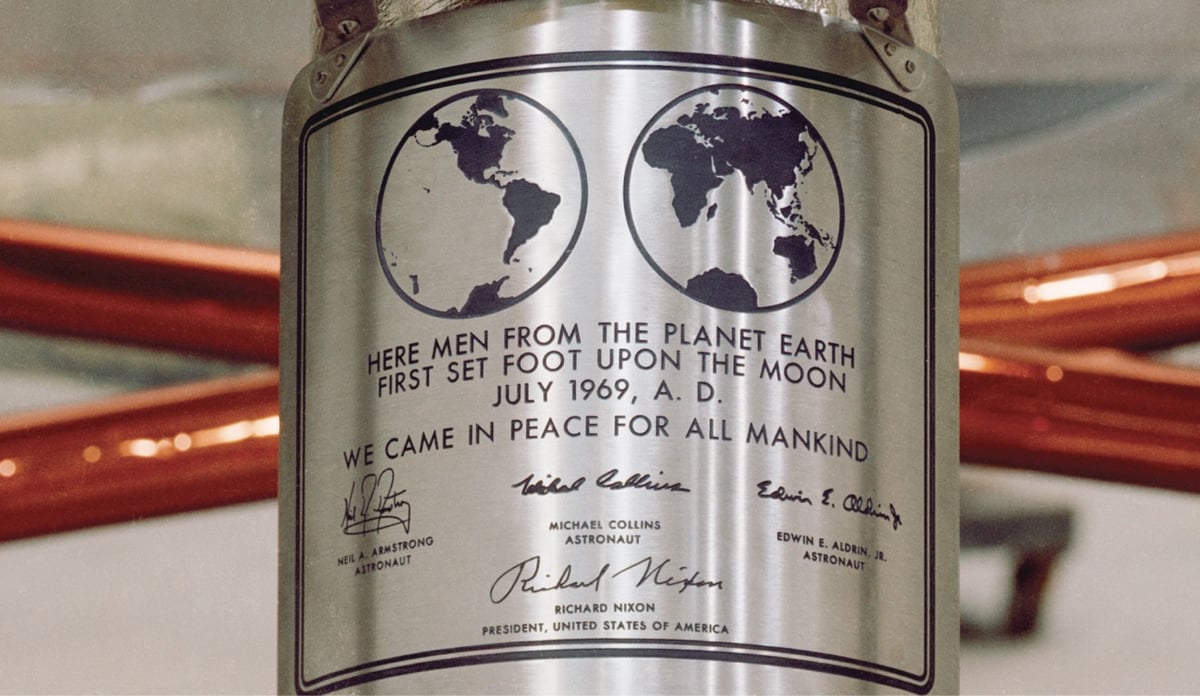
Futura, the typeface favored by the likes of filmmakers Stanley Kubrick and Wes Anderson was also used extensively for NASA’s Apollo 11 mission (along with an American knock-off of Futura called Spartan).
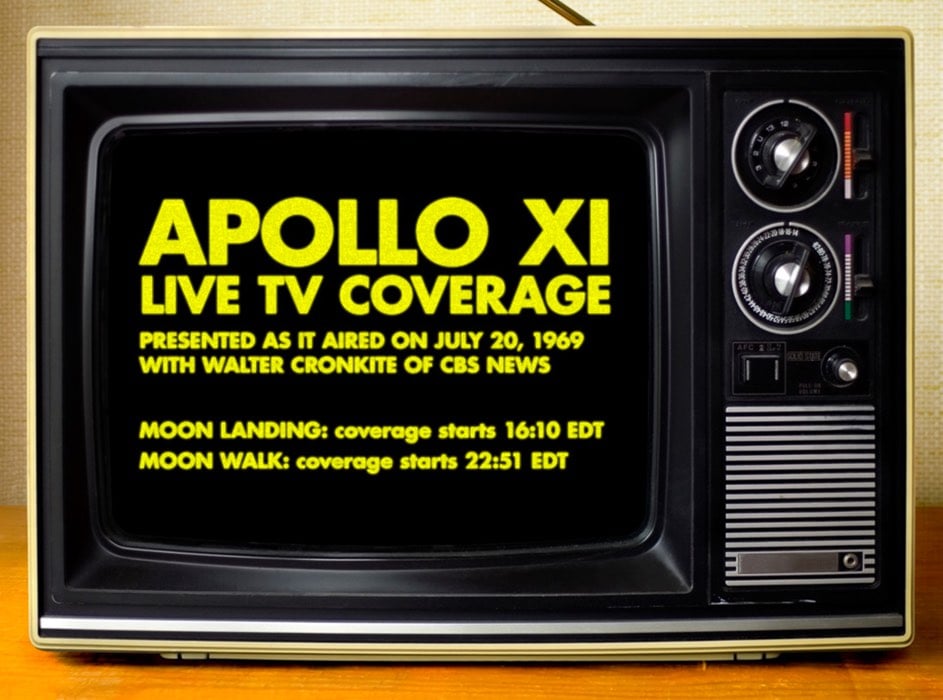
55 years ago today, on July 20, 1969, Neil Armstrong & Buzz Aldrin landed on the Moon and went for a little walk. For the 16th year in a row, you can watch the original CBS News coverage of Walter Cronkite reporting on the Moon landing and the first Moon walk on a small B&W television, synced to the present-day time. Just open this page in your browser today, July 20th, and the coverage will start playing at the proper time. Here’s the schedule (all times EDT):
4:10:30 pm: Moon landing broadcast starts
4:17:40 pm: Lunar module lands on the Moon
4:20:15 pm - 10:51:26 pm: Break in coverage
10:51:27 pm: Moon walk broadcast starts
10:56:15 pm: First step on Moon
11:51:30 pm: Nixon speaks to the Eagle crew
12:00:30 am: Broadcast end (on July 21)
Set an alarm on your phone or calendar! Also, this works best on an actual computer but I think it functions ok on phones and tablets if necessary.
Back in 2018, I wrote a bit about what to look out for when you’re watching the landing:
The radio voices you hear are mostly Mission Control in Houston (specifically Apollo astronaut Charlie Duke, who acted as the spacecraft communicator for this mission) and Buzz Aldrin, whose job during the landing was to keep an eye on the LM’s altitude and speed — you can hear him calling it out, “3 1/2 down, 220 feet, 13 forward.” Armstrong doesn’t say a whole lot…he’s busy flying and furiously searching for a suitable landing site. But it’s Armstrong that says after they land, “Houston, Tranquility Base here. The Eagle has landed.”. Note the change in call sign from “Eagle” to “Tranquility Base”. :)
Two things to listen for on the broadcast: the 1201/1202 program alarms I mentioned above and two quick callouts by Charlie Duke about the remaining fuel towards the end: “60 seconds” and “30 seconds”. Armstrong is taking all this information in through his earpiece — the 1202s, the altitude and speed from Aldrin, and the remaining fuel — and using it to figure out where to land.
54 years ago today, on July 20, 1969, Neil Armstrong & Buzz Aldrin landed on the Moon and went for a little walk. For the 15th year in a row, you can watch the original CBS News coverage of Walter Cronkite reporting on the Moon landing and the first Moon walk on a small B&W television, synced to the present-day time. Just open this page in your browser today, July 20th, and the coverage will start playing at the proper time. Here’s the schedule (all times EDT):
4:10:30 pm: Moon landing broadcast starts
4:17:40 pm: Lunar module lands on the Moon
4:20:15 pm - 10:51:26 pm: Break in coverage
10:51:27 pm: Moon walk broadcast starts
10:56:15 pm: First step on Moon
11:51:30 pm: Nixon speaks to the Eagle crew
12:00:30 am: Broadcast end (on July 21)
Set an alarm on your phone or calendar! Also, this works best on an actual computer but I think it functions ok on phones and tablets if necessary.
Back in 2018, I wrote a bit about what to look out for when you’re watching the landing:
The radio voices you hear are mostly Mission Control in Houston (specifically Apollo astronaut Charlie Duke, who acted as the spacecraft communicator for this mission) and Buzz Aldrin, whose job during the landing was to keep an eye on the LM’s altitude and speed — you can hear him calling it out, “3 1/2 down, 220 feet, 13 forward.” Armstrong doesn’t say a whole lot…he’s busy flying and furiously searching for a suitable landing site. But it’s Armstrong that says after they land, “Houston, Tranquility Base here. The Eagle has landed.”. Note the change in call sign from “Eagle” to “Tranquility Base”. :)
Two things to listen for on the broadcast: the 1201/1202 program alarms I mentioned above and two quick callouts by Charlie Duke about the remaining fuel towards the end: “60 seconds” and “30 seconds”. Armstrong is taking all this information in through his earpiece — the 1202s, the altitude and speed from Aldrin, and the remaining fuel — and using it to figure out where to land.


NASA keeps the original film negatives from the Apollo program sealed in a frozen vault in Houston, TX and rarely grants access to them. As a result, nearly all of the photos we see of those historic missions were made decades ago or are copies of copies. Recently, the film was cleaned and digitally scanned at “an unprecedented resolution”.
Using these new high-res scans, image specialist Andy Saunders remastered each of the 35,000 photographs, resulting in this incredible-looking book, Apollo Remastered: The Ultimate Photographic Record. From the book’s website:
The photographs from the lunar surface are as close as we can get to standing on the Moon ourselves, and for the first time, we were able to look back at Earth from afar, experiencing the “overview effect” — the cognitive shift that elicits an intense emotional experience upon seeing our home planet from space for the first time. The “Blue Marble” photograph, taken as Apollo 17 set course for the Moon, depicts the whole sunlit Earth, and is the most reproduced photograph of all time. Along with Apollo 8’s “Earthrise,” which depicts Earth above the lunar horizon, it was a catalyst for the environmental movement that continues today.
Saunders is also selling prints of some of these remastered photos, which look absolutely stunning.

On February 7, 1971, the Billings Gazette, a local Montana newspaper, ran a story by Carol Perkins titled “Apollo — As Kids See It.” They interviewed young kids, from 5 to 11, and a range of boys and girls, to get their opinion about NASA’s then-current manned moon missions. Paleofuture’s Matt Novak zeroes in on the girls:
“I wouldn’t like to go to the moon. It’s not really a place for girls,” said 7-year-old Joan Anderson, who would be about 58 years old now.
“I think it would be fun to marry an astronaut. He would be rich and famous,” said 5-year-old Gail Standard.
“He’d be gone away a lot, so I would go with him. I’d wear a girl’s astronaut uniform and cook a lot of potatoes,” said 6-year-old Jennifer Dettmann, speaking of her potential astronaut husband.
There are a lot of myths about the Apollo space program. Chief among them is that most Americans fervently supported the space program’s enormous costs. In reality, most Americans of the 1960s thought the Apollo space program wasn’t a good use of taxpayer funds, with many people asking why that money wasn’t being spent to fight homelessness or hunger in the U.S.—the same criticisms you hear today.
In fact, one of the girls quoted in the article, 11-year-old Betsy Longo, expressed a similar sentiment.
“I don’t think they should use so much money to go to the moon,” Longo said. “They should use it to stop cancer and help people here on Earth.”
One 10-year-old, Amy Ponich, was the only girl in the article who seemed receptive to the idea that she could have a role to play in America’s exploration of space, telling the reporter that she wanted to be a scientist to “discover more frontiers.”
“We need to know what the moon is made of and how it related to the Earth,” Ponich said.
The US Apollo program only included men, but the USSR’s Valentina Tereshkova was the first woman in space in 1963. Sally Ride was the first American woman in space in 1983, twelve years after this article. Since the Apollo program ended in 1972, no human beings have landed on the moon.
From Richard Linklater (Boyhood, A Scanner Darkly) comes a new Netflix movie called Apollo 10 1/2, in which a young boy growing up in Houston, TX in the 60s gets recruited by NASA to land a accidentally-too-small lunar lander on the Moon. It’s animated1 and premieres on Netflix on April 1.
After Neil Armstrong and Buzz Aldrin landed on the Moon 52 years ago today in the Lunar Module (aka Eagle), they rode the ascent stage of the LM back to rendezvous with Michael Collins in the Command Module (aka Columbia). After docking, Eagle was jettisoned and the three astronauts returned to Earth in Columbia. It was presumed that Eagle orbited the Moon until eventually crashing into the surface, but a recent analysis shows that the spacecraft may have entered a stable orbit and is still circling the Moon decades after the end of the mission, a priceless artifact of an historic achievement.
Most spacecraft in lunar orbit suffer from instability in their orbits due to the ‘lumpy’ nature of the lunar gravity which tends to cause the orbits to eventually get so elliptical that they hit the moon.
However, an amateur space fan wanted to narrow down the possible impact location and used orbit modelling software to propagate the orbit forwards in time until it hit the moon. He was surprised to find that it didn’t hit the moon, and remained in a stable orbit for decades, this suggests that the Eagle may still be orbiting the moon over 5 decades after being left there.
The paper detailing the analysis suggests that if Eagle has survived, it should be detectable by radar.


For his Earth Restored project, Toby Ord digitally remastered 50 photographs of the whole Earth taken by Apollo astronauts during their missions in the 60s and 70s.
The Apollo photographs are historic works of art. So in restoring them, I sought to bring out their own beauty. I refrained from recomposing the images by cropping, or trying to leave my own mark or interpretation. Perhaps in some cases this would make a more pleasing image, but it was not my aim.
And the Apollo photographs are also a scientific record of what our Earth looks like. In particular, what it would have looked like from the perspective of the astronaut taking the shot. So rather than pumping the saturation or adjusting the colours to what we think the Earth looks like, I wanted to allow us to learn from these photographs something about how it actually appears.
Many of these shots are new to me — the Apollo program and its scientific and cultural output continue to be revelatory 50 years later.
Update: Full resolution images are available when you click through on each photo. You may have to make your browser window wider to see the link. (thx, colin)
Fifty-one years ago today, on July 20, 1969, Neil Armstrong & Buzz Aldrin landed on the Moon and went for a little walk. For the 12th year in a row, you can watch the original CBS News coverage of Walter Cronkite reporting on the Moon landing and the first Moon walk on a small B&W television, synced to the present-day time. Just open this page in your browser today, July 20th, and the coverage will start playing at the proper time. Here’s the schedule (all times EDT):
4:10:30 pm: Moon landing broadcast starts
4:17:40 pm: Lunar module lands on the Moon
4:20:15 pm - 10:51:26 pm: Break in coverage
10:51:27 pm: Moon walk broadcast starts
10:56:15 pm: First step on Moon
11:51:30 pm: Nixon speaks to the Eagle crew
12:00:30 am: Broadcast end (on July 21)
Set an alarm on your phone or calendar!
This is one of my favorite things I’ve ever done online…here’s what I wrote when I launched the project in 2009:
If you’ve never seen this coverage, I urge you to watch at least the landing segment (~10 min.) and the first 10-20 minutes of the Moon walk. I hope that with the old time TV display and poor YouTube quality, you get a small sense of how someone 40 years ago might have experienced it. I’ve watched the whole thing a couple of times while putting this together and I’m struck by two things: 1) how it’s almost more amazing that hundreds of millions of people watched the first Moon walk *live* on TV than it is that they got to the Moon in the first place, and 2) that pretty much the sole purpose of the Apollo 11 Moon walk was to photograph it and broadcast it live back to Earth.
In 2018, I wrote about what to watch for during the landing sequence.
The radio voices you hear are mostly Mission Control in Houston (specifically Apollo astronaut Charlie Duke, who acted as the spacecraft communicator for this mission) and Buzz Aldrin, whose job during the landing was to keep an eye on the LM’s altitude and speed - you can hear him calling it out, “3 1/2 down, 220 feet, 13 forward.” Armstrong doesn’t say a whole lot…he’s busy flying and furiously searching for a suitable landing site. But it’s Armstrong that says after they land, “Houston, Tranquility Base here. The Eagle has landed.”. Note the change in call sign from “Eagle” to “Tranquility Base”. :)
In a letter recently published in a new book, A Reluctant Icon: Letters to Neil Armstrong, a teacher wrote a letter to the first human to set foot on the Moon accusing him of making the whole thing up.

To which Armstrong replied:

(via the excellent Letters of Note)
Using thousands of original photographs taken by astronauts during the Apollo missions, motion designer Christian Stangl and composer Wolfgang Stangl worked for 18 months to create this animated short film depicting a flight to the Moon, culminating in a landing and the exploration of the surface. (via moss & fog)
I do not know if hearing about other people’s quarantine experiences makes going through one yourself any easier, but the story of how NASA sequestered the returning Apollo 11 astronauts away from the rest of the world for 21 days is interesting for other reasons as well. The worry was that some sort of “moon bug” or “lunar plague” was going to make its way from the Moon to the Earth in the spacecraft or the astronauts’ bodies.
From the moment the Apollo 11 astronauts arrive back on earth from their epochal visit to the moon, they will be treated not as heroes but as bearers of the most virulent, devastating plague the world has ever known.
So NASA quarantined Armstrong, Aldrin, and Collins in a series of specially designed suits and environments until August 10, 1969. At one point, the three of them lived in a modified Airstream trailer in which the air pressure was lower on the inside than outside so if there was a leak, air would rush into the trailer, not out. Armstrong even celebrated a birthday in quarantine.
After Apollo 11, NASA did similar quarantines for 12 and 14 but abandoned them after that because they figured it was safe.
Oh, and if you were curious about the Soyuz launch yesterday that sent three astronauts to the ISS and how they were going to mitigate the chances of sending any SARS-CoV-2 up there, crews on all missions are subject to a mandatory 2 week quarantine before they leave (according to this press release).
Older posts





Socials & More