

Disgustingly Beautiful Mold Art


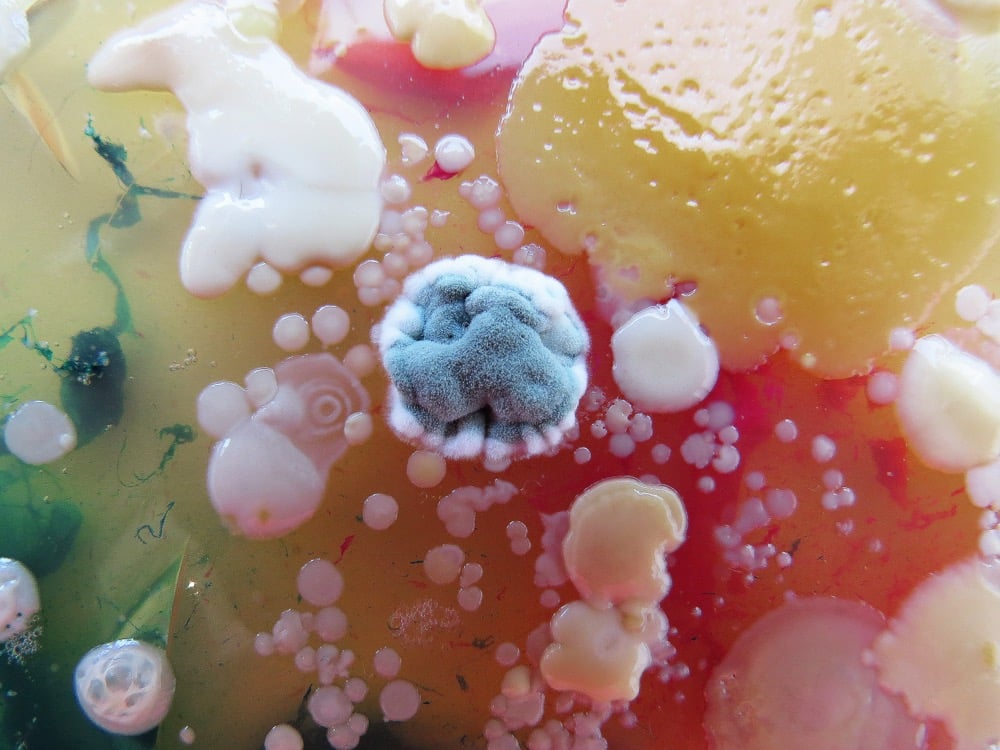

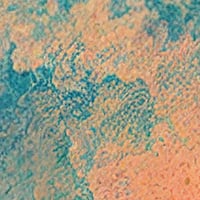
Artist Dasha Plesen combines molds, bacteria, spores, and other objects in petri dishes to create these colorful abstract photographs. You can find more of her work on Behance and Instagram. (via neatorama)

This site is made possible by member support. 💞
Big thanks to Arcustech for hosting the site and offering amazing tech support.
When you buy through links on kottke.org, I may earn an affiliate commission. Thanks for supporting the site!
kottke.org. home of fine hypertext products since 1998.
Beloved by 86.47% of the web.
Artist Dasha Plesen combines molds, bacteria, spores, and other objects in petri dishes to create these colorful abstract photographs. You can find more of her work on Behance and Instagram. (via neatorama)
The Odyssey of Star Wars, a retelling the Star Wars saga in the style of classic epic poetry. “I look not to myself but to the Force, / In which all things arise and fall away.”
An excerpt from Bourdain: The Definitive Oral Biography. This was tough to read.
An Unsung Female Pioneer of Computer Simulation. Mary Tsingou Menzel helped create the field of nonlinear science.

Over at Print, R.E. Hawley writes about a book cover design trend you may have noticed: Behold, the Book Blob.
This design trend, well into its third or fourth year in the major publishing houses, has attracted plenty of nicknames and attendant discourse online — culture critic Jeva Lange calls it “blobs of suggestive colors,” while writer Alana Pockros calls it the “unicorn frappuccino cover,” and New Yorker writer Kyle Chayka once referred to it on Twitter as “the Zombie Formalism of book covers.”
I hadn’t really noticed this, but only because I thought these were all mostly the same book. Eep.
Every few days, Nenet reindeer herders in the Siberian Arctic break camp and erect their tents (called chums) in a new location. This video documents how they do it.
The Nenet reindeer herders need to move their tent every few days throughout most of the year. Every time they migrate they must pack the whole tent away, drag it across the tundra on sledges, and erect it again in a fresh place, sometimes in temperatures of minus thirty degrees. Survival depends on working together as a team.
After staying in the wooded taiga for two months they start to migrate north following the ancient paths of migrating reindeer (caribou). In four months they will travel up to 1200km and must pack and move every three to five days to keep up with their herd. They must reach their summer quarters before the snows melt and flood great rivers with icy waters too cold and deep for the calves, born along the way, to cross.
See also How to Build an Igloo. (via the kid should see this)
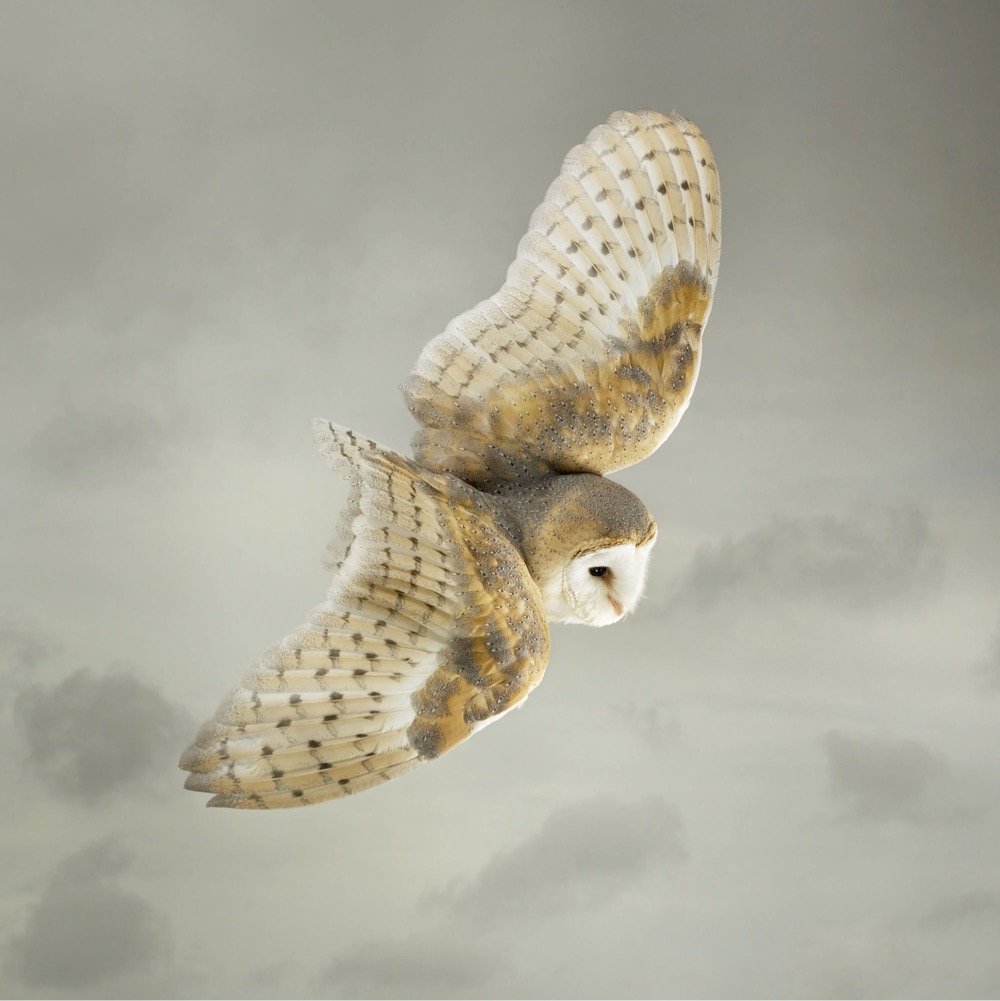
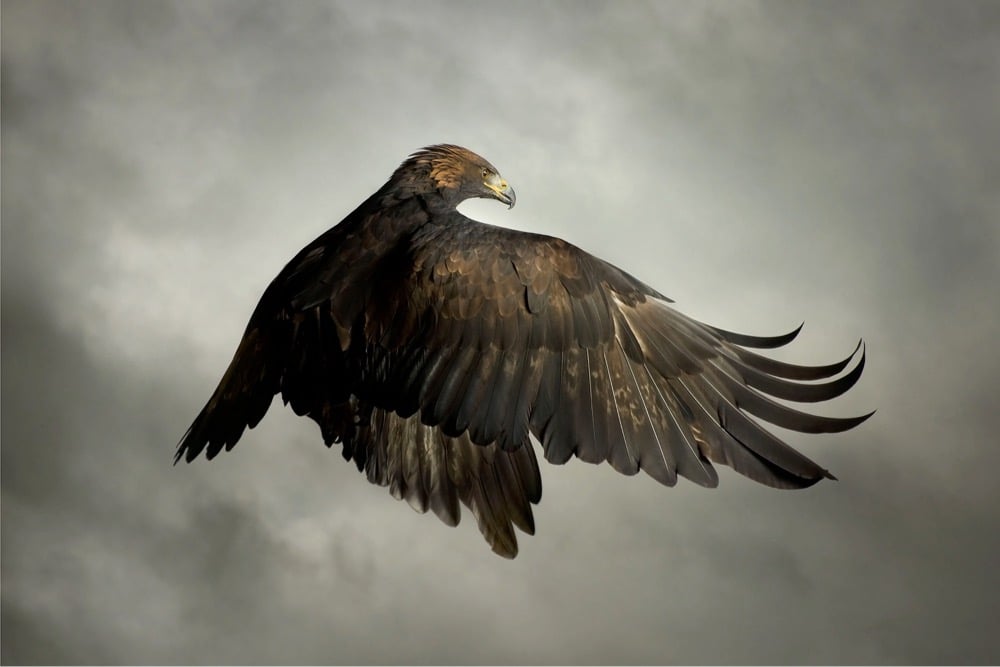
Colossal has a selection of photos of predatory birds taken by Mark Harvey — prints are available in his shop.
Shot with his signature style that applies a hearty dose of drama to the already striking creatures, the photos are shot one at a time in a slow, medium format. “Lighting is a key aspect of my work to help draw out fresh views of well-known subjects, and these birds are no exception, set within an intricate lighting setup to ultimately show the birds in a new light,” Harvey shares. “With their wings spread wide, these top avian predators’ beauty is put on full display.”
This video highlights one of the ways in which the Netherlands makes their streets safer for pedestrians: continuous sidewalks. Instead of sidewalks ending at the curb and picking up on the other side of the street, many sidewalks in Dutch cities continue across roadways, at the same height and using different surface materials, forcing cars to slow and signaling to drivers to be alert for pedestrians.
It’s hard to describe how much nicer it is to walk in an environment like this. It feels like the people walking are in control and that drivers are a guest in their environment, not the other way around.
(via @davidfg)
HERMITS are tiny experimental robots developed by researchers at MIT’s Media Lab that can move between different “shells” to gain new capabilities.
Inspired by hermit crabs, we designed a modular system for table-top wheeled robots to dock to passive attachment modules, defined as “mechanical shells.” Different types of mechanical shells can uniquely extend and convert the motion of robots with embedded mechanisms, so that, as a whole architecture, the system can offer a variety of interactive functionality by self-reconfiguration.
(via fast company)
This story broke right through my pandemic numbness – I’m almost shaking in rage. Please PLEASE get vaccinated and start taking Covid seriously.
Ed Yong: We’re Already Barreling Toward the Next Pandemic. The US is throwing too little money at high-tech, ultimately private sector solutions but much of the problem comes down to our underfunded public health system and “profoundly unequal society”.
“To be ready for the next pandemic, we need to make sure that there’s an even footing in our societal structures,” Seema Mohapatra, a health-law expert at Indiana University, told me. That vision of preparedness is closer to what 19th-century thinkers lobbied for, and what the 20th century swept aside. It means shifting the spotlight away from pathogens themselves and onto the living and working conditions that allow pathogens to flourish. It means measuring preparedness not just in terms of syringes, sequencers, and supply chains but also in terms of paid sick leave, safe public housing, eviction moratoriums, decarceration, food assistance, and universal health care. It means accompanying mandates for social distancing and the like with financial assistance for those who might lose work, or free accommodation where exposed people can quarantine from their family. It means rebuilding the health policies that Reagan began shredding in the 1980s and that later administrations further frayed. It means restoring trust in government and community through public services. “It’s very hard to achieve effective containment when the people you’re working with don’t think you care about them,” Arrianna Marie Planey, a medical geographer at the University of North Carolina at Chapel Hill, told me.
In 1976, Santos “Frenchie” Ramos opened a gym in Williamsburg, Brooklyn. Every day of his life from that point forward was dedicated to that gym and to his members. In the gym’s 43-year history, Frenchie only missed two weeks of work; now that’s dedication.
Jackie Chan breaks down how he choreographs fight scenes in his action/comedies. “I want the fighting to be like dancing.”
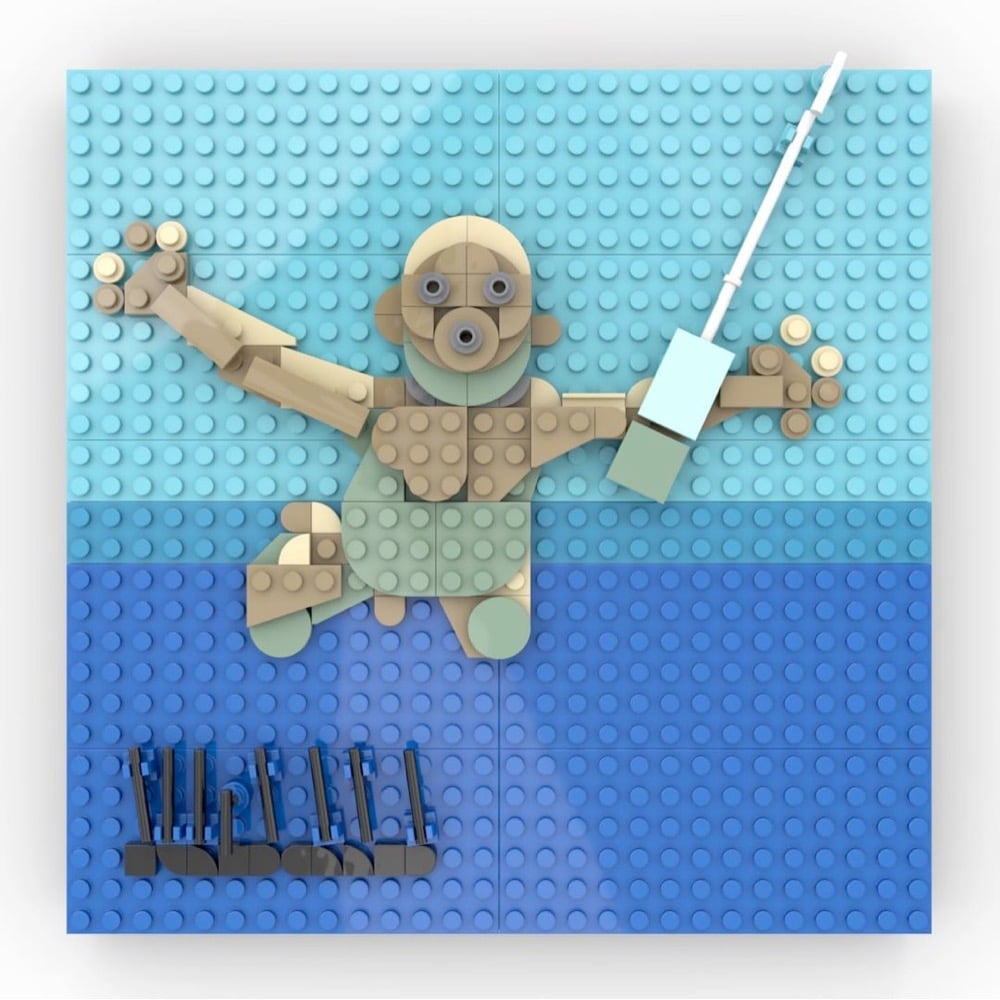
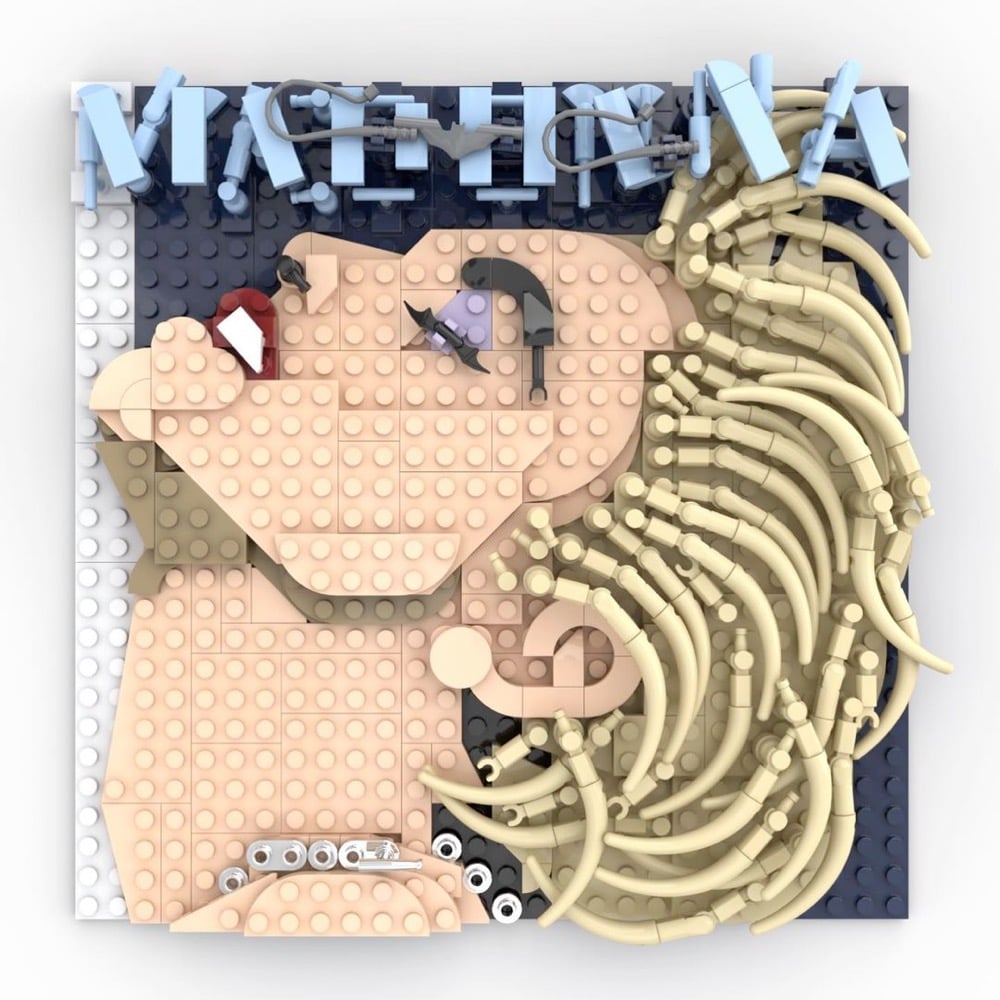


Check out these iconic album covers rendered in Lego by Adnan Lotia on Instagram. (thx, jenni)
Anita Hill: What It Was Like for Me to Watch Christine Blasey Ford’s Testimony. “With some of the same senators from 1991 sitting on the Judiciary Committee…I could not bring myself to be optimistic that the entire committee had evolved.”
Behold, I Have Returned from a Hike! “I’ve moved beyond the world you live in. I cut the tether. It was just me, the great outdoors, and the phone I relied on heavily for navigation, documentation, and a podcast…”

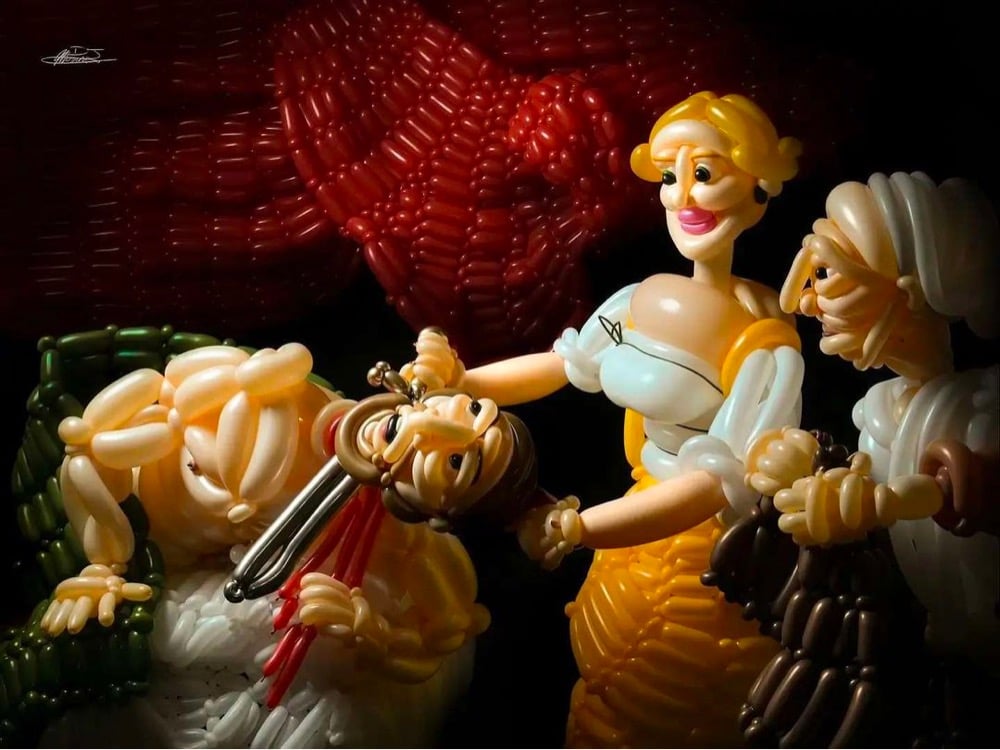
Balloon artist DJ Morrow has been branching out recently. Morrow makes elaborate balloon animals and other things but two of his latest creations are his amazing interpretations of Francisco Goya’s Saturn Devouring His Son and Judith Beheading Holofernes by Caravaggio. I can’t stop looking at these. And prints are available! (thx, caroline)
My Time with Kurt Cobain. “I had the distinct feeling that Kurt would not live a long life. But what, if anything, could I do about it? Was it even my place to get involved?”
I don’t know anything about this film but if you like PT Anderson, you’ll probably like this. From the synopsis:
“Licorice Pizza” is the story of Alana Kane and Gary Valentine growing up, running around and falling in love in the San Fernando Valley, 1973. Written and Directed by Paul Thomas Anderson, the film tracks the treacherous navigation of first love.
Limited release in theaters on Nov 26, opens wide on Dec 25.
Red Covid. “Covid is still a national crisis, but the worst forms of it are increasingly concentrated in red America.”
Hey all. Today is my birthday and the boss has given me the day off. I’m gonna spend time with some of my favorite humans, start a book I’ve been looking forward to reading, eat some good food, and, if it stops raining, go for a bike ride. I’ll see you back here tomorrow, bright eyed and bushy tailed.
Laura Olin is right; this recorded lunch conversation with Orson Welles from 1983 is well worth a read. I mean:
Waiter: Gentlemen, bon appétit. How is everything?
O.W.: We’re talking, thank you. [Waiter leaves.] I wish they wouldn’t do that. If I ever own a restaurant, I will never allow the waiters to ask if the diners like their dishes. Particularly when they’re talking.
H.J.: What is wrong with your food?
O.W.: It’s not what I had yesterday.
H.J.: You want to try to explain this to the waiter?
O.W.: No, no, no. One complaint per table is all, unless you want them to spit in the food. Let me tell you a story about George Jean Nathan, America’s great drama critic. Nathan was the tightest man who ever lived, even tighter than Charles Chaplin. And he lived for 40 years in the Hotel Royalton, which is across from the Algonquin. He never tipped anybody in the Royalton, not even when they brought the breakfast, and not at Christmastime. After about ten years of never getting tipped, the room-service waiter peed slightly in his tea. Everybody in New York knew it but him. The waiters hurried across the street and told the waiters at Algonquin, who were waiting to see when it would finally dawn on him what he was drinking! And as the years went by, there got to be more and more urine and less and less tea. And it was a great pleasure for us in the theater to look at a leading critic and know that he was full of piss. And I, with my own ears, heard him at the ‘21’ complaining, saying, “Why can’t I get tea here as good as it is at the Royalton?” That’s when I fell on the floor, you know.
And this bit, about how people used to treat going to the movies like reading a magazine or flipping on the TV, is fascinating:
H.J.: Warren Beatty was just saying that TV has changed movies, because for most of us, once you’re in a movie theater, you commit, whether you like it or not. You want to see what they’ve done, while at home …
O.W.: I’m the opposite. It’s a question of age. In my real moviegoing days, which were the thirties, you didn’t stand in line. You strolled down the street and sallied into the theater at any hour of the day or night. Like you’d go in to have a drink at a bar. Every movie theater was partially empty. We never asked what time the movie began. We used to go after we went to the theater.
H.J.: You didn’t feel you had to see a movie from the start?
O.W.: No. We’d leave when we’d realize, “This is where we came in.” Everybody said that. I loved movies for that reason. They didn’t cost that much, so if you didn’t like one, it was, “Let’s do something else. Go to another movie.” And that’s what made it habitual to such an extent that walking out of a movie was what for people now is like turning off the television set.
I don’t know if a 10-second sequence of a plane landing in one of Brian De Palma’s worst films properly qualifies as “The Most Difficult Shot in Movie History”, but the story behind it is genuinely interesting. The logistics of having only 30 seconds out of an entire year to get this exact shot of the setting sun and coordinating that with a landing supersonic jet at one of the world’s busiest airports are certainly daunting. As Patrick Willems notes in his commentary, this shot also signifies the end of an era in the film industry.
Adam Serwer writes about the five clear ways in which Trump and the Republicans tried to overturn the 2020 election in a coup. The Eastman memo is astoundingly straightforward about it.
As part of the Great Green Wall initiative, Senegal has been building circular, drought-resistant gardens to keep the Sahara desert from spreading any further. The Kid Should See This explains how they work:
These Senegalese farmers plant the spiraling gardens with a plan to hold water: Medicinal plants in the inner circle, three rows of vegetables, with fruit and nut trees next. The outer circles are created with large baobab trees and African mahogany trees.
The Diamond is a contemplative short documentary by Caitlyn Greene about the people who look for diamonds in an ancient volcanic crater at the Crater of Diamonds State Park in Arkansas. Whatever you find there, you can keep. But what are they really searching for?
I came across an article about the Crater of Diamonds State Park in Arkansas, which I learned is the world’s only public diamond-bearing site. People from all walks of life search for diamonds atop this ancient volcanic crater, and it’s finders keepers. Some people find substantial diamonds, some don’t, and either way, it takes a lot of digging in the dirt. I was immediately hooked on the metaphor of this place.
I was interested in the hope of treasure, the grittiness of searching, and what people there were actually looking for in their lives. Creatively, I wanted to push an interview-driven piece, especially one in which subjects are given freedom to take you where they want to go, rather than guiding interviews along a plot-driven track. Errol Morris’ Vernon, Florida was a huge inspiration for this approach.
That loudspeaker announcement right at the beginning is surreal — a great way to set the tone for the rest of the film.
Astronomers have found a potential remnant nebula for a supernova recorded by Chinese and Japanese astronomers in 1181 CE. “This sighting in 1181 CE is the only one in the past millennium not to have an associated nebula…with it.”
How America’s hottest city is trying to cool down. There are solutions to climate challenges in cities (more trees!), but as efforts in Phoenix show, the poorest areas often get short shrift.
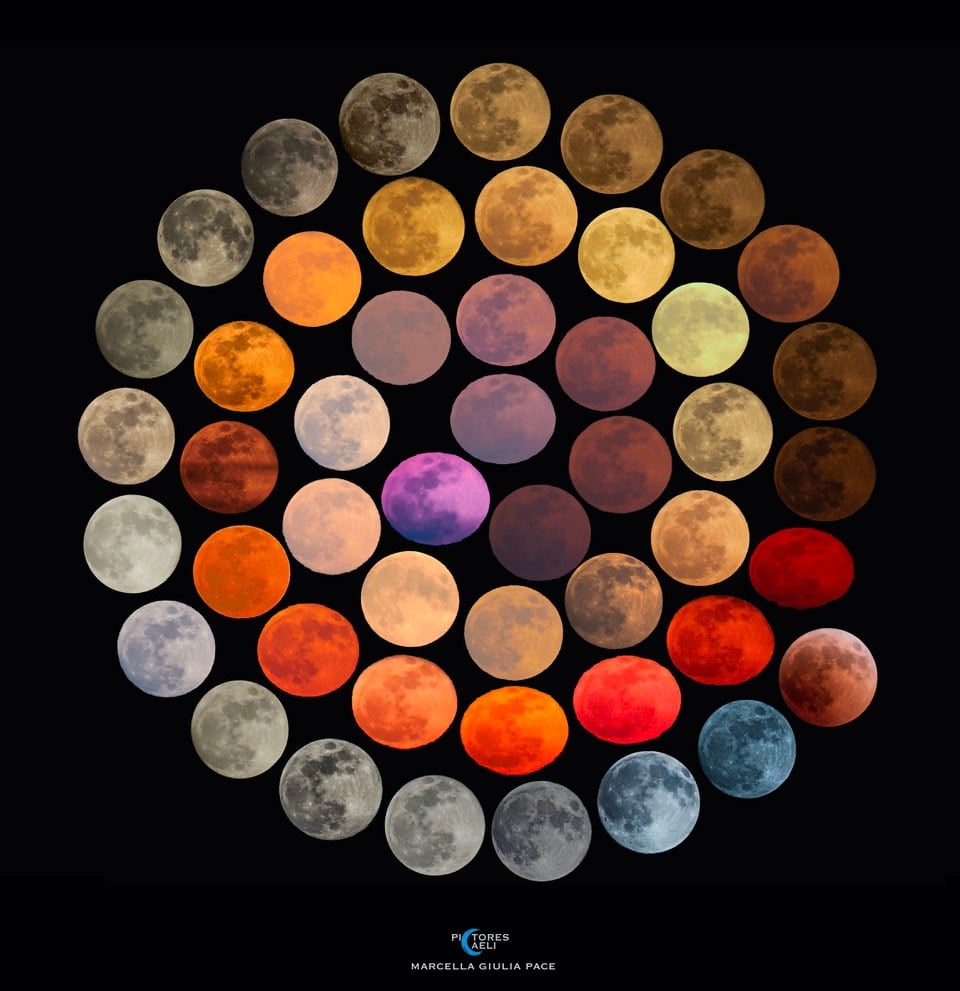
Marcella Giulia Pace photographed the Moon in 48 different hues and arranged them in a lovely spiral pattern.
I have collected some of my Full Moon shots taken over the past 10 years. I selected the shades of color with which the Moon was filmed in front of my lens and my eyes.
The atmosphere gives different colors to our satellite (scattering) based on its height with respect to the horizon, based on the presence of humidity or suspended dust. The shape of the Moon also changes: at the bottom of the horizon, refraction compresses the lunar disk at the poles and makes it look like an ellipse.
Prints of the image are available. (via @djacobs)
Ice Ball is a short documentary that follows legendary polar explorer Will Steger and the community that he’s built up around harvesting ice from frozen winter lakes near Ely in northern Minnesota. Steger lives off the grid and uses the harvested ice for refrigeration — the ice keeps everything cool in the ice house for the whole year, until the next harvest.
Best known for his legendary polar explorations, Will Steger’s life work grew out of a single log cabin he built after moving to the Minnesotan wilderness at age 25. Reliant on sustainable energy and natural commodities, Steger formed a community and culture based on the principle of mutuality. Central to Steger’s operation is the lost art of cutting ice for refrigeration. This annual harvest formed a tradition spanning fifty years that became known as the “Ice Ball”. While this old world technology inevitably became obsolete, its disappearance parallels a concerning loss of social interdependence in modern society.
Come for the ice harvesting, stay for the wonderful Minnesotan accents. (via colossal)
In this video, Michael Pollan explains how caffeine is woven into the fabric of modern society. Here’s the short version of how that came to be: People used to drink a lot of alcohol because water was unsafe, so folks were often in a sort of low-grade stupor. When coffee hit Europe, it provided the stimulation, focus, and energy necessary for people to work better and longer. Voila, the Enlightenment and Industrial Revolution.
You can read more about caffeine in Pollan’s latest book This Is Your Mind on Plants (excerpt here) or in his 2020 audiobook called Caffeine: How Caffeine Created the Modern World.
Unvaccinated Mom Wants To Know If You’re Coming Home For Covid This Year. “After all, Grandma’s going to be here, and contracting this disease together could be the last time we get to see her.”
The largest space telescope in history is about to blow our minds. “The James Webb Space Telescope will be 100 times as powerful as the Hubble. It will change how we see the universe.” I’m ready to be blown.
Betty Reid Soskin is 100 years old today and is the oldest active ranger in the National Park Service. A colleague once once described her as “sort of like Bette Davis, Angela Davis and Yoda all rolled into one”.
Tom Standage, whose The Victorian Internet was hugely influential to me in how to think about the history of technology, is out with a new book on transportation and cars: A Brief History of Motion: From the Wheel, to the Car, to What Comes Next (ebook). In this excerpt, he argues that the world has reached “peak car” — “the point at which car ownership and use level off and start to decline”.
Evidence for peak car in Western countries, meanwhile, has been accumulating for some time. In America, the total number of vehicle miles traveled has continued to increase. But it has been growing more slowly than both the total number of vehicles and the population. The number of miles driven per vehicle, and per person of driving age, both peaked in 2004 and have since fallen to levels last seen in the 1990s. The average distance driven per person per year peaked in the 2000s or earlier in many Western cities including London, Stockholm, Vienna, Houston, and Atlanta. In Australia, Belgium, Britain, France, Germany, Italy, Japan, New Zealand, and Spain, distance traveled per person has been flat or falling since the early 2000s (in Britain, the average motorist drove seventy-six hundred miles in 2018, down from ninety-two hundred in 2002). Miles traveled by car per annum per capita in Italy, Britain, the Netherlands, and Sweden peaked in 2000, 2002, 2004, and 2005 respectively.
See also this interview with Standage in Grist (which features the phrase “horse-drawn transport monoculture”).
The pandemic caused a drop in driving, and then an uptick as people came out of lockdowns and decided, in some cases, that they would rather drive than use public transit. But the longer-term trend seems clear: driving is becoming less popular, because it’s becoming less convenient, and the alternatives are becoming more convenient. The growing prevalence of remote working may encourage people to move to urban fringes where it’s difficult to live without a car, but overall I don’t think this will be enough to reverse the longer-term trend.
And here’s another excerpt of Standage’s book from The Guardian: The lost history of the electric car — and what it tells us about the future of transport.
In 1897, the bestselling car in the US was an electric vehicle: the Pope Manufacturing Company’s Columbia Motor Carriage. Electric models were outselling steam- and petrol-powered ones. By 1900, sales of steam vehicles had taken a narrow lead: that year, 1,681 steam vehicles, 1,575 electric vehicles and 936 petrol-powered vehicles were sold. Only with the launch of the Olds Motor Works’ Curved Dash Oldsmobile in 1903 did petrol-powered vehicles take the lead for the first time.
Perhaps the most remarkable example, to modern eyes, of how things might have worked out differently for electric vehicles is the story of the Electrobat, an electric taxicab that briefly flourished in the late 1890s. The Electrobat had been created in Philadelphia in 1894 by Pedro Salom and Henry Morris, two scientist-inventors who were enthusiastic proponents of electric vehicles. In a speech in 1895, Salom derided “the marvelously complicated driving gear of a gasoline vehicle, with its innumerable chains, belts, pulleys, pipes, valves and stopcocks … Is it not reasonable to suppose, with so many things to get out of order, that one or another of them will always be out of order?”
The two men steadily refined their initial design, eventually producing a carriage-like vehicle that could be controlled by a driver on a high seat at the back, with a wider seat for passengers in the front. In 1897 Morris and Salom launched a taxi service in Manhattan with a dozen vehicles, serving 1,000 passengers in their first month of operation. But the cabs had limited range and their batteries took hours to recharge. So Morris and Salom merged with another firm, the Electric Battery Company. Its engineers had devised a clever battery-swapping system, based at a depot at 1684 Broadway, that could replace an empty battery with a fully charged one in seconds, allowing the Electrobats to operate all day.
Within the past 50 years, the global community has solved two huge problems that had the potential to harm every person on Earth. Smallpox once killed 30% of the people who contracted the disease but through the invention of an effective, safe vaccine and an intense effort that began in the 1960s, smallpox was completely eradicated by 1980. In the 1980s, scientists discovered a hole in the ozone layer that protects the Earth from UV radiation; further depletion would have caused major problems with the world’s food supply and an epidemic of skin cancer. Forty years later, we’ve virtually eliminated the chemicals causing the depletion and ozone losses have stabilized and have recently shown improvement.
So how did we do it? The short video above talks through each of challenges, how they were met (science + politics + a bit of luck), and how we might apply these lessons to the big problems of today (climate emergency, the pandemic).
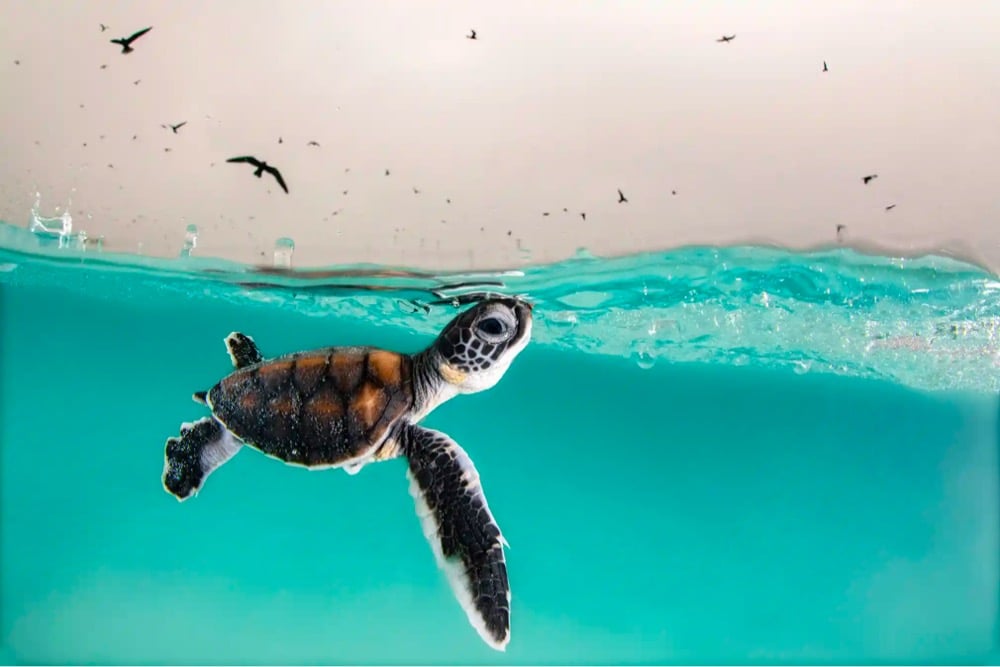
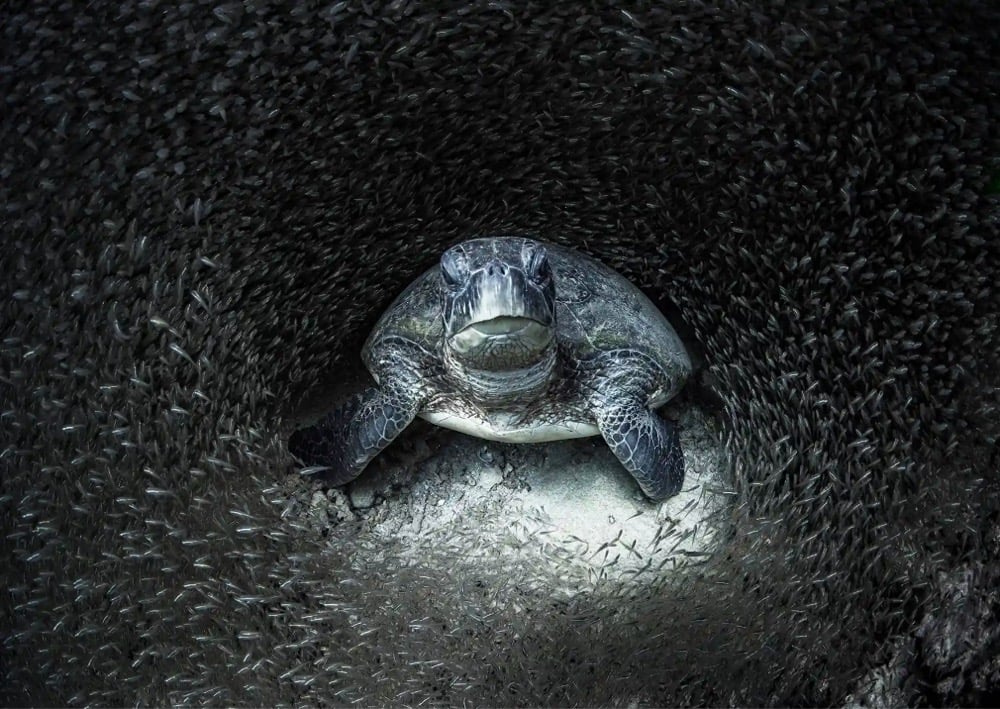
Oceanographic Magazine has announced the winners of their annual Ocean Photography Awards for 2021. The official site is reeeally slow so you can check out the winners at The Guardian, the BBC, or on Instagram. Photos above are by Hannah Le Leu (top) and Aimee Jan (bottom).
Netflix plans to combat Disney (Marvel, Star Wars, Pixar) with – *checks notes* – the Roald Dahl Cinematic Universe. “[Netflix] acquired the Roald Dahl Story Co., which manages the rights to the author’s characters and stories.”
How to Get Things Done When You Don’t Want to Do Anything. This is me today – I could barely even get through this article to figure out how to write this sentence.
Socials & More