Entries for February 2020
Remember a few years ago when the owner of a credit card payment processing company based in Seattle raised the minimum wage of his employees to $70,000/yr while taking a huge pay-cut himself and capitalists the world over, afraid of their beloved & apparently suuuuper delicate system collapsing from such madness, flipped out?1 The BBC recently checked in with Gravity Payments and its owner Dan Price to see how things were going. Pretty damn well, as it turns out:
The headcount has doubled and the value of payments that the company processes has gone from $3.8bn a year to $10.2bn.
But there are other metrics that Price is more proud of.
“Before the $70,000 minimum wage, we were having between zero and two babies born per year amongst the team,” he says.
“And since the announcement — and it’s been only about four-and-a-half years — we’ve had more than 40 babies.”
More than 10% of the company have been able to buy their own home, in one of the US’s most expensive cities for renters. Before the figure was less than 1%.
“There was a little bit of concern amongst pontificators out there that people would squander any gains that they would have. And we’ve really seen the opposite,” Price says.
The amount of money that employees are voluntarily putting into their own pension funds has more than doubled and 70% of employees say they’ve paid off debt.
When Price made the announcement about raising wages, two senior employees quit because they thought the junior employees would become lazy and the company would suffer. Spolier alert: didn’t happen.
Rosita Barlow, director of sales at Gravity, says that since salaries were raised junior colleagues have been pulling more weight.
“When money is not at the forefront of your mind when you’re doing your job, it allows you to be more passionate about what motivates you,” she says.
Senior staff have found their workload reduced. They’re under less pressure and can do things like take all of the holiday leave to which they are entitled.
The thing about the increased number of babies is astounding. Some of that has to be demographic (employees getting older and entering prime family-starting years) but having a baby in the United States is expensive and that has to factor into many people’s decision on whether to have a child, especially if it’s a second kid or if you’re a single parent.
But the most interesting observation is this one by Price equating the freedom of his employees to their capability:
“We saw, every day, the effects of giving somebody freedom,” Price says.
He thinks it is why Gravity is making more money than ever.
Raising salaries didn’t change people’s motivation — he says staff were already motivated to work hard — but it increased what he calls their capability.
Employees that worry less about debt, healthcare, or where their next meal is coming from are happier, more productive employees. Imagine that.
Update: Although what he did in raising the salaries of his company’s employees is commendable, Price himself is perhaps not the corporate role model that BBC article makes him out to be. From a 2016 piece about Price in Esquire:
In a TEDx Talk last fall, Price’s ex-wife, Kristie, claimed he once “got mad at me for ignoring him and grabbed me and shook me… He also threw me to the ground and got on top of me. He started punching me in the stomach and slapped me across the face.” (The video of the talk was never released, but Bloomberg Businessweek quoted it in a story about Price in December.) The suit brought by Lucas Price, his business partner and brother, was unrelated to Kristie’s allegations. Lucas was seeking $26 million because, essentially, Dan had been a dick in their business dealings.
The rest of the piece corroborates that Price is in fact a dick who raised his employees’ salaries partially because it was a good PR move. (via @adrianhon)
Update: Inspired by Gravity Payments, Basecamp raised their minimum starting salary to $70,000/yr in 2019.


These aerial photos of oceans, sand, and other natural landscapes taken by Tobias Hägg will make you stop in your tracks (and perhaps want to learn drone photography). You can find more of Hägg’s photography on Instagram and if you’d like a print, those are available as well (with a portion of the proceeds going to help the oceans and to plant trees). (via colossal)
This slow and meditative video features a potter making a mug from scratch. There’s no dialogue but don’t skimp on the sound…headphones are best. I could have watched this for an hour. (via @craigmod)
The church in a gang-controlled area of San Salvador where ex-gang members run a bakery. “During an interview, one man remarked that I’d probably never killed someone before; I confirmed that was true.”
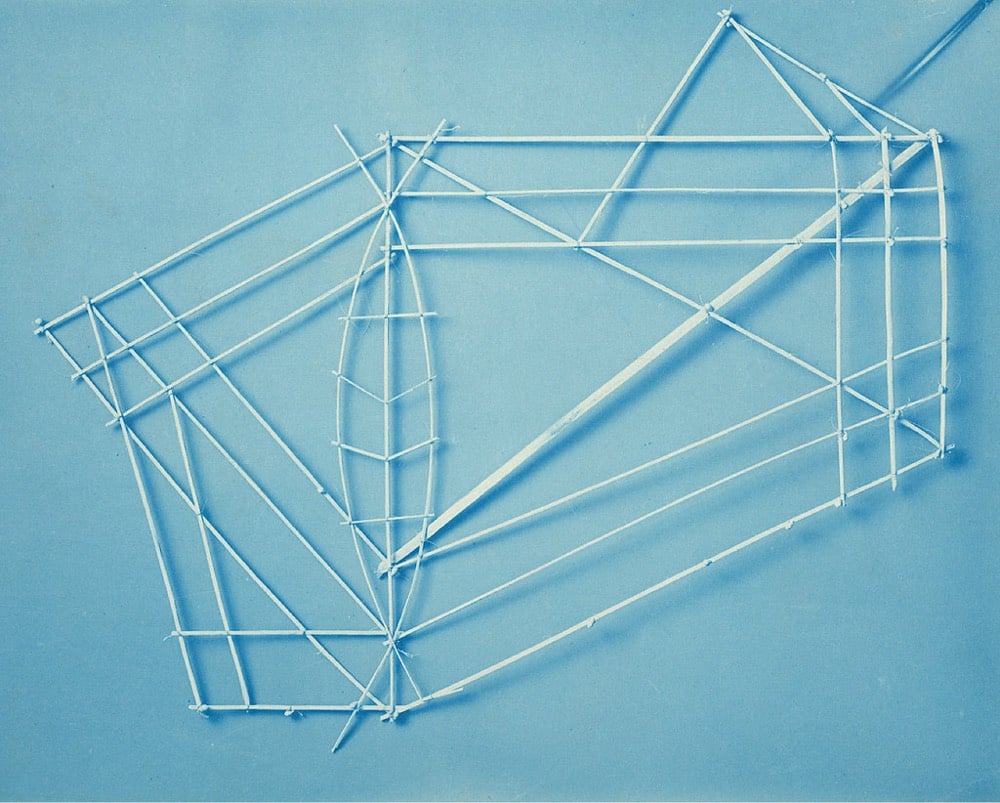
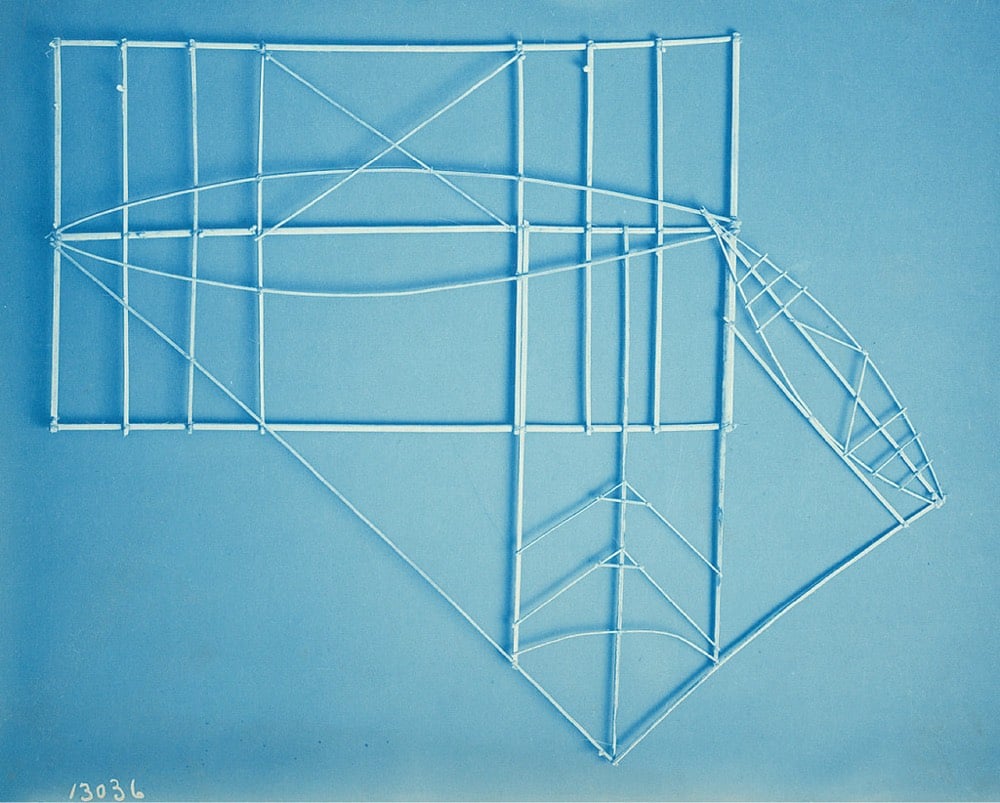
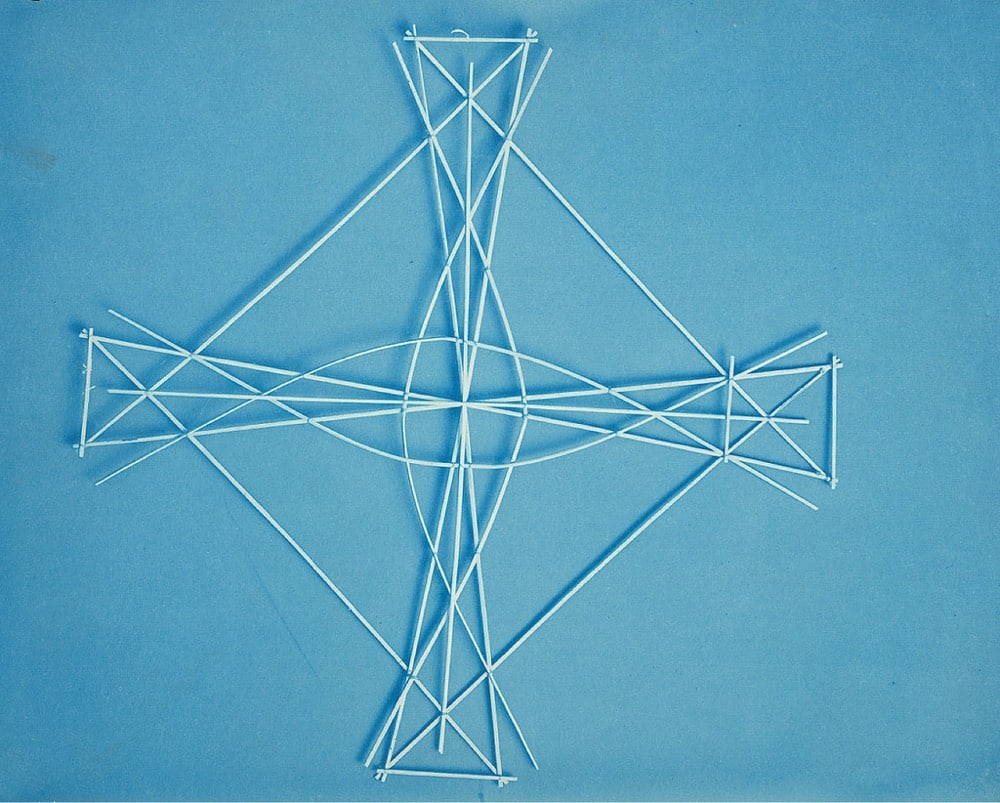
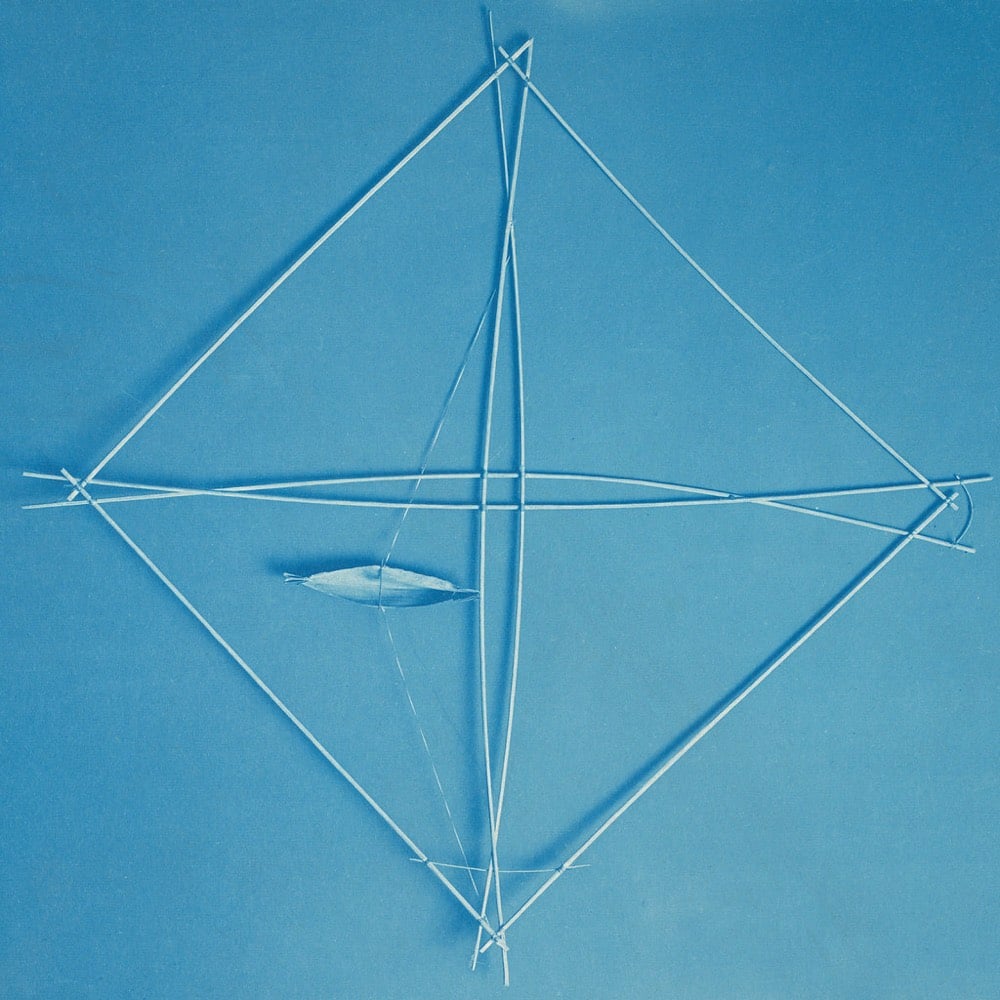
The arrangement of the sticks in these Marshall Islands navigational charts represents ocean swells & currents and how they interact with the land, useful information for navigating between islands via canoe. From a Smithsonian Magazine article about these charts:
The chart is less a literal representation of the sea, says museum curator and anthropologist Adrienne Kaeppler, and more an abstract illustration of the ways that ocean swells interact with land. Curved sticks, she explains, show where swells are deflected by an island; short, straight strips often indicate currents near islands; longer strips “may indicate the direction in which certain islands are to be found;” and small cowry shells represent the islands themselves.
The stick charts were preparatory & teaching tools — mariners would memorize the charts before heading out to sea rather than take them along on the boat.
The photos above are from the Smithsonian Institution, courtesy of Flickr.
See also Secrets of the Wave Pilots and other physical data visualizations. (via curationist)
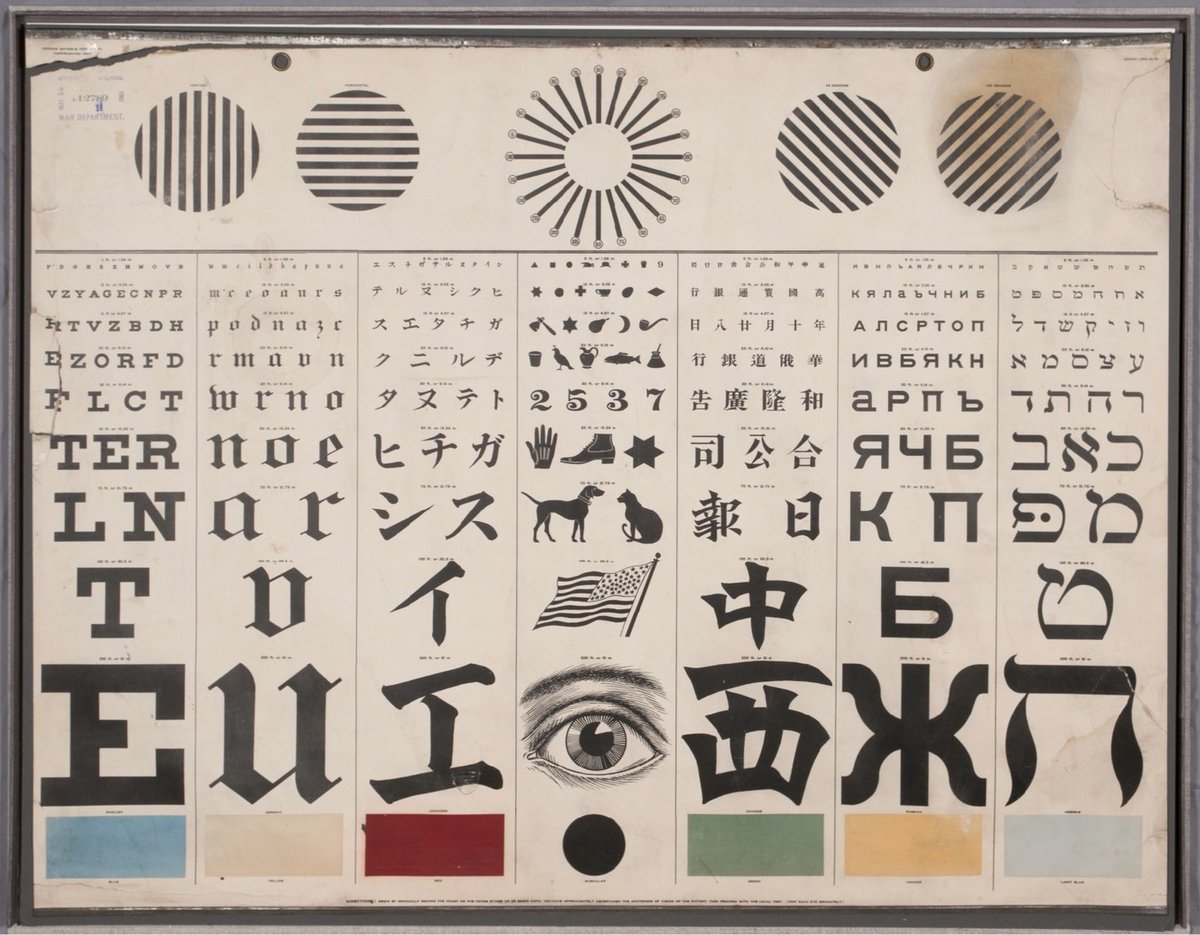
From the collection of the US National Library of Medicine, an eye test chart designed by George Mayerle around 1907 to be a complete vision testing solution for speakers of several languages.
Running through the middle of the chart, the seven vertical panels test for acuity of vision with characters in the Roman alphabet (for English, German, and other European readers) and also in Japanese, Chinese, Russian, and Hebrew. A panel in the center replaces the alphabetic characters with symbols for children and adults who were illiterate or who could not read any of the other writing systems offered. Directly above the center panel is a version of the radiant dial that tests for astigmatism. On either side of that are lines that test the muscular strength of the eyes. Finally, across the bottom, boxes test for color vision, a feature intended especially (according to one advertisement) for those working on railroads and steamboats.
Mayerle was a German optometrist working in San Francisco when he made the chart, designing it for use in a city with a diverse population. My pals at 20x200 are offering limited-edition prints of Mayerle’s chart in a variety of sizes.
See also the history & typography of eye test charts, Optician Sans (a font based on eye chart typography), and Eye Charts for Drones.
A visualization of how coronavirus cases spiked in South Korea, linked to Patient #31. “Doctors at the hospital suggested she be tested, as she had a high fever. Instead, the woman went to a buffet lunch with a friend at a hotel.”
If you’re a computer, it turns out that the fastest way to multiply two numbers, especially two very large numbers, is not by the grade school method of stacking the two numbers and then multiplying each digit in the top number by each digit in the bottom number and adding the results. Since 1960, mathematicians have been discovering ever faster methods to multiply and recently, a pair of mathematicians discovered a method that is perhaps the fastest way possible.
Their method is a refinement of the major work that came before them. It splits up digits, uses an improved version of the fast Fourier transform, and takes advantage of other advances made over the past forty years. “We use [the fast Fourier transform] in a much more violent way, use it several times instead of a single time, and replace even more multiplications with additions and subtractions,” van der Hoeven said.
What’s interesting is that independently of these discoveries, computers have become a lot better at multiplication:
In addition, the design of computer hardware has changed. Two decades ago, computers performed addition much faster than multiplication. The speed gap between multiplication and addition has narrowed considerably over the past 20 years to the point where multiplication can be even faster than addition in some chip architectures.
(via @macgbrown, who passed this along after I posted this video on Russian multiplication)
Are you reading Laura Olin’s newsletter? It’s one of my favorites, published every Thurs. Here is this week’s installment.

For three weeks in late January and early February, I travelled to Asia, spending two weeks in Saigon, a few days in Singapore, and about 48 hours in Doha, Qatar. Here are some of the things I saw and did and ate. Note: this is a long post, maybe the longest thing I’ve posted here in many years. But I think it’s a quick read — pack a snack, stay hydrated, and you’ll be alright.
Saigon, Vietnam
I flew to Saigon via Doha on Qatar Airways. On my seatback screen, I watched the flight map as we flew a precise path with several course correcting turns that you don’t find in a usual great circle route. We flew over Turkey and Iraq and then out over the Persian Gulf, being very careful not to cross into the airspace of Syria, Iran, Kuwait, or Saudi Arabia — an aerial expression of Middle East tensions & alliances.
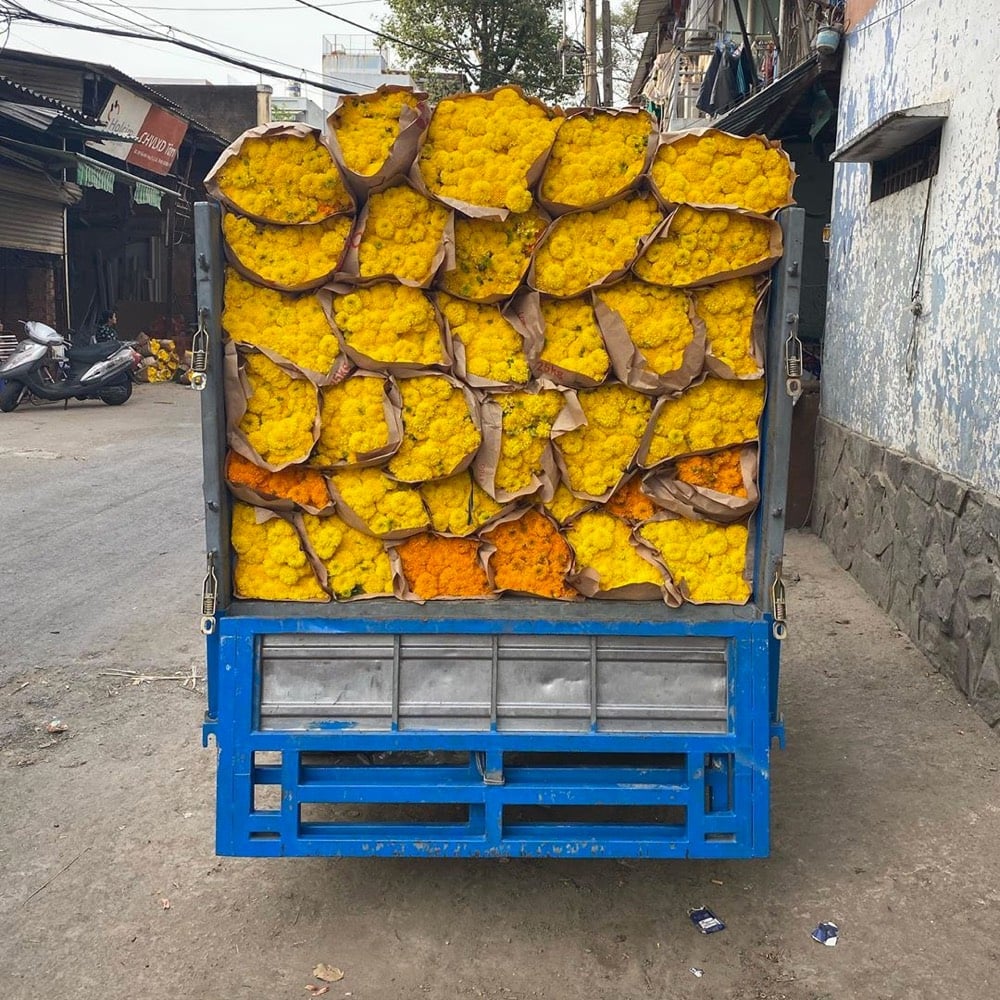
On my first full day, I arranged to go on a street food tour via motorbike. My guide, a local college student, picked me up at my apartment and, along with another guide & fellow tourist, we ate some bun bo hue (beef noodle soup), banh mì (pork sandwich), bap xao (stir-fried corn), com tam (broken rice w/ pork), drank some tra rau bap (corn silk tea), visited the flower market, and enjoyed a leisurely and engaging chat at a coffee shop. I did a food tour to kick off my time in Mexico City as well and would recommend it as a great way to meet some locals and quickly get the lay of the culinary land, which you can use as a blueprint for the rest of your trip.
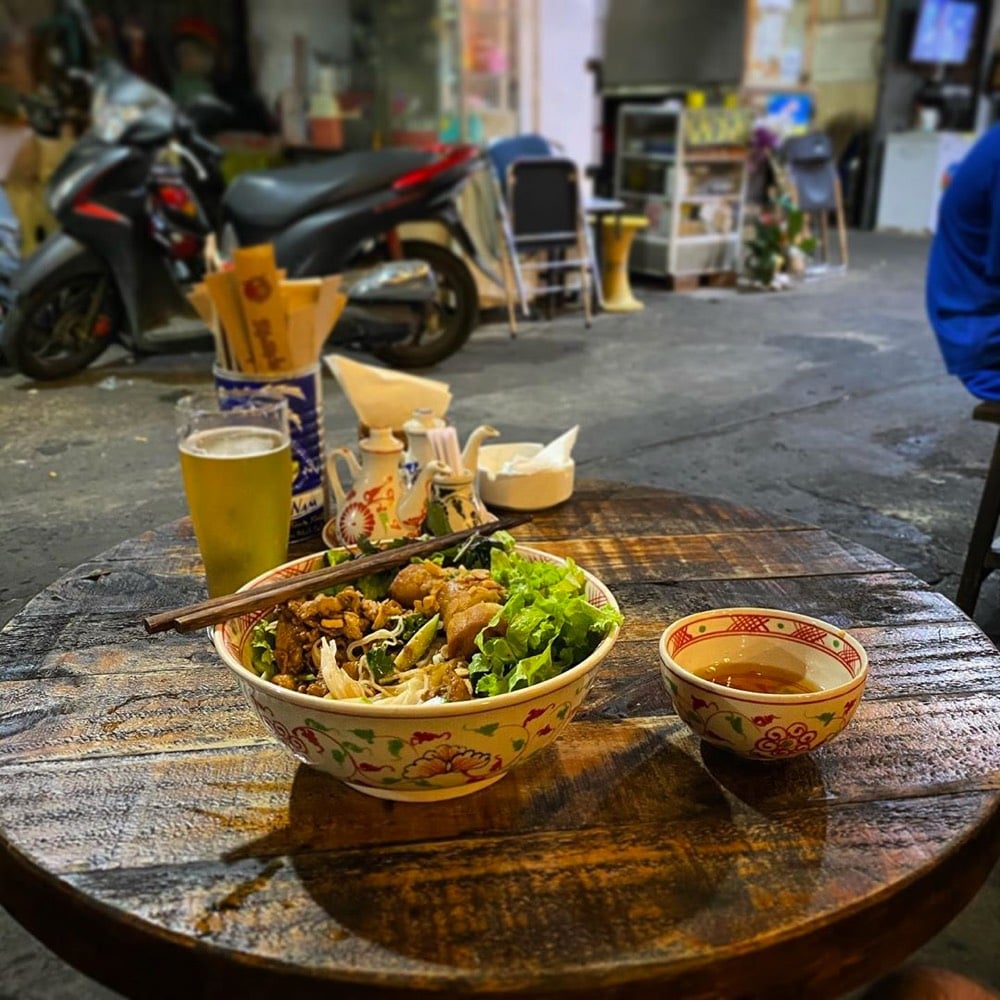
The food here is off the chain. Street food is generally safe to eat, where all the good stuff is, and a full meal is never more than a few bucks. Some of my favorites were banh mì, bun cha (pork w/ rice noodles), and bo la lot (beef wrapped in lolot leaves).
Before I went, I did a bunch of research on specific places to eat, which turned out to be not so useful because about half of the places I’d flagged had permanently closed. In some cases, not only was the restaurant or food cart gone, whole blocks had been razed to make way for an entirely new buildings. Some of these missing places had just been written about a year or two ago, but the pace of change in Saigon is unimaginably fast. Locals I talked to said it feels like an entirely new city every few years.
Founded by a pair of Japanese expats, Pizza 4P’s makes excellent pizza. The growing chain also makes their own burrata and mozzarella in-house.
Mr. Masuko said he leased an alley-side building in Ho Chi Minh City and invested about $100,000 of his savings into a renovation, kitchen gear and other start-up essentials. He and a Japanese employee, Keinosuke Konuki, taught themselves how to make mozzarella by watching a YouTube video.
I also had one of the best bowls of ramen I’ve ever had at Tomidaya in Little Toyko, a tiny place with only 8 seats at a counter. The shoyu was so good I went back a few days later for tsukemen (which was not quite as good but still very tasty).
Craft beer is growing in popularity in Vietnam and the cocktail scene is well established. The Vietnamese palete tends to run sweeter than in America, so go-to cocktails here used to lean towards the tiki end of the spectrum, but now is more varied. Thanks to my pal Brown, I got to visit the tiny speakeasy tucked away behind a hidden door in The Studio Saigon, where artist/bartender Richie Fawcett served up a couple of delicious drinks, including a barrel-aged whiskey cocktail that he smoked with some Irish peat right in front of us.
The official English name for Vietnam’s largest city is Ho Chi Minh City. But locals still call it Saigon (or Sài Gòn), particularly when referring to the central districts. It’s a bit like how New York or NYC refers just to Manhattan.
The War Remnants Museum (formerly known as the Exhibition House for US and Puppet Crimes) is a must-visit if you’re in Saigon. It’s an eye-opening look at how the American role in the Vietnam War (which in Vietnam was known as the Resistance War Against America or the American War) was perceived by the Vietnamese. The photographs showing the damage done by Agent Orange and the almost casual brutality against Vietnamese civilians (including women & children) by US soldiers were really hard (but necessary) to look at. John Lennon’s Imagine was playing on a continuous loop in the lobby of the museum.
I ended up being in Vietnam for Tet, the lunar New Year, which in terms of celebratory scale is like Christmas, Hanukkah, Thanksgiving, and New Year’s all rolled into one holiday that lasts for several days and reverberates for a few weeks. I hadn’t exactly planned on this timing, but having read about the Tet experience on Legal Nomads, I was prepared.
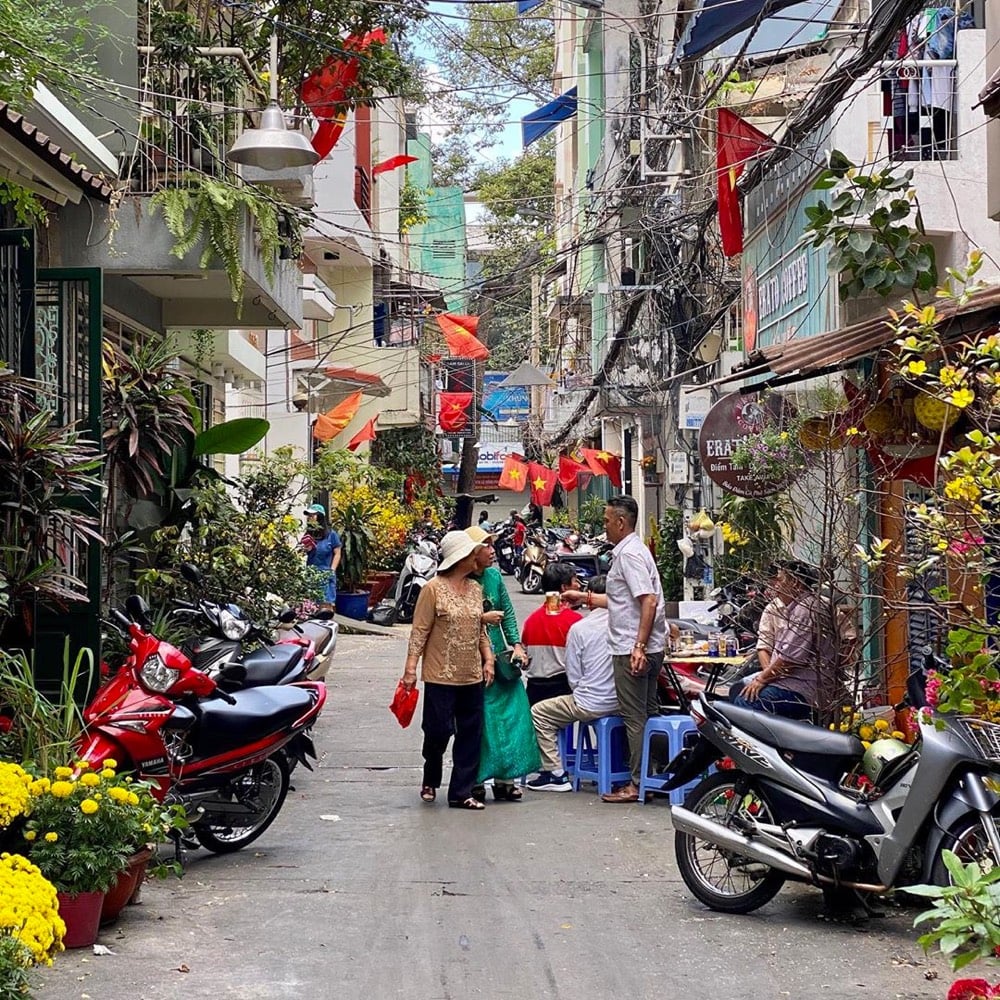
Most of the city was shut down for the holiday — the first day of Tet is a day for family and I saw people spilling out into the alleyways, eating and drinking and laughing — but it wasn’t that hard to find dinner or a place to stop for tea. The only time I really felt the Tet crunch was when I needed to buy a new phone (more on that in a bit) but couldn’t because all of the electronics stores were closed. Most of the time, though, I was thankful for the slightly slower pace and festive atmosphere.
Travel tip: find a rooftop bar in whatever city you’re in and pop in for a drink around sunset.
I’m always interested in cities where a particular mode of transportation sets the tone for everything else. In much of the US — particularly in places like LA, Dallas, or Raleigh — the car reigns. In Copenhagen and Amsterdam, it’s the bicycle. You could make the argument that in Manhattan, the dance of the streets revolves around the pedestrian. As a city, Saigon is defined by the motorbike. They overwhelm every other mode of transportation here — cars and pedestrians must tailor their movements to the motorbike swarm.
Because of the motorbikes, the process for crossing the street on foot in Saigon is different than in a lot of other places. You basically just wait for any buses (which will absolutely not stop for pedestrians) or cars to go by and then slowly wade out into traffic. Do not make any sudden movements and for god sake don’t run. The motorbike swarm will magically flow around you. It’s suuuuuper unnerving the first few times you do it, but you soon get used to it because the alternative is never ever getting across the street.
The motorbikes make walking around Saigon absolutely exhausting.1 It’s not just crossing the street. You literally have to be on the lookout for them everywhere. They drive up on the sidewalks. They drive into and out of houses and buildings, turning every doorway into a potential intersection. Having to look both ways every few seconds when you’re walking 6 or 8 miles a day around the city really drains the ol’ attention reserves.
Things I saw carried on motorbikes in Saigon, a non-exhaustive list: trees, dogs, tiny babies, ice (for delivery to a drinks cart, the ice block was not even strapped down), a family of five, a dessert cart, an entire toy store, a dried squid shop, and 8 huge bags of clams.
I spent a worthwhile morning exploring the antique shops on Le Cong Kieu street. Many of the shops carried the same sorts of items, so it got a little repetitive after awhile, but the shops with the more unique items were worth the effort.
The hip coffee shops in Saigon look much the same as those in Portland, Brooklyn, Berlin, or Mexico City.
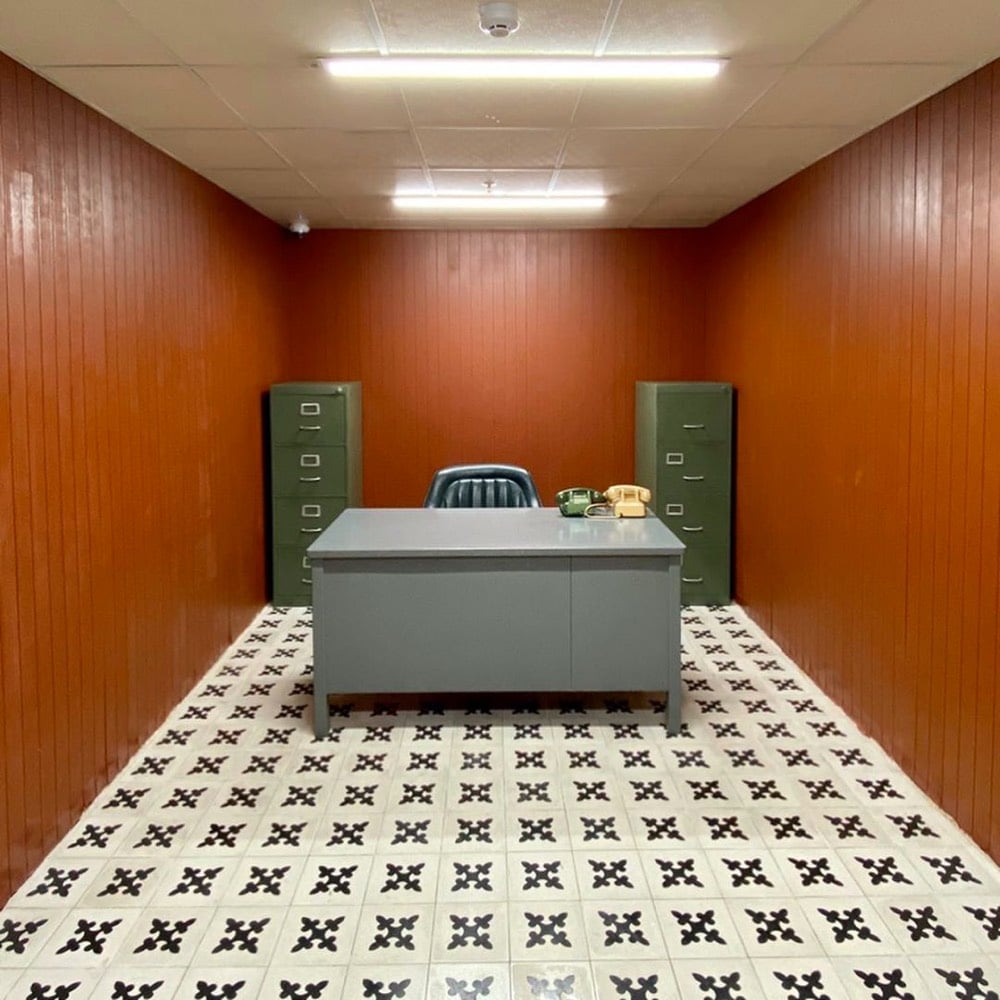
Designed by architect Ngô Viết Thụ, the Independence Palace was the home and office of the South Vietnamese President during the Vietnam War. After the North Vietnamese capture of the building effectively ended the war in 1975, the palace was preserved as a historical site, a time capsule of 60s and 70s architecture and interior design. I spent half a day wandering the palace taking photos like crazy. Lots of Accidentally Wes Anderson material there.
The oranges in Asia are green?
An American expat I met in Saigon said that American veterans who fought in Vietnam are now retiring here, a fact which I found to be a) true and b) deeply weird for a number of reasons. Here’s a recent LA Times article on the phenomenon.
Rapid growth in Vietnam and its Southeast Asian neighbors has created a situation that would have been unthinkable in the past: Aging American boomers are living a lifestyle reminiscent of Florida, Nevada and Arizona, but in Vietnam. Monthly expenses here rarely exceed $2,000, even to live in a large unit like Rockhold’s, including the help of a cook and a cleaner. The neighbors are friendly: A majority of Vietnamese were born well after the war ended in 1975, and Rockhold says he has rarely encountered resentment, even when he talks about his service as a combat veteran.
The vast majority of the owners in his apartment building are members of Vietnam’s burgeoning urban middle class; many work in government or in education, and can afford to take vacations abroad. He estimates that no more than 1 in 5 residents in the 25-floor complex are foreigners.
“The Vietnamese were extremely nice to me, especially compared to my own country after I came back from the war,” Rockhold said at a coffee shop recently inside a polished, air-conditioned office tower that also houses a restaurant and cinema.
And last and certainly least, my phone was stolen while I was in Saigon. I’d really hoped that 2020 was going to be the year that I’d avoid making a blunder that would cost me thousands of dollars, but I’d neglected to pay sufficient attention to this bit in the Legal Nomads piece about Tet:
Unfortunately, the city also enters into what is locally known as “stealing season” — a proliferation of petty crimes like phone and purse theft, with the money used toward paying for these Tet gifts. In the weeks leading up to Tet and shortly thereafter, locals would come up to me on the street mimicking someone making off with my bag, a warning to keep an eye on belongings. Several friends found their phones snatched out of their hands in mid-conversation during this time, though no one had any more significant issues (e.g. there were no violence or armed muggings) to report.
It was the second day of Tet and I had just gotten off a motorbike taxi in front of a cafe in a tony part of town. I pulled out my phone to check on something quickly and was about 2 seconds away from putting it in my pocket and going into the cafe when a guy on a motorbike rode up onto the sidewalk — a totally normal thing here, so I didn’t think anything of it — and snatched my phone right out of my hand. I swore at the guy and ran after him for about two steps before I realized a) he was already halfway down the block and b) no one within earshot spoke English well enough to help me quickly enough to chase the guy down or flag down a police officer. The phone was gone.
Luckily, I had my iPad in my backpack, so I went into the cafe and deactivated the phone with Find My. For about an hour, I stewed and felt violated & pissed that I had been careless. I’ve had mixed experiences with solo travel — it’s hard sometimes! — so some despondency along those lines crept in too. I posted an Instagram Story about the theft (w/ my iPad) and some kind and wise words from my pals Craig and Stewart got me back on the right track. Stewart in particular reminded me that events like this are “the tax we pay on traveling” and that “maybe we don’t pay it every trip, but it comes around eventually”.
So yeah anyway, that shitbird didn’t ruin my trip — although being without a phone (no maps, no rideshare apps, no texting to coordinate meetups, no translation app) for a couple of days definitely restricted my movements for a couple of days until the electronics stores opened after Tet. That dude’s year may have gotten off to an unlucky start by stealing from someone, but I’ll be damned if I’m gonna let losing some property set the tone for my year or change my affection for this city and its people.
Singapore
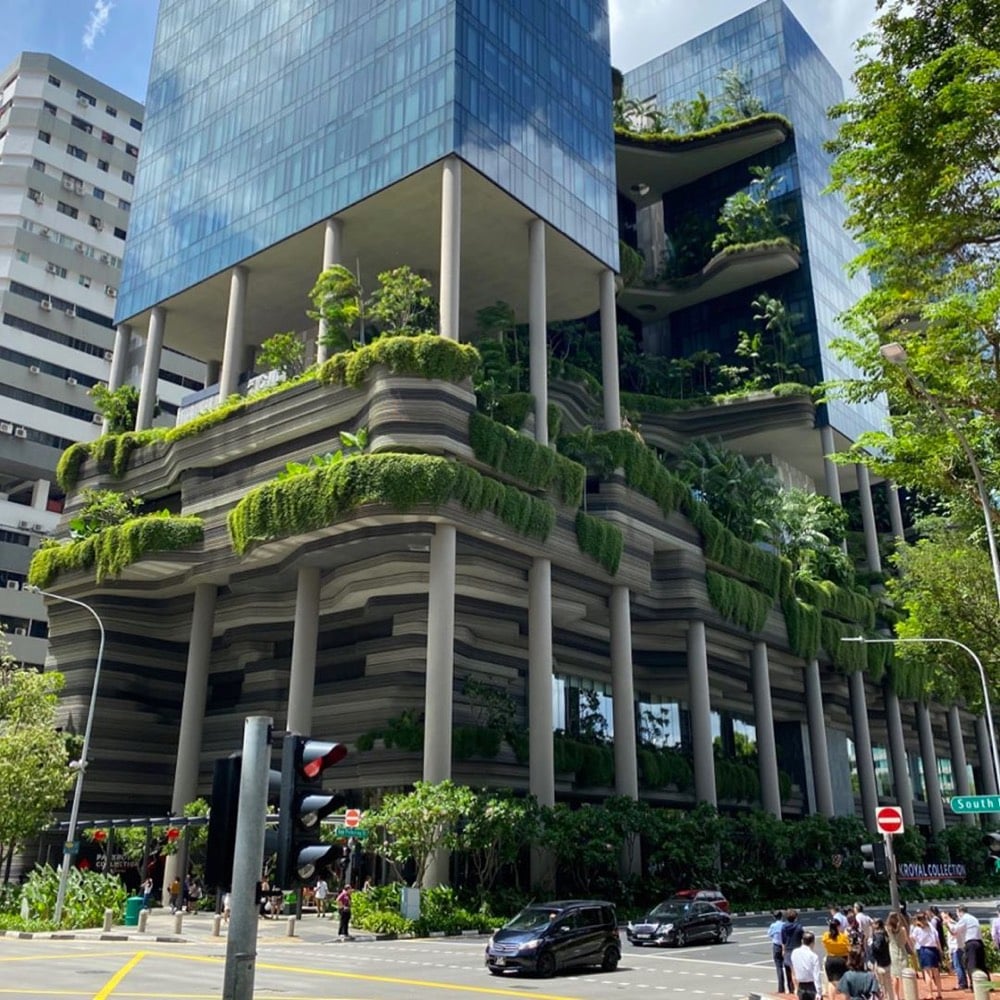
Singapore felt like the future, full stop. And it’s not just the incredible waterfall & tropical forest in the airport or the mid-building gardens in the skyscrapers. Energy-saving escalators ran slowly or not at all until human motion was detected. Infrared temperature scanners like this one were set up at the airport to automatically screen disembarking passengers for coronavirus-related fevers. Public transportation was fast, cheap, and ubiquitous — my train ride from the airport to downtown was ~$1.50. I exited the country via Automated Immigration — a machine scans your passport & thumb and you’re good to go. A vending machine made me a cup of fresh-squeezed orange juice, sealed with a thin plastic lid. A Buddhist temple I went to had self-serve offering kiosks. Everything was incredibly clean and just worked the way you thought it should — you could sense the organization and infrastructure behind every little thing. And did I mention the waterfall at the airport?!
Coming from Vietnam, the food in Singapore was going to have to clear a high bar. And it did. Unlike in Saigon, where street food sellers filled any and every possible nook and cranny of the streets, sidewalks, and alleyways, always-on-brand Singapore has organized their street food vendors into communal hawker centers. In these centers, you can get the most delicious food from all around the world — Malay, Indian, Chinese, and Singaporean cuisines are among the most popular. I ended up eating almost all my meals at food centers — I visited Maxwell Food Centre, Chinatown Complex Food Centre, Hong Lim Food Centre, and Tekka Centre.
At the Chinatown Complex Food Centre, I waited in line for about 10-15 minutes to try the soya sauce chicken rice dish (just US$2!) at Hawker Chan, the first hawker stall ever to be awarded a Michelin star. This. Dish. Was. Amazing. I have never had chicken that tender & juicy. A revelation.
The Asian Civilizations Museum and the Singapore National Gallery were both great — definitely worth visiting if you’re in town for more than a day or two.
The Singapore Botanic Gardens, a UNESCO World Heritage Site, is a marvelous place to spend an afternoon wandering around. I particularly enjoyed the rainforest and the specialty gardens: the Evolution Garden, the Fragrant Garden, and the Healing Garden (full of plants with medicinal uses). (While looking at the website just now, I’m irritated to learn that I missed the Bonsai Garden. Dammit!) The National Orchid Garden was spectacularly beautiful — there’s an entry fee of $5 that’s well worth paying.1
The Atlas Bar is notable for its huge Art Deco space and extensive gin library. You can get a gin martini with gin made in the 1910s (~US$180) or have a G&T using one of their 1300 gins from around the world. Bar Stories was much more minimal and intimate with no cocktail menu at all — you just tell the bartender the flavors and spirits you’re into and they whip something up for you. You can check out some of their creations on Instagram.
For my first two nights, I stayed in a pod hotel. I opted for a private room and it was perfect. I had just enough space in my room to sleep and change — I was barely there for more than that as I spent most of my time exploring the city. The bathrooms were clean and private — and the showers were great, better than in many American hotels I’ve stayed in. They could do more to dampen the door noise, but other than that, it was really quiet.
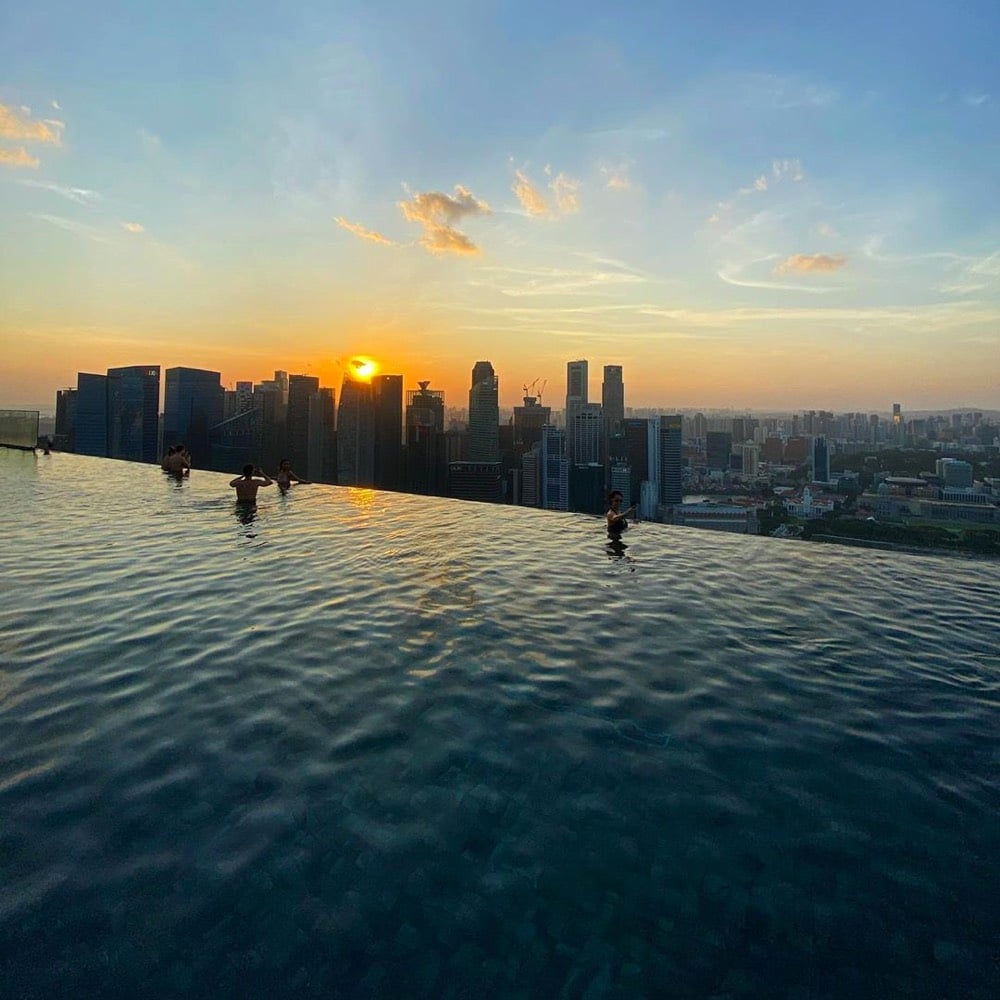
For my last night, I splurged on a room at the Marina Bay Sands, aka the hotel with the infinity pool on the 58th floor overlooking the city. Was it worth the price? I don’t know, but the views from the roof were incredible and I did spend a lot of time relaxing by that pool.
Doha, Qatar
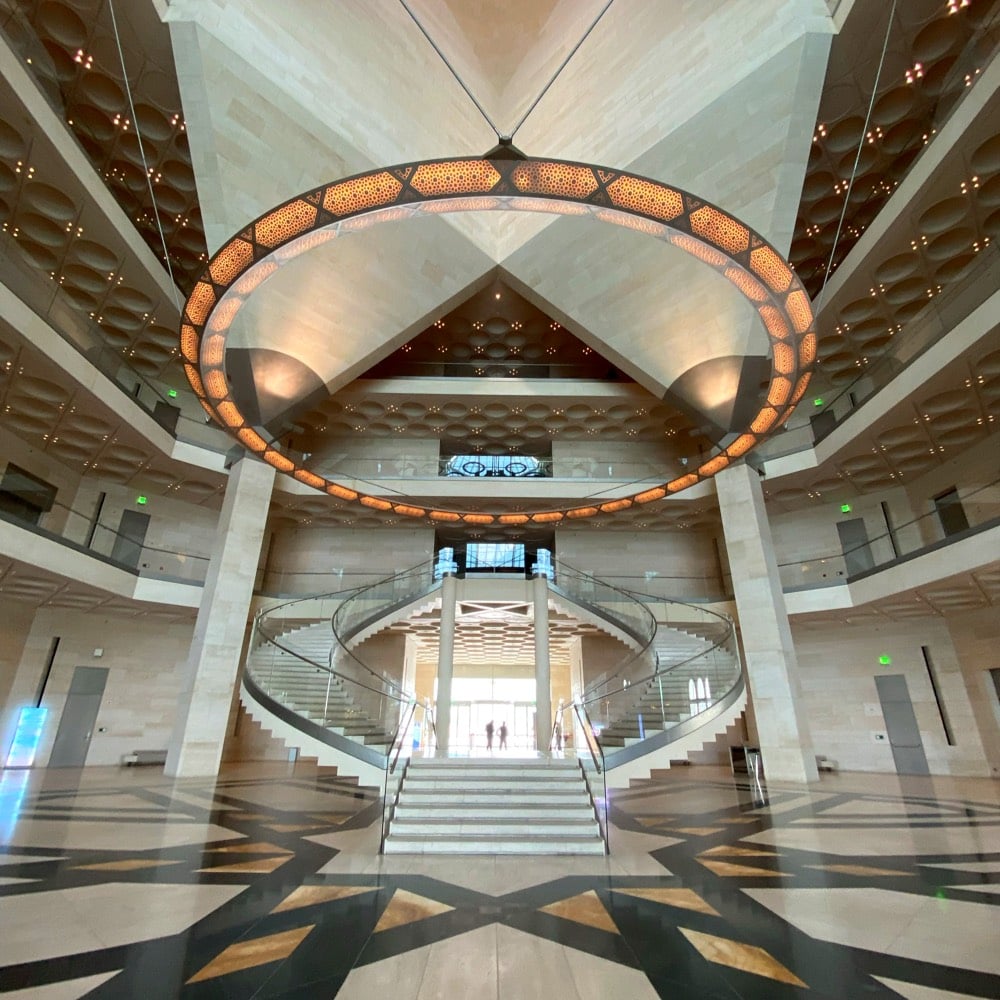
On my way home from Singapore, I spent about 48 hours in Doha, Qatar. In retrospect, I maybe should have opted for 2 more days in Singapore. Nothing against Doha, but I just didn’t have the energy to fully explore a third different place/culture in 3 weeks. (Still exploring my limitations…) I did have some great food there — including kofte at a Turkish restaurant and a simple fried halloumi sandwich I’m still thinking about more than a week later. The Museum of Islamic Art was fantastic and deepened my already significant appreciation of Islamic art.
Some miscellaneous thoughts and reflections
I met up with some kottke.org readers in both Saigon and Singapore. Thanks to Brown, Bryan, Joel, Corrie, and the Singapore meetup crew for taking me to some local spots with excellent food & drink, helping me understand a little bit more about Vietnamese & Singaporean culture, and making this solo traveller feel a little less solo. A special thanks to Brown for welcoming me into his home and introducing me to his family. After 20+ years of writing this site, it still blows me away how quickly complete strangers who read kottke.org seem like old friends. ♥
I posted several photos to my Instagram and also compiled Stories from Saigon and Singapore.
I got sick on the last day of the trip, which turned into a full-blown cold when I got home. I dutifully wore my mask on the plane and in telling friends & family about how I was feeling, I felt obliged to text “***NOT*** coronavirus, completely different symptoms!!”
Being in Asia during the early days of the coronavirus outbreak was an interesting experience. I wasn’t worried about contracting the virus — I kept my hands clean & sanitized, wasn’t interacting with anyone who had been to China recently, and wore my mask in the airport and on the airplane. By my last few days in Vietnam, the growing epidemic had the government worried, so people who normally wore masks only while riding motorbikes now wore them all the time in public. I observed that foreign tourists were more likely to wear masks than locals. Many businesses adopted a mandatory mask policy in their offices. Buddhist temples posted signs urging visitors to wear masks.
In the airport on my way to Singapore (and on the flight), every single person was wearing a mask, except for one guy who had no mask and a personal fan blowing air (and all the germs in the vicinity) right into his face. When I got to Singapore, way fewer people were wearing masks in the airport — probably only 50% — even though there were more coronavirus cases in Singapore than in Saigon. As I mentioned above, they had infrared scanners set up checking people for fever. At the Marina Bay Sands, all customers checking in had to have a temperature check with a hand-held thermometer — same if you wanted to use the hotel gym. I also got temp-scanned at one of the museums I went to.
This was my 7th long trip in the past two years and my longest one by more than a week. Despite the benefits of solo travel that I really enjoy, I’ve struggled at times with loneliness and getting a bit overwhelmed by having to figure everything out on my own in unfamiliar places. This trip, aside from a couple hours of stolen phone despair, was struggle-free — or rather the struggle was expected, manageable, and even welcome. Part of it is just practice — I feel like I’ve got the solo travel thing mostly down now. I’ve also had a couple of significant mindset shifts in recent months (like this one about winter weather) that have helped my general outlook. Working full time for two out of the three weeks I was gone helped anchor me to something familiar and provided some structure. And as I mentioned, meeting up with some friendly folks helped too.
And finally to finish up… Whenever I travel abroad, of course I have thoughts about the overall character of the places I go, but they’re based on such an incomplete experience of those places that I’m hesitant to share them. The Saigon metro area has a population of ~13.5 million and I was there for 2 weeks as a tourist, so what the hell could I possibly know about it beyond the superficial? What I mainly tend to come away with is how those places compare to the United States. What freedoms exist in a place like Vietnam vs Singapore vs Qatar vs the United States? How are those freedoms distributed and who do they benefit? And from what authority are those freedoms derived? The more places I go, the less obviously free the US feels to me in many ways, even though our country’s baseline freedom remains high (for some at least).
But the main observation I came home with after this trip is this: America is a rich country that feels like a poor country. If you look at the investment in and the care put into infrastructure, common areas, and the experience of being in public in places like Singapore, Amsterdam, Paris, and Berlin and compare it to American cities, the difference is quite stark. Individual wealth in America is valued over collective wealth and it shows.
I know that’s a bit of a downer to end on, but despite what you see on Instagram, travel is not always fun & games and often provides some potentially tough lessons and perspectives. You might get your phone stolen and come back feeling a little bit less great about your home country. Them’s the breaks, kid — welcome to the world. Thanks for following along as always.
RIP Michael Hertz, whose firm designed the NYC subway map. “All New Yorkers carry some image of Mike’s subway map in their heads.”
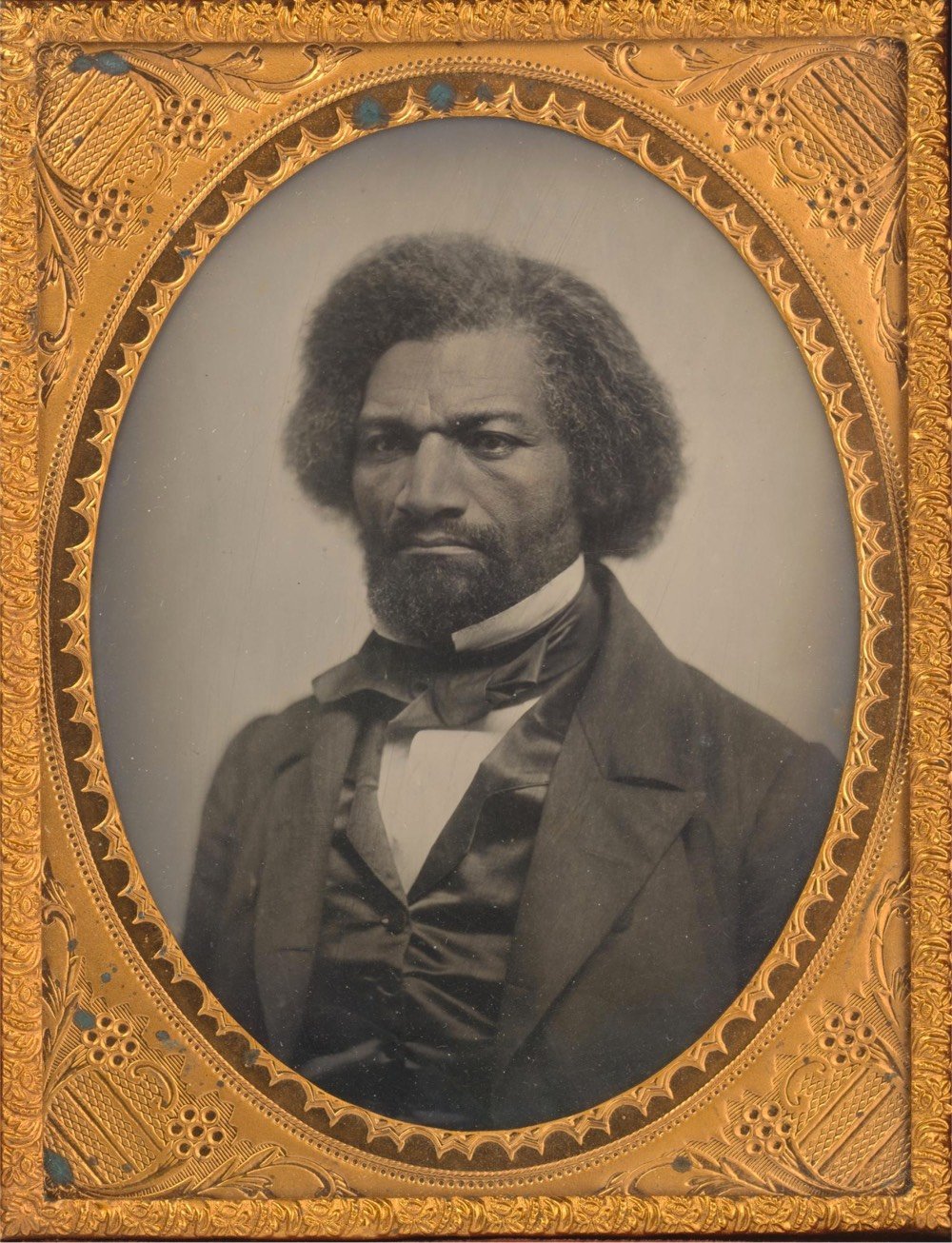
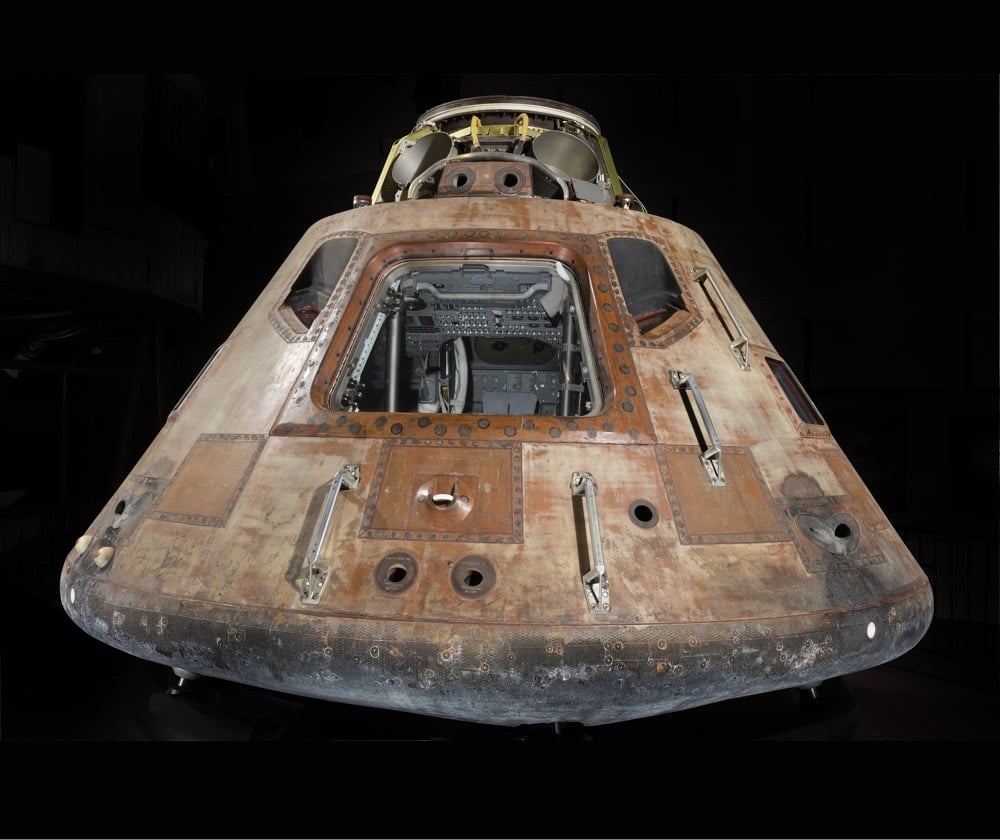
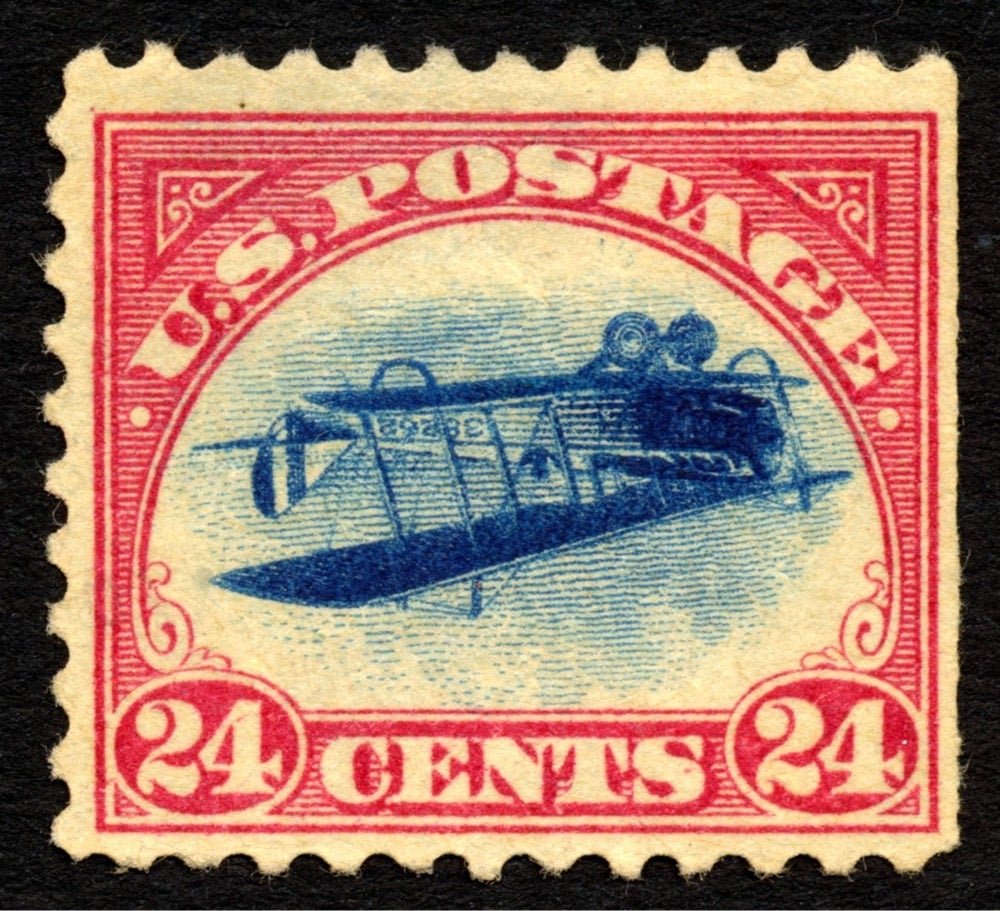
The Smithsonian Institution has released a massive trove of images and 3D models from their collections into the public domain, allowing the public to use the images however they see fit. From Smithsonian Magazine:
For the first time in its 174-year history, the Smithsonian has released 2.8 million high-resolution two- and three-dimensional images from across its collections onto an open access online platform for patrons to peruse and download free of charge. Featuring data and material from all 19 Smithsonian museums, nine research centers, libraries, archives and the National Zoo, the new digital depot encourages the public to not just view its contents, but use, reuse and transform them into just about anything they choose — be it a postcard, a beer koozie or a pair of bootie shorts.
And this gargantuan data dump is just the beginning. Throughout the rest of 2020, the Smithsonian will be rolling out another 200,000 or so images, with more to come as the Institution continues to digitize its collection of 155 million items and counting.
Part of the release is research data sets, 3D models of airplanes, chairs, and fossils, and developer tools like an API and GitHub repository. Here’s the Smithsonian’s official press release and a FAQ about the Open Access collection.
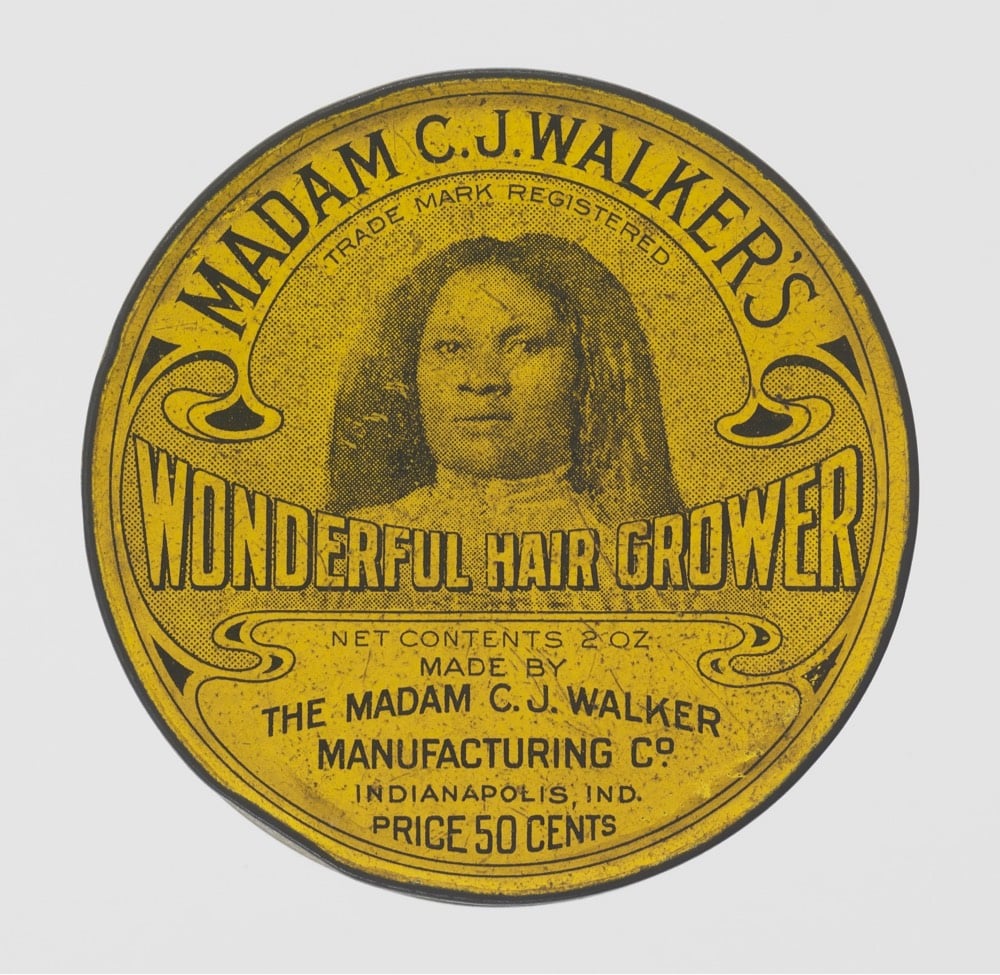

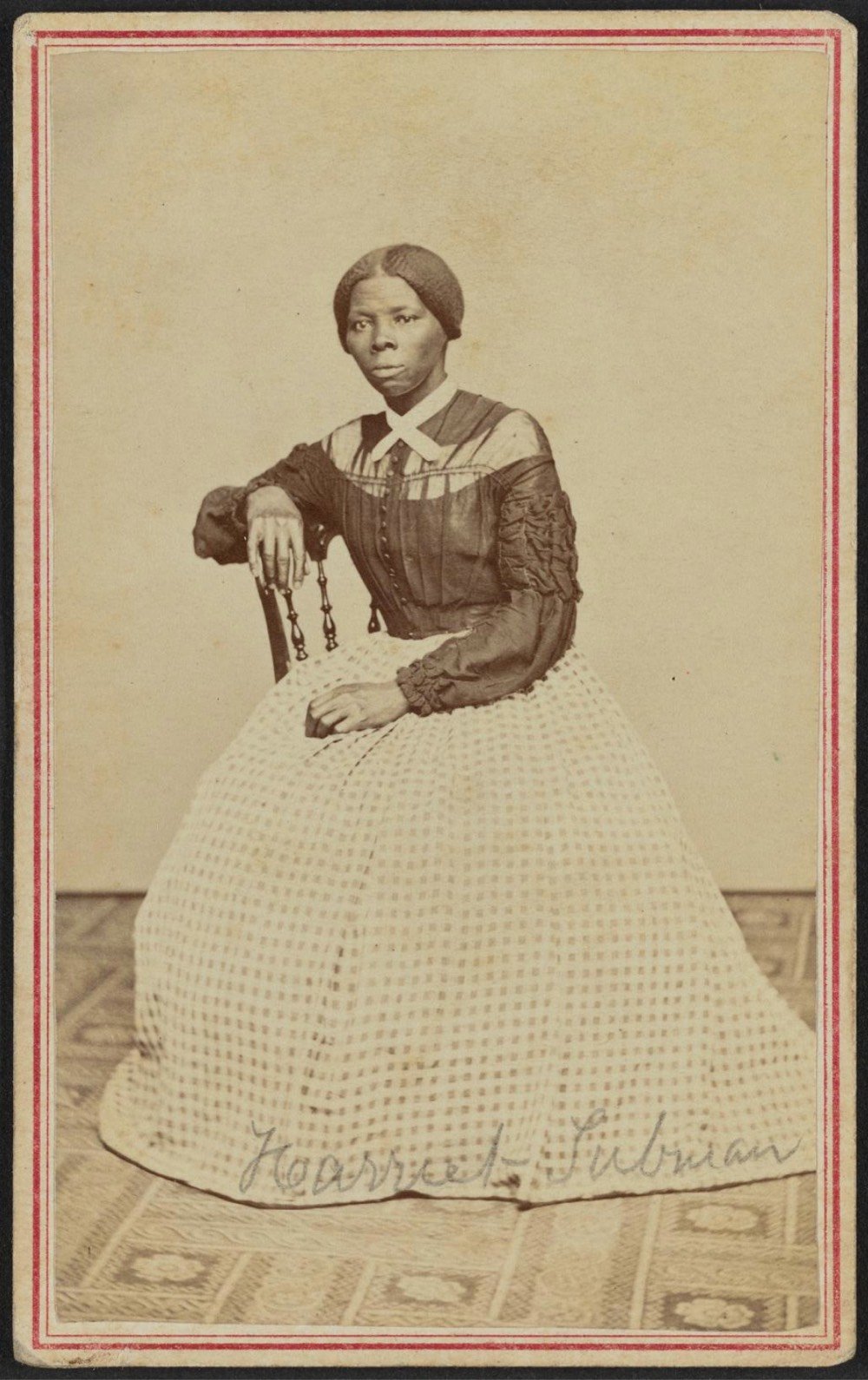

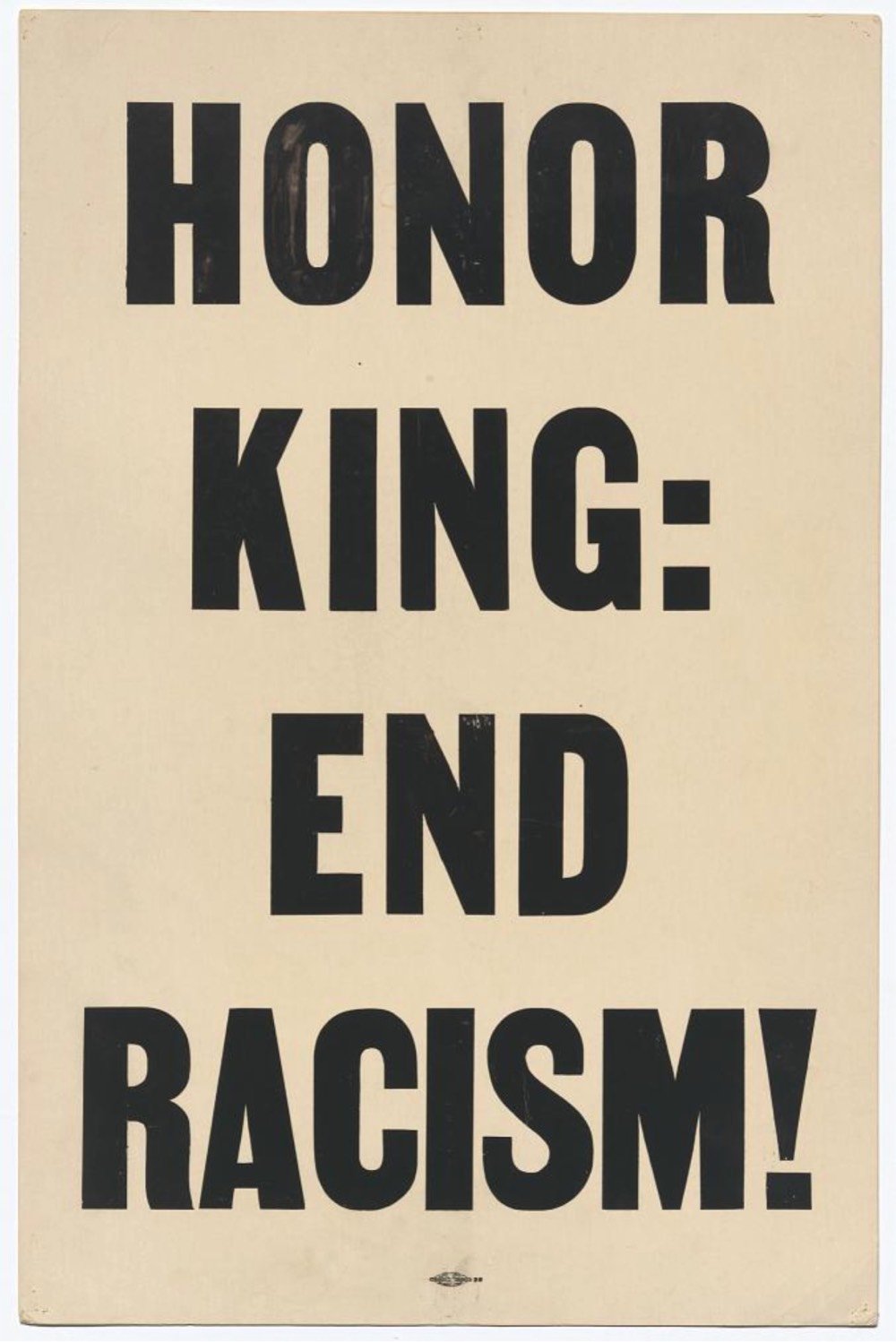
The images above are (from top to bottom): photograph of Frederick Douglass, 3D model of the Apollo 11 Command Module, inverted Curtiss Jenny stamp, 3D model & photographs of a tin of Madame C.J. Walker’s Wonderful Hair Grower, 3D model of a mammoth skeleton, carte-de-visite portrait of Harriet Tubman, 3D model of the 1903 Wright Brothers Flyer, a placard carried in the 1968 Memphis march.
Chef David Chang, who I guess is in the process of being not a chef now in the way that Bourdain became not a chef, is back for season 2 of Ugly Delicious, a food/travel/culture show on Netflix. From Eater:
Like the first season, this one promises to “use food as a vehicle to break down cultural barriers, tackle misconceptions and uncover shared experiences,” per a press release. The four episodes — only half the number of episodes as season 1 — will focus on food made for babies and children (“Kids’ Menu”), the vast world of Indian food (“Don’t Call It Curry”), the appeal and mystique of steak (“Steak”), and the varied cuisines that encompass what’s generalized as “Middle Eastern” cooking (“As the Meat Turns”).
I really liked season 1 of this show and I am not going to lie, I would love to somehow be involved in season 3. David, I have a passport, love to eat, and can talk about *gestures around at website* almost anything. Hit me up!
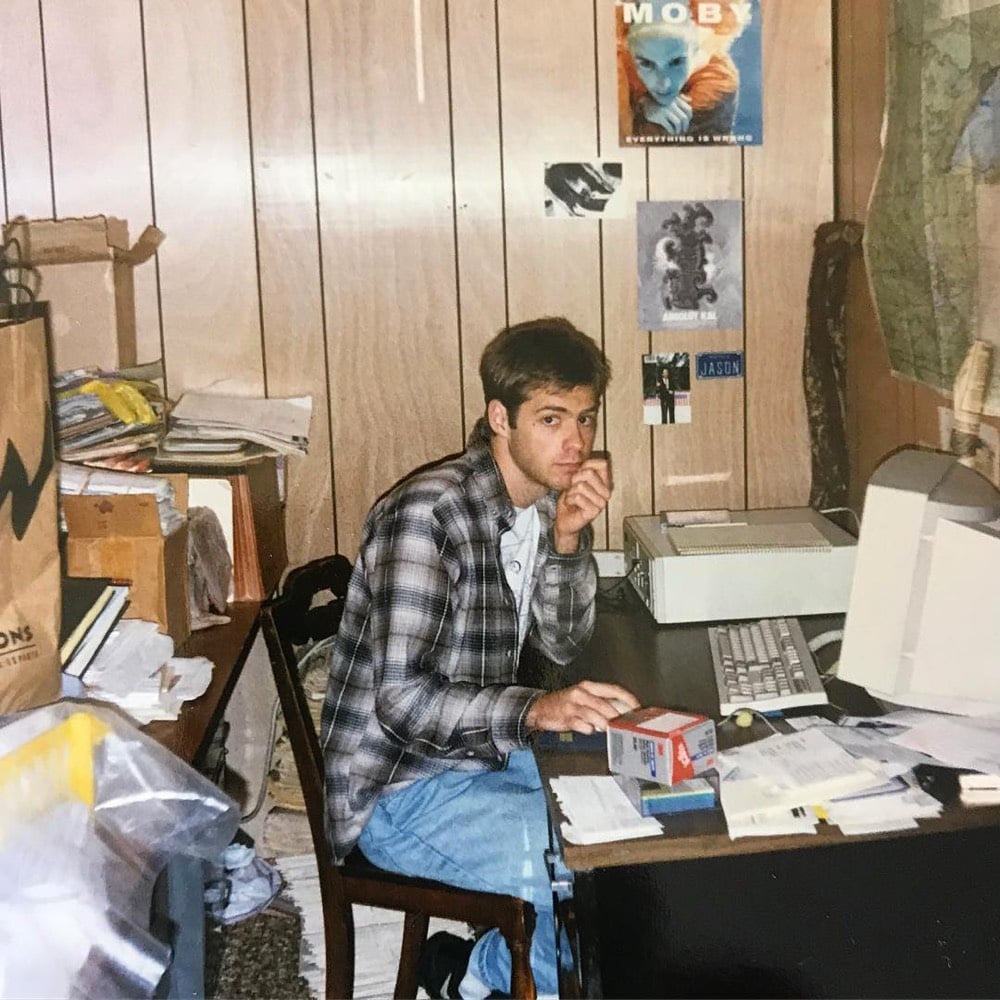
Fifteen years ago this week, on Feb 22, 2005, I announced that I was going to turn kottke.org, my personal website, into my full-time job.
I recently quit my web design gig and — as of today — will be working on kottke.org as my full-time job. And I need your help.
I’m asking the regular readers of kottke.org (that’s you!) to become micropatrons of kottke.org by contributing a moderate sum of money to help enable me to edit/write/design/code the site for one year on a full-time basis.
It seemed like madness at the time — I’d quit my web design job a few months earlier in preparation, pro blogs existed (Gawker was on its 3rd editor) but very few were personal, general, and non-topical like mine, and I was attempting to fund it via a then-largely-unproven method: crowdfunding. As I wrote on Twitter the other day, attempting this is “still the most bonkers I-don’t-know-if-this-is-going-to-work thing I’ve ever done”.
These days, people are used to paying directly for online media through services like Kickstarter, Patreon, and Substack and kids want to run their own personality-driven businesses online when they grow up. But back then, aside from the likes of the WSJ, websites were either a) free to read or b) free to read & supported by advertising and being an online personality was not a lucrative thing. But I figured that enough of you would pitch in to support the site directly while keeping it free to read for everyone with no advertising.
In order to make it feel somewhat familiar, I patterned it after a PBS/NPR fund drive. During a three-week kick-off period, I asked people to support the site by becoming micropatrons. The suggested donation was $30 (but people could give any amount) and there were thank you gifts — like signed books, software, signed photo prints, a free SXSW ticket — for people who contributed. Several hundred people ended up contributing during those three weeks, enough for me to do the site for a year. I still remember that first day, responding to well-wishes from friends on AIM and watching my PayPal account fill up, and it hitting me that this bonkers scheme was actually going to work and pretty much bursting into tears.
Fast forward to the present day and this little website is still chugging along. In its almost 22 years of existence, kottke.org has never gotten big, but it’s also never gone away, predating & outlasting many excellent and dearly missed sites like Grantland, Rookie, The Toast, The Awl, Gawker, and hundreds of others. I have other people write for the site on occasion, but it’s still very much a one-person production by a reluctant influencer (*barf*) who, as an introvert, still (naively?) thinks about posts on the site as personal emails to individual readers rather than as some sort of broadcast. I’d like to thank those early supporters for having faith in me and in this site — you’re the reason we’re all still here, gathered around this little online campfire, swapping stories about the human condition.
About 3 years ago, I returned to the crowdfunding model with kottke.org’s membership program. Since then, I’m very happy to report, readers like you who have purchased memberships have become the main source of financial support for the site. As I’ve written before, I have come to love the directness of this approach — I write, you pay, no middlemen, and, crucially, the site remains part of the Open Web, unpaywalled & free for everyone to read. If you’ll indulge me in a request on this anniversary, if you’re not currently a member of the site (or if your membership has lapsed) and can afford to do so, please consider supporting the site with a membership today. I really appreciate everyone who has become a member over the past few years — thank you!! — and I hope you will consider joining them.
Note: I have no photos of myself taken around this time in 2005, so the photo at the top of the post is me circa spring 1996. I’d dropped out of grad school & was back living at my dad’s house, spending 10-12 hours a day online (via a 28.8K modem) trying to figure out how to build websites. I applied for jobs & internships at places like Wired/Hotwired, Razorfish, Studio Archetype, and MTV but no one wanted to hire a physics major w/ no art or design education or experience to design websites. kottke.org was still a couple of years off at this point…
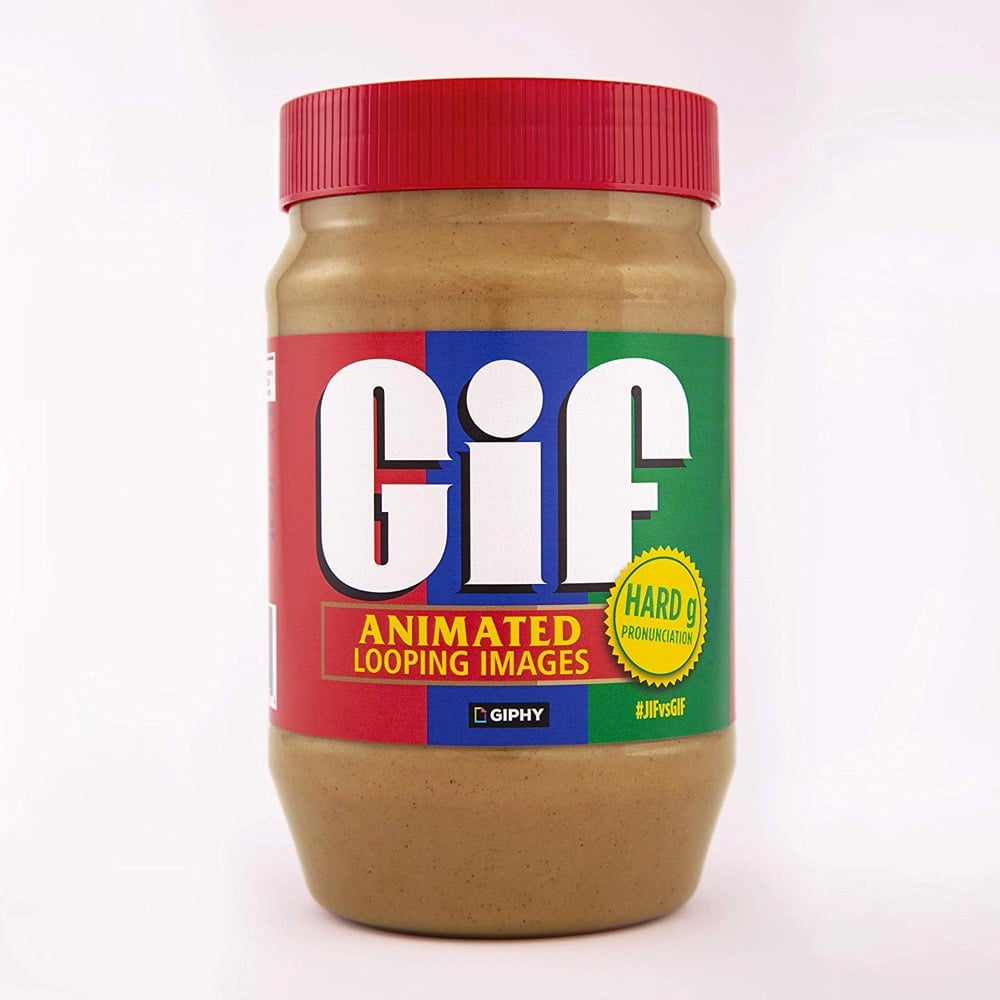
Online image emporium Giphy has partnered with Jif (the peanut butter people) to offer a limited edition jar of peanut butter with a dual-sided label: one side features the soft-G pronunciation of Jif and the other side the correct hard-G pronunciation of GIF. You can purchase a jar on Amazon. (via @waxpancake)
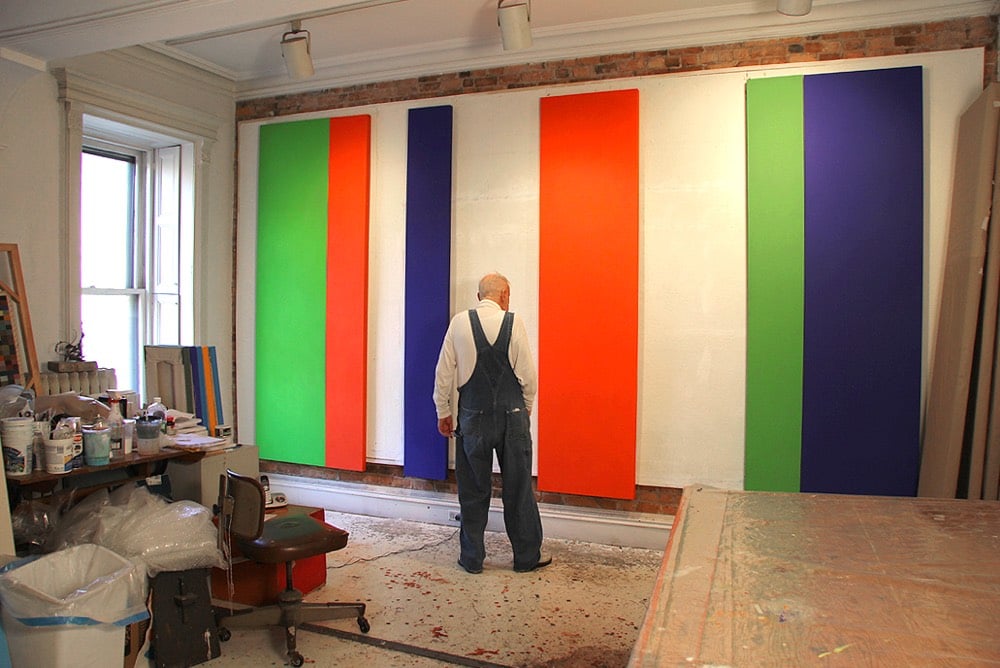
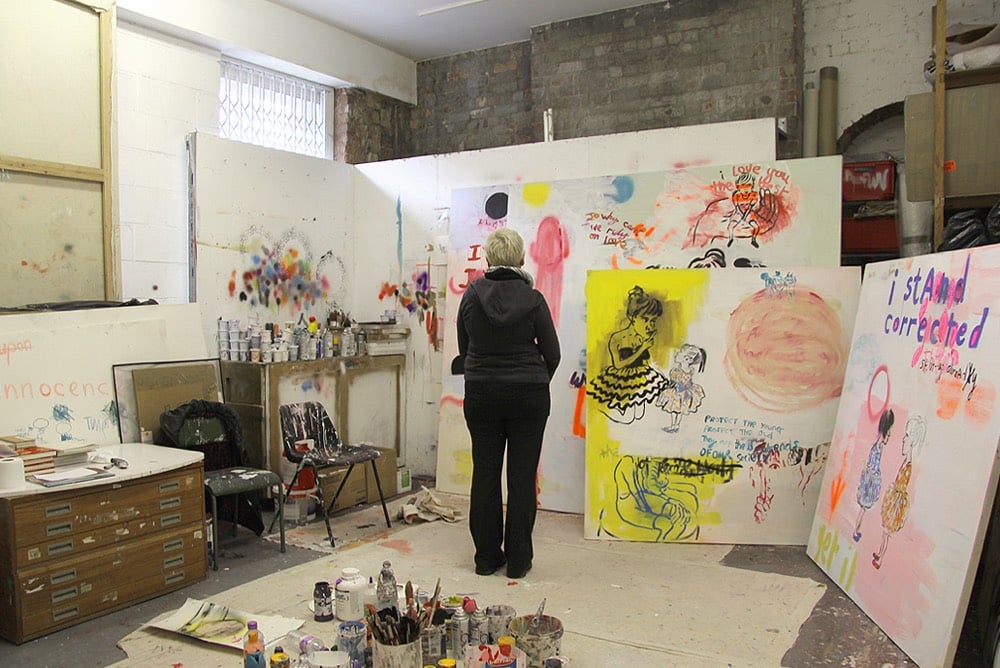
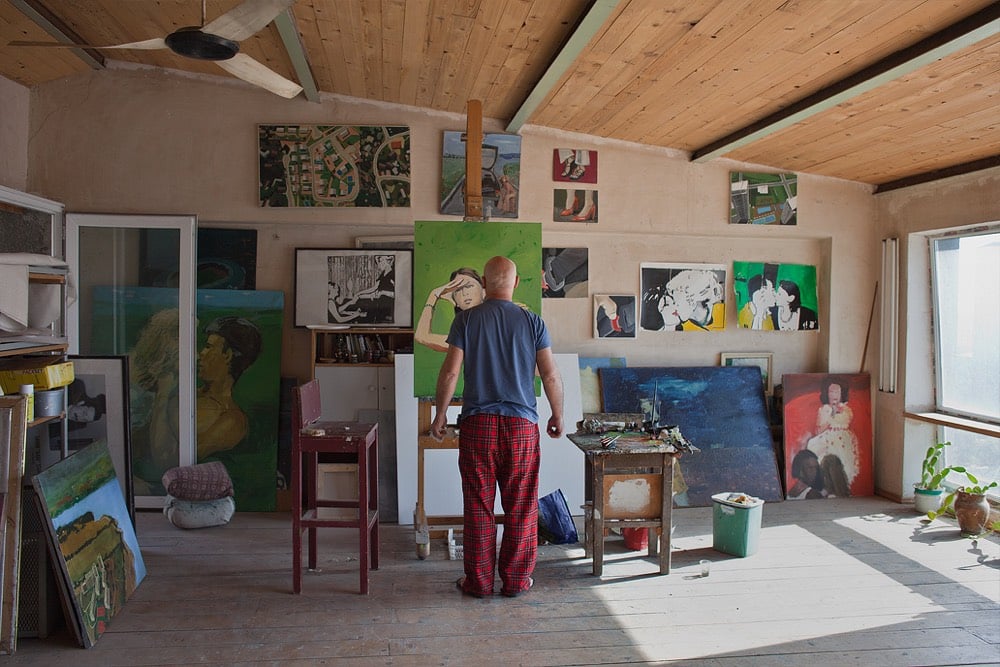
For more than 10 years now, André Smits has been traveling the world taking photos of artists (from behind) in their studios and out in the world. Earlier this year, Smits explained how the project got started:
He laughs, “I realized it was an alibi for getting in their studios, because most artists keep their doors shut and otherwise I would not get to come in. That was the beginning of the project, really. Then artists from other buildings in Rotterdam asked me to come to their place, it was like a snowball, it just started happening,” he recalls.
After Rotterdam, he visited Amsterdam and Antwerp, realizing the strength of the concept could take him all over the world. “So, I sold my house, quit my job, and now I am traveling everywhere, the project was developing in all different directions.”
It’s fun to get a glimpse into so many studios of working artists — they’re all very similar and yet different in the details. (via Noah Kalina, who Smits photographed in 2015)
Since 1945, Syrian company Pearl Soap has been using traditional centuries-old methods of making “Aleppo soap” from olive oil and laurel oil. Here’s how they do it (I love the contraption they use to cut the soap):
After cutting, the soap is stacked and aged:
The cubes of soap are then stacked in staggered cylinders to allow maximum air exposure. Once they have dried sufficiently, they are put into a special subterranean chamber to be aged for one year.
You can’t buy Pearl’s soap directly from their website and I couldn’t find it anywhere else, but Aleppo soap from other makers is widely available on Amazon and Etsy. (via huit denim)
From director Arthur Cauty, a short documentary film about the oldest video rental store in the world, Bristol’s 20th Century Flicks, which has been operating continuously since 1982. Says Cauty:
It’s an ode to the video shop experience and a bygone way of watching movies. With studios like Disney launching their own streaming services and joining industry kingpins such as Netflix and Hulu, we have an almost endless flow of entertainment available at the click of a button. It’s amazing to me that a little independent video store can survive the Netflix cull and even outlive Blockbuster. Drop into the shop next time you’re in Bristol for a dose of movie nostalgia, have a chat about film and go home with a VHS rarity and a bag of popcorn.
From a 2014 Guardian piece about the shop as they were attempting an ultimately successful move & crowdfunding campaign:
The shop was never what you’d call high street, sandwiched as it was between Bristol University’s monstrous student’s union and the Clifton Wine Bar, but was always somewhere Bristolians were willing to travel to. In the 1990s there may have been a Blockbuster in every district, but if you wanted to rent Fitzcarraldo, Flicks was your only option. The shop’s all-time greatest hit is Withnail and I, and the current top of its chart is Calvary. Its policy of not disposing of titles when rentals slowed has resulted in an enviable off-site archive for requests — including a core of VHS movies that were never released on DVD and are still regularly taken out.
The owners say the store has a collection of more than 20,000 different titles, “about five times more than Netflix”.
See also Memory Power, a short doc about a Pennsylvania video store that’s also hanging in there.
Harvey Weinstein has been found guilty of rape. “A jury convicted Mr. Weinstein of felony sex crime and rape, but acquitted him of the most serious charges against him, predatory sexual assault.”
You’re Likely to Get the Coronavirus. “Lipsitch predicts that, within the coming year, some 40 to 70 percent of people around the world will be infected with the virus that causes COVID-19.”
I’ve loved math since I was a kid. One of the big reasons for this is that there’s always more than one way to solve a particular problem and in discovering those solutions, you learn something about mathematics and the nature of numbers.1
In this video, math fan Johnny Ball shows us a different method of multiplication. In Russian multiplication (also called Ethiopian multiplication and related to ancient Egyptian multiplication), you can multiply any two numbers together through simple addition and doubling & halving numbers. The technique works by converting the numbers to binary and turning it into an addition problem.
I loved learning about this so much that I scribbled an explanation out on a napkin at brunch yesterday to show a friend how it worked. We’re friends because she was just as excited as I was about it. (via the kid should see this)
The first 30 seconds of this time lapse video provides a great look into how the 10 satellites that make up the Global Precipitation Measurement Constellation scan the surface of the Earth to provide daily global precipitation maps.
This visualization shows the constellation in action, taking precipitation measurements underneath the satellite orbits. As time progresses and the Earth’s surface is covered with measurements, the structure of the Earth’s precipitation becomes clearer, from the constant rainfall patterns along the Equator to the storm fronts in the mid-latitudes. The dynamic nature of the precipitation is revealed as time speeds up and the satellite data swaths merge into a continuous visualization of changing rain and snowfall.
This is lovely: composer Max Richter, accompanied by a string quintet, plays a Tiny Desk Concert at NPR.
Half way through this performance of Max Richter’s achingly beautiful On The Nature Of Daylight, I looked around our NPR Music office and saw trembling chins and tearful eyes. Rarely have I seen so many Tiny Desk audience members moved in this way. There’s something about Max Richter’s music that triggers deep emotions.
Richter is one of my favorite composers, so this was really fun to watch.
For her video “The Real Thing”, filmmaker Julianna Villarosa used footage of Coca-Cola’s famous “I’d Like to Buy the World a Coke” commercial ruined by pouring Coke on VHS and film copies to draw attention to the company’s water privatization practices in Chiapas, Mexico, where there’s a water shortage on. From the video:
The Chiapas Highlands, one of Mexico’s wettest regions, has a water shortage. Many drink Coca-Cola, which is bottled nearby and often easier to find than clean water. On average, residents drink more than half a gallon of soda per day. Indigenous Tzotzil use Coca-Cola in religious ceremonies and medicinal treatments. Diabetes has become the second-leading cause of death in Chiapas. The local Coca-Cola plant extracts more than 300,000 gallons of water per day.
Simple, direct, and brilliant activist art — Villarosa uses the company’s literally corrosive product to physically destroy their feel-good advertising to draw attention to the real harm this US company is doing to people & ecosystems around the world. Here’s more on the Chiapas region and the residents’ reliance on Coke:
Coca-Cola’s penetration of the market in Los Altos has also been aided by a strategy of charging less in remote rural areas where a Coke in a returnable glass bottle is often scarcely more expensive than bottled water. As in most of Mexico, clean drinking water is not generally available even to those who can count on running water in their homes, which means many turn to soft drinks for basic hydration.
The irony of this is clear in an area known for its constant downpours and abundant springs, such as the one that attracted the Coca-Cola bottling company. Local activists say the company has so overexploited the spring that the city of San Cristóbal is now facing water shortages.
The activists allege this has been possible in part because Coca-Cola has friends in high political places. Between 2000 and 2006 the country’s president was Vicente Fox, a former head of Coca-Cola Mexico.
It all adds up to a perfect storm of sugar-related health issues in Los Altos. María del Socorro Sánchez, who is in charge of nutrition at the main hospital in San Juan Chamula, says only about one in 10 of the indigenous patients with diabetes accept there is any need to cut out sugar-packed drinks. “They just don’t believe that it is bad for them,” she said.
(via the morning news)

From artist Nanan Kang, Corn with a Pearl Earring. I have a bit of a thing for riffs on Vermeer’s masterpiece. See also Girl with a Pearl Earring and Point-and-Shoot Camera, The Girl with the Grande Iced Latte, Rihanna with a Pearl Earring, Girl with a Pearl Earring at the beach, and a Lego version of the painting. (via colossal)
Update: This is fun (courtesy of @jschulenklopper):
In Dutch (Vermeer’s native language) this one is even better. The original painting is called “Meisje met de parel” in Dutch, and corn is “mais”. So this one could be named “Maisje met de parel” which is pronounced almost identically.
Was Leonardo DiCaprio Actually a Star Before Titanic? What an odd question. The answer is obviously yes – and Titanic made him go supernova.
From DJ Mike 2600, a YouTube series called Songs That Sound The Same.
My hit series of DJ videos exploring pairs of songs that aren’t direct covers or rip-offs, but have similar melodies, riffs, or chord progressions and just fit together nicely.
Each video is about a minute long and features him playfully mixing two or more songs together that sound very similar. Here’s one of the early episodes, featuring Hot Fun in the Summertime by Sly & the Family Stone and Misunderstanding by Genesis:
T.I.’s Whatever You Like and Zombie by The Cranberries:
Whomst among us wouldn’t go nuts if the DJ laid this down at the club — M83’s Midnight City & Rihanna’s Diamonds:
And this one made me LOL — Draggin’ the Line by Tommy James mixes really well with the Baby Back Ribs song from the Chili’s commercial:
What a great combination of creativity and craft. Watching stuff like this always makes this non-musical person want to make some music. (via @hoodinternet)
Being a Hollywood assistant sounds terrible. “I don’t understand how a man can treat a person who has access to all of his bank accounts, emails, and Viagra prescriptions so poorly.”
Oh no they’re making a third season of Westworld? Spoiler alert: this show isn’t going anywhere and we’re going to be disappointed in the end.
From PBS’s FRONTLINE comes Amazon Empire: The Rise and Reign of Jeff Bezos, a feature-length documentary investigation into Amazon and its founder.
Jeff Bezos is not only the richest man in the world, he has built a business that is without precedent in the history of American capitalism. His power to shape everything from the future of work to the future of commerce to the future of technology is unrivaled. As politicians and regulators around the world start to consider the global impact of Amazon — and how to rein in Bezos’ power — FRONTLINE investigates how he executed a plan to build one of the most influential economic and cultural forces in the world.
One of the 10 key takeaways from the film is how deliberately Amazon attacked the publishing industry:
“Amazon took over a large market share of the publishing industry very, very fast,” James Marcus, a former senior Amazon.com editor, tells FRONTLINE — a situation that he says prompted publishers to realize, “‘Oh, wait a minute, they’re our partner, but they now have the beginnings of a boot on our windpipe’.” Inside the company, the team had launched a strategy that some called “the Gazelle Project,” because they’d heard Bezos wanted them to pursue publishers the way a cheetah pursues a sickly gazelle. “Well, you don’t go after the strongest,” Randy Miller, who ran the European book team, says of the strategy. “He’s like, ‘The cheetah. The cheetah looks for the weak, looks for the sick, looks for the small.’” That way, by the time it comes to take on the publishers at the top, “the noise has gotten back to them. They’re going to know this is coming, and chances are you may be able to settle that without a full-on war.”
Here’s a trailer but the whole thing is available online, embedded above and on YouTube.
Surprisingly frank interview with Ben Affleck about his divorce and alcoholism. “Shame is really toxic. There is no positive byproduct of shame. It’s just stewing in a toxic, hideous feeling of low self-worth and self-loathing.”
From the feature-length documentary Miles Davis: Birth of the Cool that’s debuting on PBS’s American Masters next week, this is a short clip about how Miles’ masterpiece, Kind of Blue, came together in the studio.
Miles Davis didn’t provide sheet music for his musicians during the recording of his iconic album “Kind of Blue.” He said that “I didn’t write out the music for ‘Kind of Blue.’ But brought in sketches ‘cause I wanted a lot of spontaneity in the playing.”
Here’s the trailer and a couple of other clips from the film. (via @tedgioia)
This is the most metal shit ever: the doctors removing violinist Dagmar Turner’s brain tumor woke her up during the procedure to play the violin to make sure that she didn’t lose any parts of her brain vital to her playing.
After explaining concerns she had over losing the ability to play the violin, Prof Ashkan and the neurosurgical team at King’s devised a plan. Prior to Dagmar’s operation they spent two hours carefully mapping her brain to identify areas that were active when she played the violin and those responsible for controlling language and movement. They also discussed with Dagmar the idea of waking her mid-procedure so she could play. This would ensure the surgeons did not damage any crucial areas of the brain that controlled Dagmar’s delicate hand movements specifically when playing the instrument. With her agreement, a team of surgeons, anaesthetists and therapists went on to meticulously plan the procedure.
During the operation Prof Ashkan and the team performed a craniotomy (an opening in the skull) and Dagmar was brought round from the anaesthetic. She played violin while her tumour was removed, while closely monitored by the anaesthetists and a therapist.
In this video, Dean Bog takes an entertaining look at “Pittsburgh’s weirdest tradition”, where residents place a chair on the street in front of their house to claim a parking spot and keep others from parking in it. The maneuver is technically illegal, but:
We don’t need official signs, we don’t need to get the cops involved, we can just understand that if you’re placing a chair in a spot, you’re asking everyone to respect it as your own.
Bostonites do this during the winter with cones and sometimes chairs — the logic is: if you did all the hard work of shoveling out a spot, why should someone else get to park there?
Bog is also doing this series of videos where he reviews the neighborhoods of Pittsburgh. (thx, james)
Older posts




Socials & More