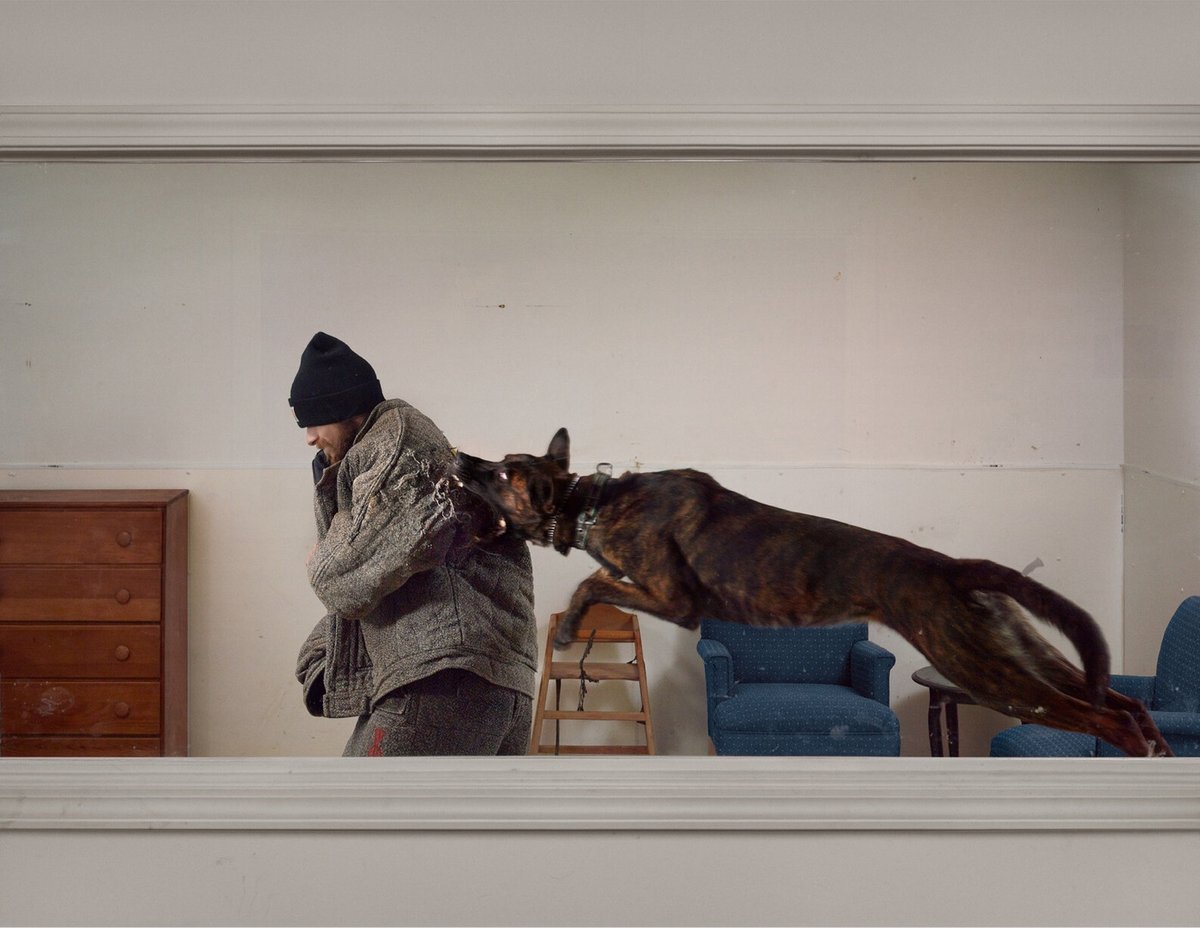
Father Country I Do Love You sounds like a doozy of a new exhibition from photographer Taryn Simon. The project focuses on the life and work of an unnamed, retired FBI agent. From the NY Times: She Spent Years on a Giant Project About One Man. The Result Is Monumental.
As it turned out, his work had touched many catastrophes of American life — the 1996 crash of TWA Flight 800, for example, which the agent helped to inspect, or the attack on the Pentagon on 9/11, when the agent was in charge of sifting debris in the immediate aftermath — and also lesser-known events, historical footnotes that were nonetheless telling. What interested Simon were not just the events themselves, but also their reverberations, far beyond any immediate blast radius. What happened, for instance, to the physical ruins from the TWA crash? What became of the woman who tried to take a photograph of the smoldering Pentagon, whose film the F.B.I. agent had confiscated? Or to the Iraqi diplomat who ran the country’s U.S. embassy during the Persian Gulf war, whom the agent had monitored? Or to the child of a couple accused of being Russian spies, whose house the agent had raided?
The piece describes the project, which includes over 1000 photographs and other material, as “a Great American Novel in visual form” and “huge and fractal: biography as butterfly effect”, which sounds fascinating.
Even Jodie Foster makes an appearance; this particular agent had trained Foster at the FBI Academy in Quantico as preparation for her role as Clarice Starling in The Silence of the Lambs.
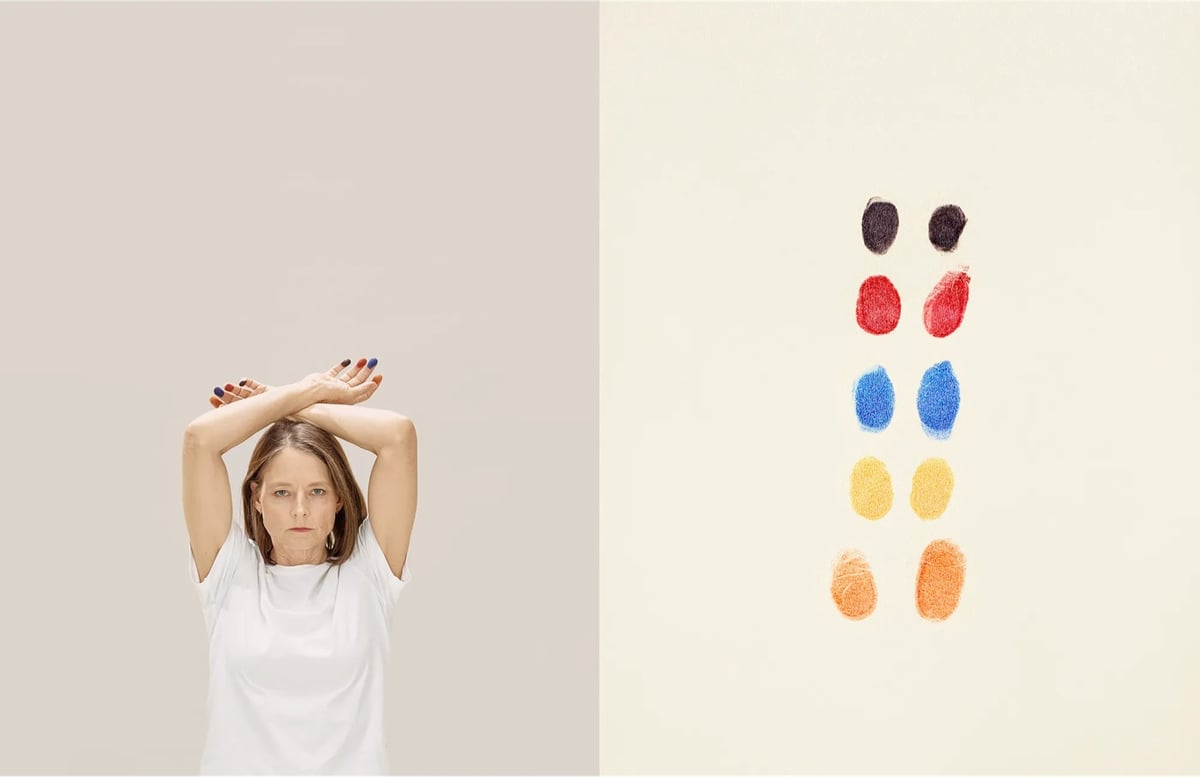
Father Country I Do Love You debuts at the Guggenheim in NYC on September 18 and runs through March 14, 2027.
Lovely short video about artist Jas Knight, who is a participant in the Met Museum’s Copyist Program:
The Copyist Program offers time and space for artists to develop their own interpretation of an artwork through intimate study in the Museum’s galleries. Copyists have created reinterpretations of original artworks in The Met collection since 1872.
Here’s Knight from the video, in which he is copying Diego Velázquez’s Juan de Pareja:
Almost every artist was a copyist up until the 20th century because as a painter you would go through certain exercises to learn how to paint. You haven’t begun to see a painting until you’ve copied it.
And I especially liked this bit:
Velázquez’s brain is on that canvas. So we’re encountering a person’s brain that doesn’t exist anymore when we’re looking at a painting by them. I’m literally interacting with Velázquez.
In a piece about Harold Fisk’s Mississippi meander maps, I wrote about art as a time machine:
It takes some imagination, but standing before a painting by Hilma af Klint, a sculpture by Bernini, or a cave painting in Chauvet, France draws you back in time in a powerful way: you know you’re standing precisely where those artists stood hundreds or even thousands of years ago, laying paint to surface or chisel to stone. Even experiencing art through prints or photographs leads the mind to consider all the cultural, political, technological, and economic things that were happening when the work was produced. Art is a doorway to past worlds.
You can see Knight’s copy of Velázquez’s Juan de Pareja and compare it with the original. (via the kid should see this)
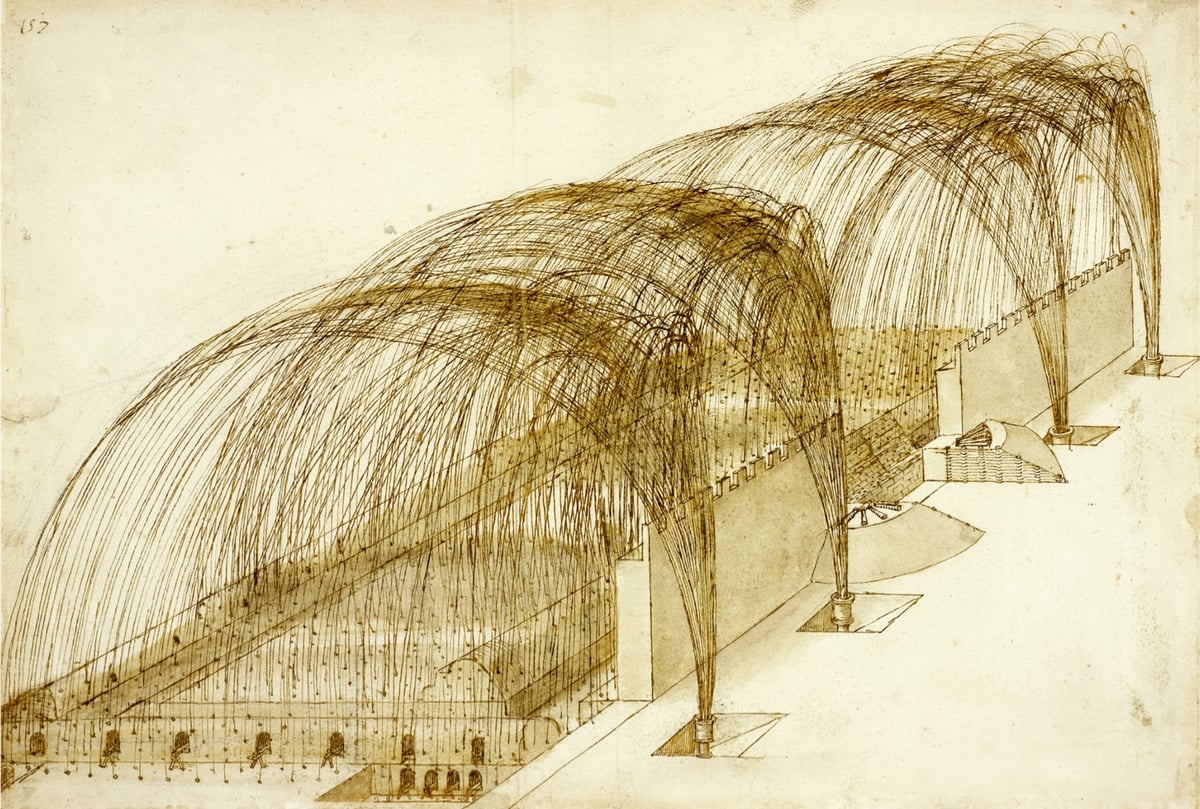
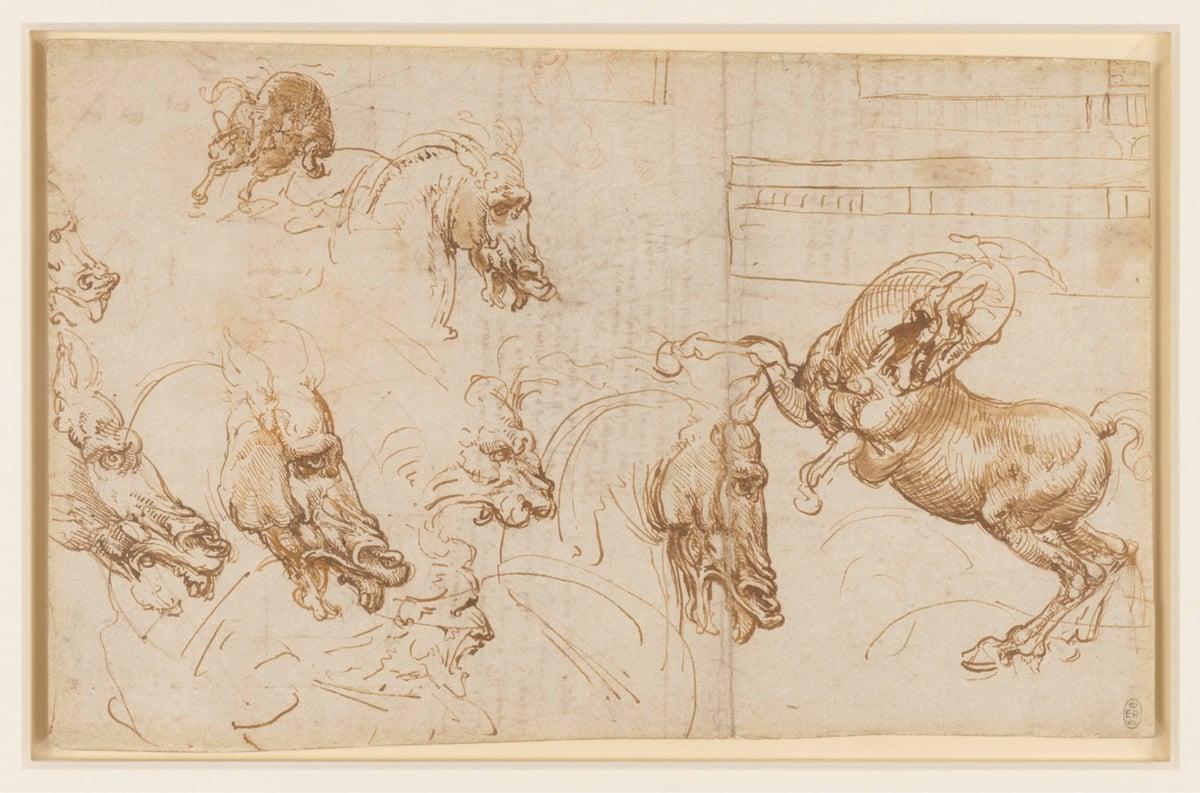
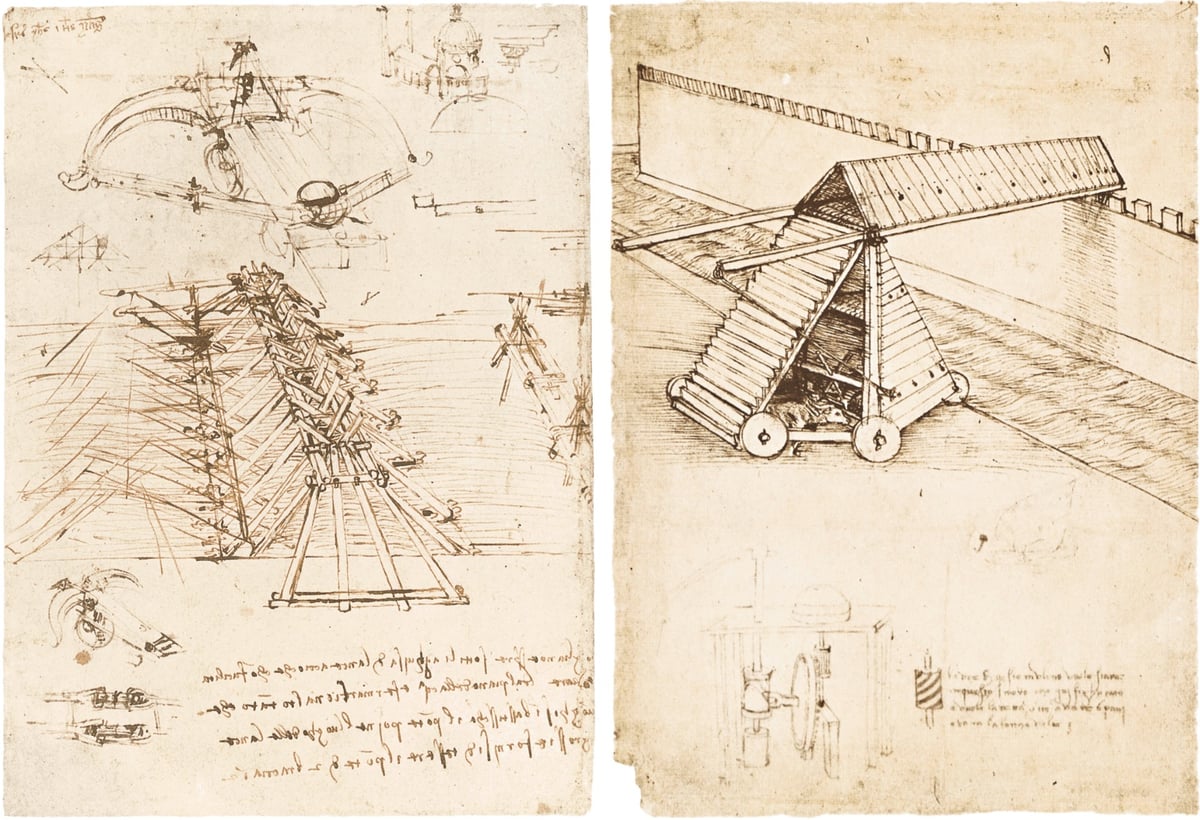
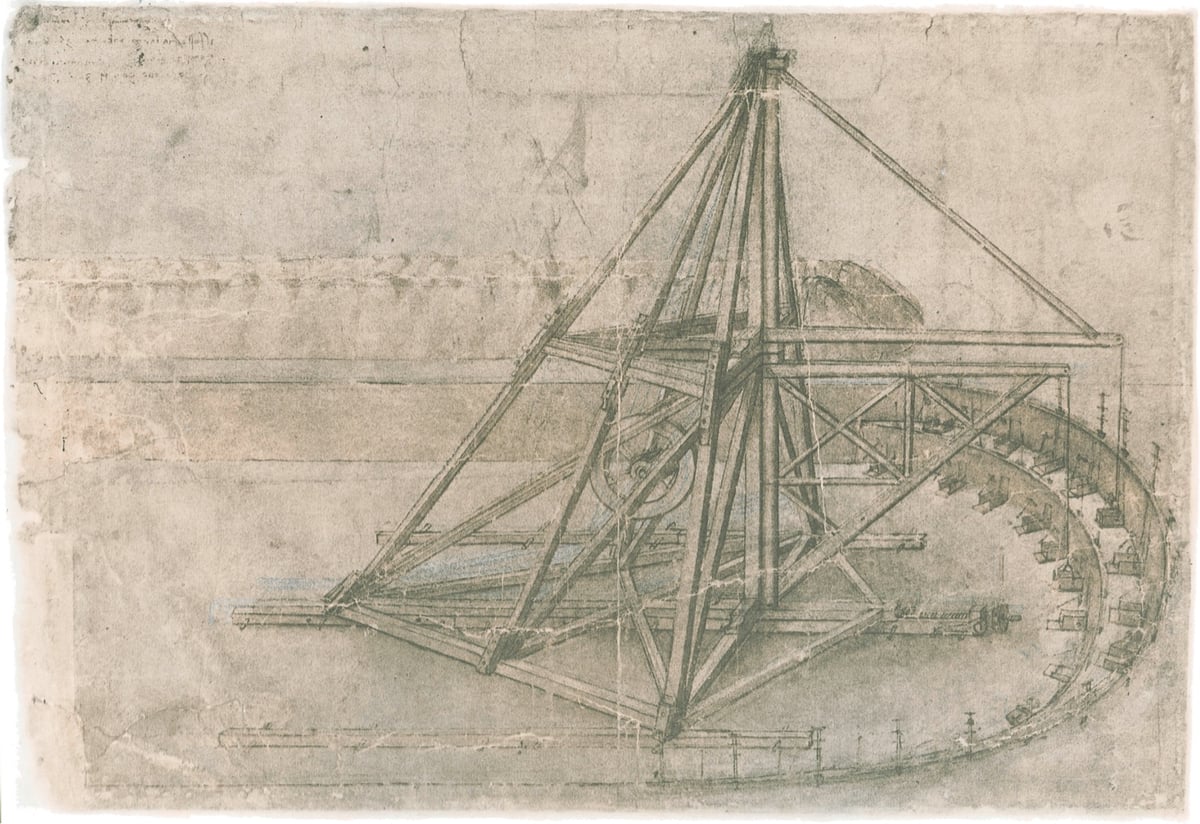
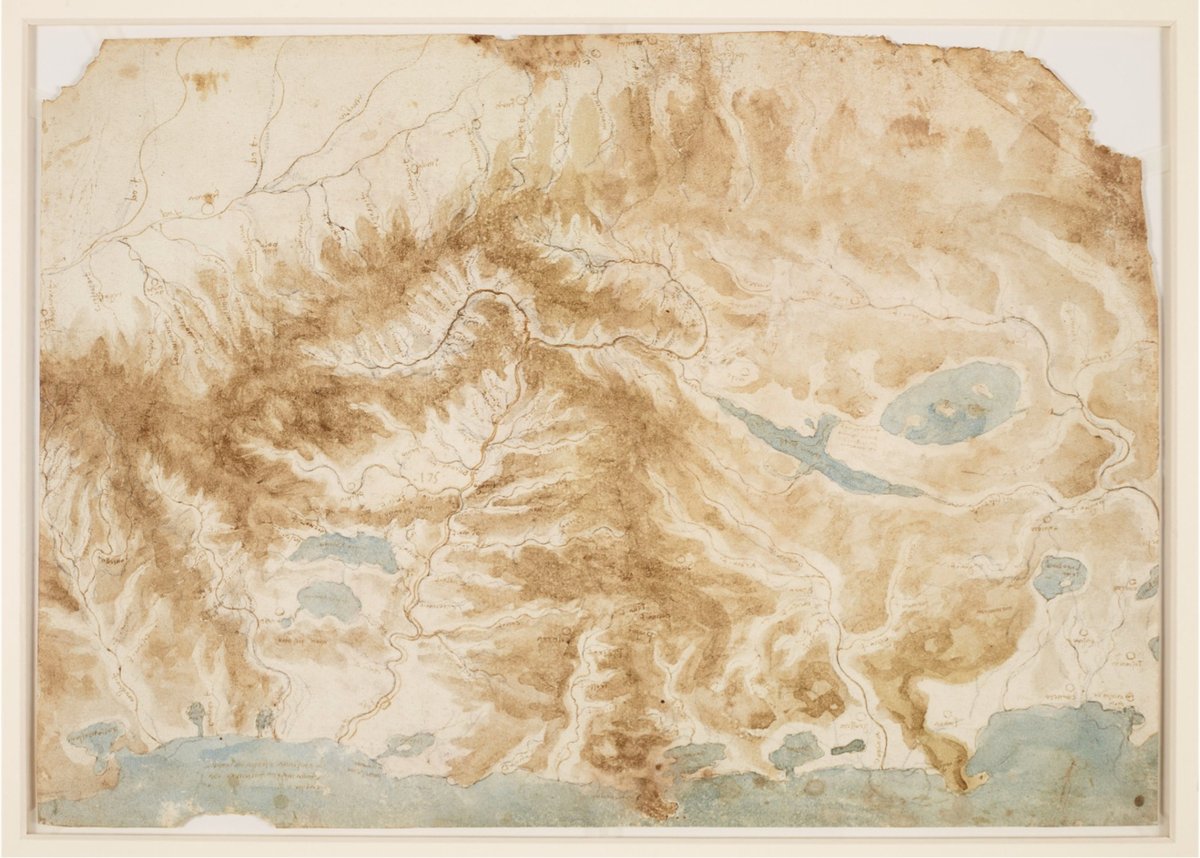
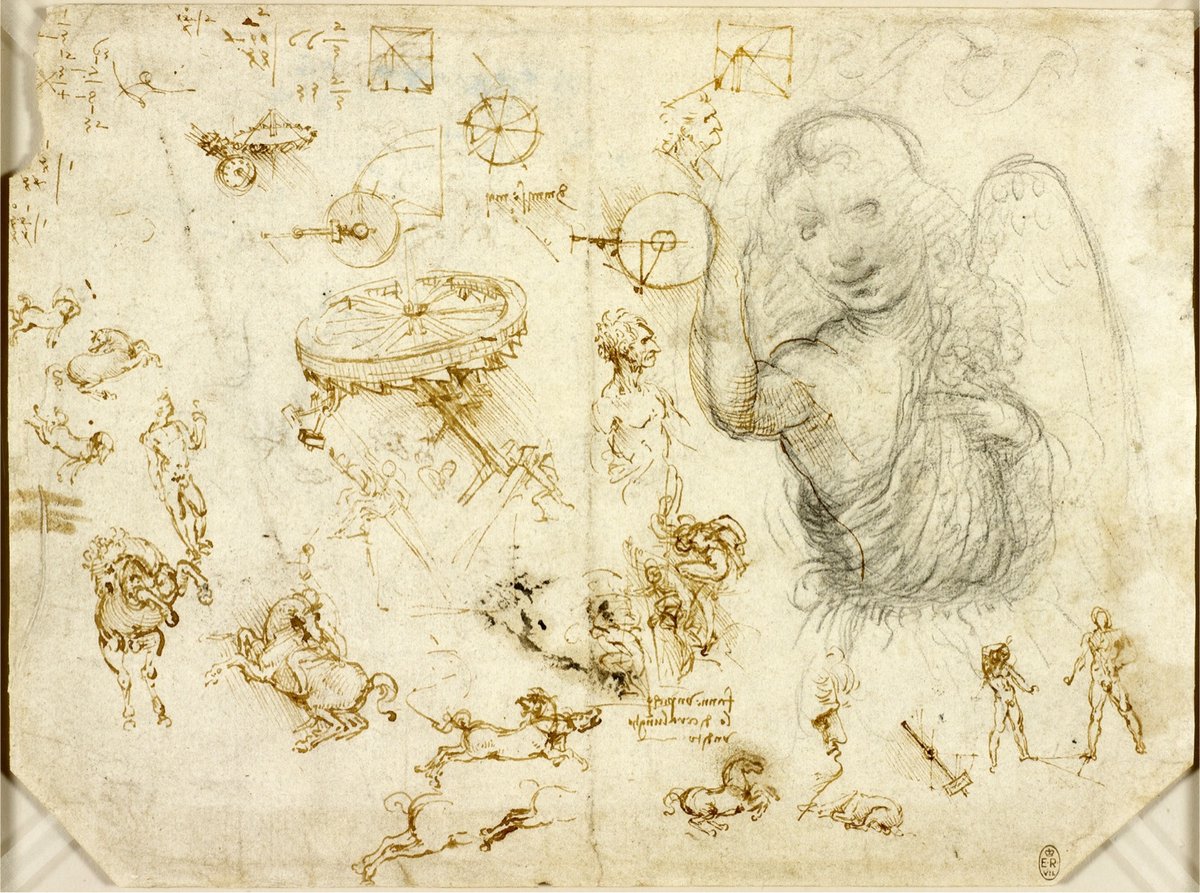
For the first time in hundreds of years, two collections of Leonardo da Vinci’s notebooks have been brought together online at the Leonardotheka. In some cases, pages that were cut apart centuries ago have been digitally joined so we can see the full pages again, as Leonardo drew and wrote them. From the press release:
Marking the culmination of a 10-year project in collaboration with Royal Collection Trust, Windsor, the Veneranda Biblioteca Ambrosiana, Milan, and the Biblioteca Leonardiana in Vinci, a dedicated group of Leonardo scholars and digital experts has worked to bring approximately 3,500 pages of manuscripts back together after they were separated and cut into pieces in the late 16th century. Leonardotheka reveals new insights into Leonardo’s thoughts, vision and working process through the ambitious reconstruction of select pages, digitally restoring their original appearance, to make clear the intended connections between scientific texts and figurative drawings, which had been arbitrarily separated by a later collector.
Museo Galileo initiated this collaboration between partner institutions — convening the world’s leading scholars and knowledge accumulated over centuries of study — with the primary goal of broadening access to Leonardo’s rich legacy via a public platform. Leonardotheka reunifies the 1,119 sheets of the Codex Atlanticus — the largest single set of Leonardo’s writings, held by the Veneranda Biblioteca Ambrosiana — with the most important group of figurative, anatomical, landscape and natural-history drawings by Leonardo in existence — around 550 sheets, part of the Royal Collection at Windsor Castle. These two collections — originally from the same set of manuscripts made by Leonardo from the mid-1470s to just before his death in 1519 — are now brought together in a cross-searchable digital resource.
Here’s a piece in Discover about the collection. Good luck spending less than 30 minutes (or several hours) poking around the archive. (via @jenlucpiquant.bsky.social)
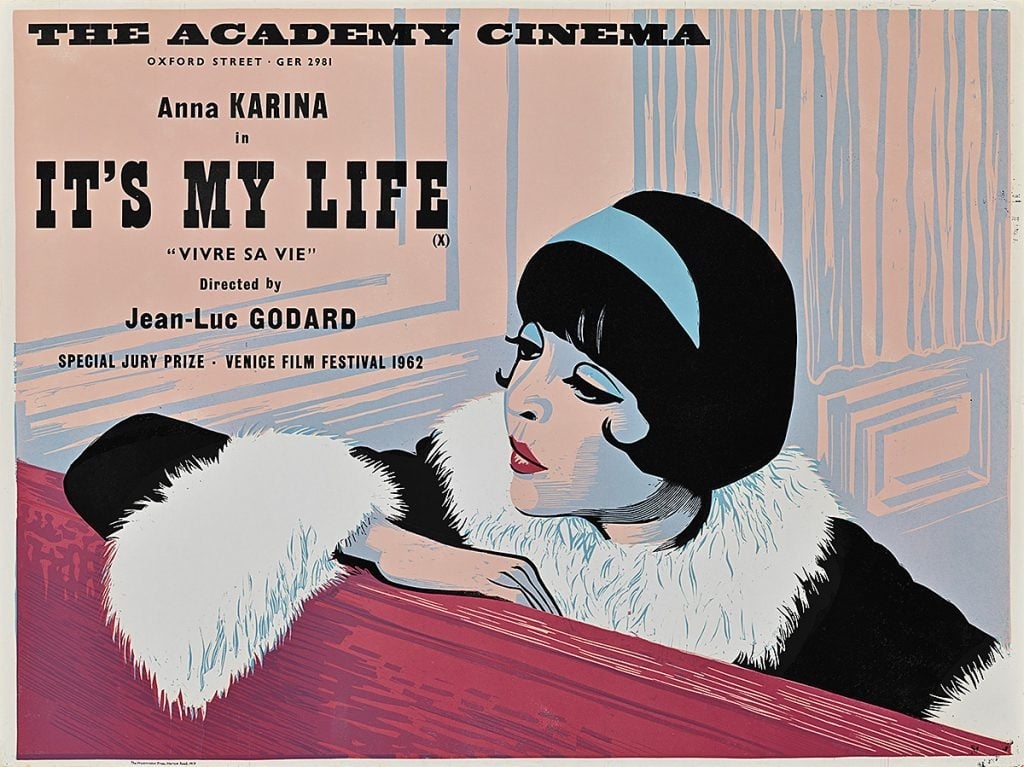
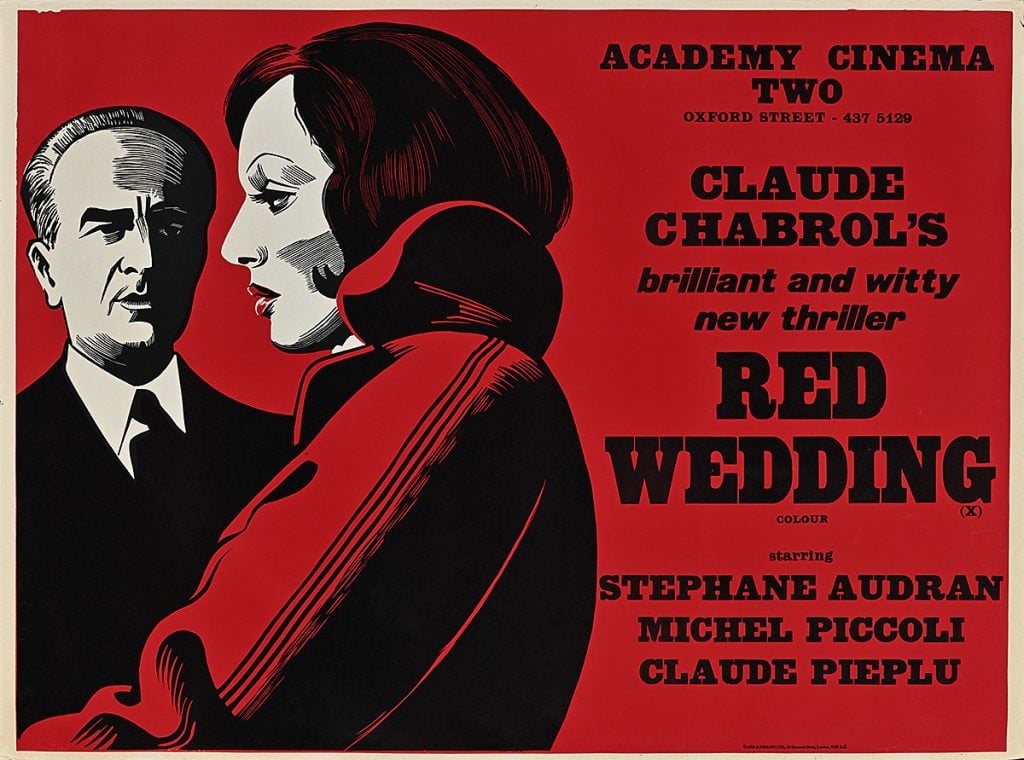
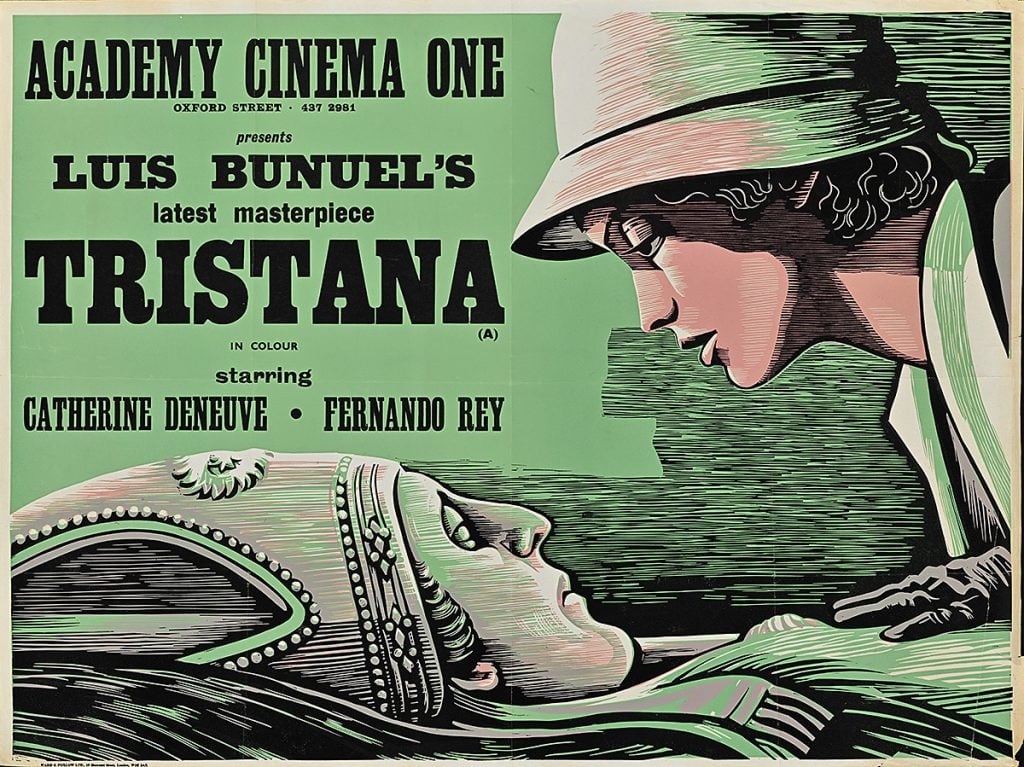
The excellent Poster House museum in NYC currently has an exhibition up of posters by Peter Strausfeld.
Between 1947 and 1980, Peter Strausfeld, a German refugee interned on the Isle of Man during World War II, created unique, compelling posters for London’s Academy Cinema—the city’s premier art house movie theater. Founded by Elsie Cohen in 1931, the Academy specialized in international films that eschewed classic Hollywood narratives, highlighting works by now-famous directors like Federico Fellini, Akira Kurosawa, François Truffaut, Ingmar Bergman, Andrzej Wajda, and Satyajit Ray. While these films now hold cult status for cinema aficionados, in the early to mid-20th century, art house remained a novel and daring form of cinema that few theaters showcased.
Throughout his longstanding relationship with the Academy, Strausfeld created over 300 bold, predominantly single-color linocut compositions with a deceptively simple hand-printed feel.
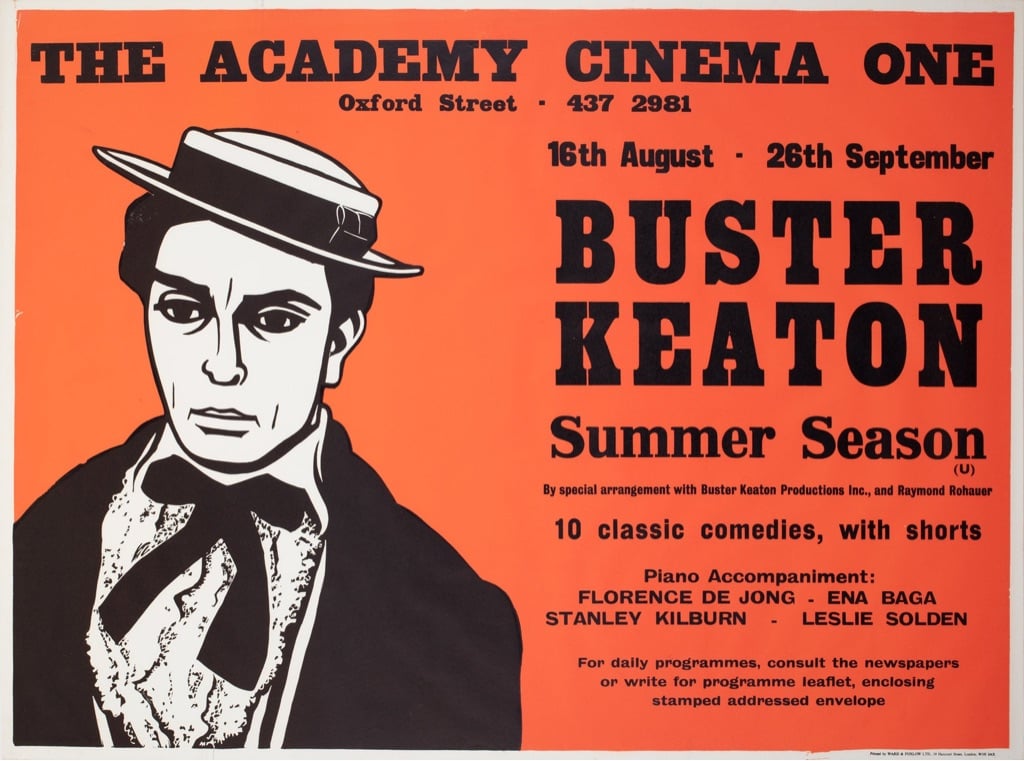
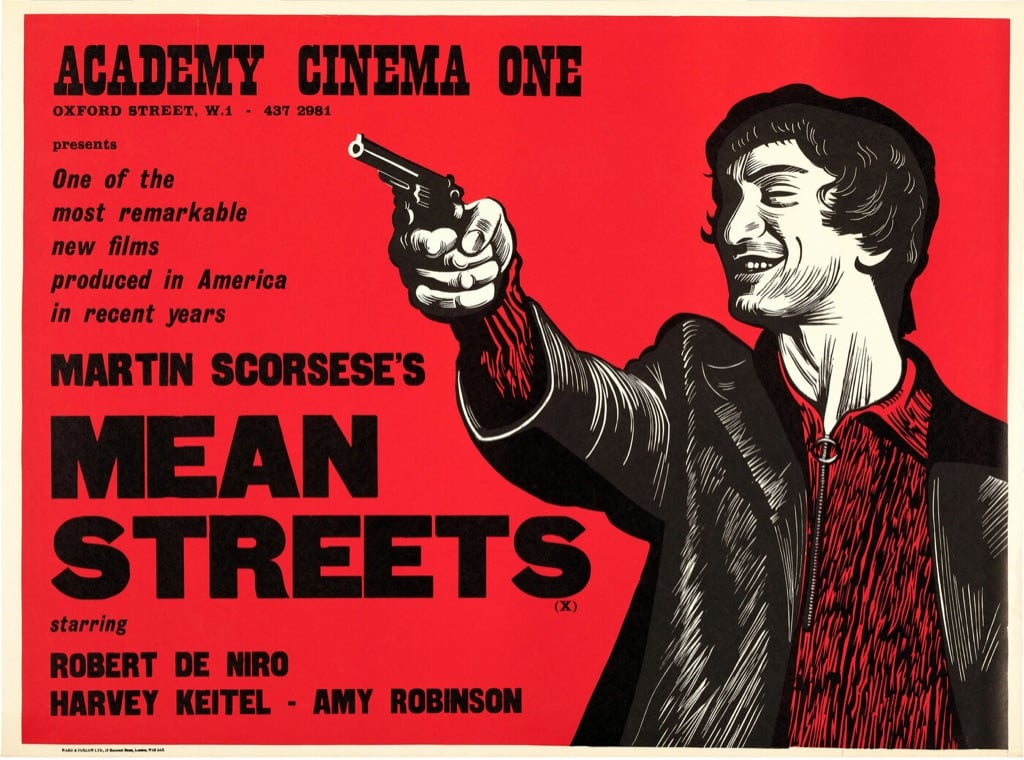
An accompanying book is available from RIT Press. More of Strausfeld’s work can be found at It’s Nice That, Orson & Welles, and Mubi. (via the new yorker)
From the V&A Museum, here’s a 90-minute video of someone knitting a pair of gloves using a knitting pattern from the 1940s from the museum’s archive.
Featuring soft-spoken moments, natural yarn sounds, needles gently tapping, and the soothing rhythm of slow, careful making, this video is designed for deep relaxation, calm focus, and background ambience, perfect for studying, crafting, or winding down at the end of the day.
And from the knitting patterns page, some history:
Hand-knitting was at a peak in Britain in the 1940s. During the Second World War, women on the home front were encouraged to contribute to the war effort by knitting for the troops, which was promoted as public duty. Advertising at the time stated: ‘England expects – knit your bit’.
Many knitting patterns were given away free, while wool was also sent to schools so that children could knit gloves, scarves and balaclava helmets for the forces. Wool was also supplied to organisations such as the Women’s Institutes of England and Wales, who made over 22 million knitted garments for the Red Cross (an average of 67 garments per member). Parcels of their knitwear were sent to prisoners of war, as well as to troops.
I know we’ve got some knitters in the group…have you ever tried any of these patterns? If not, report back if you give them a try.
From the archives of London’s V&A Museum, a selection of items that were used by Victorian-era mourners to remember and pay tribute to loved ones who had died, including jewelry with human hair, black dresses, jet black jewelry, mourning cards, and postmortem photography. Victorian fashion was heavily influenced by Queen Victoria, who mourned the death of her husband for decades and set off a trend in Britain (more here):
Victoria’s grief wasn’t only personal but influenced the entire nation. Her strict adherence to mourning attire and jewelry set the tone for the era. Until around 1880, she mandated that only mourning jewelry could be worn in the court. The Queen’s dedication to mourning created what has been described as “the Cult of Mourning,” where societal conventions, fashion, and daily life were infused with the solemnity of loss.
During the Victorian era, mourning jewelry transformed into sentimental tokens for the departed, featuring symbols like willows, angels, clouds, and initials. Women adhered strictly to mourning dress codes, wearing black for the initial “deep mourning” phase lasting two to three years, later transitioning to darker colors. Incorporating the deceased’s hair was common, using materials like jet, vulcanite, and gutta percha. White enamel symbolized the death of an unmarried female or a child, while pearls represented children, signifying tears. Turquoise conveyed the sentiment of “thinking of you,” and affluent families adorned mourning jewelry with precious stones for their loved ones.
A+ to the curators in the video, who understood the fashion assignment in presenting these objects.
Also, I love every opportunity to share one of my favorite Victorian phrases: “got the morbs”, which is defined as being in a state of temporary melancholia. (via colossal)
Konnichiwa! I’m back from Japan and finally getting over my jetlag, which took much longer than I expected. Here’s a list of all the things I’ve been reading, watching, listening to, and experiencing over the past few months.1 Let us know what movies, books, art, TV, music, etc. you’ve been enjoying in the comments below!
Deacon King Kong by James McBride. This was my first time reading anything by McBride and maybe I have a new favorite author? I love everything about this story and the way he tells it. (A+)
The Da Vinci Code. One of my go-to comfort movies. “Scientific” art history detective story? Yes, please. (A)
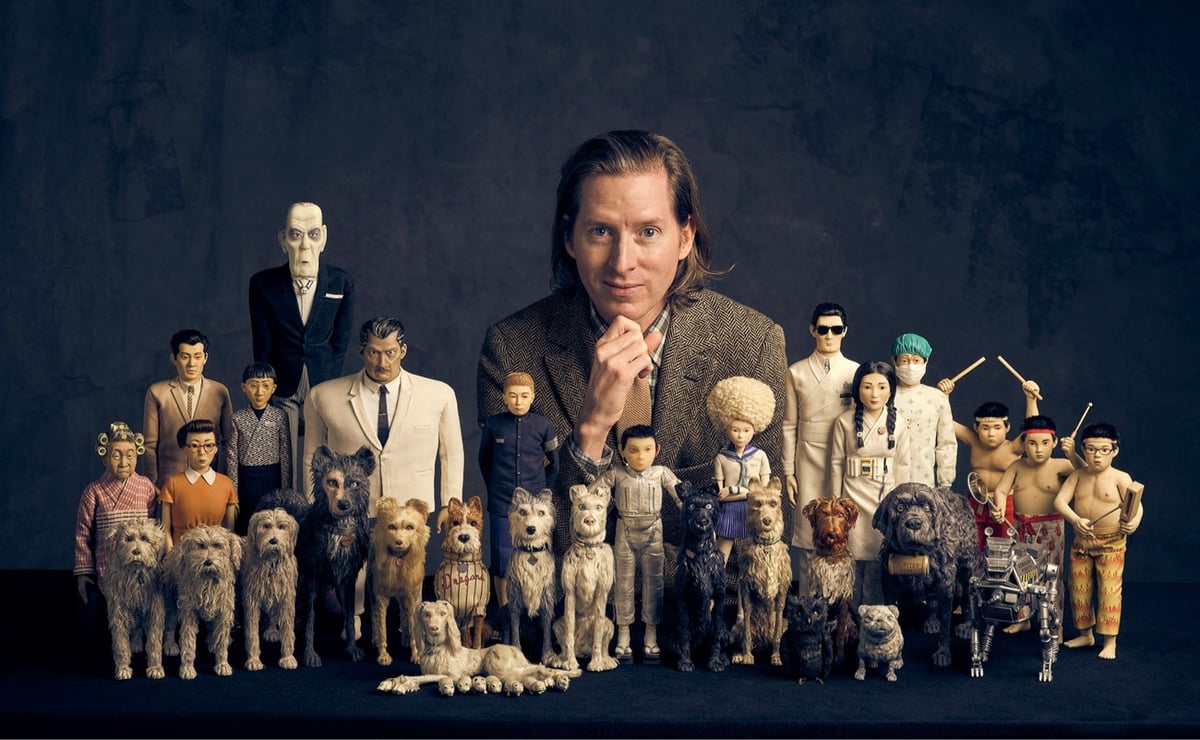
One Battle After Another. Great. Especially Sean Penn. And it reminded me of a Wes Anderson movie for some reason? Like one that he would have made had he followed the Bottle Rocket path instead of the Rushmore Path. (A+)
Meredith Dairy Marinated Sheep & Goat Cheese. All cheese is delicious, but this one particularly so. (A)
Fantastic Four. It was ok? Aside from a few things, I’m having trouble getting excited about post-Infinity Saga Marvel. There was just a special alchemy about that whole arc that is proving impossible to reproduce. (B)
The Age of Innocence by Edith Wharton. Fantastic right from the first page. Sharp writing about social mores, reminded me of Middlemarch & Price and Prejudice in that respect. One of my all-time favorites, I think. (A+)
The Gilded Age (season three). Still enjoying the hell out of this show. Total suspension of disbelief is a must. (A-)
Mission: Impossible. I haven’t seen this in maybe 20 years and I guess it holds up? Not my favorite of the series though. (B+)
Tinker, Tailor, Soldier, Spy. Great spy thriller. Gary Oldman is fantastic in this. Cold War? Spies? Britain? I will pretty much watch as many of this type of movie as you can make. (A)
Leaving America. This is a 12-part podcast on the logistics, benefits, and challenges of leaving the United States. Oh, no reason. (B+)
The Fellowship of the Ring (and TT & ROTK) by J.R.R. Tolkien. It’s been a while since I’ve read The Lord of the Rings books and wow, are they long. There’s entirely too much “and they travelled from here to there” logistics that drag on over several pages and descriptions of hilltops & ancient landmarks that you only hear about once. But Andy Serkis narrating the audiobook? So good. (A-)
The Lord of the Rings trilogy. After each audiobook, I watched the extended version of the corresponding film. My general feeling after 65+ hours of audiobook and 12+ hours of movie is that the books are too long and the movies too short. An 18-hour mini-series — perhaps three seasons of six episodes each? — seems like the sweet spot. (A)
Star Trek: Strange New Worlds (season three). Maybe didn’t enjoy this quite as much as the previous two season, but I love spending time with these people and look forward to doing more of that when season four drops. (B+)
Jaws. Got to see this in the theater when they released it for the 50th anniversary. Spielberg had such a strong style right from the jump. (A-)
Paradise. Just fine. But I feel like there are better apocalyptic shows out there. (B)
Downton Abbey: The Grand Finale. It was so nice to head to the theater to nestle myself into the low-stakes world of Downton Abbey for 2 hours. (B+)
Daft Punk Fortnite. Love anything with Daft Punk. (A)
The Heaven & Earth Grocery Store by James McBride. Right after finishing Deacon King Kong, I did something I almost never do: started in on a different book from the same author. Loved this one too. (A+)
Tron: Ares. It was a loud NIN music video on a huge screen, what’s not to like? Jared Leto was fine, but there were probably better casting options here that the audience would have been more excited about. And the direction could have been stronger…Gillian Anderson and Greta Lee were both surprisingly meh. (B+)
Tron: Ares soundtrack. Better than the movie. (A-)
Total Recall. First time! Maybe a little too Verhoeven/B-movie for me. (C+)
Cars. I’ve seen this movie several times and what I noticed this time around is how incredibly expressive the cars are. You can just tell they worked very hard on that aspect of the animation. (A-)
Shopkeeping by Peter Miller. This was recommended from a couple of different vectors — pretty sure one was Robin Sloan. Lots of resonance to my work here and how I think about it (and want to think about it). (A-)
Japan. Absolutely loved it. (A+)
Iyoshi Cola. Craft colas are often disappointing, but this one was absolutely delicious. Wish I could get it in the States for less than $14 a can. (A)

teamLab Borderless. Some of this was too “built for Instagram” but a couple of the rooms (the one where it felt like the whole room was moving & the cathedralish one with the light strings) were great. (A-)
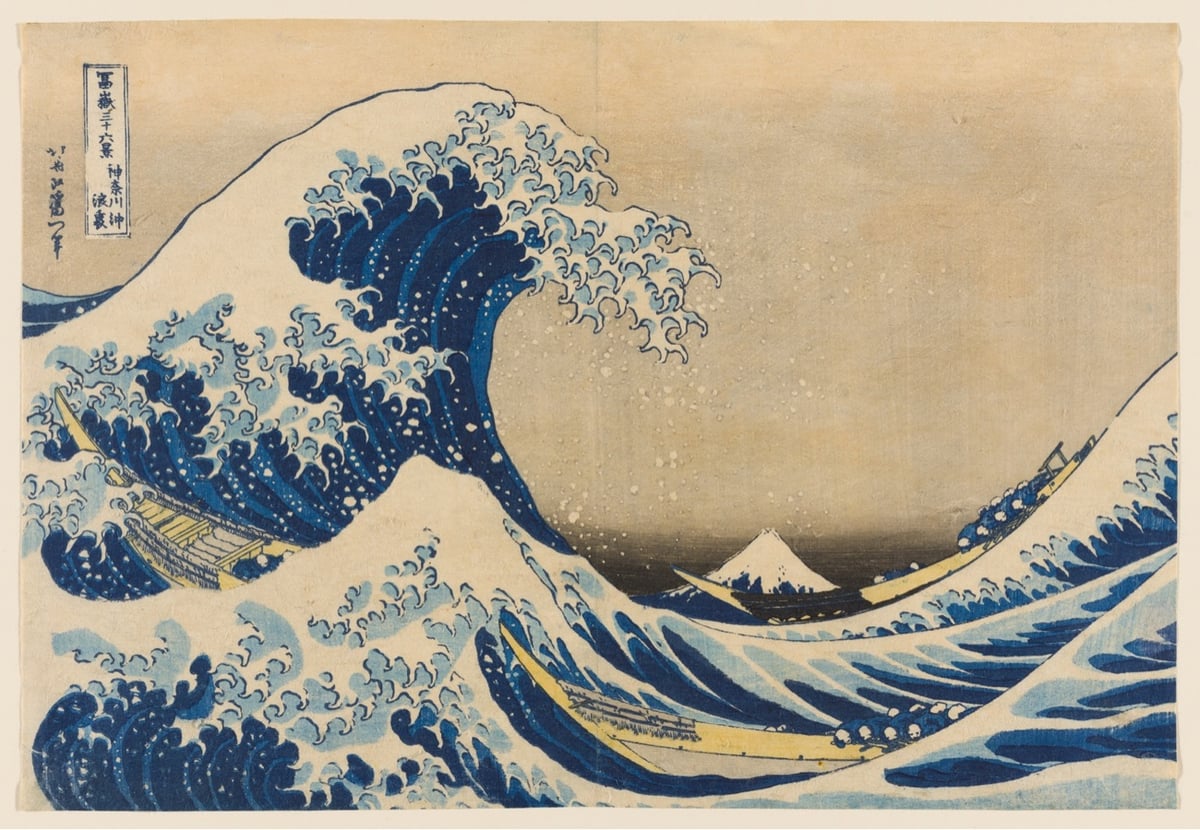
The Sumida Hokusai Museum. Had to make the pilgrimage here. (A-)
In Praise of Shadows by Jun’ichirō Tanizaki. Read this book about Japanese aesthetics while visiting Japan — it provided an interesting context. (B+)
Hokusai at Creative Museum Tokyo. Fantastic show…there were hundreds and hundreds of prints and drawings that showed his evolution and influence. (A+)
Okunoin Cemetery. Had one of the strongest senses of place I have ever experienced. (A)
Konbini. The Japanese convenience stores really are as appealing as you’ve heard. (A-)
Awakening Your Ikigai by Ken Mogi. Perhaps a little over-simplifying when it comes to Japanese culture, but I appreciated the message of having a purpose. (B)
Sho-Chan Okonomiyaki. When I got to Hiroshima, I knew I had to try their version of okonomiyaki, so I went to Okonomimura, a multi-story building crammed with okonomiyaki restaurants. I picked one and had one of the most surprising meals of my trip. So good. (A)

Blue Planet Sky. I spent a lot of time sitting in this room by James Turrell. (A)
Kanazawa Phonograph Museum. Lovely little museum, and a good opportunity to observe how successful inventions move from technology to culture/fashion/commerce. (A)
Princess Mononoke. I saw this in the theater on my last full day in Tokyo; they recently released a 4K remaster. Absolutely breathtaking. (A+)
Butch Cassidy and the Sundance Kid. Redford and Newman are both total smokeshows in this. And I’d forgotten how goofy this movie is. (B+)
A House of Dynamite. A very tough watch, but I thought this was fantastic as a tour of some of the different kinds of people who hold the fate of every single person on the planet in their hands every damn day. They’re tired, stressed, distracted, at cross-purposes with themselves, set in their ways, more celebs than leaders, and mediocre. And none of them have ever seen Dr. Strangelove? (A)
Past installments of my media diet are available here. What good things have you watched, read, or listened to lately?
A few days ago, I linked to a NY Times piece about the V&A’s 90,000-piece archive of David Bowie stuff — costumes, photos, drawings, lyrics, etc.
The David Bowie Centre is a working archive with new reading and study rooms. The archive contains over 80,000 items, including 414 costumes and accessories, nearly 150 musical instruments and other sound equipment, designs, props and scenery for concerts, film and theatre. Bowie’s own desk is part of the archive, alongside notebooks, diaries, lyrics, correspondence, fan mail and over 70,000 photographic prints, negatives and transparencies.
The Centre is brought to life with a series of small, curated displays. Highlights include 1970s Ziggy Stardust and Aladdin Sane ensembles designed by Freddie Burretti and Kansai Yamamoto, a film showcasing performances from Bowie’s career, and an installation tracing his impact on popular culture.
Last week, Open Culture linked to this video tour of the Bowie collection by Jessica the Museum Guide:
I imagine it’s not quite like being there in person, but still. (via open culture)

The MFA in Boston is putting on an exhibition this spring and summer called Van Gogh: The Roulin Family Portraits.
Vincent van Gogh (1853–1890) once wrote, “What I’m most passionate about…is the portrait, the modern portrait.” This passion flourished between 1888 and ‘89 when, during his stay in Arles, in the South of France, the artist created a number of portraits of a neighboring family—the postman Joseph Roulin; his wife, Augustine; and their three children: Armand, Camille, and Marcelle. Van Gogh’s tender relationship with the postman and his family, and his groundbreaking portrayals of them, are at the heart of this exhibition, which is the first dedicated to the Roulin portraits and the deep bonds of friendship between the artist and this family.
The BBC has more on the show and the artist’s relationship with the Roulin family.
“So much of what I was hoping for with this exhibition is a human story,” co-curator Katie Hanson (MFA Boston) tells the BBC. “The exhibition really highlights that Roulin isn’t just a model for him — this was someone with whom he developed a very deep bond of friendship.” Van Gogh’s tumultuous relationship with Gauguin, and the fallout between them that most likely precipitated the ear incident, has tended to overshadow his narrative, but Roulin offered something more constant and uncomplicated. We see this in the portraits — the open honesty with which he returns Van Gogh’s stare, and the mutual respect and affection that radiate from the canvas.
The exhibition will run at the MFA from March 30 to September 7, 2025 and then move on to the Van Gogh Museum in Amsterdam from October 3 to January 11, 2026.
Am I excited to see this exhibition? Yes. Is this post an excuse to post 1889’s Portrait of Joseph Roulin, one of my favorite van Gogh’s? Also yes. Win win.




Socials & More