kottke.org posts about best of
The editors of BBC Culture polled 177 film critics from around the world about the best films made since 2000 and compiled the results into this list. The top film? David Lynch’s Mulholland Drive. Here’s the top 20:
20. Synecdoche, New York (Charlie Kaufman, 2008)
19. Mad Max: Fury Road (George Miller, 2015)
18. The White Ribbon (Michael Haneke, 2009)
17. Pan’s Labyrinth (Guillermo Del Toro, 2006)
16. Holy Motors (Leos Carax, 2012)
15. 4 Months, 3 Weeks and 2 Days (Cristian Mungiu, 2007)
14. The Act of Killing (Joshua Oppenheimer, 2012)
13. Children of Men (Alfonso Cuarón, 2006)
12. Zodiac (David Fincher, 2007)
11. Inside Llewyn Davis (Joel and Ethan Coen, 2013)
10. No Country for Old Men (Joel and Ethan Coen, 2007)
9. A Separation (Asghar Farhadi, 2011)
8. Yi Yi: A One and a Two (Edward Yang, 2000)
7. The Tree of Life (Terrence Malick, 2011)
6. Eternal Sunshine of the Spotless Mind (Michel Gondry, 2004)
5. Boyhood (Richard Linklater, 2014)
4. Spirited Away (Hayao Miyazaki, 2001)
3. There Will Be Blood (Paul Thomas Anderson, 2007)
2. In the Mood for Love (Wong Kar-wai, 2000)
1. Mulholland Drive (David Lynch, 2001)
Eternal Sunshine, Inside Llewyn Davis, and Zodiac seem too high on the list but I’m not sure what I would move up instead. It’ll be interesting to see how the consensus changes as these films age. Also, I’ve seen exactly half of the films on the full list…time to get watching.
Update: The film critics of the NY Times give us their picks for the top 25 movies of the 21st century (so far). The top 10:
1. There Will Be Blood
2. Spirited Away
3. Million Dollar Baby
4. A Touch of Sin
5. The Death of Mr. Lazarescu
6. Yi Yi
7. Inside Out
8. Boyhood
9. Summer Hours
10. The Hurt Locker
Also making appearances on the list are Mad Max: Fury Road, Moonlight, and The 40-Year-Old Virgin. I think I prefer the BBC list? (via @tcarmody)
The Playlist lists their picks for the 50 best sci-fi films of this century. Unlike the list of 50 best animated films I posted the other day, there are many movies on this list I haven’t seen or even heard of, so I’m eager to dig in. Here are picks 6-2:
6. Her
5. Mad Max: Fury Road
4. Eternal Sunshine of the Spotless Mind
3. Upstream Color
2. Under the Skin
Good choice for #1 too. I really didn’t care for Under the Skin. Nice to see some love for Edge of Tomorrow, Sunshine, Donnie Darko, Primer, and Snowpiercer as well. I would also have included Cloud Atlas, which I know not a lot of other people liked but I loved, and the first Hunger Games movie.
The Playlist has decided on their list of the 50 best animated films of the 21st century (so far). Here is 50-46:
50. Brave
49. The Pirates! Band of Misfits
48. Cloudy with a Chance of Meatballs
47. Tokyo Godfathers
46. Frankenweenie
And 5-2:
5. The Triplets of Belleville
4. It’s Such a Beautiful Day
3. Up
2. The Incredibles
I’ll give you a hint about #1: it is somehow not Wall-E, which didn’t even crack the top 10. And come on, Up? The opening of that movie is damn near perfect, but the rest of it is good but not great.
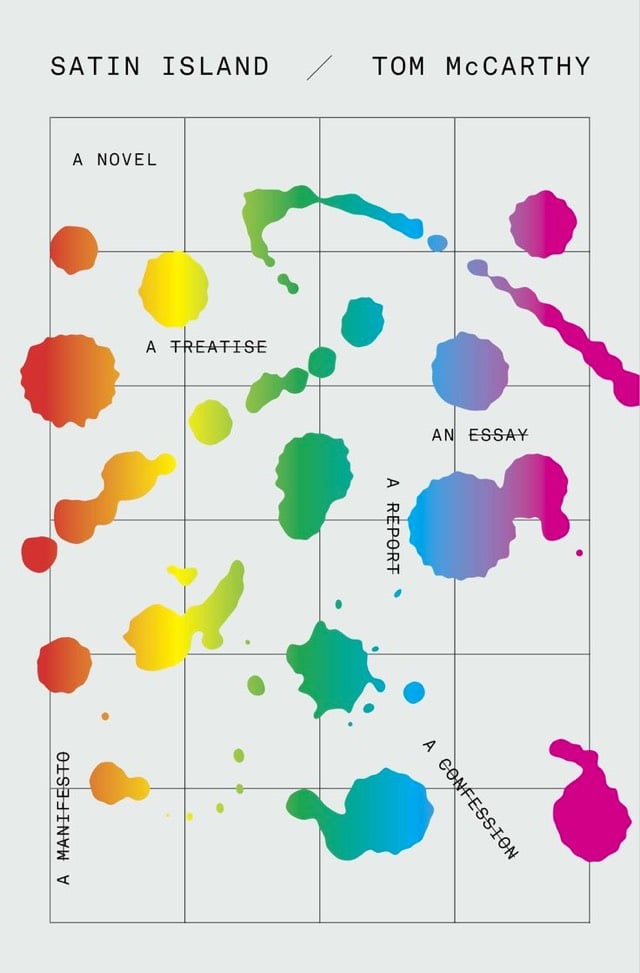
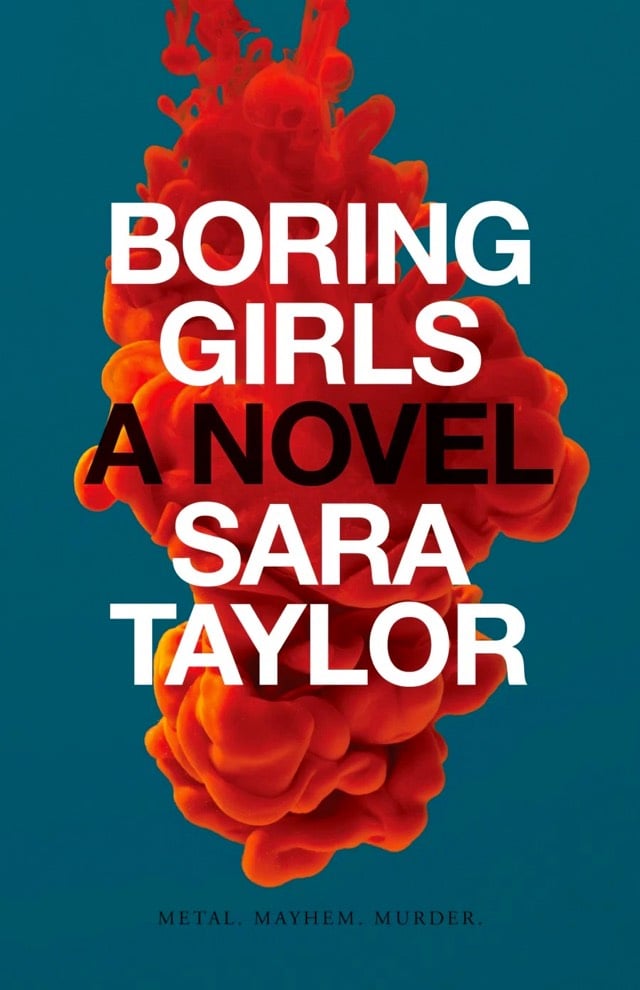
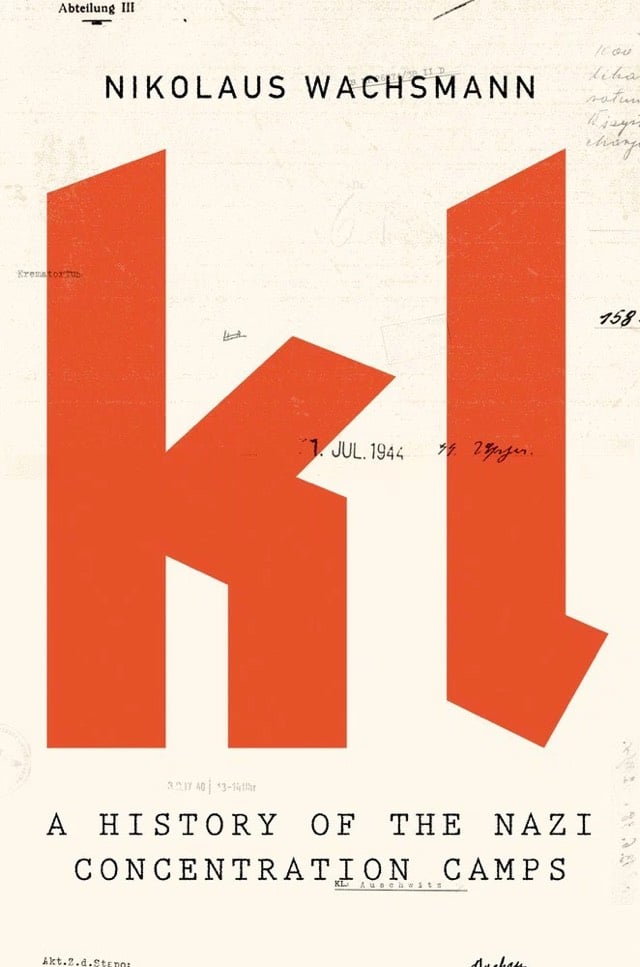
The AIGA and Design Observer have announced the results of the 50 Books/50 Covers competition for books published in 2015. The competition recognizes excellence in design of books and, separately, book covers. Here are a couple of my favorite covers:
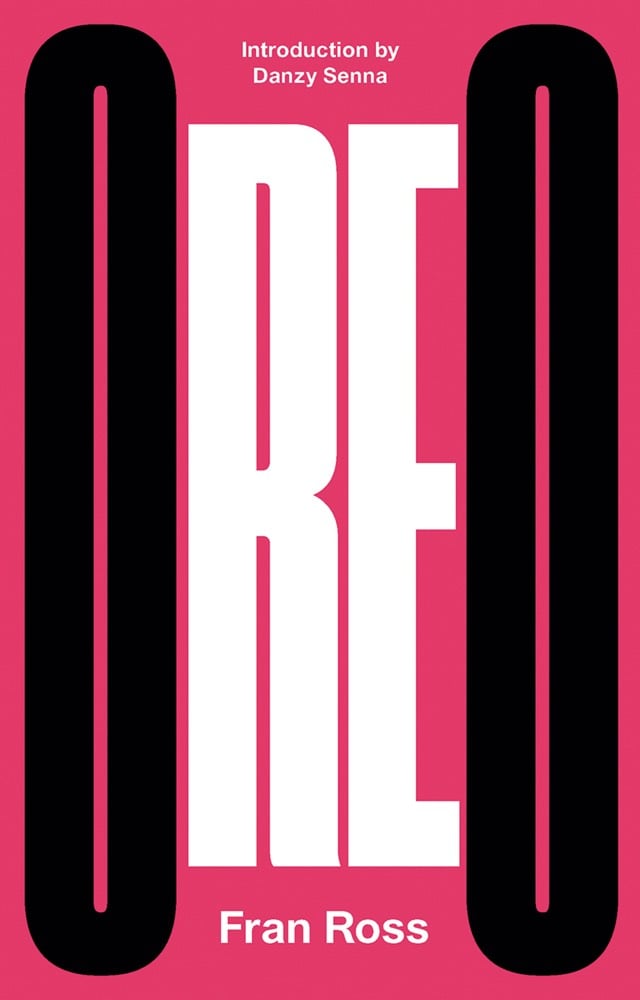
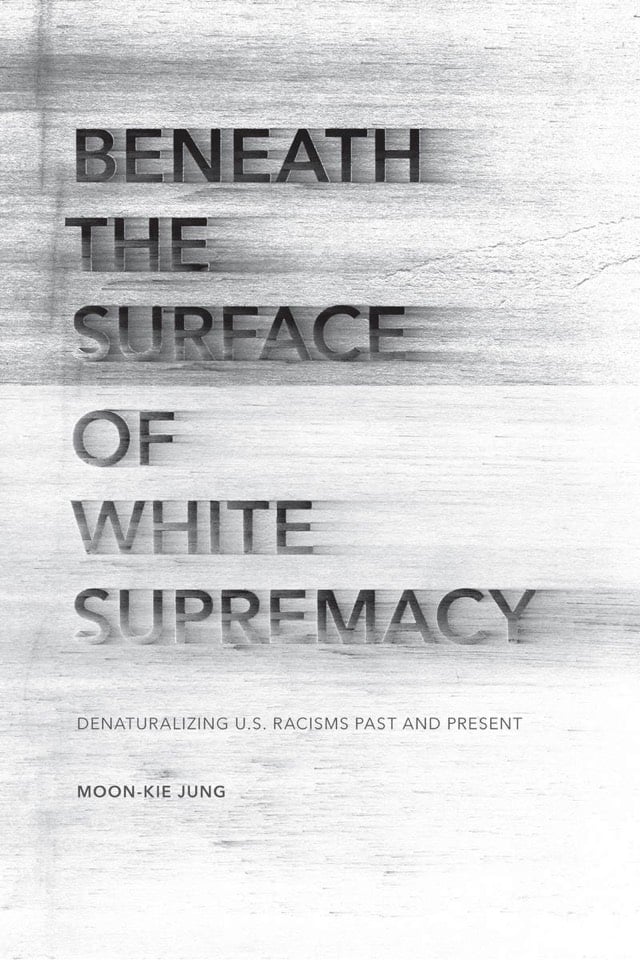
Oreo by Fran Ross was designed by Erik Carter and Moon-Kie Jung’s Beneath the Surface of White Supremacy was designed by Anne Jordan and Mitch Goldstein.
From Cinefix, a list of 10 movies (plus dozens more runners-up) that broke the rules of filmmaking most effectively by using jump cuts, nonlinear narrative, lack of plot, surrealism, and breaking the fourth wall.
Slate gathered a panel — made up of people like film critic Dana Stevens, Selma director Ava DuVernay, and historian Henry Louis Gates Jr. — to choose The Black Film Canon, the 50 greatest movies by black directors.
We must recognize that even with the financial and systemic odds stacked against them, black filmmakers have long been creating great and riveting stories on screen. The academy’s failure may have inspired a memorable hashtag, but that failure is deeply linked to the way nearly all movie fans remember cinematic history. In our never-ending conversation — or argument — about which films deserve to be remembered, which films are cultural touchstones, which films defined and advanced the art form, we habitually overlook stories by and about black people.
Included on the list are 12 Years a Slave, Boyz n the Hood, Killer of Sheep, and Do the Right Thing.
In 2015, BBC Culture polled critics around the world and came up with a list of the best 100 American films. The video above offers a visual look at the list. Hitchcock, Kubrick, and Spielberg each have several films on the list. Although many of the films were edited by women, only one was directed by a woman.
Fifty films critics weighed in on their favorite movies directed by women and Fandor tallied the results into a top 20 list.
On the occasion of the release of Radiohead’s latest album, Consequence of Sound has ranked every album and every song by the band. I won’t tell you the exact order, but Kid A, In Rainbows, and OK Computer are their top 3 albums (spot on…Kid A is my #1) and Airbag, The National Anthem,1 Fake Plastic Trees, and Everything In Its Right Place make the top 10 songs (mine is Everything In Its Right Place or maybe the live version of True Love Waits).
There are spoilers galore in Cinefix’s look at the best ever plot twists in movies, sorted into categories including It Was All a Dream, Not Dead, and Unexpectedly Bad.
Um, spoilers. Their picks include 2001, Gangs of New York, The 400 Blows, and Inception. I really thought Cache would be on the list.
I like how Cinefix does these videos. They pick the ten films, but they also mention other films that take similar approaches. In this case, the picks are also more populist than usual, which I appreciate.
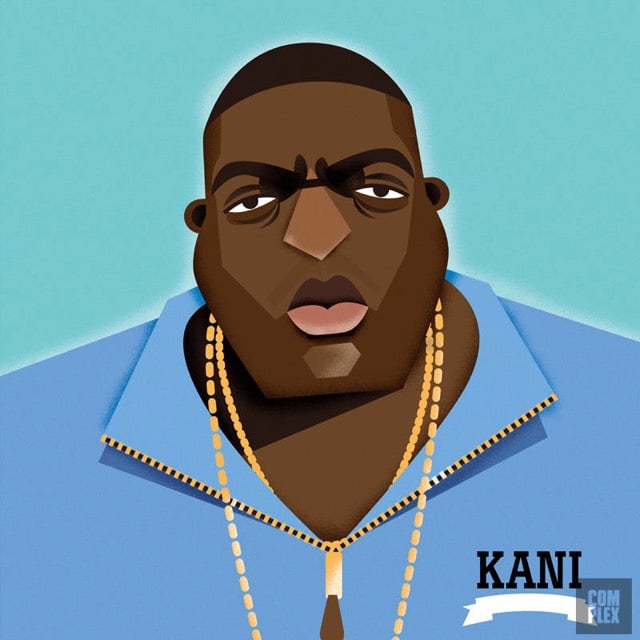
From Complex, a listing of the best rapper alive for each year since 1979, from Grandmaster Caz to Biggie to Nicki to Drake.
Christopher Wallace was only alive for 67 days in 1997, but with a talent so immense, that’s all it took for him to be the most dominant rapper of the year. In the months after Biggie’s March 9 death, it’s almost as if his stock rose. The untimely loss of someone so young, with so much heft in the language of hip-hop, was like a call to reflection. Infatuation with his wit, wordplay, and delivery soared, and 1997, in spite of tragedy, was Biggie’s biggest year.
Life After Death was released just over two weeks after Biggie passed and peaked at No. 1 on the Billboard 200. The album was an ambitious two-disc set with a tracklist comprised of every type of song imaginable. While the diverse styles and subject matter — his daughter’s college plan, kinky sex, hotel heists, a fully-sung ballad — were an organic product of Biggie’s incomparable range, the strategy of Life After Death’s sequencing has become the de facto approach for rap albums in the years since. It’s an incredibly influential project, before you even press play.
Kathryn Schulz, who wrote the now-infamous New Yorker piece about earthquake that will devastate the Pacific Northwest, shared a list of the best facts she learned fron books in 2015. Two stuck out for me. The first is from Sarah Hrdy’s Mother Nature: Maternal Instincts and How They Shape the Human Species and provides some necessary context for the debates over birth control and abortion:
In the era before women had any control over their fertility, child abandonment — a de-facto form of infanticide — “affected not tens of thousands, not even hundreds of thousands, but millions of babies,” according to the anthropologist and primatologist Sarah Hrdy. In Florence, for instance, the average annual rate of infant abandonment between 1500 and 1843 ranged from twelve per cent to forty-three per cent. In response, societies eventually began establishing foundling hospitals, but the mortality rates at these were equally high. Two-thirds of babies left at a Florence foundling home between 1755 and 1773 died before their first birthday; in 1767, mortality rates in foundling homes in St. Petersburg and Moscow reached ninety-nine per cent. While contemporary readers may find these statistics shocking, many people at the time knew exactly what was going on. In the town of Brescia, in northern Italy, residents proposed carving a motto over the entrance to the foundling home: “Here children are killed at public expense.”
And from Thunder & Lightning: Weather Past, Present, Future by Lauren Redniss comes the realization that London’s poor visibility was not limited to outdoors:
Having read my share of Victorian novels, I was familiar with the phenomenon of London fog, but I was surprised to learn, from Lauren Redniss’s “Thunder & Lightning,” that the combination of atmospheric conditions, factory emissions, and coal fires sometimes made the city’s air so impenetrable that visibility was reduced to just a few feet even indoors. That was bad news for theatregoers, who could not see the stage, but good news for thieves, who could not be seen. Worse, ambulances got lost, trucks accidentally drove into the Thames, and at least one airplane overshot its runway. Conditions began to improve only in 1956, with the passage of England’s Clean Air Act.
Thanks, Kathryn!
Pete Souza’s job for the past seven years has been to take photographs of the goings-on at the White House, including its inhabitants, staff, and guests. Behind the Lens: 2015 Year in Photographs is a selection of more than 100 photographs that Souza and his staff took last year. A few favorites:
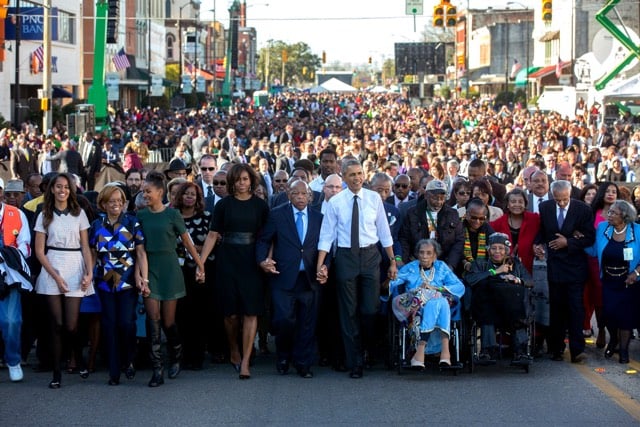
That’s the Obamas beginning a walk across the Edmund Pettus Bridge in Selma, Alabama on the 50th anniversary of the brutal police attack of peaceful march to Montgomery accompanied by some of the original marchers. I love the looks on the faces of the various marchers: the dignified determination of John Lewis, the appropriate solemnity of the President and First Lady, and the carefree expressions of Sasha and Malia.1
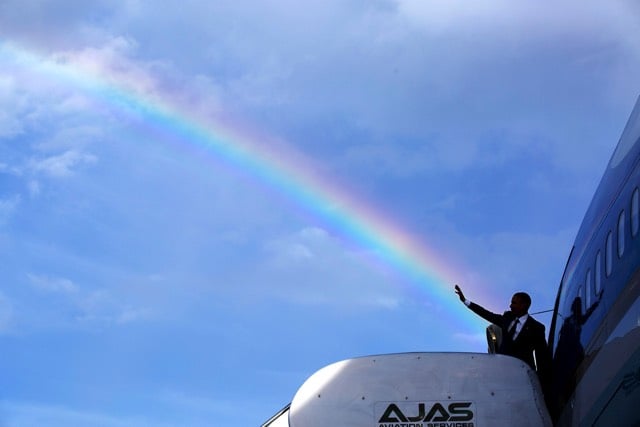
Obama’s like Subzero from Mortal Kombat but with rainbows.
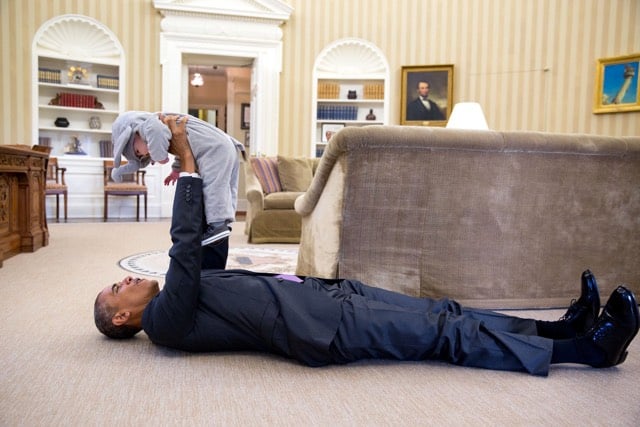
I’m not sure there will ever be another President in my lifetime I love as much as this one.
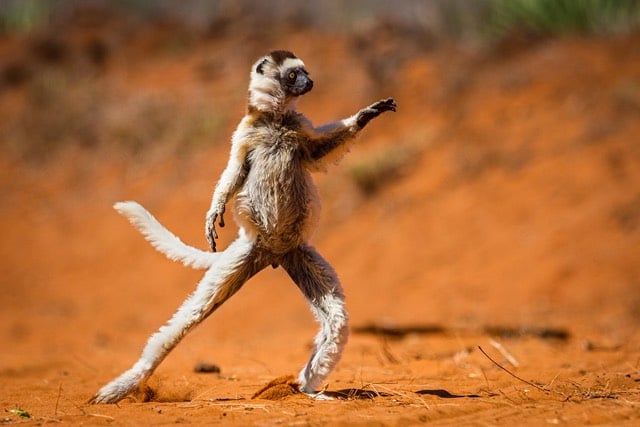
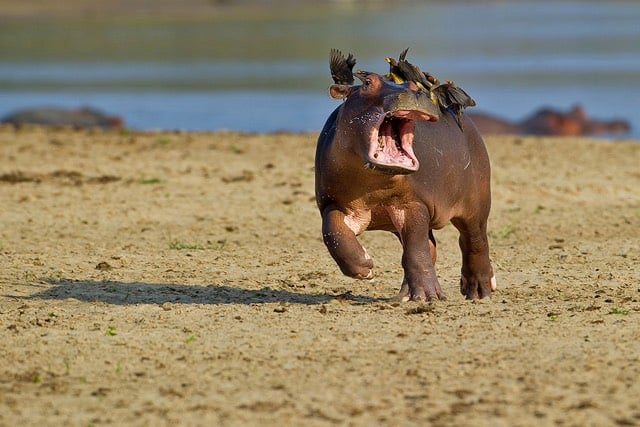
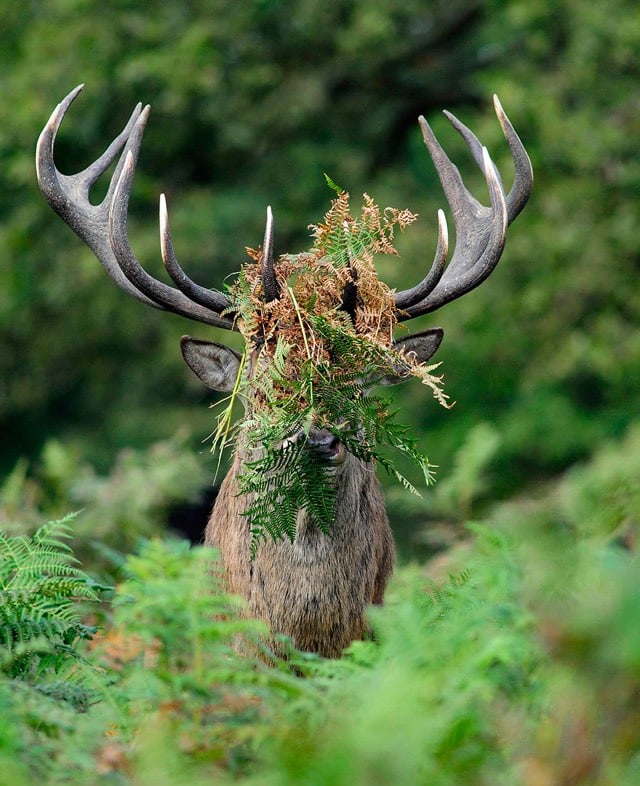
Because I hate fun, cute and funny animal photos are something I don’t usually get excited about. But I will make an exception just this once for the inaugural Comedy Wildlife Photography Awards. (via colossal)
The winner of the 2015 Small World in Motion competition is Wim van Egmond’s video of a single-celled organism consuming a smaller single-celled organism. The winners of the photomicrography contest are worth a look as well.
This video is 20 minutes of the best YouTube footage from 2015 of extreme sports, marriage proposals, cute kids, funny animals, fast cars, groovy dancing, dronies, and more slow-motion GoPro footage than you could ever want to see in one lifetime. I’ve linked to a few of these videos, but generally my list of cool videos of the year would be a bit less X-TREEM. If you want to watch all 506 videos in the compilation, check out this playlist.
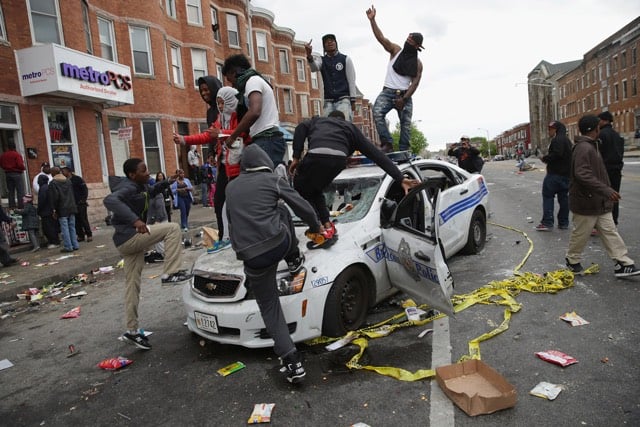
Alan Taylor at In Focus has shared his list of the Top 25 News Photos of 2015.
As I have in past years, I’ll share more lists of the year’s best photos as they come in.
Update: The AP shares their Top 100 News Images of 2015. Very few of these photographs show anything good, so fair warning.
Update: In Focus has published all and three parts of a three-part series of 2015: The Year in Photos.
Update: One more from In Focus: Hopeful Images from 2015. A reminder that the good in the world vastly outweighs the bad…even if it doesn’t often make the news.
Update: Nature has a collection of the best science images of 2015. The WSJ presents their Year in Photos 2015.
One of the things I look forward to at the end of each year is David Ehrlich’s video compilation of his favorite films of the year. 2015’s installment does not disappoint.
The person I listen to the most regarding books I should be reading is Tyler Cowen…he has never once steered me wrong. So when he wrote about the best fiction of 2015, I perked up. I’ve been hearing many good things about Elena Ferrante’s series (Cowen himself flagged her The Lost Daughter as a favorite back in 2008) but his assertion that her recent series of novels ranks as “one of the prime literary achievements of the last twenty years” puts it solidly on my holiday beach reads list. The New World by Chris Adrian & Eli Horowitz and Vendela Vida’s The Diver’s Clothes Lie Empty also sound particularly interesting.
Update: Cowen recently shared his list of best non-fiction books of the year as well. Biographies rule the list: on Elon Musk, Henry Kissinger, Margaret Thatcher, and Genghis Khan. What a list…but I have to say that reading biographies of Thatcher or Kissinger doesn’t appeal at all.
Update: The NY Times weighs in with their list of 100 Notable Books of 2015. Between the World and Me by Ta-Nehisi Coates makes an appearance, as do the latest installments by Ferrante and Karl Ove Knausgaard.
Update: From Buzzfeed, The 24 Best Fiction Books of 2015 and from Slate, The Overlooked Books of 2015.
Update: The NY Times Sunday Book Review names their 10 Best Books of 2015. Coates and Ferrante feature. By my count, 7 of the 10 books are written by women.
Update: From Slate, a list of the best audiobooks of 2015. The Economist’s best books of the year, including SPQR: A History of Ancient Rome and Steve Silberman’s NeuroTribes. For part one of their best books list, The Guardian asked writers for their favorite books of the year; Max Porter’s Grief is the Thing with Feathers got multiple mentions (but is not yet out in the US).
Update: Amazon’s editors picked their 100 best books of the year and Lauren Groff’s Fates and Furies topped the list. The top non-fiction book is Becoming Nicole: The Transformation of an American Family.
Update: A design-oriented list from Michael Bierut, including The Making of Stanley Kubrick’s ‘2001: A Space Odyssey’.
Update: Bill Gates shared his favorite books of 2015, including Randall Munroe’s Thing Explainer: Complicated Stuff in Simple Words.
For The Millions Year in Reading 2015, they asked a bunch of writers for their reading recommendations. Joyce Carol Oates recommends the Didion biography The Last Love Song while Celeste Ng read The Suicide Index.
The Atlantic asked their editors and writers to share The Best Book I Read This Year. This is one of several lists to include The Invention of Nature: Alexander von Humboldt’s New World by Andrea Wulf.
Update: The NY Times book critics weigh in with their favorite books of the year. Moar Ferrante! Moar Coates!
From the New Yorker Food Issue,1 Lauren Collins examines how the World’s 50 Best Restaurants list comes together. I haven’t eaten at any of these sorts of restaurants in years (for a lot of reasons), and this bit gets to part of the reason why:
The restaurants in the upper reaches of the list tend to fall into a certain mode. They are all the same place, Giles Coren once conjectured in the London Times, “only the face changes, like Doctor Who.” Just as there is Oscar bait, there is 50 Best bait. “It’s opening up in Beijing,” David Chang said, imagining the archetypal 50 Best restaurant. “It’s a Chinese restaurant by a guy who worked for Adrià, Redzepi, and Keller. He cooks over fire. Everything is a story of his terroir. He has his own farm and hand-dives for his own sea urchins.” Hearing about 50 Best winners, and having eaten at a few of them, I started to think of them as icebreaker restaurants — places that create moments, that give you prompts. This can be exhilarating, or it can be infantilizing. It is the dining experience as Cards Against Humanity.
Kevin Kelly and Mark Frauenfelder polled 1600 people to find a list of the 50 best non-fiction podcasts. The list skews nerdy, science, and tech. The top 5 is unsurprising:
1. This American Life
2. Radiolab
3. Serial
4. 99% Invisible
5. WTF with Marc Maron
Ok, so narrowing down all of the beautifully shot movies in the world to a list of just 10 is absurd, but to their credit, the gang at Cinefix manage to mention more than 50 or 60 movies in their top 10 review. If you’ve only seen even a few of these, you’re doing well.
Manhattan, Citizen Kane, The Fall, 2001, Hero, The Tree of Life. Damn.
Still, where did the lighter fluid come from?
Sister is my new mother, Mother.
I’m afraid I just blue myself.
I’m about halfway through season two of Arrested Development again on Netflix and it might be the best show ever on television. I’m not even kidding.
Update: NPR has been obsessively cataloging the show’s running gags here. Holy shit, the extensive foreshadowing of Buster losing his hand! This show is amazing. (via @Nick__Vance)
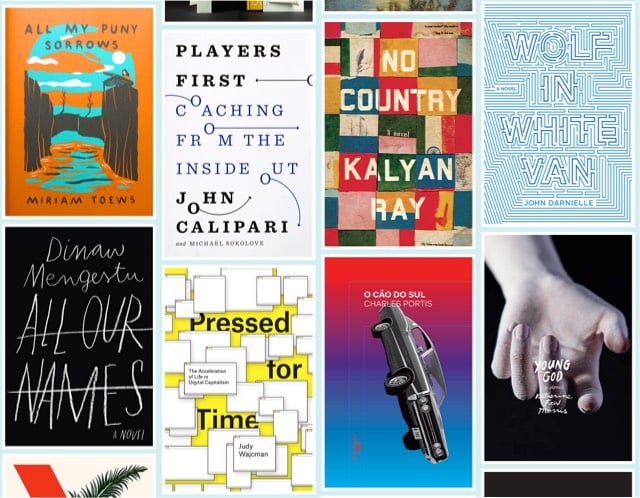
Design Observer and the AIGA have announced the winners of their 50 Books | 50 Covers competition to find the best designed books and book covers published last year. The books are here and the covers are here.
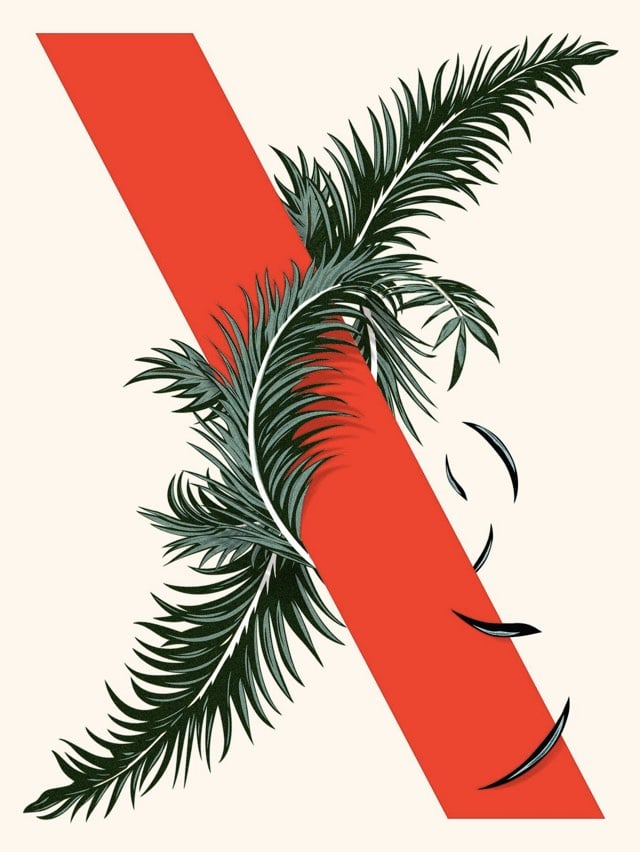
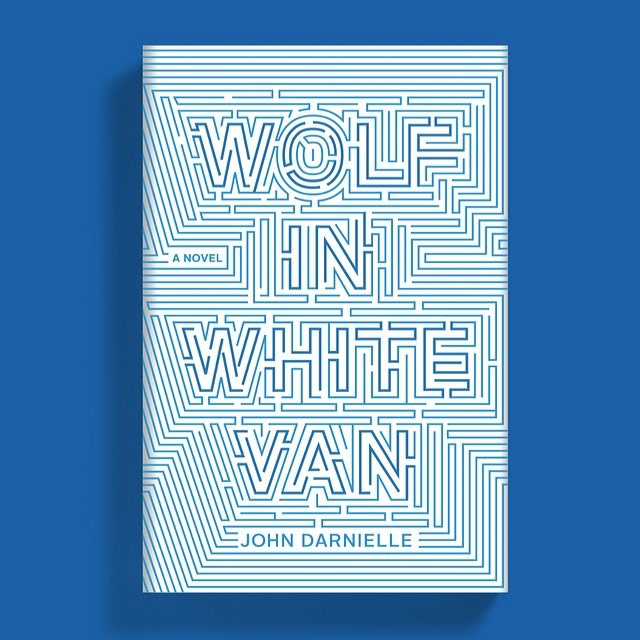
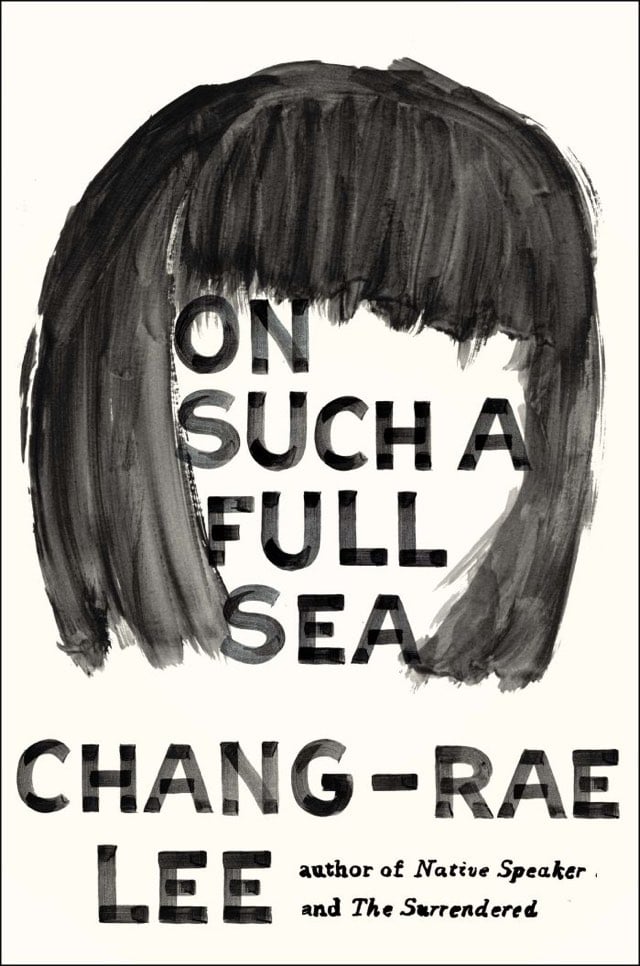
They’re publishing a book and putting on an exhibition in New Orleans of the winners and need your help on Kickstarter to make it happen.
From John Horgan, a list of 25 Terrific Science(y) Books. There are some unorthodox picks here (next to some no-brainers):
Ulysses, by James Joyce, 1922. Yeah, it’s a work of fiction, but as I argued a few years ago, Joyce was a more astute observer of the mind than anyone before or since. He exemplifies Noam Chomsky’s dictum that we will always learn more about ourselves from literature than from science.
The Structure of Scientific Revolutions, Thomas Kuhn, 1962. This sneaky, subversive assault on conventional notions of scientific truth and progress triggered a revolution itself within the philosophy of science. Be sure to note where Kuhn compares scientists with drug addicts.
From Steven Weinberg, a list of the 13 best science books for the general reader. Solid list. But The Origin of Species is more than a little tough for the lay reader; I tried reading it a few years ago and it was a slog. I recommend The Elegant Universe and The Making of the Atomic Bomb w/o reservation.
Brown Bunny, Cannibal Holocaust, The 120 Days of Sodom, and The Last Temptation of Christ… they are among the most controversial movies of all time.
Perhaps a little NSFW. (via devour)
Tim Grierson and Will Leitch did a pretty good job in this list of All 15 Pixar Movies, Ranked From Worst to Best.
We went back-and-forth on the top two here, but we ultimately had to go with [Wall-E], the most original and ambitious of all the Pixar movies. The first half-hour, which basically tells the story of the destruction of the planet and the devolution of the human race without a single line of dialogue, is total perfection: It’s almost Kubrickian in its attention to detail and perspective, though it never feels cold or ungenerous.
Piece-of-shit Cars 2 is rightly parked at the bottom of the heap, Wall-E is obviously #1, and they correctly acknowledged Up as overrated. I would have rated the original Toy Story lower and Ratatouille higher, but overall: well done.
Newer posts
Older posts


Socials & More