



I Will Fucking Piledrive You If You Mention AI Again. “…spending half of the planet’s engineering efforts to add chatbot support to every application under the sun when half of the industry hasn’t worked out how to test database backups regularly.”

Advertise here with Carbon Ads
This site is made possible by member support. 💞
Big thanks to Arcustech for hosting the site and offering amazing tech support.
When you buy through links on kottke.org, I may earn an affiliate commission. Thanks for supporting the site!
kottke.org. home of fine hypertext products since 1998.
Beloved by 86.47% of the web.
Entries for June 2024
“I Shrink 10x Every 21s Until I’m an Atom”
In this video, Epic Spaceman takes us on a journey to the micro universe, shrinking himself by 10 times every 20 seconds or so until he’s the size of an atom, a journey that only took 10 steps. At each stage, he compares his size with a familiar object — quarter, blood cell, DNA helix — to keep us oriented.
It’s worth sticking around until the end of the video for an explanation of how exponential scales are always used to represent things like this and what it would look like if we used a linear scale instead. There is an unbelievable amount of empty space in matter.
Paramount has taken offline the entire MTV News archive as well as Comedy Central, CMT, and TV Land websites, including 20 years of material from The Daily Show, Colbert Report, and South Park.

The Biden administration’s successes (clean energy, infrastructure investment, workers’ rights, making gov’t work better) amount to a Quiet New Deal. And that quietness is helping conservatives.

Diary Comics, January 2024
Hi, it’s Edith again! It turns out I can’t quite keep up with the blogging schedule here the way I thought I could (as well as keep up with home stuff and work on a project for my own newsletter), but I’m hopefully going to continue sharing comics until Jason gets sick of me and/or we catch up to the present. Here are a few more snippets from January!
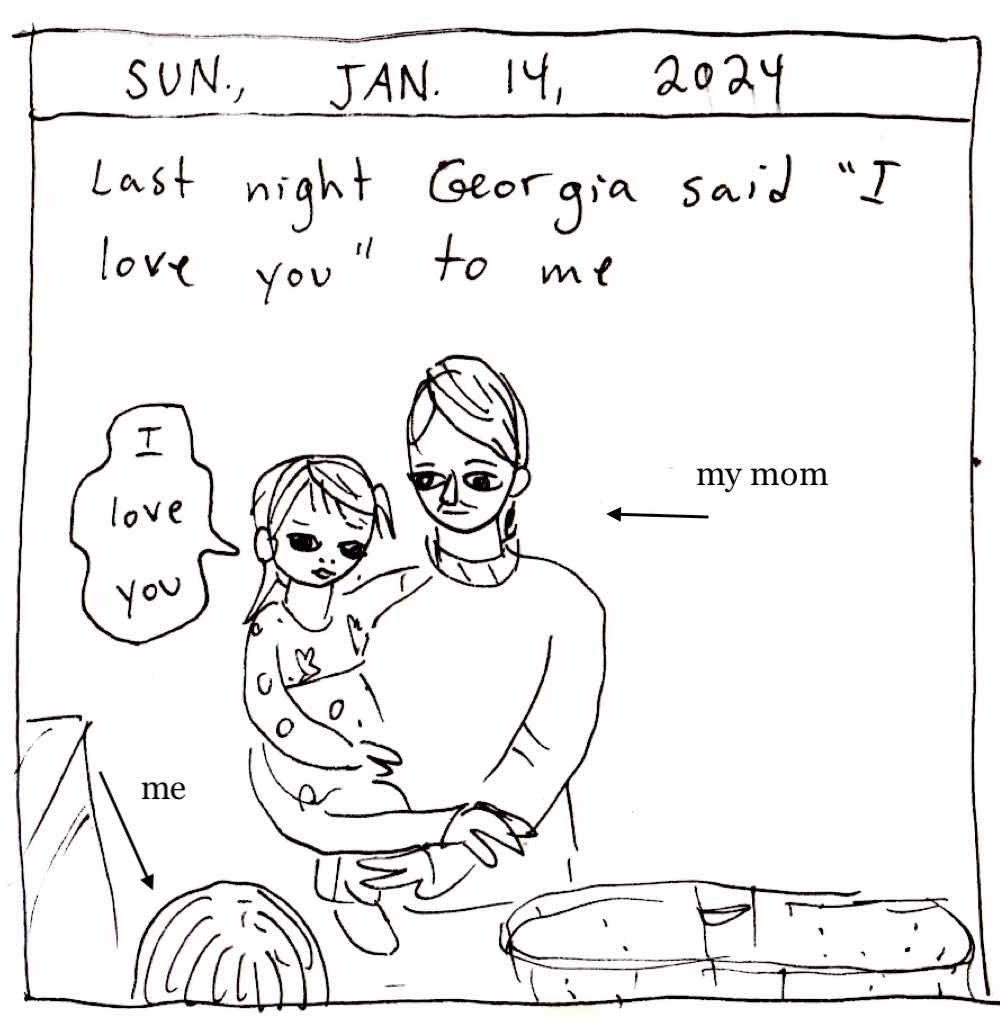
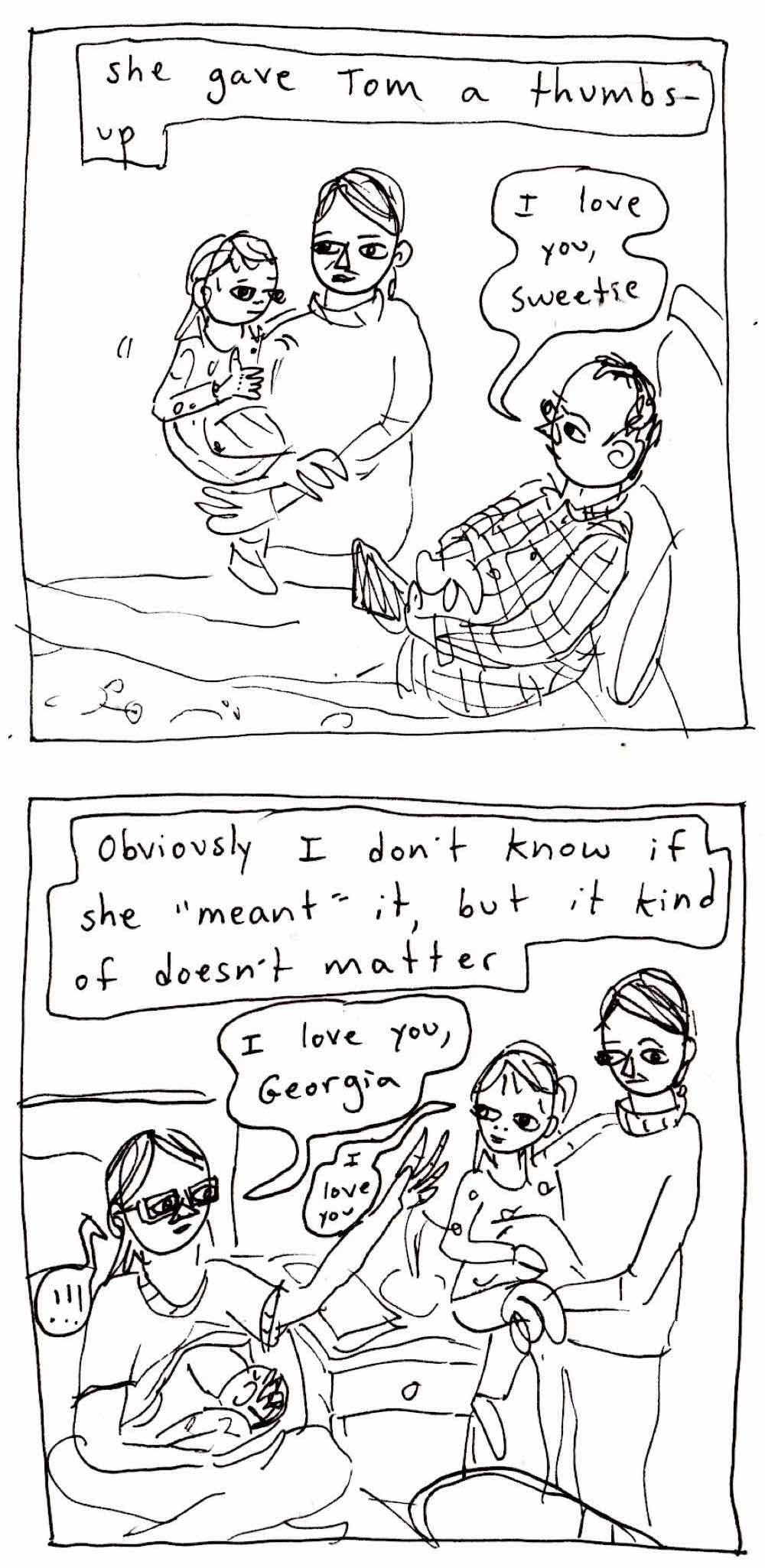


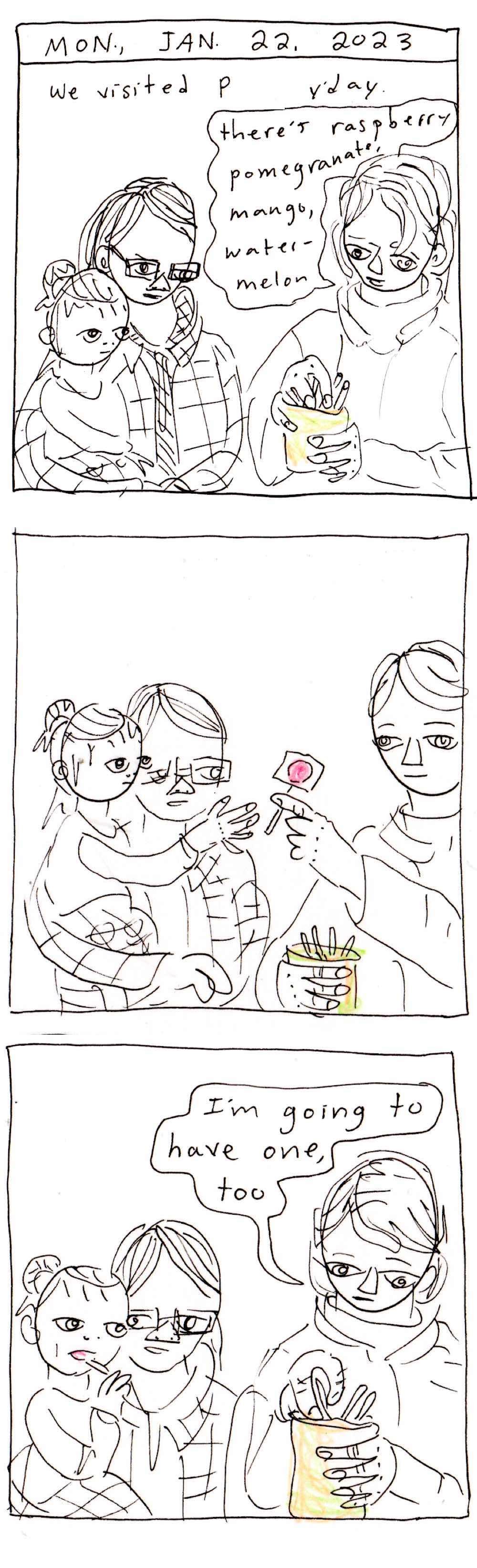

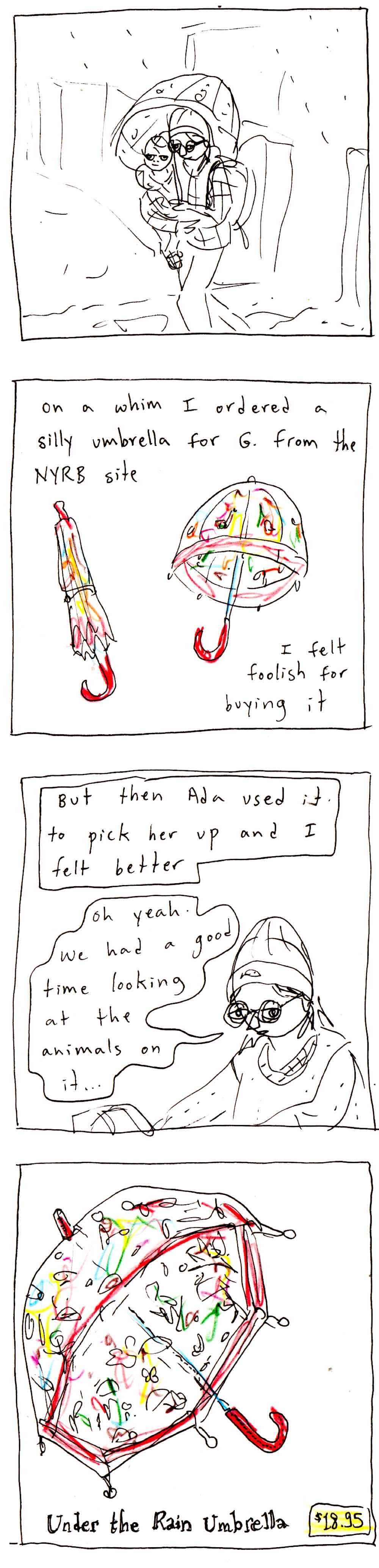

Asking AI to generate a video of the Tour de France. 1. This is hilarious (the explosion!) 2. This illustrates how/where LLM image generators fail. Like, this has the vibe of biking but the details & physics are totally wrong. An uncanny Grand Canyon.

15 Years of Plant Time Lapse Videos
This is a compilation of dozens of time lapses of plant growth, from seed to fruit in many cases. The plants featured include strawberry, avocado, tobacco, ginger, oak tree, cauliflower, potato, kiwi, and several types of mushroom (not a plant). The climbers (kiwi, peas) are so cool — their vines whipping around trying to find purchase. The thai basil was one of my favorites…watching all the delicate little flowers popping out in sequence up the branches is really lovely.
One Million Checkboxes. I love these sorts of minimal collaborative thingies. (Are there bots on here now though? Every time I uncheck a bunch of boxes, they are checked pretty quickly after that again…)
Calm Down — Your Phone Isn’t Listening to Your Conversations. It’s Just Tracking Everything You Type, Every App You Use, Every Website You Visit, and Everywhere You Go in the Physical World. “So don’t even worry about it.”
The White Death
John Green recently teamed up with Kurzgesagt for a video on one of the world’s deadliest diseases: tuberculosis.
The white death has haunted humanity like no other disease following us for thousands, maybe millions of years. In the last 200 years it killed a billion people — way more than all wars and natural disasters combined. Even today it’s the infectious disease with the highest kill count.
The maddening bit is that tuberculosis is curable…it’s just that the cure is not equally distributed around the world.
4,000 people died of tuberculosis yesterday, and we simply don’t have to accept a world where so many of us still die of a disease we know how to cure. The White Death has been with us for millions of years. It is time to continue our journey without it.
Loved Caity Weaver’s Letter of Recommendation for the only reality show I’ve ever really loved: PBS’s Frontier House. “Next to the unflappable Glenns, the Clunes are revealed to be feckless, flighty, highfalutin’ crybabies.”

llama.ttf is a font that includes an LLM and an inference engine for that model. “This also means that you can use your font to chat with your font.”

Some Obvious Travel Advice
From Dynomight, some common sense and straight-forward advice about travel. Some favorites:
1. Mindset matters more than where you go.
12. Clothes dry much faster with body heat.
22. If you spend a ton of money and stay in very expensive hotels and whatever, you can eliminate almost all of the frustration and uncertainty of travel. But it also feels like you never leave the global capitalist monoculture.
41. Many of the people who seem “best” at travel seem to be really good at having sensory experiences — at shutting down the internal dialog and letting the sights and sounds and smells wash over them. I am by nature horrendous at having sensory experiences, but if I make a conscious choice, then it’s pretty easy and often quite profound.
(via sippey)
Updated advice about lightning safety when you’re outdoors, including “hiding in a cave is a bad idea”, “lying down puts you in even more danger than standing up”, and “the lightning position is useless”.

New Order’s Iconic Blue Monday Played on Vintage Casio Instruments
First of all, I didn’t know Casio made some any different kinds of electronic instruments back in the day — he used more than 15 of them to record this. I laughed out loud when the guitar part came in.
What you see me playing in the video are the actual instruments I used to make this multi-track recording. I layered different keyboards for most parts. I didn’t do anything to significantly change the sound of the instruments. I only used basic effects, such as equalization, reverb, delay, chorus, compression, etc.
And also, this is just fun…Blue Monday is an all-time favorite song of mine; here’s the original:
(via @johnnydecimal)
Pros And Cons Of Displaying The 10 Commandments In Every Classroom. “PRO: Distracts from how weird the Pledge of Allegiance is. CON: Use of woke ‘Thou/Thy’ pronouns.”

Former Tennessee Abortion Clinic Workers & Volunteers Speak Out Against the State’s Abortion Ban
Contractions is a powerful short film by Lynne Sachs about a former abortion clinic in Tennessee, a state where abortion is almost completely banned.
If I can’t make the same medical decisions about my body with autonomy, I’m a second-class citizen. And you basically, as a physician, had to start counseling your patients from a legal perspective and not a medical perspective.
In the film, we hear from an anonymous woman who is a volunteer driver for patients; she drives them nine hours RT to get abortion care in Illinois:
I had on patient, a young woman of color, and she said to me, “You know, this is really crazy. I kind of feel like I’m on the new Underground Railroad.”
This makes me so fucking angry. If you’d like, you can join me in rage-donating to CHOICES Center for Reproductive Health (the clinic featured in the film, now located in Illinois), ARC Southeast (providing practical support for Southerns seeking abortions), and Midwest Access Coalition (a practical abortion fund that helps people traveling to, from, and within the Midwest to access a safe, legal abortion).
Unhoused participants in the Denver Basic Income Project used their $1000/mo to find jobs & housing, spent less time in ERs, and reported improved mental health. “A year later, nearly half of participants had housing.”

Flying With My Dad
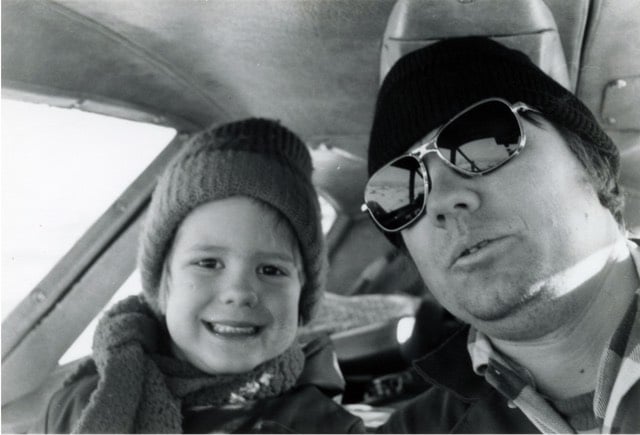
Growing up, I had a pretty conventional childhood. In the northern Wisconsin of the 70s and 80s, that meant living in the country, dogs and cats, making ramps for our bikes in the driveway, Oscar Meyer bologna sandwiches for lunch, and a nuclear family of four that split into two soon after Ronald Reagan took office. But conventional childhoods are a myth. Every kid has some weird thing that distinguished their experience from everyone else’s. My weird thing is that I spent a lot of time in and around airplanes when I was young.
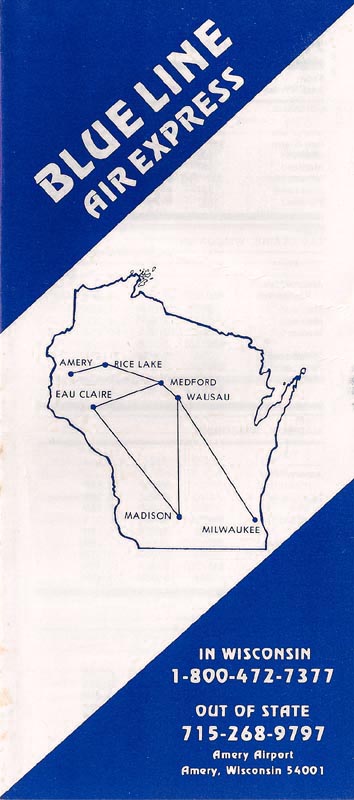
My dad joined the Navy after high school but couldn’t fly because of his eyesight. But sometime later, he got his private pilot’s license. In the 1970s, after bouncing around between two dozen different jobs and business ideas, he took a small rented airplane and turned it into a thriving freight and commuter airline called Blue Line Air Express.1 At its height, his company had 8 planes, a small fleet of cars and trucks,2 more than a dozen employees, and hangars at several different airports around northern WI. He and his employees delivered packages and people3 all over the tri-state area, from Chicago and Milwaukee to Minneapolis and Duluth.

And every once in awhile, I got to tag along. I remember one time in particular, we got up early on a Saturday, drove to a nearby town, hopped in the plane, and made it to Minneapolis, usually a two-hour drive, in time for breakfast. I’d go with him on deliveries sometimes; we’d drive a small piece-of-shit truck4 up to this huge FedEx hub in Minneapolis, load it full of boxes, and drive an hour to some small factory in a Wisconsin town and unload it. Once he had to deliver something to a cheese factory and my sister and I got a short tour out of it.
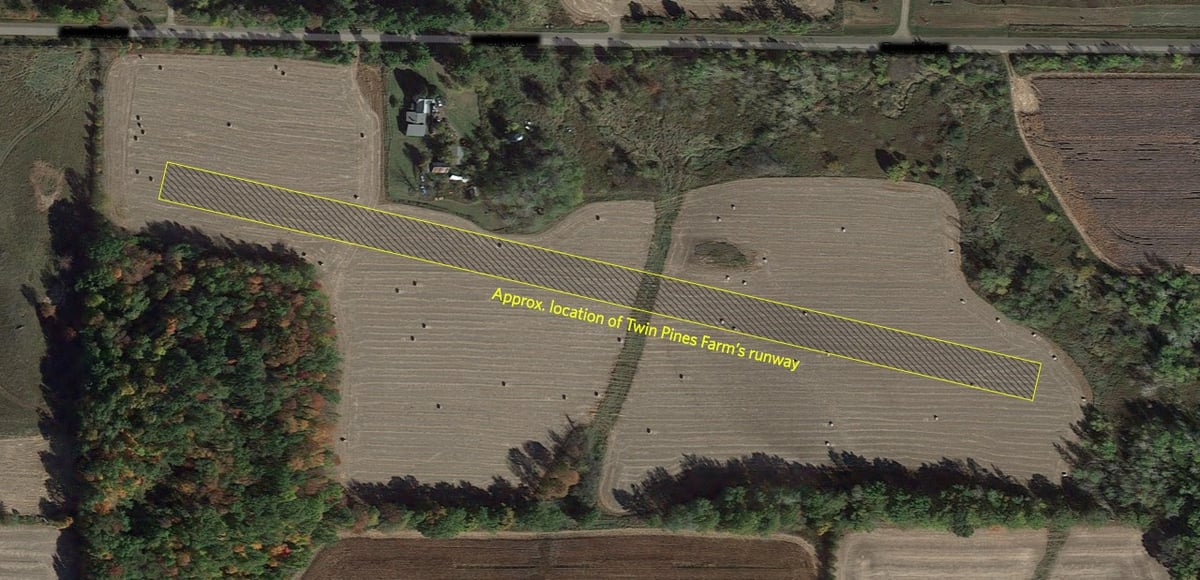
For family vacations, we would jump in the plane to visit relatives in the Twin Cities or in St. Louis. We flew down with some family friends to Oshkosh to attend the huge airshow. When I was in college, my dad would sometimes pick me up for school breaks in his plane. It was just a normal thing for our family, like anyone else would take a car trip. The only time it seems weird to me is when people’s eyes go wide after I casually mention that we had a runway out behind the house growing up.5
One of the last times I went flying with my dad, before it finally became too expensive for him to keep up his plane,6 we were flying into a small airport where he still kept a hangar. It was a fine day when we set out but as we neared our destination, the weather turned dark.7 You could see the storm coming from miles away and we raced it to the airport. The wind had really picked up as we made our first approach to land; I don’t know what the windspeed was, but it was buffeting us around pretty good. About 50 feet off the ground, the wind slammed the plane downwards, dropping a dozen feet in half a second. In a calm voice, my dad said, “we’d better go around and try this again”.8
The storm was nearly on top of us as we looped around to try a second time. It was around this time he announced, even more calmly, that we were “running a little low” on fuel. Nothing serious, you understand. Just “a little low”. There was a heavy crosswind, blowing perpendicular to the runway. Landing in a crosswind requires the pilot to point the airplane into the wind a little.9 Or more than a little…my memory probably exaggerates after all these years, but I swear we were at least 30 degrees off axis on that second approach. Just before touching down, he oriented the plane with the runway and the squawk of the tires let us know we were down. I don’t think it was much more than a minute or two after landing that the rain, thunder, and lightning started.10
But the thing was, I was never scared. I should have been probably…it was an alarming situation. I’d been flying with my dad my whole life and he’d kept me safe that whole time, so why should I start worrying now? That’s what fathers are supposed to do, right? Protect their children from harm while revealing the limits of the world?
The internet is amazing. I originally wrote this piece for Quarterly as part of a physical package of stuff that was sent out to subscribers. While doing some research for it, I found an image of an old Blue Line brochure, which I distinctly remember from when I was a kid. From there, I was able to figure out the font and recreate the logo. Two of the items in my Quarterly package featured the logo: a balsa-wood airplane and a leather luggage tag. Blue Line flies again! It was very satisfying to use my professional skills (internet sleuthing and design) to “resurrect” my dad’s old business.↩
There was a car or two stashed at every airport Blue Line regularly flew in to. To simplify the logistics, the key to the ignition was usually left under the rear wheel well of the car. Which was occasionally a problem w/r/t disgruntled former employees.↩
Living and dead…transporting cadavers was a particularly lucrative business.↩
My dad’s fleet of cars and trucks were optimized for cost and performance…if you could load 1200 pounds of boxes into something without busting the springs and get it there at 80 MPH on the freeway, it didn’t matter if the fenders were rusted off.↩
Oh, did I not mention that earlier? We lived on a farm and rented out all the land to nearby farmers…all except the runway that my dad had cut into the field behind the house so that he could commute by plane to whatever airport he needed to be at that day. As you do.↩
Blue Line went out of business soon after my parents divorced, but my dad kept a plane and a hangar. Sometimes he transported freight for money but mostly just flew as a hobby and transportation. Private piloting was cheaper back then, especially when your plane was long since paid for, the price of gas was obscenely low by today’s standards, gear/radios were cheaper, and you were also a mechanic (as my dad was).↩
The Midwest is like this in the summer. Radar shows nothing, then, boom, thunderstorm.↩
That droningly relaxed pilot voice you hear while thumbing through the latest issue of the inflight magazine? My dad never talked like that outside of an airplane but every single thing he said inside one sounded unbelievably steady and serene.↩
It is seriously weird that the runway you’re landing on is not directly in front of you. This video gives you a taste of what it’s like. Start at the 3:10 mark…that’s some crazy sideways flying.↩
And this is far from the craziest thing that ever happened to my dad while flying. Once we had to go pick him up in a nearby corn field after an emergency landing.
But my favorite story he tells is when he landed on a runway in winter in a twin-engine plane and discovered shortly afterwards that the entire surface was black ice. So the brakes didn’t work. And it was too late to throttle up again and take off. And there’s a lake at the end of the runway. Thinking quickly, he throttles up one of the engines, spins the plane around 180 ° on the ice, and then throttles up both engines to stop the plane. That sounds like total action movie BS, but my dad insists it really happened. Regardless, I love to hear him tell that story.↩
End Legal Slavery in the United States (i.e. forced prison labor). “It’s a different model from the chattel slavery over which the Civil War was fought, but by all norms of international law, it is a violation of fundamental human rights.”

We Can and Should Address Racial Disparities. “Most of the programs that would be most beneficial to racial equality are actually universal policies.”

Riding With the Street Demon
Photographer Ryan Weideman worked as a NYC taxi driver for 35 years (1981-2016) and photographed his passengers while on the job.
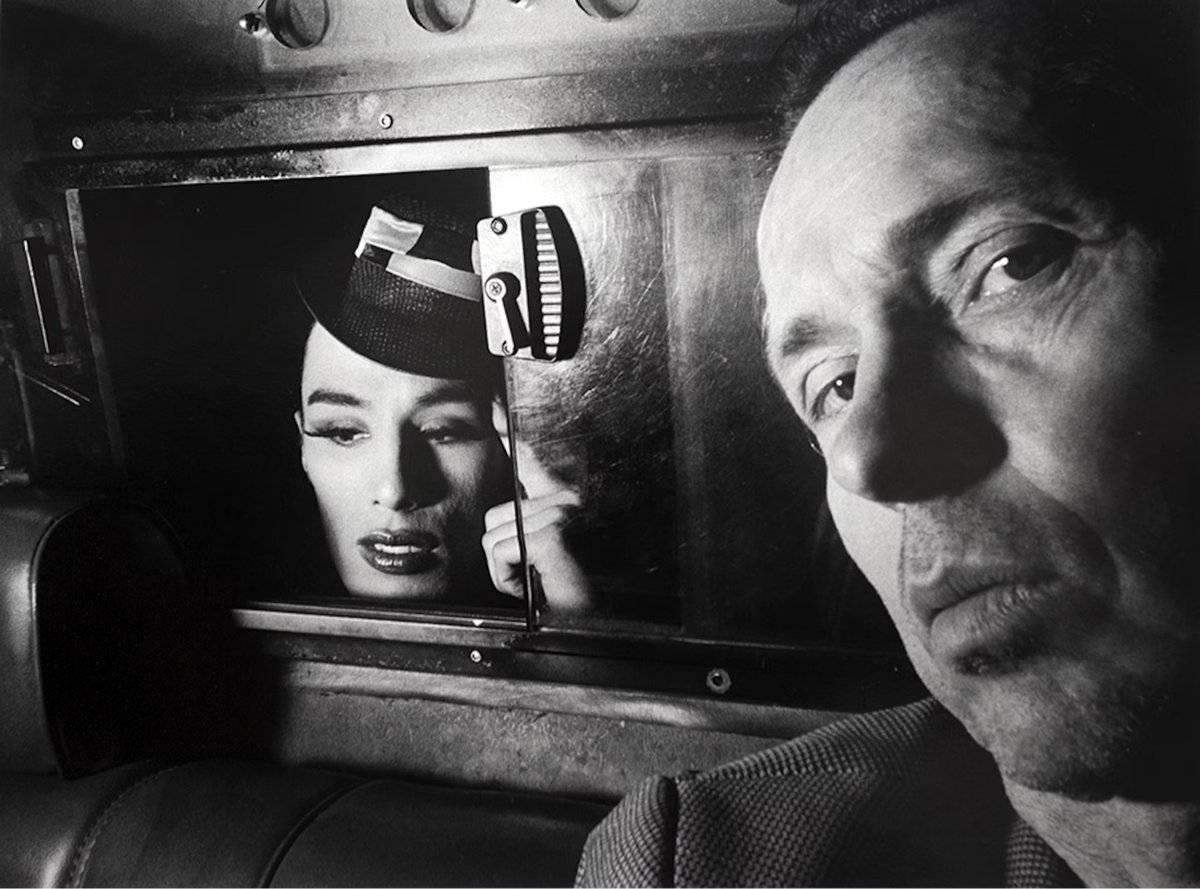

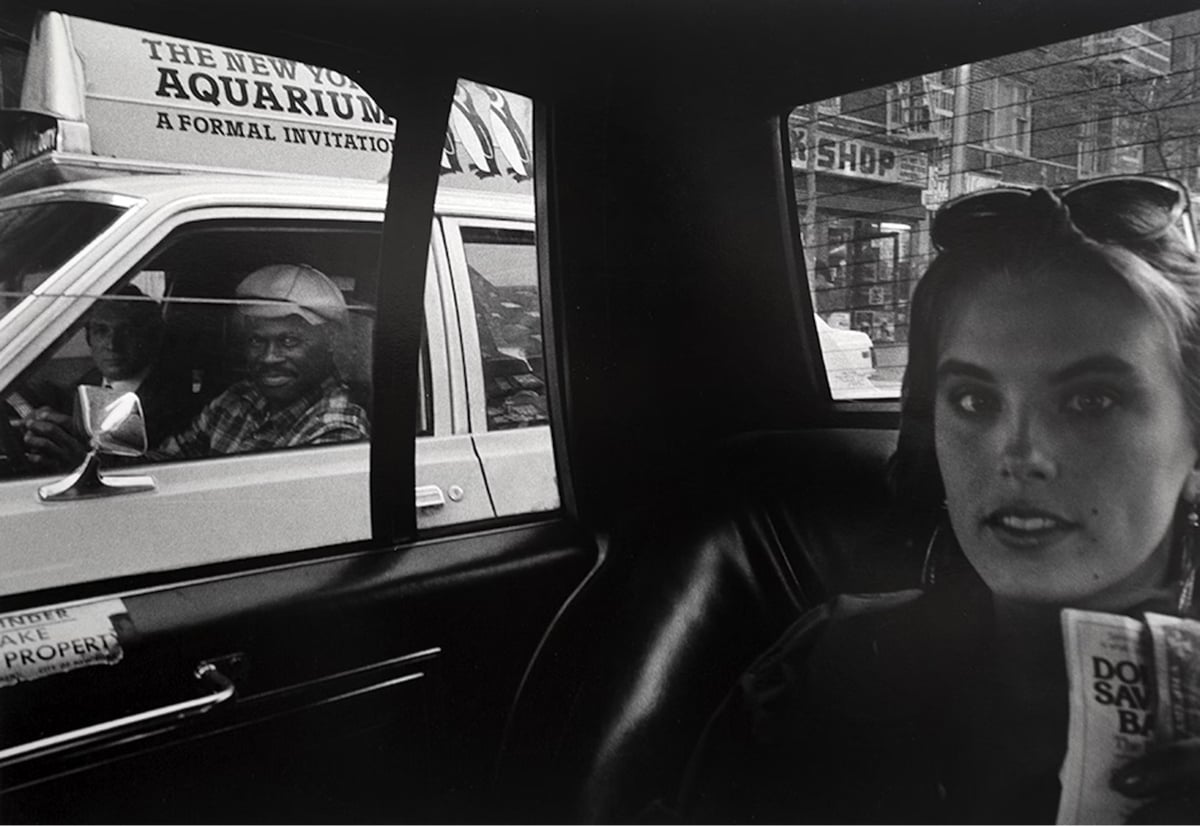
Huck did a profile of Weideman and his work several years ago.
“I drove a Checker cab but I usually got the wrecks because I only drove three or four nights a week,” he remembers wistfully. “I spent the rest of the time in my darkroom, printing and developing film.”
The quintessential New York cabbie, with a wisecracking mouth and lead foot on the gas pedal, Weideman carefully covered the first three letters of his license so that only the letters ‘DEMAN’ were visible. When passengers entered the cab, he would proudly announce, “You’re riding with the Street Demon.”
“I was on the edge of my seat most of the time because I was caught up in the rush of the ride,” he recalls. Although the 12-hour shifts were grueling, he never drank coffee or took drugs.
“It was all the adrenalin that flowed from my driving style. I enjoyed the thrill of driving and the sense of competitiveness. Some people really loved it; others were scared and wanted out so I would have to drop them off. Once in a while I would have a passenger that really enjoyed it. One guy jumped out of the cab and said, ‘My God, that was a religious experience!’”
AC Lamberty writes about how his tastes (and experience of masculinity) changed as he transitioned. “Before I started hormone replacement therapy — before I was ‘a guy’ — I never really cared about nuts (yes, you can laugh).”

Super Mario Bros, the Typewriter Edition
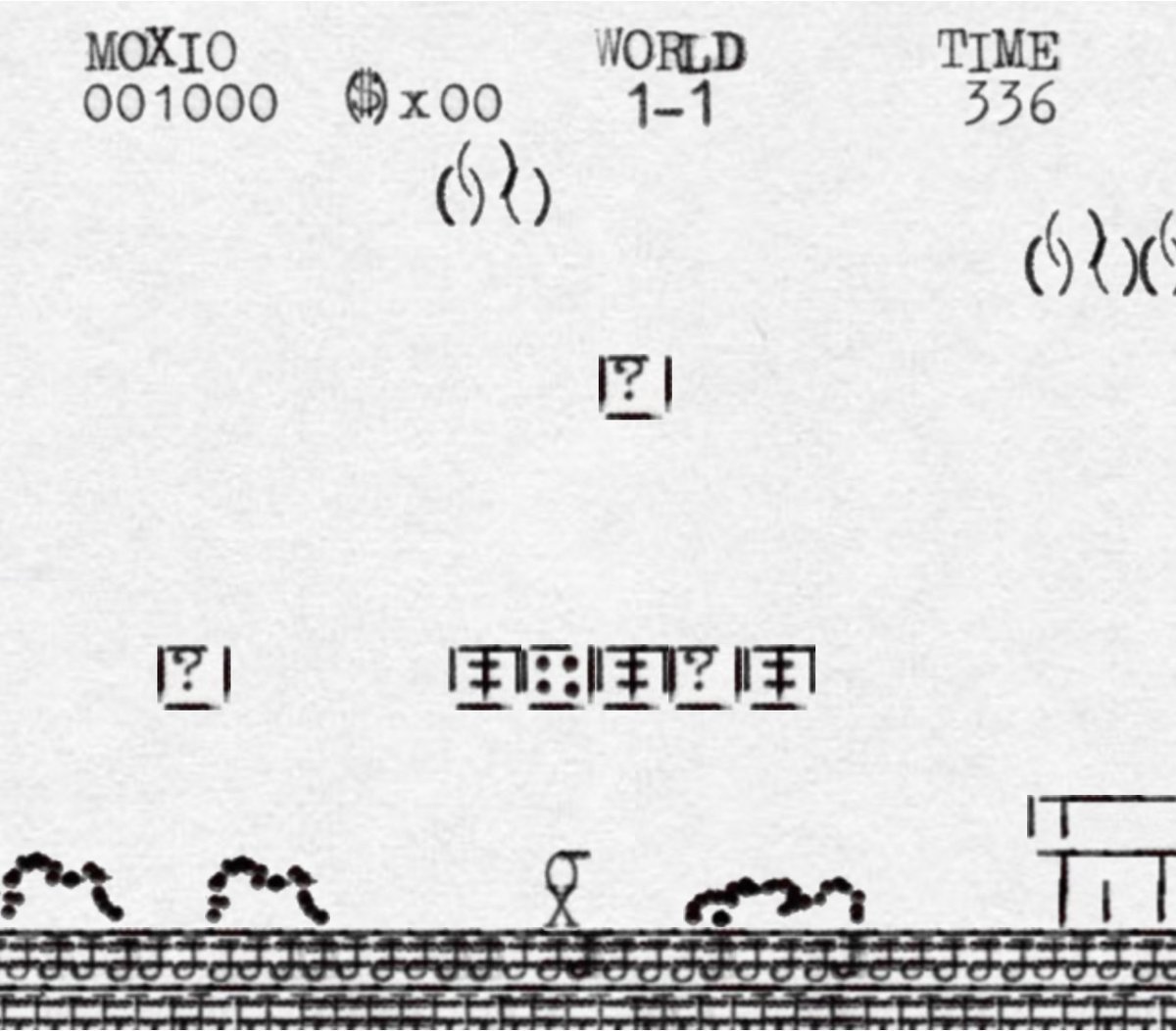
Super Moxio Bros is a version of World 1-1 of the original Super Mario Bros done using typewriter characters. I didn’t check for sure, but there’s a good chance I got this link from waxy.org.
The record industry is suing a pair of AI music-making companies over copyright issues. Listen to some of the songs that the record cos were able to generate from prompts…they are very close to the originals.

Oreo Kintsugi

Kintsugi is the Japanese practice of mending broken pottery repair with visible “scars”. A creative agency working for Oreos came up with the clever idea of selling tubes of Oreo frosting so that people could repair their broken Oreos in the same way.
Oreo’s ‘Kintsugi’ marketing campaign addresses the common issue of broken cookies by drawing inspiration from the ancient Japanese art. Kintsugi, which means “golden joinery,” is the practice of repairing broken pottery by mending the areas of breakage with lacquer dusted or mixed with powdered gold, silver, or platinum. This technique not only restores the item but also adds beauty and value to the breakage.
Consumers often find broken Oreo cookies to be a disappointment, viewing them as imperfect and less enjoyable. However, the philosophy of Kintsugi teaches that there is beauty in imperfections and that items can become more valuable when repaired thoughtfully.
US Surgeon General Vivek Murthy declares gun violence a public health crisis. “America should be a place where all of us can go to school, go to work, go to the supermarket, go to our house of worship” without putting our lives at risk.

“Since Texas’ ban on abortion went into effect, infant deaths in the state increased by nearly 13%.” These bans were never about saving lives; they’re about controlling women.

A Genealogy of Technology and Power Since 1500
This is kind of amazing: Calculating Empires is a project by Kate Crawford and Vladan Joler attempting to map how technology and human social structures have changed and evolved since 1500. This is just a tiny bit of the large genealogical map:

Calculating Empires is a large-scale research visualization exploring how technical and social structures co-evolved over five centuries. The aim is to view the contemporary period in a longer trajectory of ideas, devices, infrastructures, and systems of power. It traces technological patterns of colonialism, militarization, automation, and enclosure since 1500 to show how these forces still subjugate and how they might be unwound. By tracking these imperial pathways, Calculating Empires offers a means of seeing our technological present in a deeper historical context. And by investigating how past empires have calculated, we can see how they created the conditions of empire today.
See also Anatomy of an AI System. (via @kurtbandersen)
I knew the western US had become drier, but I hadn’t realized how much wetter the northeast had become…25-50+% more precipitation in the summer compared to 75 years ago.
The Art Book for Children
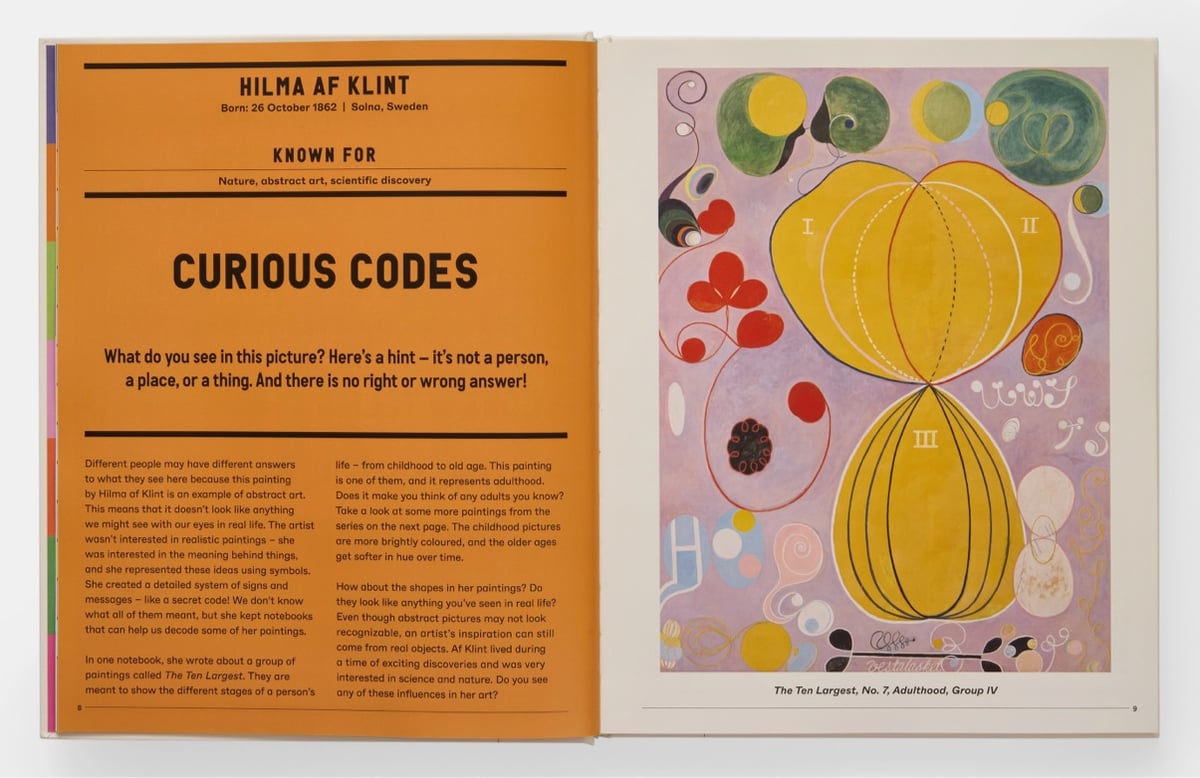
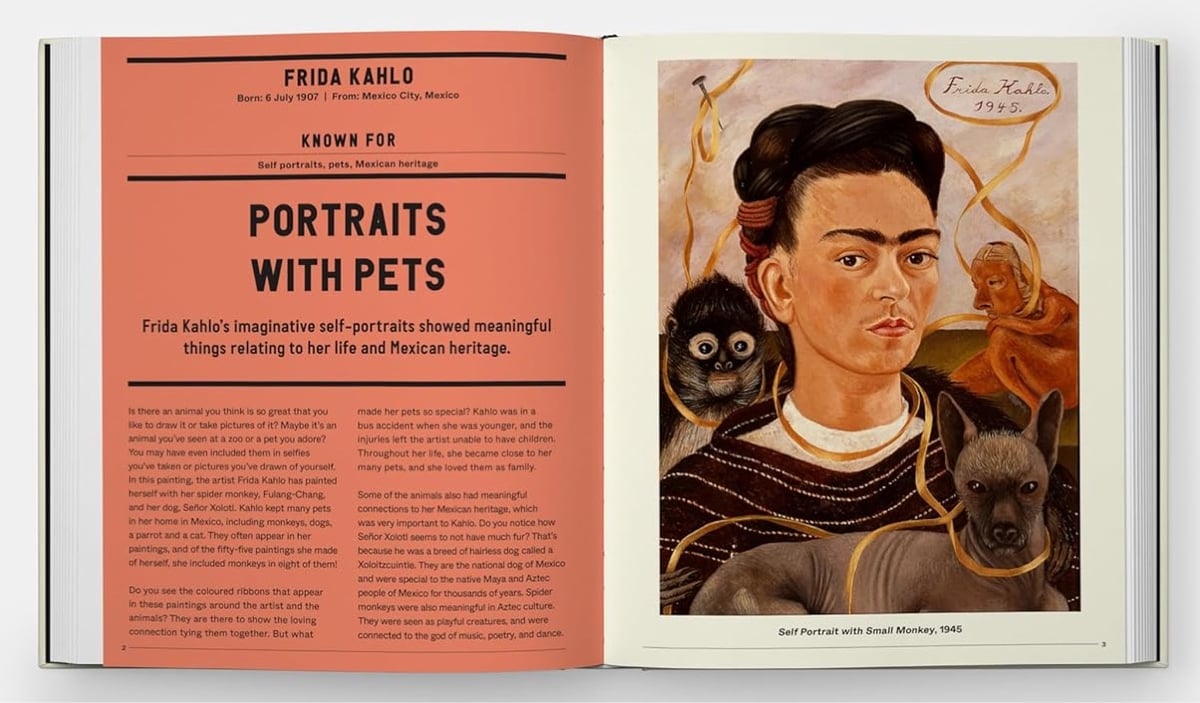
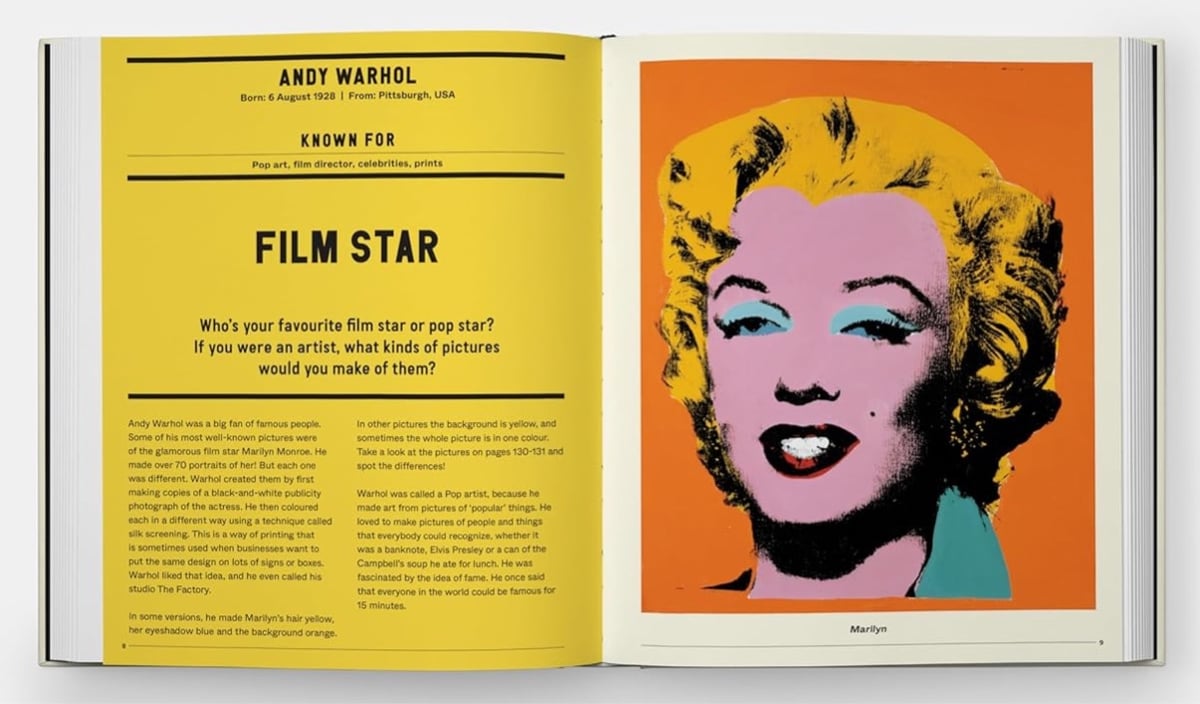
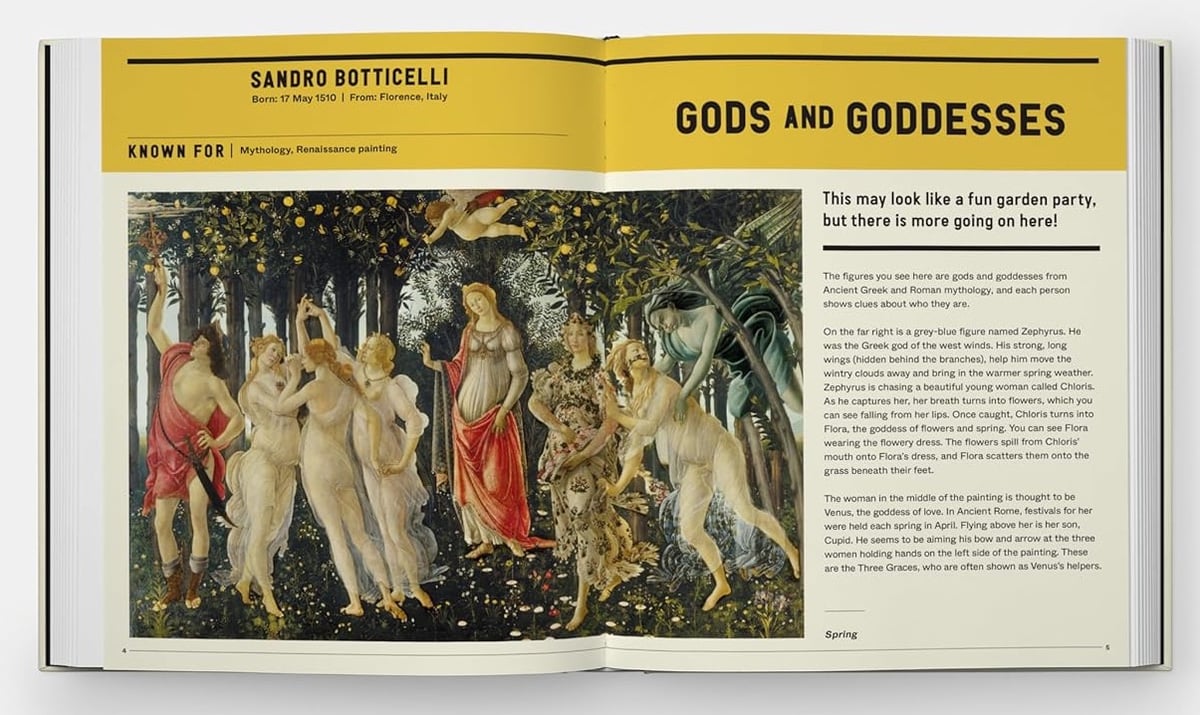
Phaidon has released a new version of their classic The Art Book for Children. Aimed at kids aged 7-12, the new version includes a selection of contemporary artists alongside familiar favorites.
This single volume features 60 artists through a wide range of large-scale, full-page reproductions of their artworks, including paintings, photographs, sculptures, video, prints, and installations from across time and space. Each page showcases defining artworks by the artists, combined with an interactive and informative conversation, giving relatable and memorable contexts for children, and inspiring a curiosity and appreciation for the Visual Arts that will continue into adulthood.
I’ve grown to love art as an adult but I don’t remember ever noticing or caring about any art when I was a kid. If this book had dropped into the lap of a young Jason, I wonder if it would have sparked anything?
I am enjoying the empathetic trajectory of the Charli XCX and Lorde beef; cheers to working it out on the remix. “On what is titled The Girl, So Confusing Version With Lorde, the two singers trade verses with heart-wrenching candour.”

Observers have reported a large red spot on Jupiter since the 1660s. But according to a new analysis, the old red spot may have disappeared and the current Great Red Spot formed sometime in the 19th century.

How to Give Away a Fortune
Marlene Engelhorn inherited millions from her family and decided to give much of it away (€25 million). She formed an independent council called Guter Rat für Rückverteilung (“good council for redistribution”) made up of 50 randomly selected Austrians chosen to reflect the makeup of Austria’s population, and they decided where to direct the money. Engelhorn’s mission statement is worth a read:
Democracy is about cultivating relationships: a society works on doing well. And a society is doing well when the people in that society are doing well. At the moment, this does not apply to everyone: wealth, assets and property are distributed unequally and unfairly. And so is the power in our society.
In Austria, the richest one percent of the population hoards up to 50 percent of the net wealth. This means that one hundredth of society owns just under half of the wealth. And 99 percent of people have to make do with the other half. Almost four million households struggle to get by every day. And the one percent? Most of them have simply inherited.
We are talking about dynasties that amass wealth and power over generations. They then withdraw from our society as if it were none of their business. I also come from such a dynasty. My wealth was accumulated before I was even born. It was accumulated because other people did the work, but my family was able to inherit the ownership of an enterprise and thus all claims to the fruits of its labour.
Wealth is never an individual achievement. Wealth is always created by society. A few people get rich because they buy other people’s time and profit from it. Because they have a patent on a product that others urgently need. Because they buy a piece of land that increases in value and because society builds infrastructure around it. In the process, they destroy the environment to harvest the resources.
Fascinating idea. (via ny times)
How do actors memorize their lines? “Actors engage in elaborative rehearsal, focusing their attention on the meaning of the material and associating it with information they already know.”

Anxiety in Inside Out 2 Is Too Real
NY Times critic Maya Phillips wrote about seeing her anxiety reflected in Pixar’s Inside Out 2.
When an emotion takes over in the “Inside Out” movies, a control board in Riley’s mind changes to that feeling’s color; Anxiety’s takeover, however, is more absolute. She creates a stronghold in Riley’s imagination, where she forces mind workers to illustrate negative hypothetical scenarios for Riley’s future. Soon, Riley’s chief inner belief is of her inadequacy; the emotions hear “I’m not good enough” as a low, rumbling refrain in her mind.
I’m familiar with anxiety’s hold on the imagination; my mind is always writing the script to the next worst day of my life. It’s already embraced all possibilities of failure. And my anxiety’s ruthless demands for perfection often turn my thoughts into an unrelenting roll-call of self-criticisms and insecurities.
And yet — Anxiety isn’t the villain of this movie.
A cursory spin around social media reveals many other people who identified with that aspect of the film.
I really enjoyed this movie and loved that they didn’t make Anxiety the villain. It would have been so easy to do so — Hollywood has a habit of really dumbing things down, especially in movies aimed at kids. The filmmakers seemed to understand that anxiety is the flip-side of a coin that includes some mixture of watchfulness, anticipation, and exhilaration. That emotion can be useful to people, until it spins out of the control as in the movie and then it wreaks havoc.
Explore present and future climate zones for dozens of global cities. “With climate change, your city isn’t just getting hotter: it will resemble the distinctive climate of completely different places.”

Great news about HIV protection: “Results from a large clinical trial in Africa showed that a twice-yearly injection of a new antiviral drug gave young women total protection from the virus.”

The USPS Honors Alex Trebek With a Stamp
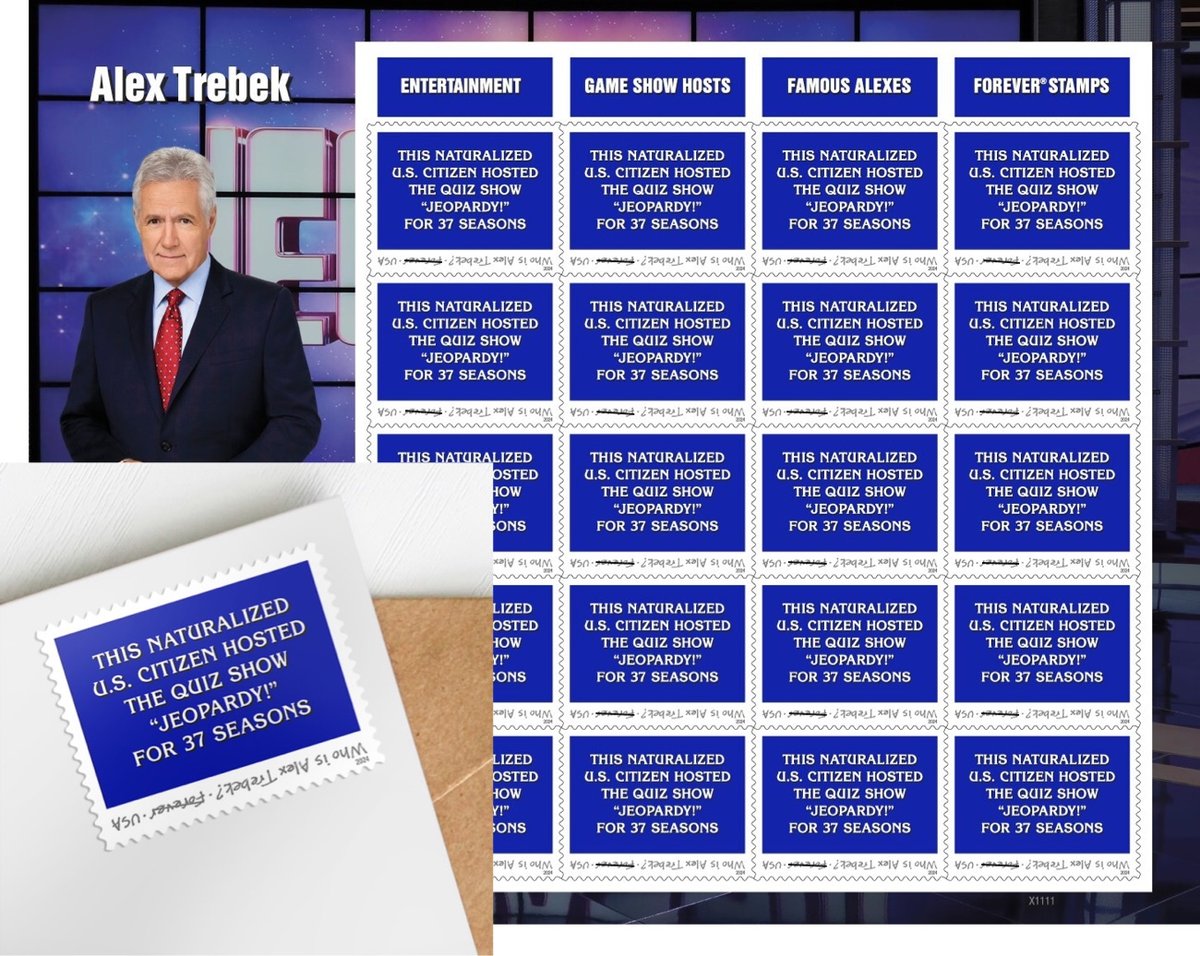
The USPS is honoring longtime Jeopardy! host Alex Trebek with a stamp that cleverly mimics a blue Jeopardy! answer — and the whole sheet of stamps looks like the game board. The text of the answer reads:
This naturalized U.S. citizen hosted the quiz show “Jeopardy!” for 37 seasons
And the question is, of course: “Who is Alex Trebek?” You can buy your Forever 73¢ Trebek stamps from the USPS website.
Reggie Jackson’s Brutal Honesty About Playing Baseball in Alabama in the 60s
As part of the effort to incorporate the Negro Leagues into MLB history, MLB held a pair of games at Birmingham, Alabama’s Rickwood Field, “the oldest professional ballpark in the United States and former home of the Birmingham Black Barons of the Negro Leagues”. During the pregame show Fox Sports invited Reggie Jackson, who played on a minor league team at the ballpark, to offer his perspective on the event. (Content note: Jackson says the n-word twice during his remarks.)
About halfway through this clip (the 4:35 mark), Alex Rodriguez asks him a softball question designed to elicit some fond memories about baseball and some gauzy reflections on the impact of the Negro Leagues:
How emotional is it for you to come back to a [place] that you played with one of the greatest teams around?
Jackson, as he did so many times during his career, knocked it out of the park with the brutal truth about what it was like to play baseball in the South as a Black man in the 60s (transcript):
Coming back here is not easy. The racism when I played here, the difficulty of going through different places where we traveled. Fortunately, I had a manager and I had players on the team that helped me get through it. But I wouldn’t wish it on anybody. People said to me today, I spoke and they said, ‘Do you think you’re a better person, do you think you won when you played here and conquered?’ I said ‘You know, I would never want to do it again.’
“I walked into restaurants and they would point at me and say, ‘The n***** can’t eat here.’ I would go to a hotel and they would say, ‘The n***** can’t stay here.’ We went to [Oakland Athletics owner] Charlie Finley’s country club for a welcome home dinner and they pointed me out with the n-word, ‘He can’t come in here.’ Finley marched the whole team out. Finally, they let me in there. He said ‘We’re going to go the diner and eat hamburgers. We’ll go where we’re wanted.’”
“Fortunately, I had a manager in Johnny McNamara that, if I couldn’t eat in the place, nobody would eat. We’d get food to travel. If I couldn’t stay in a hotel, they’d drive to the next hotel and find a place where I could stay. Joe and Sharon Rudi, I slept on their couch three, four nights a week for a month and a half. Finally, they were threatened that they would burn our apartment complex down unless I got out.
The year I came here, Bull Connor was the sheriff the year before, and they took minor league baseball out of here because in 1963, the Klan murdered four Black girls - children 11, 12, 14 years old - at a church here and never got indicted. The Klan, Life Magazine did a story on them like they were being honored.
“I wouldn’t wish it on anyone. At the same time, had it not been for my white friends, had it not been for a white manager, and Rudi, Fingers and Duncan, and Lee Meyers, I would never have made it. I was too physically violent. I was ready to physically fight some - I would have got killed here because I would have beat someone’s ass and you would have saw me in an oak tree somewhere.”
Hockley Clarke on his relationship with a blackbird who lived in his garden. “There was perfect trust between us, a source of joy to me, and it must have been a comfort to him. Perhaps birds understand more than we think.”

The Message by Ta-Nehisi Coates
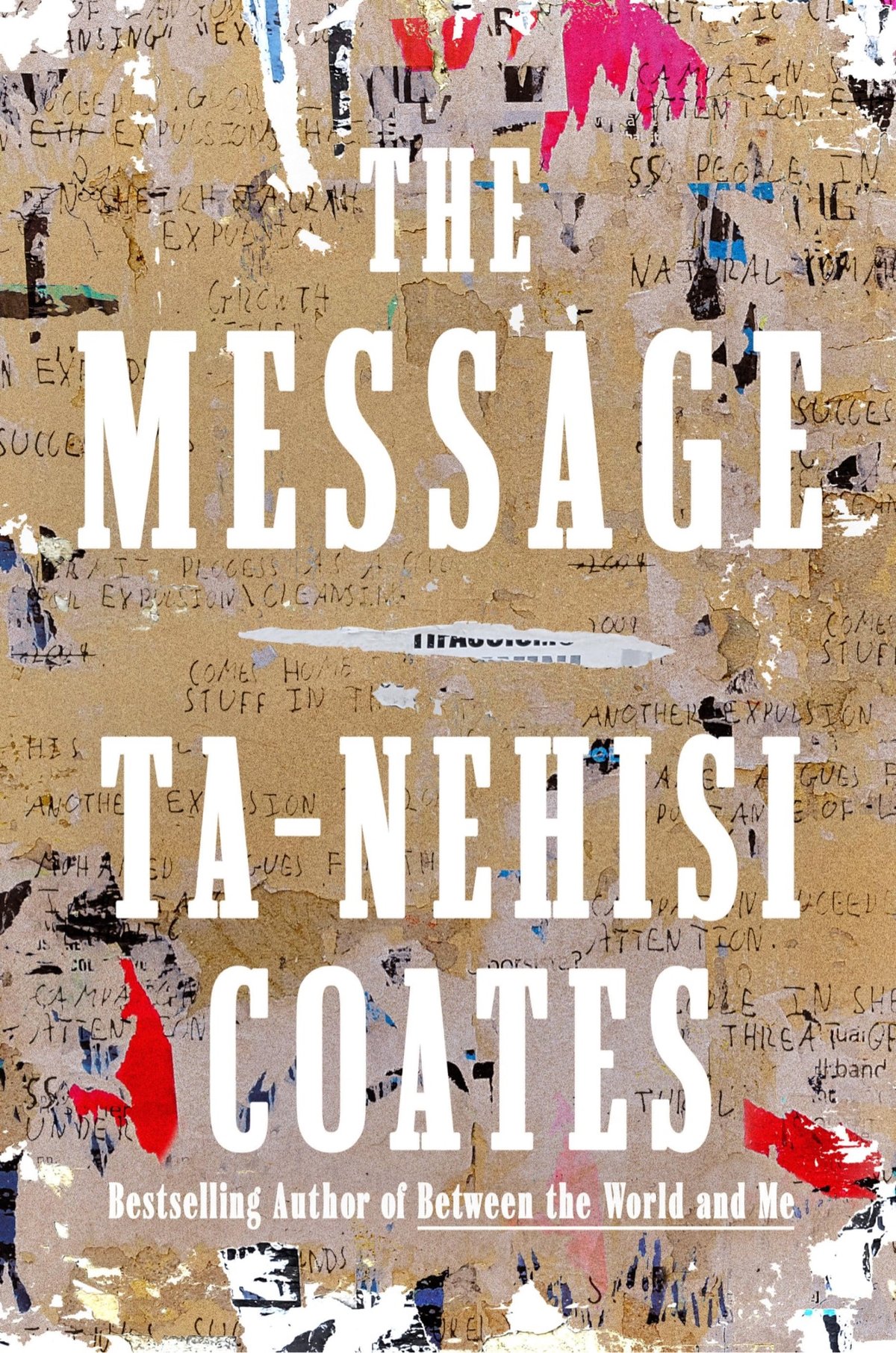
Ta-Nehisi Coates is coming out with a new book this fall (Oct 1, 2024) called The Message and it sounds really interesting:
Ta-Nehisi Coates originally set out to write a book about writing, in the tradition of Orwell’s classic “Politics and the English Language,” but found himself grappling with deeper questions about how our stories — our reporting and imaginative narratives and mythmaking — expose and distort our realities.
In the first of the book’s three intertwining essays, Coates, on his first trip to Africa, finds himself in two places at once: in Dakar, a modern city in Senegal, and in a mythic kingdom in his mind. Then he takes readers along with him to Columbia, South Carolina, where he reports on his own book’s banning, but also explores the larger backlash to the nation’s recent reckoning with history and the deeply rooted American mythology so visible in that city — a capital of the Confederacy with statues of segregationists looming over its public squares. Finally, in the book’s longest section, Coates travels to Palestine, where he sees with devastating clarity how easily we are misled by nationalist narratives, and the tragedy that lies in the clash between the stories we tell and the reality of life on the ground.
Coates was recently a guest on the Longform podcast and he talked about one of the central themes of the book (“how the stories we tell — and the ones we don’t — shape our realities”):
There’s a certain sector of politics on the right that really correctly understands that cultural issues are very, very powerful, actually. That books and movies and TV shows and monuments and statues and art, all that stuff actually really does matter and has a huge effect on what we consider actual politics, which is to say voting, legislation, etcetera. Because our whole notions of humanity are derived from these things. They’re derived from, you know, stories. They’re derived from the news. They’re derived from, you know, art. They derive from statues. That’s how we decide, you know, who is what.
And the reason, you know it’s powerful is because in previous eras — for instance, when during the era of redemption, it became extremely important to destroy the multiracial democracies that have been raised in the South. They went after the history. They went after the stories. That’s where all those monuments come from. Those monuments are not just raised out of nothing. It’s not a mistake that it wasn’t until the early 1960s the Southern states started putting up the Confederate battle flag. They understood the power of the symbol. They know. They know. And now they find themselves in an era where there is a very real cultural war, by which I mean: the hegemony that they once enjoyed over the culture is actually actively being challenged, and that is a long term threat to the politics that they represent.
So, I mean, a lot of people say, oh, this is a distraction. I actually think it’s quite intelligent. While it’s not the response I would have, I don’t think it’s a deluded response or delusional response, rather.
It sounds fascinating — I definitely preordered.
Walmart is switching to electronic price tags that “allow employees to change prices as often as every ten seconds”. No one wants this!! No one wants surge pricing on ice cream and price increases on items already in your cart.

We Deserve a Better Work Life
After four years, Roxane Gay signs off from her Work Friend column.
I am not an idealist or much of an optimist, but being your Work Friend pushed me in that direction. I want, too. I want a world where we can all live our best professional lives. I want everyone to make a living wage and have excellent health care and the means to retire at a reasonable age. I want all of us to want this very simple thing for one another.
And, frankly, a fulfilling and equitable professional life should not be the stuff of utopia. This should be our reality. It is astonishing to see how many people are so deeply unhappy at work, so trapped by circumstances beyond their control, so vulnerable to toxic workplaces and toxic cultural expectations around work. As I read your letters I mostly thought: “It shouldn’t be this way. It shouldn’t be this hard.”
We shouldn’t have to suffer or work several jobs or tolerate intolerable conditions just to eke out a living, but a great many of us do just that. We feel trapped and helpless and sometimes desperate. We tolerate the intolerable because there is no choice. We ask questions for which we already know the answers because change is terrifying and we can’t really afford to risk the loss of income when rent is due and health insurance is tied to employment and someday we will have to stop working and will still have financial obligations.
How do we know how many people died of Covid-19? “After four years and dozens of studies, we know everything we’re going to know about the death toll of the Covid pandemic.”

50 Years Ago in Photos: A Look Back at 1974. Gas shortages, Hank Aaron, streakers, Skylab, Vietnam, Nixon’s resignation, desegregating schools, gay pride, the Troubles, and the Rumble in the Jungle.

The Models for American Gothic
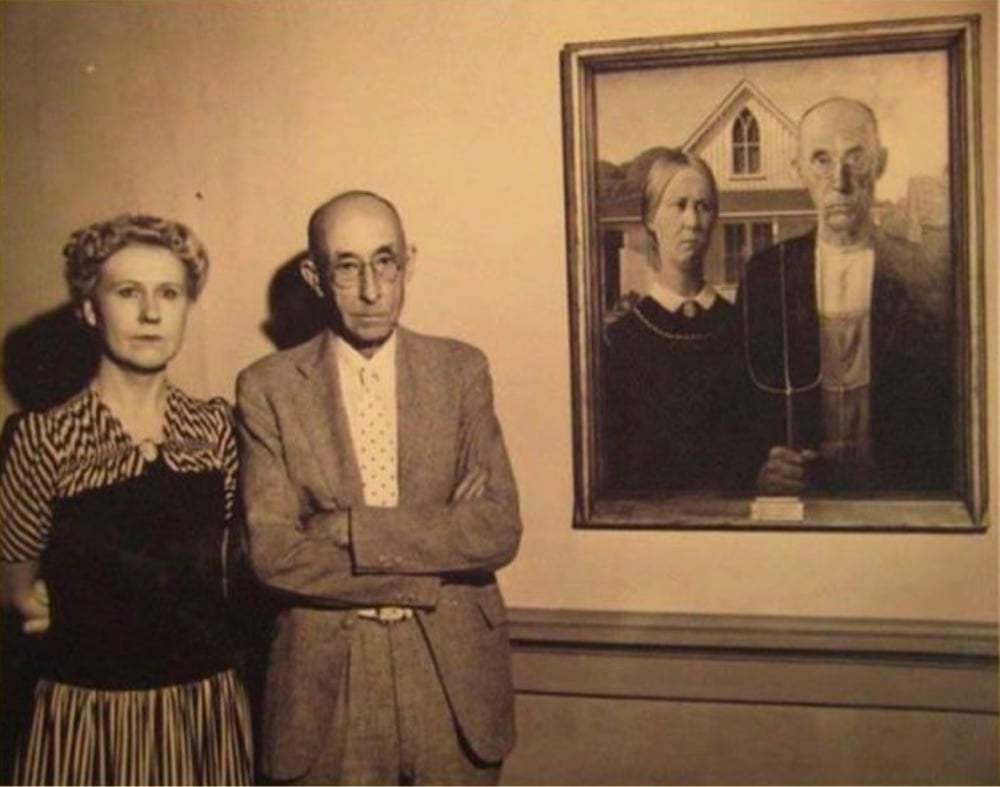
In 1930, Iowa artist Grant Wood painted American Gothic. The models he used for the painting were his sister Nan Wood Graham and his dentist, Byron McKeeby. Here they are next to the painting:
Wood made the painting after spotting a small house in Eldon, Iowa:

80 Iconic Piano Intros, Played Back-to-Back From Memory
In this video, pianist David Bennett plays 80 of the best piano intros from the past 120 years, back-to-back and all from memory. This was lovely to listen to while I was eating my lunch.
Some of the intros I particularly enjoyed were Scott Joplin’s The Entertainer, Nina Simone’s My Baby Just Cares For Me, Let It Be by The Beatles, Don’t Stop Believin’ by Journey, Children by Robert Miles, Clocks by Coldplay, A Thousand Miles by Vanessa Carlton, and Breathe Me by Sia. a song I still cannot listen to without tearing up because of the series finale of Six Feet Under.
A photographer entered a real photo of a flamingo in an AI image contest and was disqualified after winning the People’s Vote Award. “I wanted to show that nature can still beat the machine.”

A Few Lessons from Roger Federer’s Dartmouth Commencement Speech
Two weeks ago, Roger Federer gave the commencement speech at Dartmouth. After asserting that he’d graduated (and not retired) from professional tennis, Federer shared what he learned from his years on the pro circuit. Some excerpts from the transcript:
“Effortless”… is a myth.
I mean it.
I say that as someone who has heard that word a lot. “Effortless.”
People would say my play was effortless. Most of the time, they meant it as a compliment… But it used to frustrate me when they would say, “He barely broke a sweat!”
Or “Is he even trying?”
The truth is, I had to work very hard… to make it look easy.
I spent years whining… swearing… throwing my racket… before I learned to keep my cool.
The wakeup call came early in my career, when an opponent at the Italian Open publicly questioned my mental discipline. He said, “Roger will be the favorite for the first two hours, and then I’ll be the favorite after that.”
I was puzzled at first. But eventually, I realized what he was trying to say. Everybody can play well the first two hours. You’re fit, you’re fast, you’re clear… and after two hours, your legs get wobbly, your mind starts wandering, and your discipline starts to fade.
It made me understand… I have so much work ahead of me, and I’m ready to go on this journey now. I get it.
On talent:
Yes, talent matters. I’m not going to stand here and tell you it doesn’t.
But talent has a broad definition.
Most of the time, it’s not about having a gift. It’s about having grit.
In tennis, a great forehand with sick racquet head speed can be called a talent.
But in tennis… like in life… discipline is also a talent. And so is patience.
Trusting yourself is a talent. Embracing the process, loving the process, is a talent.
Managing your life, managing yourself… these can be talents, too.
Some people are born with them. Everybody has to work at them.
On “it’s only a point”:
In tennis, perfection is impossible… In the 1,526 singles matches I played in my career, I won almost 80% of those matches… Now, I have a question for all of you… what percentage of the POINTS do you think I won in those matches?
Only 54%.
In other words, even top-ranked tennis players win barely more than half of the points they play.
When you lose every second point, on average, you learn not to dwell on every shot.
You teach yourself to think: OK, I double-faulted. It’s only a point.
OK, I came to the net and I got passed again. It’s only a point.
Even a great shot, an overhead backhand smash that ends up on ESPN’s Top Ten Plays: that, too, is just a point.
Here’s why I am telling you this.
When you’re playing a point, it is the most important thing in the world.
But when it’s behind you, it’s behind you… This mindset is really crucial, because it frees you to fully commit to the next point… and the next one after that… with intensity, clarity and focus.
The truth is, whatever game you play in life… sometimes you’re going to lose. A point, a match, a season, a job… it’s a roller coaster, with many ups and downs.
And it’s natural, when you’re down, to doubt yourself. To feel sorry for yourself.
And by the way, your opponents have self-doubt, too. Don’t ever forget that.
But negative energy is wasted energy.
And “life is bigger than the court”:
I worked a lot, learned a lot, and ran a lot of miles in that small space… But the world is a whole lot bigger than that… Even when I was just starting out, I knew that tennis could show me the world… but tennis could never be the world.
I knew that if I was lucky, maybe I could play competitively until my late 30s. Maybe even… 41!
But even when I was in the top five… it was important to me to have a life… a rewarding life, full of travel, culture, friendships, and especially family… I never abandoned my roots, and I never forgot where I came from… but I also never lost my appetite to see this very big world.
Socials & More