Entries for December 2021

For a few years now, I’ve been keeping track of all the stuff I read, watch, listen to, and experience — I call it my media diet. As 2021 comes to a close, I’m sharing some of my favorite things from a year that was somehow even weirder than last year.
The French Dispatch. I saw this twice and loved it. Maybe my favorite Wes Anderson movie since Tenenbaums? (That feels crazy to say but also might be true?)
Making Sense — The Boundaries of Self. This podcast conversation with poet David Whyte felt like a turning point in my year.
Strava. I first tried mountain biking in the fall of 2020 and this year it blossomed into a favorite hobby. Despite a lot of other responsibilities and engagements, I got out on the bike once or twice a week during the spring, summer, and fall and missed it when I couldn’t manage a ride. I recorded all of my rides with Strava and was gratified to see progress and to try and beat my personal bests.
Handshake Speakeasy. Post-vaccination (and pre-Delta and Omicron) I was able to travel a bit. This new-ish bar in Mexico City had some of the coolest, tasty, and unique cocktails I’ve ever had. (Handshake was named the 25th best bar in the world earlier this month.) Baltra Bar was also quite good. Restaurant-wise, Quintonil was amazing. But just walking around the city, eating street food, going to museums, ducking into bookstores, and wandering through markets was such a fantastic experience after a difficult 16 months.
Fleabag (season two). I rewatched this when I was deep in the emotional weeds this summer and I think it might be the best season of television ever made. I laughed like a maniac and cried like a baby. The final scene is absolute perfection.
The Great British Bake-Off. My kids got me into this over the summer and it is, as many of you discovered in early 2020, the perfect low-stakes entertainment for getting one’s mind off of current events for 60 minutes at a time.
Pfizer-BioNTech (BNT162b2) and Moderna (mRNA-1273) Covid-19 Vaccines. Getting vaccinated (full three-series) and seeing my kids & friends (and their kids) get fully vaccinated was the absolute best thing that happened to me this year. Getting back to some semblance of normalcy, at least in certain situations at certain times with certain people, while being protected against severe disease and death, felt incredible.
The Premier League. I’ve watched a lot of football this year, mostly the Premier League but also the occasional PSG, Dortmund, Bayern, and Barca matches. Oh, and the Euros and Copa America. I don’t have a favorite team, I just like watching the best players in the world play football at a high level. I know this particular way of being a sports fan is often offensive to Real Sports Fans™ because you need to have a team and get upset and rend your garments when they lose and beat up the other teams’ fans, but my parents didn’t happen to live within 20 miles of an English soccer stadium when I was born, so I can do what I like.
You’re Wrong About. For the second year in a row, my favorite podcast. I couldn’t wait for the new episodes to drop on Monday. However. Michael Hobbes left the show in October and while I’ve been giving the show’s new format the benefit of the doubt, I’m not sure about it. Both Hobbes and co-host Sarah Marshall are individually wonderful but it was their combination that made the show marvelous and that bit is missing now.
Succession (season 3). My interest waned at times in the middle of the season, but I thought the last two episodes were outstanding. Plus, in preparation for this season, I watched season two’s finale and got to see this scene again.
The ocean. This should be on the list every year. Visiting the ocean nourishes my soul like little else and I was able to make that happen several times this year.
The Painter and the Thief. Remarkable documentary and maybe the best film I saw this year.
L.L. Bean fleece-lined hoodie. I lived in this thing for most of the year — so comfortable.
Dune. I can’t even put my finger on why I enjoyed this movie so much.
Donda. Ugh, I know. I continue to hate how much I love parts of this album.
The pandemic scribes. Even if you’re not a conspiracy theorist in thrall to religion, fascist media, or “wellness”, it’s been difficult to find steady, non-hysterical information, analysis, and opinion about the pandemic. I’m grateful to Zeynep Tufekci, Eric Topol, Ed Yong, Katelyn Jetelina, Jodi Ettenberg, Carl Zimmer, and others for keeping me informed.
NYC. I missed this place immensely: the restaurants, the bars, the museums, the people, the subway, the bookstores, the architecture, the crowds, the culture, the walkability. Keep all the outdoor seating and space reclaimed from cars please!
Wandavision. I was extremely charmed by this wonderful love letter to television.
I also enjoyed Mare of Easttown, Nixon at War, Summer of Soul, Black Art: In the Absence of Light, The Lying Life of Adults by Elena Ferrante, Ted Lasso (season two), Beautiful World, Where Are You by Sally Rooney, Soul (+ the soundtrack), and Laserwriter II by Tamara Shopsin but don’t have anything specific to say about them, for secret reasons. I’ll see you in 2022.
The tragedy of Johnson & Johnson’s Covid vaccine. “The company was bested by one of the central facts of drug development: Biology is unfair, and, besides, you can’t be smart enough to beat bad luck.”
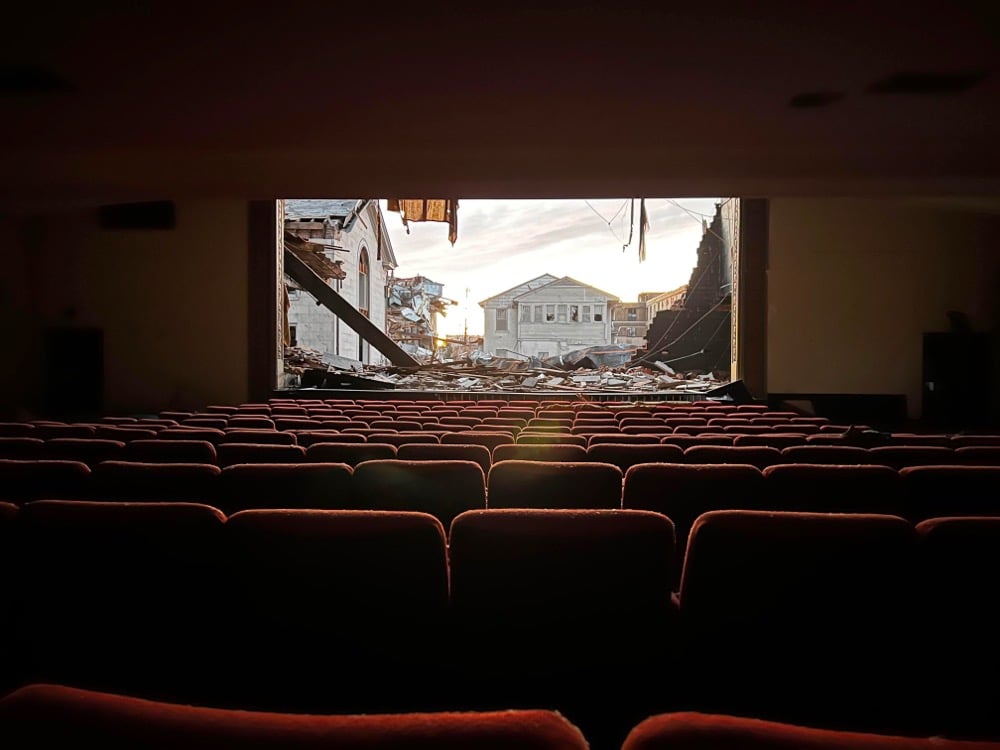

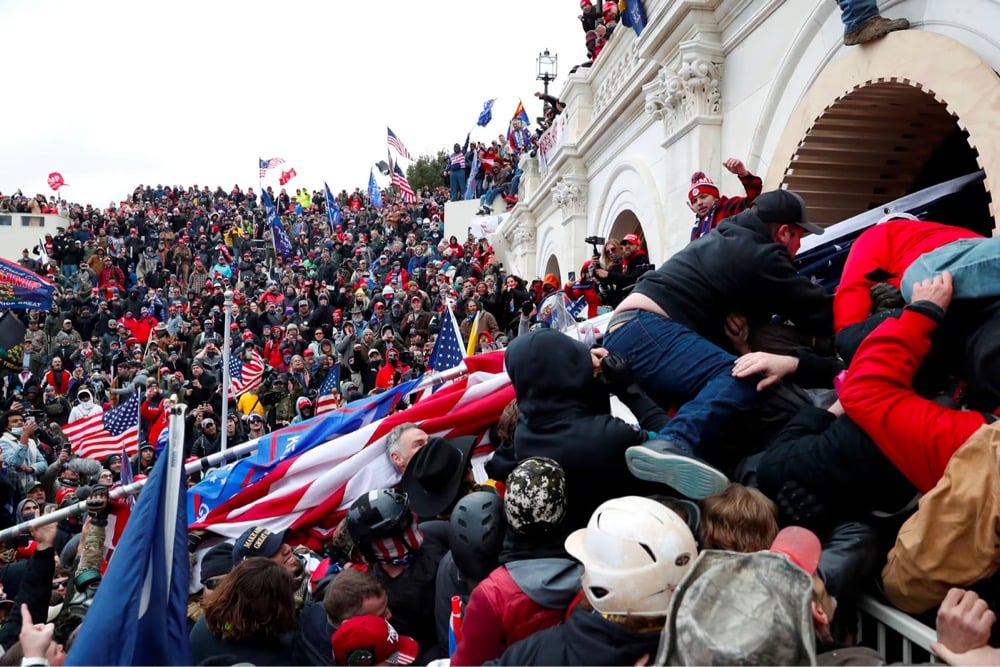
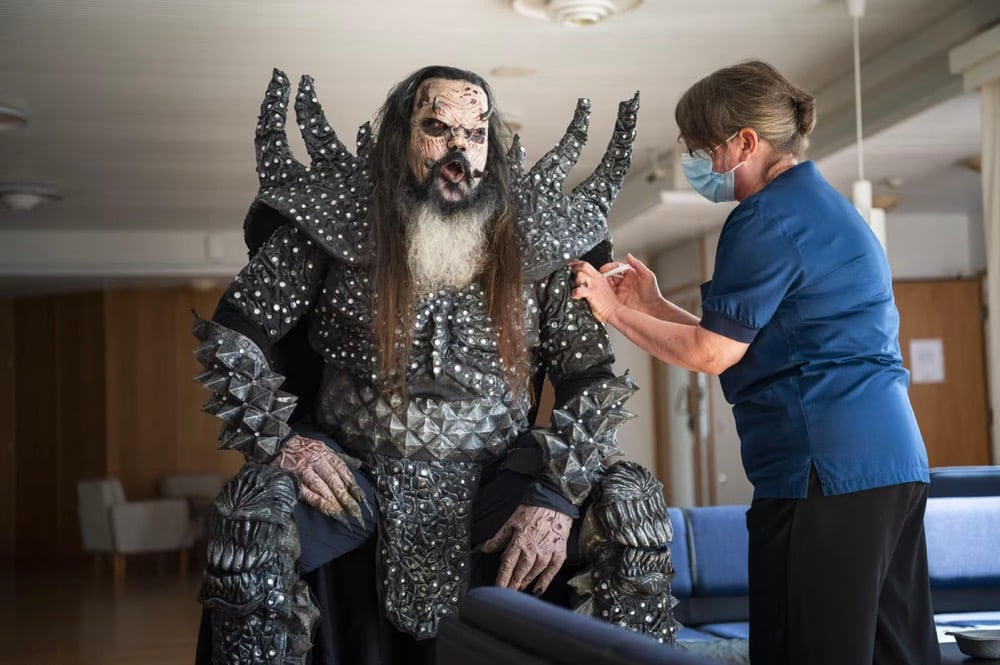
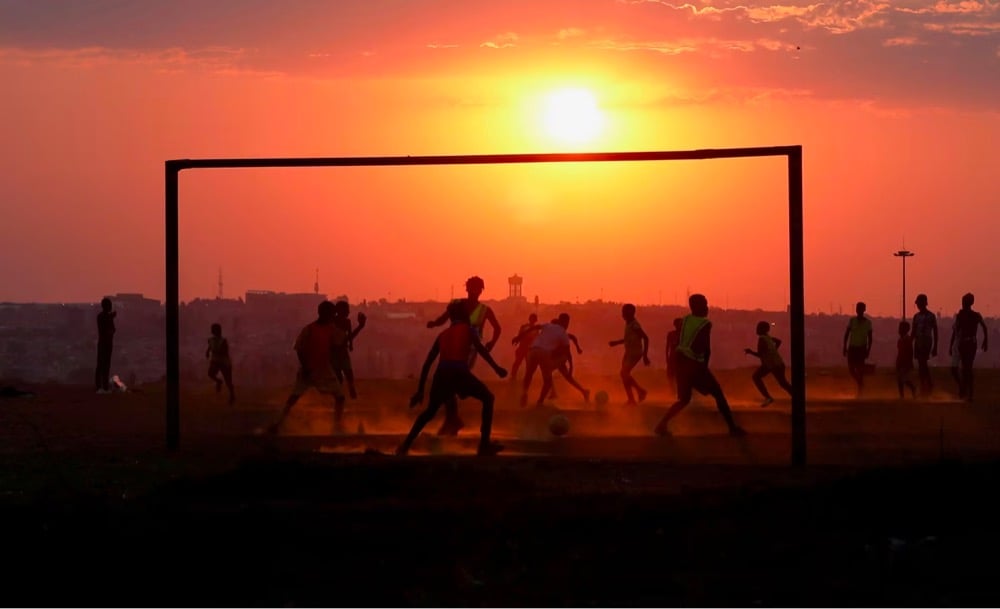

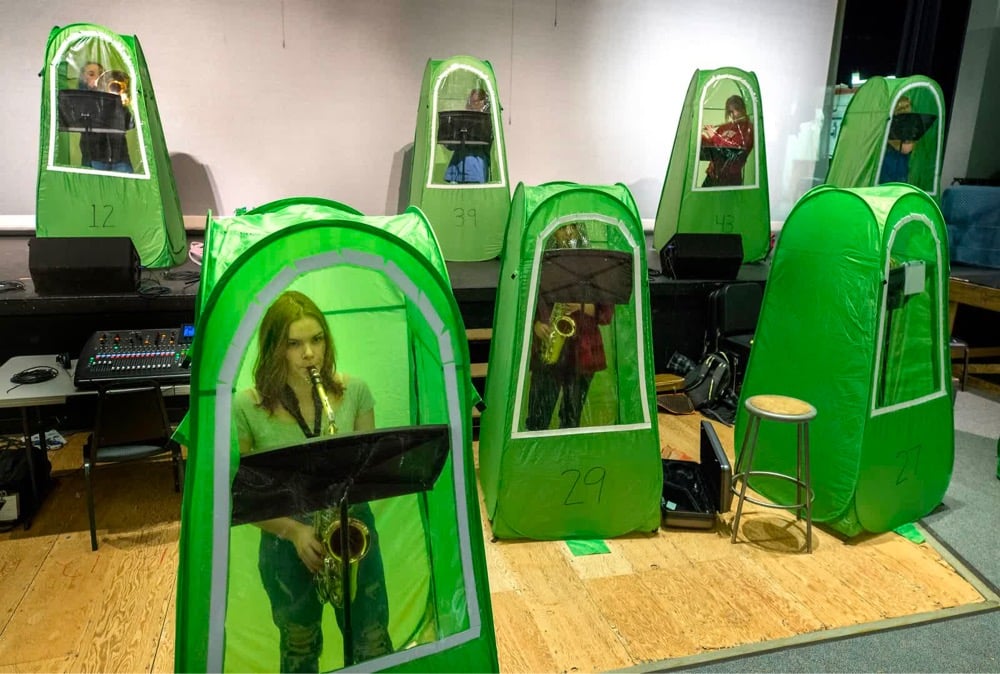
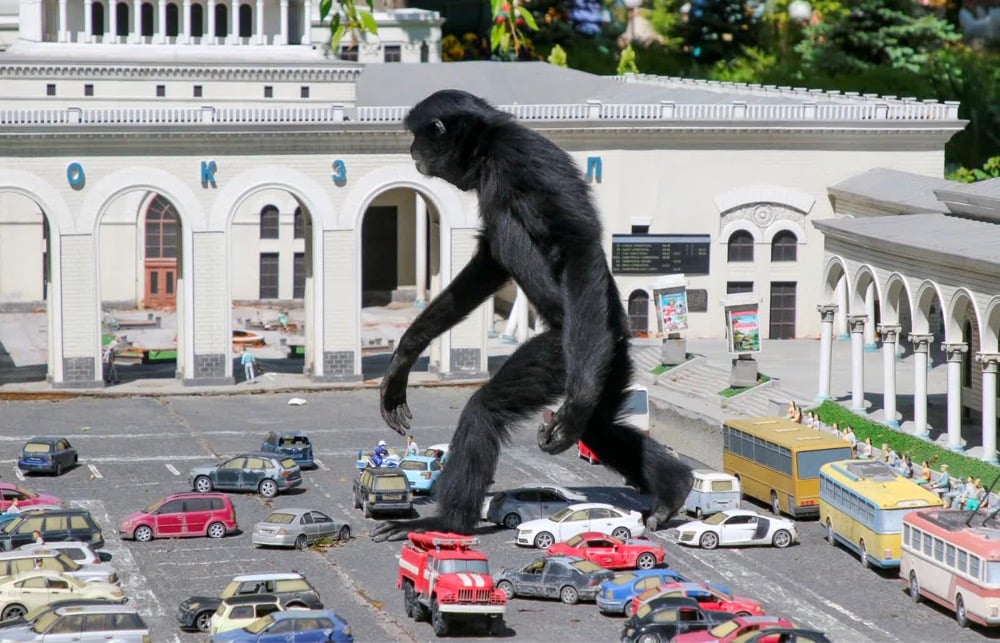
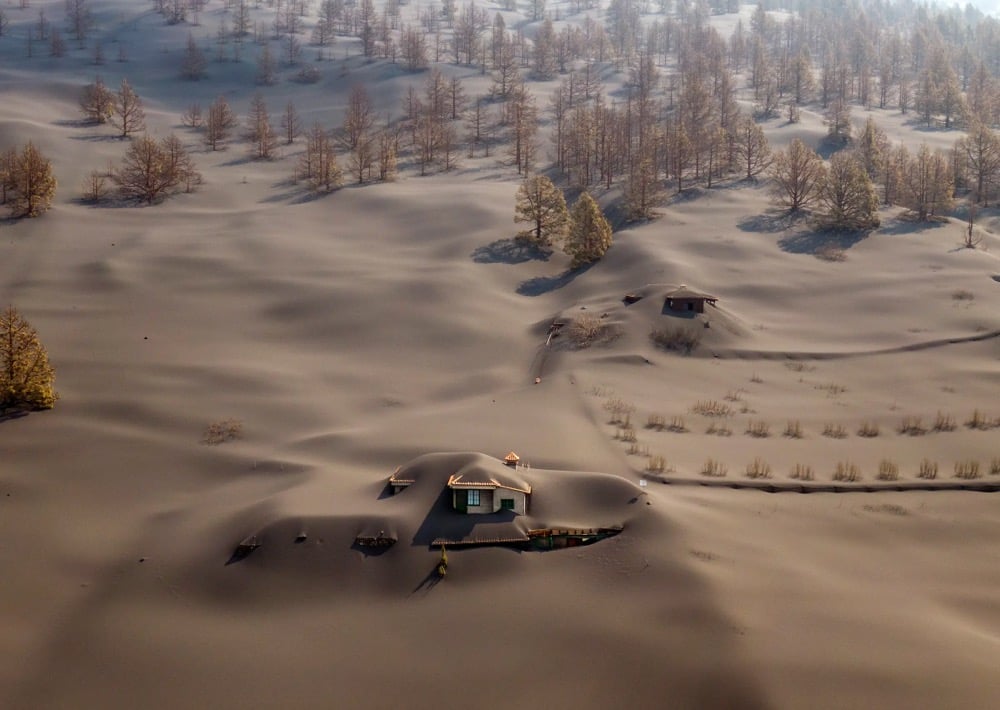
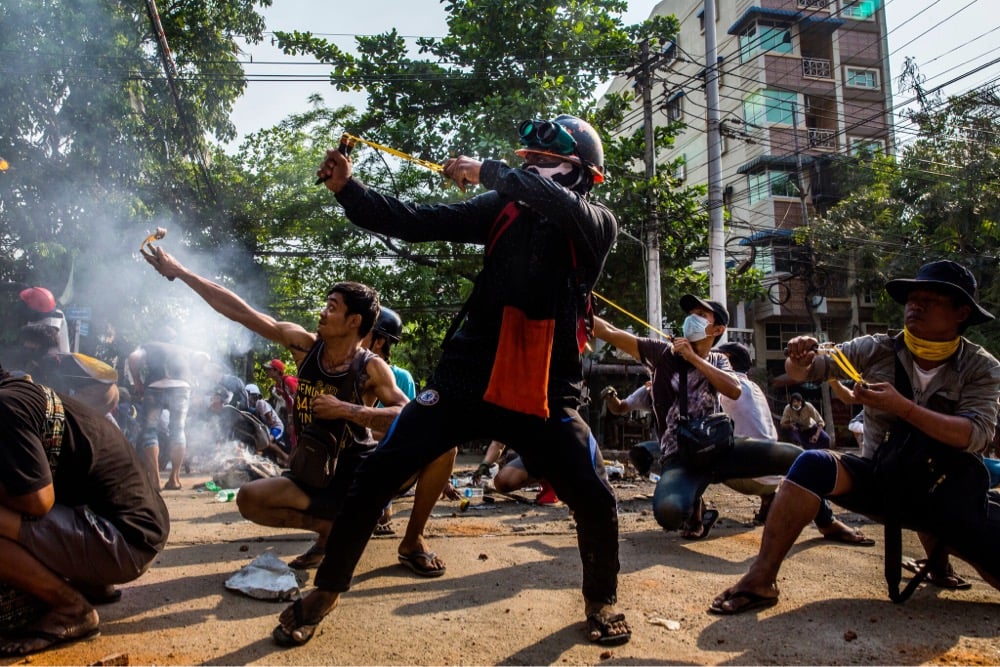

It is difficult to separate 2021 from the previous year — Covid, social & political unrest, and the climate crisis bind them together in my memory. I think, at the beginning of this year, many people thought it was going to be better year than the last, but instead it was 2020: The Sequel. Meaghan Looram summed the year up succinctly for the NY Times:
The year 2021 opened with the promise of vaccines, and the belief that we would all return to “normal” after the tumultuous year of the pandemic. But the year instead took off with an insurrection in the U.S. Capitol, and saw a summer of carefree gatherings derailed by a fast-spreading virus. Governments fell, democracies were challenged, and climate-related destruction was unleashed, all while the casualties of the pandemic continued to amass. The vaccine saved some lives, but human passions, hopes and fears did their usual work to create a year that was anything but calm, and is ending with the prospect of a new variant upending plans once again.
As I do every year, I went through a bunch of photos-of-the-year lists and picked up some favorites; they are embedded above. The first photo, taken by amateur photographer Shawn Triplett with his iPhone in the aftermath of the Kentucky tornados, wasn’t included in any of the lists but it was probably my favorite of the year. There’s something about the framing, the emptiness, the destruction, and the screen-mediated chaos vs. order that is the perfect metaphor for how things are feeling right now.
You can check out more of the year’s best photos here:
The photos above were taken by (from top to bottom): Shawn Triplett, satellite imagery, Shannon Stapleton, Jouni Porsanger, Siphiwe Sibeko, Callaghan O’Hare, Don Seabrook, Alexey Pavlishak, Emilio Morenatti, Anonymous, and Doug Mills.
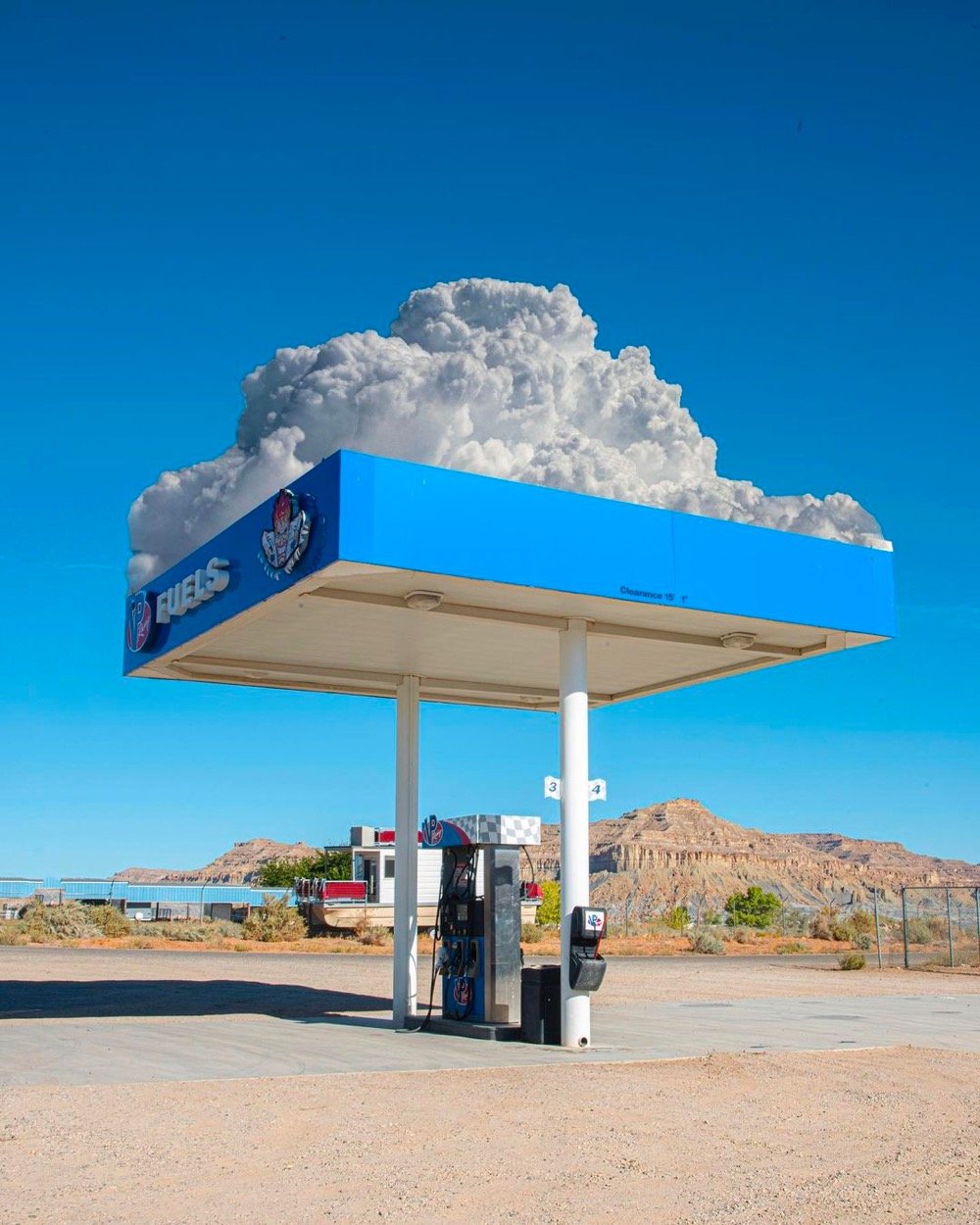
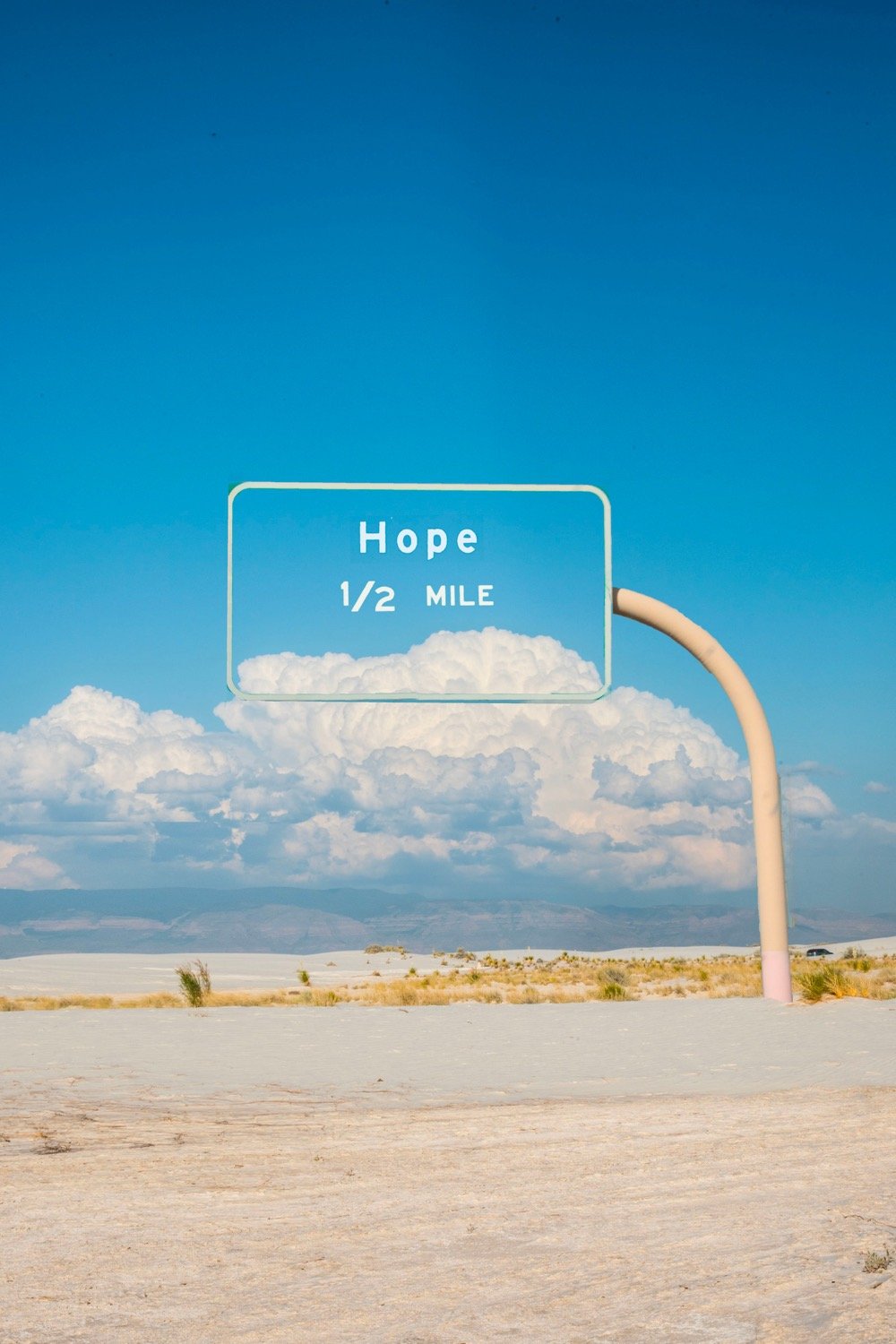
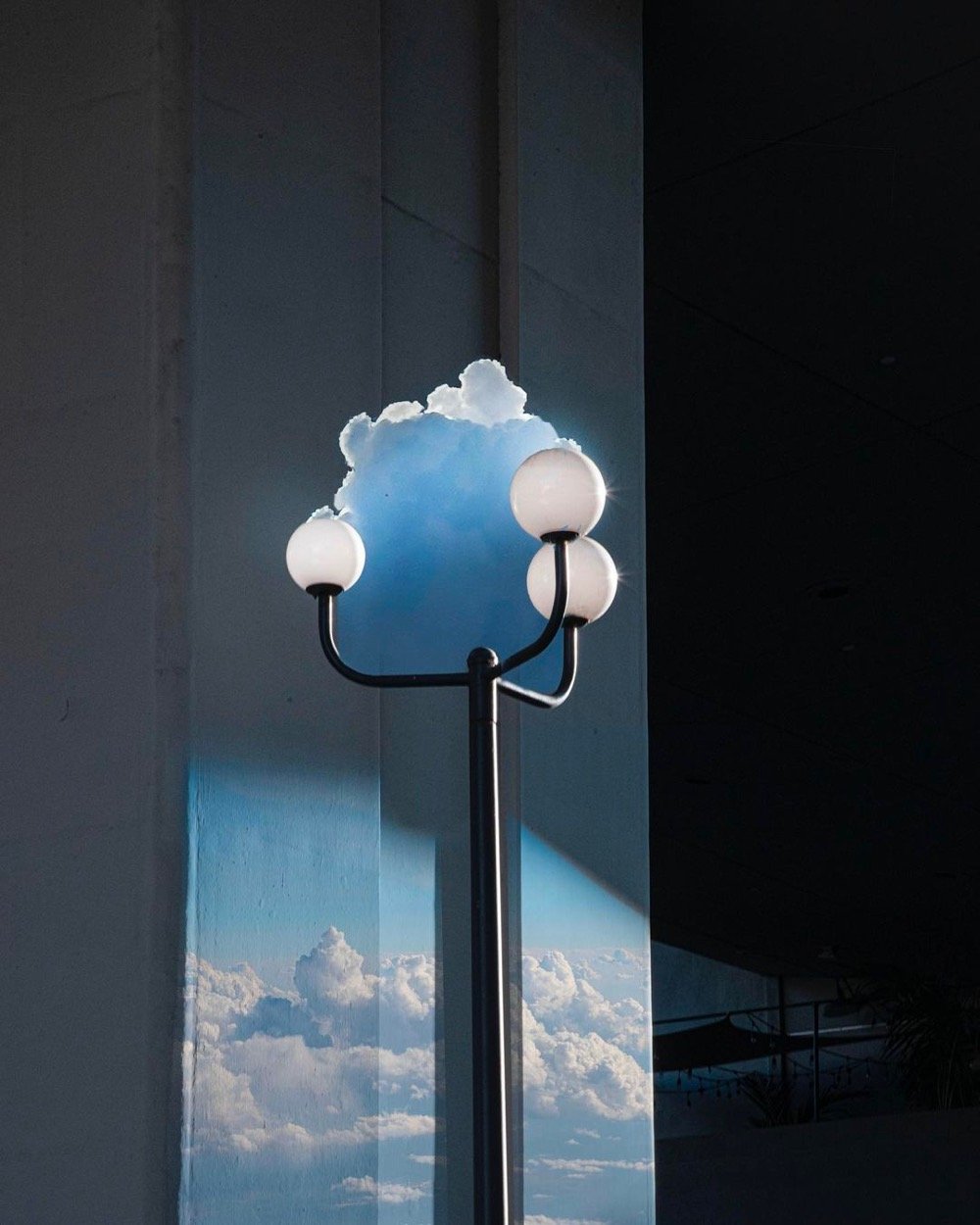
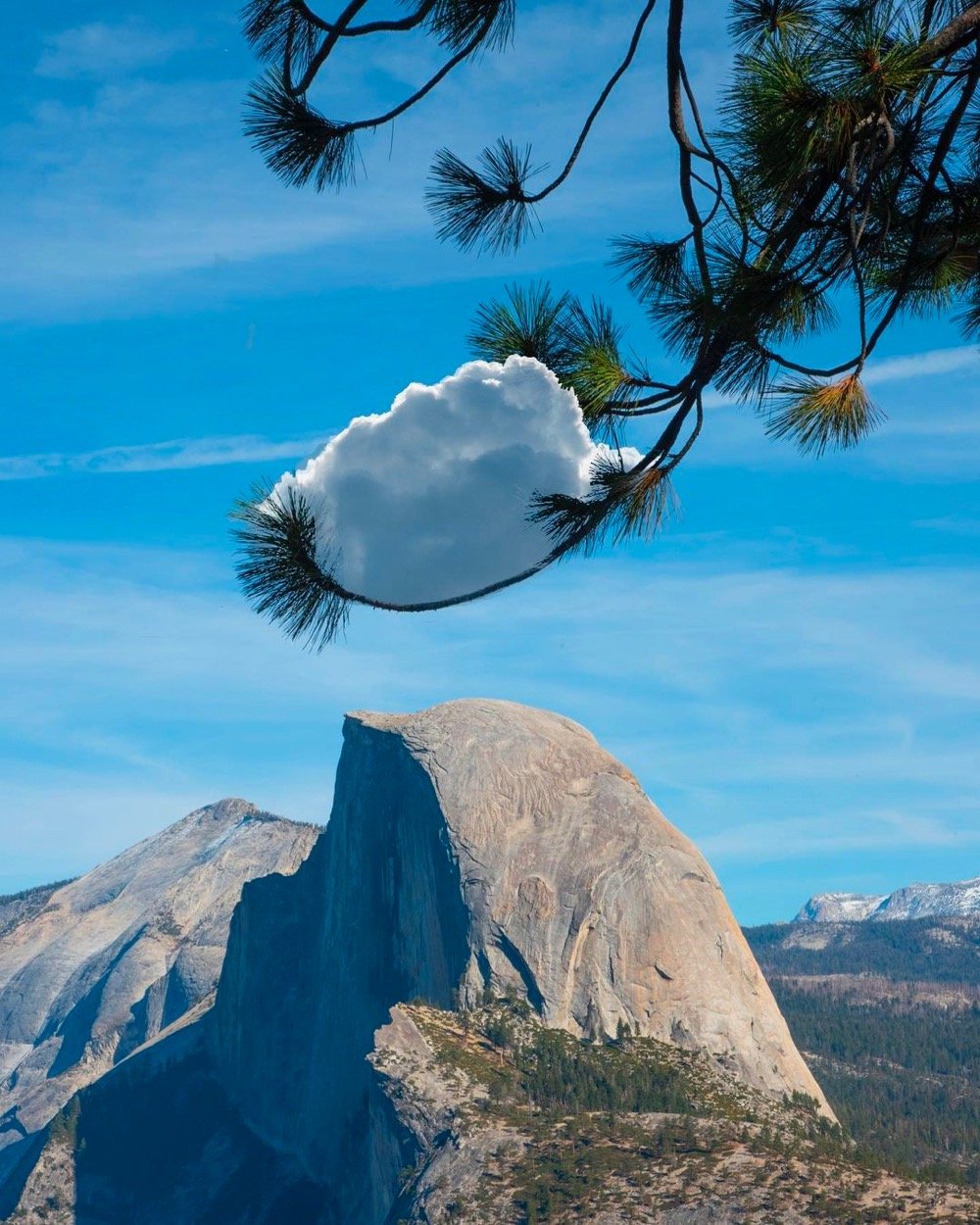
Loving these fanciful and playful manipulated photos by KangHee Kim, which can be found on her Instagram or her series Street Errands.

Well, I’m not sure this book could be any further up my alley; I mean:
The life and legend of New York City, from the size of its skyscrapers to the ways of its inhabitants, is vividly captured in this lively collection of more than 250 maps, cross sections, flowcharts, tables, board games, cartoons and infographics, and other unique diagrams spanning 150 years. Superstars such as Saul Steinberg, Maira Kalman, Christoph Niemann, Roz Chast, and Milton Glaser butt up against the unsung heroes of the popular press in a book that is made not only for lovers of New York but also for anyone who enjoys or works with information design.
While indigenous communities, farmers, and those living close to the land have known for generations the role that beavers play in maintaining healthy ecosystems, more and more scientists have been experimenting and gathering data on just how essential these animals are. Through their actions, beaver (and humans mimicking their actions) can help restore river-based ecosystems, improve wildfire resilience, bring fish & other animals back to habitats, and fight drought.
Beaver should be our national climate action plan because connected floodplains store water, store carbon, improve water quality, improve the resilience to wildfire, and what beaver do play an enormous role in controlling the dynamics of those systems. So, yeah, it sounds really trite to give a national climate action plan to some rodents. But if we don’t do that directly, we should at least be trying to mimic what they do.
The video above provides a great overview on what we’re learning about how beavers restore ecosystems. Last month, I linked to this Sacramento Bee piece about how beavers were used to revitalize a dry California creek bed:
The creek bed, altered by decades of agricultural use, had looked like a wildfire risk. It came back to life far faster than anticipated after the beavers began building dams that retained water longer.
“It was insane, it was awesome,” said Lynnette Batt, the conservation director of the Placer Land Trust, which owns and maintains the Doty Ravine Preserve.
“It went from dry grassland… to totally revegetated, trees popping up, willows, wetland plants of all types, different meandering stream channels across about 60 acres of floodplain,” she said.
The Doty Ravine project cost about $58,000, money that went toward preparing the site for beavers to do their work.
In comparison, a traditional constructed restoration project using heavy equipment across that much land could cost $1 to $2 million, according to Batt.
See also The Beaver Manifesto and this long piece from Places Journal about beavers as environmental engineers.
Across North America and Europe, public agencies and private actors have reintroduced beavers through “re-wilding” initiatives. In California and Oregon, beavers are enhancing wetlands that are critical breeding habitat for salmonids, amphibians, and waterfowl. In Nevada, Utah, and New Mexico, environmental groups have partnered with ranchers and farmers to encourage beaver activity on small streams. Watershed advocates in California are leading a campaign to have beavers removed from the state’s non-native species list, so that they can be managed as a keystone species rather than a nuisance. And federal policy is shifting, too. The U.S. Fish and Wildlife Service sees beavers as “partners in restoration,” and the Forest Service has supported efforts like the Methow Beaver Project, which mitigates water shortages in North Central Washington. Since 2017, the USDA Natural Resource Conservation Service has funded beaver initiatives through its Aquatic Restoration Program.
(via the kid should see this)
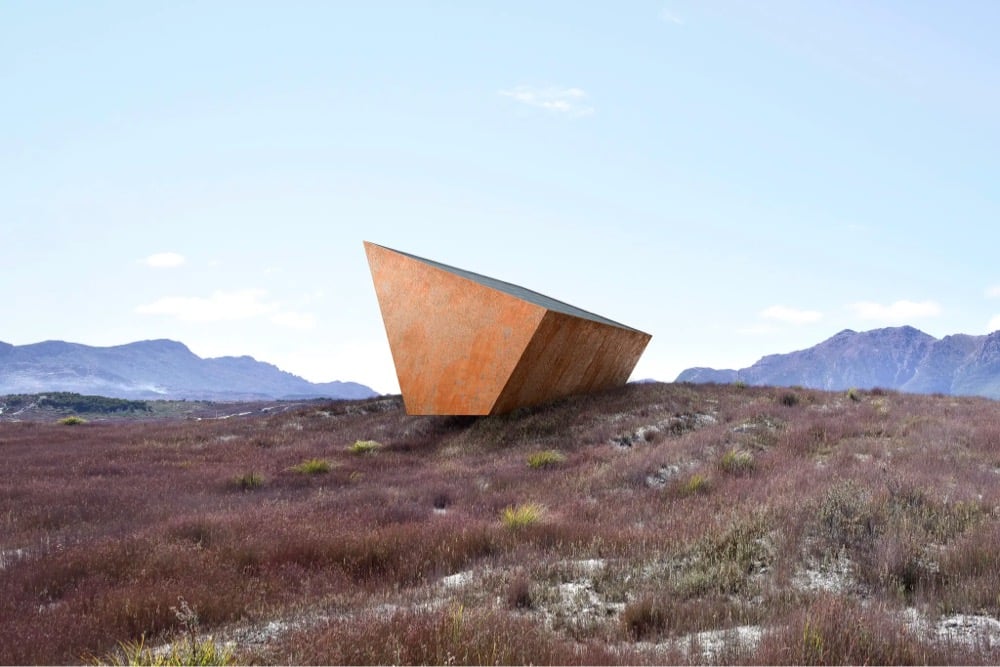
A group of researchers, scientists, and artists is building an Earth’s Black Box in a remote area of Tasmania that will function like a flight data recorder for climate change, recording the potential crash of our civilization.
Earth’s Black Box will record every step we take towards this catastrophe. Hundreds of data sets, measurements, and interactions relating to the health of our planet will be continuously collected and safely stored for future generations.
The purpose of the device is to provide an unbiased account of the events that lead to the demise of the planet, hold accountability for future generations, and inspire urgent action.
In a quote to the NY Times, one of the project’s participants said, “I’m on the plane; I don’t want it to crash.”
Today’s Omicron update from @dr_kkjetelina. Some interesting info and guesses as to why cases in South Africa peaked so quickly. And: “Not nearly enough people have their boosters in the United States.”
The CDC recently released their report on Mortality in the United States, 2020 and this graph of US life expectancy at birth since 1950 by Christopher Ingraham dramatically summarizes the report’s main finding:
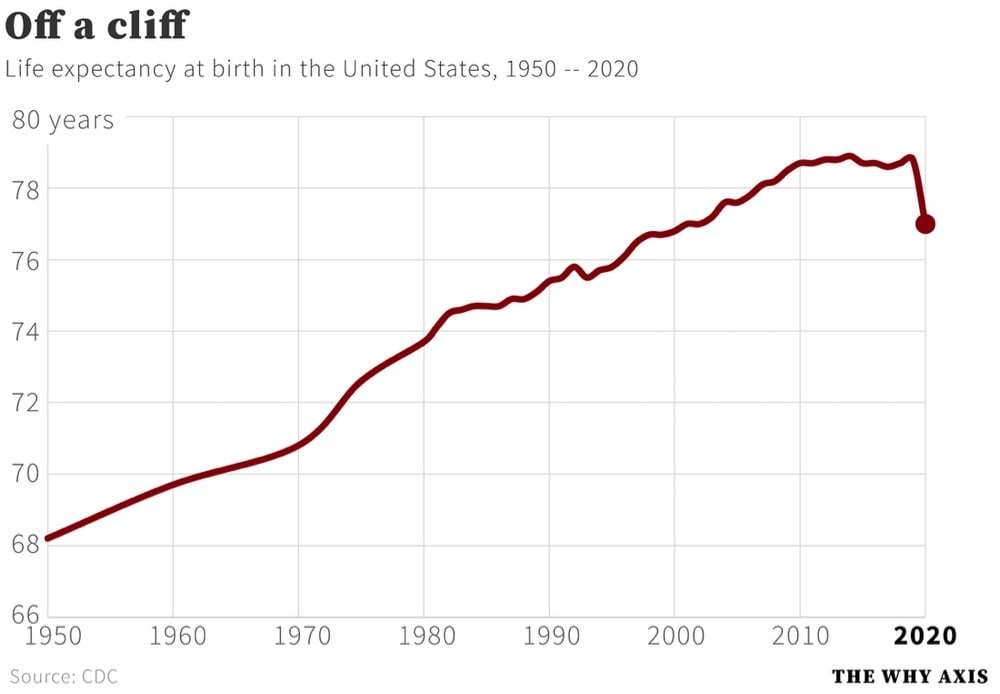
That’s a decrease in life expectancy of 1.8 years from 2019. Here are some more of the report’s significant findings:
In 2020, life expectancy at birth was 77.0 years for the total U.S. population — a decrease of 1.8 years from 78.8 years in 2019. For males, life expectancy decreased 2.1 years from 76.3 in 2019 to 74.2 in 2020. For females, life expectancy decreased 1.5 years from 81.4 in 2019 to 79.9 in 2020.
In 2020, the difference in life expectancy between females and males was 5.7 years, an increase of 0.6 year from 2019.
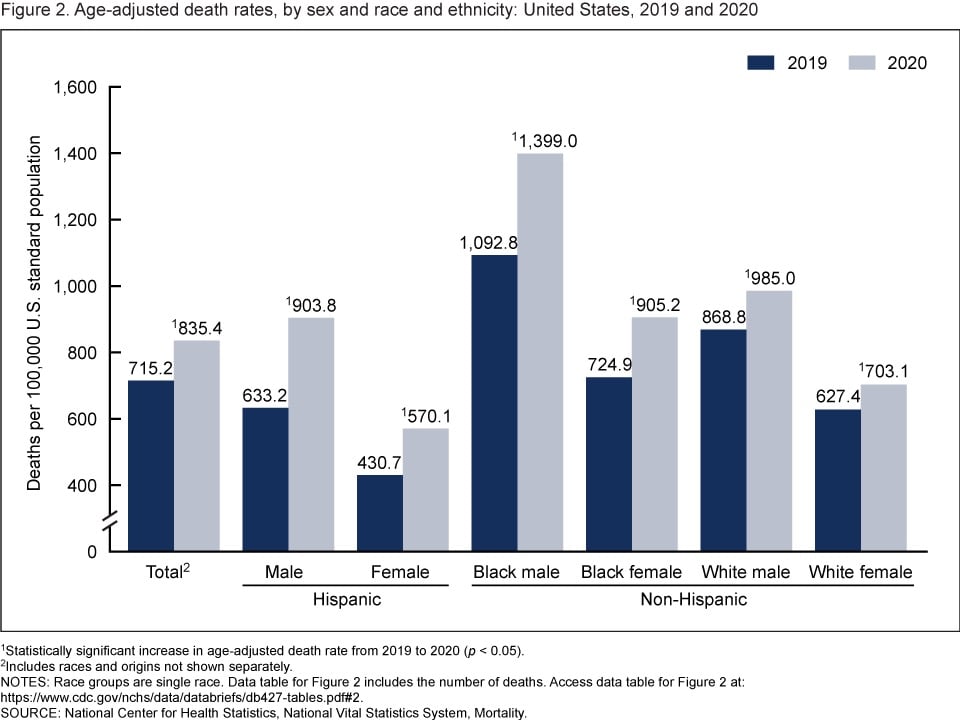
The age-adjusted death rate for the total population increased 16.8% from 715.2 per 100,000 standard population in 2019 to 835.4 in 2020. Age-adjusted death rates increased in 2020 from 2019 for all race-ethnicity-sex groups, increasing 42.7% for Hispanic males, 32.4% for Hispanic females, 28.0% for non-Hispanic Black males, 24.9% for non-Hispanic Black females, 13.4% for non-Hispanic White males, and 12.1% for non-Hispanic White females.
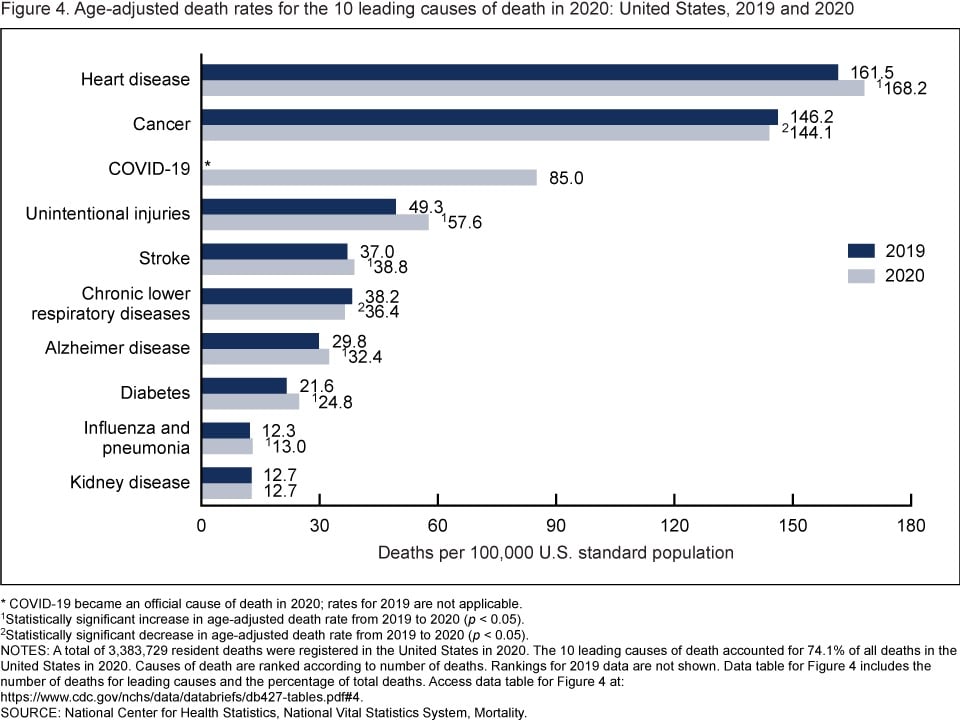
In 2020, 9 of the 10 leading causes of death remained the same as in 2019. The top leading cause was heart disease, followed by cancer. COVID-19, newly added as a cause of death in 2020, became the 3rd leading cause of death. Of the remaining leading causes in 2020 (unintentional injuries, stroke, chronic lower respiratory diseases, Alzheimer disease, diabetes, influenza and pneumonia, and kidney disease), 5 causes changed ranks from 2019. Unintentional injuries, the 3rd leading cause in 2019, became the 4th leading cause in 2020. Chronic lower respiratory diseases, the 4th leading cause in 2019, became the 6th. Alzheimer disease, the 6th leading cause in 2019, became the 7th. Diabetes, the 7th leading cause in 2019, became the 8th. Kidney disease, the 8th leading cause in 2019, became the 10th leading cause in 2020. Stroke, and influenza and pneumonia, remained the 5th and 9th leading causes, respectively. Suicide dropped from the list of 10 leading causes in 2020.
And from the report’s summary:
From 2019 to 2020, the age-adjusted death rate for the total population increased 16.8%. This single-year increase is the largest since the first year that annual mortality data for the entire United States became available. The decrease in life expectancy for the total population of 1.8 years from 2019 to 2020 is the largest single-year decrease in more than 75 years.
Since more people in the US died of Covid in 2021 than in 2020, I’d expect the decline life expectancy and the rise in death rate to continue.
Been listening to Can You Feel It by The Jacksons recently. Even among a family of talented singers, this 1981 song really highlights just how amazing Michael Jackson’s voice was; you’ll need 0 guesses as to when he starts singing.
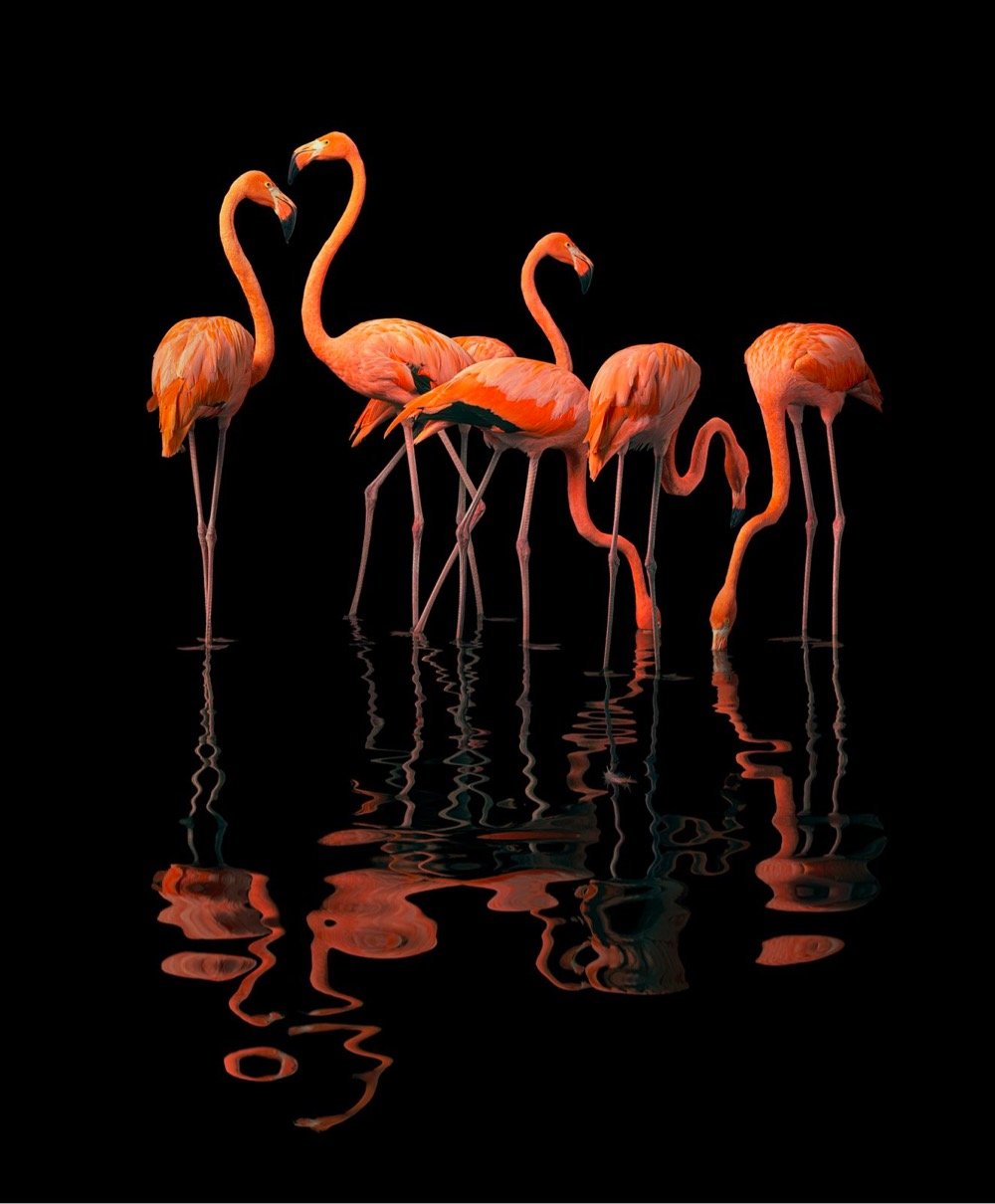
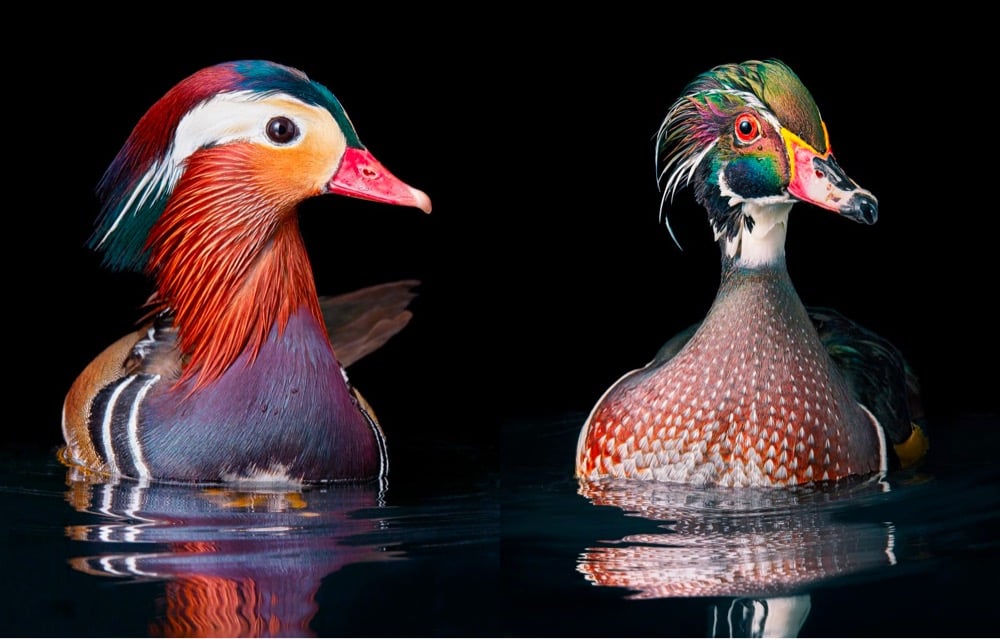
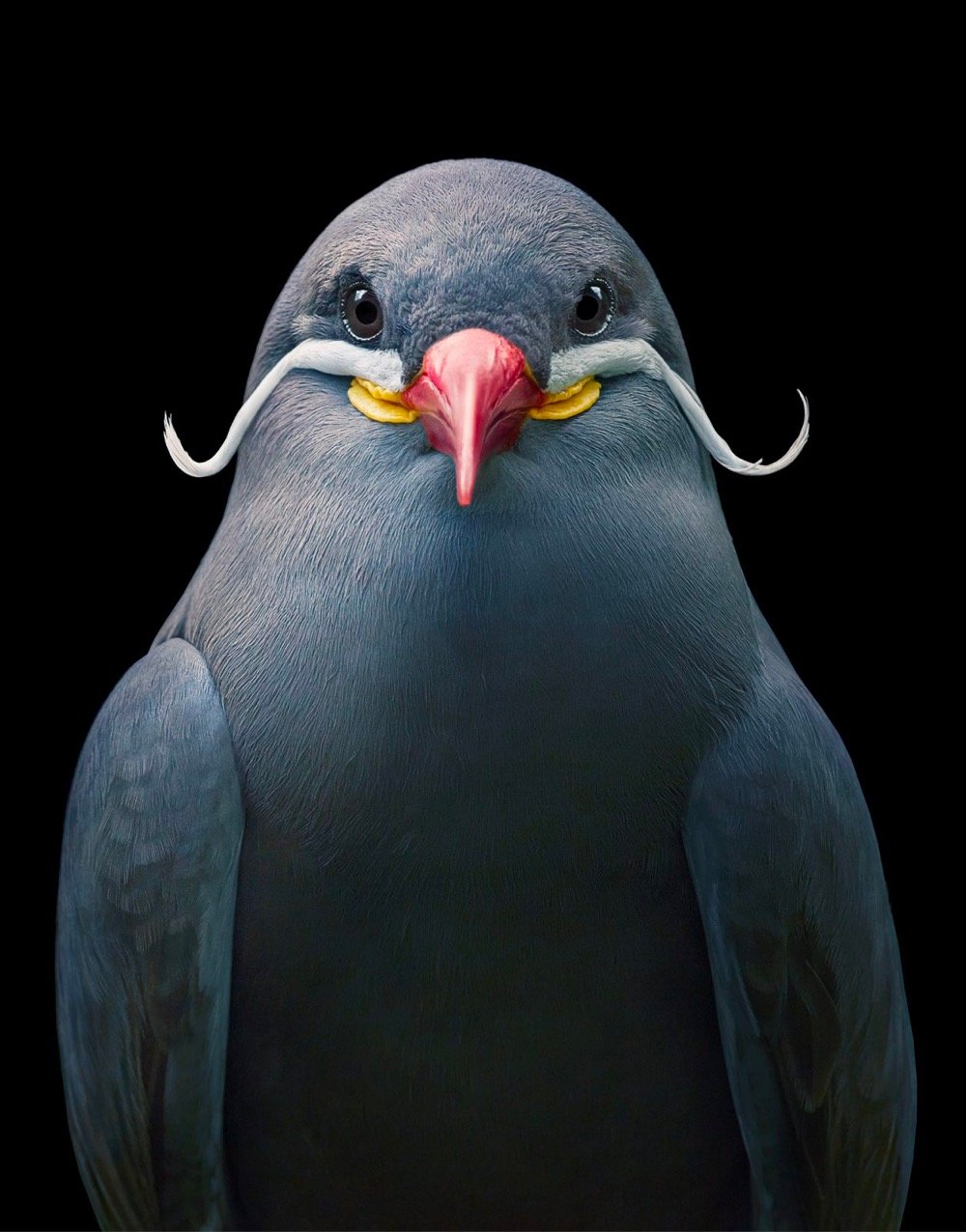

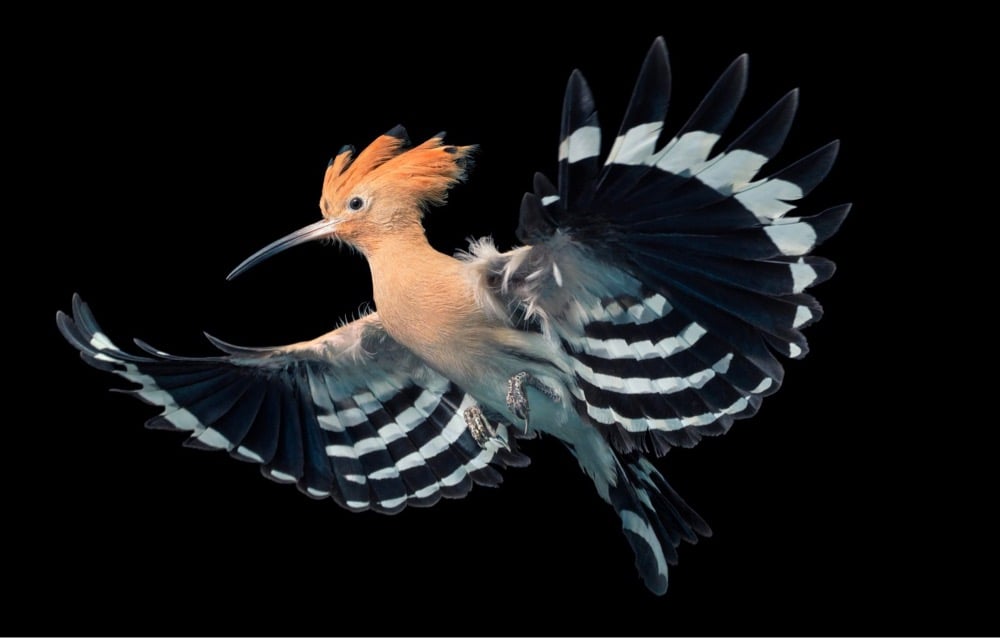
Oh, Tim Flach takes wonderful photos of birds, birbs, and everything in-between (including an avian dead ringer for Hercule Poirot). He recently published a book of this work called Birds and you can of course keep up with his stuff on Instagram. (via jodi)
In the mid-1820s, the naturalist Charles Darwin began his research career studying botany in university and he bought a portable brass microscope to aid him in his studies. The microscope was passed down through the generations of his family and was recently sold at auction for ~$790,000.
Charles Darwin’s own research career began in earnest with the more prosaic, but no less philosophical, investigation into the sea creatures being dredged up from the Firth of Forth, which Charles obtained from friendly fishermen while he was trying to avoid his medical studies at the University of Edinburgh. Darwin’s studies of these strange ‘zoophytes’, which made liberal use of the microscope, began in 1826 and reached a successful conclusion in the spring of 1827, when he presented his very first scientific paper to the University’s Plinian Society.
These dates coincide with the first appearance of the present model on the market: the instrument was designed by Charles Gould for the firm Cary around 1825, and was certainly on sale by 1826, when its accompanying booklet was mentioned in the Mechanics’ Register. Of the five other surviving microscopes associated with Charles Darwin, four are known to have been acquired later (two in 1831, one each in 1847 and c.1848), and the other cannot be used for studying marine invertebrates.
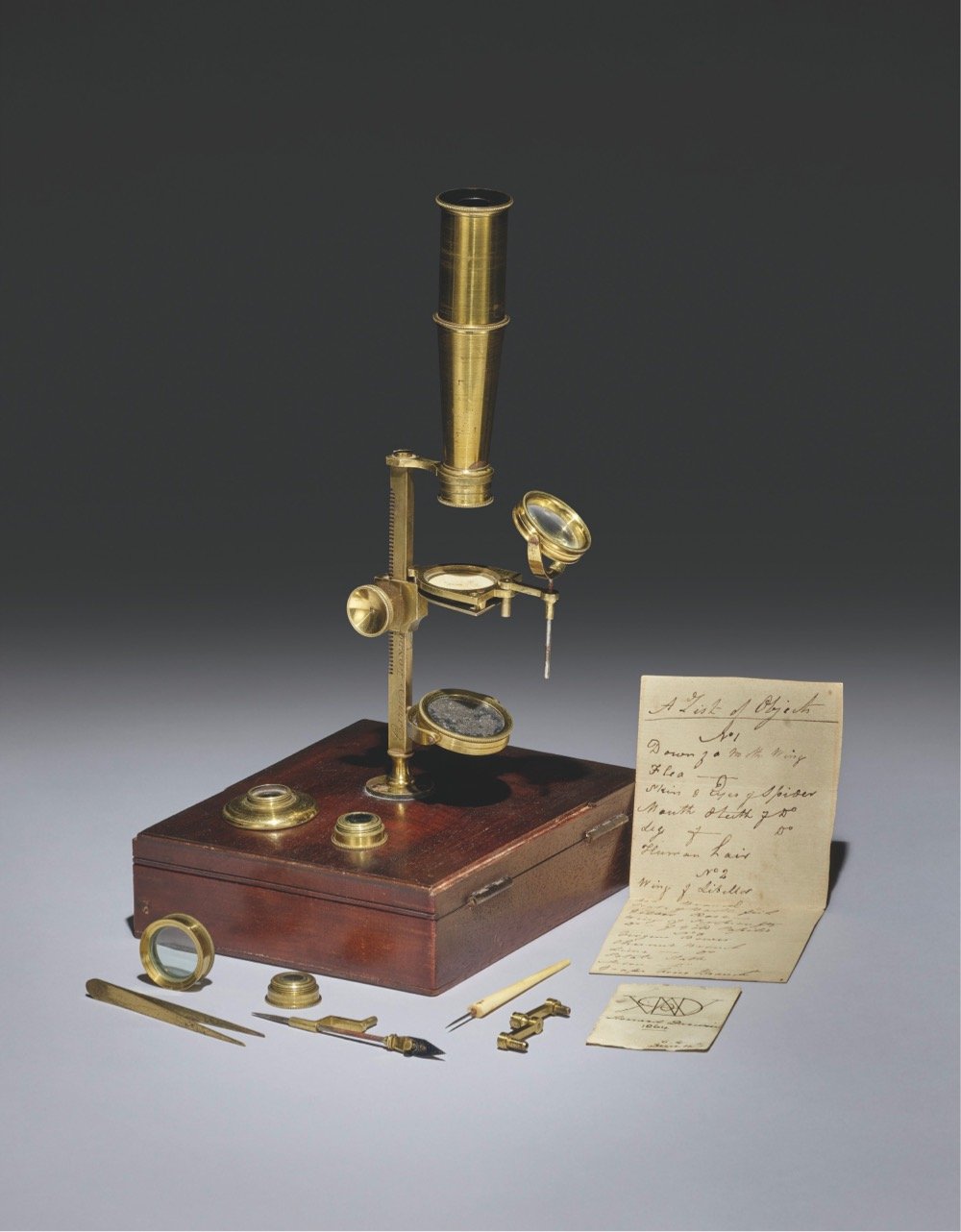
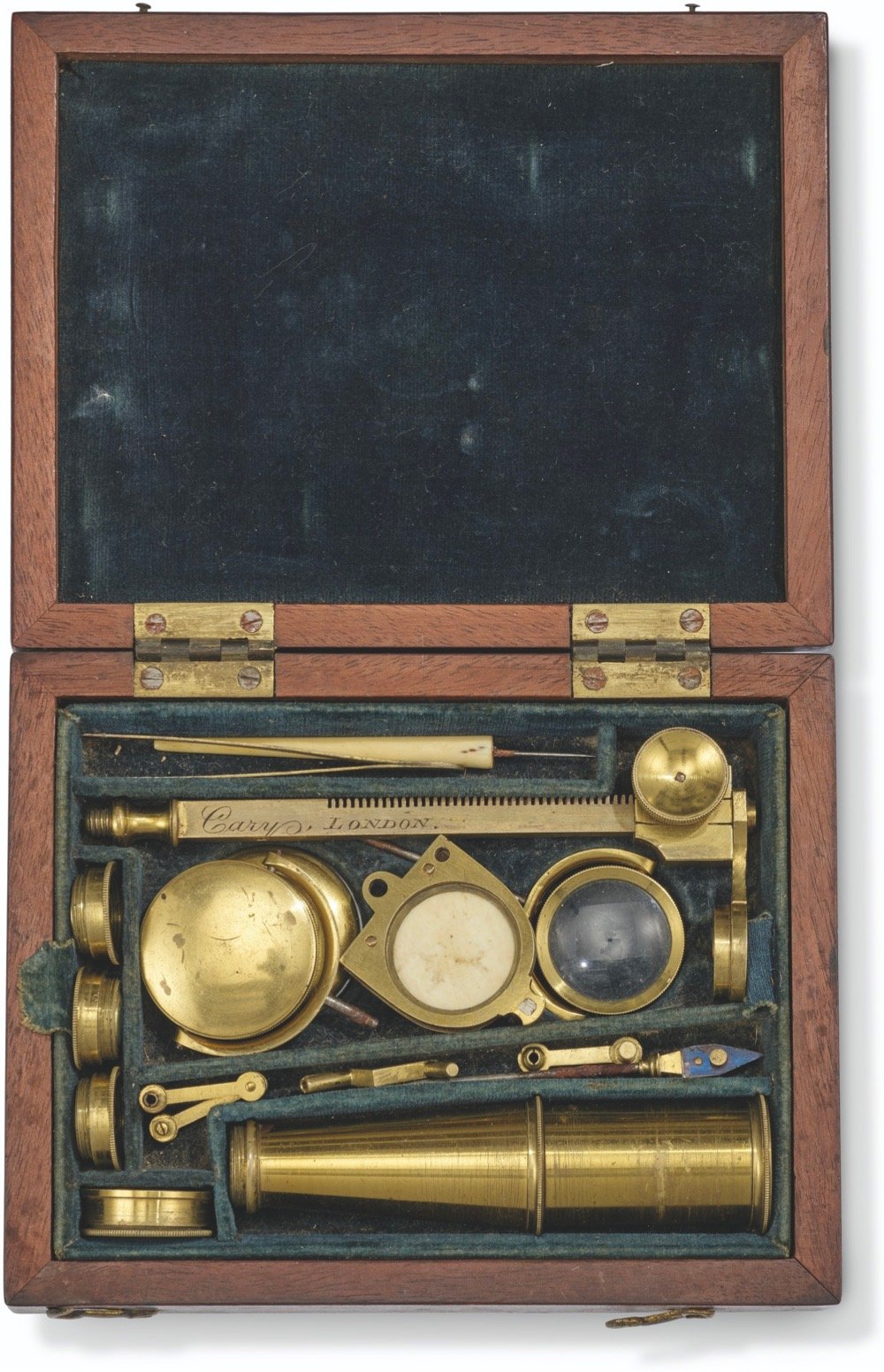
(thx, mick)
From executive producer Adam McKay (who also directed the first episode) comes a glitzy HBO series about the Lakers’ NBA dynasty in the 80s called Winning Time. It’s based on Jeff Pearlman’s book, Showtime: Magic, Kareem, Riley, and the Los Angeles Lakers Dynasty of the 1980s. The casting looks great — Adrien Brody as Pat Riley is particularly fitting.
Winning Time was also the last straw in the disintegration of the creative partnership between McKay and Will Ferrell. From a recent profile of McKay in Vanity Fair:
McKay had been making an HBO limited series about the Los Angeles Lakers basketball team in the 1980s based on the book Showtime and Ferrell, a huge Lakers fan, had his heart set on the role of Jerry Buss, the legendary ’80s-era team owner. After Gary Sanchez dissolved, however, the Lakers show moved under McKay’s new production banner, Hyperobject Industries. And Ferrell, it turns out, was never McKay’s first choice. “The truth is, the way the show was always going to be done, it’s hyperrealistic,” he says. “And Ferrell just doesn’t look like Jerry Buss, and he’s not that vibe of a Jerry Buss. And there were some people involved who were like, ‘We love Ferrell, he’s a genius, but we can’t see him doing it.’ It was a bit of a hard discussion.”
The person McKay wanted for Buss was John C. Reilly, who looks more like the real thing, and who is Ferrell’s best friend. McKay hesitated. “Didn’t want to hurt his feelings,” he says flatly. “Wanted to be respectful.”
In the end he cast Reilly in the role anyway-without telling Ferrell first. Ferrell was infuriated. “I should have called him and I didn’t,” says McKay. “And Reilly did, of course, because Reilly, he’s a stand-up guy.”
Winning Time debuts in March 2022.
It can be difficult to wrap our minds around just how short recorded human history is — 5500 years is not actually all that long of a time period. In this Twitter thread, Jelena Woehr suggests that we use the unit of Betty White’s lifetime (99 years and counting) as a tool to probe the temporal relationships of important events in the evolution of humans and society.
Y’all, it’s only been about 16 really old people since the fall of Rome.
Shakespeare died four very long-lived grandparents ago?!
It’s been less than two Betty Whites since the Emancipation Proclamation?!?!
I feel like if we expressed time in units of Betty White we’d be better able to understand the lack of human moral progress.
“Society has not gotten better at implementing public health measures since the 1918 flu pandemic” sounds impossible, but that was only 1.03 Bettys ago.
It gets even wilder when you go farther back, too.
Humans have had roughly the same brain size and shape for 1000 Betty Whites.
But we’ve only had writing since 52 Betty Whites ago.
We were going around with these big brains never writing anything down for 948 Bettys????!
This reminds me of The Great Span1 but more specifically of Mark Sumner’s 50 Men from Ur.
Arthur M. Schlesinger, Jr., one the United States’ great historians, is less than two lifetimes removed from a world where the United States did not exist. Through Mr. Schlesinger, you’re no more than three away yourself. That’s how short the history of our nation really is.
Not impressed? It’s only two more life spans to William Shakespeare. Two more beyond that, and the only Europeans to see America are those who sailed from Greenland. You’re ten lifetimes from the occupation of Damietta during the fifth crusade. Twenty from the founding of Great Zimbabwe and the Visigoth sack of Rome. Make it forty, and Theseus, king of Athens, is held captive on Crete by King Minos, the Olmecs are building the first cities in Mexico, and the New Kingdom collapses in Egypt.
(thx, matt)
The Life of a Cherry Drying Pilot. TIL that cherry growers use helicopters to dry their cherries (to protect them from rot & splitting).



Check out some of the best aurora borealis and aurora australis photos taken in 2021 in the results of the 2021 Northern Lights Photographer of the Year competition.1 My three favorites (embedded above) were taken by Larryn Rae, Marc Adamus, and Frøydis Dalheim. (thx, caroline)
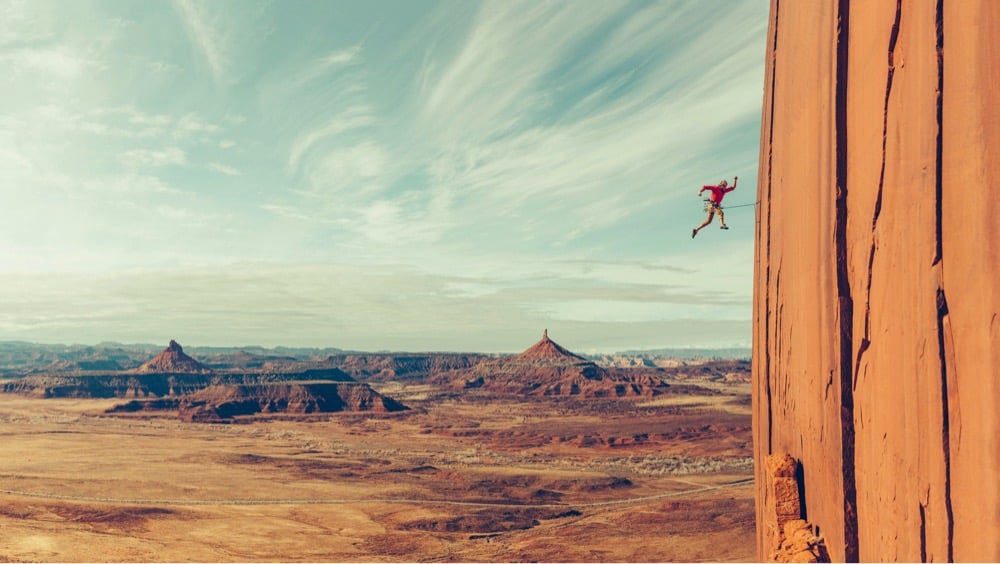



The winners of the 2021 Red Bull Illume Image Quest photography contest have been announced. You can take a look at the winners, runners-up, and finalists in the contest — so much impressive work here. Photos above are by Will Saunders, Rod Hill, Andreas Busslinger, and Adrien Petit. (via in focus)
Finally! A millipede with 1000 actual legs has been discovered. “Eumillipes persephone, discovered deep underground in Australia, is the first millipede ever identified with more than 1,000 legs. The count actually comes to a whopping 1,306.”
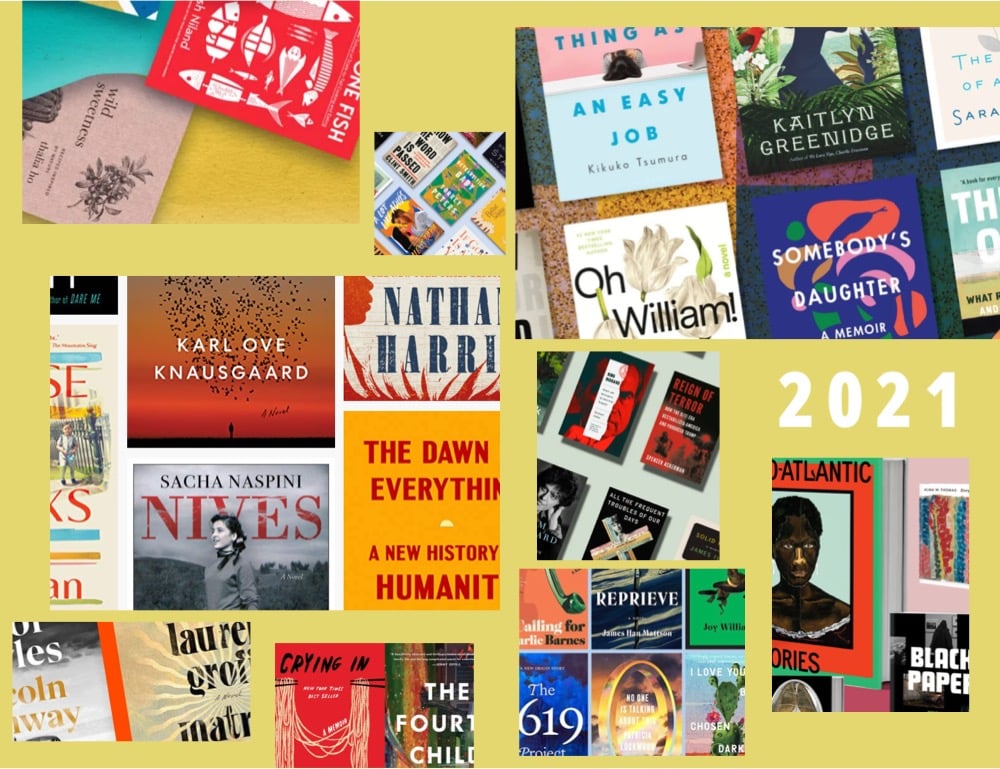
Like last year, I had a lot of trouble reading this year and even more difficulty regularly visiting good book stores, with months-long stretches without both. So, I went into compiling this post with a (fairly) clean slate and it was exciting to learn about what’s been good this year.
I consulted a number of best-of lists (fiction, nonfiction, kids, poetry, audiobooks, food/cooking, art) and here’s what popped out at me. [All source lists are included at the bottom of the post. ** denotes books I have read or am currently reading.]
Beautiful World, Where Are You (ebook) by Sally Rooney.**
Alice, a novelist, meets Felix, who works in a warehouse, and asks him if he’d like to travel to Rome with her. In Dublin, her best friend, Eileen, is getting over a break-up, and slips back into flirting with Simon, a man she has known since childhood.
Alice, Felix, Eileen, and Simon are still young — but life is catching up with them. They desire each other, they delude each other, they get together, they break apart. They have sex, they worry about sex, they worry about their friendships and the world they live in. Are they standing in the last lighted room before the darkness, bearing witness to something? Will they find a way to believe in a beautiful world?
When We Cease to Understand the World (ebook) by Benjamín Labatut.
When We Cease to Understand the World is a book about the complicated links between scientific and mathematical discovery, madness, and destruction.
Fritz Haber, Alexander Grothendieck, Werner Heisenberg, Erwin Schrödinger—these are some of luminaries into whose troubled lives Benjamín Labatut thrusts the reader, showing us how they grappled with the most profound questions of existence. They have strokes of unparalleled genius, alienate friends and lovers, descend into isolation and insanity. Some of their discoveries reshape human life for the better; others pave the way to chaos and unimaginable suffering. The lines are never clear.
Crying in H Mart (ebook) by Michelle Zauner.
In this exquisite story of family, food, grief, and endurance, Michelle Zauner proves herself far more than a dazzling singer, songwriter, and guitarist. With humor and heart, she tells of growing up one of the few Asian American kids at her school in Eugene, Oregon; of struggling with her mother’s particular, high expectations of her; of a painful adolescence; of treasured months spent in her grandmother’s tiny apartment in Seoul, where she and her mother would bond, late at night, over heaping plates of food.
Klara and the Sun (ebook) by Kazuo Ishiguro.**
Here is the story of Klara, an Artificial Friend with outstanding observational qualities, who, from her place in the store, watches carefully the behavior of those who come in to browse, and of those who pass on the street outside. She remains hopeful that a customer will soon choose her. Klara and the Sun is a thrilling book that offers a look at our changing world through the eyes of an unforgettable narrator, and one that explores the fundamental question: what does it mean to love?
Somebody’s Daughter: A Memoir (ebook) by Ashley C. Ford.
Through poverty, adolescence, and a fraught relationship with her mother, Ashley C. Ford wishes she could turn to her father for hope and encouragement. There are just a few problems: he’s in prison, and she doesn’t know what he did to end up there. She doesn’t know how to deal with the incessant worries that keep her up at night, or how to handle the changes in her body that draw unwanted attention from men. In her search for unconditional love, Ashley begins dating a boy her mother hates. When the relationship turns sour, he assaults her. Still reeling from the rape, which she keeps secret from her family, Ashley desperately searches for meaning in the chaos. Then, her grandmother reveals the truth about her father’s incarceration… and Ashley’s entire world is turned upside down.
Empire of Pain: The Secret History of the Sackler Dynasty (ebook) by Patrick Radden Keefe.
A grand, devastating portrait of three generations of the Sackler family, famed for their philanthropy, whose fortune was built by Valium and whose reputation was destroyed by OxyContin. From the prize-winning and bestselling author of Say Nothing, as featured in the HBO documentary Crime of the Century.
The Sackler name adorns the walls of many storied institutions — Harvard, the Metropolitan Museum of Art, Oxford, the Louvre. They are one of the richest families in the world, known for their lavish donations to the arts and the sciences. The source of the family fortune was vague, however, until it emerged that the Sacklers were responsible for making and marketing a blockbuster painkiller that was the catalyst for the opioid crisis.
How the Word Is Passed: A Reckoning with the History of Slavery Across America (ebook) by Clint Smith.
Beginning in his hometown of New Orleans, Clint Smith leads the reader on an unforgettable tour of monuments and landmarks — those that are honest about the past and those that are not — that offer an intergenerational story of how slavery has been central in shaping our nation’s collective history, and ourselves.
No One Is Talking About This (ebook) by Patricia Lockwood.**
As this urgent, genre-defying book opens, a woman who has recently been elevated to prominence for her social media posts travels around the world to meet her adoring fans. She is overwhelmed by navigating the new language and etiquette of what she terms the portal, where she grapples with an unshakable conviction that a vast chorus of voices is now dictating her thoughts. When existential threats — from climate change and economic precariousness to the rise of an unnamed dictator and an epidemic of loneliness — begin to loom, she posts her way deeper into the portal’s void.
Cloud Cuckoo Land (ebook) by Anthony Doerr.
Set in Constantinople in the fifteenth century, in a small town in present-day Idaho, and on an interstellar ship decades from now, Anthony Doerr’s gorgeous third novel is a triumph of imagination and compassion, a soaring story about children on the cusp of adulthood in worlds in peril, who find resilience, hope — and a book.
The 1619 Project: A New Origin Story (ebook) edited by Nikole Hannah-Jones.
The New York Times Magazine’s award-winning “1619 Project” issue reframed our understanding of American history by placing slavery and its continuing legacy at the center of our national narrative. This new book substantially expands on that work, weaving together eighteen essays that explore the legacy of slavery in present-day America with thirty-six poems and works of fiction that illuminate key moments of oppression, struggle, and resistance. The essays show how the inheritance of 1619 reaches into every part of contemporary American society, from politics, music, diet, traffic, and citizenship to capitalism, religion, and our democracy itself.
Matrix (ebook) by Lauren Groff.
One of our best American writers, Lauren Groff returns with her exhilarating first new novel since the groundbreaking Fates and Furies.
Cast out of the royal court by Eleanor of Aquitaine, deemed too coarse and rough-hewn for marriage or courtly life, seventeen-year-old Marie de France is sent to England to be the new prioress of an impoverished abbey, its nuns on the brink of starvation and beset by disease.
Four Thousand Weeks: Time Management for Mortals (ebook) by Oliver Burkeman.
Drawing on the insights of both ancient and contemporary philosophers, psychologists, and spiritual teachers, Oliver Burkeman delivers an entertaining, humorous, practical, and ultimately profound guide to time and time management. Rejecting the futile modern fixation on “getting everything done,” Four Thousand Weeks introduces readers to tools for constructing a meaningful life by embracing finitude, showing how many of the unhelpful ways we’ve come to think about time aren’t inescapable, unchanging truths, but choices we’ve made as individuals and as a society — and that we could do things differently.
Harlem Shuffle (ebook) by Colson Whitehead.
Harlem Shuffle’s ingenious story plays out in a beautifully recreated New York City of the early 1960s. It’s a family saga masquerading as a crime novel, a hilarious morality play, a social novel about race and power, and ultimately a love letter to Harlem.
Yolk (ebook) by Mary H.K. Choi.
From New York Times bestselling author Mary H.K. Choi comes a funny and emotional story about two estranged sisters and how far they’ll go to save one of their lives — even if it means swapping identities.
The Lincoln Highway (ebook) by Amor Towles.
The bestselling author of A Gentleman in Moscow and Rules of Civility and master of absorbing, sophisticated fiction returns with a stylish and propulsive novel set in 1950s America.
I’m all jazzed up about reading now…I love books and I need to figure out how to read more of them in the upcoming year. Here are some of the lists I used to assemble this collection:
Note: When you buy through links on kottke.org, I may earn an affiliate commission. This year, I’m linking mostly to Bookshop.org but if you read on the Kindle or Bookshop is out of stock, you can try Amazon. Thanks for supporting the site!
My Parents Collect Cans for a Living. “It represents my family’s strong values and their dreams for me of getting the opportunity to go to college and lead a stable life.”
Why the US Is a Failed Democratic State by @lessig. “The self-governing republic works only if it expresses the will of the majority. But one party is now committed to minoritarian rule by any means.”
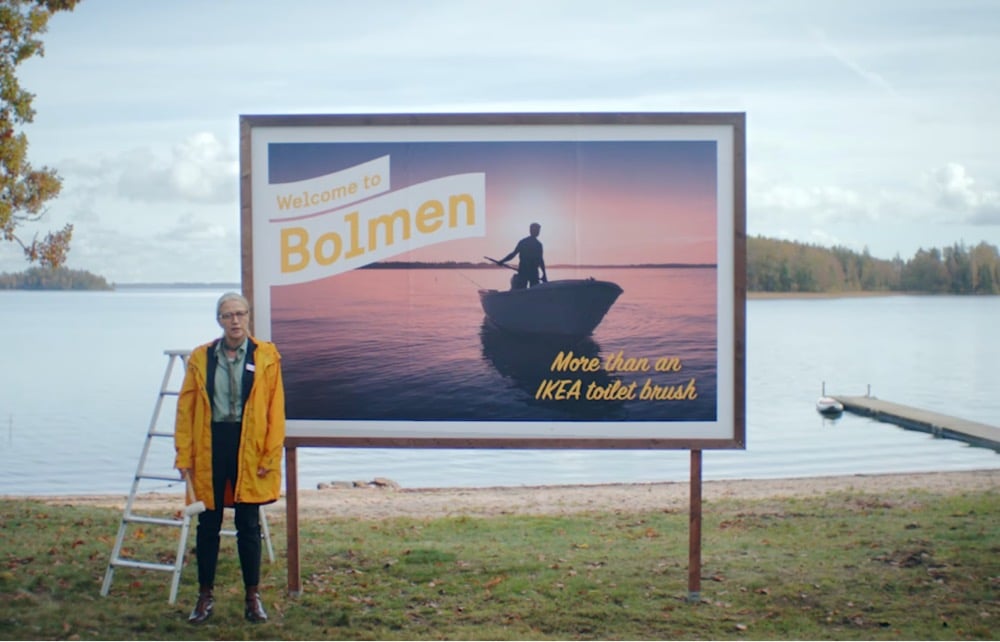
Ikea names their products after locations all over Scandinavia and a bunch of those places in Sweden are fighting back against the practice with a clever “discover the originals” ad campaign.
From Strange Maps:
Bolmen. Now there’s a word you don’t use every day. Where have you encountered it before? In IKEA, where it’s the name of a cheap toilet brush — for a dollar, it’s yours. What you probably don’t know is that the brush was named after a pristine lake in southern Sweden. And now that you do know, that lake doesn’t sound so pristine anymore.
Call it the Curse of IKEA. A curse repeated hundreds of times across the map of Sweden. Beautiful places with exotic names, their appeal diminished by association with mundane items from the world’s most popular furniture catalog. Where does that leave the tourist industry around Lake Toiletbrush? Down in the dumps, is where.
Bodviken is “more than an IKEA countertop sink”; it’s a UNESCO World Heritage site. Voxnan is “more than an IKEA shower shelf”; it’s home to a marvelous river for fishing, paddling, and hiking. Björksta is “more than an IKEA picture with frame”; it’s an historic Viking site. You can check out more of the originals here.
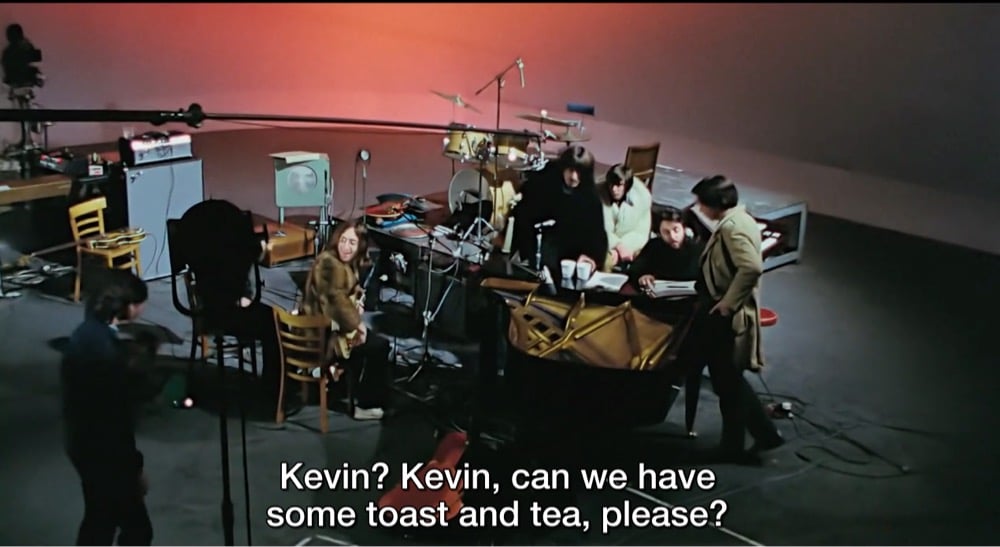
I haven’t had a chance to watch Peter Jackson’s Beatles documentary yet, but I really enjoyed reading Tom Whitwell’s 10 lessons in productivity and brainstorming from The Beatles gleaned from the series.
1. The ‘yes… and’ rule
The first rule of improvisation (and brainstorming) is “yes… and”. When someone suggests an idea, plays a note, says a line, you accept it completely, then build on it. That’s how improvisational comedy or music flows. The moment someone says ‘no’, the flow is broken. It’s part of deferring judgement, where you strictly separate idea generation from idea selection.
As they slog through Don’t Let Me Down, George breaks the spell. Instead of building and accepting he leaps to judgement, saying “I think it’s awful.” Immediately, John and Paul lay down the rules: “Well, have you got anything?” “you’ve gotta come up with something better”.
Don’t judge, build.
I worked on a secret project recently (shhh…) where I really wanted to just say no but chose to do “yes… and” instead, which led my collaborator and I to a better solution. I love the improv rule, but it’s so hard for me to follow sometimes because my job is basically saying no to things all day.
6. One conversation at a time
One of the striking thing about the sessions is how polite everyone is. Perhaps it’s editing, but nobody speaks over anyone else. Everyone has a chance to be heard, which means people spend most of the time listening, rather than talking (apart from Paul, perhaps).
This is another lesson from musical and theatrical improvisation. The difference between a creative environment and a bunch of people shouting out ideas is the listening.
You can read all ten lessons here.
My kids and I went to the local toy store yesterday to do some holiday shopping for Toys for Tots. When we took our purchases to the counter, the woman thanked us for contributing and said that individual donations are much more important this year because big corporate donations to the program were way down. She said that the toy companies don’t have excess inventory to donate (I’m assuming because of supply chain issues and a desire for more corporate efficiency).
I posted about this on Instagram and heard from folks in other parts of the country that both individual and corporate donations to community toy drives are down. A quick check of Google News reveals several articles around the country about toy drive shortages; here’s a good piece from the Associated Press:
Similar worries are being felt across the country as COVID-related supply chain snafus — produced by clogged U.S. ports, a lack of workers to move the cargo and skyrocketing shipping costs — lead to empty store shelves and higher prices on some products.
The supply chain slowdown is one of the main reasons why donations of new toys to The Toy Foundation have declined by nearly 80% in dollar value this year compared to 2019, according to Pamela Mastrota, the executive director of the group, which was formed by a toy industry trade association to act as an industry-wide charitable collective for manufacturers.
The lack of trade shows due to the COVID-19 pandemic also put a wrench in their collection efforts for the second year in a row, straining their ability to get gifts for sick, impoverished or other vulnerable children who are in need.
“It’s been a real challenge this year, and last year,” Mastrota said. “But this year especially.”
With Christmas just 8 days away, I know it’s late in the game but if you can swing it this year, consider a big donation to your local toy drive. Kids from low-income families have borne the brunt of the pandemic in America — parents/caregivers losing their jobs, erratic education, upheaval, loved ones dying of Covid, sickness and death all around. Let’s do what we can do to help give these kids a happy holiday.
But on a more long-term note (and supply chain & pandemic issues aside), programs like this should be unnecessary in a country as rich as the United States. Remember, feel-good news stories in America are often signs of societal failure and nothing is more feel-good than helping low-income kids during the holidays. Supporting programs and leaders who want to build a much stronger and more robust social safety net is essential if we want to eliminate make needless scarcity like this in America.
Ezra Klein: We Will Look Back on This Age of Cruelty to Animals in Horror. “How we treat farm animals today will be seen, I believe, as a defining moral failing of our age.”
Older posts



Socials & More