kottke.org posts about celebrity
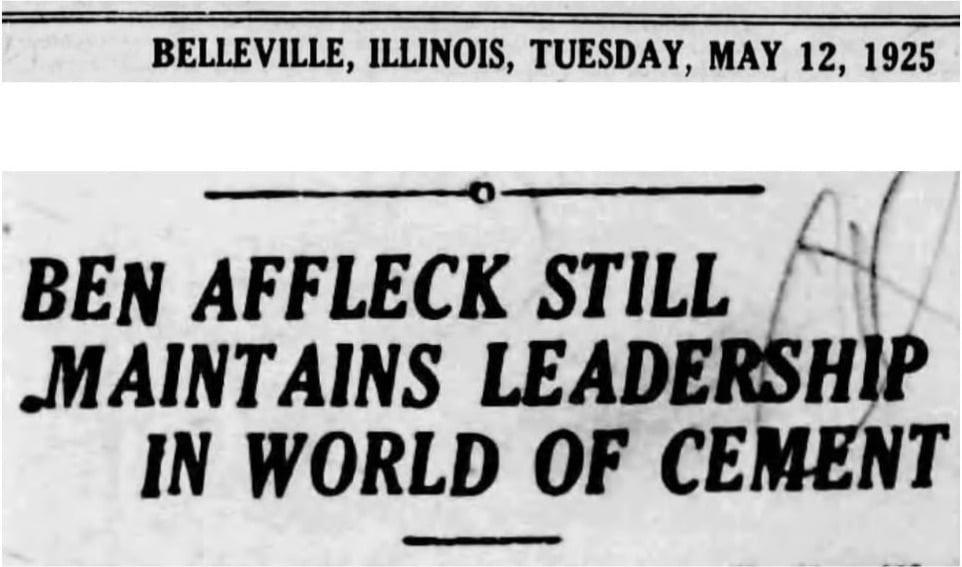
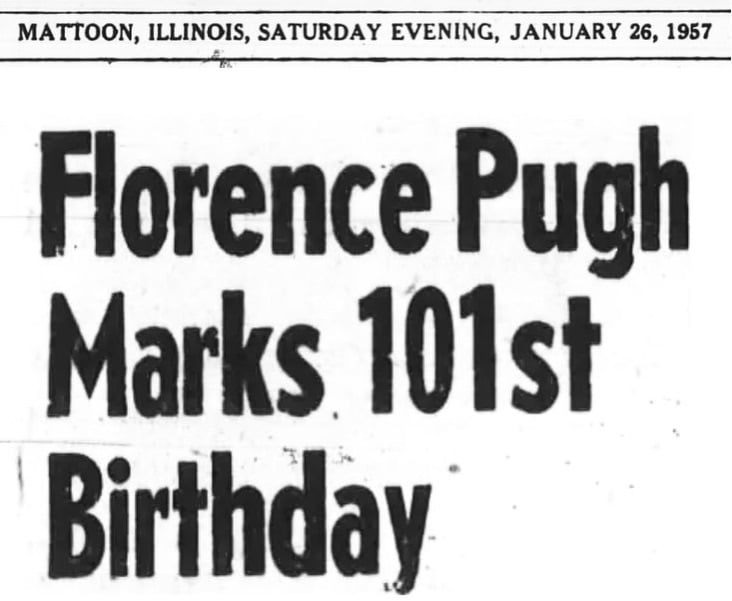
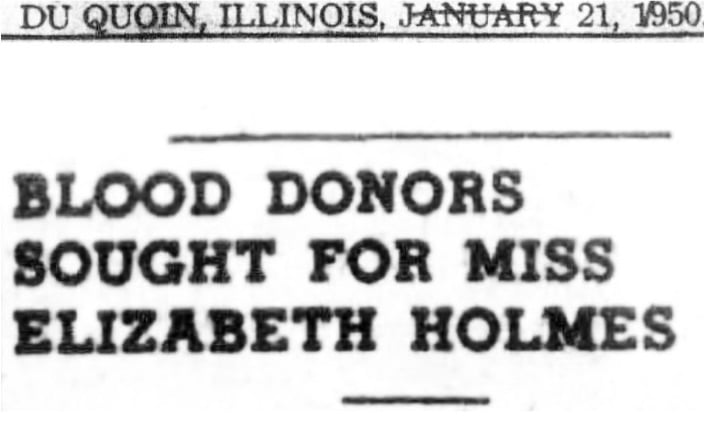
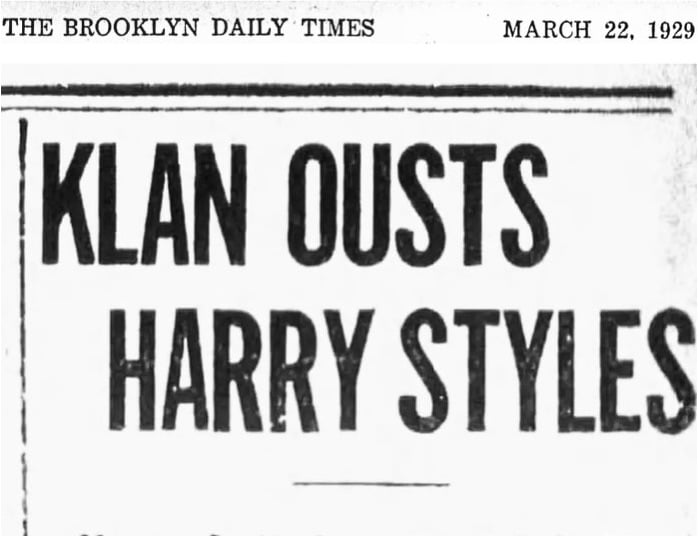
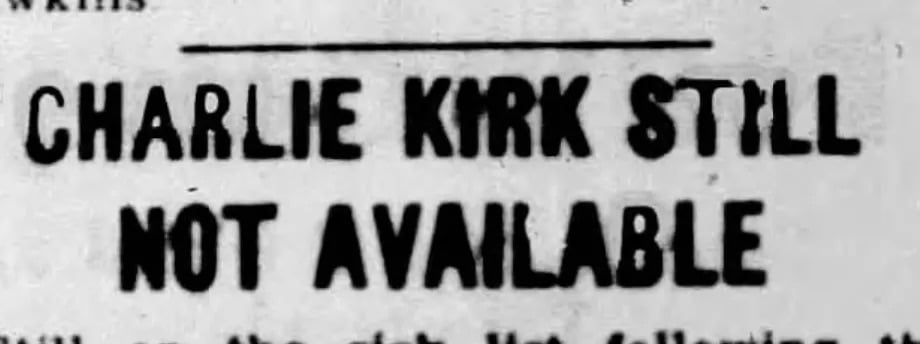
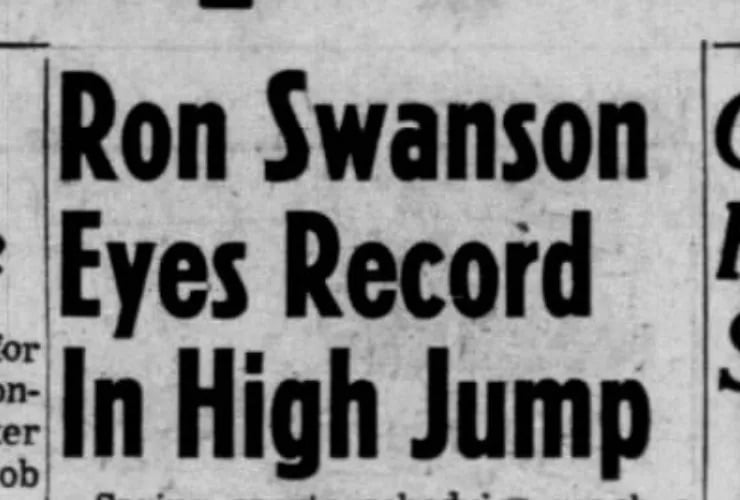
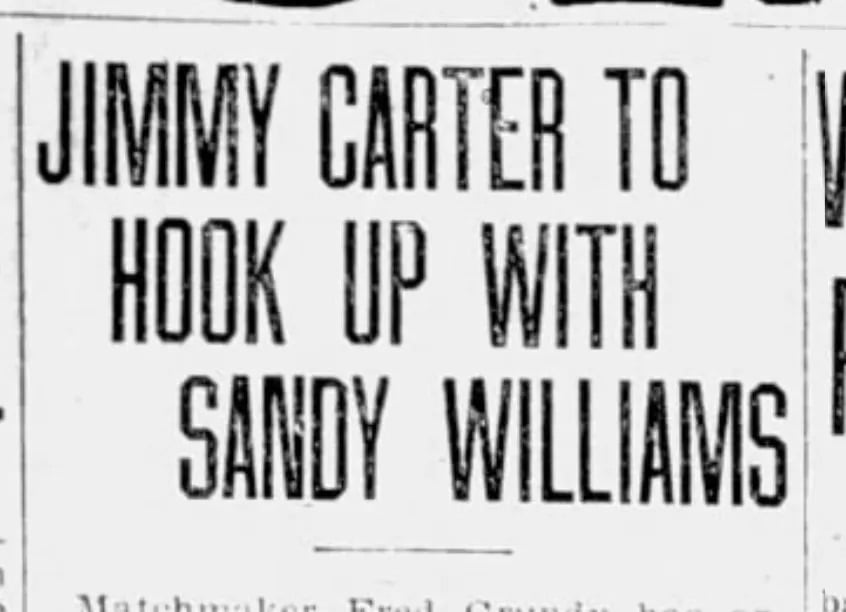
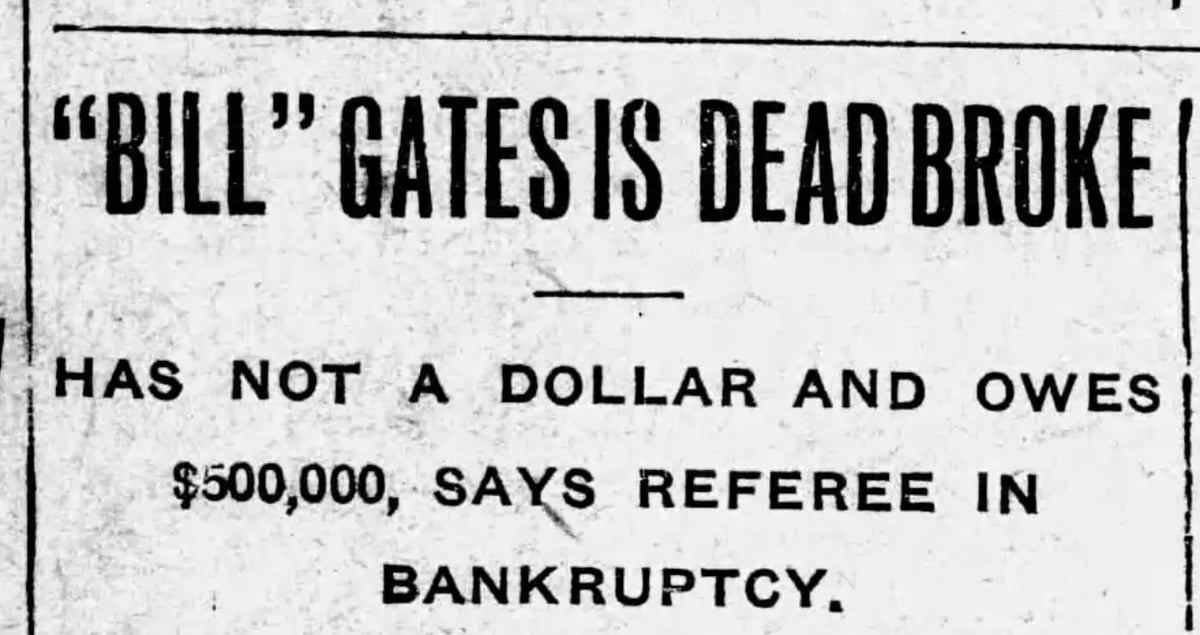
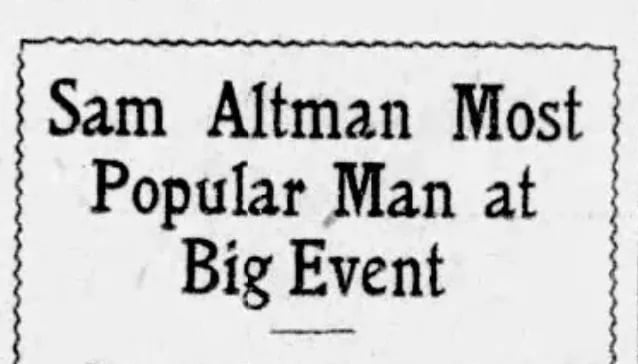
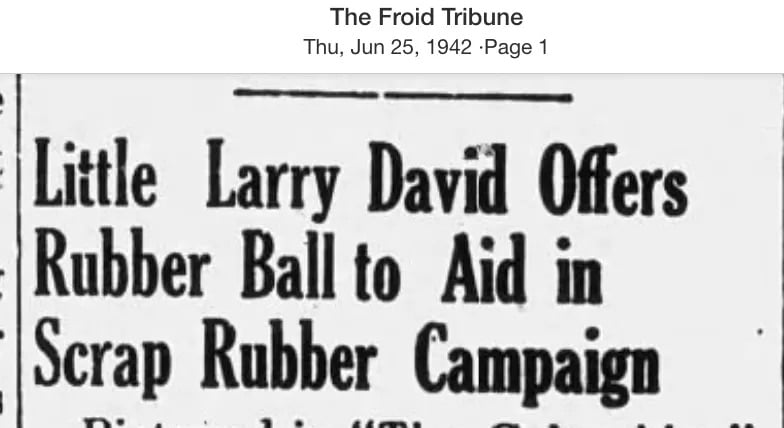
This is great: Annie Rauwerda (of Depths of Wikipedia fame) sifted through the archive at newspapers.com to find the goings on of long-ago celebrity name doppelgängers (follow-up post). A few of my favorites:
For his project The Disciples, photographer James Mollison took photo montages of fans outside of music concerts. See if you can guess which concerts these groups of fans attended:


Here’s Mollison on the project:
Over three years I photographed fans outside different concerts. I am fascinated by the different tribes of people that attend them, and how people emulate celebrity to form their identity.
As I photographed the project I began to see how the concerts became events for people to come together with surrogate ‘families’, a chance to relive their youth or try and be part of a scene that happened before they were born.
Fascinating! From top to bottom: Lady Gaga, Merle Haggard, 50 Cent, The Casualties, and Tori Amos. Here’s a video featuring some of the photos accompanied by music from the corresponding artists:
Mollison published a book featuring the photos; a signed copy is available from his website.
Elizabeth Spiers for the NY Times on how to apologize (given the recent spate of celebrity non-apologies): I Have a Question for the Famous People Who Have Tried to Apologize.
The first step in a good apology is acknowledging harm. The second is expressing genuine regret, and where possible, acknowledging our shortcoming. Our intentions are not always good. Sometimes we’re selfish. Sometimes we don’t know what we’re doing, and sometimes we fail to consider the consequences. If we can admit these things, it helps repair trust.
Then we vow, in good faith, to not perpetuate the same harm again.
The last step is repair. This means directly addressing the harm done — not via self-flagellation on YouTube nor with any expectation of forgiveness.
I posted about how to apologize a few years ago after reading Katie Heaney’s piece on, wait for it, celebrity non-apologies:
Here are the six components of an apology from Beth Polin:
1. An expression of regret — this, usually, is the actual “I’m sorry.”
2. An explanation (but, importantly, not a justification).
3. An acknowledgment of responsibility.
4. A declaration of repentance.
5. An offer of repair.
6. A request for forgiveness.
I think about these components whenever giving or receiving apologies — it’s a great framework to keep in mind.
At the end of each year, art director Chris Barker collects celebrities who have died in the past 12 months into a Sgt. Pepper’s album cover collage — here’s 2022’s edition.

There doesn’t appear to be a complete listing of everyone pictured, but you can easily pick out Coolio, Gilbert Gottfried, Sidney Poitier, Angela Lansbury, Meatloaf, Nichelle Nichols, Pele, Mikhail Gorbachev, and Twitter.
Fueled by television, advertising, cable TV, and the internet, the post-war era saw an explosion of celebrity in America and the world. The average person today “knows of” so many more people than someone living in 1945 did, probably by a couple orders of magnitude. As Boomers and Gen X continue to age, annual displays like this of well-known people who have died will get larger and larger.
Update: An incomplete key to the image is available here. (via @matsimpsk)
From film fan Benito Mussolini and the postwar explosion of Italian filmmaking to a financial rule with big effects and Federico Fellini’s La Dolce Vita, Evan Puschak tells the story of how the paparazzi was created.
The history of celebrity paparazzi disrupted the highly manicured image movie stars had enjoyed since the golden age of Hollywood. They brought these gods of our culture down to the messy earth. Interestingly though, this didn’t dampen our obsession with fame, as you might expect. No, it turbo charged it. Something about seeing our celebrities brought low — catching a glimpse of their flaws and pains — it didn’t push the famous off these weird pedestals we put them on. It only intensified our fixation with them.
For his forthcoming book Exit Stage Left: The Curious Afterlife of Pop Stars, journalist Nick Duerden interviewed pop stars who had made it big about what happened after the bright spotlight of fame moved on. Here are a few interesting bits from an adapted excerpt in The Guardian:
“The pain I feel from the Slits ending is worse than splitting up with a boyfriend,” Albertine wrote, “This feels like the death of a huge part of myself, two whole thirds gone … I’ve got nowhere to go, nothing to do; I’m cast back into the world like a sycamore seed spinning into the wind.”
So what’s it like, I wondered, to still be doing this “job” at 35, and 52, and beyond? What’s it like to have released your debut album to a global roar, and your 12th to barely a whisper? Why the continued compulsion to create at all, to demand yet more adulation? Frankly, what’s the point?
[Suzanne] Vega’s tour, haemorrhaging money, was cut short. When she arrived back at JFK, she looked out for the car her record label would always send to collect her. But there was no car. Not any more. “I took a taxi,” she says.
When Tanya Donelly, of 90s US indie darlings Belly, quit after winning a Grammy (and promptly suffering burnout), she craved normal work and became a doula. When 10,000 Maniacs’ Natalie Merchant grew tired of being a marketable commodity, she quit for the quieter life of a solo artist, and was then duly horrified when her debut album, 1995’s Tigerlily, sold 5m copies, because “then came the treadmill again”. The next time she tried to retire, she did so more forcefully, and now teaches arts and crafts to underprivileged children in New York state. “I look at people like Bob Dylan and Paul McCartney,” she says, referring to the way both legends continue to tour, “and I think to myself: ‘If I were you, I’d just go home and enjoy my garden.’ It’s a question of temperament, clearly.”
Barack Obama’s A Promised Land comes out today and The Root’s Michael Harriot has a brief interview with Obama. The rest of the interview is meatier, but I like Harriott’s last question:
Q: You are a former president and you are unquestionably the predominant role model for a generation of Black people, both of which come with a certain amount of public scrutiny. But for one day, you get to be an anonymous, everyday American who can go anywhere you want and do anything. Describe that day.
A: You know, honestly, I’d just take a walk. Go to the grocery store. Go out to dinner with Michelle. Maybe get some ice cream. Around my second or third year in office, I’d have this recurring dream, maybe once every six months, where I’m walking down the street and head into a coffee shop or a bar or something and nobody recognizes me. It was great!
You can read the rest of his answer, including his thoughts on “the tyranny of selfie”. I watched the Pete Souza documentary The Way I See It the other day1 and the wildest scenes were the ones showing a young Obama on the Senate campaign trail just walking around with no one noticing or bothering him. He must miss those days for sure. But I bet it’s also fun to be able to get literally anyone you want on the phone in 30 seconds.
P.S. I haven’t read it myself yet, but I’ve heard from many folks that Jeffrey Goldberg’s lengthy conversation with Obama is worth checking out.
P.P.S. In their excellent 5-part series on Princess Diana, You’re Wrong About’s Michael Hobbes shared his theory that “fame is abuse” and I’ve been thinking about that in relation to every celebrity story I’ve read since.
It is an understatement to say that a lot has happened to Billie Eilish in the past three years. She has gone from being a well-regarded but little-known singer/songwriter to being Grammy-nominated and one of the biggest young stars in the world. For the third year in a row, Vanity Fair sat down with Eilish to ask her about her life and career, what being famous is like, and how she views her past selves.
As I said last year, the video is fascinating to watch, like a teen celeb version of the 7 Up film series. She seems much happier and more confident — “I want to stay happy. That’s a big goal for me.” It will be interesting next year to see how this bit ages:
I like being famous. It’s very weird and it’s very cool.
(via @fimoculous)

Tupac Shakur and Madonna dated briefly in 1994. According to Tupac’s brother Mopreme, the relationship began when Madonna passed Tupac a note during a press day for Above the Rim. The two of them broke up sometime before Tupac was shot on November 30, 1994 as part of a robbery at the Quad Recording Studios in Manhattan. Shortly after he was shot, Tupac was convicted of three counts of molestation as part of a sexual abuse case brought against him in 1993.
While in jail, Tupac wrote a letter to Madonna. This letter appears to have been sold at auction by Madonna’s former friend, art dealer Darlene Lutz, in 2018, after Madonna lost a legal fight to have it returned to her and keep it from being sold. Exactly what became of the letter is unknown.
It’s a remarkable letter, although parts of it have been blurred out by the auction house. The Independent focuses on the fact that Tupac was concerned about being seen publicly dating a white woman:
Can u understand that? For you to be seen with a black man wouldn’t in any way jeopardise your career. If anything it would make you seem that much more open & exciting. But for me at least in my previous perception, I felt due to my ‘image’ I would be letting down half of the people who made me what I thought I was. I never meant to hurt you.
Tupac was also upset by an interview that Madonna gave where she said, “I’m off to rehabilitate all the rappers and basketball players.”
“Those words cut me deep seeing how I had never known you to be with any rappers besides myself,” Tupac writes in the letter. “It was at this moment out of hurt & a natural instinct to strike back and defend my heart & ego that I said a lot of things.”
In her note on the letter, “Please Do Say Forgive Me,” Chandra Steele focuses instead on the nature and quality of Tupac’s apology.
Celebrities are separated from us by our perception of their godlike attainment of what we’re supposed to want: fame and money and sex. But when Tupac refers to their relationship, he uses words of humanity and humility. “I haven’t been the kind of friend I know I am capable of being” is how he frames the apology. It’s an empathy that some never access within themselves, no matter how many classes they take in unlocking their chakras. Later he tells Madonna, “I offer my friendship once again, this time much stronger and focused.” …
What’s more remarkable than what’s written is what isn’t. Tupac does not overstep the bounds of being an ex-lover. He does not push a selfish agenda. He has the wisdom to balance what he wants with what is warranted after leaving sans explanation. He does not burden her by asking for her forgiveness.
And then there are Tupac’s closing words:
I Don’t Know How you feel
About visiting me But if you
could find it in your Heart
I would love to speak face to face
with you. It’s funny but this experience has taught me
to Not take time 4 granted. [heart]
Remember the Broccoli Tree and its eventual fate?
For the past few years, Patrik Svedberg has been taking photos of a beautiful Swedish tree he dubbed The Broccoli Tree. In a short time, the tree gained a healthy following on Instagram, becoming both a tourist attraction and an online celebrity of sorts. (I posted about tree two years ago.) Yesterday, Svedberg posted a sad update: someone had vandalized the tree by sawing through one of the limbs.
Very soon after, it was decided by some authority that the vandalism meant the entire tree had to come down. A work crew arrived and now it’s gone.
In a short video, John Green shares his perspective on the loss of the tree and the meaning of sharing with others in the age of social media.
To share something is to risk losing it, especially in a world where sharing occurs at tremendous scale and where everyone seems to want to be noticed, even if only for cutting down a beloved tree. […] And the truth is, if we horde and hide what we love, we can still lose it. Only then, we’re alone in the loss.

For the past few years, Patrik Svedberg has been taking photos of a beautiful Swedish tree he dubbed The Broccoli Tree. In a short time, the tree gained a healthy following on Instagram, becoming both a tourist attraction and an online celebrity of sorts. (I posted about tree two years ago.) Yesterday, Svedberg posted a sad update: someone had vandalized the tree by sawing through one of the limbs.

One of the trees branches has now (a couple of days ago..?) been sawn in almost all the way through and it’s just a matter of time before it’ll fall off. I won’t be around to document it, others will for sure so I guess you lunatics who did it can enjoy every moment.
Very soon after, it was decided by some authority that the vandalism meant the entire tree had to come down. A work crew arrived and now it’s gone:

Oscar Wilde once wrote that “Each man kills the thing he loves”. I don’t know exactly what Wilde meant by that, but our collective attention and obsession, amplified by the speed and intensity of the internet & social media, tends to ruin the things we love: authors, musicians, restaurants, actors, beloved movies, vacation spots, artists, democracies, and even a tree that became too famous to live.
Update: Via the Broccoli Tree’s Instagram Story comes a pair of updates related to the cutting down of the tree that I wanted to record here for posterity.
1. Along with many other people, I wondered why the whole tree had to come down because of a single cut in one of the branches. The answer is “because they found cuts in most limbs/branches some day after so someone had gone back to ‘finish the job’”. :(
2. The tree was cut in that way and the stump left so that new sprouts might form. Life finds a way! Here’s hoping for the eventual appearance of Broccoli Tree 2.0!
A celebrity story is usually far more interesting when the person telling the story doesn’t give a shit about offending the celebs in question (or talking to them ever again). This story told by Ninja, one half of the Die Antwoord musical group, is clearly in that category. In it, he recounts hanging out at Kanye’s house, eating Kim Kardashian’s delicious banana pudding (not even a euphemism), and then wandering over to Drake’s house (with whom Ninja has a history) to play some basketball. One of the things I liked about this story is that it could have stopped in three or four different places and been a complete & entertaining story, but it just kept going.
Ezra Edelman’s fantastic documentary OJ: Made in America won the Oscar for best documentary this year. In a video for Fandor, Joel Bocko explains while the film’s focus is on Simpson, it also explores seven broader themes about contemporary America: sports, the media, Los Angeles, class, domestic abuse, policing, and race.
OJ: Made in America emerges not simply as a brilliant biography, it’s also a stunning social portrait that can stand beside any novel, epic film, or piece of longform journalism.
And in this video for The Atlantic, Edelman explains how, before murdering his ex-wife, Simpson was an advertising pioneer, the first black athlete to become a nationally known product pitchman, appearing in commercials for Hertz, Chevy, and Schick.
One of the most interesting aspects of Edelman’s film is how Simpson’s feelings about being black shifted after his arrest. For most of his life, he distanced himself from the black community, famously declaring “I’m not black, I’m OJ.” He didn’t get involved in the politics of the day or speak out like Muhammed Ali and other prominent black athletes did. He enjoyed preferential treatment by the LAPD, who help him keep his abuse of women under wraps. Black America had nothing to offer a man who enjoyed being rich and famous in white America. But then the trial happened and he hired Johnny Cochran, who made race into the central issue of the case, deftly aligning Simpson with a black community who had endured decades of racism and brutality in LA at the hands of society and the police.
Dave Pell from Nextdraft on the connection between OJ Simpson and Donald Trump and how celebrity warps American minds.
By the time OJ Simpson was arrested after the infamous ride in the White Ford Bronco, it was totally impossible to imagine he’d be found not guilty.
By the time Trump reached election day, he had broken every rule of politics. He committed more campaign-ending gaffes in a week than most losing presidential campaigns during an entire run.
Both men had a fame that completely cut across all American demographics.
I thought I’d mentioned this somewhere at the time — Twitter? kottke.org? Can’t find it… — but when I watched the excellent OJ: Made in America documentary this summer, the parallels between the OJ story and Trump made me feel very uneasy. Two men, both broadly famous, both wealthy, both charming, both outcasts from their respective social groups, both misogynist abusers, both committed crimes, both gamed the American political and legal systems to get away with something that they shouldn’t have. OJ eventually got his but will Trump? Are Americans doomed to keep repeating these mistakes when it comes to celebrity?
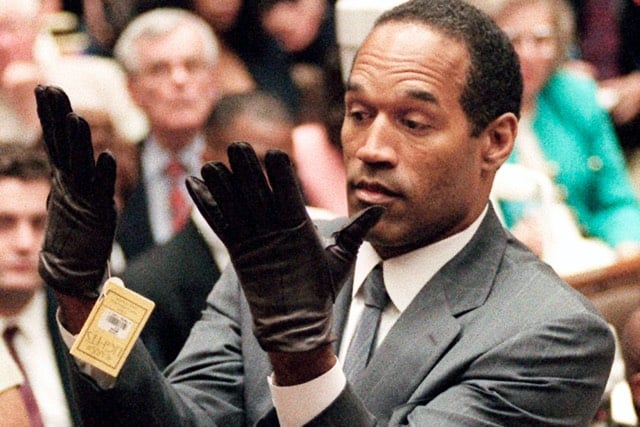
Last night, I finished OJ: Made in America, ESPN’s 8-hour documentary series about OJ Simpson. Prior to starting the series, I would rather have poked an eye out than spend another second of my life thinking about OJ Simpson; I’d gotten my fill back in the 90s. But I’d heard so many good things about it that I gave it a shot. Pretty quickly, you realize this is not just the biography of a man or the story of a trial but is a deep look at racism, policing, and celebrity in the US. OJ: Made in America is excellent and I recommend it unreservedly. From Brian Tallerico’s review:
Ezra Edelman’s stunningly ambitious, eight-hour documentary is a masterpiece, a refined piece of investigative journalism that places the subject it illuminates into the broader context of the end of the 20th century. You may think you know everything about The Trial of the Century, especially if you watched FX’s excellent “The People vs. OJ Simpson: American Crime Story,” but “OJ: Made in America” not only fills in details about the case but offers background and commentary that you’ve never heard before. It is an examination of race, domestic abuse, celebrity, civil rights, the LAPD, the legal process and murder over the last fifty years, using the OJ Simpson story as a way to refract society. Its length may seem daunting, but I would have watched it for another eight hours and will almost certainly watch it again before the summer is over. It’s that good.
The only real criticism I have of the series is that the treatment of women in America should have been explored more, on the same level as racism and celebrity. A.O. Scott picked up on this in his NY Times review:
It is hard not to notice the predominance of male voices among the interview subjects, and the narrowness of the film’s discussion of domestic violence. This is not to say that the issue is ignored: Mr. Simpson’s history of abusing Nicole is extensively and graphically documented, as is the fact that most of his friends ignored what was going on at their Rockingham estate. But the film, which so persuasively treats law enforcement racism as a systemic problem, can’t figure out how to treat violence against women with the same kind of rigor or nuance.
A fuller discussion of domestic violence in the US and misogyny in sports would have provided another powerful, reinforcing aspect of the story.
Older posts





Socials & More