kottke.org posts about birds
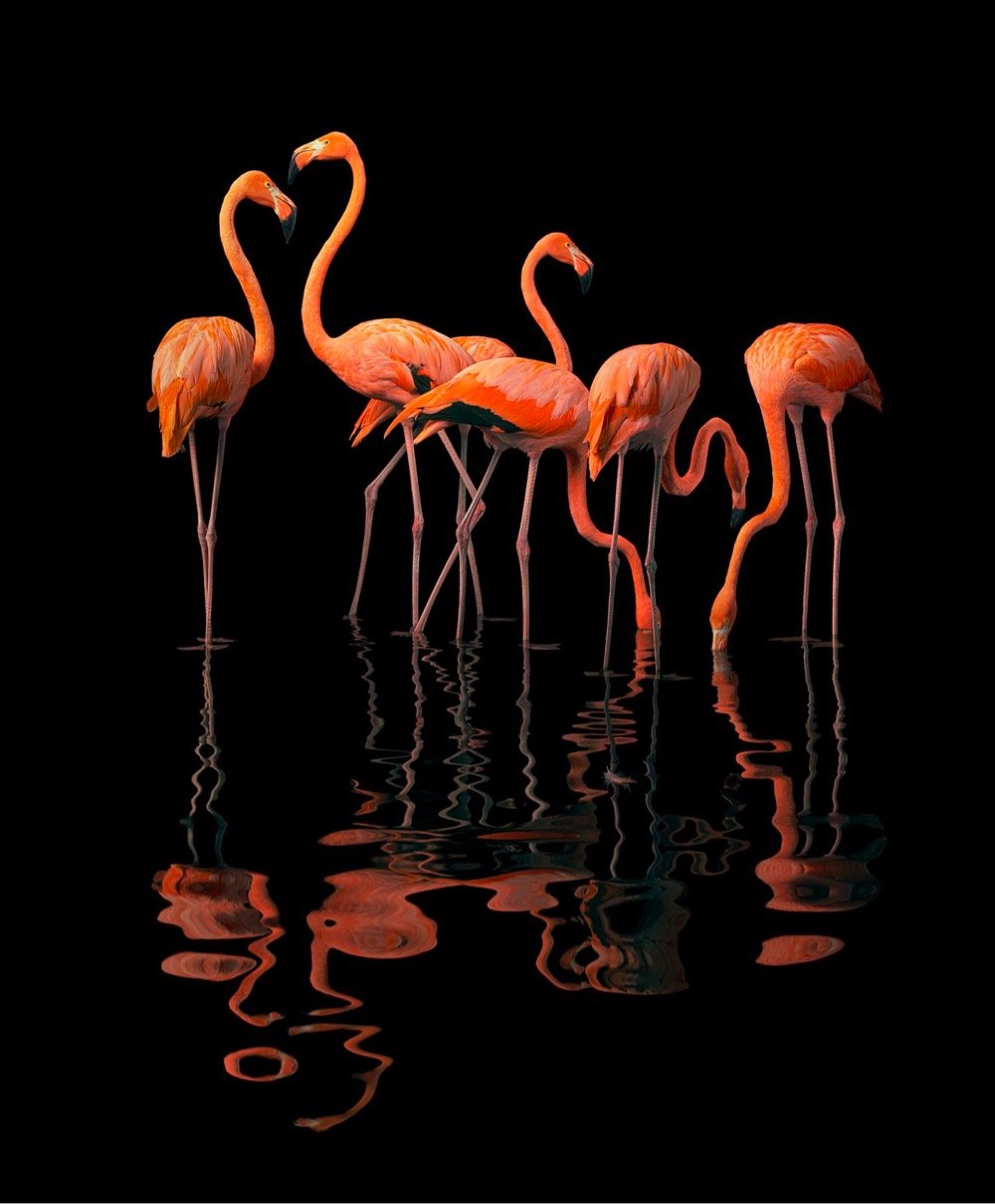
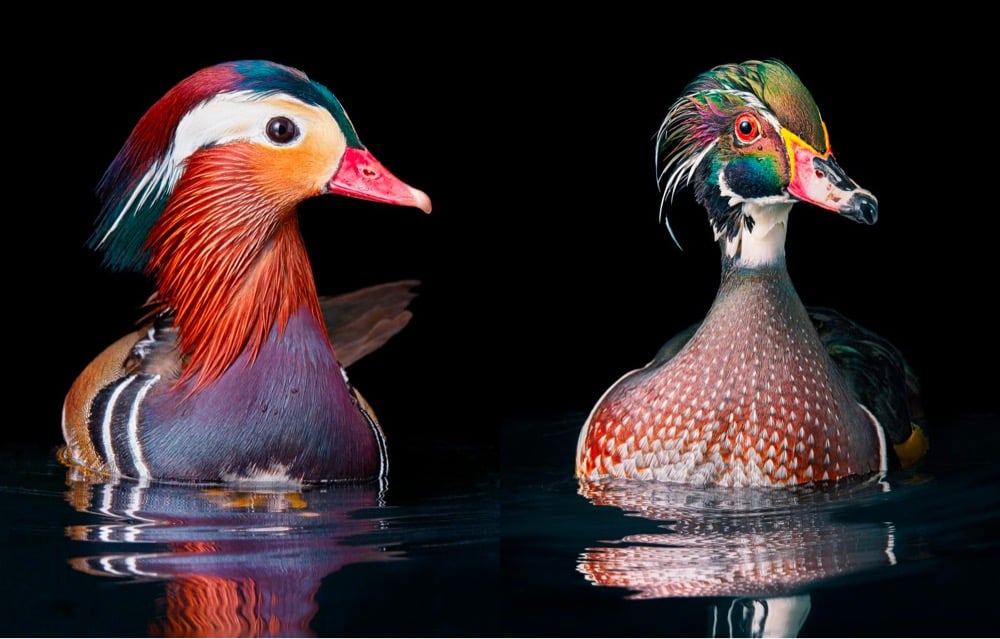
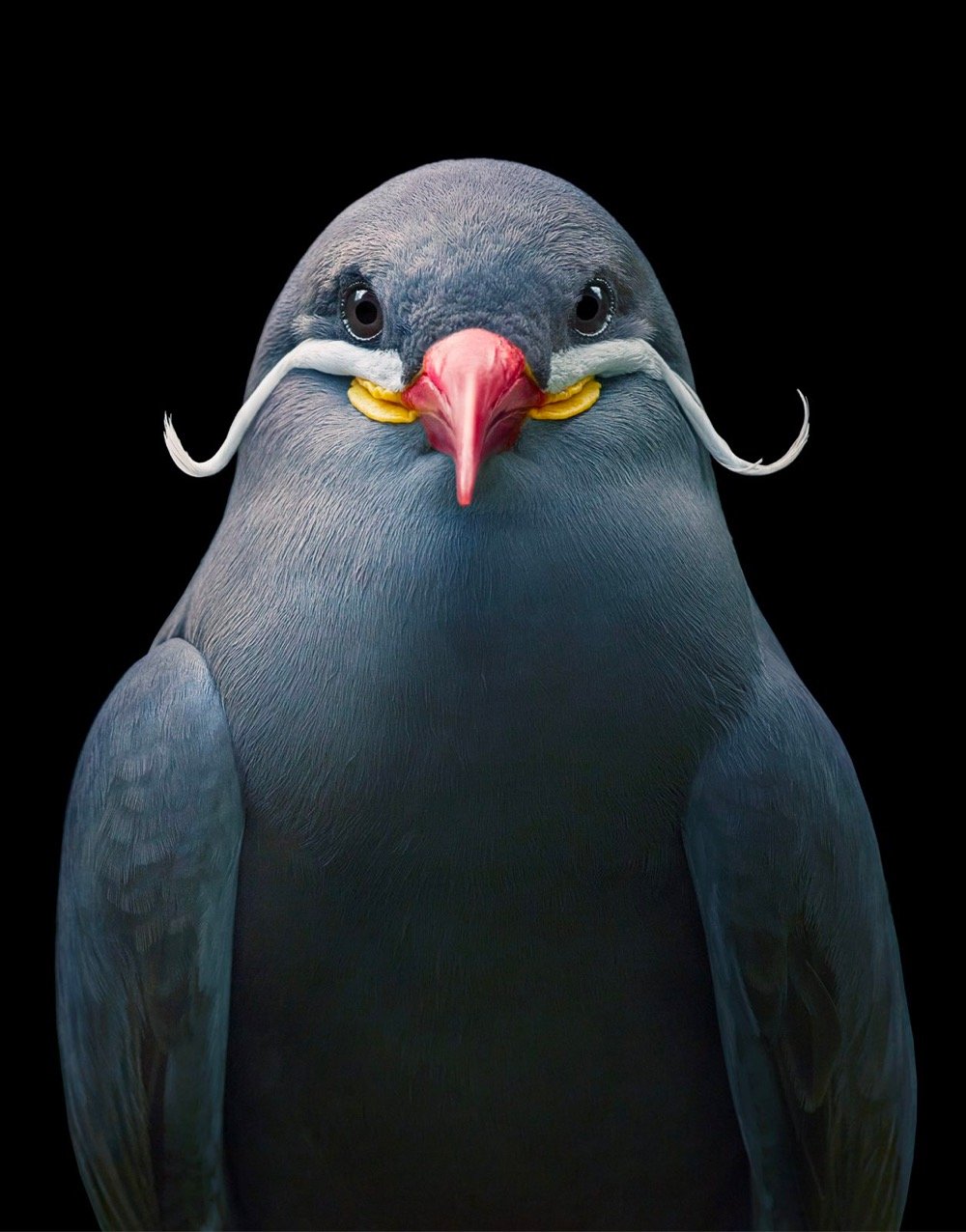
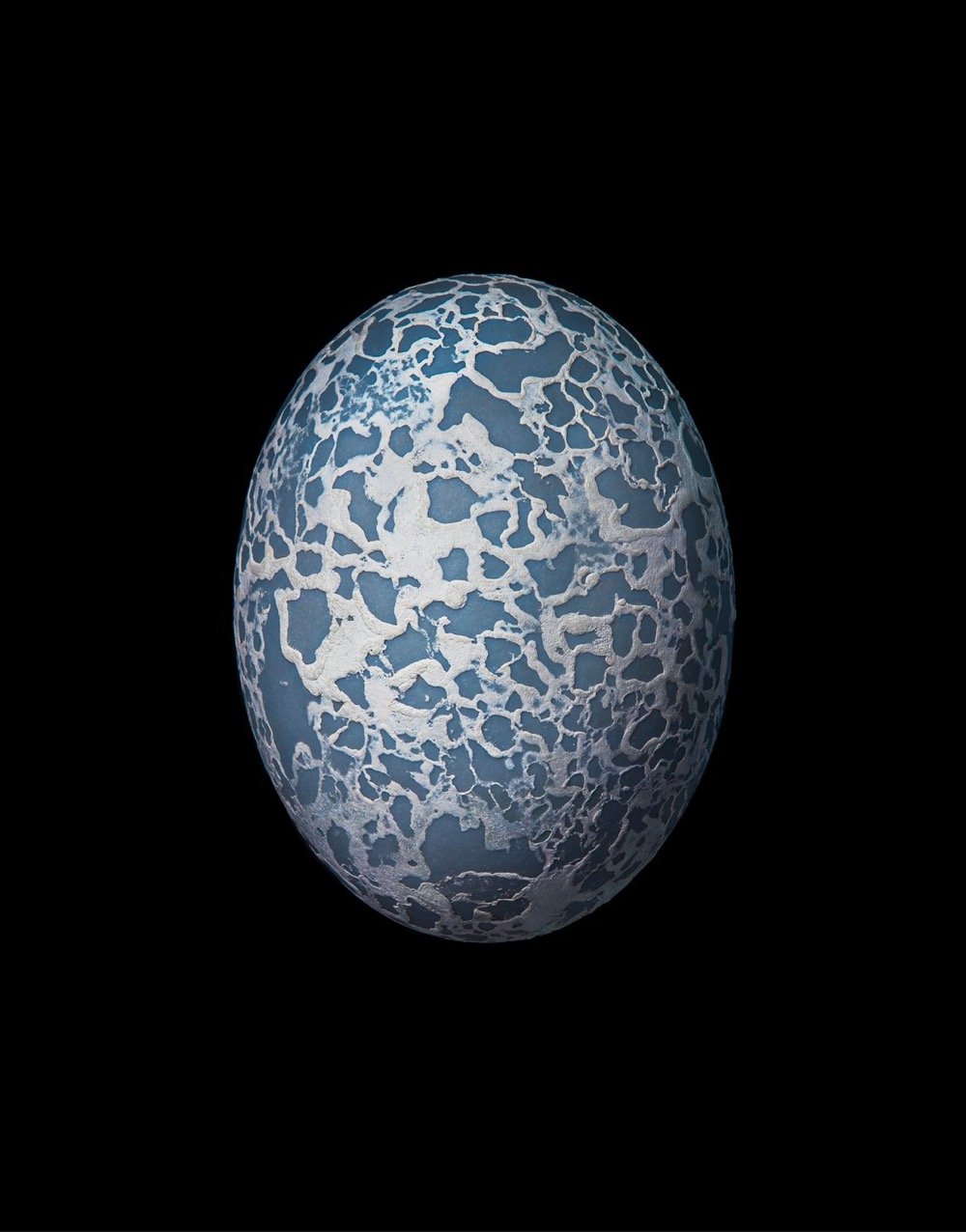
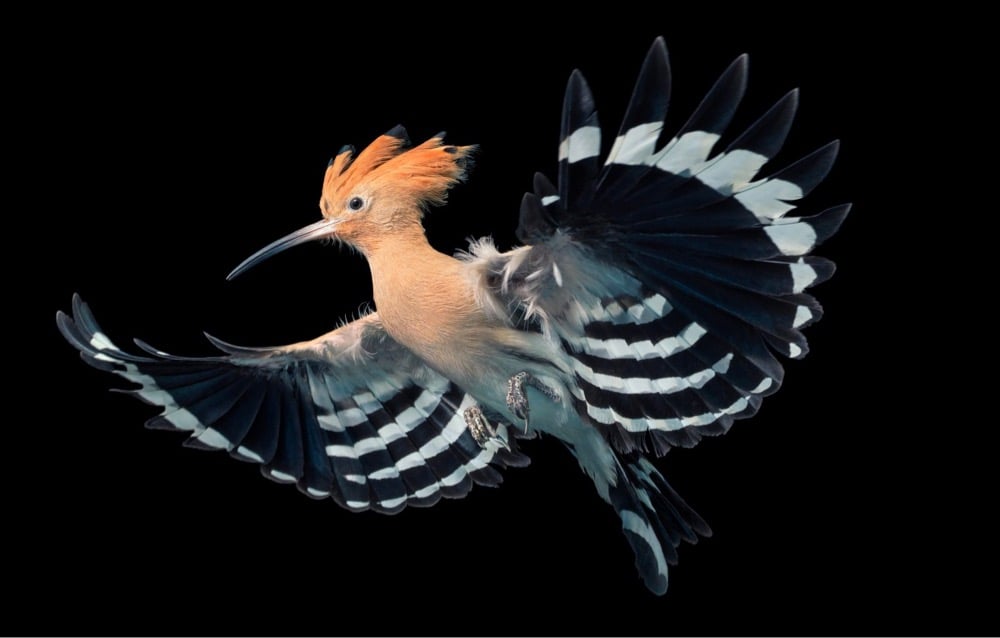
Oh, Tim Flach takes wonderful photos of birds, birbs, and everything in-between (including an avian dead ringer for Hercule Poirot). He recently published a book of this work called Birds and you can of course keep up with his stuff on Instagram. (via jodi)


Last winter, Carla Rhodes captured some scenes of the animal life underneath her bird feeder. Rhodes is a wildlife conservation photographer, so the photos are good and she made certain to do the right thing with her feeder:
Ethical considerations were at the forefront of this project. This included hanging the feeder in a tree away from house windows. If not cared for properly, bird feeders can be a vector for diseases, such as salmonella. To avoid this issue I regularly raked beneath the bird feeder (and turned the soil below), rotated the feeder to different branches, occasionally allowed the feeder to be empty, and regularly disinfected the feeder with dish soap and dilute bleach solution.
(via colossal)
So photos of birds with people arms are pretty funny but videos of birds with people arms are even better. I think my favorites are selfie bird, the ostrich, and the penguins.
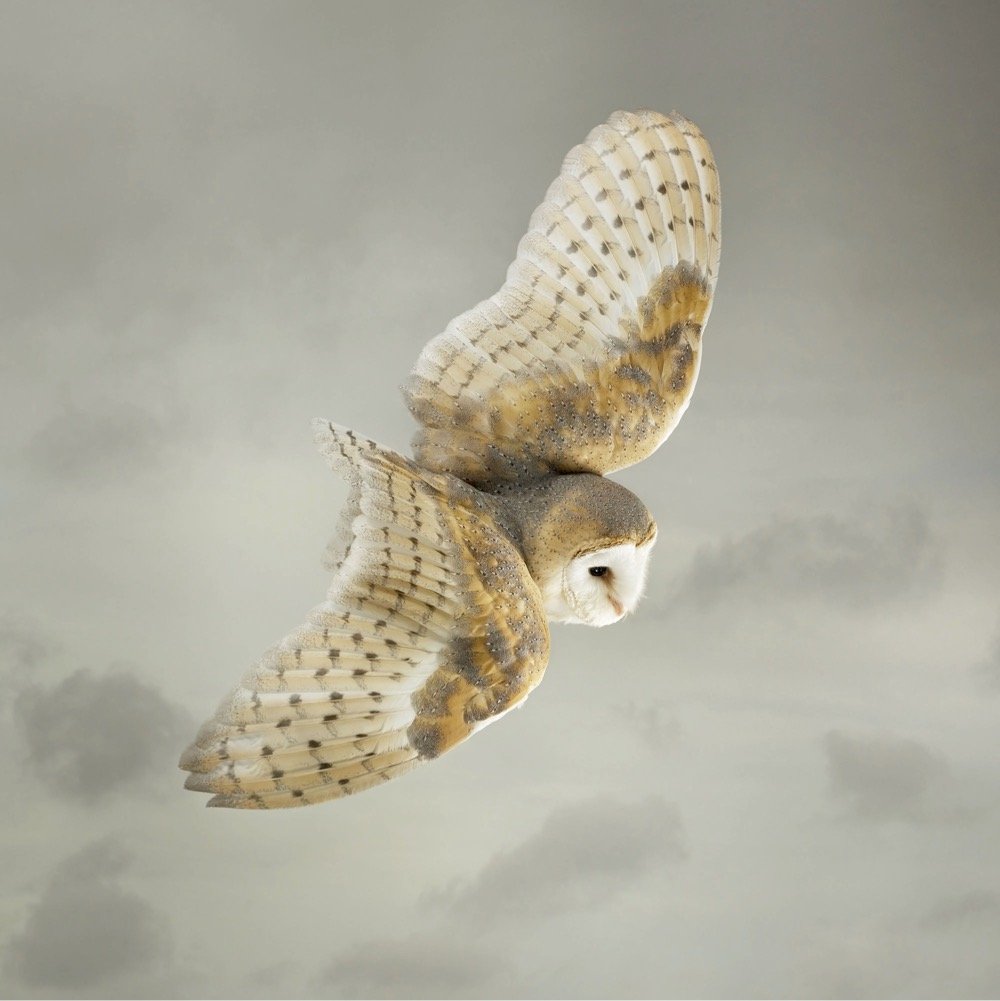
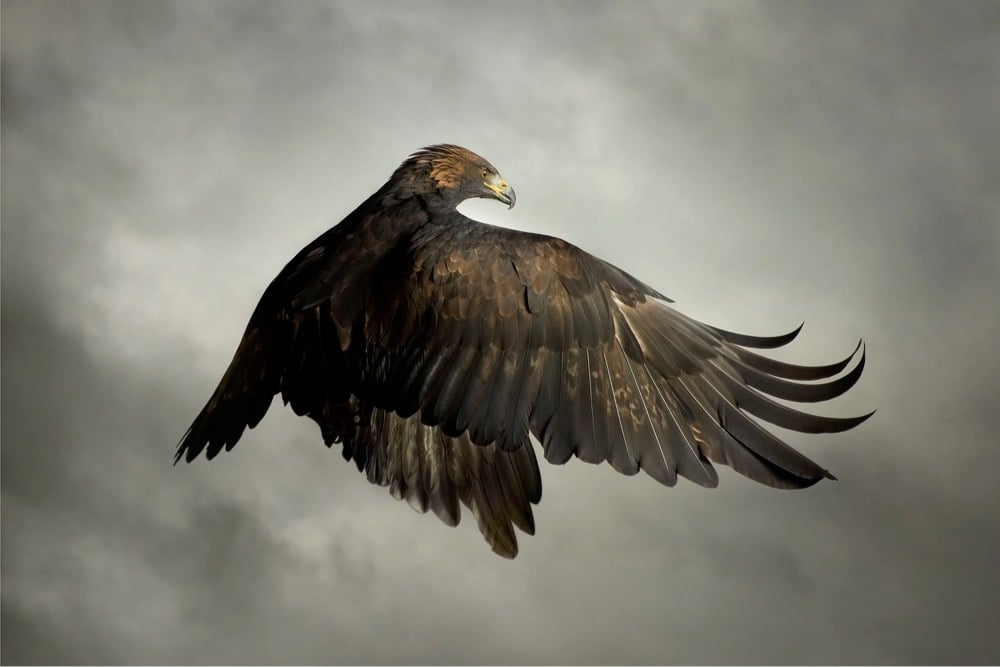
Colossal has a selection of photos of predatory birds taken by Mark Harvey — prints are available in his shop.
Shot with his signature style that applies a hearty dose of drama to the already striking creatures, the photos are shot one at a time in a slow, medium format. “Lighting is a key aspect of my work to help draw out fresh views of well-known subjects, and these birds are no exception, set within an intricate lighting setup to ultimately show the birds in a new light,” Harvey shares. “With their wings spread wide, these top avian predators’ beauty is put on full display.”
As we learned from reading about the pink salt ponds of Camargue, France, flamingos get their distinctive pink coloring from the food that they eat — halophile algae and tiny animals like shrimp that feed on the algae. In this video from the San Diego Zoo, we get to see an underwater view of a flock of flamingos, at once graceful and gawky, feasting on the tiny critters. What a neat view! (via colossal)
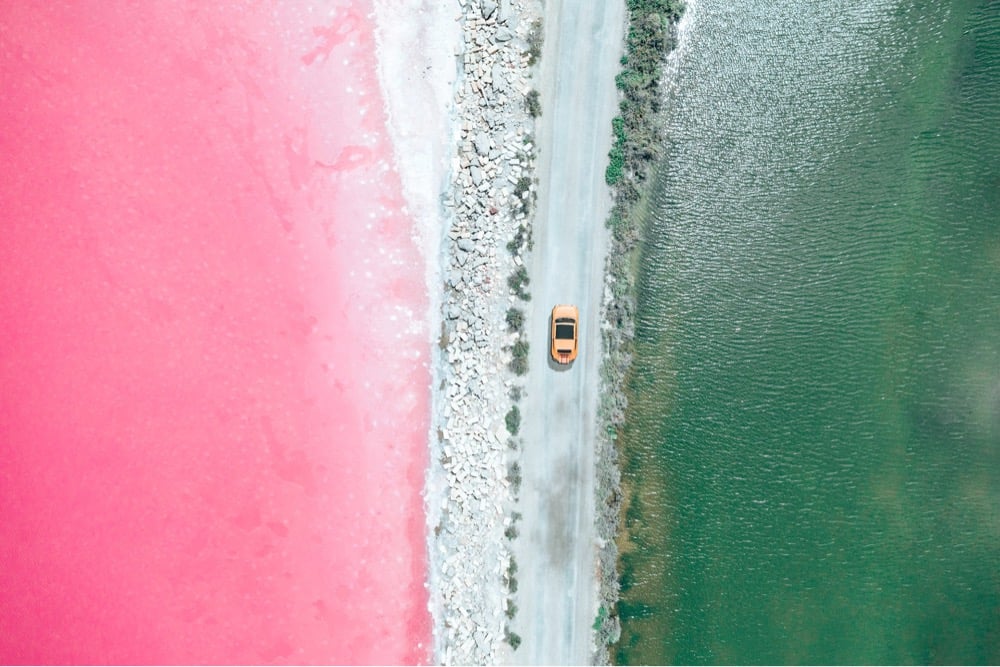


Check out Italian photographer Paolo Pettigiani’s photos of the evaporation ponds of Camargue, France. While these ponds are industrially harvested for their salt, the pink color of the water is naturally occurring in the salt marshes of the area, caused by halophile dunaliella salina algae. The area is also an important bird habitat and is one of the few places in Europe that flamingos live, which might seem like a coincidence until you learn that flamingos gain their pink color from eating the algae and shrimp that also feed on the algae. (via moss & fog)

The Cornell Lab of Ornithology recently added the ability to identify birds from hearing their birdsong to their Merlin Bird ID app — a “Shazam for bird songs” as Fast Company says. You just start recording with your phone and the app starts telling you the birds it’s hearing. Here’s how it works:
Automatic song ID has been a dream for decades, but analyzing sound has always been extremely difficult. The breakthrough came when researchers, including Merlin lead researcher Grant Van Horn, began treating the sounds as images and applying new and powerful image classification algorithms like the ones that power Merlin’s Photo ID feature.
“Each sound recording a user makes gets converted from a waveform to a spectrogram-a way to visualize the amplitude [volume], frequency [pitch], and duration of the sound,” Van Horn says. “So just like Merlin can identify a picture of a bird, it can now use this picture of a bird’s sound to make an ID,” Van Horn says.
This pioneering sound-identification technology is integrated into the existing Merlin Bird ID app, meaning Merlin now offers four ways to identify a bird: by a sound, by a photo, by answering five questions about a bird you saw, or by exploring a list of the birds expected where you are.
Margaret Renkl tried the app out and it seems to work pretty well:
I set my phone down on the table on my back deck, opened the Merlin app, chose “Sound ID” and hit the microphone button. Immediately a spectrogram of sound waves began to scroll across the screen. Every time a bird sings, the sound registers as a kind of picture of the song. By comparing that picture with others in its database, the app arrives at an ID.
I watched as Merlin rolled out the names of bird after bird — tufted titmouse, European starling, Carolina chickadee, northern cardinal, American crow, white-breasted nuthatch, eastern towhee, house wren, American goldfinch, blue jay, eastern bluebird, American robin, Carolina wren, house finch. It didn’t miss a single one.
What amazed me was not merely the accuracy of the ID but also the way the app untangled the layers of song, correctly identifying the birds that were singing in my yard, as well the birds that were singing next door and the birds that were singing across the street. If the same bird sang a second time, the app highlighted the name it had already listed. Watching those highlights play across the growing list of birds was almost like watching fingers fly across a piano keyboard.
See also this video review. You can download the app here. I’m going to give this a shot over my lunch hour today. I try to eat outside when the weather is nice and there are always birds out singing.
I posted about the 2021 Audubon Photography Awards earlier today, but I wanted to highlight Bill Bryant’s award-winning clip of a red-tailed hawk. The hawk is hunting, floating on the wind searching for small prey, its head perfectly still while its body stabilizes around it. I could watch this clip on repeat for the rest of the day…so cool!
This is not just a thing that hawks do — see also This Owl Will Not Move His Head and The Eerie Stillness of Chicken Heads. Birds: nature’s steadycams.
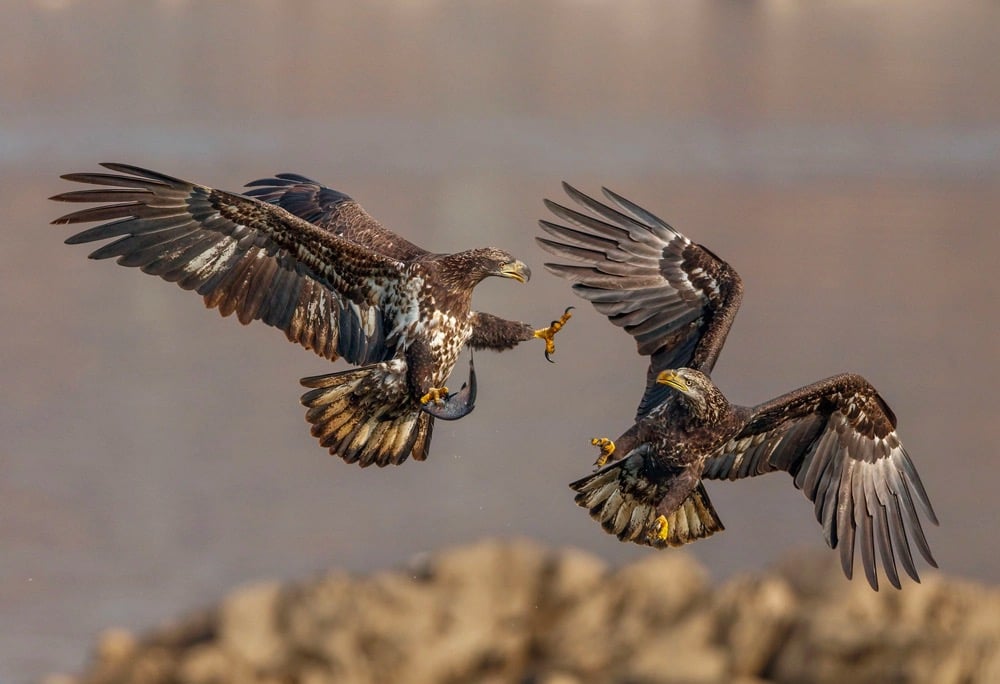
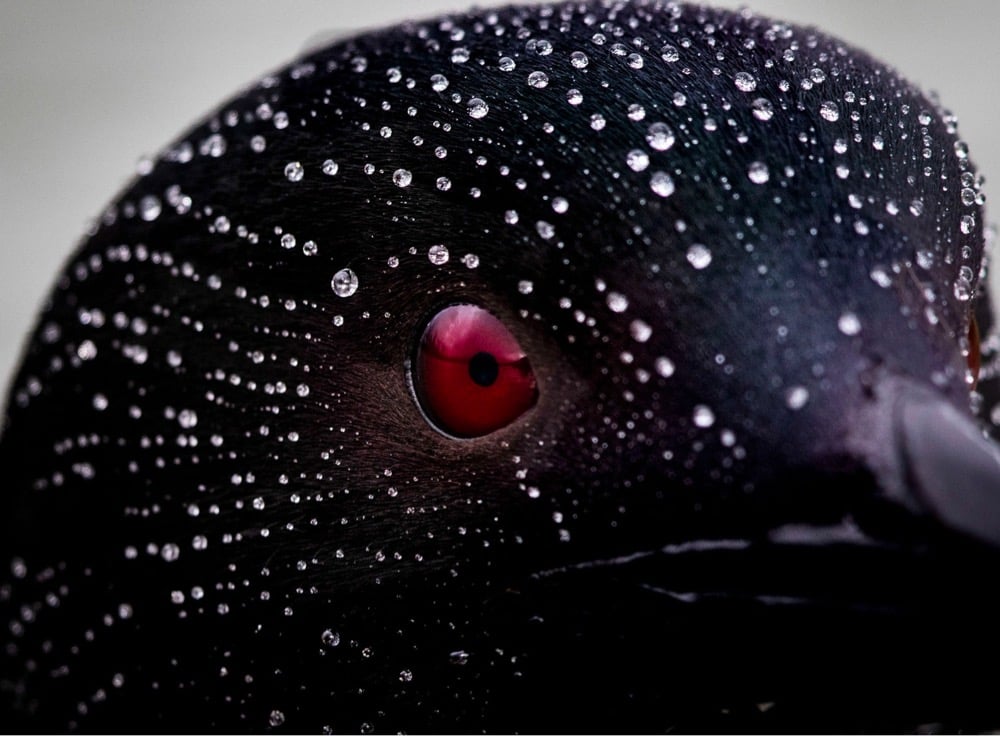
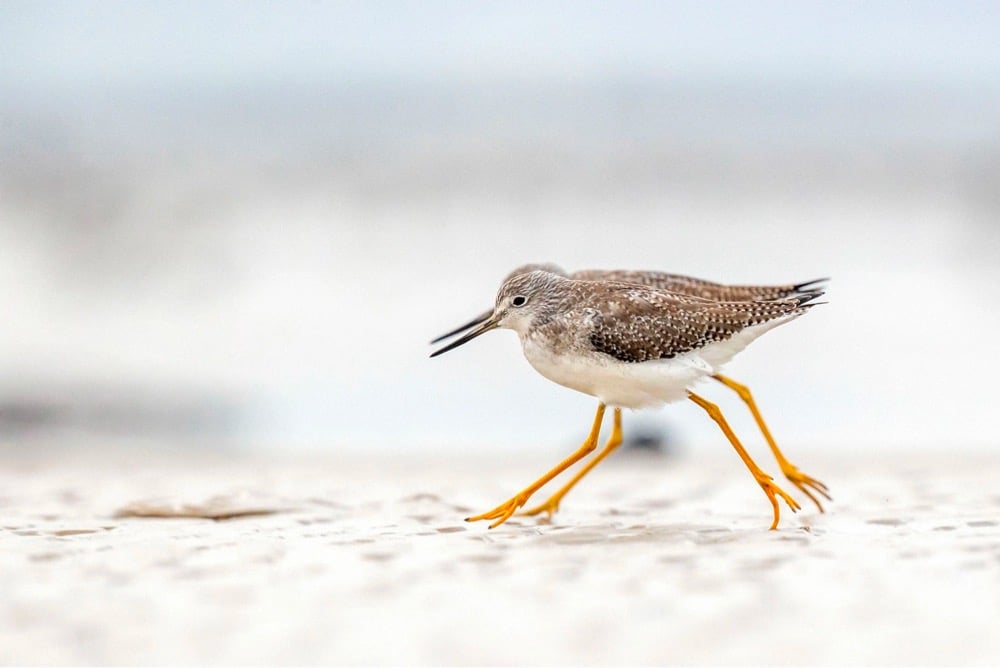
The National Audubon Society has announced the winners of the their photography competition for 2021. They also selected a top 100 from the rest of the submissions to complement the winners. The photos above are by Jerry am Ende, Sue Dougherty, and Tim Timmis. (via in focus)
The Atlantic’s Ed Yong is one of our great biology writers. He recently won a Pulitzer for his coverage of the COVID-19 pandemic, but it’s equally illuminating and much more fun to read him write about tapeworms or some other more benign form of life.
In this case, it’s about songbirds, which have two unusual things in common besides their love of song: they all evolved to detect and eat sugar in the form of sap and nectar [and did so in a way different from hummingbirds, who also love the sweet stuff], and they all did this in Australia, and from there spread out all over the world.
Songbirds probably evolved sweet perception about 30 million years ago, when Australia was much wetter. As the climate dried, the soils became poorer and the eucalyptus trees expanded. The forests abounded with new sources of sugar such as manna, which the songbirds were already primed to find and exploit. Perhaps the extra energy from these abundant calories allowed them to migrate over long distances and travel to other continents. Perhaps they could thrive in their new homes by finding flowers that were already baiting insects with nectar. “They are the most successful group of birds,” Eisthen told me. “You have to wonder how much of their success is due to this hidden talent, which allows them to invade new niches and feed on food sources that other animals are not exploiting.” …
Meanwhile, Sushma Reddy, an ornithologist at the University of Minnesota, points out that hummingbirds, songbirds, and parrots, three groups of birds with lots of nectar-eating species, “are also the same lineages that have convergently evolved vocal learning”—the ability to make new songs and sounds after listening to other individuals. Could these traits be related? Perhaps there’s a hidden connection between the sugary riches of Australia’s forests and the beautiful tunes that fill the air of every continent—between sweetness of palate and sweetness of voice.
Side note: Ed mentions in a parenthetical here that “fans of the board game Wingspan and its Oceania expansion will be familiar with the importance of nectar to Australian birds.” I, in fact, was not familiar with the board game Wingspan or any expansions thereof, so I looked it up:
You are bird enthusiasts—researchers, bird watchers, ornithologists, and collectors—seeking to discover and attract the best birds to your network of wildlife preserves. Each bird extends a chain of powerful combinations in one of your habitats (actions). These habitats focus on several key aspects of growth:
- Gain food tokens via custom dice in a birdfeeder dice tower
- Lay eggs using egg miniatures in a variety of colors
- Draw from hundreds of unique bird cards and play them
The winner is the player with the most points after 4 rounds.
Also, apparently it’s a card-based game, but is also available for computers via Steam. The more you know!


The Bird Photographer of the Year competition has released a selection of images from their shortlist of finalists for the 2021 contest. I selected three of my favorites above: Zdeněk Jakl’s duckling, Fahad Alenezi’s fox & eagle, and David White’s swallow. You can see more entries at Colossal, BBC, and Science Focus.
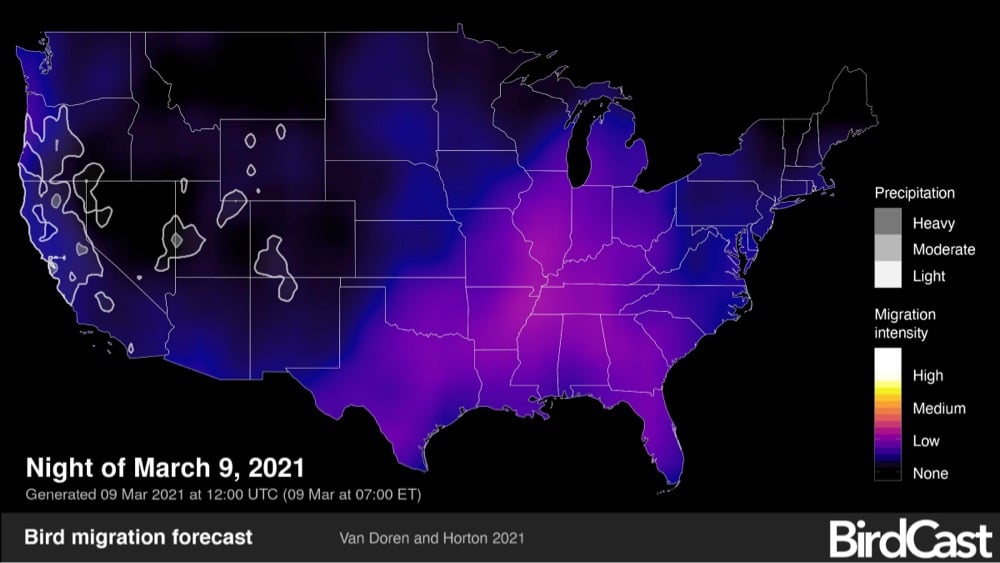
Colorado State University and the Cornell Lab of Ornithology have developed a system called BirdCast that uses machine learning & two decades of historical bird movement data to develop daily bird migration forecasts for the United States.
Bird migration forecasts show predicted nocturnal migration 3 hours after local sunset and are updated every 6 hours. These forecasts come from models trained on the last 23 years of bird movements in the atmosphere as detected by the US NEXRAD weather surveillance radar network. In these models we use the Global Forecasting System (GFS) to predict suitable conditions for migration occurring three hours after local sunset.
The map above is the migration forecast for tonight — overall, warmer temperatures and increased bird movement are predicted for the next week or two. They also maintain up-to-the hour records of migration activity detected by the US weather surveillance radar network; this was the activity early this morning at 3:10am ET:
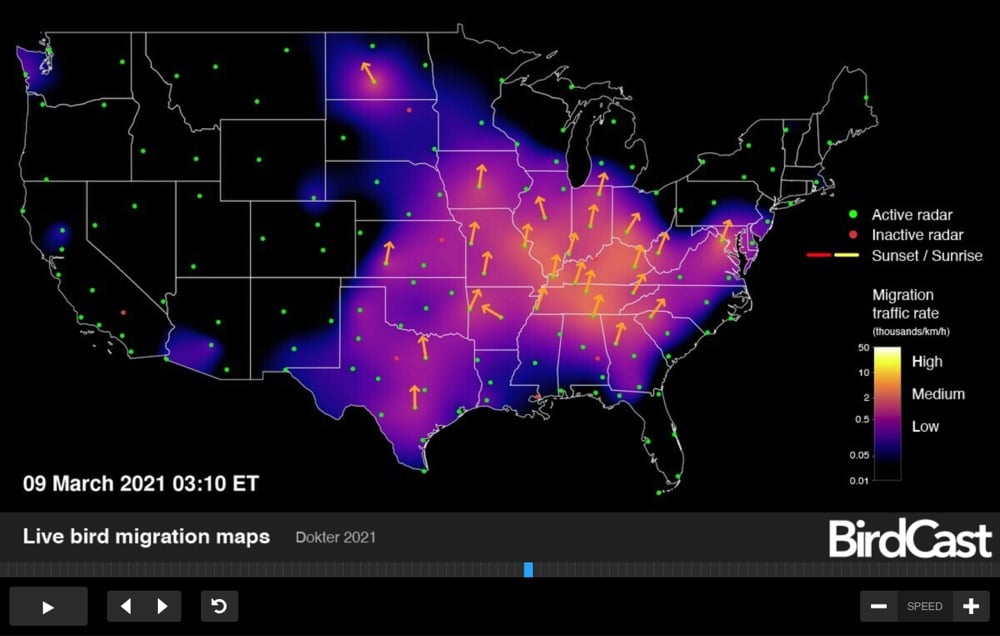
If the current & predicted bird radar maps were a part of the weather report on the local news, I might start watching again.
Photographer James Crombie and his friend Colin Hogg captured an amazing moment over Lough Ennell in County Westmeath, Ireland on Tuesday: a murmuration of starlings that, for a split second, looked like a huge bird. Crombie took the photo and Hogg the video:
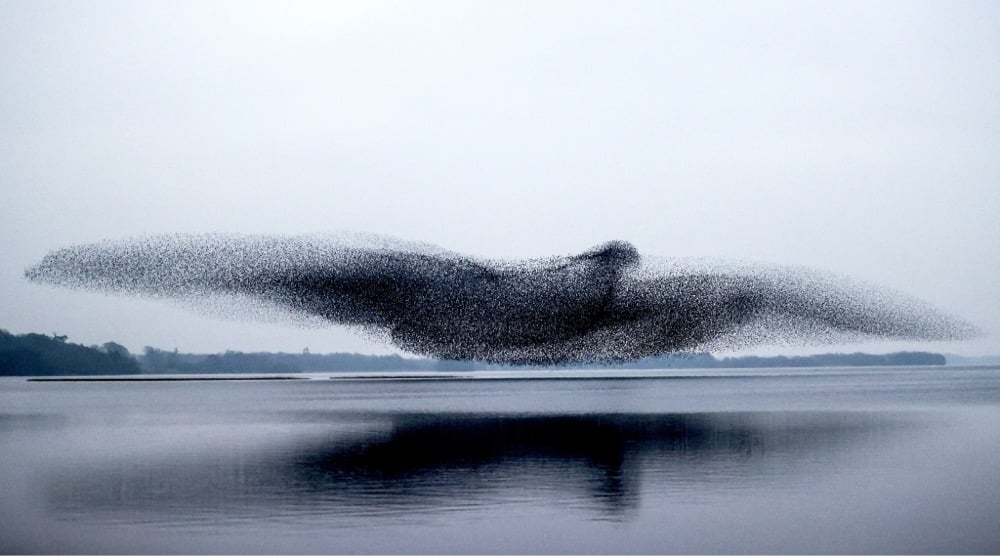
Crombie made, he thinks, about 50 trips to Lough Ennell in the past few months. “I’m usually a sports photographer, so for a while I’ve had a bit of time to think about other things. I had an image in my head,” he explains. “I could see they were making shapes. I kept going back, to get the image I had in my head.”
…
Finally, at about 6pm on Tuesday, Crombie focused his Canon EOS-1D X Mark III and got the image he wanted. That night alone he shot between 400 and 500 frames before capturing this unforgettable photograph. “It paid off,” he says.
I know there has to be a word for a collection of things that looks like an individual member of the group (like the school of fish in Finding Nemo) but I can’t find it right now. Anyone know? Or have a good suggestion? (thx, aaron)


Those are just a couple of the shots of birds in the air from Mark Harvey’s In Flight series. I love that top photo — I don’t know if those feathers are translucent or if it just appears that way because of the sky color. You can see more of Harvey’s photography on his website, at Instagram, and at Colossal.
A recent study that looked at the brain patterns of crows when performing tasks found evidence that they “know what they know and can ponder the content of their own minds”, an attribute that was previously thought to exist only in humans and some monkeys.
The birds were aware of what they subjectively perceived, flash or no flash, correctly reporting what their sensory neurons recorded, Nieder told STAT. “I think it demonstrates convincingly that crows and probably other advanced birds have sensory awareness, in the sense that they have specific subjective experiences that they can communicate,” he said. “Besides crows, this kind of neurobiological evidence for sensory consciousness only exists in humans and macaque monkeys.”
(via kottke ride home)
Newer posts
Older posts

Socials & More