



Advertise here with Carbon Ads
This site is made possible by member support. 💞
Big thanks to Arcustech for hosting the site and offering amazing tech support.
When you buy through links on kottke.org, I may earn an affiliate commission. Thanks for supporting the site!
kottke.org. home of fine hypertext products since 1998.
Beloved by 86.47% of the web.
Entries for August 2020
2020: An Isolation Odyssey
Isolation does funny things to people. Just ask designer Lydia Cambron, who recognized a certain kinship between the themes of her lockdown in Brooklyn this spring and Stanley Kubrick’s 2001: A Space Odyssey. Over the course of two months, Cambron meticulously recreated 2001’s ending scene in her apartment, not only shot-by-shot but nearly look-by-look, and produced a tiny masterpiece of her own.
The adapted version delineates the passing of time through wardrobe rather than age, identifying each phase of the character’s journey with a product of self care or PPE. Tools of private entertainment or self betterment are also used as props, questioning our confidence in products and productivity as anchors during times of uncertainty. Multitasking while #wfh, conjuring guilt or longing with unused exercise equipment, your entire being reduced to a measure of time — these scenes all illustrate the absurd comedy of trying to maintain control during this unprecedented and unpredictable time.
(via daring fireball)
This Kid Crashing Into Trash Cans Sounds Like Phil Collins’ Drums from “In the Air Tonight”
I love things that sound like other things and this video of a kid crashing into some trash bins on his bike sounds a lot like the drums in Phil Collins’ “In the Air Tonight”. (If I may play spoiler for just a second though, capturing the sound of those bins going over so clearly from that far away seems a little suspect. But let’s assume it’s real and have our fun.) See also This Stumbling Deer’s Hooves Sound Like Phil Collins’ Drum Fill on “In the Air Tonight”. (thx to everyone who sent this in)
Lovely Interactive Display of Early 19th-Century Hand-Drawn Illustrations of Minerals
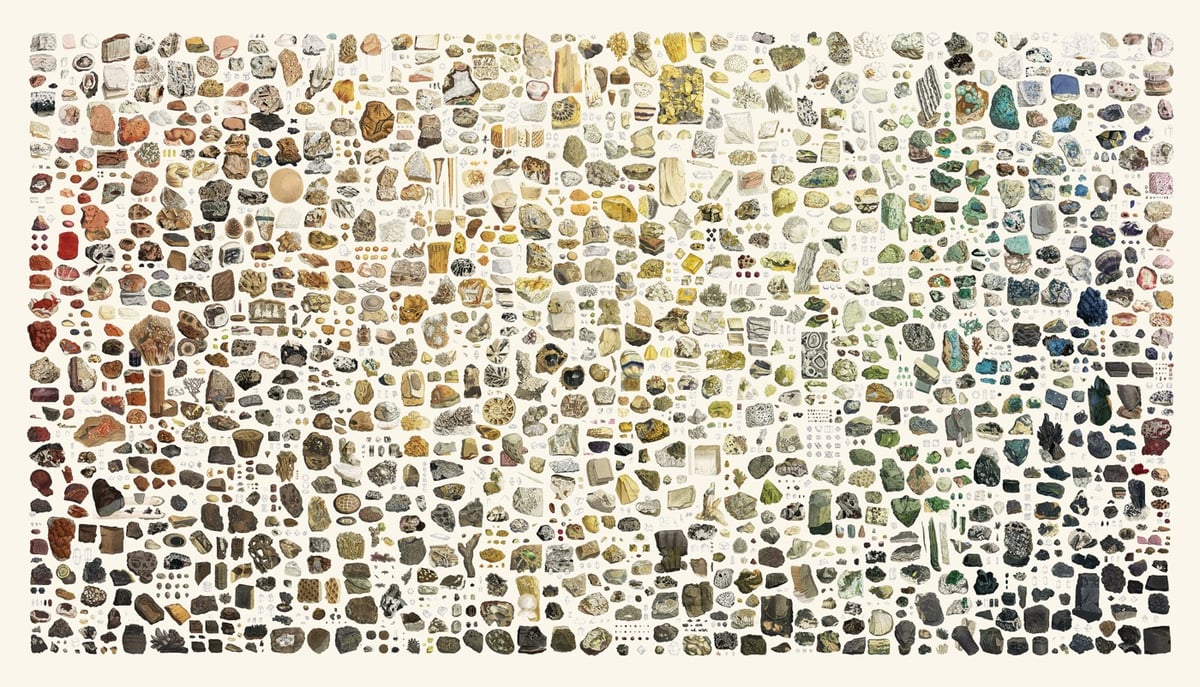

I love this zoomable interactive display of British & Exotic Mineralogy. To create it, Nicholas Rougeux collected 718 hand-drawn mineral illustrations by James Sowerby sourced from a pair of multi-volume books called British Mineralogy and Exotic Mineralogy, published between 1802 and 1817. Then he arranged them according to hue and brightness in a collage worthy of Knoll.
British Mineralogy and Exotic Mineralogy comprise 718 illustrations by James Sowerby in an effort to illustrate the topographical mineralogy of Great Britain and minerals not then known to it. Sowerby’s plates are some of the finest examples of hand-drawn mineral illustrations ever created. The detail and care with which these illustrations were created is incredible and worthy of close examination. See the samples below.
And, oh boy, he’s selling posters of it too.
Some compelling evidence that SARS-CoV-2 spreads through the air, not just through droplets. “It’s unambiguous evidence that there is infectious virus in aerosols.”
Study Suggests That Some Masks Are Much Better than Others

A new study on masks that measures the number of droplets emerging from the mouth during speech shows that properly fitted N95, surgical, and polypropylene masks are best, layered cotton masks are good, bandanas are not great, and neck gaiters may be worse than wearing no mask. Here’s a Washington Post article about the study.
I have some issues with this study — most masks were tested by only one speaker and mask materials were not identified precisely1 — but when combined with other studies about masks, it is clear that surgical masks or masks that are made with similar materials (polypropylene non-woven fabric) are what you want to shoot for, you want multiple layers for more protection (no single-layer microfiber gaiters), homemade cotton masks are pretty good (but would be better with a layer of polypropylene non-woven fabric), proper fit matters, and for god’s sake, stop wearing a bandana as a mask. Yes, bandanas are convenient, but you’re probably trading safety for that convenience, especially if you factor in the amount of time you’ll be wearing a mask over the next several months. A proper mask is going to protect you and your neighbors much more over the long haul — it’s just common sense at this point.
Re: the tested neck gaiter being worse than wearing no mask: the hypothesis is that the gaiter’s material splits large droplets into smaller ones, hence the higher count.
We noticed that speaking through some masks (particularly the neck fleece) seemed to disperse the largest droplets into a multitude of smaller droplets (see Supplementary Fig. S5), which explains the apparent increase in droplet count relative to no mask in that case. Considering that smaller particles are airborne longer than large droplets (larger droplets sink faster), the use of such a mask might be counterproductive.
Here’s what I’m taking away from this and other mask studies: wear the highest quality mask you can locate (multi-layered, incorporating surgical mask materials) that fits properly and, secondarily, is comfortable & convenient. For me, that’s a two-layer cotton mask (like these Vida masks) with an inserted layer of polypropylene non-woven fabric. An N95 would be much better in terms of efficacy, but it’s overkill in most situations (particularly here in VT, where rates continue to be low) and is difficult to fit properly and quickly. (via @EricTopol)
Update: Slate’s Susan Matthews goes into more detail about the problems with this study and the conclusions that others are drawing from it.
The purpose of the research was to establish that the testing method worked in principle-not to come up with meaningful or accurate verdicts about particular masks.
But she also concludes (correctly, in my mind):
Should you think twice about wearing just a gaiter inside, in close proximity to other people? Yeah, a fitted mask is probably better. But you didn’t need this study to tell you that.
(via @BrianDau)
Update: But interesting to note that in this test, scarves, bandanas, and microfiber neck gaiters came in last.
What is a “gaiter type neck fleece” made out of exactly? If you look at the photo, it doesn’t look like fleece so much as microfiber polyester, which is what my kids wear for skiing. This article says the neck gaiter was “made of polyester mixed with a little spandex”, which is definitely not fleece. My guess is they tested a one-layer microfiber gaiter and that higher quality gaiters would perform better (but still not as well as a surgical mask).↩

QAnon, Conspiracy Theories, and the Rise of Magical Thinking
Kirby Ferguson, creator of the Everything Is a Remix and This Is Not a Conspiracy Theory video series, has a new video out that attempts to explain the rise of QAnon, conspiracy theories, and magical thinking in America.
Ferguson zeros in on the divide between two different ways people make sense of a complex, chaotic, and uncertain world: evidence seeking and magical thinking. All of us employ both of these techniques to help ease our anxiety about the world, but those who tend towards magical thinking arrive at explanations that are based primarily on instinct, emotion, feelings, and gut reaction while evidence seekers mostly rely on scientific and empirical reasoning.
He also identifies six main aspects of magical thinking:
1. Obsession with symbols and codes (e.g. pizza as a “deep state” code for child trafficking)
2. Dot connecting (e.g. linking 5G with Covid-19)
3. Behind every event is a plan concocted by a person (e.g. Soros and the “deep state” conspiracy)
4. Purity (e.g. the Satanic panic and heavy metal music)
5. Apocalypse is nigh (e.g. the “deep state” again)
6. Preoccupation with good and evil (e.g. liberals are not only wrong but evil)
For me, the key quote about magical thinking is this one for late in the video: “These are not systems of knowledge, and they cannot build solutions. They can only criticize and second-guess.”
Why Police Reform Doesn’t Work In America
With the help of Harvard historian Khalil Gibran Muhammad, this video from BuzzFeed documents investigations into police brutality and racism from the past century and how reforms based on those investigations have not brought about meaningful change. These reports — exploring the causes of unrest in Chicago in 1919, Harlem in 1935 & 1943, LA in 1965, Ferguson in 2014 — demonstrate again and again the discriminent violence committed against Black people by the police, and yet that violence and racism continues until the next investigation is conducted with the same conclusion.
Historian Allan Lichtman’s 13 Keys to the White House has correctly predicted the outcome of every Presidential election since 1984 (and retrospectively to 120 years ago). His system predicts a Biden win this year.
Is Everyone Excited About Their Kids Going Back to School?
In the United States, amid high numbers of Covid-19 infections and thousands of weekly deaths, no national plan for testing & tracing, little support for working parents, and individual states and school districts left to their own devices to figure this all out for themselves, schools around the country are trying to “open” for the 2020-2021 school year. At McSweeney’s, Kara Baskin imagines Your School District’s Reopening Survey. Here’s what a hybrid learning model will look like:
This model will combine the key elements of in-person instruction (see above) with remote learning, which we hopefully perfected this spring. Your child will be divided into a cohort (A, B, AB, BC, CC, XVY, MCXLVII, and Depeche Mode) based on careful consideration of his or her learning style, social-emotional needs, friendships, and an algorithm our intern designed this summer. You will need a reliable Internet connection, a work schedule that follows no concrete pattern, a forgiving supervisor, independent wealth, or a Xanax prescription. Please contact our school nurse for the latter.
I sent this link to a friend who is currently evaluating several options for her child’s schooling that range from poor to dangerous, and she replied, “This may be too on the nose to be funny.”
During the 1918 influenza pandemic, there were scattered protests against wearing masks. In SF, ppl were fined or jailed. “Some gave fake names, said they just wanted to light a cigar or that they hated following laws.”
Ballpoint Pen Portraits by Mark Powell
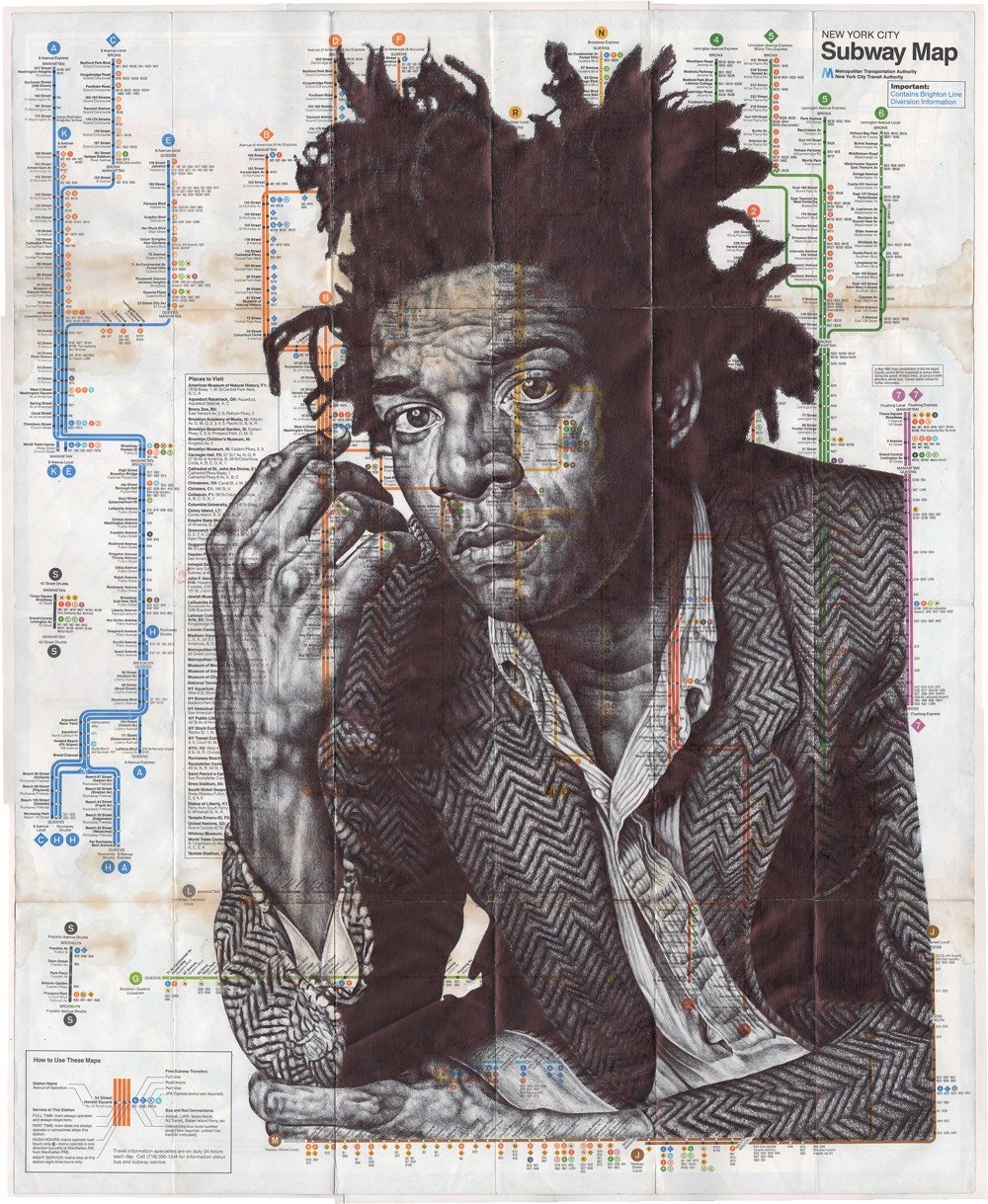

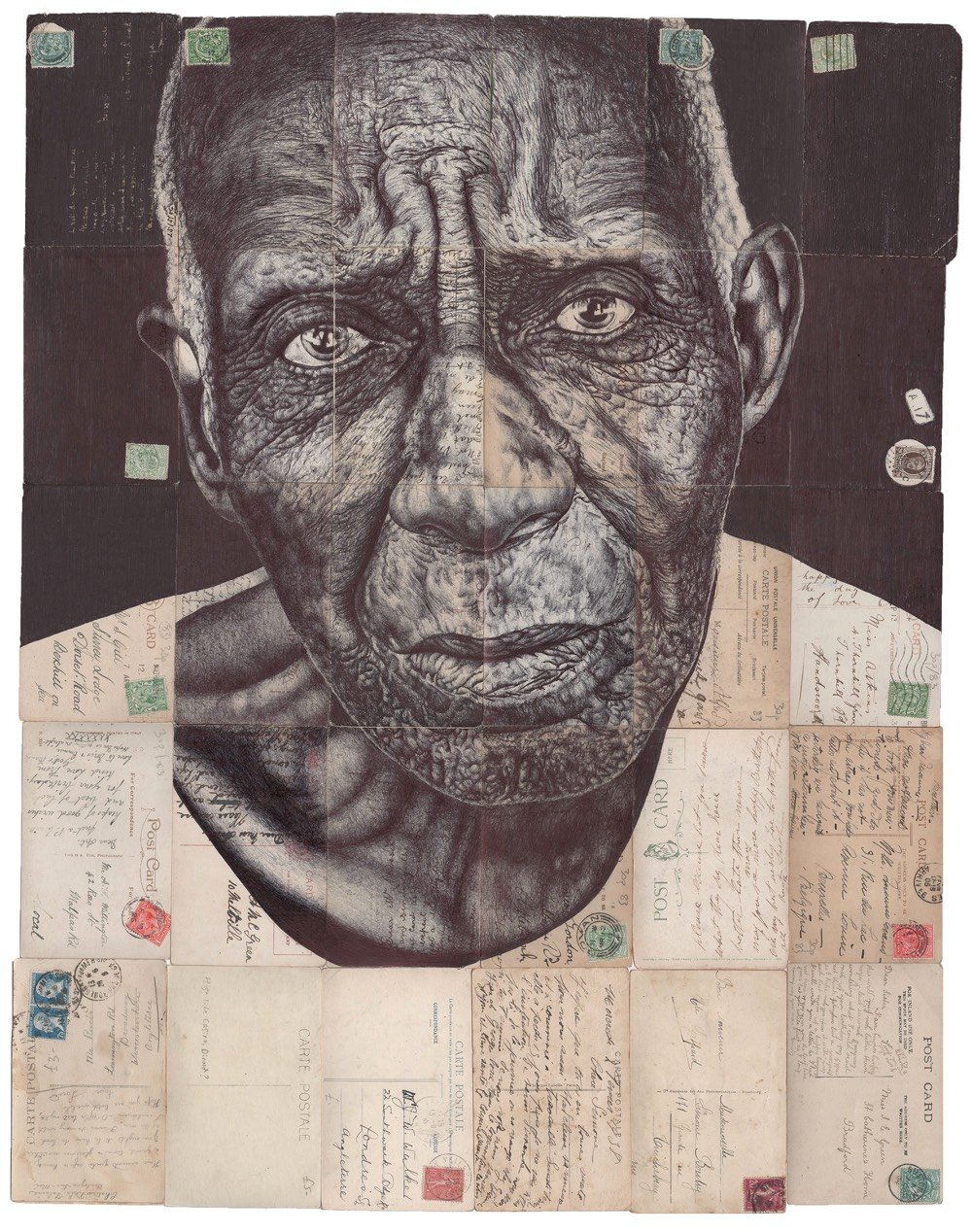
Artist Mark Powell draws portraits on repurposed canvases (old maps, newspapers, ads, postcards) with a ballpoint pen. I could have sworn I’d featured Powell’s work before, but I was probably thinking of the work of Ed Fairburn or Matthew Cusick.
The best way to check out Powell’s work is on Behance or on his website (where he has prints and originals for sale). (via colossal)
The Kardashev Scale. Categorizations of “Type I, II and III civilizations [are] based on their ability to extract and utilize the power in their planet, star and galaxy, respectively.”
From Nature: How the pandemic might play out in 2021 and beyond. “This coronavirus is here for the long haul – here’s what scientists predict for the next months and years.”
Download the plans to build a nesting box for the Great Crested Flycatcher. They’re declining in population in the Northeast, Midwest, and the Southwest.
Five Months of the Virus in NYC

Photographer Daniel Arnold and editor Dodai Stewart collaborated on a photoessay documenting the first five months of the pandemic in NYC. That image above is just…wow.
See also COVID-19 Empties Out Public Spaces.
A Livestream Reading of Emily Wilson’s The Odyssey Translation

On two consecutive weekends in late August (Aug 20-22 & Aug 27-29), the Oklahoma Contemporary museum will be livestreaming a reading of Emily Wilson’s excellent translation of The Odyssey. Wilson herself will be joined in reading the entire book by folks like actress Bebe Neuwirth, singer-songwriter Leslie Feist, writer Rebecca Nagle (who I’ve been listening to on the fascinating and infuriating This Land podcast), Oklahoma City mayor David Holt, and several other folks.
The exact schedule is TBD, but the event will be streamed on YouTube and Facebook. Check back here for details closer to the date. (thx, sarah)
Elena Ferrante’s The Lying Life of Adults

The English translation of Elena Ferrante’s latest novel, The Lying Life of Adults, is due out at the beginning of September and is available for preorder (Kindle). Here’s the synopsis:
Giovanna’s pretty face is changing, turning ugly, at least so her father thinks. Giovanna, he says, looks more like her Aunt Vittoria every day. But can it be true? Is she really changing? Is she turning into her Aunt Vittoria, a woman she hardly knows but whom her mother and father clearly despise? Surely there is a mirror somewhere in which she can see herself as she truly is.
Giovanna is searching for her reflection in two kindred cities that fear and detest one another: Naples of the heights, which assumes a mask of refinement, and Naples of the depths, a place of excess and vulgarity. She moves from one to the other in search of the truth, but neither city seems to offer answers or escape.
The Guardian and the Washington Post have reviews of the Italian version of the book. And Netflix has already announced that they’re producing a TV series based on the novel; here’s a short teaser:
The series is being made by the same folks responsible for HBO’s My Brilliant Friend series (based on Ferrante’s Neapolitan novels), which has been outstanding in its two seasons so far.
Bisa Butler’s Colorful Quilted Portraits of Black Americans
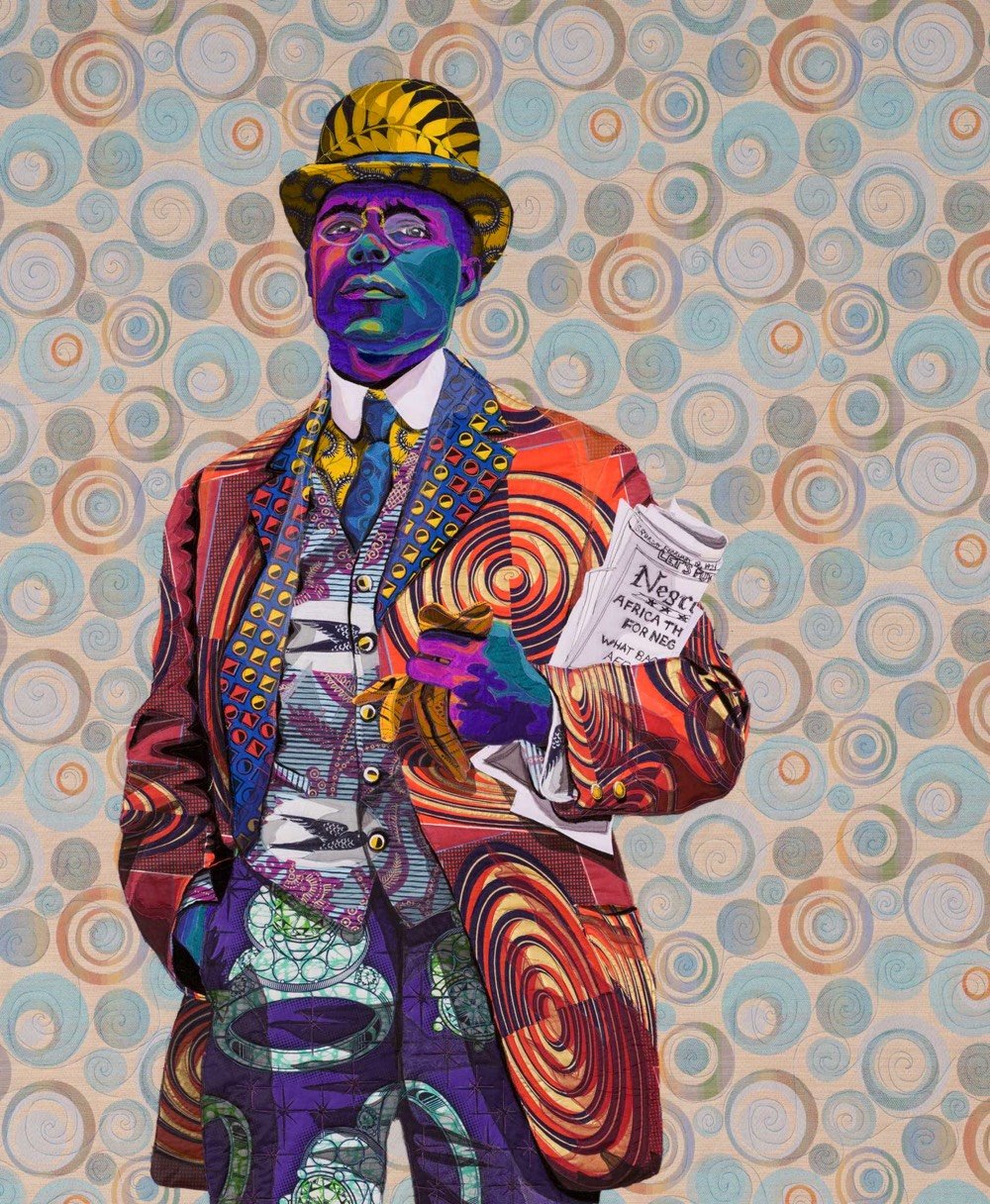
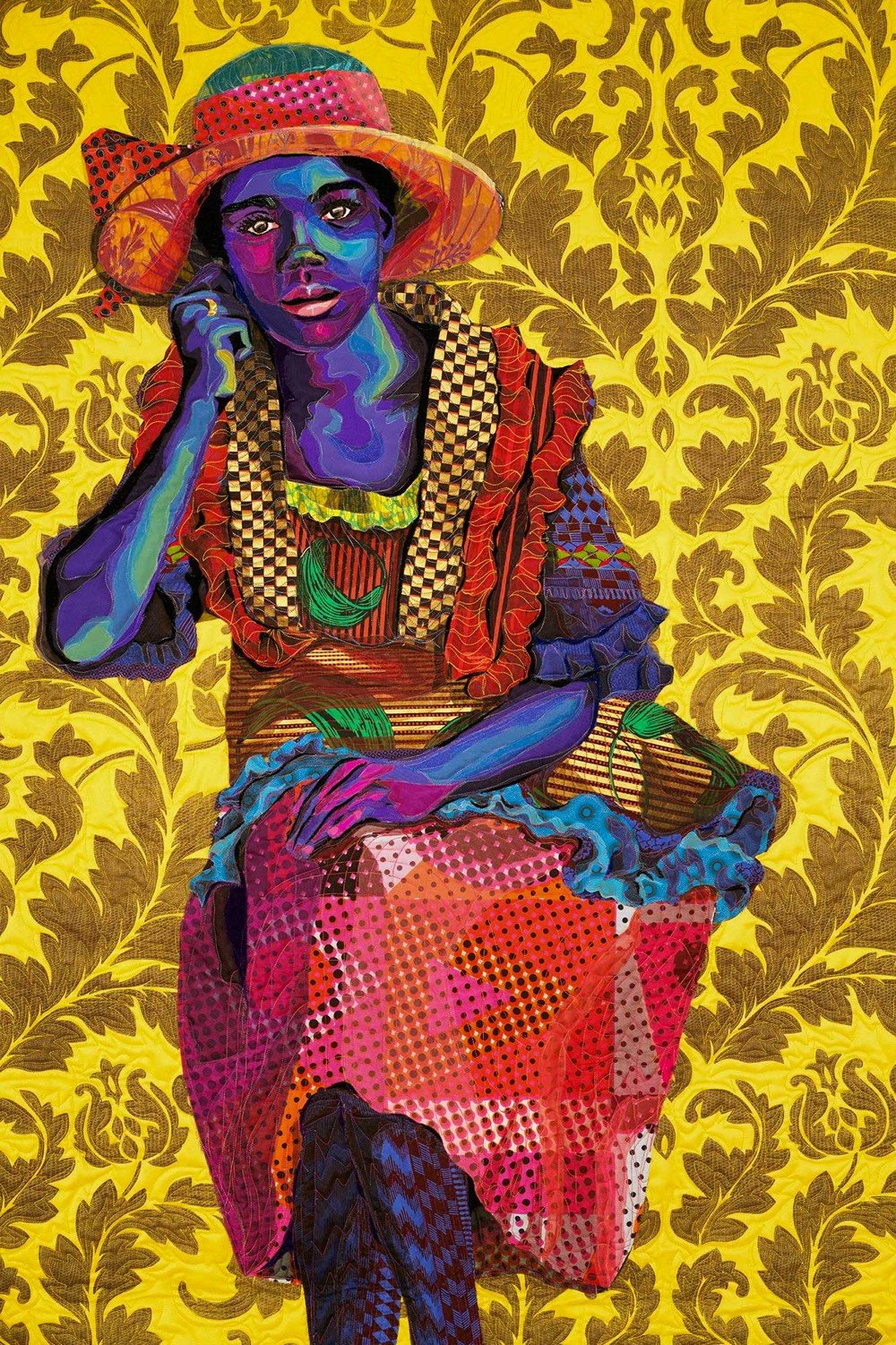
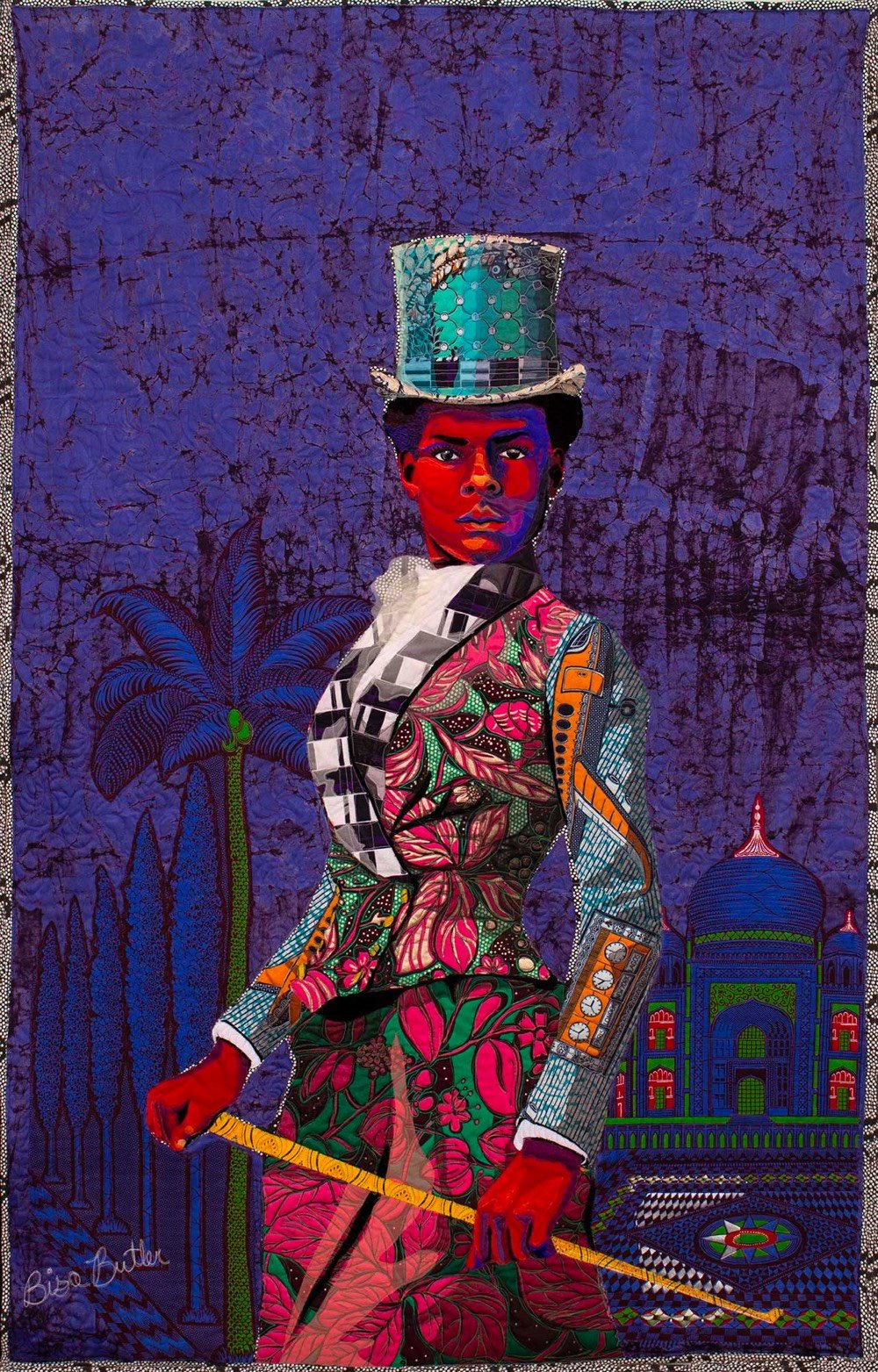
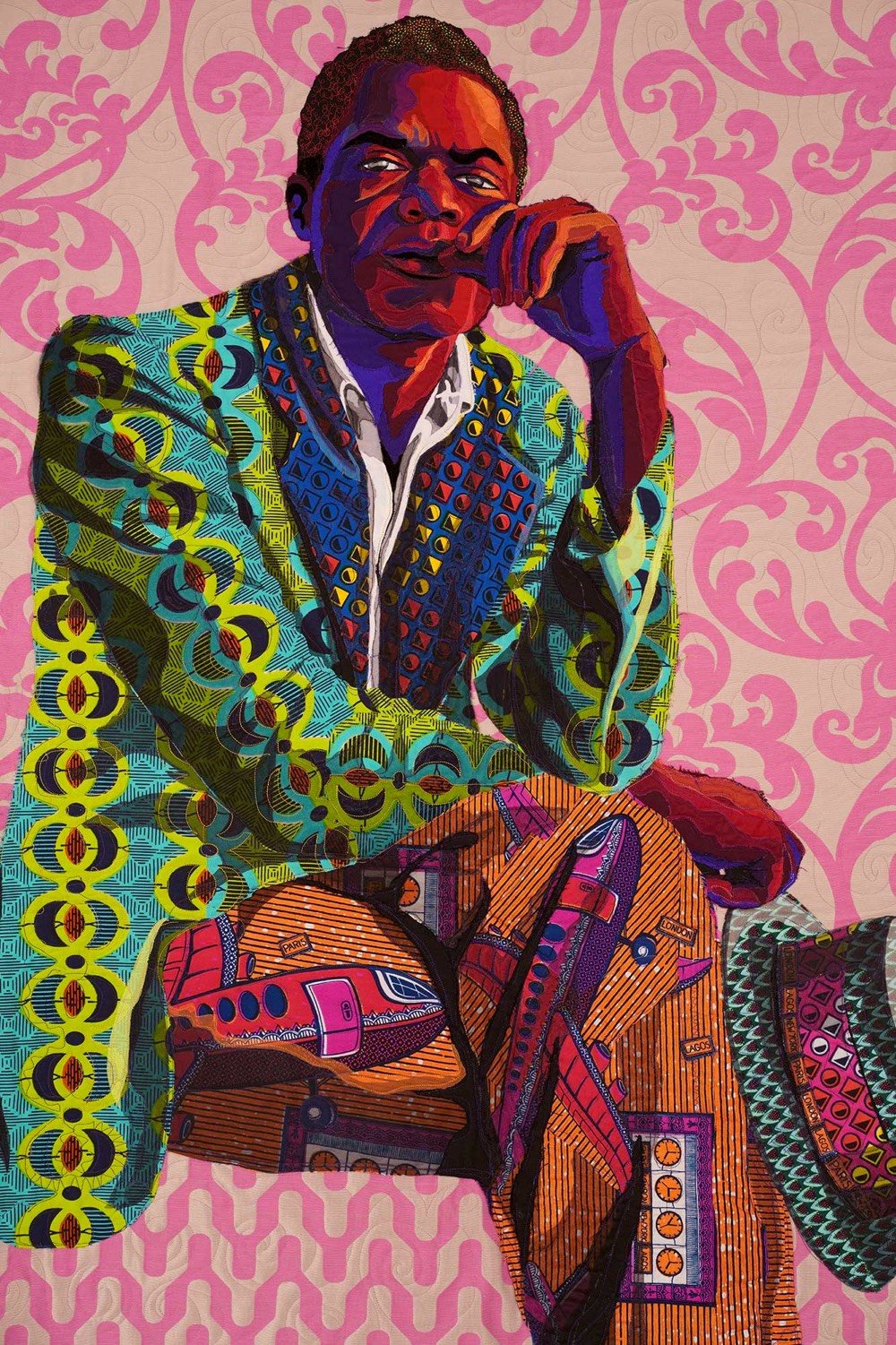
Using colorful African textiles, Bisa Butler makes large quilted portraits of Black Americans. From a statement on her gallery’s website:
In my work, I am telling the story — this African American side — of the American life. History is the story of men and women, but the narrative is controlled by those who hold the pen.
My community has been marginalized for hundreds of years. While we have been right beside our white counterparts experiencing and creating history, our contributions and perspectives have been ignored, unrecorded, and lost. It is only a few years ago that it was acknowledged that the White House was built by slaves. Right there in the seat of power of our country African Americans were creating and contributing while their names were lost to history.
In this short video, you can see how Butler creates her portraits. Look at the amazing sewing machine she uses — it’s got a steering wheel!
You can see more of her work on Instagram and in person at the Katonah Museum of Art in New York through Oct 4, 2020 and at the Art Institute of Chicago starting in November.
Update: I swapped out the previous video embedded above for a longer one that includes sound and an interview w/ Butler. (via @10engines)
Miles Davis’s Famous Chili Recipe
Jazz legend Miles Davis? That dude could cook. He could cook in the studio, on stage, and in the kitchen. One of his favorite dishes to make was a chili recipe he concocted through practice and improvisation: Miles’s South Side Chicago Chili Mack. Here’s the ingredients list:
1/4 lb. suet (beef fat)
1 large onion
1 lb. ground beef
1/2 lb. ground veal
1/2 lb. ground pork
salt and pepper
2 tsp. garlic powder
1 tsp. chili powder
1 tsp. cumin seed
2 cans kidney beans, drained
1 can beef consommé
1 drop red wine vinegar
3 lb. spaghetti
parmesan cheese
oyster crackers
Heineken beer
You’ll have to click through for the instructions (as well as another of Davis’s chili recipes) but I will reveal that the last step is “Open a Heineken.”
See also the hamburger recipes of Dean Martin (minimalist), Frank Sinatra (even more minimalist), and Ernest Hemingway (surprisingly maximalist). (via @tedgioia)
The User Experience Design of Lego Interface Panels
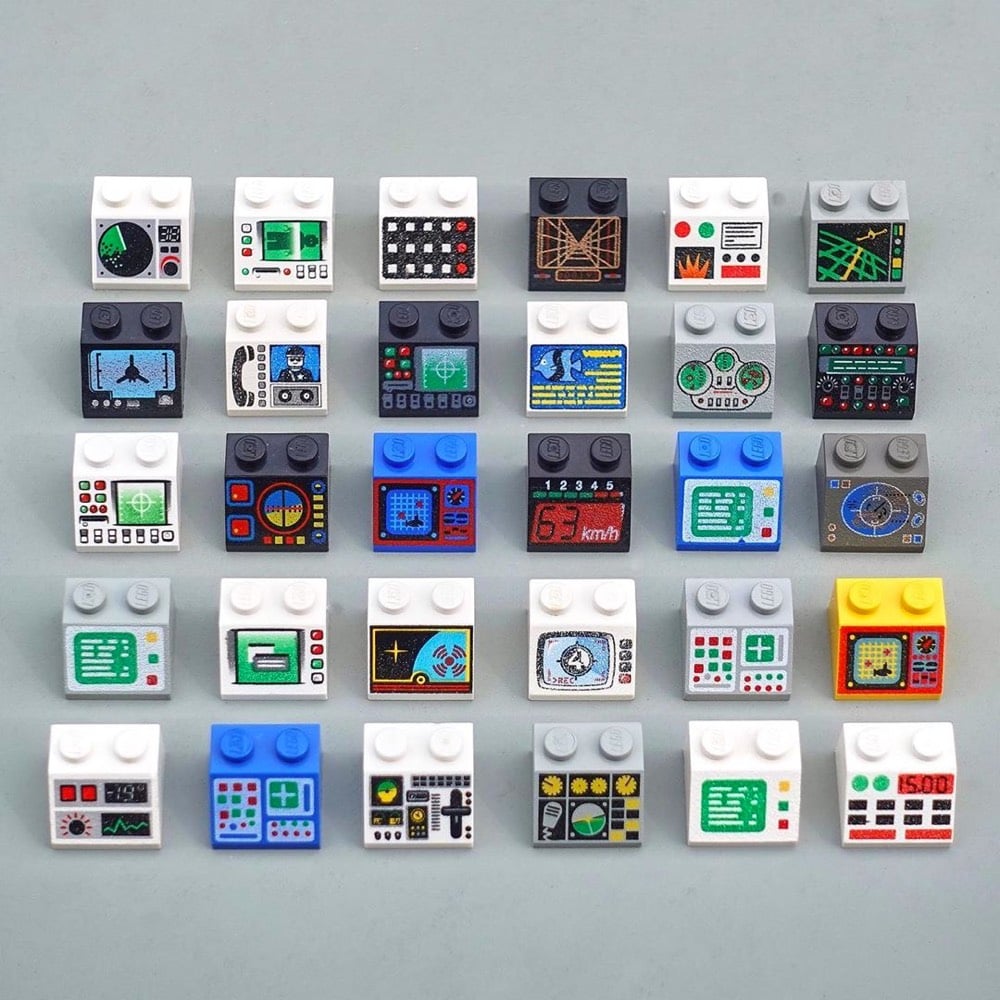
I thought George Cave’s The UX of LEGO Interface Panels was going to be a fun distraction, but it’s actually a great layperson’s explanation, using familiar Lego pieces, of how interfaces work in the real world and the design considerations that go into building them.
Shape coding is one approach to differentiation, but there are many others. Colour coding is perhaps the only one to break into our everyday vocabulary, but we can add four more: size, texture, position and operation coding. Together these six are our allies in the design of error-proof interfaces.
Size, shape and colour-coding are the fundamentals: quick-wins that can fix a lot of interface problems. Texture is also a great differentiator for blind operation, particularly on small dials requiring precise control.
(via sidebar)
Scientists rename human genes to stop Microsoft Excel from misreading them as dates. “It looks like you’re entering genetic data. Would you like me to muck it up for you?”
New York’s Attorney General has filed a lawsuit against the NRA alleging fraud and seeking to dissolve the organization. The NRA is a terrorist organization – good riddance.
I’m Thinking of Ending Things, a New Film from Charlie Kaufman
I’m Thinking of Ending Things. Charlie Kaufman (Being John Malkovich, Eternal Sunshine of the Spotless Mind, Adaptation), director. Łukasz Żal (Ida, Cold War), cinematographer. Jesse Plemons (Friday Night Lights), Jessie Buckley (Chernobyl), Toni Collette (too many amazing things), David Thewlis (Lupin from Harry Potter). Adapted from I’m Thinking of Ending Things by Iain Reid. Netflix. September 4. Trailer above. Excited! Bye.
Extending American Sign Language Vocabulary With Signs for “Coronavirus” and “TikTok”

The Instagram account thefamilyvocab features videos of words & phrases in sign language that are not part of standard ASL.
Our aim is to play with sign language and expand my child’s visual vocabulary with signs that are not part of standard ASL. It’s only 200 years old and still thriving and evolving.
I love this. So far, they’ve done words like pho, Black Lives Matter, TikTok (I really like this one), Brexit, coronavirus, emoji (I like this one too), gentrification, and dozens of others. They’re creating new signs, taking suggestions from followers, and sourcing signs from other sign languages from around the world. (via youngna)
A meticulous restoration of Manhatta, a short documentary film about NYC made by Charles Sheeler and Paul Strand in 1921. It’s considered the first avant-garde film made in America.
Immunology Is Where Intuition Goes to Die. Great piece by Ed Yong on how the human immune system works, both generally against viruses and specifically against SARS-CoV-2.
Watch Popcorn Popping in Super Slow Motion (100,000 fps)
Popped popcorn kernels are like snowflakes: no two are alike. If you watch popcorn popping at the ludicrously slow speed of 100,000 fps, you can see these individualized forms flowering into existence. Pro tip: turn off the upbeat music on the video and supply a mellower soundtrack of your own — slow motion video requires meditative music.
See also How to Make Popcorn Using a Blow Torch & Hair Dryer. (via moss & fog)
Defund the Police? We’ve Already Done It Successfully in America.
The American system of law enforcement is so deeply embedded into our national psyche that if you find the idea of defunding or abolishing the police challenging, I don’t blame you. But imagine calling an ambulance because a loved one was having trouble breathing or was suffering a stroke and, instead of the expected trained paramedics, a man with a gun showed up. Not great, right? As Jamie Ford explains in this thread, that was not unusual in America until recently.
Until the 70s, ambulance services were generally run by local police and fire departments. There was no law requiring medical training beyond basic first-aid and in many cases the assignment of ambulance duty was used as a form of punishment.
As you can imagine, throwing people with medical emergencies into the back of a paddy wagon produced less than spectacular health outcomes. Now imagine how much worse it became when disgruntled white police officers were demoted to ambulance duty in black neighborhoods.
From Kevin Hazzard’s The First Responders:
Emergency care was mostly a transportation industry, focused on getting patients to hospitals, and it was dominated by two groups: funeral homes and police departments. Call the local authorities for help and you’d likely get morticians in a hearse or cops in a paddy wagon. If you received any treatment en route to the hospital — and most likely you did not — it wouldn’t be very good. At best, one of the people helping may have taken a first-aid course. At worst, you’d ride alone in the back, hoping, if you were conscious, that you’d survive.
Pittsburgh’s Freedom House Ambulance Service changed all that, ushering in a new era of much improved medical care for communities around the US.
Together the two men hashed out a plan: Hallen would raise the money, Safar would contribute his medical expertise, and together they would design advanced ambulances and teach paramedics to provide care on the scene of an accident or emergency. It would be a pioneering medical effort, and Hallen, who was white, suggested another first. The Falk Fund was committed to mitigating racism, and Hallen wanted to staff the service with young black men from the Hill. He hoped that empowering individuals long deemed unemployable would be a source of pride in the black community, a symbol of equality, and a signal that bigoted notions about the black people of Pittsburgh standing in their own way were nonsense.
To help with recruitment, Hallen and Safar partnered with an organization called Freedom House Enterprises, a nonprofit dedicated to establishing and supporting black-run businesses in the city. Freedom House handled staffing for the fledgling ambulance service and recruited the first class of paramedics, including Vietnam veterans and men with criminal records.
So this is a great instance in which armed and untrained police officers have been relieved of a particular responsibility and replaced with specially trained personnel, resulting in a greatly improved outcome for members of the community. If you want other examples, just think about how odd, unhelpful, and dangerous it would be for our communities if the police showed up — armed with a loaded weapon — to collect your garbage, to put out fires, to inspect restaurants, to fix potholes, or to deliver the mail. No, we have sanitation workers, firefighters, public health inspectors, municipal maintenance workers, and postal workers to do these jobs — and they’re all trained in the ins and outs of their particular disciplines.
With these examples in mind, instead of armed personnel handling a wide variety of situations for which they are often not trained, it becomes easier to imagine traffic patrols conducting transportation safety stops, social workers responding to domestic disputes, special crisis centers assisting rape victims, mental health counselors helping people behaving erratically in public, housing guides finding homeless folks a place to stay, student safety coaches helping struggling students navigate school, unarmed personnel responding to property crime, and drug addiction counselors helping drug users stay safe. These are all areas where American communities have applied policing by default, like a flimsy bandaid. It’s ineffective, expensive, and dangerous, and communities should think seriously about supporting and funding alternatives that will be more effective, cheaper, safer, and produce better outcomes for everyone.
Update: See also (hear also?) 99% Invisible’s episode on the Freedom House Ambulance Service.
Transfiguration: An Ever-Evolving Walking Figure
First conceived and implemented in 2011, Universal Everything’s walking figure has been remastered and rebuilt from the ground up with the latest digital effects. Transfiguration (2020) treats us to the spectacle of caramel, fire, rocks, smoke, and shrubbery striding around like a person.

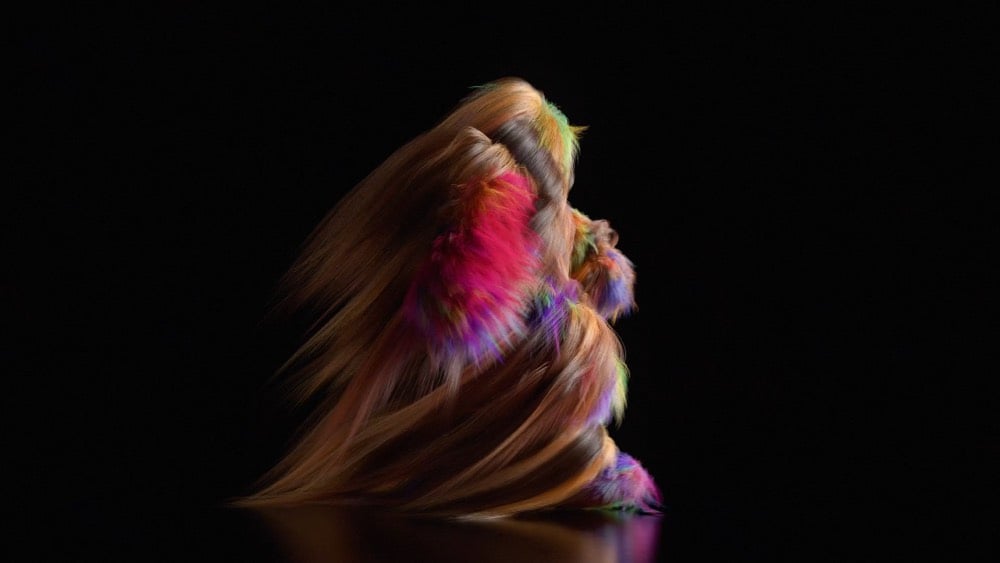
I think the flowers are still my favorite.
Update: Their latest is called Run Forever:
(via colossal)
Shel Silverstein’s “The Tree Who Set Healthy Boundaries”

Shel Silverstein’s The Giving Tree is a famously divisive children’s book because the story can be interpreted as an abusive relationship between a greedy boy and a tree he takes advantage of. Playing off of that interpretation, Topher Payne rewrote the ending of the book so that the tree is still generous, but only up to a point: The Tree Who Set Healthy Boundaries.
“And while we’re on the subject,” the tree said, grabbing him by the collar of his shirt. “I recognize friendships evolve over time, and we may not see each other as often because you don’t have time for your tree friends. But we used to be real tight. Now it feels like I only see you when you need something. How do you think that makes me feel?”
The Boy took a long breath. He felt a sour rumble in his stomach. Because he realized he hadn’t considered his friend’s feelings. “I bet it makes you feel bad,” said the Boy.
(via waxy)
We Need to Talk About Ventilation. “How is it that six months into a respiratory pandemic, we are still doing so little to mitigate airborne transmission?”
Nurse to Teachers: Suck It Up!
Kristen McConnell writing for The Atlantic: I’m a Nurse in New York. Teachers Should Do Their Jobs, Just Like I Did.
So I can understand that teachers are nervous about returning to school. But they should take a cue from their fellow essential workers and do their job. Even people who think there’s a fundamental difference between a nurse and a teacher in a pandemic must realize that there isn’t one between a grocery-store worker and a teacher, in terms of obligation. People who work at grocery stores in no way signed up to expose themselves to disease, but we expected them to go to work, and they did. If they had not, society would have collapsed. What do teachers think will happen if working parents cannot send their children to school? Life as we know it simply will not go on.
Oh yes, that is a totally awesome thing our brave grocery store workers did for us out of a sense of obligation and not because their choice was between risking their health and losing their job in a country with a terrible social safety net. But let’s leave that to one side for a second.
I think many more people would support (and indeed rapturously welcome) kids going back to school if a) there were many fewer cases of Covid-19 in the US, b) if the federal and state governments were doing more testing, tracing, and isolation & support of those who test positive, c) if there was more support for parents, and especially low-income folks, with other options around education and childcare (more on that below), and d) if the mask issue wasn’t so contentious in some parts of the country. Oh and don’t forget that even before any of this happened, teachers regularly used their own money and held online fundraisers to buy necessary school supplies for their classrooms.
Blaming teachers for not wanting to go back to work because their country and communities can’t or won’t do the hard work of making it safe is ridiculous. It’s not fair to ask them to do their part when others with greater responsibility to act are not. Someone has been watching too many war movies where soldiers dying due to the negligence, incompetence, or bad intentions of their superiors is played off as patriotic service & bravery instead of murder.
And this…this is just flat out false:
(And parents who want their children to stay home have that option, whether through homeschooling or continued remote learning.)
Rich people with reliable internet access and extra computers lying around have that option, and it’s a terrible option if those parents work (especially if they’re single parents). A huge chunk of America does not.1 If, by some miracle, the federal government started paying people to stay home from work to help their kids with school, gave everyone a laptop stipend (as well as enough money so that kids have access to meals that they might usually get through school programs), and ensured internet access to those who don’t have it, that statement would be closer to the truth. As long as we’re waving magic wands, I would like a chocolate pony and a peanut butter unicorn.
I would have been far more sympathetic to McConnell’s case had she made a convincing argument that school is so essential to children that it’s worth the risk to them, their teachers, and their families, that schools and governments are doing the right things to ensure the safety of their students and staff, and that Covid-19 is coming under control in the United States. But she did not.
Update: Sarah Jones rebuts McConnell’s argument for New York magazine: Teachers Aren’t Sacrificial Lambs. No Essential Worker Is.
The idea that remote work and home education don’t qualify as doing one’s part for society is so pernicious that it nearly distracts from McConnell’s core argument, which is both simple and widespread: If work is essential, it must also be sacrificial. That argument is worth examining, not least because it’s likely to reappear as parents cope with another semester at home. McConnell has taken a view expressed most commonly in the pandemic policies of certain large corporations and extended it to teachers. The same thread is visible both in Amazon’s failure to get enough masks to workers and to ensure social-distancing in warehouses and in the insistence that teachers should head back into classrooms, whatever the risk.
I also had a bunch of mail in my inbox this morning, both from teachers and healthcare professionals, poking holes in this poorly argued piece. The Atlantic’s coverage of the pandemic has been outstanding, but this article was just not very good — a rare misfire. (via @zidaya)
In the spring here in Vermont, where cell service and internet can be spotty, there was a steady stream of people asking on local message boards if anyone had extra computers to donate to their kids and where they could find free wifi that was accessible from the parking lot so their kids could sit in the car and do their schoolwork.↩
Basketball Court Repaired Using the Traditional Japanese Art of Kintsugi
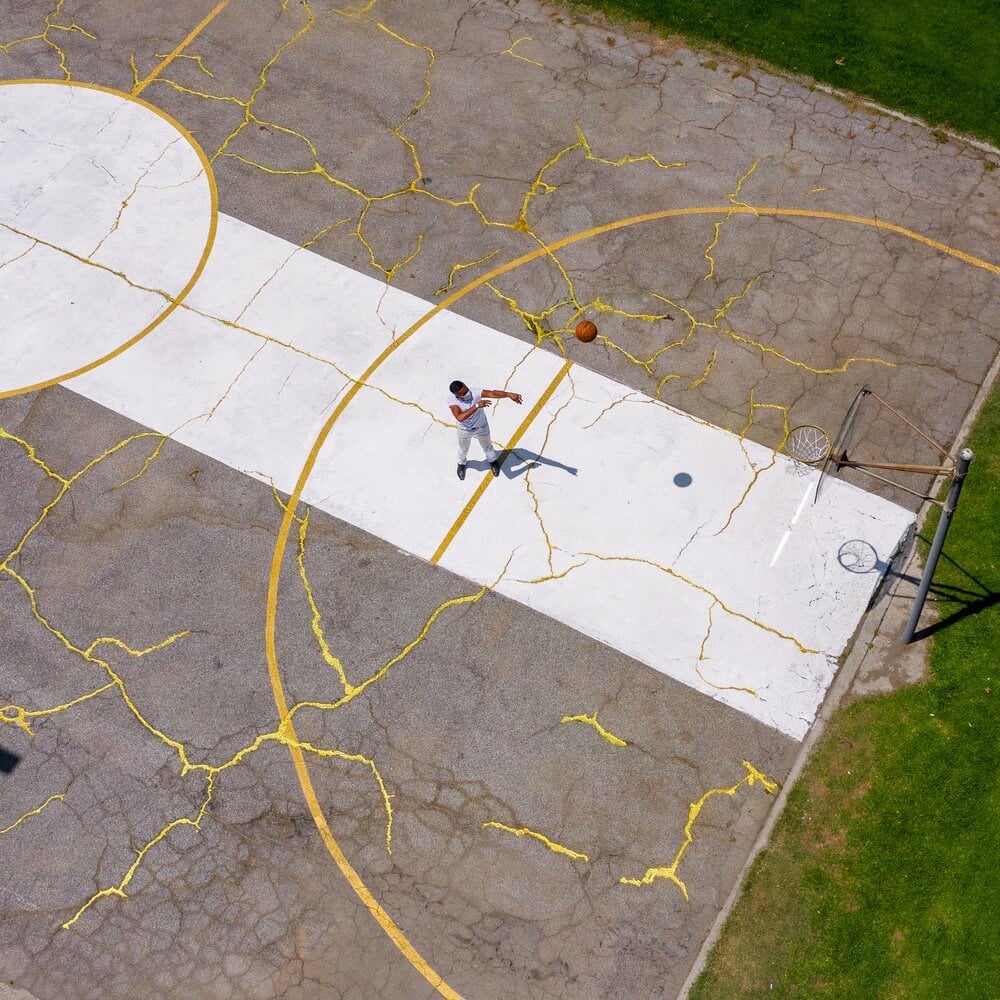
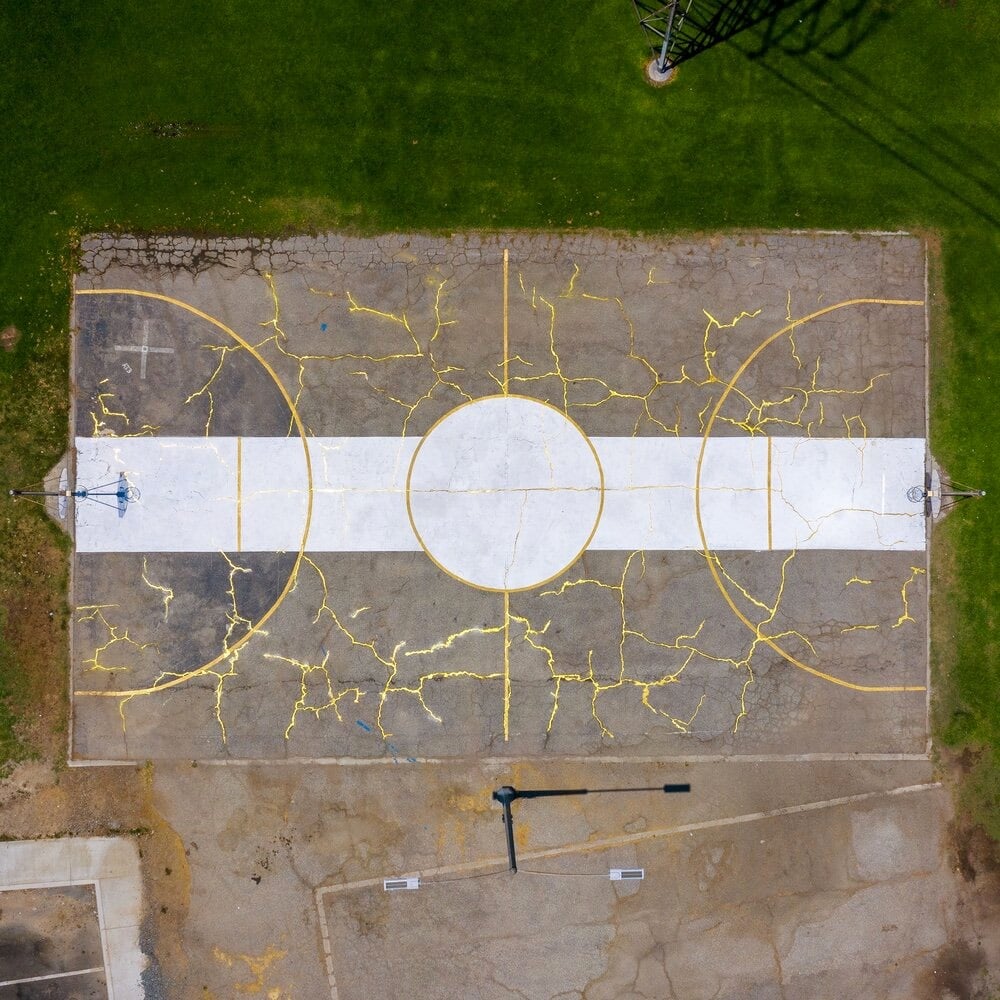
As part of his Literally Balling project, artist Victor Solomon fixed up a rundown basketball court, repairing the blacktop using the Japanese art of kintsugi. Traditionally, the kintsugi method involves repairing pottery with glue mixed with gold powder, which results in visible cracks, a reminder of the pottery’s past and what it’s been through. Says Solomon of the project:
With the heartbreaking beginning to 2020 and this weekend’s return of basketball — I’ve been thinking about the parallels between sport as a uniting platform to inspire healing and my ongoing experiments with the technique of Kintsugi that embellishes an objects repair with gold to celebrate it’s healing as formative part of the journey.
(via the kid should see this)
A Long Walk Along Japan’s Historic Nakasendo Highway to Eat Pizza Toast

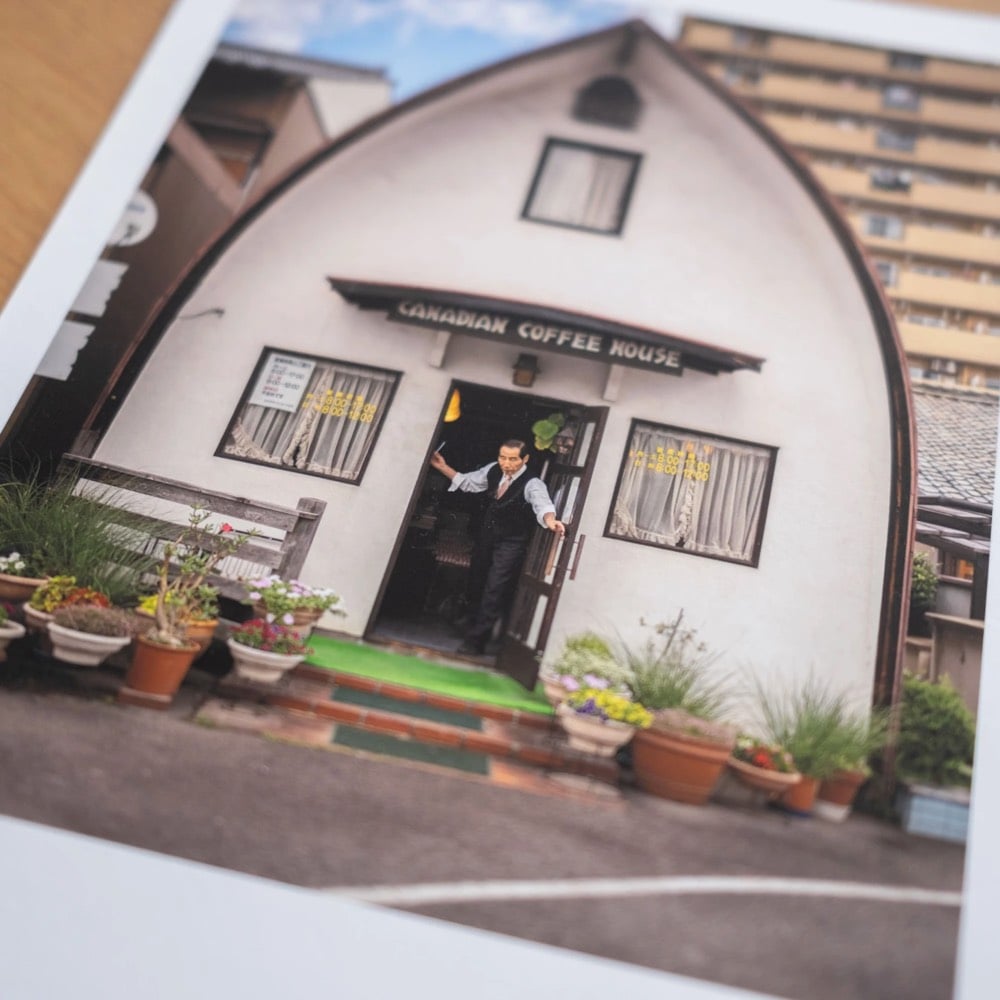
Last year, Craig Mod walked 620 miles from Tokyo to Kyoto along the Nakasendō historic highway and along the way he stopped at kissaten (or kissa), old-school Japanese cafes known for their pizza toast. Mod wrote about his quest late last year for Eater and has now turned a fuller account of the journey into a gorgeous book called Kissa By Kissa.
Those kissaten — or kissa — served up toast. I ate that toast. So. Much. Toast. Much of it pizza toast. If you buy this book, you’ll learn more than you ever dared to know about this variety of toast available all across Japan. It’s a classic post-war food staple. Kissa by kissa, and slice by thick slice of beautiful, white toast, I took a heckuva affecting and long walk. This book is my sharing with you, of that walk, the people I met along the way, and the food I ate.
Even more interesting is that to sell the book, Mod built a Kickstarter clone on top of Shopify called Craigstarter. And he’s released the code for it on Github.
Kickstarter is an excellent way to run a crowdfunding campaign. But if you already have a community built up, and have communication channels in place (via a newsletter, for example), and already run an online shop, then Kickstarter can be unnecessarily cumbersome. Kickstarter’s 10% fee is also quite hefty. By leaning on Shopify’s flexible Liquid templating system and reasonable CC processing fees, an independent publisher running a campaign can save some ~$7,000 for every $100,000 of sales by using Craigstarter instead of Kickstarter. That’s materially meaningful, especially in the world of books.
You can order Kissa By Kissa right here.
Update: Mod made a short video of the proprietor of Būgen, one of the kissaten featured in the book, making pizza toast:
The Winners of the Malofiej International Infographics Awards for 2020
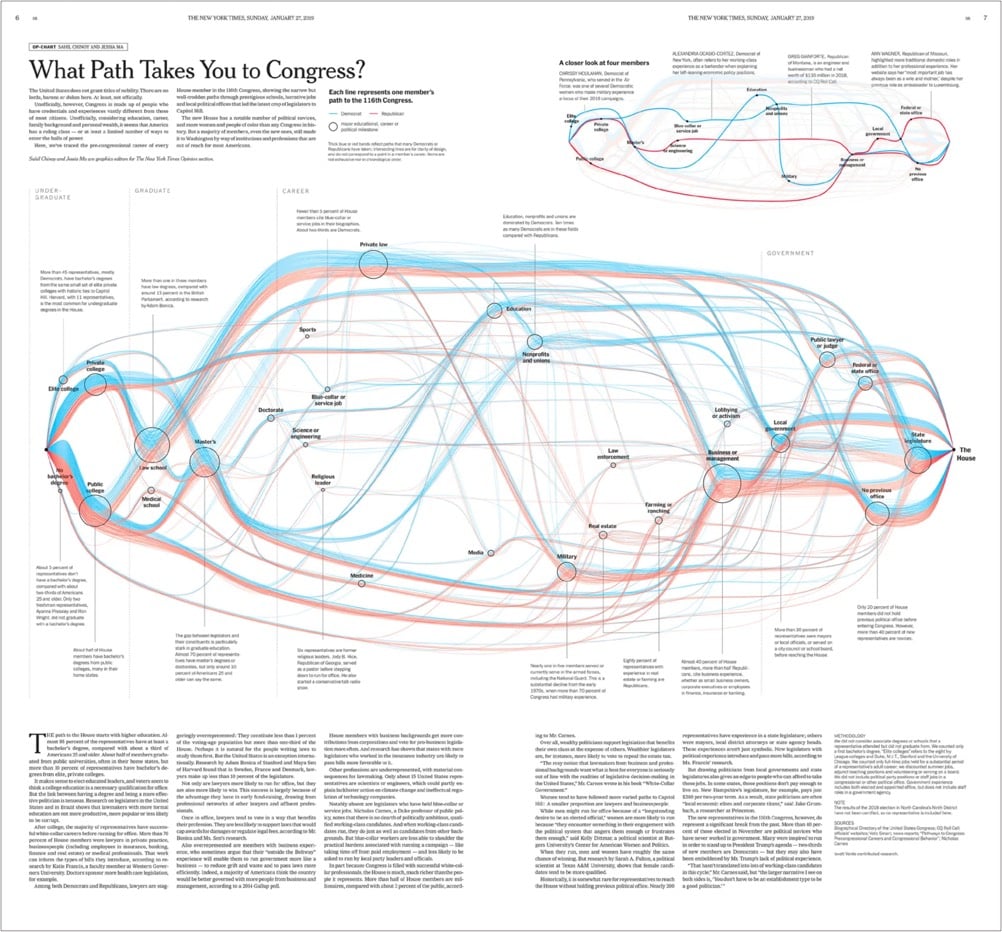
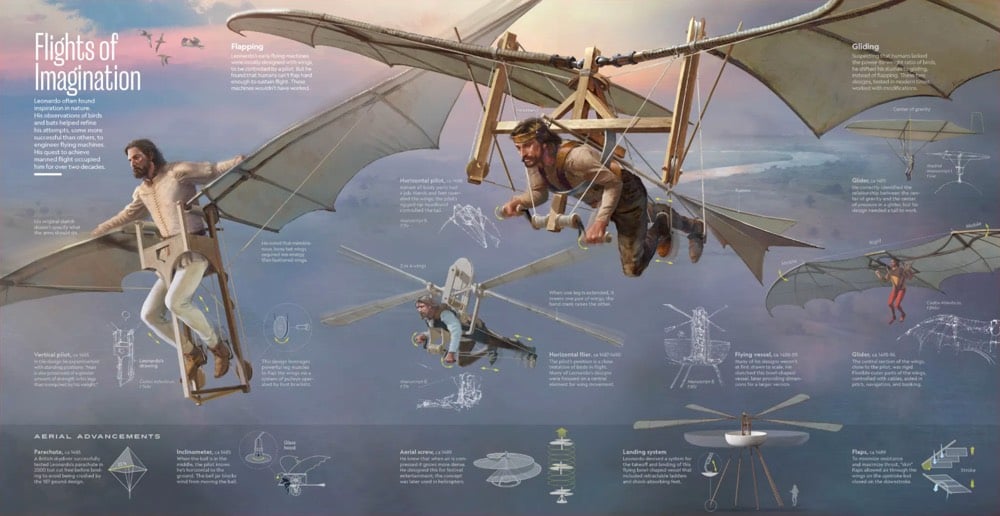
Malofiej have announced their 28th International Infographics Awards for 2020, which they refer to as “the Pulitzers for infographics”. You can check out some of the top infographics here, culled from newspapers, magazines, and online media from around the world. The full list is available here, complete with links to the online winners.
Nirvana’s “Come As You Are” as an old-fashioned swing tune. How can something so wrong feel so right?
Fantastical Overclocked Urban Scenes by Cássio Vasconcellos
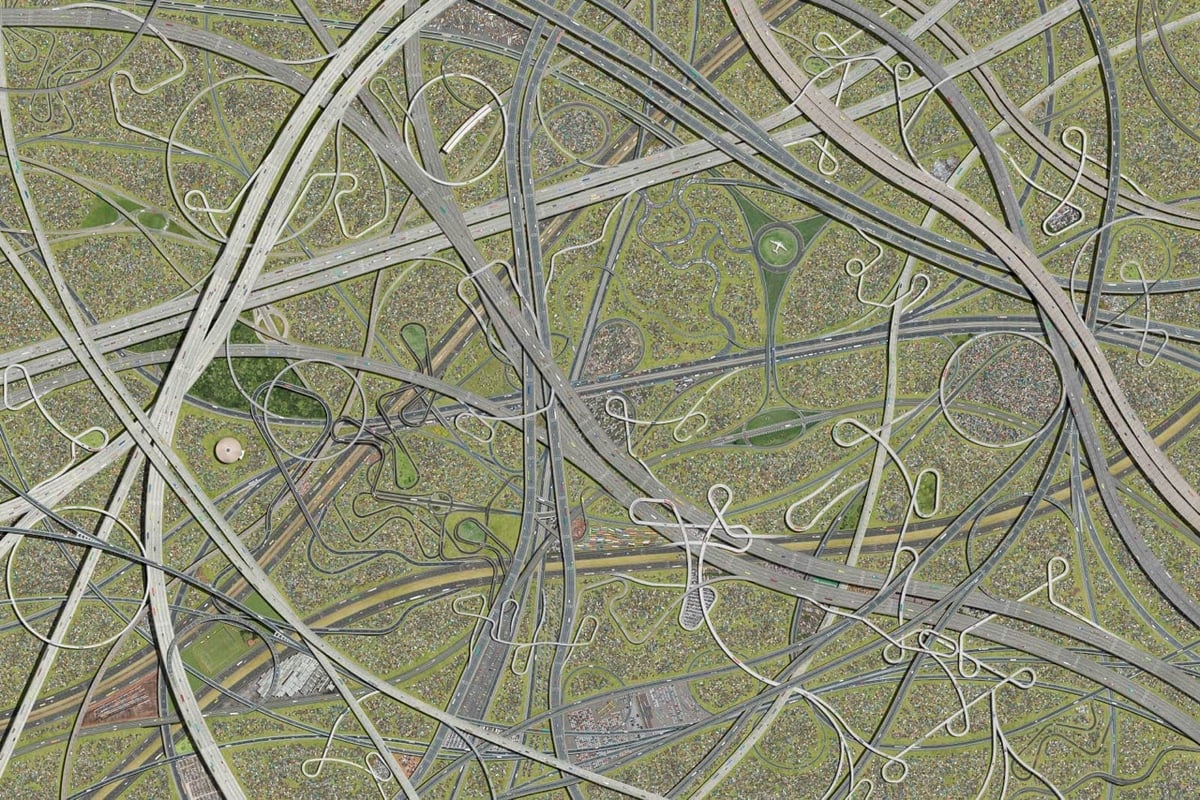
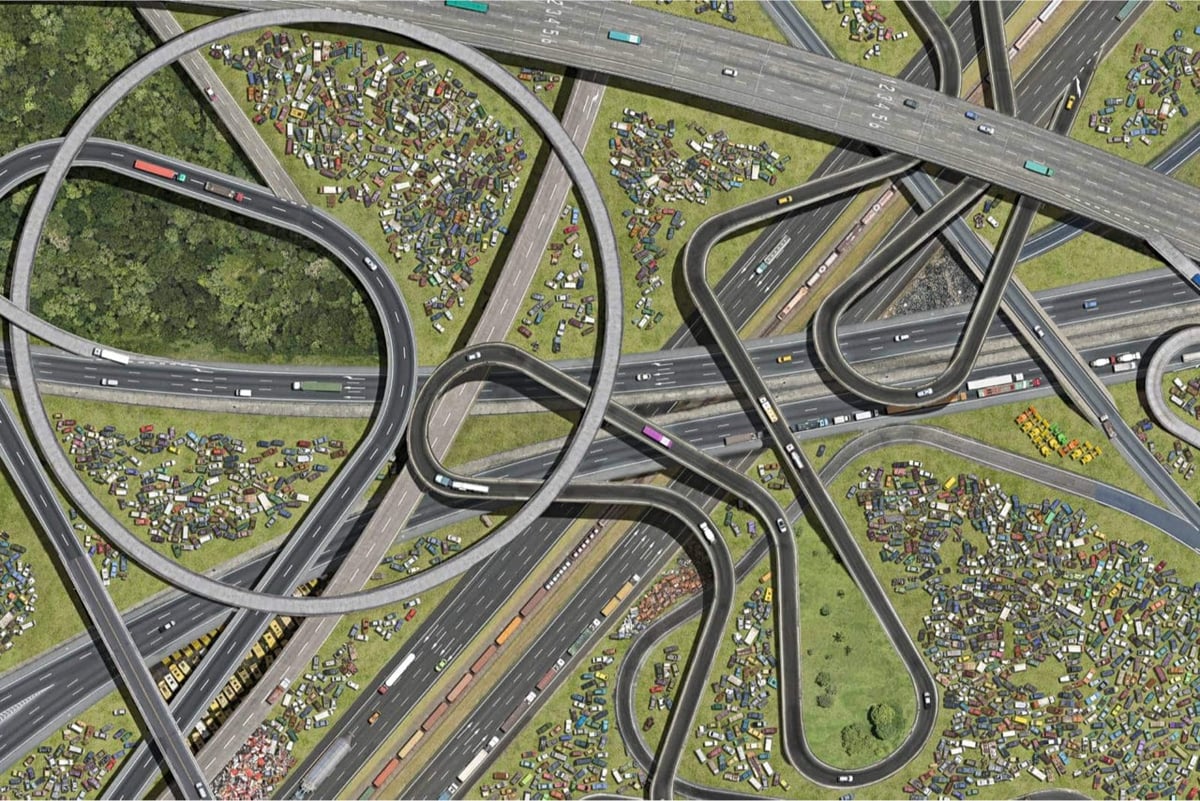
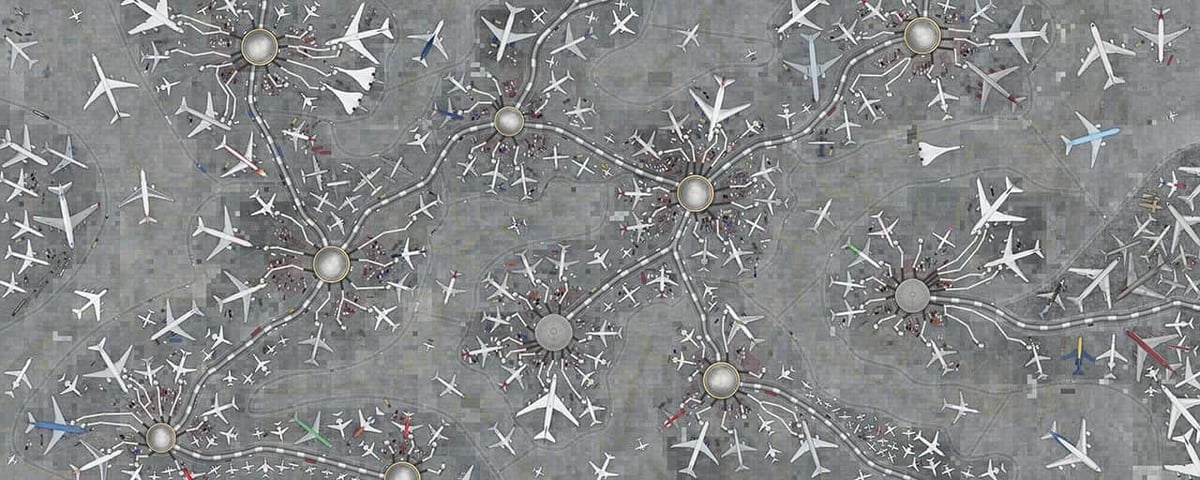
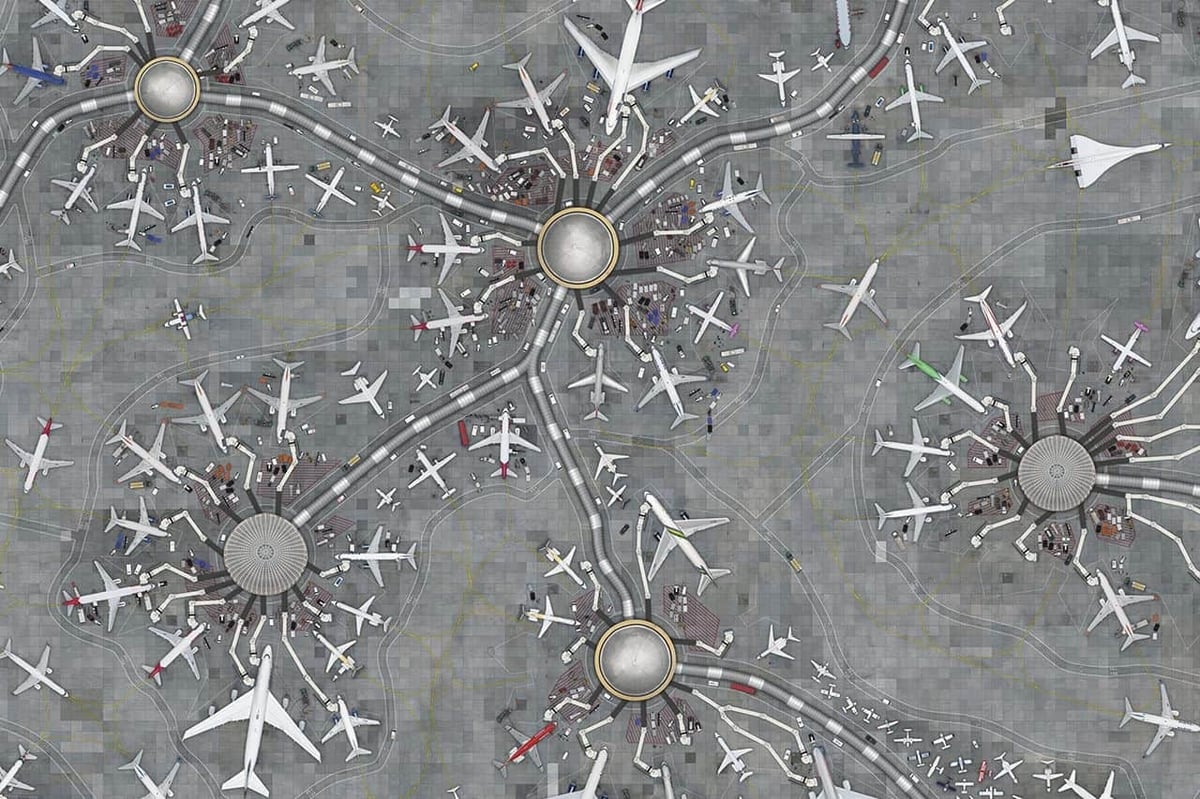
For his Collectives series, Cássio Vasconcellos takes crowded urban scenes and stitches them together to form fantastical patterns of human activity that look abstract from far away but detailed close up. These are great onscreen, but I’d love to see them in person someday. I could imagine looking at the highways one for hours, zooming in and out on all the details.
See also Sporting Events Compressed into Single Composite Photos. (via print)
Loved seeing @austinkleon and his boys’ artwork in the NY Times! “I never went to art school, but being home with my kids turned out to be more inspiring than any art school I can imagine.”
Isabel Wilkerson’s Caste: “An Instant American Classic”
Well, this is a hell of a book review by NY Times critic Dwight Garner about Isabel Wilkerson’s Caste (which I am starting the second it comes out tomorrow).
A critic shouldn’t often deal in superlatives. He or she is here to explicate, to expand context and to make fine distinctions. But sometimes a reviewer will shout as if into a mountaintop megaphone. I recently came upon William Kennedy’s review of “One Hundred Years of Solitude,” which he called “the first piece of literature since the Book of Genesis that should be required reading for the entire human race.” Kennedy wasn’t far off.
I had these thoughts while reading Isabel Wilkerson’s new book, “Caste: The Origins of Our Discontents.” It’s an extraordinary document, one that strikes me as an instant American classic and almost certainly the keynote nonfiction book of the American century thus far. It made the back of my neck prickle from its first pages, and that feeling never went away.
I told more than one person, as I moved through my days this past week, that I was reading one of the most powerful nonfiction books I’d ever encountered.
I mean, how can you not want to read a book that stirs a seasoned critic like that, particularly when the author also wrote the fantastic The Warmth of Other Suns? You can buy Caste at Bookshop, get the Kindle version, or read a lengthy piece adapted from the book.
Socials & More