kottke.org posts about photography


The Smithsonian’s National Museum of African American History and Culture is home to a collection of photographs taken by Rod Lyons in 1991 of Venus and Serena Williams practicing tennis at the ages of 12 and 10 on a tennis court near their home in Compton. Their father Richard is in the photos as well, coaching his daughters. Patrick Sauer talked to Lyons about the photos for Smithsonian Magazine:
“Where I was sent to shoot an up-and-coming tennis player was interesting because [the sport’s] ’70s [to] ’80s boom was over, so [tennis] wasn’t that popular overall, and you certainly didn’t see Black people in Compton out there playing. But other than that it was no big deal,” Lyons recalls. “I got there and started taking pictures of two young sisters named Venus and Serena, 12 and 10, taking lessons from their father, Richard. The practice session was disciplined and intense. Richard was really coaching ‘em up that day, but he wasn’t dictatorial, and [he] treated his daughters with kindness and respect.”
There’s another photo of the sisters from 1991 in this NPR piece, as well as some stories from locals about the Williams family:
Barbee was a 21-year-old limo driver and part-time tennis coach when Richard Williams invited him to train with his daughters.
“Tennis was a passion,” he says.
Barbee was a tennis prodigy himself, so when he faced Venus and Serena on the court, he had finally met his match.
“Man, it was unbelievable,” Barbee says. “Never seen nobody that good. It was something I’d never seen before in my life.”
Venus wasn’t even a teenager yet.
Training meant hitting hundreds of balls with enough force to break the strings on their racquets.
“Every other day, I was restringing my racquets,” he says. “My shoes, once a week. A hole right in my foot of my shoe. Used to tape them up.”
Here are still more photos from 1991 and you can find a photo of the sisters posing with Ronald and Nancy Reagan at Sports Illustrated.
King Richard, a biopic of Richard Williams produced by his daughters, takes place during this period of time, is now out in theaters and on HBO Max, and is getting great reviews.
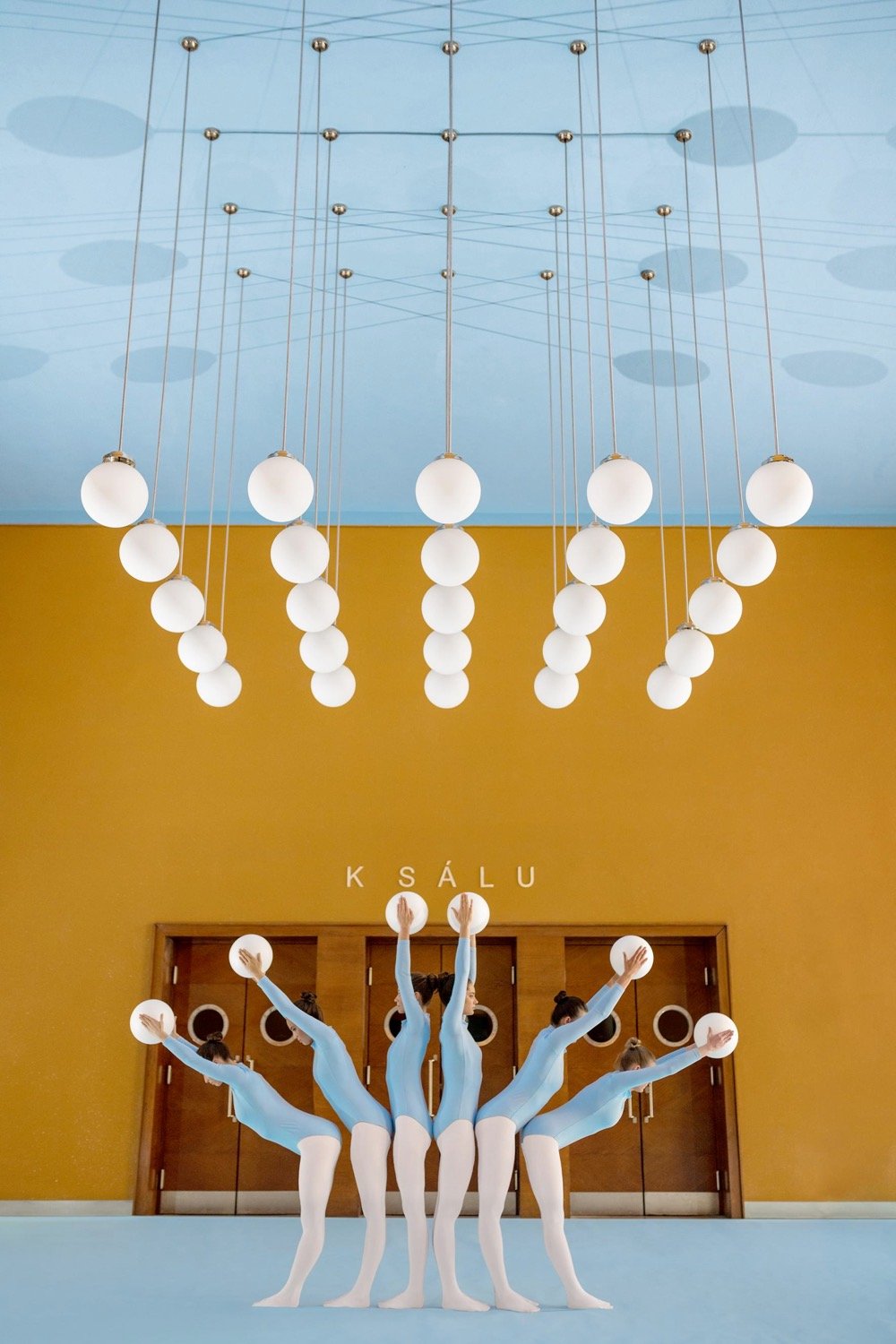
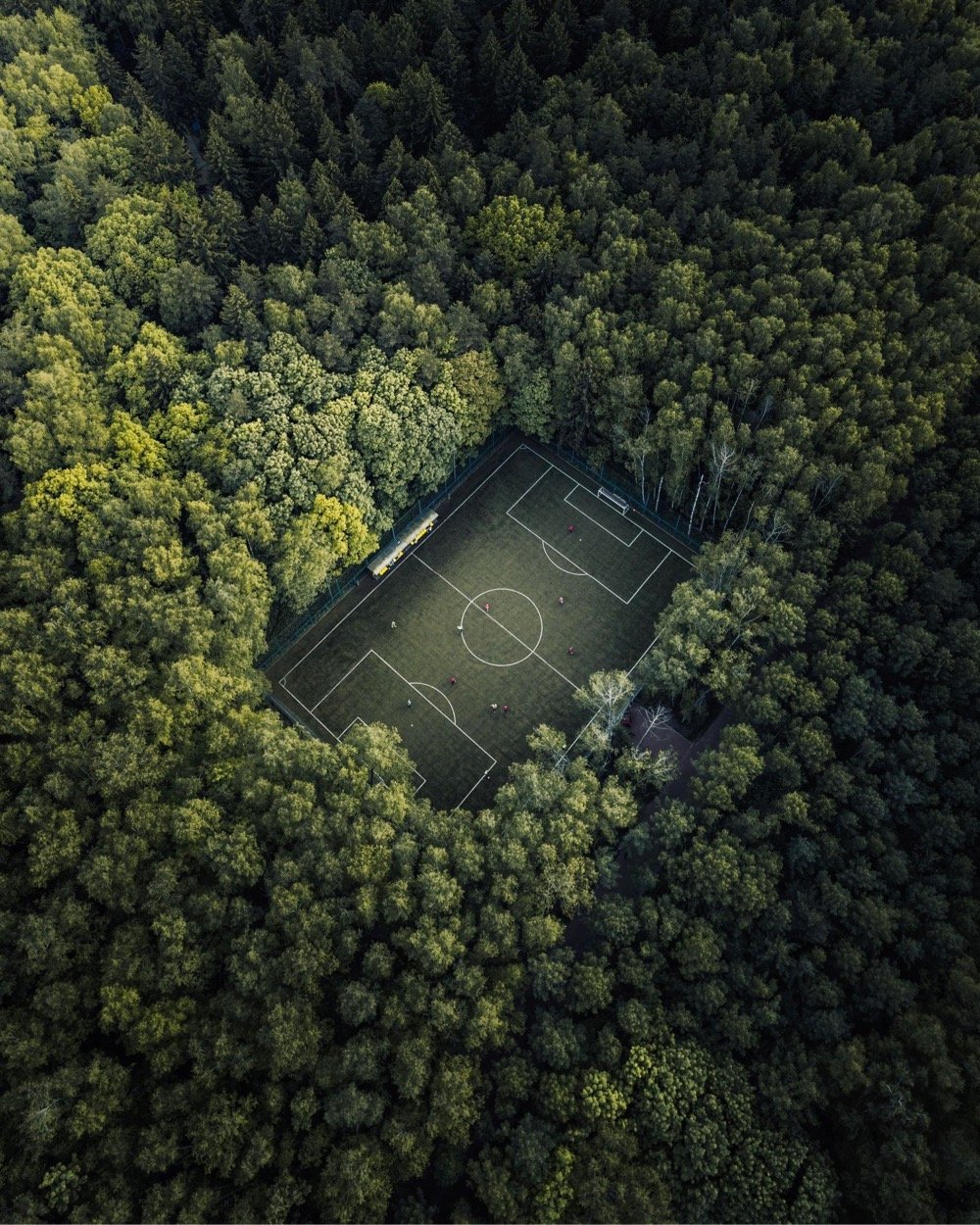
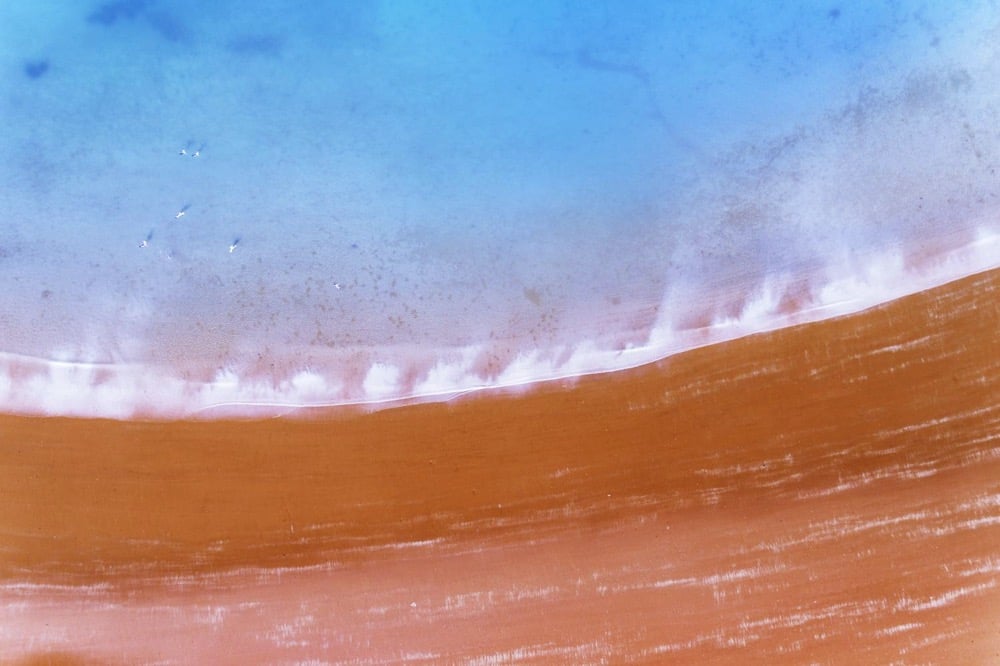
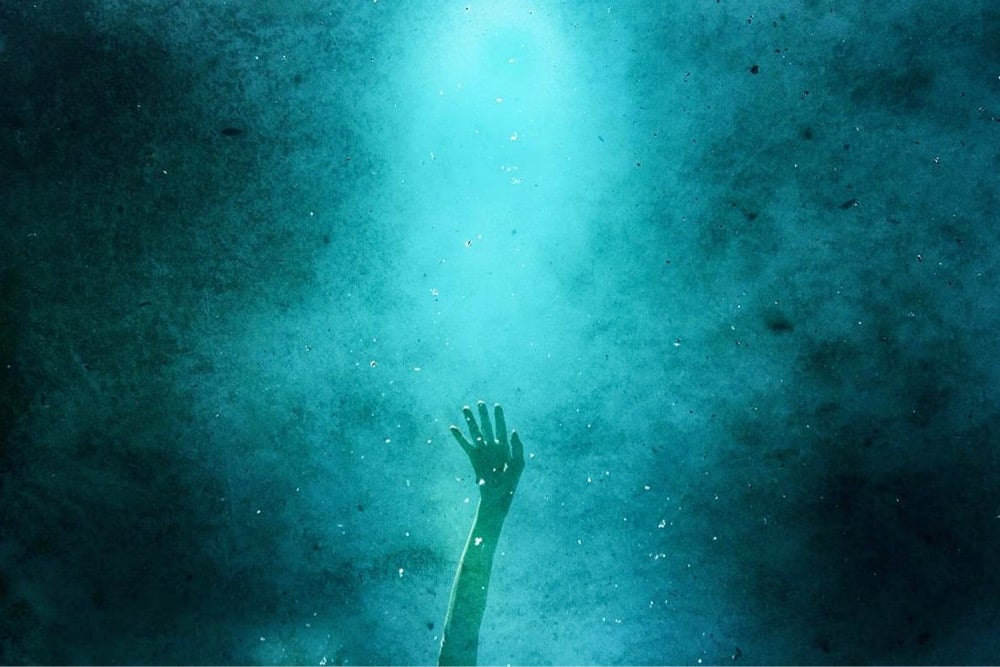
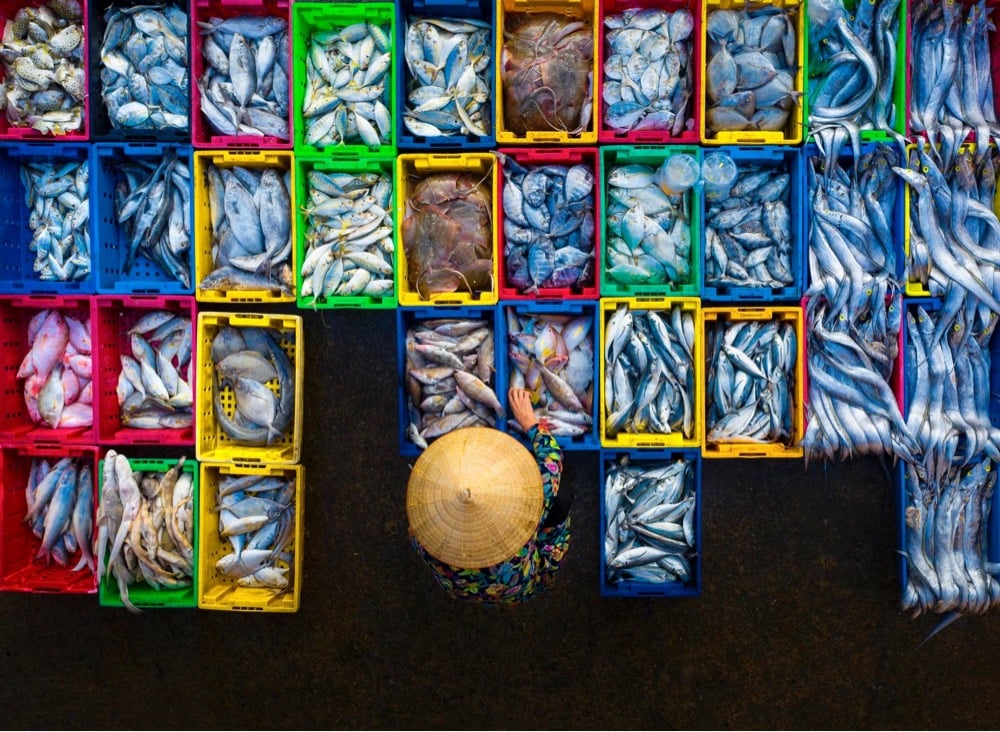
AAP Magazine has announced the winners of their 21st annual photo competition. This year’s theme was “Colors” and I’ve embedded a few of my favorites above (from top to bottom: Miloš Nejezchleb, Vitaly Golovatyuk, Graham Earnshaw, Joanna Borowiec, and Pham Huy Trung).


The Street Photographers Foundation has announced the winners of the Street Photography Awards for 2021. What an amazing selection of photos — it was so hard to pick just a few favorites (embedded above). From top to bottom, Subhran Karmakar, Paul Kessel (like a Renaissance painting), Akib Amjad (so reminiscent of this iconic photo by Henri Cartier-Bresson), Andy Hann, and Dimitri Mellos. (via curious about everything)


After sorting through 13,000 photographs submitted by over 1300 photographers from all over the world, the winners of the very first Natural Landscape Photography Awards have been announced. A few of my favorite winners are embedded above; from top to bottom, Paul Hammett, Antonio Fernandez, Hans Strand, and Tobias Richter. Hammett’s shot of lightning striking the Matterhorn took 30 minutes of patience to capture:
Setting up my tripod as thunder boomed around me, hopes of getting an image turned to excitement as the storm moved over the Matterhorn.
I was briefly frustrated trying to nail focus and settings in the dark. Occasional flashes of nearby lightning helped me recompose, refine focus and adjust settings. But I cursed each of them as a missed opportunity to get a shot. Once happy with the camera set up, I could take time to fire off numerous 10 second exposures and just watch the show.
Each lightning strike gave me the shivers. When these two hit the summit, I knew I had something special in the camera.
(via colossal)


Eric Kogan’s photographs depict these lovely little serendipitous moments — creatures, people, places, and things captured in just the right place in just the right moment. Keep up with Kogan’s work on Instagram. (via the morning news)


Those are a selection of Dillon Marsh’s macro photographs of the sneaky and clever seeds of various hitchhiker plants. The seeds of this type of plant can attach themselves to the fur, hair, clothing, or skin of animals, catching a ride in order to spread themselves over a wider geographic area in order to ensure a greater chance at survival.
In perhaps one of the best examples of biomimicry, a hitchhiker plant called the burdock was the inspiration for Velcro:
In 1941, George de Mestral had the inspiration for the hook and loop fastener while he was on a hunting trip in the Alps with his dog Milka. George noticed that burdock burrs — a tiny seed covered in hundreds of microscopic ‘hooks’ that catch onto the natural ‘loops’ that cover fur, clothing and hair — kept sticking to his dog’s fur.
This was the moment that George saw a huge opportunity. He spent the next decade with a microscope investigating how the burdock burr’s barbed, hook-like seeds engaged with the ‘loops’ on his trousers, trying to create a new type of clothing fastener.
(via moss & fog)
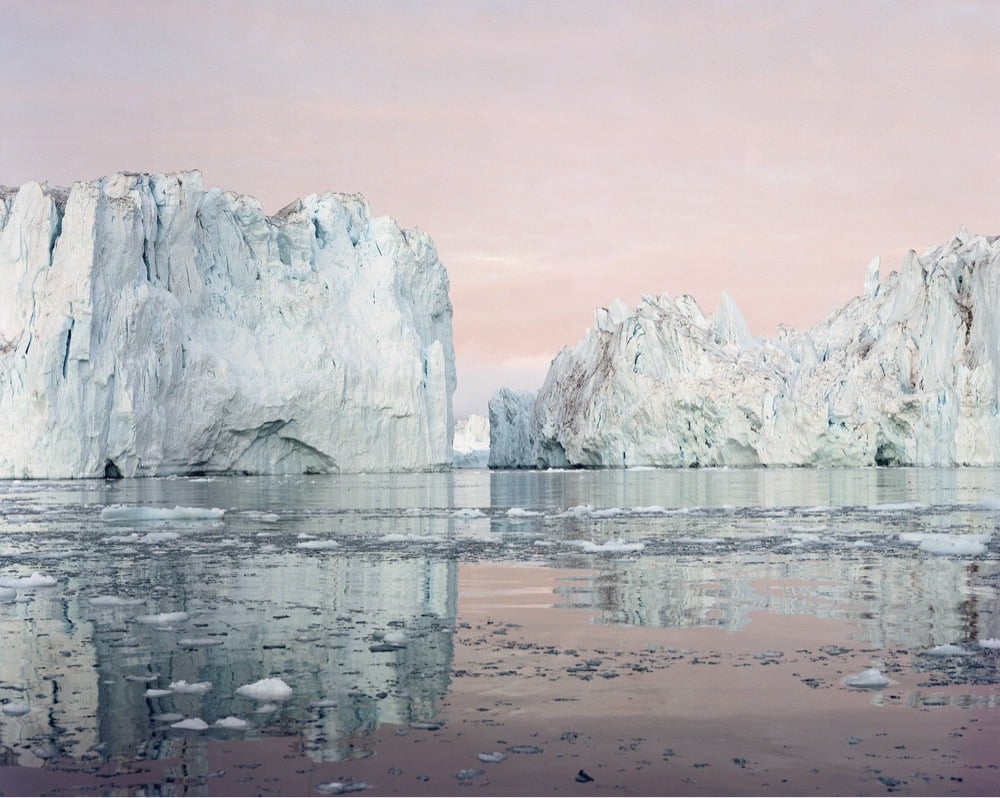
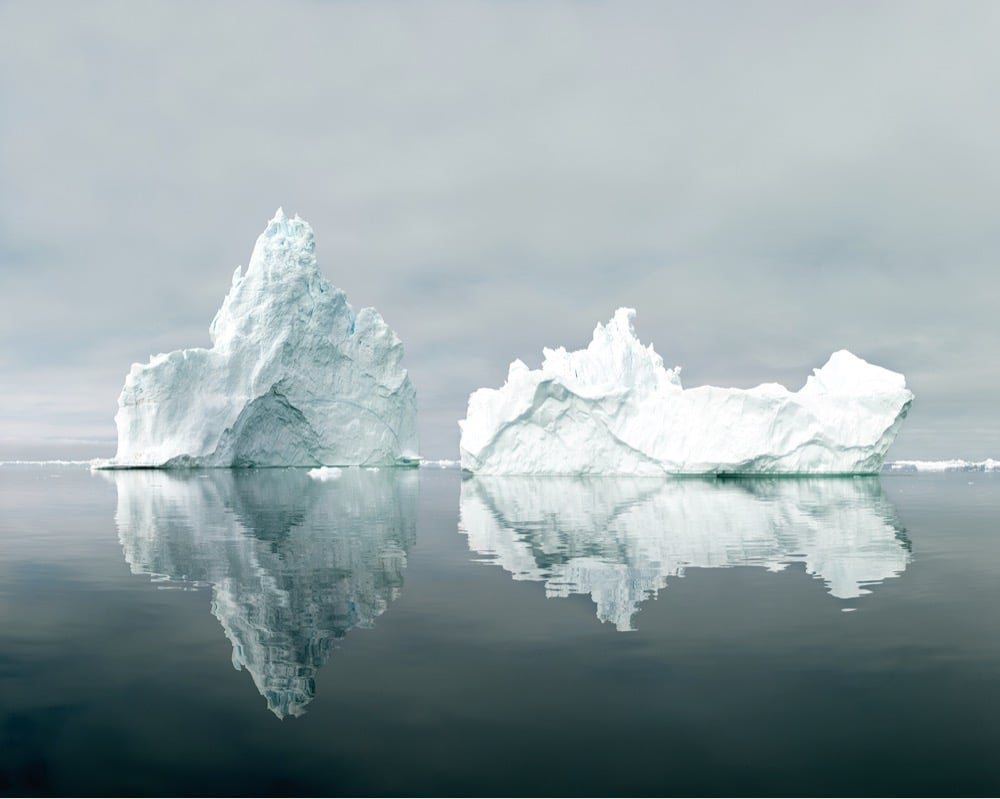
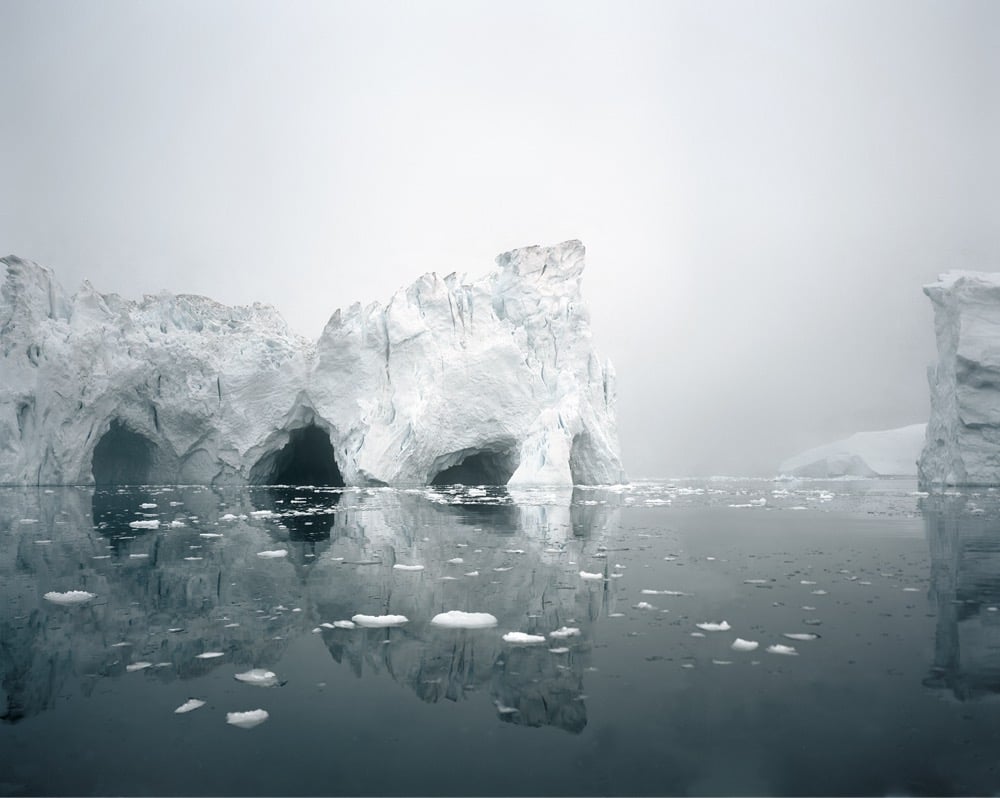
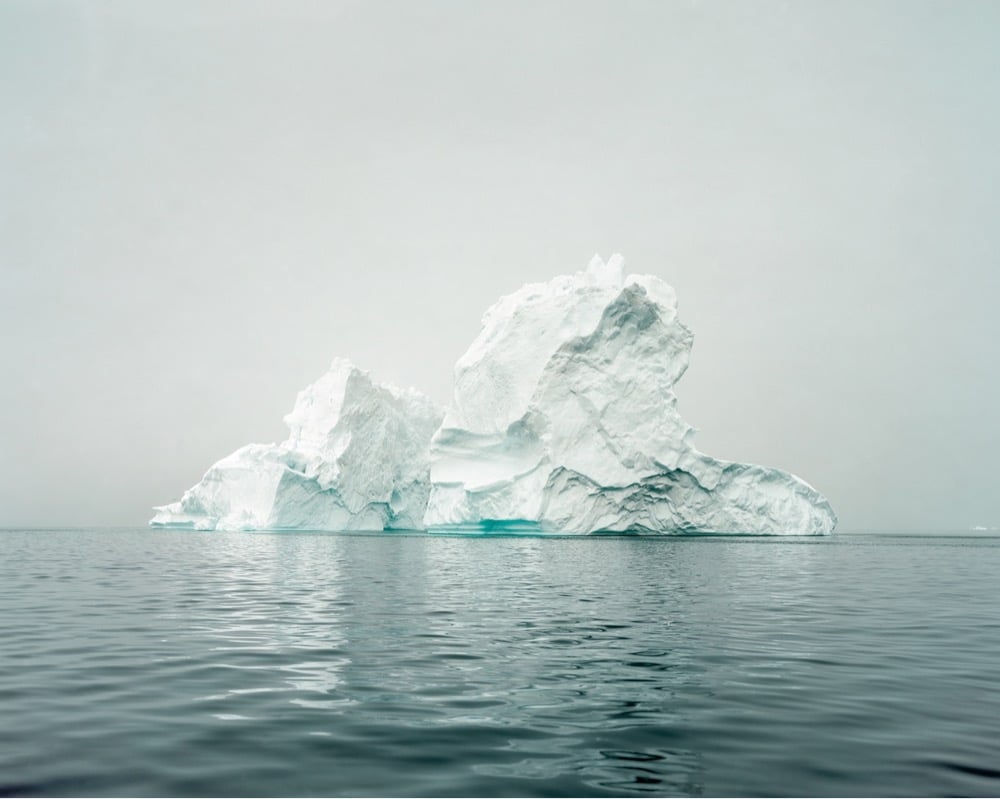
Since 2003, photographer Olaf Otto Becker has been documenting the decline of the glaciers and ice sheet in Greenland.
Greenland’s ice sheet is melting. Regularly, like the ticking of a clock, huge, new icebergs from the edges of the glacier plunge into the ocean each day with a thunderous boom and a roar. Our planet breathes. The accelerated melting of the ice is nothing more than one of our Earth’s compensatory reactions. Everything is constantly in motion. Even landscapes are changing with breathtaking speed, if time is not measured on a human scale. For me, icebergs are swimming sculptures, witnesses to a global change that, drifting southward on the ocean, slowly dissolve into their mirror image.
I’ve included some of my favorite shots from his projects above — beautiful but signifiers of the deep trouble humanity is in. (via colossal)
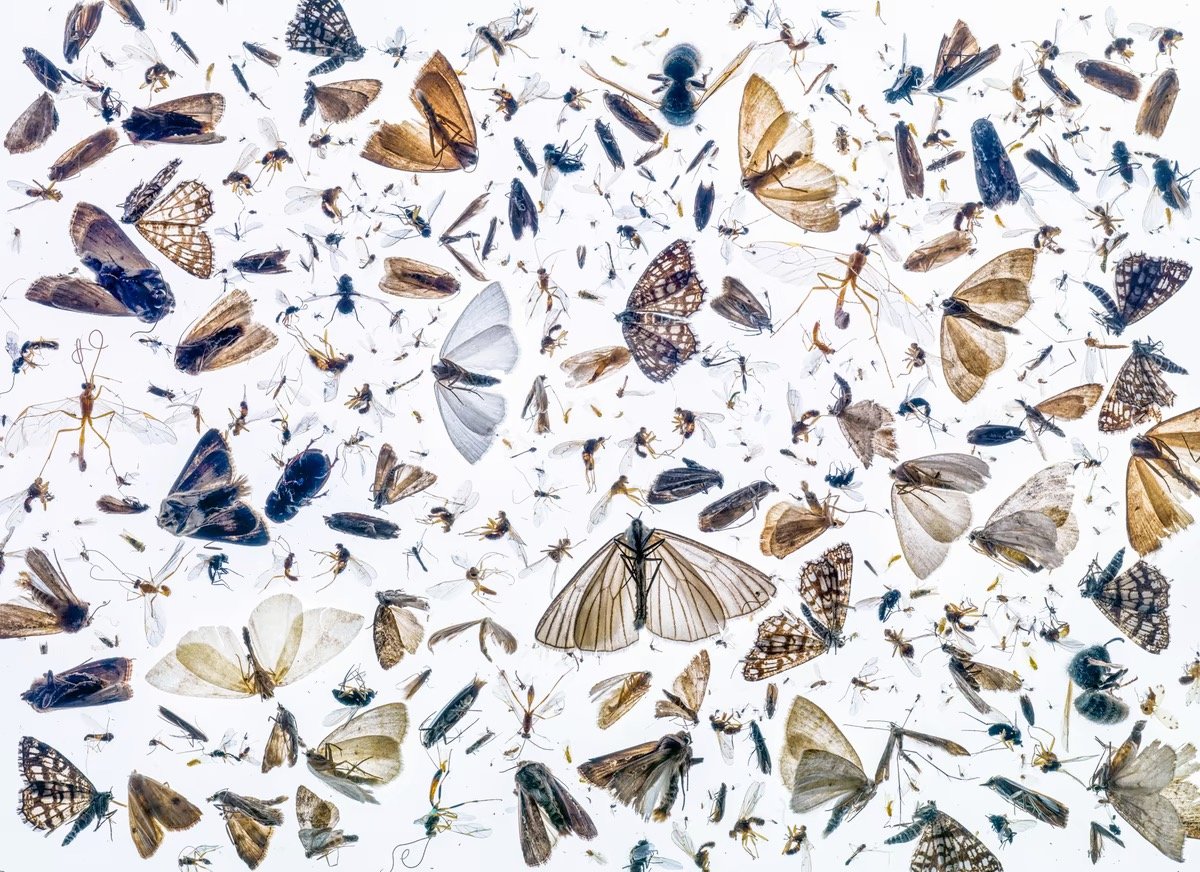
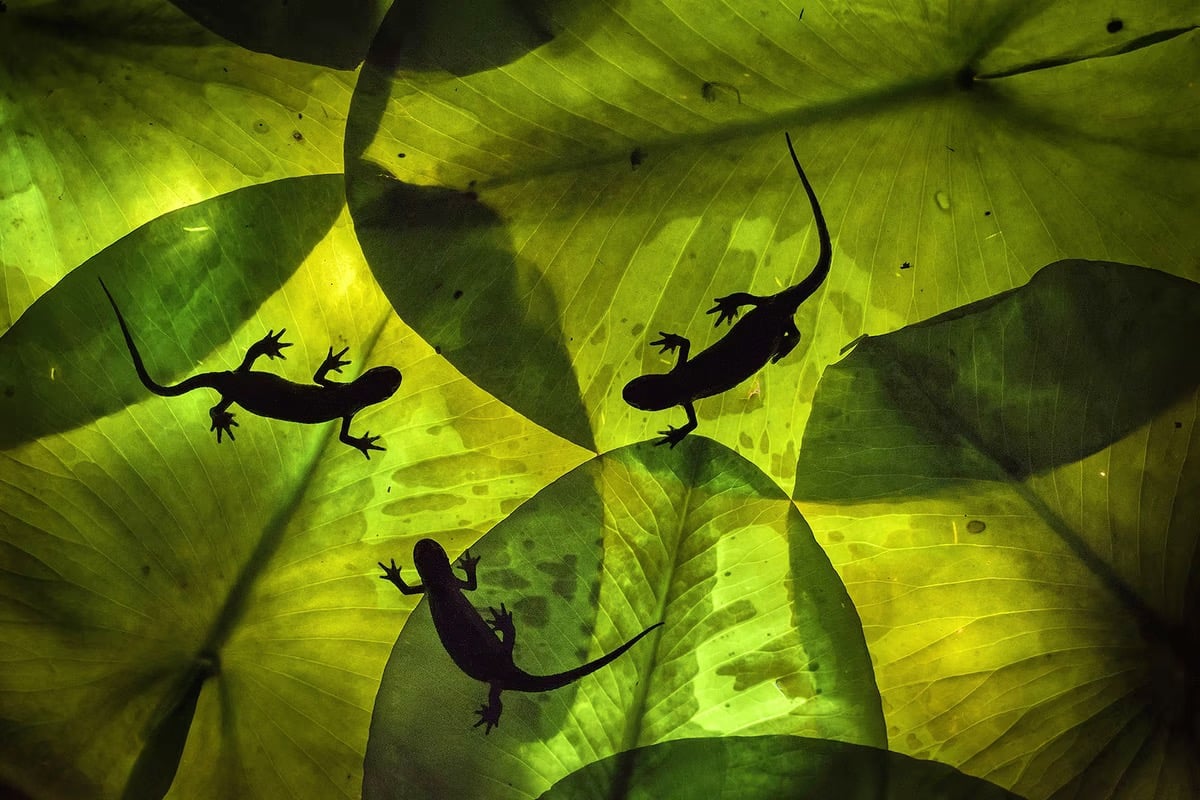
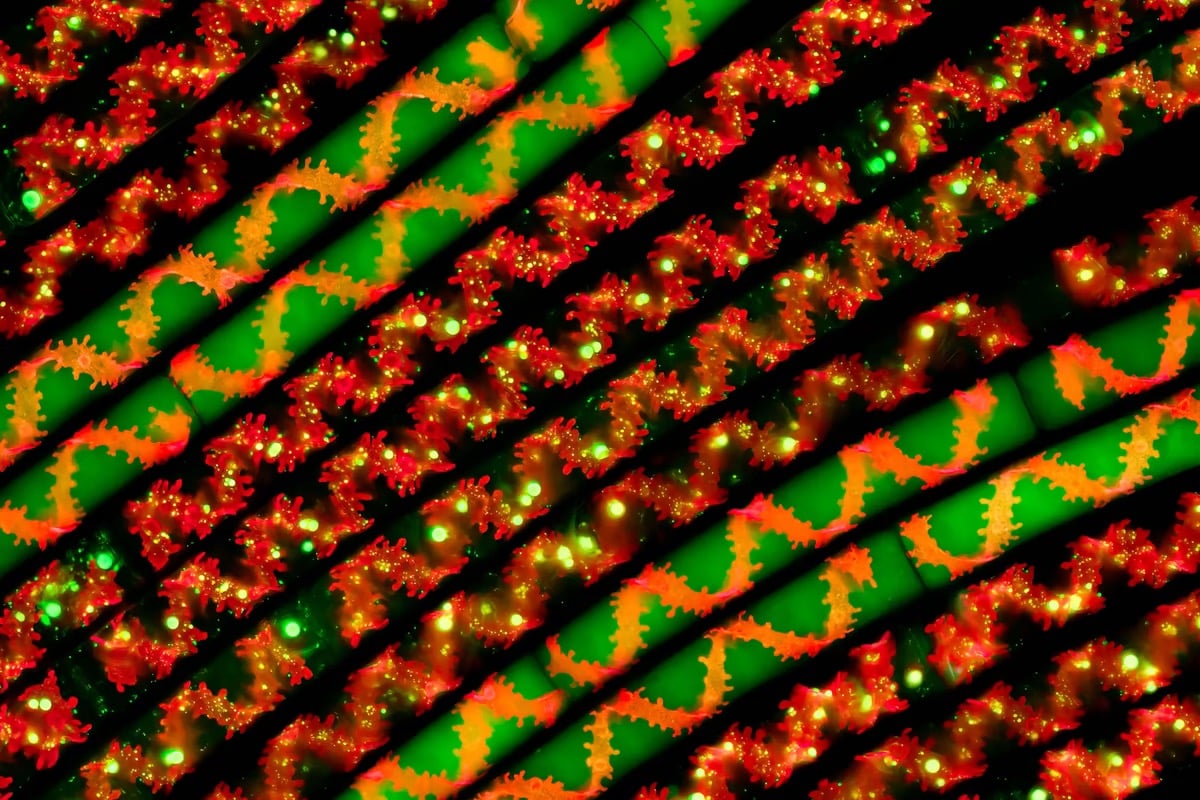
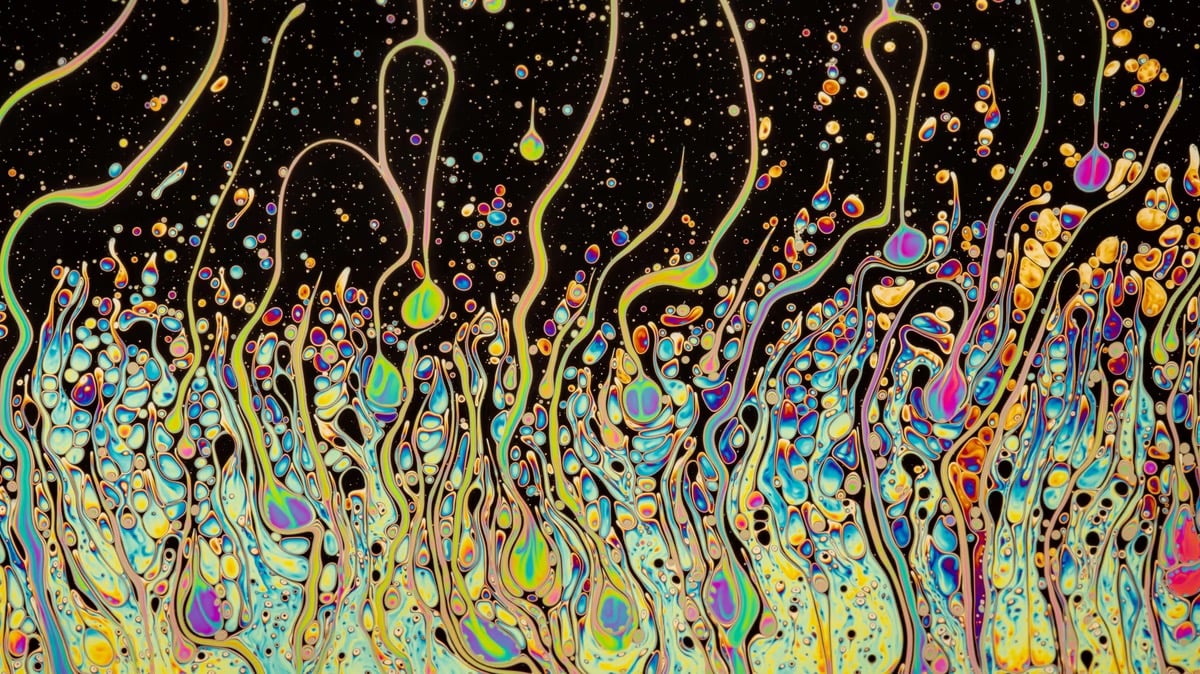
Contestants from 55 countries entered over 9000 photos in the Close-Up Photographer of the Year competition for 2021 and now the winners have been announced. I’ve included a few of my favorites above (from top to bottom): Pål Hermansen, Johan De Ridder, Håkan Kvarnstrom, and Bruno Militelli. (via in focus)
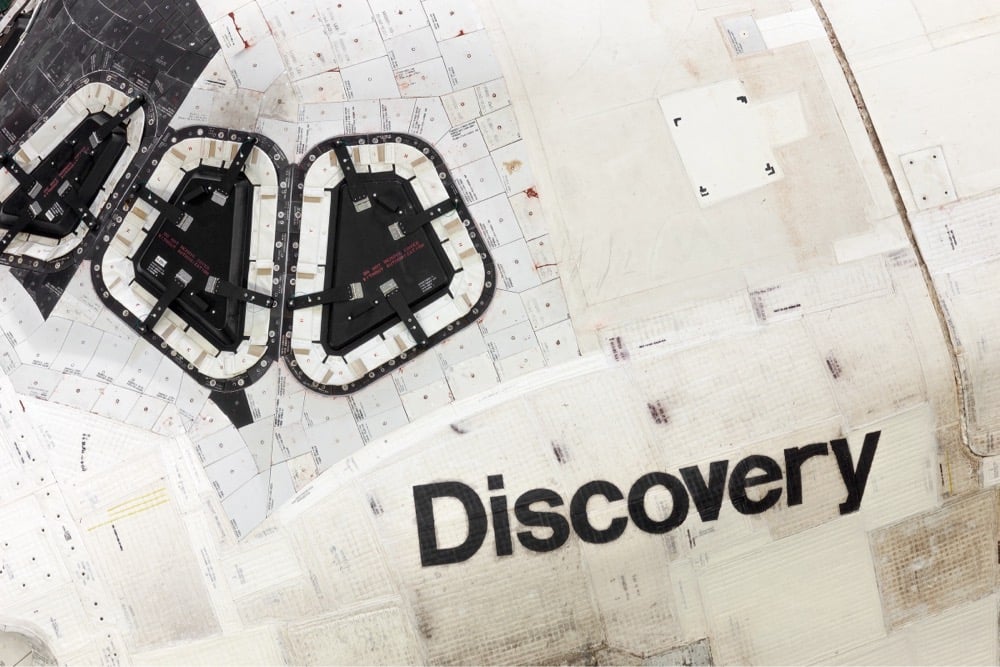
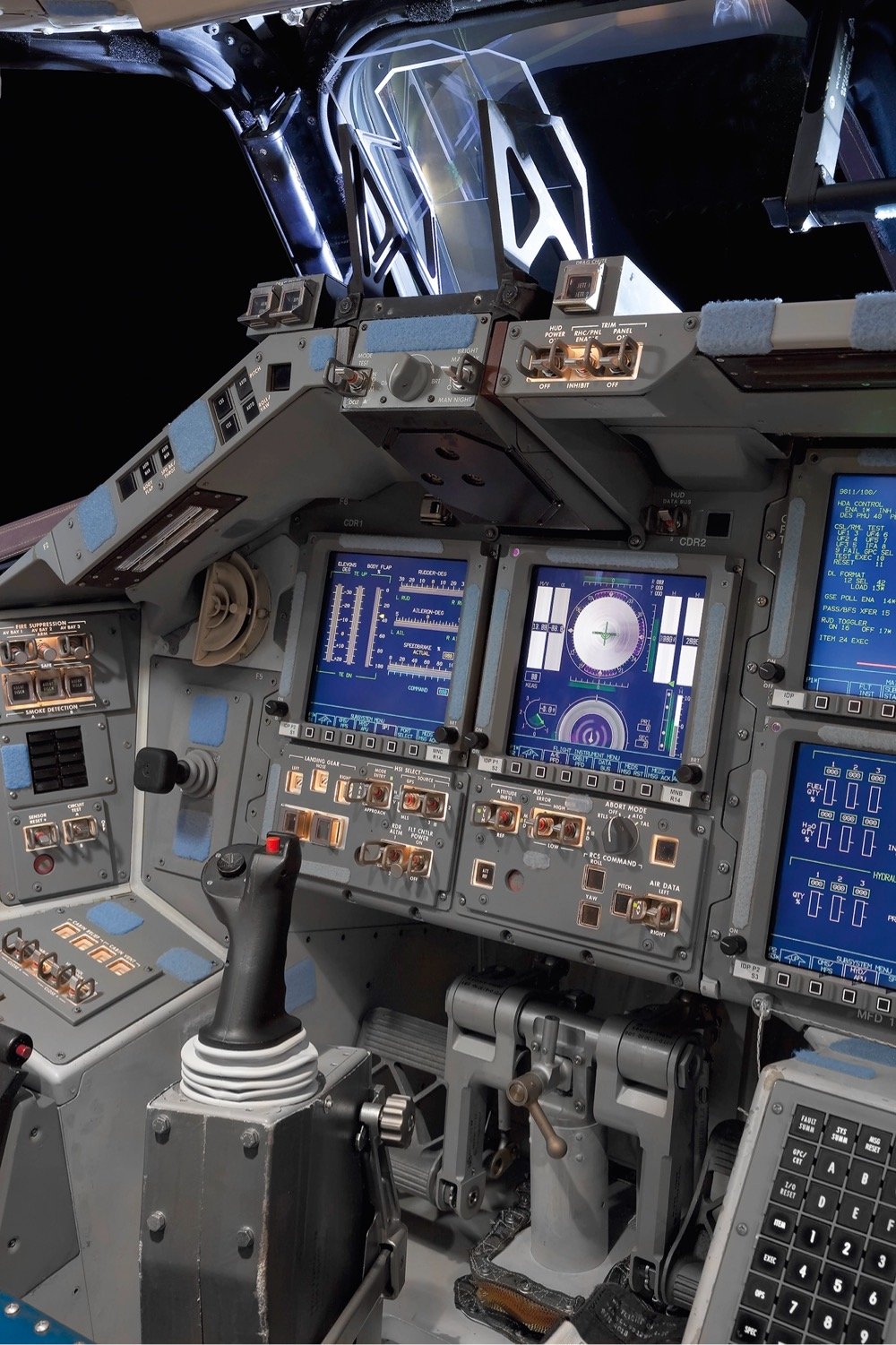
Roland Miller has been documenting space exploration for more than 30 years and his latest book, which he’s funding via Kickstarter, is a photo documentation of the final years of NASA’s Space Shuttle program.
I started documenting the Space Shuttle program when I was teaching photography at a college near the Kennedy Space Center. In 2008, I began a concentrated effort to document the final years of the program. Orbital Planes is the result of that photography work. My hope is that Orbital Planes will give the reader their own personal view of the Space Shuttle and the technology and facilities that helped it fly.
You might remember Miller from his collaboration with Italian astronaut Paolo Nespoli photographing the ISS. (via colossal)


The Natural History Museum in London has announced the winners of the 2021 Wildlife Photographer of the Year contest. Photos above are by Jonny Armstrong, Buddhilini de Soyza, Lasse Kurkela, and Vidyun R Hebbar.


In 1927, photographer and ethnologist Edward S. Curtis travelled to the US territory of Alaska to photograph indigenous peoples and their cultures for his seminal work, The North American Indian. Some of the photos he took in Alaska were never published and make up a new exhibition at the Muskegon Museum of Art, Edward S. Curtis: Unpublished Alaska, The Lost Photographs.
Begun in 1906, The North American Indian was the defining passion of Curtis’s life, an attempt to record, in writing and photography, the lives of the Indigenous peoples of the Southwestern, Western, and Northwestern United States. This trip, planned for a single season, would be the final voyage to complete his epic quest. Curtis took hundreds of images on his journey, only part of which were ultimately published. The rest sat, unseen, passed down through the family until today.
Edward Curtis: Unpublished Alaska, The Lost Photographs presents, for the first time to the public, images made from the unused original negatives. Over 100 images will comprise the exhibition, along with excerpts from the personal journals of Curtis and his daughter Beth that describe their often harrowing adventures in the Bering Sea.
You can see a selection of these photos online here and previously published photos by Curtis in Northwestern’s archive.
Update: Curtis’s photos are the subject of controversy and criticism, some of which you can read about here.
The North American Indian is a seminal and controversial blend of documentary and staged photography — one which contributes to much of the foundational imagery and, often-stereotypical, understanding possessed by white America about some 82-plus native tribes that the United States eradicated over a century of colonization. Much has been made about the complexities, contradictions, and conflicts of interest in Curtis’s masterwork, by Native and non-Native scholars. Some argue that in staging photographs and, at times, adding props or accessories, Curtis took liberties with the concept of ethnography, both imposing and reinforcing white notions of Native American appearances and culture. Others argue that without Curtis, there would be hardly any extant imagery of the cultural heritage of the tribes he worked with.

Remember the Tetris challenge, the trend where workers of various professions laid out all of their gear in a neat, pleasing fashion, aka knolling? Well, the Bulgarian Air Force really knocked it out of the park with this photo by Ognyan Stefanov. Yes, those are all actual planes and objects and people, not miniatures. Never has the military industrial complex seemed so twee.
See also Things Organized Neatly, Common Objects Painstakingly Organized into Patterns, and Saltine Crackers Arranged Artfully Is Extremely My Jam. (via @davidgagne)


The Nature Conservancy is a non-profit organization focused on conservation and addressing the climate and biodiversity crises. The winners of their 2021 Global Photo Contest have interpreted the Conservancy’s mission in a number of different ways. Above are three of my favorite shots from the contest; photo credits from top to bottom: Anup Shah, Daniel De Granville Manço, Manh Cuong Vu.
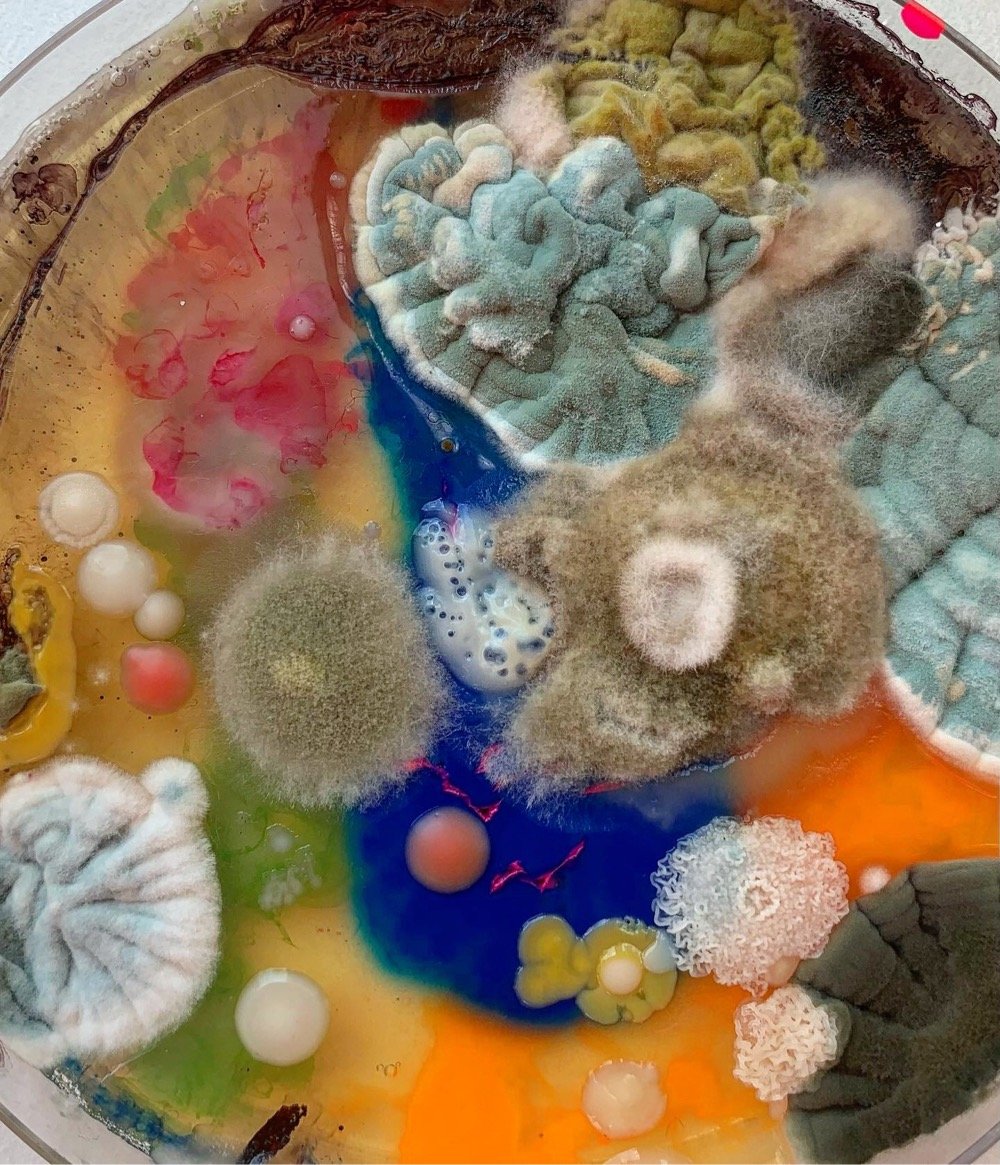
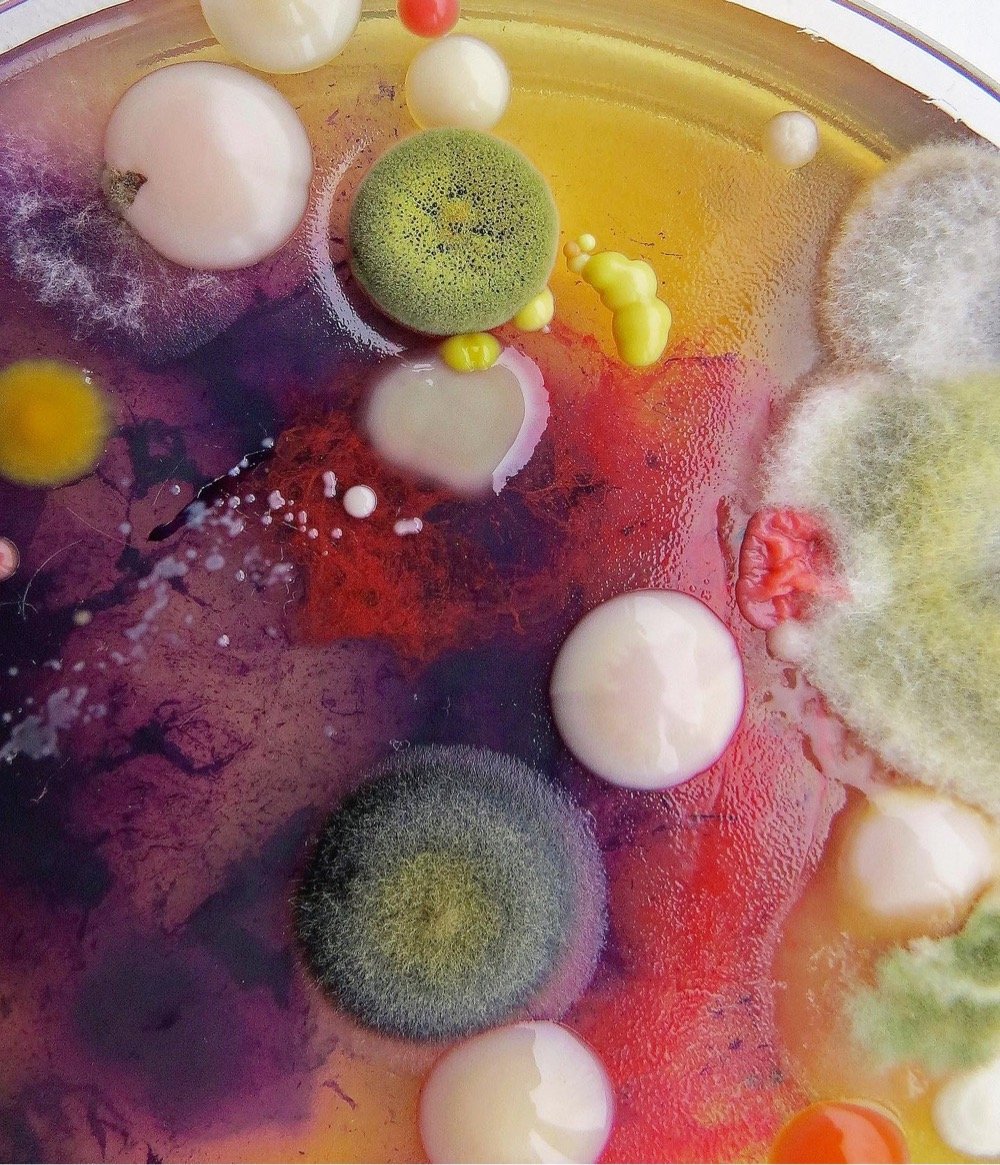
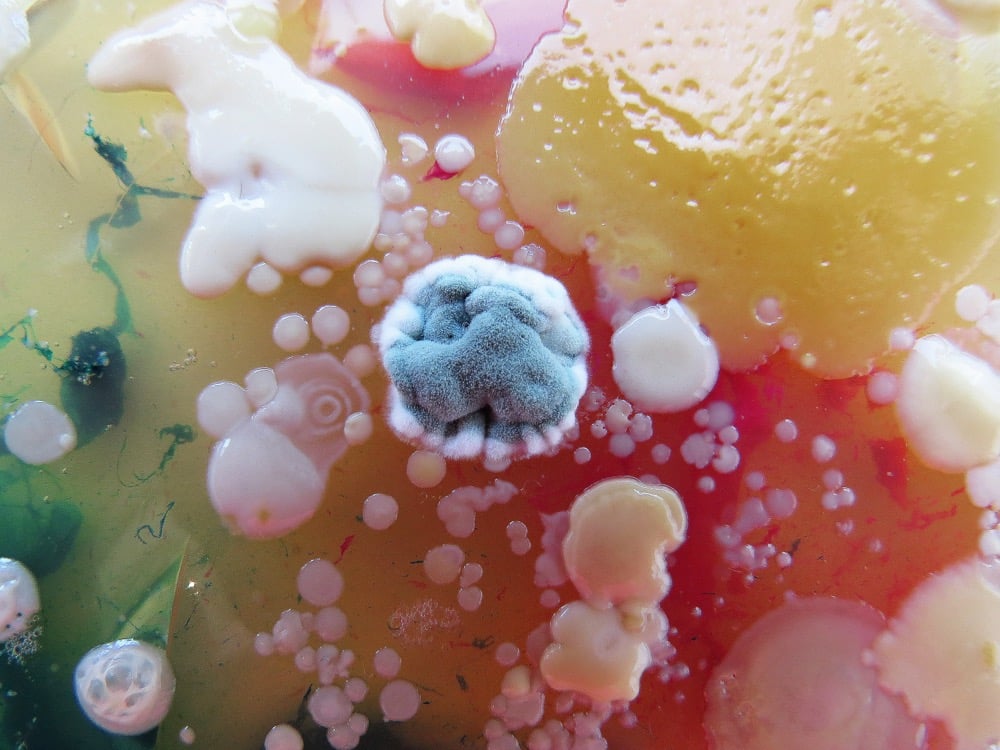
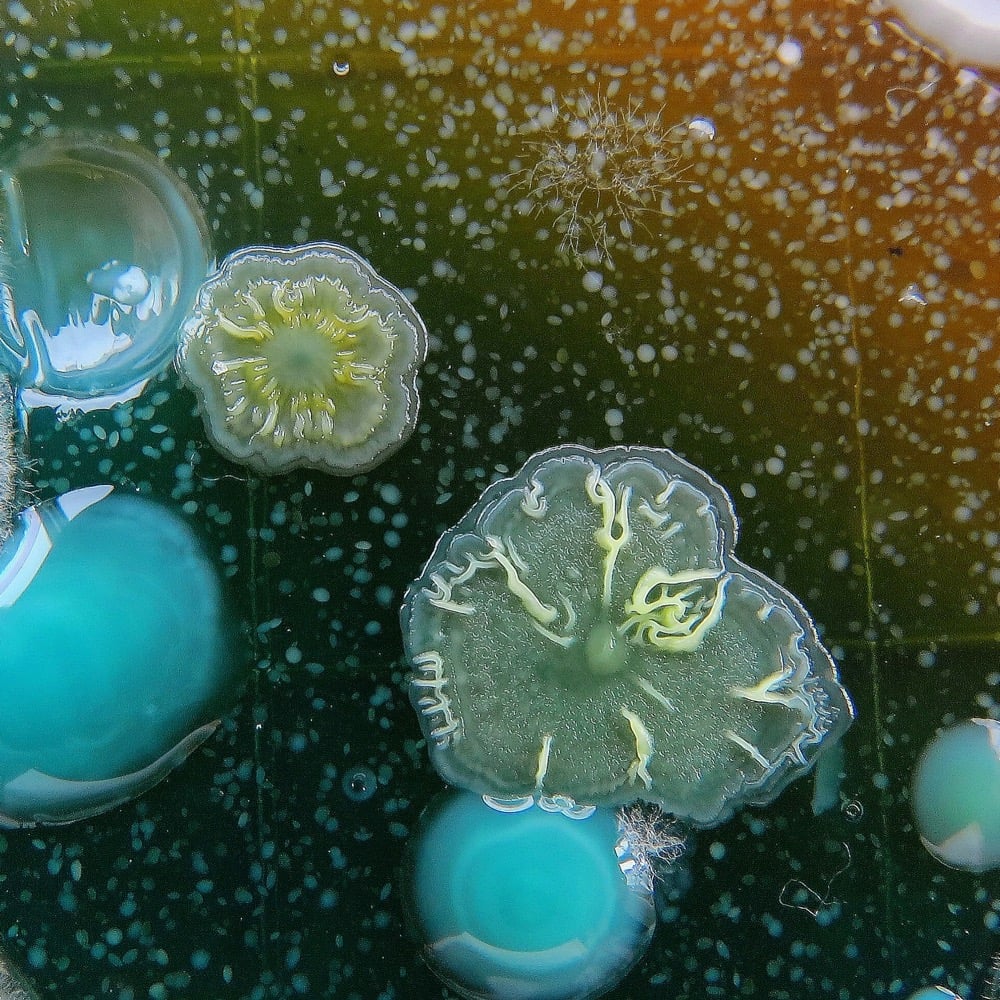
Artist Dasha Plesen combines molds, bacteria, spores, and other objects in petri dishes to create these colorful abstract photographs. You can find more of her work on Behance and Instagram. (via neatorama)
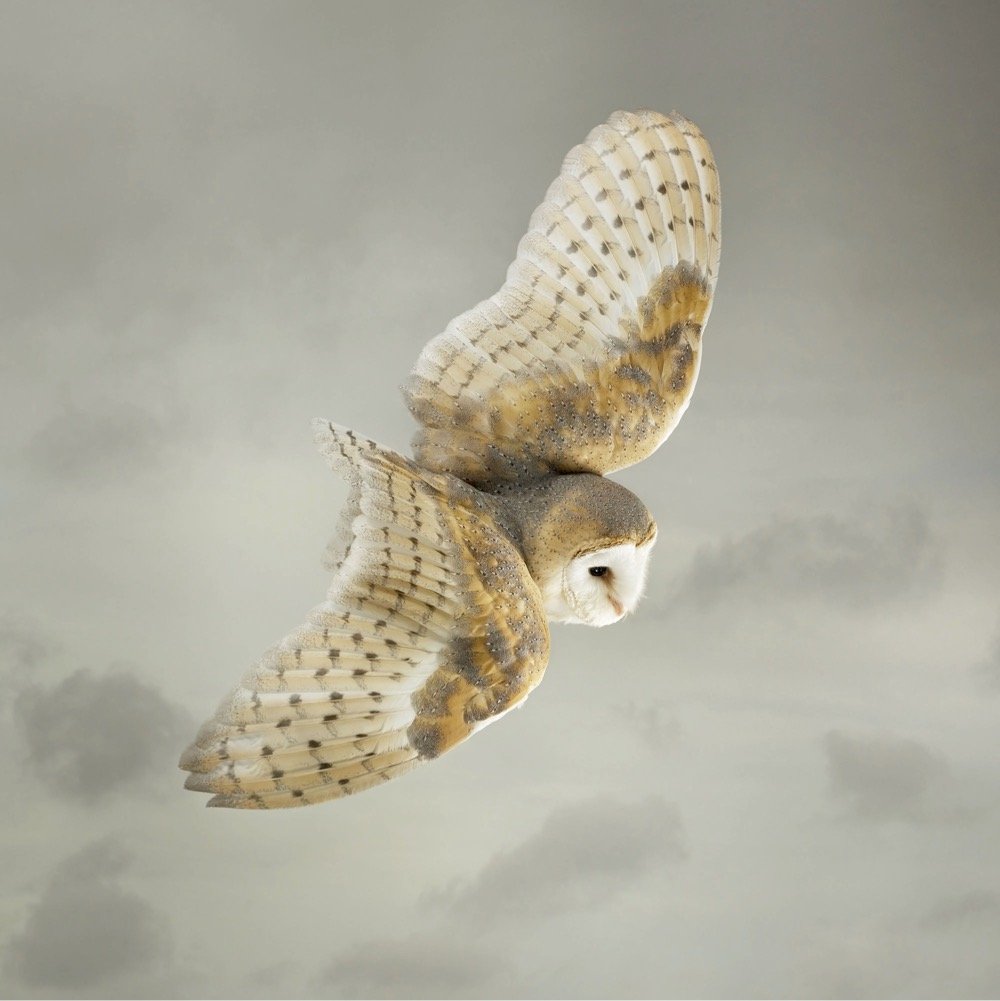
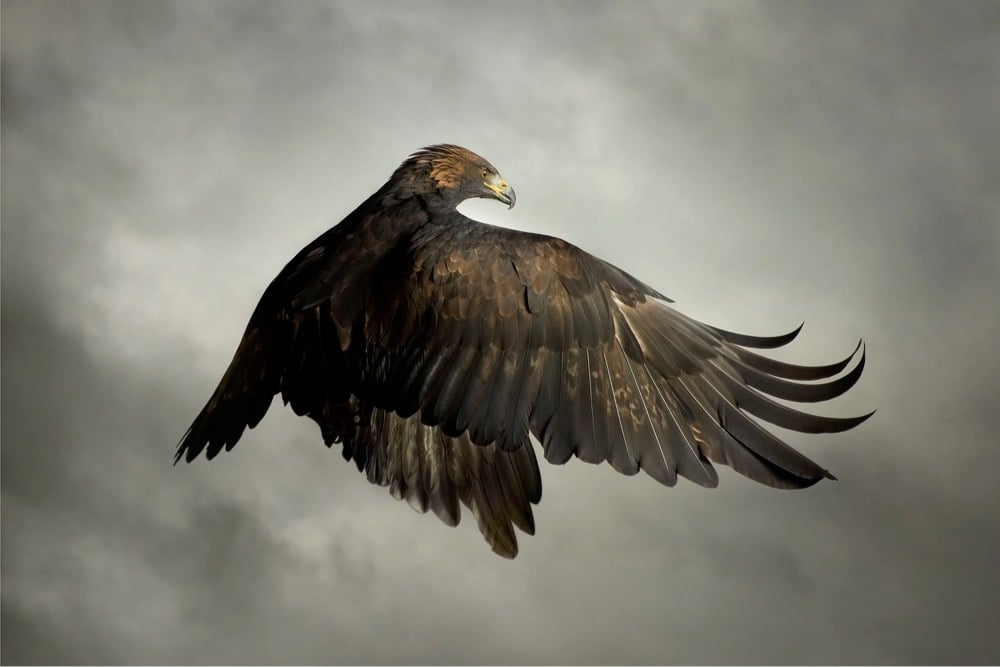
Colossal has a selection of photos of predatory birds taken by Mark Harvey — prints are available in his shop.
Shot with his signature style that applies a hearty dose of drama to the already striking creatures, the photos are shot one at a time in a slow, medium format. “Lighting is a key aspect of my work to help draw out fresh views of well-known subjects, and these birds are no exception, set within an intricate lighting setup to ultimately show the birds in a new light,” Harvey shares. “With their wings spread wide, these top avian predators’ beauty is put on full display.”
Newer posts
Older posts

Socials & More