



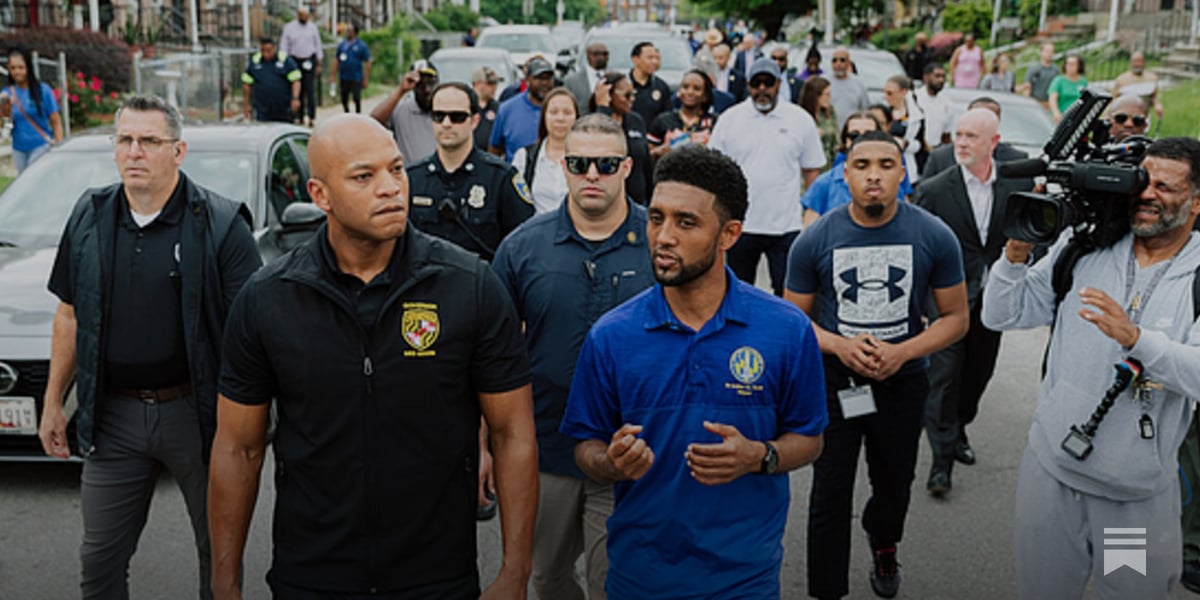
A great look at how Baltimore’s investment in an “ecosystem of community–oriented interventions” has drastically reduced violent crime in the city by treating crime as a public health crisis.

Advertise here with Carbon Ads
This site is made possible by member support. 💞
Big thanks to Arcustech for hosting the site and offering amazing tech support.
When you buy through links on kottke.org, I may earn an affiliate commission. Thanks for supporting the site!
kottke.org. home of fine hypertext products since 1998.
Beloved by 86.47% of the web.
Comments 1
It is so difficult in public policy to talk about the thing that doesn’t happen. I appreciate this piece for synthesizing how a committed approach to lots of improvements is coming together effectively. We’d all be better with media ecosystems that reward prevention, not acute crisis.
https://bsky.app/profile/kottke.org/post/3lu3qnclaaw2u
Hello! In order to comment or fave, you need to be a current kottke.org member. If you'd like to sign up for a membership to support the site and join the conversation, you can explore your options here.
Existing members can sign in here. If you're a former member, you can renew your membership.
Note: If you are a member and tried to log in, it didn't work, and now you're stuck in a neverending login loop of death, try disabling any ad blockers or extensions. Or try logging out and then back in. Still having trouble? Email me!
In order to comment or fave, you need to be a current kottke.org member. Check out your options for renewal.
If you feel like this comment goes against the grain of the community guidelines or is otherwise inappropriate, please let me know and I will take a look at it.
This thread is closed for new comments & replies. Thanks to everyone for participating!