
Nutrition Science’s Most Preposterous Result. Could Ice Cream Possibly Be Good for You? “It’s got fat, it’s got protein, it’s got vitamins. It’s better for you than bread.”

Advertise here with Carbon Ads
This site is made possible by member support. 💞
Big thanks to Arcustech for hosting the site and offering amazing tech support.
When you buy through links on kottke.org, I may earn an affiliate commission. Thanks for supporting the site!
kottke.org. home of fine hypertext products since 1998.
Beloved by 86.47% of the web.
Entries for April 2023
Can Water Solve a Maze?
I saw this video on the front page a YouTube a couple of weeks ago and ignored it. Like, of course water can solve a maze, next! But then it got the Kid Should See This seal of approval so I gave it a shot. It turns out: water can solve a maze…but specifics are super interesting in several respects. Steve Mould, who you may remember from the assassin’s teapot video not too long ago, built four mazes of different sizes and shapes, each of them useful for demonstrating a different wrinkle in how the water moves through a maze. Recommended viewing for all ages.
An interview with the man (“a guy named Paul”) behind the Dril Twitter account. “I do find a lot of aspects of Twitter very disgusting. It would not be my first choice of websites to get popular on.”
HBO Max is changing its name to just Max. What an incredibly dumb move - HBO is still the best brand in TV and to not lead with it is idiotic.
How Solar Energy Got So Cheap
In 1976, the price per watt of energy generated by solar photovoltaic was over $100. In 2019, it was less than 50 cents per watt, a price decline of 99.6%. Even since 2009, solar has declined 90% in price. So what’s behind that incredible drop? Industry played a part but the main driver was forward-thinking government policy and subsidy of solar by countries like the US, Japan, Germany, and China:
In the course of a single lifetime, solar energy has transformed from a niche technology to the cheapest way to bring clean, reliable power to billions of people around the world. But the markets that brought us these lower prices didn’t just magically appear by some invisible hand. Political leaders in countries all over the world created these markets, then subsidized them for decades to the tune of billions of dollars. “By investing that money, you got the solar to come down in costs to the point where you don’t need to subsidize it anymore.”
One of the experts in the video, Gregory Nemet, is the author of a book called How Solar Energy Became Cheap: A Model for Low-Carbon Innovation if you’d like to read more on the development of solar.
Ingenious Banana Bruise Artworks
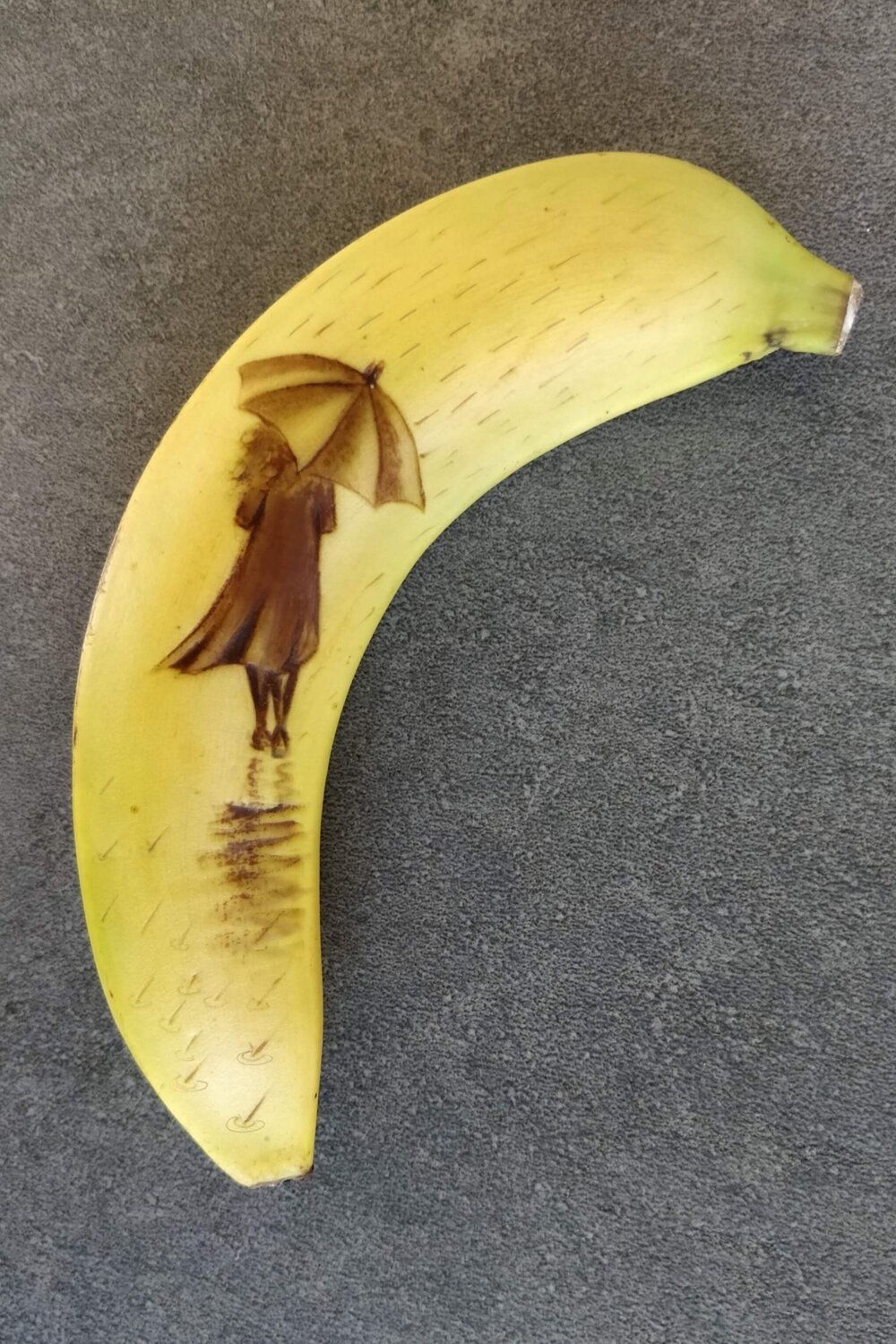
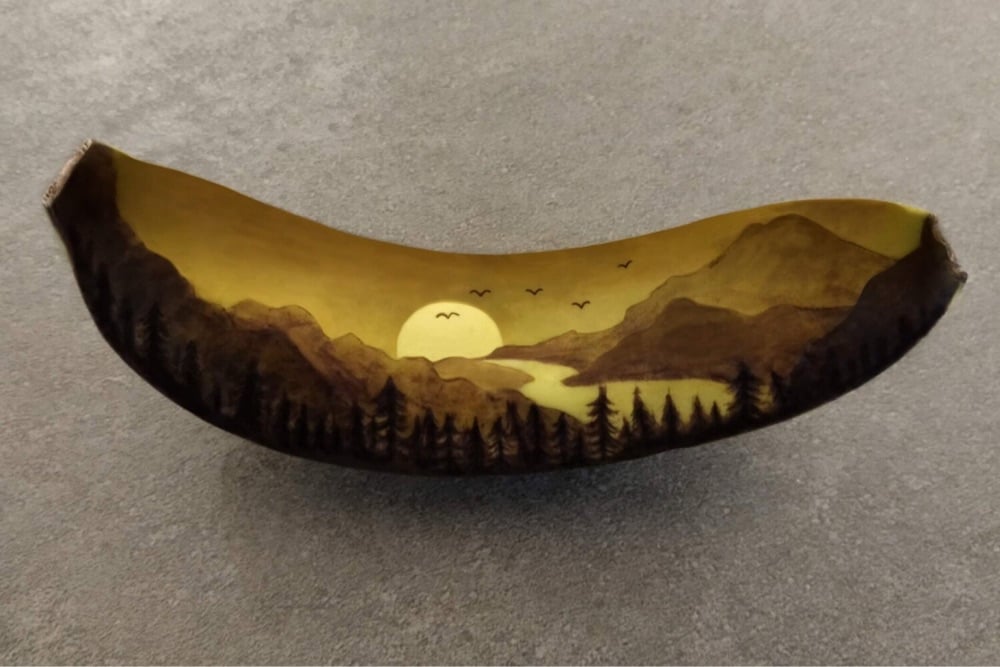
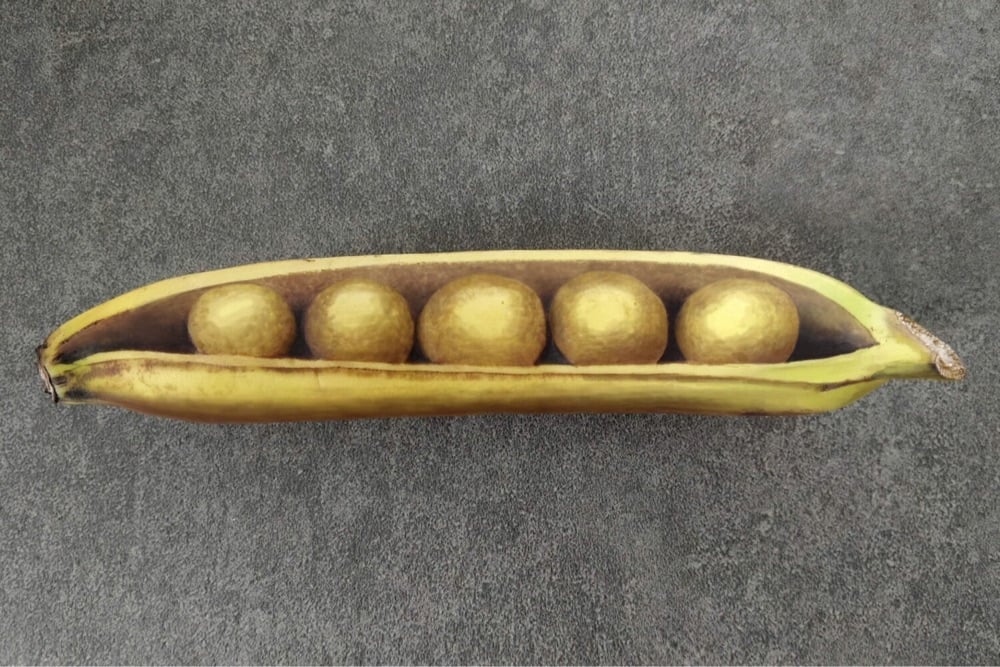
As it ripens, banana skin oxidizes and turns black. Bruising the skin speeds up the process, a fact that Anna Chojnicka exploits to create these bruised banana artworks (also on Instagram). Here’s how it works:
I bruise the peel by pressing into it lightly with a blunt point. Speeding up and controlling the bruising process conjures light and shade in the image.
Over a few hours, the mark gradually goes darker until black. I start with the darkest parts of the image first, and then work my way backwards, finishing with the lightest parts last.
By managing the timing, it’s possible to make intricate images with graduating shades. There’s a short window of time when the image looks its best; I photograph the banana, and then eat it.
Chojnicka started the project in the early days of the pandemic while bored/delirious at home with a suspected Covid infection. The increase in art using found objects during the pandemic is fascinating: people couldn’t spend a lot of time out of the house, so they reached for whatever they could find to express their creativity…in this case, bananas.
Customize Your AirPods Pro for Even Better Sound
Earlier today, I posted a Quick Link to the 2nd-generation AirPods Pro on Amazon because they were $50 off, a good deal for an item that’s rarely on sale. I’ve been using a pair of these for the past month or so after a strong recommendation from John Gruber, and I can’t believe how much better they performed over the 1st-gen ones (which were fine…better than fine even). The sound quality seems better, Transparency Mode (where you can simultaneously hear your music and amplified sound near you) is significantly improved, and the earbuds themselves are more comfortable than their predecessors.
But the real star for me is the noise cancelling. I try to use my treadmill a few times a week during the winter to keep fit/active and generally listen to music or watch some TV on my iPad while I walk/run. With my old AirPods Pro, I could still hear the whirring of the treadmill behind the music even with noise cancelling on. But with these new ones, the treadmill noise is nearly gone, especially if I’m listening to something particularly energetic. I took an airplane trip recently and was amazed to find that nearly all of the airplane noise was cancelled out…even playing some quiet classical music at a reasonable volume felt like I was listening in a quiet room. I’ve even been wearing them to listen to music while I work…they just sound better than my HomePod mini speaker and keep me more focused on my work.
So anyway, I posted that link and then discovered via the ensuing thread on Mastodon that you can tweak AirPods Pro using the accessibility settings on your phone to do stuff like amplifying soft sounds and tuning Transparency Mode to further boost audio to focus on a person in front of you:
Turn on Custom Transparency Mode, then adjust the amplification, balance, tone, and ambient noise reduction to help you hear what’s happening around you. You can also turn on Conversation Boost to focus on a person talking in front of you.
What an amazing feature for people who are hard of hearing or who have trouble focusing their audio attention (definitely me sometimes). And what’s more, you can actually upload an audiogram to create a custom profile that adjusts audio levels specifically to how you hear. What? I had no idea. Here’s Paul Lefebvre:
But, by far, the #1 thing for me is the hearing assistive features. I used the Mimi hearing app to take a hearing test and generate a hearing profile (I have slight high-end hearing loss). I then was able to apply this hearing profile to the AirPods and the sound got even better! I also turned on other settings to make sounds clearer in transparency mode.
Now I sometimes put these AirPods on with just transparency mode and use them to hear things from across the room or to better understand conversations.
And @mtwebb on Mastodon:
I also recently upgraded to the 2nd gen and imported my audiogram from a recent hearing test. They literally changed my life in certain noisy situations. I also recommend them, especially if you have some hearing loss but don’t quite need hearing aids.
And Marques Brownlee’s review is a good one:
To create an audiogram of your hearing, you can use the Mimi Hearing Test or SonicCloud Personalized Sound apps and then import it into your settings. I have no idea how good these audiograms are compared to an actual hearing test…you should talk to your doctor or head to a specialist if you’re in need of something really accurate. But for many people, I bet these apps work just fine. I haven’t done my audiogram yet - I’m gonna do the test after I publish this.
You can get the 2nd-gen AirPods Pro from Apple or at Amazon for $50 off (deal still valid as of 8am on 4/14).
I recently upgraded to the 2nd-generation AirPods Pro and the noise-cancelling is amazing - so much better than the 1st-gen ones. They’re $50 off at Amazon today only. Well worth the upgrade IMO.
The Visiting Cards of Notable Artists
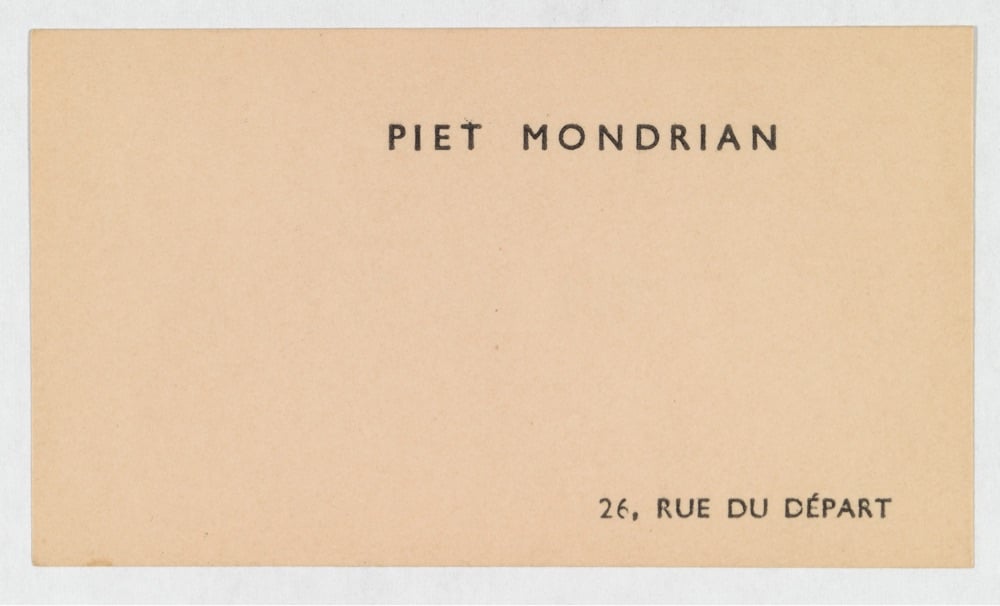
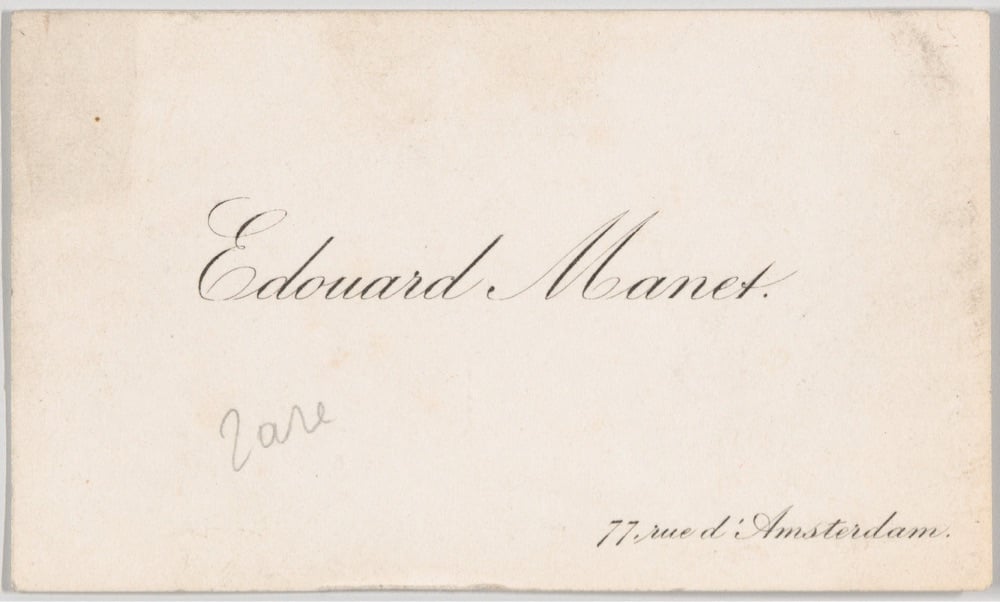
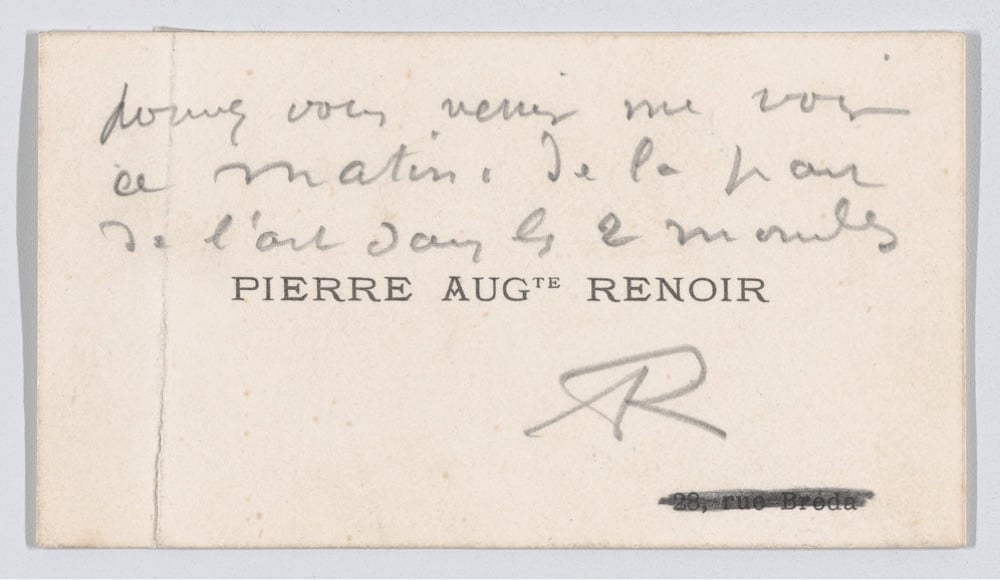
F. C. Schang collected the calling cards of prominent artists and musicians and in the late 20th century, donated a collection of them to Met Museum.
Calling cards derived from a custom, originating in England, in which messages were inscribed on the backs of playing cards. Cards made for the express purpose of sharing hand-written messages were manufactured beginning in the eighteenth century; by the early-nineteenth century, calling cards had become a popular means for sending well wishes, holiday greetings, condolences, and messages of courtship.
The cards include those of Klee, Renoir, Pissarro, Rodin, Monet, Mondrian, Braque, Toulouse-Lautrec, Manet, and many more. I think my favorites are Piet Mondrian’s (above) and Joan Miró’s, the former because it’s very much in keeping with the artist’s style and the latter because it isn’t:
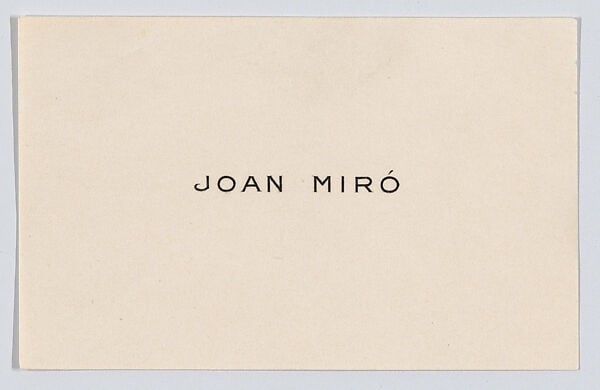
Schang published a book of these cards in 1983 — it’s long out of print but you can get one here (signed, no less). He also collected the calling cards of generally famous people, singers, pianists, and violinists. (via greg allen)
The Thirty-Six Dramatic Situations is a list that attempts to “categorize every dramatic situation that might occur in a story or performance” - e.g. pursuit, daring enterprise, rivalry of kin, an enemy loved, etc.
Whoa, a listing of where you can currently see a print of Hokusai’s Great Wave Off Kanagawa on display at a museum. The prints aren’t often displayed because they fade rapidly when exposed to light.
NPR is leaving Twitter after being falsely labeled “state-affiliated media” and then “government-funded media”. Good for them for doing the right thing, even though it’s difficult.
What Happens When You Get Sick?
From Kurzgesagt, an accessible explanation of what happens to the human body when you get sick.
Your brain activates sickness behavior and reorganizes your body’s priorities to defense. The first thing you notice is that your energy level drops and you get sleepy. You feel apathetic, often anxious or down and you lose your appetite. Your sensitivity to pain is heightened and you seek out rest. All of this serves to save your energy and reroute it into your immune response.
They also reveal the best way to boost your immune system to protect yourself against disease. I don’t want to spoil it but it’s vaccines. Vaccines are one of the best things humans have ever invented.
On the death of Tweetbot and its reincarnation as Ivory, the excellent Mastodon app.
Kottke AMA, Round 2
Hey folks, just a short note to say that I’m dropping in to answer some more questions over on the Kottke AMA site this afternoon, so head on over there to check out what’s new or read through some previous questions if you missed it a couple of weeks ago.
Travelling around Europe by train, eating delicious meals in revitalized dining cars, sounds like an amazing way to spend one’s time. Beats an Amtrak hot dog by a mile. (Also, check out the author’s name…)
You could stare at this thing for hours and never see all of it. “Floor796 is an ever-expanding animation scene showing the life of the 796th floor of the huge space station!”
A pan of the Rijksmuseum’s blockbuster Vermeer show. “I had arrived with an impression of Vermeer as a maker of paintings I enjoyed. I left with the impression of Vermeer as a maker of charming but boring, even stifling, pictures.”
The Smithsonian’s Collection of Online Public Domain Images Swells to 4.5 Million Objects
Back in 2020, the Smithsonian Institution placed 2.8 million high-resolution images and 3D models of objects in their collection into the public domain via their Open Access initiative. Over the past three years, that collection has grown to 4.5 million images, an absolutely immense trove of objects that people are free to use and remix however they wish.
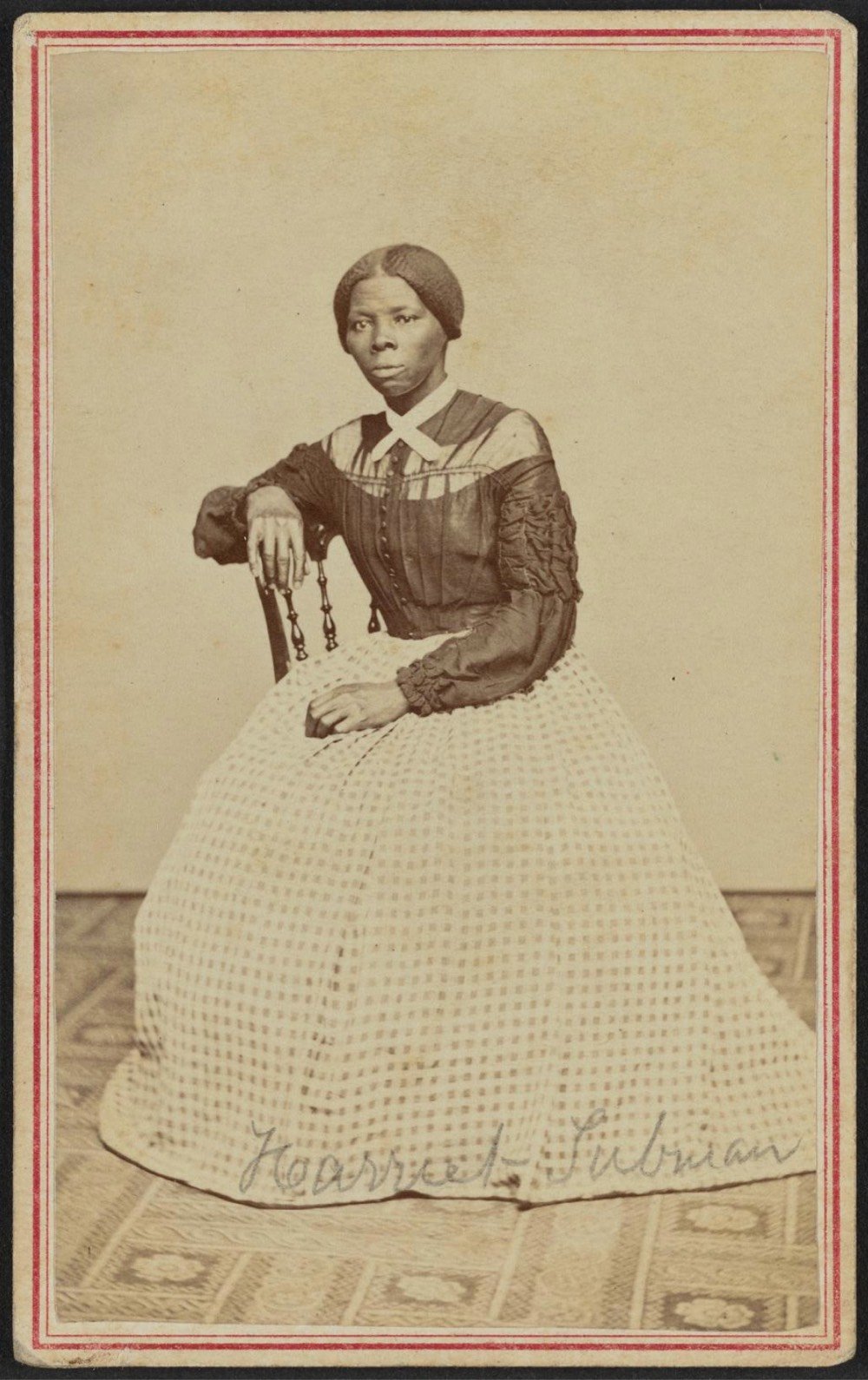
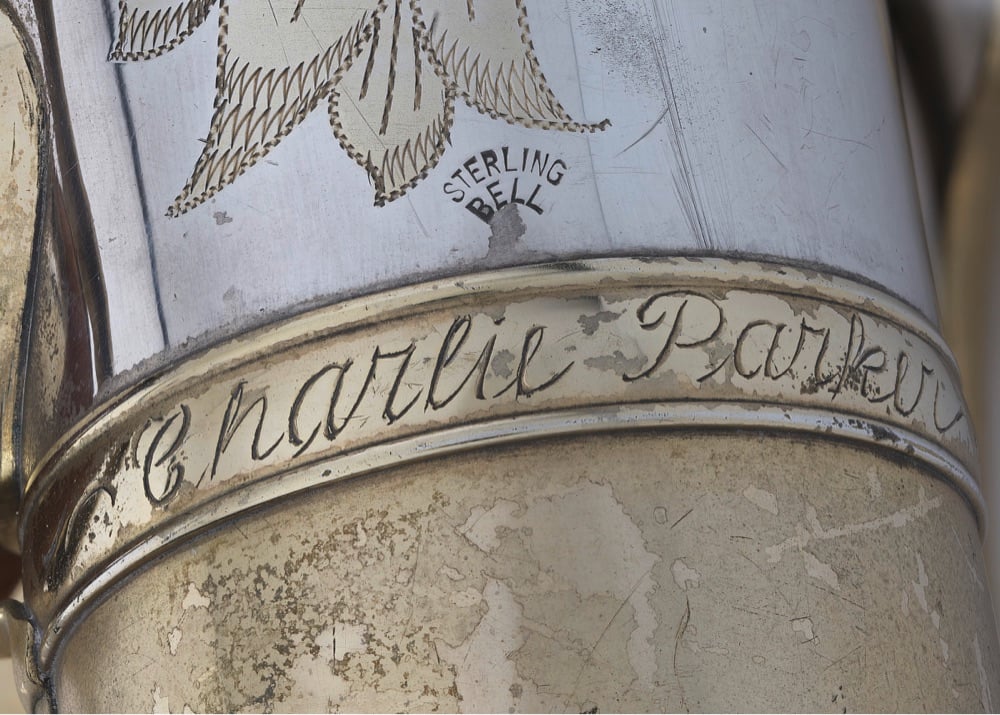
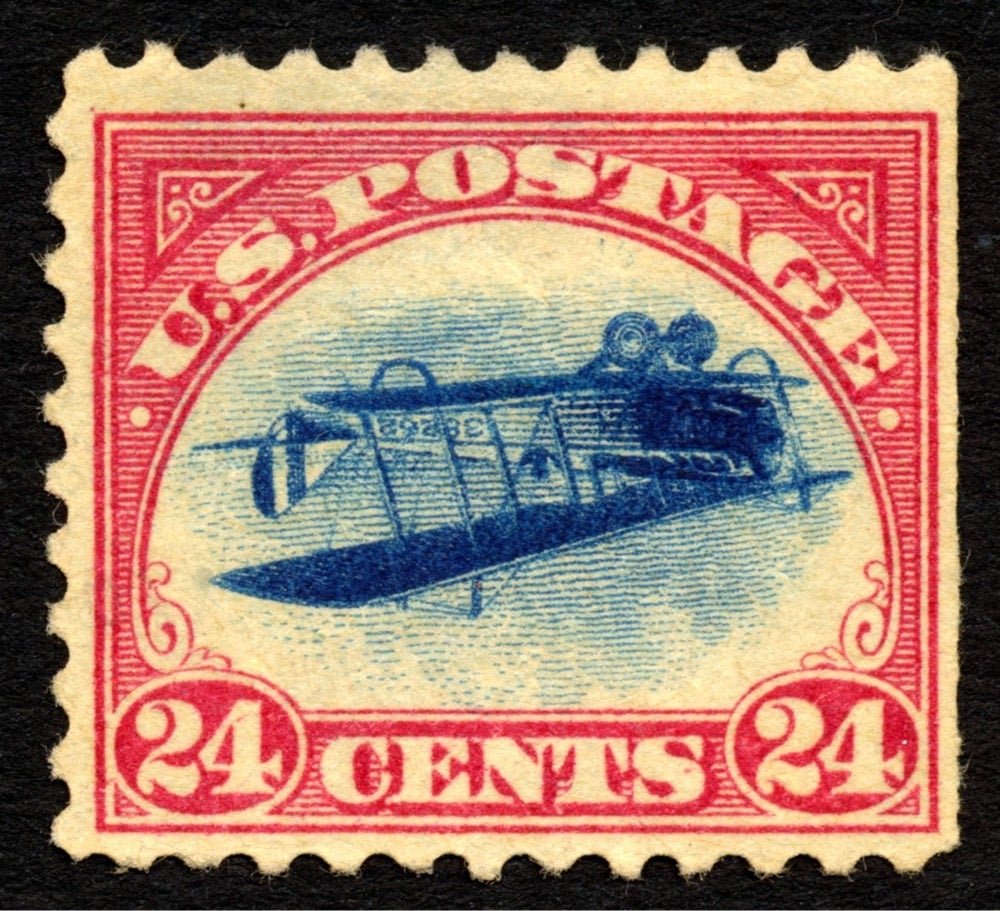
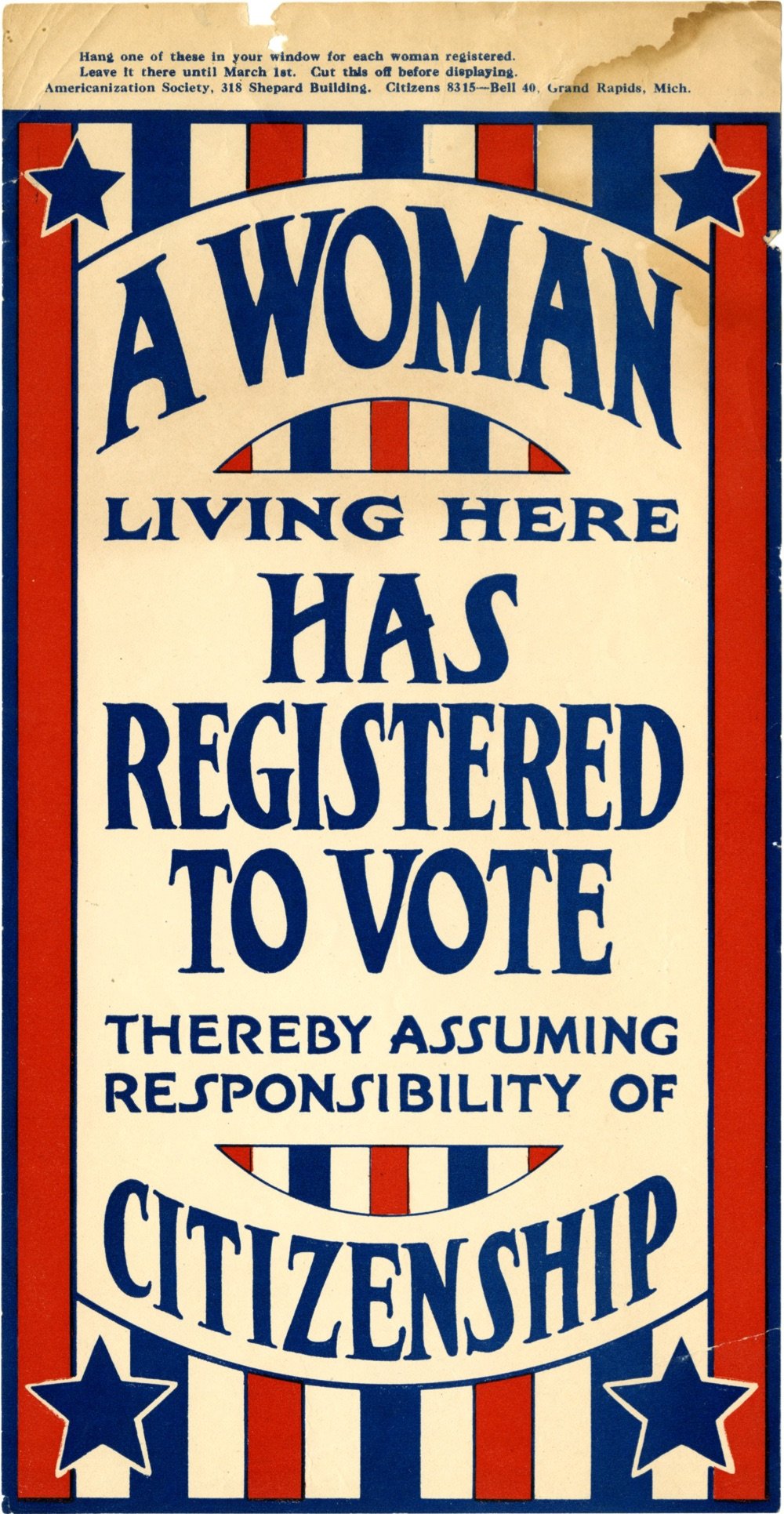
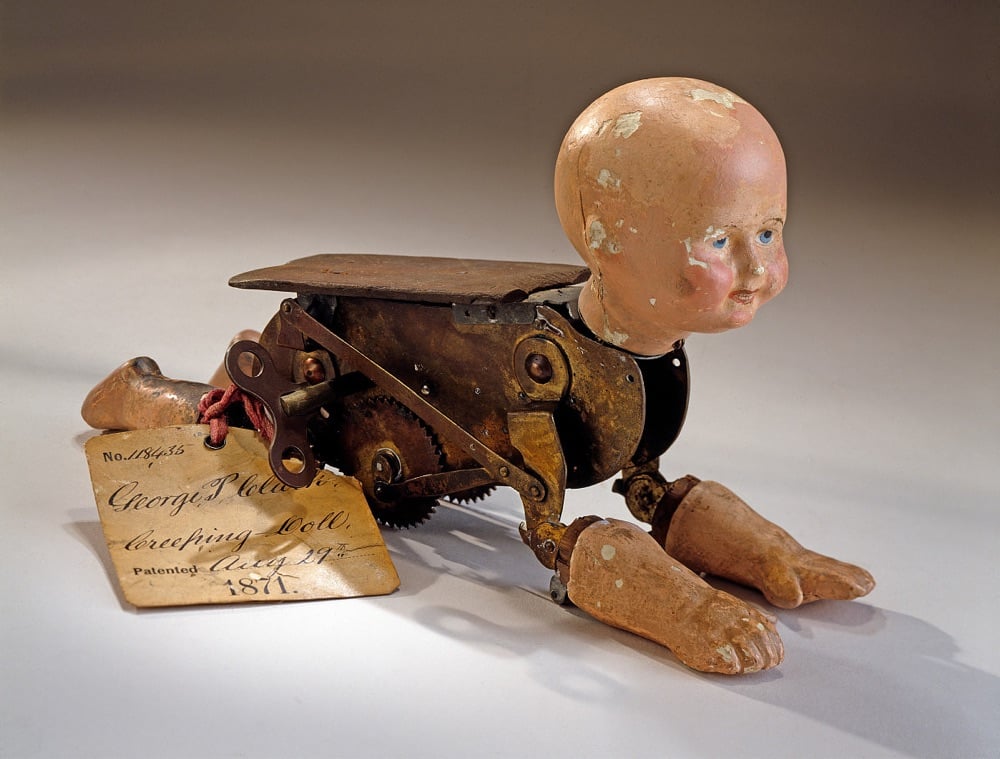
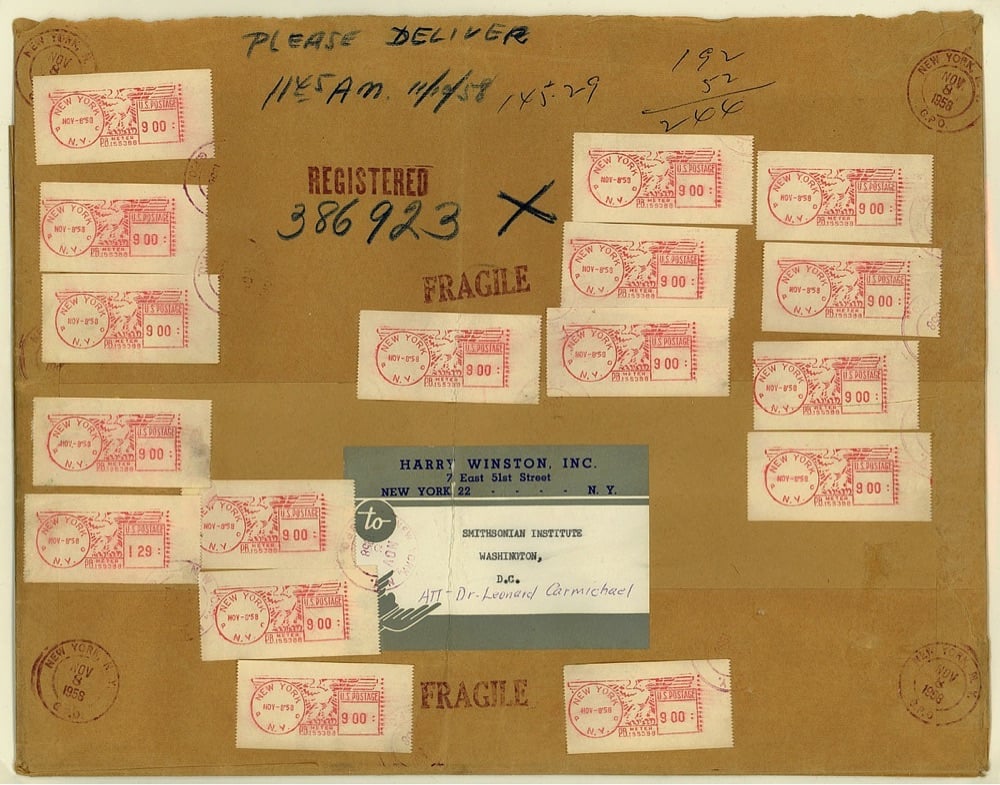
That last image is the mailing wrapper from when jeweler Harry Winston sent the Hope Diamond (currently valued at $200-350 million) to the Smithsonian through the regular US Mail.
Mailed on the morning of November 8 from New York City, the item was sent by registered (first class) mail — considered the safest means of transport for valuables at that time. The total fee was $145.29 (see the meter machine tapes). Postage only amounted to $2.44 for the package which weighed 61 ounces. The remainder of the fee ($142.85) paid for an indemnity of about $1 million.
(via my modern met)
The Remote Encoding Center in Salt Lake City is the last USPS facility in the country where unreadable addresses are sent to be corrected by “keyers”. Keyers process images at the rate of one every four seconds.
RuPublicans
The folks at RuPublicans are having fun using AI to generate photorealistic imagery of prominent conservatives in drag. Here are Anita Filibust-Her McConnell, Claretta Corrupta, Rhonda Santy, serving looks:


From their Stories:
Oh honey, darlings, sugar pies! THANK YOU for following and sharing. Drag artists have brought me joy, laughter, helped heal old wounds, and given me permission to love myself — and I’m not the only one.
Now let’s get real kittens. Drag isn’t lip-syncing; it’s art, it’s heart, and oh honey, it’s protest. To those in power serving up false narratives like an overcooked wig at a drag brunch, listen up: we’re here, we’re queer, and we ain’t going anywhere.
(via @thoughtbrain)
Die With Me is a chat app that you can only use when your phone has less than 5% battery remaining. (This has literally never happened to me, but have fun everyone else!)
The practice of inline hashtags on Mastodon is terrible, a clunky & inelegant techie solution. I don’t like reading them and will never use them. Separating them out would be great.
Tim Jonze on how he coped with a potentially lethal blood cancer diagnosis in his 30s. “The truth is, you don’t really know how you will react when your mortality comes swinging into view.”
The 20 Greatest Simpsons Episodes Of All Time. Surprisingly, there are two episodes from recent-ish seasons on here (but most are from the show’s golden age, seasons 2-8).
Exhibition of W.E.B. Du Bois’s Infographics at Cooper Hewitt in NYC
I’ve written before about the data visualizations created by W.E.B. Du Bois for the 1900 World’s Fair in Paris. Apparently a selection of these infographics are on display at the Cooper Hewitt Design Museum in NYC until May 29.
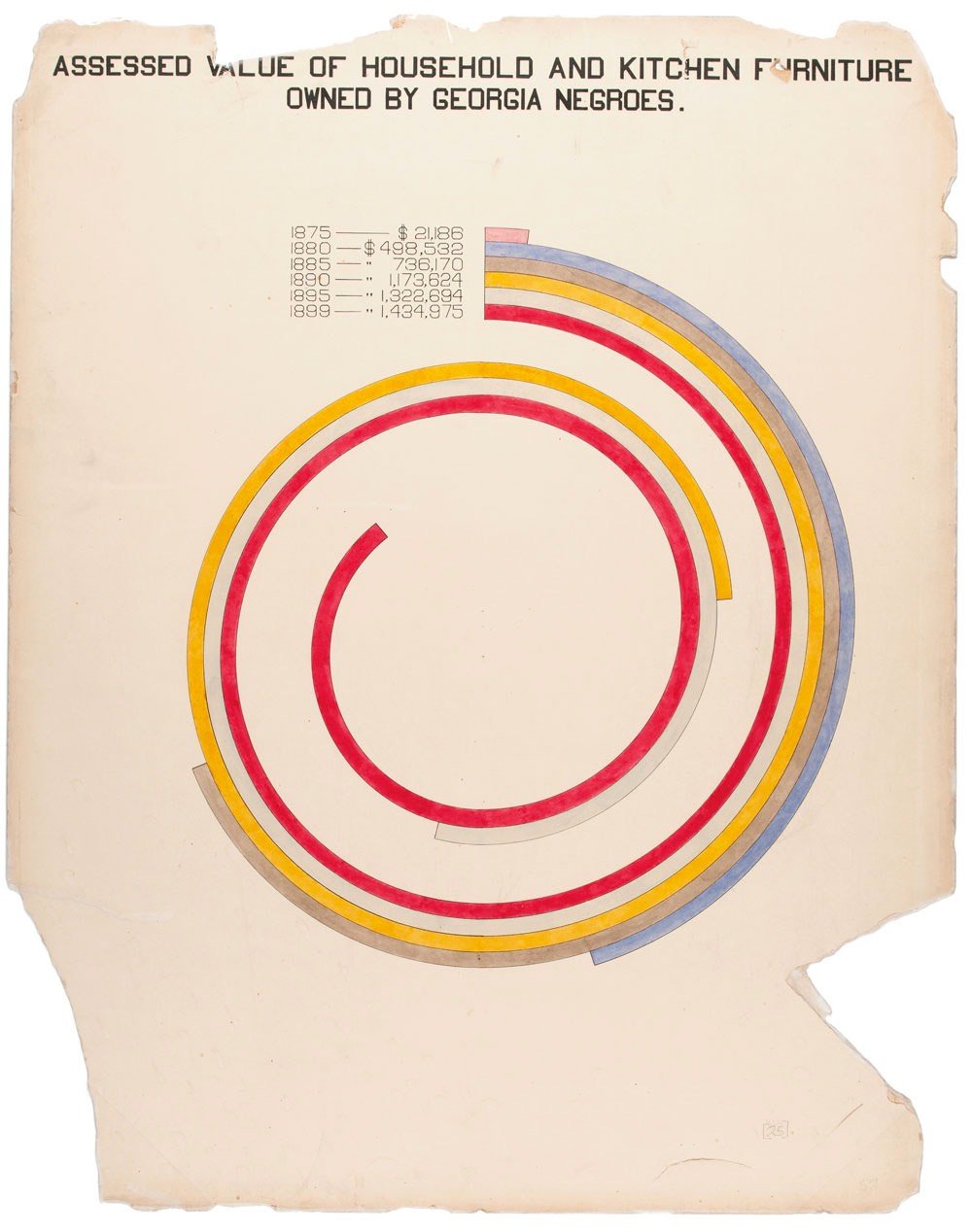
Wish I could get down there to see these…
Is the opening title sequence to Succession an homage to the title sequence to David Fincher’s The Game? The first and last shots are nearly identical.
Maybe I’m a rube, but it seems obvious to me that Barack Obama compiles his own book reading lists. “He considered [reading] part of being a good leader, part of being a good president, part of being a good father, a good husband, and a good man.”
The JWST has discovered the four oldest and most distant galaxies ever observed. “The galaxies date from 300 to 500 million years after the Big Bang more than 13 billion years ago.”
The Sound of a Dialup Modem, Visualized and Explained
There are few sounds that can transport me back to a specific time and place like the handshake of a dialup modem. I heard that arrangement of noises thousands of times sitting at my desk in rural Wisconsin, trying to soak up the entire internet. That sound meant freedom, connection, knowledge.
Oona Räisänen created this great visualization and explanation of what’s going on when a modem is making those noises.
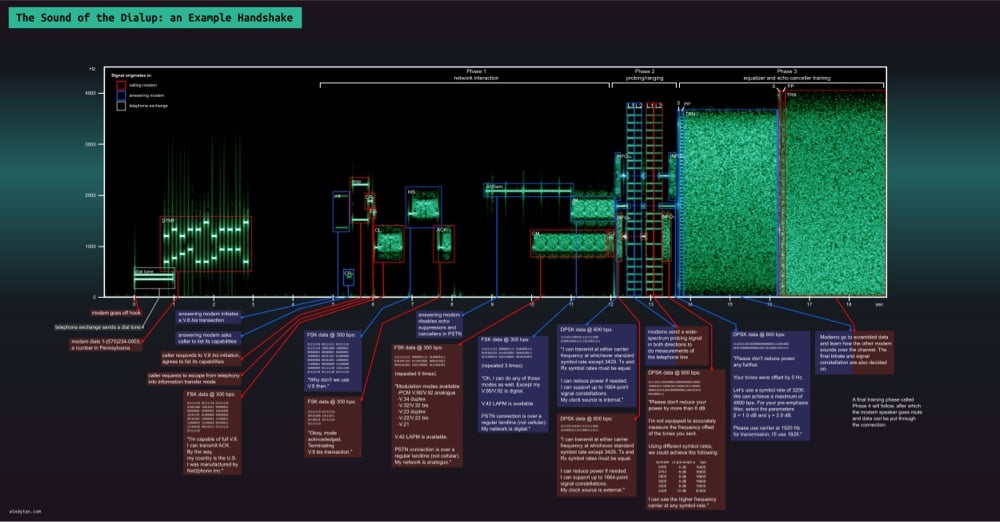
If you ever connected to the Internet before the 2000s, you probably remember that it made a peculiar sound. But despite becoming so familiar, it remained a mystery for most of us. What do these sounds mean?
As many already know, what you’re hearing is often called a handshake, the start of a telephone conversation between two modems. The modems are trying to find a common language and determine the weaknesses of the telephone channel originally meant for human speech.
See also this other visualization of dialup sounds, opera singers dubbed with dialup modems, and a vocal arrangement of the modem handshake.
I love this: equestrian coaches, trainers, and riders reflexively kicking and jumping while watching a rider on course. “It’s an uncontrollable reflex when a horse jumps a jump. I’ve tried my hardest to not do it and I can’t not do it.”
The Sizes of Flying Creatures, Compared
Using 3D models, this video compares the sizes of various flying creatures (insects, bats, birds, dinosaurs) past and present, from the microscopic fairyfly (which is dwarfed by a mosquito) to the albatross (with its 12-foot wingspan) to the immense Quetzalcoatlus, which stood 20 feet tall and had a wingspan in the neighborhood of 33 feet. For reference, that’s about the size of a Cessna 172 airplane. Just image those flying around all casual-like.
See also several other size comparison videos from the same channel, including objects in the universe, animals, and dinosaurs. (via digg)
In a NY Times investigation of US crypto mining facilities, they identified 34 operations that together use as much energy as 3 million households. Just shut these fuckers down - useless energy consumption like this is straight-up immoral.
Astronomers have spotted what they say is a supermassive black hole that has escaped its galaxy, traveling at 4 million mph and forming new stars in its wake. “Something like this has never been seen anywhere in the universe.”
Before The Last of Us, I was part of an international team to chart the threat of killer fungi. This is what we found. “Developing vaccines and drugs is hard because fungal cells are similar to human ones.”
The recently rediscovered original recording of the Wilhelm scream, Hollywood’s favorite audio easter egg. It includes several takes - “not an ‘oww’, a real scream…pain”.
The Best Podcasts of 2023 (So Far). Lots to add to the listening list here.
Clarence Thomas’s Billionaire Benefactor Collects Hitler Artifacts. “The collection includes two of [Hitler’s] paintings of European cityscapes, a signed copy of Mein Kampf, and assorted Nazi memorabilia”. Cool, cool.
Andy Baio is colorblind - here’s what the world (and some hard-to-use web interfaces) look like through his eyes. “At a glance…avocado toast and peanut butter toast look pretty much the same to me.”
There are going to be two solar eclipses in North America in the next year: an annular eclipse in Oct 2023 and a total eclipse in April 2024.
Flip Off Symbolically Powerful Places With Ai Weiwei’s Middle Finger



For his project Study of Perspective, artist and activist Ai Weiwei took photos of himself flipping off “significant institutions, landmarks and monuments from around the world”, notably Tiananmen Square in 1995. Using this Google Street View-enabled web tool, you can use Ai’s middle finger to flip off anything you’d like, anywhere in the world.
I’ve included a few examples above from the site’s archive. In a brief review of what folks have done with the site recently, I observed several shots of the Kremlin, the Eiffel Tower, churches, and various Trump buildings, but I also saw the Stonewall Inn and other gay landmarks.
London’s Courtauld Gallery is mounting an exhibition of 30+ forgeries that were previously attributed to notable artists. A Botticelli in the show was unmasked as a fake because the Virgin Mary too closely resembled movie star Jean Harlow.
Real headline about an image taken by the JWST: Look at These Beautiful Rings Rimming Uranus.
This looks interesting: a ChatGPT-powered replacement/augmentation for Siri on Apple devices.
How to Beat Roulette (Without Cheating?)
The arms race between the house and the gamblers over which they openly have the advantage is fascinating. I’ve read about all sorts of schemes involving card counting, dice shaving, covert signaling, computer analysis, and other shenanigans, but I hadn’t heard about the possibility that some folks had figured out a way to beat roulette without actually cheating. This passage provides a few clues as to how they managed it:
But the way Tosa and his friends played roulette stood out as weird even for the Ritz. They would wait until six or seven seconds after the croupier launched the ball, when the rattling tempo of plastic on wood started to slow, then jump forward to place their chips before bets were halted, covering as many as 15 numbers at once. They moved so quickly and harmoniously, it was “as if someone had fired a starting gun,” an assistant manager told investigators afterward. The wheel was a standard European model: 37 red and black numbered pockets in a seemingly random sequence — 32, 15, 19, 4 and so on — with a single green 0. Tosa’s crew was drawn to an area of the betting felt set aside for special wagers that covered pie-sliced segments of the wheel. There, gamblers could choose sections called orphelins (orphans) or le tiers du cylindre (a third of the wheel). Tosa and his partners favored “neighbors” bets, consisting of one number plus the two on each side, five pockets in all.
Then there was the win rate. Tosa’s crew didn’t hit the right number on every spin, but they did as often as not, in streaks that defied logic: eight in a row, or 10, or 13. Even with a dozen chips on the table at a total cost of £1,200 (about $2,200 at the time), the 35:1 payout meant they could more than double their money. Security staff watched nervously as their chip stack grew ever higher. Tosa and the Serbian, who did most of the gambling while their female companion ordered drinks, had started out with £30,000 and £60,000 worth of chips, respectively, and in no time both had broken six figures. Then they started to increase their bets, risking as much as £15,000 on a single spin.
It was almost as if they could see the future. They didn’t react whether they won or lost; they simply played on. At one point, the Serbian threw down £10,000 in chips and looked away idly as the ball bounced around the numbered pockets. He wasn’t even watching when it landed and he lost. He was already walking off in the direction of the bar.
And I feel like there’s a whole other essay to be written about how, with enough practice & repetition, humans can get into the flow (as in dance, music, sports) with devices, machines, and other mechanical & electrical objects, getting to know them on an almost unconscious level, an understanding that defies analysis.
He compared cerebral clocking to musical talent, suggesting it might activate similar parts of the brain, those dedicated to sound and rhythm.
This is just a small example, but a good mechanic can often diagnose what’s wrong with a car, even the tiniest things, just by starting it up because there’s so much information in how it sounds and the vibrations it’s making — see Ken Miles in Ford vs. Ferrari for a dramatized example. (via damn interesting)
David Lynch on Denis Villeneuve’s adaptation of Dune: “I will never watch it, and I don’t even want you to tell me about it, ever.”
If It’s Advertised to You Online, You Probably Shouldn’t Buy It. Here’s Why. Products in targeted ads were more expensive and lower quality than similar products found elsewhere online.
Twitter is haphazardly cutting off API access to feedreaders, bot-makers, and would-be competitors. “Overall I’m not surprised to find Twitter’s changes rolling out unpredictably.”
The “Disturbing Beauty” of Shattering Porcelain Statues
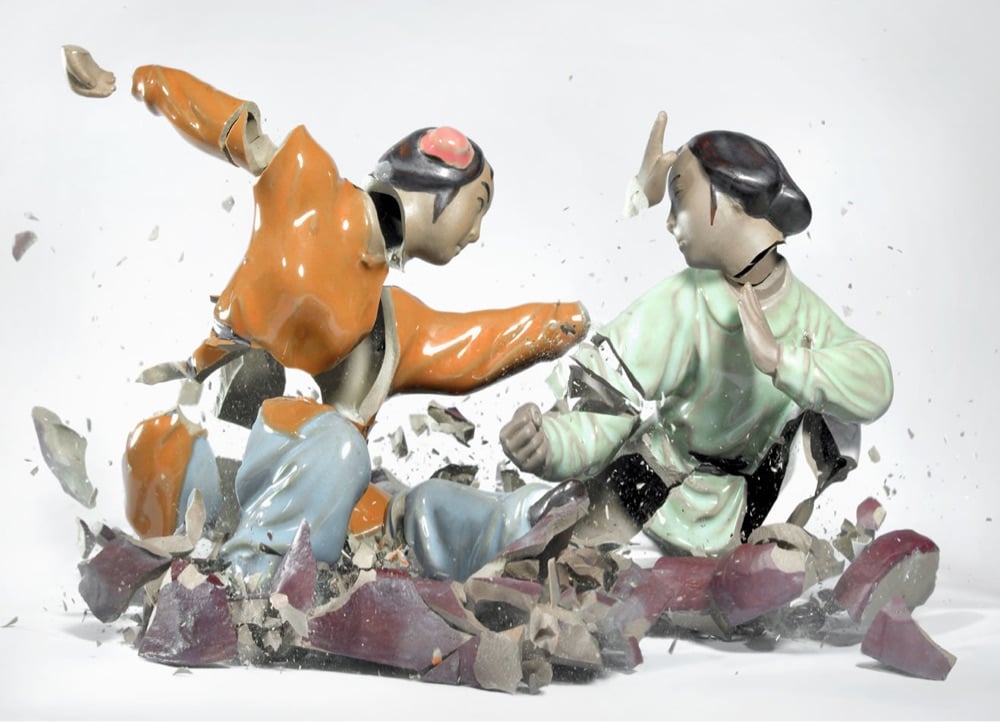
I posted a link to these the other day from the broken plates post (and first posted about them more than 15 years ago), but I love these photographic sculptures by Martin Klimas so much that I wanted feature them in a proper post.
From a height of three meters, porcelain figurines are dropped on the ground, and the sound they make when they hit trips the shutter release. The result: razor-sharp images of disturbing beauty, more than the sum of its parts. Temporary sculptures made visible to the human eye by high-speed photography. The porcelain statuette bursting into pieces isn’t what really captures the attention; the fascination lies in the genesis of a dynamic figure that seems to stop/pause the time and make time visible itself.
See also Klimas’ Flowervases (“Flawlessly arranged flower vases are shot by steel bullets and captured at the moment of their destruction”) and Sonic Sculptures (“Klimas begins with splatters of paint in fuchsia, teal and lime green, positioned on a scrim over the diaphragm of a speaker — then, the volume is turned up”).
The 50 Best Films of the 21st Century (So Far). This is a little bit of a weird/surprising list tbh. (For instance, both True Grit and No Country for Old Men are better Coen films than the inexplicably well-rated Inside Llewyn Davis.)
Socials & More