

Advertise here with Carbon Ads
This site is made possible by member support. 💞
Big thanks to Arcustech for hosting the site and offering amazing tech support.
When you buy through links on kottke.org, I may earn an affiliate commission. Thanks for supporting the site!
kottke.org. home of fine hypertext products since 1998.
Beloved by 86.47% of the web.
Entries for September 2021
Surrealist Architecture


For his City Portraits series, Victor Enrich digitally modified photos to create absurdist and surrealist buildings that look like a lot of fun to live in.
See also 13 Jaw-Dropping Examples of Photoshopped Architecture.
The Topography of Tears
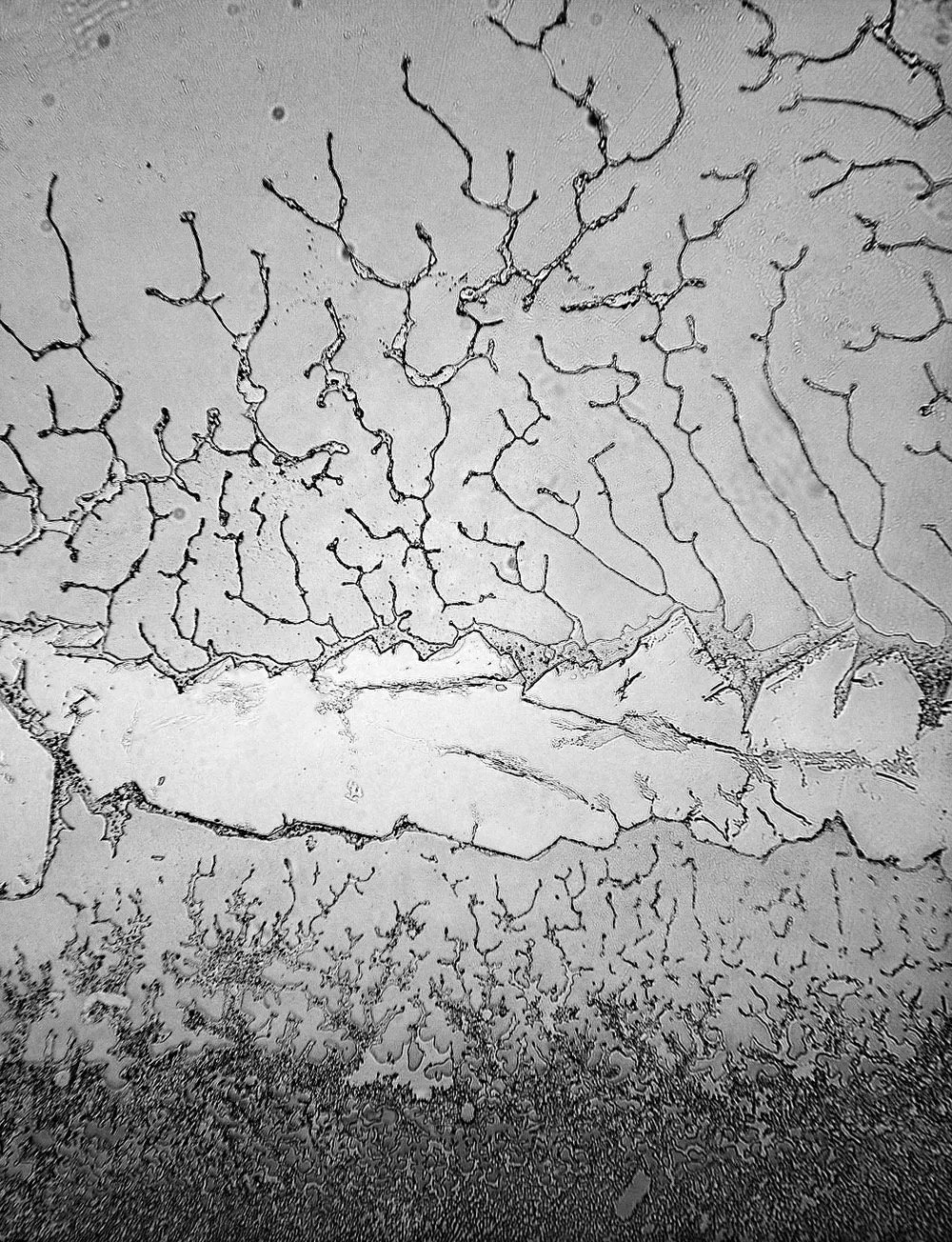
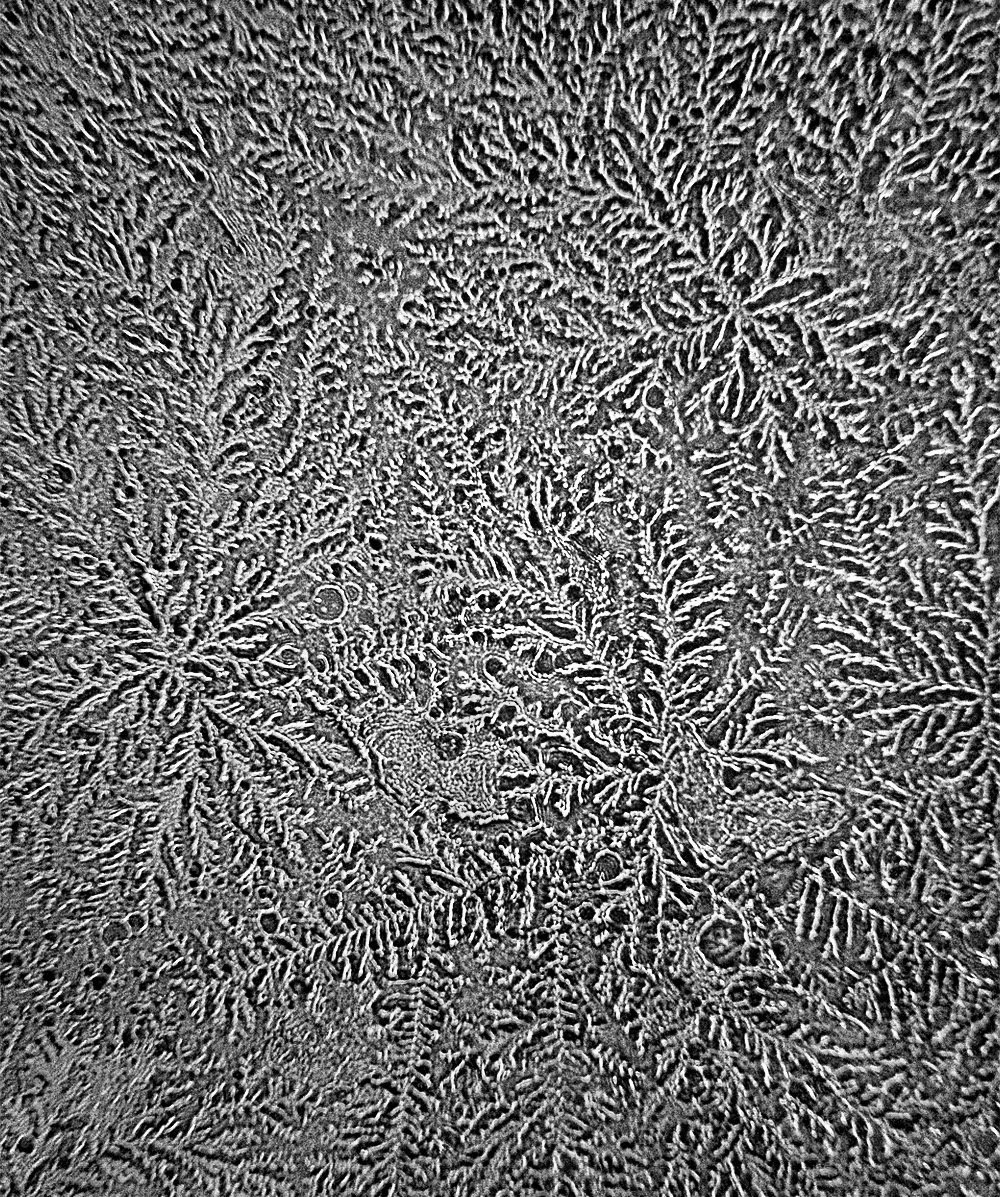
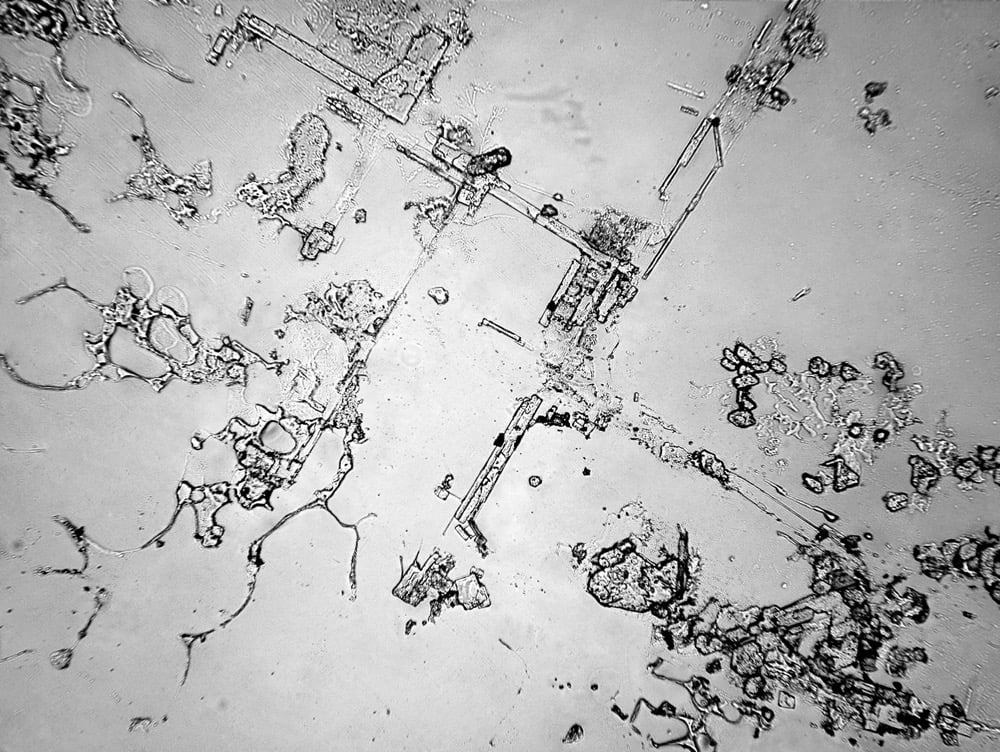
For her project Topography of Tears, Rose-Lynn Fisher used a microscope to photograph the crystalized patterns of dried human tears. Part of why the images all look different is because tears are made up of varying chemicals depending on why they’re made.
Scientifically, tears are divided into three different types, based on their origin. Both tears of grief and joy are psychic tears, triggered by extreme emotions, whether positive or negative. Basal tears are released continuously in tiny quantities (on average, 0.75 to 1.1 grams over a 24-hour period) to keep the cornea lubricated. Reflex tears are secreted in response to an irritant, like dust, onion vapors or tear gas.
All tears contain a variety of biological substances (including oils, antibodies and enzymes) suspended in salt water, but as Fisher saw, tears from each of the different categories include distinct molecules as well. Emotional tears, for instance, have been found to contain protein-based hormones including the neurotransmitter leucine enkephalin, a natural painkiller that is released when the body is under stress.
This project is also available in book form. (via austin kleon)
Update: Per an email from the photographer, I’ve corrected the post above to note that these images were taken with a normal optical microscope, not a scanning electron microscope. Thx, Rose-Lynn!
Where Did You Grow Up?
My friend Joanna Goddard runs a website called Cup of Jo. She started it as a personal blog and has turned it into a site for women with a diverse and interesting group of contributors. However, the truly marvelous thing about Cup of Jo is the comments. That’s right, the comments. They are always good, often great, and occasionally sublime. Years and even decades after most websites have removed their comment sections for being toxic and unwieldy, Cup of Jo readers are in there delivering on the original promise of the web as a way to connect humans with one another by providing advice, reflections, stories, and support to each other.
One of the site’s best uses of the comments section are on posts that ask a simple question, like Where Did You Grow Up? (See also What Unexpected Relationships Have You Formed During the Pandemic?) I pulled out a few of my favorite comments from this post and shared them below.
My dad is a physicist and biomedical researcher, so we made a few big moves when I was growing up. From Long Island, to Chicago, and then to Saskatoon, Saskatchewan (central Canada). I went to tiny town Oklahoma for college before coming back to Sask. It is wild up here, where winter days are often -40 degrees Fahrenheit. In my youth I was torn in half between my longing for city excitement and the call of the wild. These days, I am proud to be raising a 4 year old that knows the rules of camping, and how to act around critters like bears and moose. His first concert was an Inuit band who throat sang in Inuk. We danced as a storm opened up and poured rain on us, the natural light show illuminating the fractal jack pine tree tops. All three of us slept like babies that night in our tent with the storm pounding the forest in the background. The city was fun, but I wouldn’t trade my quality of life for anything. I know how to thank the Great Spirit for the grandfather trees of the forest, and how to step lightly where wood frogs lie. I know the feeling of the air changing to autumn or spring on my cheeks, before a single leaf falls or prairie crocus blooms. The knowledge of this place is etched into the fabric of my body, as it will be for my stepson.
…
I grew up in a North Dallas trailer park backed up to a state highway and a freeway with my older brother and young widowed mom. We lived off social security and hotdogs. I thought anyone whose mobile home vinyl siding wasn’t peppered with holes from a weed whacker was fancy.
After hours, I played in the construction materials depot next door with my brother and our little band of trailer park buddies. We got a lot of shit for being “trailer trash kids” but we all grew up to become hella cool and kindhearted: amazing parents, teachers, nurses, artists, writers, musicians, therapists, political shit-stirrers, philosophers, world travelers.
We used to catch opossums with rusty cat traps and sneak them into our bathtubs where we would feed them scraps and get hissed at. I recall chasing an armadillo down a hill with a BB gun in the blazing Texas sunshine and thinking no funner game had ever been invented.
We would dismantle the breaks from our second-hand banana-seat bikes and then race each other down the “big hill” and jump into the grass kamikaze-style at the screaming last minute where we would lay in a banged-up heap laughing hysterically in the face of death.
My brother once shot a dove off a telephone wire from our front porch and proceeded to cook it for my first-day-of-high-school breakfast, ironically, because he wanted me to be able to tell that trailer-trash story to my kids someday. I do, and they don’t believe me. I’ve raised my two kiddos in Toronto, The Netherlands, and now Colorado. They think trailers are something you take into the mountains for a glamping vacation. They are also hella cool and kindhearted. I marvel at them.
…
I grew up in a small town in South Alabama. I am from the land of yes ma’ams, covered dish suppers at church, and pulling over for funeral processions. I was raised on a steady diet of collard greens, pimento cheese, grits, pear salad (google it), boiled peanuts, and fried hand pies. To this day there is nothing more delicious - figuratively and literally - than the memory of homemade vanilla ice cream in an old ice cream maker with my dad cutting and dropping slices of peaches picked from our tree. I didn’t know enough to be concerned that he was cutting them with his pocket knife. I miss living somewhere that included mac n cheese on a salad bar. I have vivid memories of hearing my grandmother tell stories involving her childhood friend, Nell Lee (known to most of us as Harper Lee). One summer, I rode my horse into town almost every day and got an ice cream cone at the shop owned by my friend’s family. My dad was the high school principal and my mother was the deputy sheriff. I was the high school mascot and to this day, I highly recommend any job where the dumber you act, the more successful you are. High school adventures included bonfires in someone’s field, hot days at the creek, and constantly driving around the town square. There was one restaurant in town and it opened up late each Friday night to serve a full fried chicken meal to the returning high school football team, band, and cheerleaders after every away game. There was a wrong and a right side of the tracks. It was simultaneously both the most loving community I have known and the most discriminatory.
…
I grew up in Houston on a street full of kids. Houston was playing kickball on a dead-end street and “hide from cars” on summer nights when we were allowed to stay out after dark. Everyone lived in their front yards and garages. A dad only had to prop up the hood of his car, and every man on the block came over and started consulting. This led to impromptu pizza or burger parties. Every Halloween, my dad and our preacher staged a spookhouse in our garage that ALL the kids visited. Our neighborhood was swarmed with kids trick or treating and our group, ranging from 3 years old to 10, roamed for blocks, completely safe, until the year The Candyman ruined trick or treating forever. Every Christmas Eve, we girlfriends swam in Sam’s pool, then went caroling on our street with bare feet and wet hair. We thought that was very funny. We rode our banana-seat bikes to stores near us until we graduated to 10-speeds. We went to glossy, over-air-conditioned shopping malls. We had a lot of freedom because things were so accessible.
…
I grew up in Encinitas, CA (north of San Diego) when it was a sleepy, little beach town. I miss all “my” beach spots, friends, and that coastal air. It was one of those places where even if we didn’t know everyone, everyone was treated with consideration. It wasn’t always idyllic but it was a pretty lucky place to be raised. You could count on anyone being willing to help you. One time my dad’s Oldsmobile broke down on a random street. He had no problem walking up to a door, knocking on it and asking to use the phone (hello 1989!). The surfers were still zonked on the couches, but one let my dad in and let him call a friend. He told my dad to leave the car and come back for it whenever he could get a tow truck for the car. No one was mad at being woken up at 7am, they just rolled with it.
You can read the post and the rest of the comments here. I grew up in northern Wisconsin on a farm and then in a small nearby town. We rode our bikes everywhere as kids and our parents had no idea where we were most of the time. The music options were country or heavy metal — I didn’t care for either. The nearest movie theater was in a town 10 miles away and I still remember the excitement of standing in line for Ghostbusters on a sweltering June evening. As a teen, I would go around to all of the vending machines in town (there were only three or four of them) and check the coin returns for money — any quarters I found would go right into the Ms. Pac-Man machine at Erickson’s grocery store. A few people I knew had a vacation house on the lake but we couldn’t afford one. School was terrible and cliquey and I never felt like I belonged. I left after high school and aside from summers and a short stint after dropping out of grad school, I never went back. I haven’t been for a visit in nearly 20 years and only recently have I been curious about seeing it through adult eyes and revisiting old haunts.
See also this classic NY Times dialect quiz (which I took the other day and it nailed my childhood location within 90 miles) and using only food, where did you grow up? (my answer: hotdish, fried smelt, colby cheese, and summer sausage).
“Art Is Everything”
In this wonderful short documentary by Lydia Cornett, we meet Yves Deshommes and observe him moving through his many responsibilities and interests in life, including being an NYC concierge, art dealing, raising his daughter, playing the violin, and helping his home country of Haiti.
Deshommes, who grew up in Haiti, came to New York on a student visa in 1985. He was seventeen years old, and when his visa expired he became undocumented. He lived with an older brother and took classes day and night and through the summer in order to finish high school in two years. “I became a man the moment I set foot on U.S. soil, full of responsibility,” he told me. He started playing the violin a few years later, with teachers at the Harlem School of the Arts. He was soon practicing several hours a day and working long shifts at Pizza Hut. He felt that he was too old to train as a professional, but his practice had become central to his life: “Music was the escape, music was the goal. Music was what made me achieve great things,” he said. “The violin gives me a discipline where I feel I can conquer anything.”
My Recent Media Diet, the Summer/Fall Switchover Edition
Oh, I’ve let it go too long again. It’s been almost four months since I’ve done one of these media roundups and there’s lots to share. If you’re just joining us — welcome but WHERE HAVE YOU BEEN THO?! — I do a post like this every few months with short reviews of all the movies, books, music, TV show, podcasts, and other things I’ve enjoyed (or not) recently. The letter grades are very subjective and inconsistent — sorry! Ok, here’s what I have for you today.
The Land That Never Has Been Yet. This podcast series by Scene on Radio on American democracy is essential listening. The episode on how a small group of libertarians have had an outsized influence on American life is especially interesting and maddening. (A)
The Legend of Korra. Watched this with the kids and we all enjoyed it. (B+)
The Expanse. A little uneven sometimes, but mostly compelling. I’ve got crushes on about 4 different people on this show. (B)
Galaxy Quest. The teens were skeptical about this one, but Alan Rickman’s presence won them over. I love this movie. (A)
The Truffle Hunters. The first movie I’ve seen in the theater since March 2020. The pace of the film is, uh, contemplative — I never would have lasted more than 10 minutes if I’d started watching this at home — but full of wonderful little moments. (B+)
The Ezra Klein Show, interview with Agnes Callard. I don’t catch every episode of Klein’s podcast, but this interview with Agnes Callard was particularly wide-ranging and good — I want to know her opinion on anything and everything. (A-)
NBC Sports’ Premier League recaps. I don’t get to watch as much football as I’d like, but I look forward to catching up with all the action at the end of the day. A lot of the networks’ recaps are pretty shabby — incomplete, rushed, no goal replays — but the ones from NBC Sports are really good. You see each of the goals (and significant near-misses) from multiple angles and get a real sense of the flow of the match. (A-)
Nomadland. I didn’t seem to like this quite as much as everyone else did. Frances McDormand is excellent as usual. (B+)
Mare of Easttown. Kate Winslet. I mean, what else do you have to say? I raced through this. (A)
Writing the Future: Basquiat and the Hip-Hop Generation. Great exhibition at the MFA of one of the golden ages of NYC. (A-)
The Premonition: A Pandemic Story by Michael Lewis. It’s a little early to write the definitive book on what went so wrong in America with the pandemic, but Lewis did about as well as can be expected. The CDC doesn’t fare well in his telling. (A-)
Alice Neel: People Come First. Great show at the Met of an outstanding portraitist. (A-)
Nixon at War. The third part of the excellent podcast series on the LBJ & Nixon presidencies. Nixon’s Watergate downfall began with the Vietnam War…when Nixon committed treason to prolong the war to win elected office. (A)
Rashomon. Hard to believe this was made in 1950. A film out of time. (A-)
Velcro ties. Unobtrusive and super handy for organizing cords — wish I’d gotten these sooner. (B+)
Be Natural: The Untold Story of Alice Guy-Blaché. Documentary about film director French film director Alice Guy-Blaché, who pioneered so much of what became the modern film industry, first in France and then in the United States. (B+)
Klara and the Sun by Kazuo Ishiguro. Compelling dystopian science fiction from Nobel-winner Ishiguro. An interesting companion book to The Remains of the Day. (A-)
Handshake Speakeasy. Super creative and delicious. Maybe the best new bar I’ve been to in years. (A)
The Fugitive. Great film…still holds up almost 30 years later. (A)
Speed. This doesn’t hold up quite as well as The Fugitive but is still entertaining. (B+)
Edge of Tomorrow. Underrated action/sci-fi movie. (A)
No Sudden Move. Solid crime caper movie from Soderbergh. Don Cheadle and Benicio del Toro are both excellent. (B+)
Black Widow. Struck the right tone for the character. Florence Pugh was great. (B+)
Summer of Soul. Wonderful documentary about 1969’s Harlem Cultural Festival. Director Questlove rightly puts the music front and center but cleverly includes lots of footage of people watching too (a la the Spielberg Face). Beyonce’s Homecoming used this to great effect as well. (A)
Loki. Loved the design and architecture of the TVA. Great use of color elsewhere as well. (B+)
Nanette. Very clever and powerful. (A)
Fleabag (season two). Perhaps the best ever season of television? (A+)
Consider the Oyster by MFK Fisher. The highest compliment I can pay this book is that it almost made me hungry for oysters even though I do not care for them. (B+)
The Green Knight. Even after reading Sir Gawain and the Green Knight and seeing this movie, I’m not entirely sure I know what this story is trying to convey, thematically or metaphorically, or if it’s even that entertaining. (B)
The Dark Knight Rises. Probably sacrilege, but this is my favorite of the Nolan Batmen. (A)
Bridge of Spies. Mark Rylance was superb in this and Spielberg’s (and Janusz Kamiński’s) mastery is always fun to watch. (B+)
Luca. A fun & straightforward Pixar movie without a big moral of the story. (B+)
Solar Power. Not my favorite Lorde album. (B-)
Reminiscence. I have already forgotten the plot to this. (B-)
The ocean. Got to visit the ocean three times this summer. One of my favorite things in the world. (A+)
The White Lotus. Didn’t really care for the first two episodes and then was bored and tried to watch the third — only made it halfway through. I “finished” it by reading Vulture recaps. Why do people like this show? (C-)
A Thousand Ships by Natalie Haynes. Between Emily Wilson, Madeline Miller, and now Natalie Haynes, I’ve gained a unique understanding of the Iliad and Odyssey. (B+)
TWA Hotel. A marvelous space. (A-)
Turbo. Like Cars + Ratatouille but by Dreamworks and with Snoop Dogg. (C)
Laserwriter II by Tamara Shopsin. A love letter to NYC, printers, Apple computers, and the late, great Tekserve. Another banger from Shopsin. (A)
Donda. Beeping out all the swear words while managing to keep the misogyny in seems apt for an artifact of contemporary American Christianity. Too long and very uneven, I hate that I really love parts of this album. (D+/A-)
Certified Lover Boy. Same ol’ same ol’ from the easy listening rapper. Nothing on here that I wanted to listen to a second time. (C-)
The Great British Baking Show. I’ve only seen bits of one season so far (#6), but I can see why so many people love this show. It’s the perfect combination of soothing but competitive and about a topic that everyone loves — baked goods. (B+)
Past installments of my media diet are available here.
The 2021 Fall Foliage Prediction Map
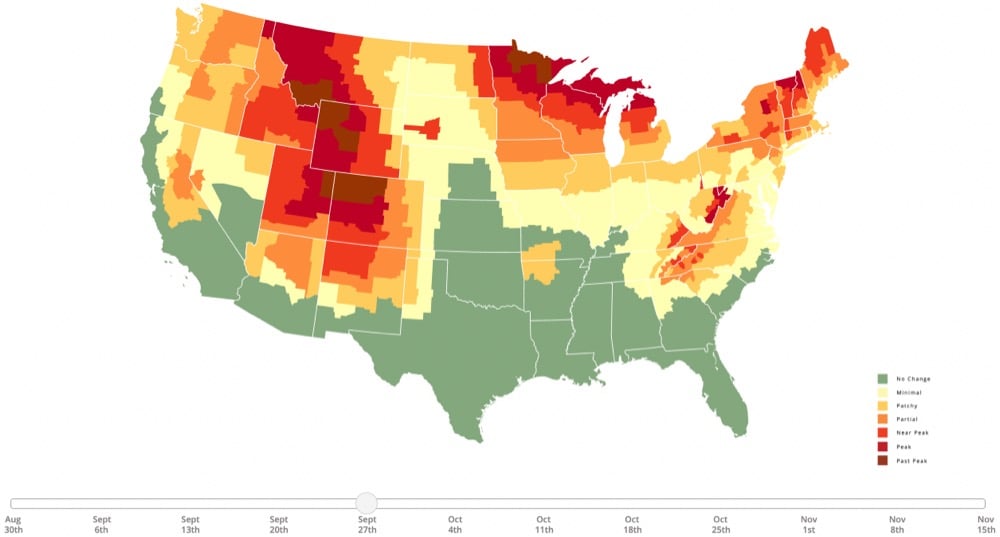
Well, the leaves are starting to change up here in ol’ Vermont,1 so it’s time to take a peek at the 2021 Fall Foliage Map from smokymountains.com. Apple pie is just around the corner!
One fucker of a tree near my house has turned completely bright red already. Like, slow down mate.↩
“What Are We Going to Say This Year?”
The Wire creator David Simon wrote about his friend and colleague Michael K. Williams, who died suddenly last week at the age of 54. The Question Michael K. Williams Asked Me Before Every Season of ‘The Wire’:
And from that moment forward, his questions about our drama and its purposes were those of someone sharing the whole of the journey. It became something of a ritual with us: To begin every season that followed, Michael K. Williams would walk into the writers’ office and sit on the couch.
“So,” he would ask, “what are we going to say this year?”
He gave us an astounding gift — an act of faith from a magnificent actor who could have played his hand very differently. Television usually chases its audience — if they love them some Omar, you feed them more Omar. If they can’t stop looking at Stringer, you write more Stringer. Never mind story and theme.
Instead, Mike bent his beautiful mind to a task that even the best writers and show runners often avoid. He thought about the whole story, the whole of the work.
Perhaps more than any in that talented cast, I came to trust Mike to speak publicly to our drama and its purposes, to take personal pride in all that we were trying, however improbably, to build. He became increasingly political as the show aged, and in interviews took to addressing societal and political issues, his arguments ranging well beyond Omar’s arc.
“I started to realize that, oh, this is not about me,” Williams once told an interviewer, looking back. “It had everything to do with … just great tapestry, this great narrative of social issues … things that are wrong in our country.”
See also tributes from Wendell Pierce and other actors & filmmakers who worked with Williams.
Drone Panorama of Cao Bang
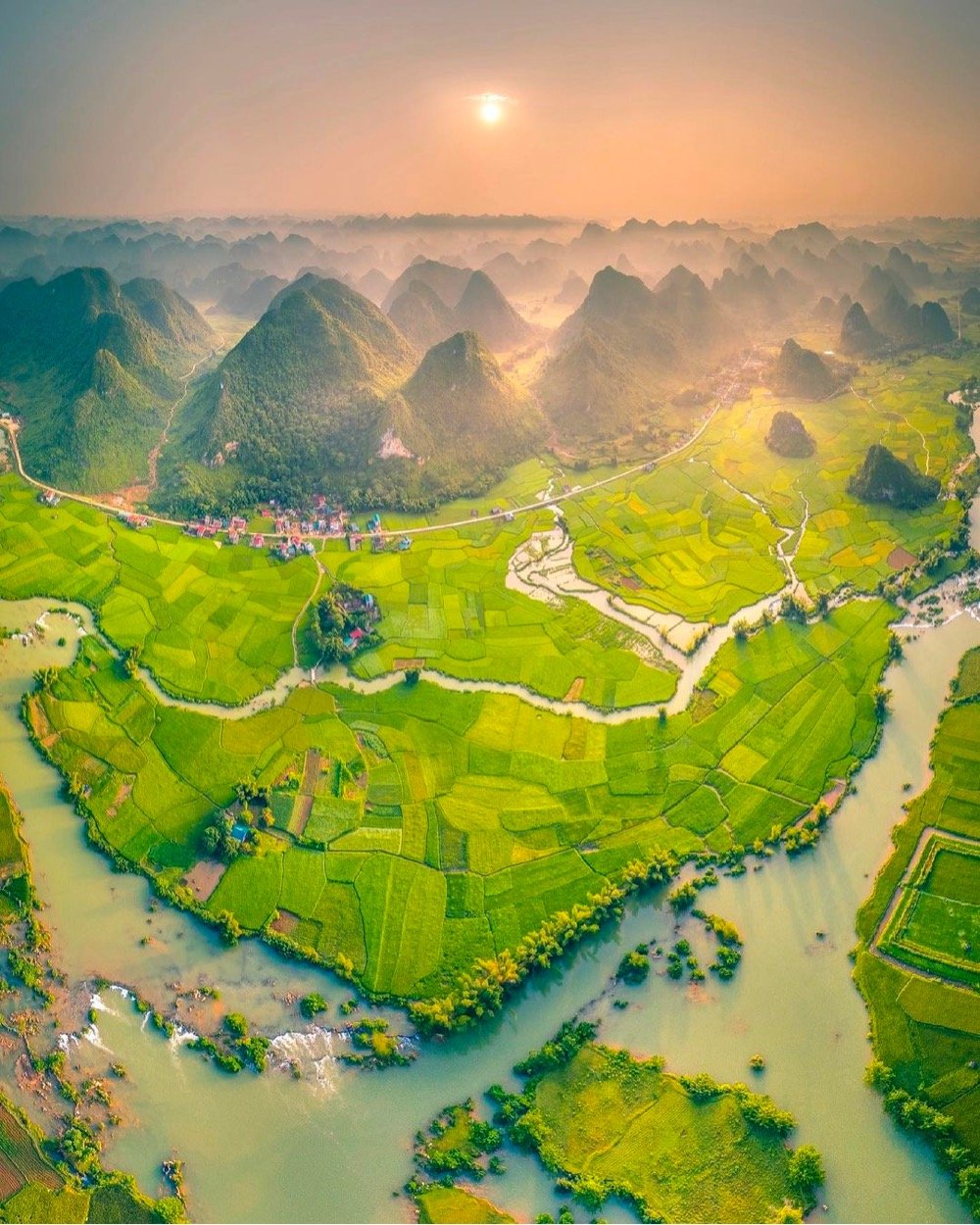
Stunning photo by Pham Huy Trung of Cao Bằng, Vietnam. When I first saw this on Instagram, I thought it was an illustration; it took several looks to convince myself it wasn’t.
The Texas Switch
The Texas Switch is a filmmaking technique in which an actor and stunt person are switched seamlessly during a single shot — the actor steps out of the frame or behind a prop and the stunt person steps in (or vice versa). The lack of cutting keeps the narrative going and helps to obscure the switcheroo. The video above contains many great examples of the technique.
See also some Texas Switches from James Bond movies. (via storythings)
Black Film Archive

Black Film Archive is a collection of links to films made by Black filmmakers & actors from 1915 to 1979 that are available to stream online. Maya Cade writes about why she created this archive.
The films collected on Black Film Archive have something significant to say about the Black experience; speak to Black audiences; and/or have a Black star, writer, producer, or director. This criterion for selection is as broad and inclusive as possible, allowing the site to cover the widest range of what a Black film can be.
The films listed here should be considered in conversation with each other, as visions of Black being on film across time. They express what only film can: social, anthropological, and aesthetic looks at the changing face of Black expression (or white attitudes about Black expression, which are inescapable given the whiteness of decision-makers in the film industry).
Films, by their very nature, require a connection between creator and audience. This relationship provides a common thread that is understood through conventional and lived knowledge to form thought and to consider. Not every filmmaker is speaking directly to Blackness or Black people or has the intention to. Some films listed carry a Black face to get their message across. But presented here, these films offer a full look into the Black experience, inferred or real, on-screen.
What a great open resource — exactly what the internet is for. You can read more about the archive on Vulture and NPR.
How Mushroom Time Lapses Are Filmed
Documentaries about mushrooms like Fantastic Fungi are interesting but it turns out that short documentaries about how mushroom documentaries are made are fascinating as well. For this short video, Wired talked to Louie Schwartzberg about how mushroom time lapses are filmed. I don’t know why I assumed they filmed these outside…of course they are done indoors to help control lighting, weather, and other factors (like rogue wildlife). And after decades of working on nature films, Schwartzberg has integrated his process deeply into his life:
I realized I’ve turned it into a spiritual practice. It actually literally gets me up in the morning because as soon as I’m out of bed, I’m thinking ooh, “I wonder what the flower did last night? Is it still in frame? Is it in focus?”
I have to imagine what the framing and the composition is going to look like tomorrow, or two days from now, or a week from now. That is a transformational experience because you have to put your mind into the mindset and the intention of the flower or the fungi, thinking where it’s going to grow, how big will it get. And if you’re right, boy, it’s a rush. If you’re wrong, it means you just gotta do it all over again.
This was surprisingly philosophical in parts.
A review of Swedish Chef’s new restaurant, Dorg Schnorfblorp Horganblorps. “A swordfish sailed past my head and smacked clumsily against the wall. ‘Herdy come da fishy wishy!’ Our chef had arrived.”
MoMA’s Online Courses Let You Study Modern & Contemporary Art and Earn a Certificate. Very tempting.
Here’s Why You’ll Fail the Milk Crate Challenge
Bored of dying from Covid-19, Americans have dreamed up a more entertaining way to mortally wound themselves: the milk crate challenge. Wired asked structural engineer Dr. Nehemiah Mabry (who explained the different types of bridges to us earlier in the year) to explain the physics behind the challenge and why you shouldn’t attempt it. (via @pomeranian99)
Living Coastlines of Oyster Reefs Can Protect Against Coastal Erosion
Because of humans, most of the world’s oyster reefs have disappeared over the last 200 years. Now, some groups around the world are trying to put some of them back. In addition to providing water filtration and habitats for other animals, offshore oyster reefs can help slow long-term erosion by acting as living breakwater structures that partially deflect waves during storm surges.
In the last century, 85% of the world’s oyster reefs have vanished. And we’re only recently beginning to understand what that’s cost us: While they don’t look incredibly appealing from the shore, oysters are vital to bays and waterways around the world. A single oyster can filter up to 50 gallons of water every day. And over time, oysters form incredible reef structures that double as habitats for various species of fish, crabs, and other animals. In their absence, our coastlines have suffered.
Now, several projects from New York to the Gulf of Mexico and Bangladesh are aiming to bring the oysters back. Because not only are oysters vital ecosystems; they can also protect us from the rising oceans by acting as breakwaters, deflecting waves before they hit the shore. It won’t stop the seas from rising — but embracing living shorelines could help protect us from what’s to come.
(via the kid should see this)
Update: Check out the Billion Oyster Project if you’d like to get involved in returned oysters to New York Harbor. (via @djacobs)
Meditative Zen Garden Patterns
Soothing, relaxing, meditative, mesmerizing — just a few of the ways to describe Yuki Kawae’s video of creating different patterns in his zen garden. I guess I could say more about it, but it’s pretty simple: if you want to relax and chill out for awhile, watch Kawae make patterns in the sand. (via colossal)
TIL that Michael K. Williams choreographed the dancing in the music video for Crystal Waters’ 100% Pure Love. Love that song.
Brushy One String
As his name suggests, Jamaican street musician Brushy One String plays a one-string guitar and, under that constraint, makes some truly beautiful music. Josh Jones wrote about Brushy for Open Culture:
When Jamaican musician Andrew Chin, better known as Brushy One String first told friends about his vision — “a dream in which he was told to play the one-string guitar” — they responded with mockery — all but one, who “insisted it was fate,” writes Playing for Change, “and that he had to make that dream come true.” So Brushy set out to do just that, playing on street corners and in the market, “in a big broad hat and sunglasses,” he says. The music came to him naturally. He is no ordinary street musician, however, and his one-string guitar is not a gimmick. Brushy is a talented singer-songwriter, with a powerful voice and a musical sensibility that transcends his bare-bones minimalism.
In addition to his NPR Tiny Desk Concert above, this video of Brushy performing Chicken in The Corn on his one-string has been viewed over 50 million times.
See also Gasper Nali and His Homemade [One-String] Bass Guitar. Would love to see a duet with these two single stringers!
The Trailer for The Matrix Resurrections
Yes. Yes. Yes. Yes. Yes. Yes. Yes. Yes. YES. YES. YES. YES. YES. YES. YES. YES. YES. YES. YES. YES. YES! YES! YES! YES! YES! YES! YES! YES! YES! YES! YESSSSSSS!!!!! YES! YES! YES! YES! YES! YES! YES!
YES!! YES!! YES!! YES!! YES!! YES!! YES!! YES!!!! YES!!!! YES!!!! YES!!!! YES!!!! YES!!!! YES!!!! YES!!!! YES!!!!
Yes. Fuck yes.
Cléo from 5 to 7
I keep tabs on a few trusted film school-ish YouTube channels and while I like when they cover films I’ve seen or those directed by my favorite directors, it’s more valuable when they introduce me to something new. Evan Puschak’s Nerdwriter is a particular favorite guiding light and in his latest video, he talks about Agnès Varda’s Cléo from 5 to 7, a film I now want to watch as soon as possible. A synopsis via Wikipedia:
Cléo from 5 to 7 follows a pop singer through two extraordinary hours in which she awaits the results of a recent biopsy. The film is superficially about a woman coming to terms with her mortality, which is a common auteurist trait for Varda. On a deeper level, Cléo from 5 to 7 confronts the traditionally objectified woman by giving Cléo her own vision. She cannot be constructed through the gaze of others, which is often represented through a motif of reflections and Cléo’s ability to strip her body of “to-be-looked-at-ness” attributes (such as clothing or wigs). Stylistically, Cléo from 5 to 7 mixes documentary and fiction, as had La Pointe Courte. The film represents diegetic action said to occur between 5 and 7 p.m., although its run-time is 89 minutes.
I’ve added Cléo from 5 to 7 to my HBO Max queue but you can also find it on Kanopy (accessible with a library card) and The Criterion Channel.
Steven Heller & Thilo von Debschitz celebrate the work of a prolific designer that you’ve probably never heard of: Joseph Caroff. Among other things, he designed the film poster for West Side Story and the James Bond 007 gun logo.
This Virus Shouldn’t Exist (But it Does)
In one of their most popular videos in awhile, kottke.org favorite Kurzgesagt tells us about something I’d never heard of before: giruses. These giant viruses have only been discovered within the last 20 years and are so large and contain so much genetic material that maybe they are actually alive?
Hidden in the microverse all around you, there is a merciless war being fought by the true rulers of this planet, microorganisms. Amoebae, protists, bacteria, archaea and fungi compete for resources and space. And then there are the strange horrors that are viruses, hunting everyone else. Not even being alive, they are the tiniest, most abundant and deadliest beings on earth, killing trillions every day. Not interested in resources, only in living things to take over. Or so we thought.
It turns out that there are giant viruses that blur the line between life and death — and other viruses hunting them.
A collection of free, open source health icons. There’s over 1000 of them, including ones for devices, body parts, medical conditions, and vehicles.
Kaleidoscope Brain: 100 Visualizations of Moby-Dick
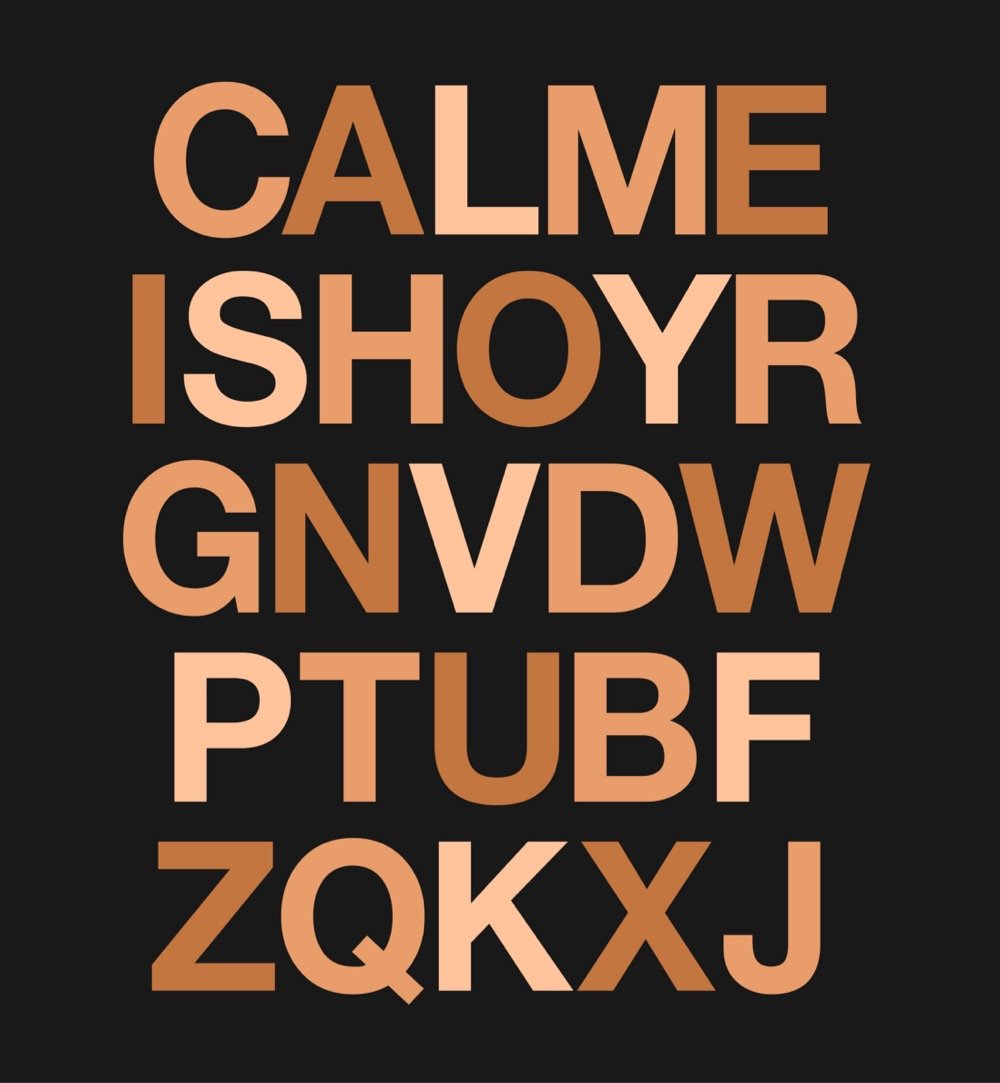

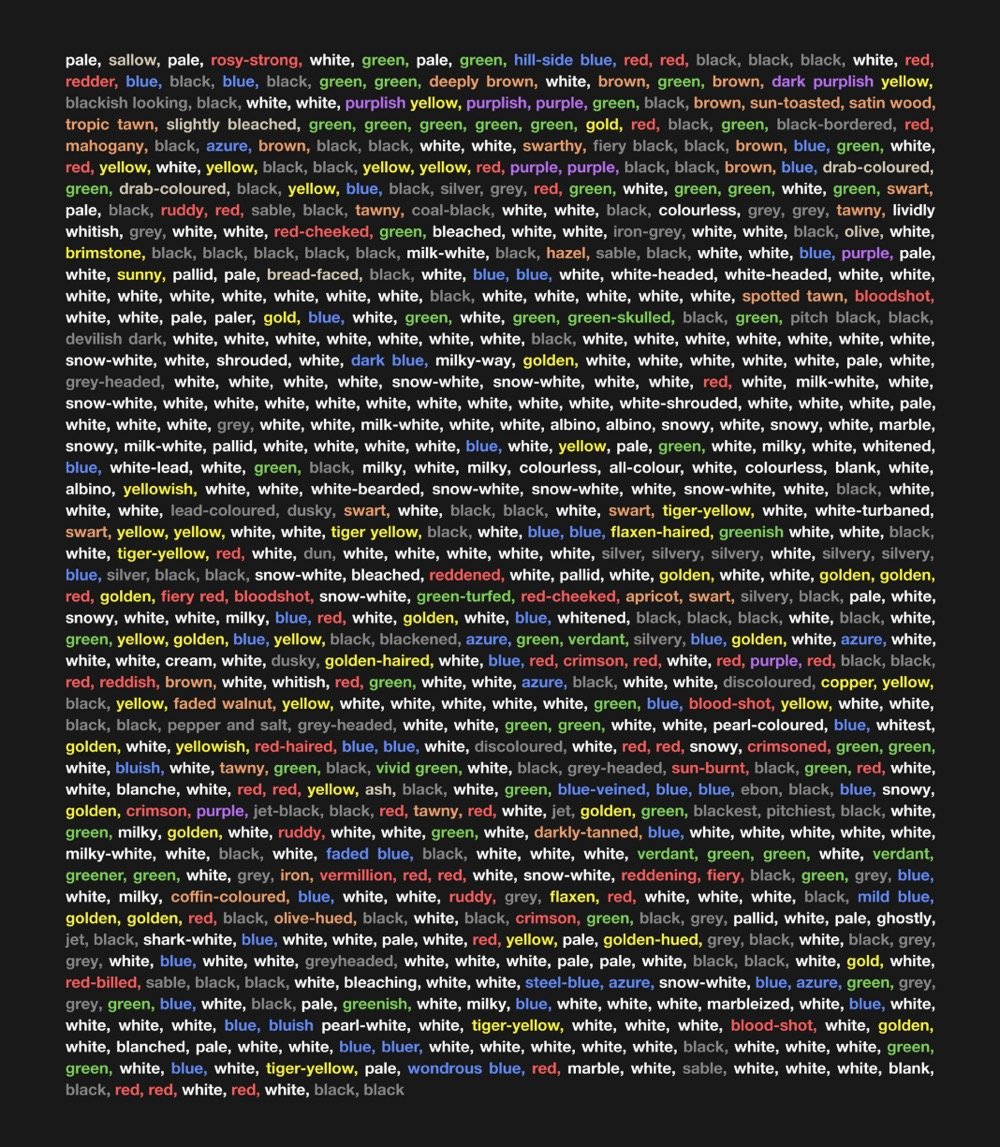
Peter Gorman of Barely Maps has published a wonderful little book called Kaleidoscope Brain that contains 100 visualizations of Moby-Dick. Gorman read Herman Melville’s masterpiece last year and made these maps & graphics to help him make sense of it.
I read Moby-Dick in April 2020. For weeks afterward, I couldn’t stop thinking about it. I started making maps and diagrams as a way to figure it out.
Moby-Dick is infamous for its digressions. Throughout the book, the narrator disrupts the plot with contemplations, calculations, and categorizations. He ruminates on the White Whale, and the ocean, and human psychology, and the night sky, and how it all relates back to the mystery of the unknown. His narration feels like a twisting-turning struggle to explain everything.
Reading Moby-Dick actually made me feel like that-like I’d mentally absorbed its spin-cycle style. I developed a case of “Kaleidoscope Brain.” The maps I was making were obsessive and encyclopedic. They were newer and weirder and they digressed beyond straightforward geography.
The book is available as a free download on Gorman’s Patreon — support his efforts if you find them valuable!
Above, from top to bottom: the letters of the alphabet in order of their appearance in the book, the constellation Cetus (aka “The Whale”), every color in the book.
School dress codes are sexist, racist, and classist. “They put the onus on girls to not be distracting or not call attention to themselves instead of putting the onus on all students to respect everyone’s body.”
How to Make a Netflix-Style Documentary
In this short video, YouTuber Paul E.T. shows how you can make a Netflix-style true crime documentary about anything. Even stolen toast. The equipment needs are pretty minimal - a good camera, a couple of lenses, some lighting, and a decent mic. The magic is in the editing. (via my son’s insistence that I click on this while browsing YouTube on the TV last night)
For a second year, MIT’s biology department is offering their class on “COVID-19, SARS-CoV-2 and the Pandemic” featuring guests lecturers like Dr. Fauci and CDC director Rochelle Walensky. All the classes are free to stream and archived on YouTube.
Nantucket Doesn’t Belong to the Preppies. “Nantucket was once a place of working-class ingenuity and Black daring.”
The Footnotes to The French Dispatch
Wes Anderson’s tenth film, The French Dispatch, is about a fictional magazine published by a group of Americans in France. The movie’s magazine is based on the New Yorker and in advance of its release, Anderson has published an anthology of articles from the actual New Yorker (and other magazines) that inspired the characters in the film. It’s called An Editor’s Burial.
A glimpse of post-war France through the eyes and words of 14 (mostly) expatriate journalists including Mavis Gallant, James Baldwin, A.J. Liebling, S.N. Behrman, Luc Sante, Joseph Mitchell, and Lillian Ross; plus, portraits of their editors William Shawn and New Yorker founder Harold Ross. Together: they invented modern magazine journalism.
Because the world is constantly folding in on itself these days, Anderson explained why he is publishing the book to Susan Morrison in the New Yorker:
Two reasons. One: our movie draws on the work and lives of specific writers. Even though it’s not an adaptation, the inspirations are specific and crucial to it. So I wanted a way to say, “Here’s where it comes from.” I want to announce what it is. This book is almost a great big footnote.
Two: it’s an excuse to do a book that I thought would be really entertaining. These are writers I love and pieces I love. A person who is interested in the movie can read Mavis Gallant’s article about the student protests of 1968 in here and discover there’s much more in it than in the movie. There’s a depth, in part because it’s much longer. It’s different, of course. Movies have their own thing. Frances McDormand’s character, Krementz, comes from Mavis Gallant, but Lillian Ross also gets mixed into that character, too — and, I think, a bit of Frances herself. I once heard her say to a very snooty French waiter, “Kindly leave me my dignity.”
As Morrison then noted, it would be very cool if every movie came with a suggested reading list. The French Dispatch is set for release in the US in late October and An Editor’s Burial will be out September 14 and is available for preorder.
Seinfeld theme in the style of Miles Davis’ Kind of Blue. Evil & genius.
Finalists in the 2021 Comedy Wildlife Photography Awards
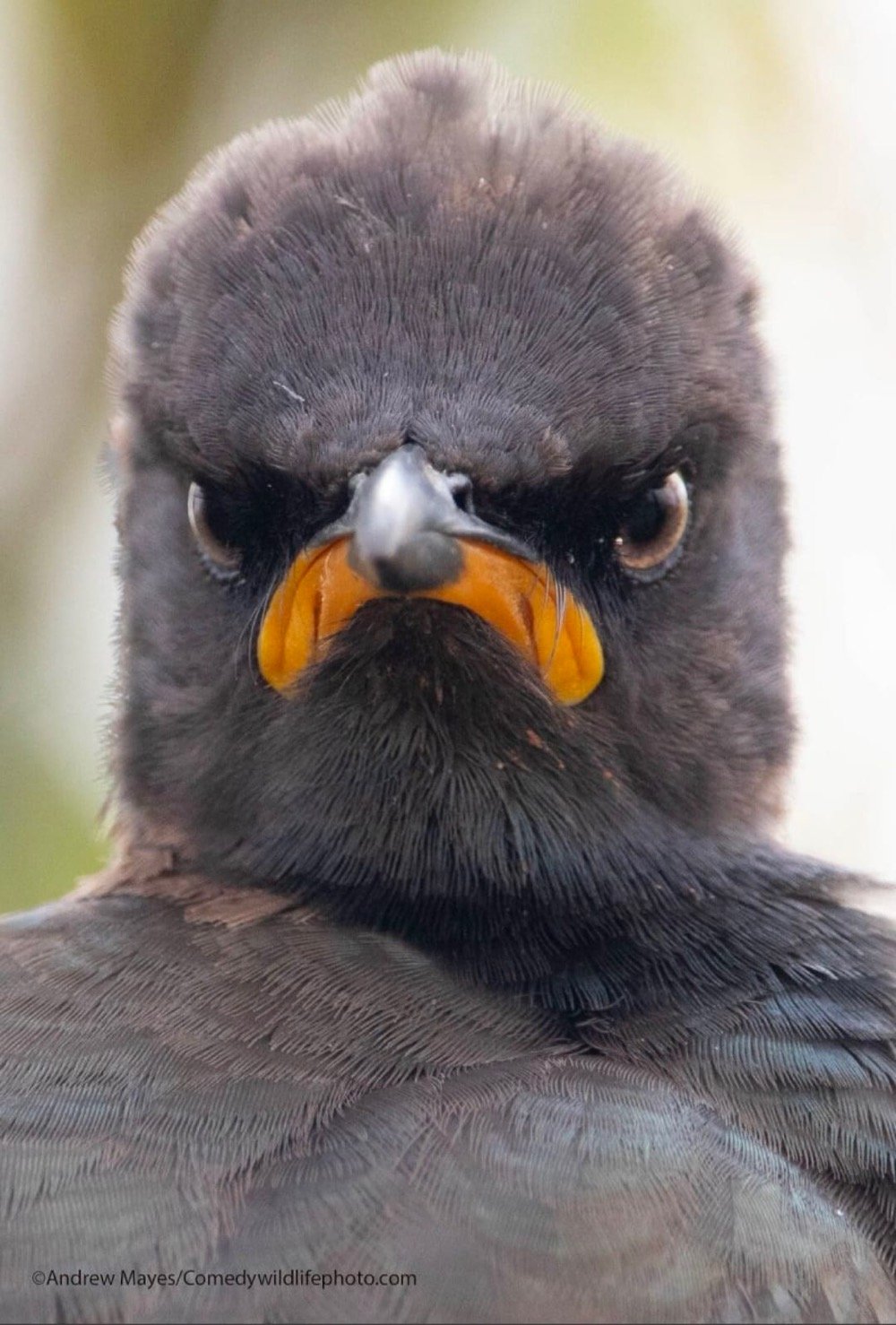
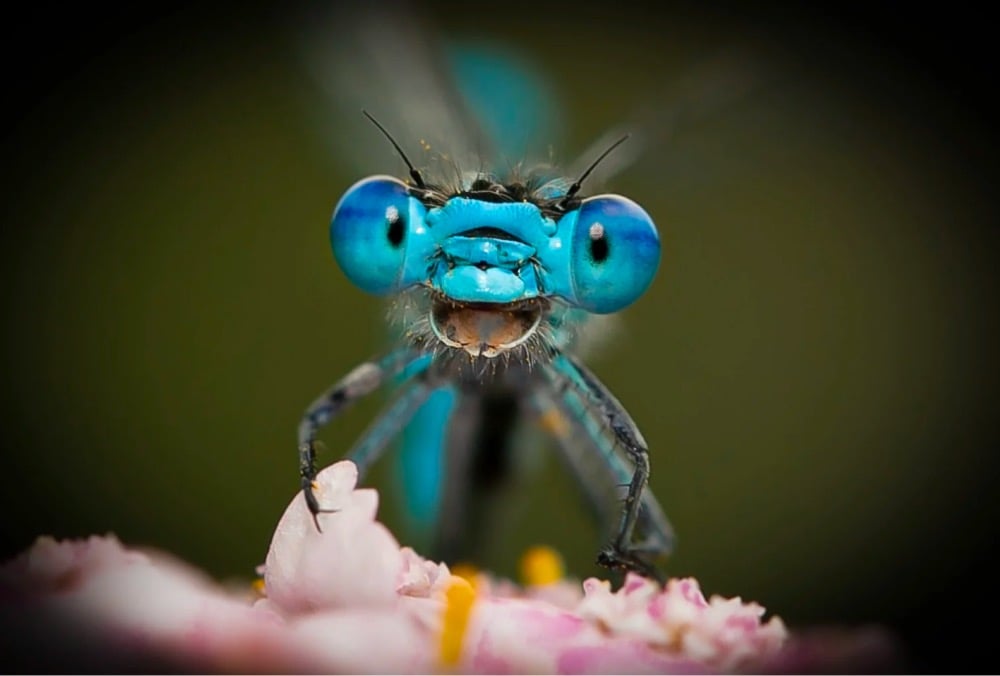
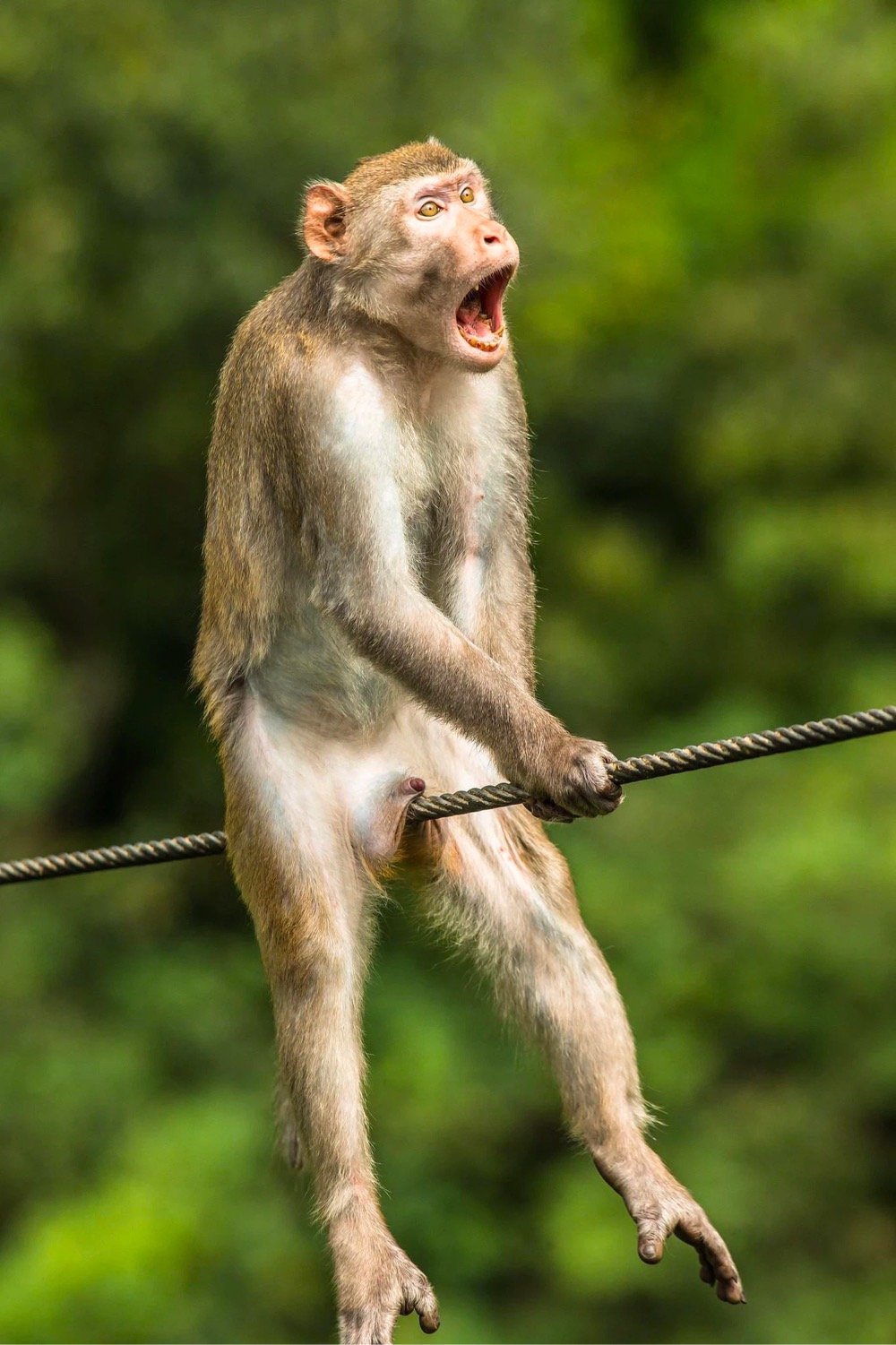
The Comedy Wildlife Photography Awards: always a bright spot in the world these days. This year, the thousands of photos have been narrowed down to 42 finalists, including the three very expressive animals above. Good luck to all the contestants — the winners will be announced in October.
Hidden structures in hairballs, and how to see them. I feel like I spent a lot of daydreaming time as a kid looking at groups of things trying to figure out if they were grouped or not.
From the New Yorker archive, a 2000 piece by Anthony Bourdain about 24 hours in the life of his restaurant, Les Halles. “For the weekenders, a saddle of wild hare stuffed with foie gras is not a good special.”
Impossible Type

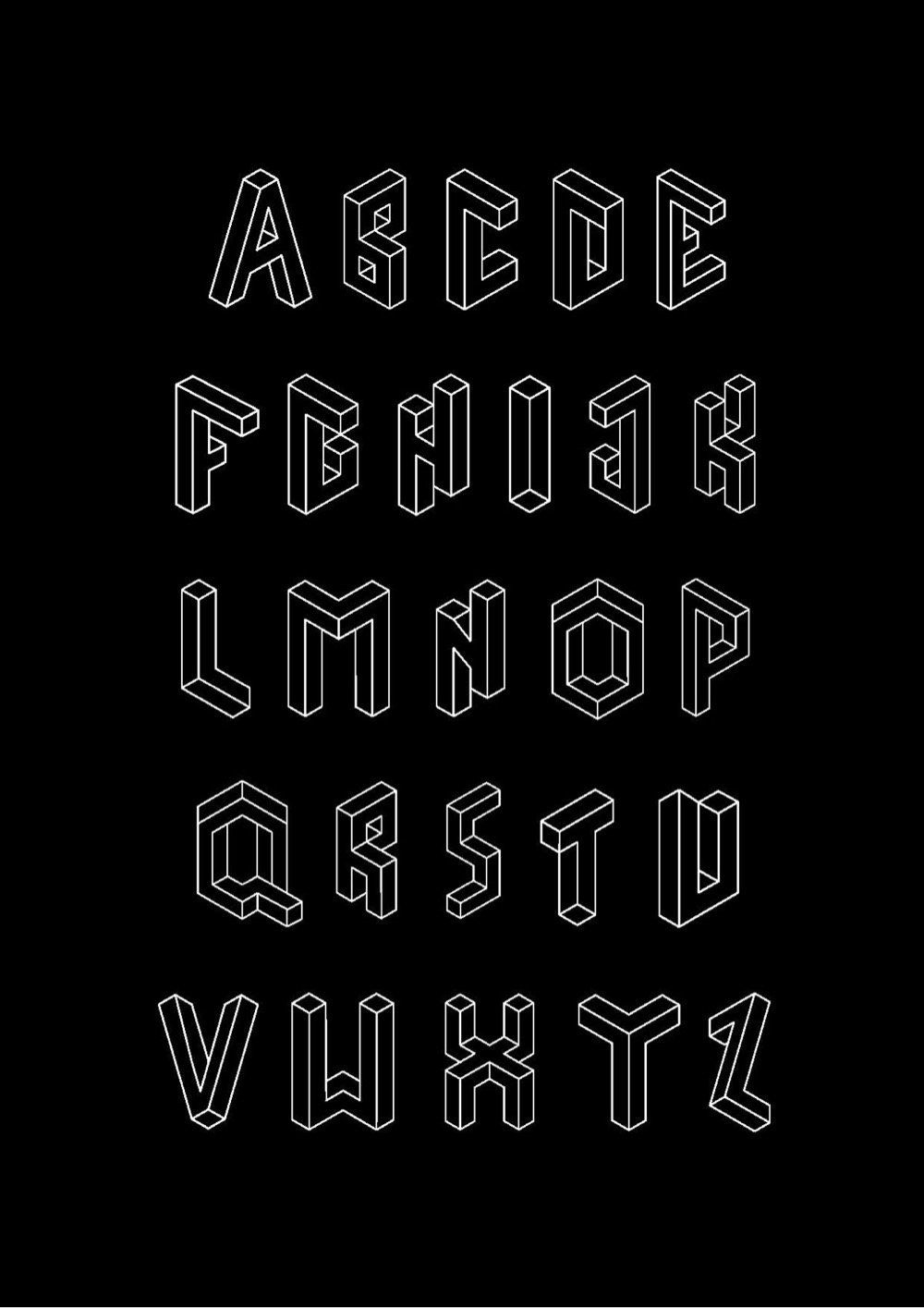
From Macedonian designer Fleta Selmani, a typeface called Impossible Type that was inspired by the impossible geometries of M.C. Escher.
See also more typefaces inspired by Escher’s work.
Female Hummingbirds Avoid Harassment by Looking Like Males. “Scientists found these [blue plumed] male look-alikes avoid harassment directed toward green females.”
Sally Rooney’s Beautiful World, Where Are You is out today! But boo, I don’t have time to get started on it until later in the week.
Dancing NYC Subway Mosaics by Nick Cave
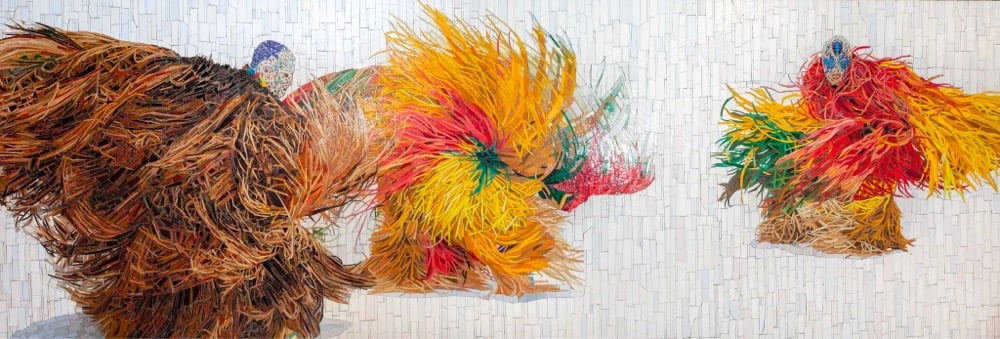
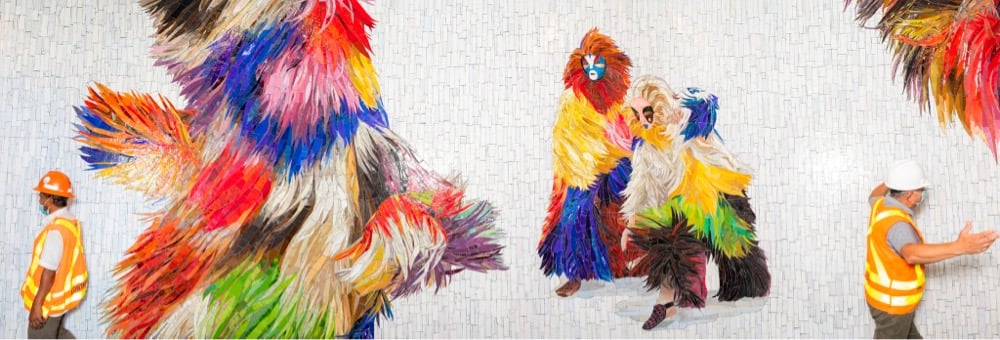
Oh, I really like this new NYC subway mosaic installed in the corridor between Times Square and Bryant Park designed by Nick Cave.1 It’s based on Cave’s Soundsuits project, full-body suits that “camouflage the shape of the wearer, enveloping and creating a second skin that hides gender, race, and class, thus compelling the audience to watch without judgment”. From a NY Times piece on the mosaic:
The Soundsuits have always been an amalgam of cultural references, Cave explained: the concepts of shamans and masquerade, obscuring the race, gender and class of the wearer and forging a new identity. They contain ties to Africa, the Caribbean and Haiti.
“It’s very important that you can make references, you can connect to something,” Cave said. “In one of the mosaics in the corridor, there’s a sneaker. So that brings it to this urban, right-now time.”
From beneath a pink-and-black cloak of raffia, carefully crafted out of glass shards, pokes a contemporary sneaker in shades of salmon, white and maroon. Cave likes the play that’s happening here: The form is sometimes figurative, sometimes abstract. “Sometimes it’s identifiable and sometimes it’s not,” he said. “But that’s the beauty of it all.”
(thx, caroline)
No, not that Nick Cave.↩
Why are hyperlinks blue? “WHO decided to make them blue? WHEN was this decision made, and HOW has this decision made such a lasting impact?”
Socials & More