
A toolkit for volunteering for the Georgia US Senate runoff races supporting the Raphael Warnock & Jon Ossoff campaigns. Includes places to donate, local orgs to support, how to phonebank, etc.

Advertise here with Carbon Ads
This site is made possible by member support. 💞
Big thanks to Arcustech for hosting the site and offering amazing tech support.
When you buy through links on kottke.org, I may earn an affiliate commission. Thanks for supporting the site!
kottke.org. home of fine hypertext products since 1998.
Beloved by 86.47% of the web.
Entries for November 2020
Initial Data Shows Covid-19 Vaccine Is More than 90% Effective
In a press release (and not a paper in a peer-reviewed journal) based on a preliminary outside review of data from its phase 3 trial, Pfizer says its Covid-19 vaccine was more than 90% effective in preventing the disease.
The company said that the analysis found that the vaccine was more than 90 percent effective in preventing the disease among trial volunteers who had no evidence of prior coronavirus infection. If the results hold up, that level of protection would put it on par with highly effective childhood vaccines for diseases such as measles. No serious safety concerns have been observed, the company said.
I really hope this analysis holds up when more data from the study is released:
The data released by Pfizer Monday was delivered in a news release, not a peer-reviewed medical journal. It is not conclusive evidence that the vaccine is safe and effective, and the initial finding of more than 90 percent efficacy could change as the trial goes on.
The world, and the United States, could really really use some good news like this about the pandemic.
Update: Here’s Pfizer’s press release. And a thread from Dr. Natalie Dean on how she is interpreting this news (“Celebrate, but let the process play out over time as intended.”)
Pfizer’s first analysis was planned for 32 events, which they pushed back after discussions with FDA. But by the time they analyzed the data, 94 had accrued. This shows how quickly trials can generate results when placed in hotspots (and how much transmission is ongoing!).
These vaccines are tested until a certain number of infections happen. So you have this interesting paradoxical situation where if a potential vaccine is more successful at curbing infection, the longer it takes for the study to conclude. You get a better vaccine but wait longer for it. Countering that are the rising transmission counts in the US — more community transmission will get you to the target number of infections more quickly.
Update: From virologist Dr. Florian Krammer, a thread about what Pfizer and other companies will be looking for in terms of the efficacy of vaccines in a number of different situations. Overall, he is optimistic about these preliminary results. And here’s a FAQ about the vaccine from the NY Times.
Another open question is whether children will get protection from the vaccine. The trial run by Pfizer and BioNTech initially was open to people 18 or older, but in September they began including teenagers as young as 16. Last month, they launched a new trial on children as young as 12 and plan to work their way to younger ages.
Update: A very simplified explanation of Pfizer’s RNA-based vaccine.
Awkward, a Short Film about Uncomfortable Moments
Awkward is an animated short film from animator/illustrator Nata Metlukh about some of life’s less graceful moments — the “after you” dance of bumping into someone on the street, a disliked haircut in the barber chair, incorrect assumptions, and mistakenly waving hello to someone you don’t know. (via colossal)
This is a nice map, but we do this every four years. Misleading area-based US election maps have been “fixed” for decades. It’s just that the media won’t stop using them.
An Oral History of ‘Marge vs The Monorail’, the Episode That Changed ‘The Simpsons’. Always one of my favorites & quoted it endlessly w/ friends in college.
FDR’s Second Bill of Rights
In his 1944 State of the Union address, President Franklin Roosevelt encouraged Congress to turn its attention to what he called “a second Bill of Rights”, legislation that would ensure all American citizens “equality in the pursuit of happiness”. Roosevelt argued that the United States had grown large enough and economically powerful enough to support this effort.
Here’s an excerpt from his address:
We have come to a clear realization of the fact that true individual freedom cannot exist without economic security and independence. “Necessitous men are not free men.” People who are hungry and out of a job are the stuff of which dictatorships are made.
In our day these economic truths have become accepted as self-evident. We have accepted, so to speak, a second Bill of Rights under which a new basis of security and prosperity can be established for all — regardless of station, race, or creed.
Among these are:
- The right to a useful and remunerative job in the industries or shops or farms or mines of the nation;
- The right to earn enough to provide adequate food and clothing and recreation;
- The right of every farmer to raise and sell his products at a return which will give him and his family a decent living;
- The right of every businessman, large and small, to trade in an atmosphere of freedom from unfair competition and domination by monopolies at home or abroad;
- The right of every family to a decent home;
- The right to adequate medical care and the opportunity to achieve and enjoy good health;
- The right to adequate protection from the economic fears of old age, sickness, accident, and unemployment;
- The right to a good education.
All of these rights spell security. And after this war is won we must be prepared to move forward, in the implementation of these rights, to new goals of human happiness and well-being.
After WWII, many countries in Europe came to similar conclusions and enacted reforms to offer these rights to their citizens. In America, aside from the significant efforts of the Johnson administration in the 60s, we went in different direction, doubling down on inequality in the pursuit of happiness.
What Would We Experience If Earth Spontaneously Turned Into A Black Hole?
Let’s say the Earth turned into a black hole. What would happen to someone standing on the surface and for how long would it happen? From Ethan Siegel:
As spectacular as falling into a black hole would actually be, if Earth spontaneously became one, you’d never get to experience it for yourself. You’d get to live for about another 21 minutes in an incredibly odd state: free-falling, while the air around you free-fell at exactly the same rate. As time went on, you’d feel the atmosphere thicken and the air pressure increase as everything around the world accelerated towards the center, while objects that weren’t attached to the ground would appear approach you from all directions.
2020 Should Be the Last Time We Vote Like This. The US system of voting is terrible and unfair and racist.
An interview with James Nestor, author of a recent book on the “lost art” of breathing. Inhaling through the nose “can trigger different hormones to flood into our bodies, how it can lower our blood pressure…”
“Young people with COVID-19 who are asymptomatic are at risk for developing potentially dangerous inflammation around the heart.” In a recent study, 1/3 of student athletes w/ Covid showed “evidence of heart abnormalities”.
Critics look back on their reviews that they got wrong. “Daft Punk were incredibly prescient: play Discovery today and it sounds utterly contemporary. My review, on the other hand, has not aged so well.”
Twitter accounts are getting TV shows now. Ava DuVernay is doing a @OnePerfectShot series for HBO Max celebrating and discussing “the best shots in film history”.
Ted Lasso started as a character in a 2013 NBC Sports promo for the network’s Premier League coverage. I am glad the character evolved from the meaner one in this spot…
How to Be at Home
For the National Film Board of Canada, director Andrea Dorfman and poet Tanya Davis collaborated on this short film about how to stay connected with ourselves and feel a connection with others while spending time physically apart from other people. I liked this bit about hugging a tree:
Go outside if you’re able, breathe the air
there are trees for hugging
don’t be embarrassed
it’s your friend, it’s your mother, it’s your new crush
lay your cheek against the bark, it’s a living thing to touch
See also Davis and Dorfman’s previous collaboration: How to Be Alone. (thx, scotty)
A former chess master & columnist grades The Queen’s Gambit on its chess authenticity. “The series is one of the best and most successful screen adaptations of the game.”
Chad Scira responsibly reported a bug to Chase regarding their credit card rewards points (you could generate free points by transferring in a certain way). Chase responded by cancelling all of his credit cards and bank accounts.
Tamir Rice would have been old enough to vote today. “Keep him and others without a voice in mind as we use our voices in their stead.”
Vote

I just got back from voting. (For Joe Biden, just to be clear.) I live in a small town in Vermont, so that means there was no line (it took five minutes from when I got out of my car to when I got back into my car) and no real or imagined threat to my desire to vote (bad Covid hygiene, protestors, armed poll watchers). It felt really safe; it felt like voting should feel everywhere in America but doesn’t. We have a lot of work to do to guarantee even basic voting rights for everyone in America, and I hope my vote today was a small step in that direction. (Vote artwork by Alexa Meade.)
A visualization of the role of superspreading in the Covid-19 pandemic. In a situation like this where 10-20% of the people are responsible for 70-80% of the spread, stopping those spreading opportunities is key.
Softbody Tetris
I thought you could use a video of some fuzzy Tetris bricks that automagically ease/ooze into their proper places. That’s it. That’s the post. (via @Remember_Sarah)
What Gordon Parks Saw
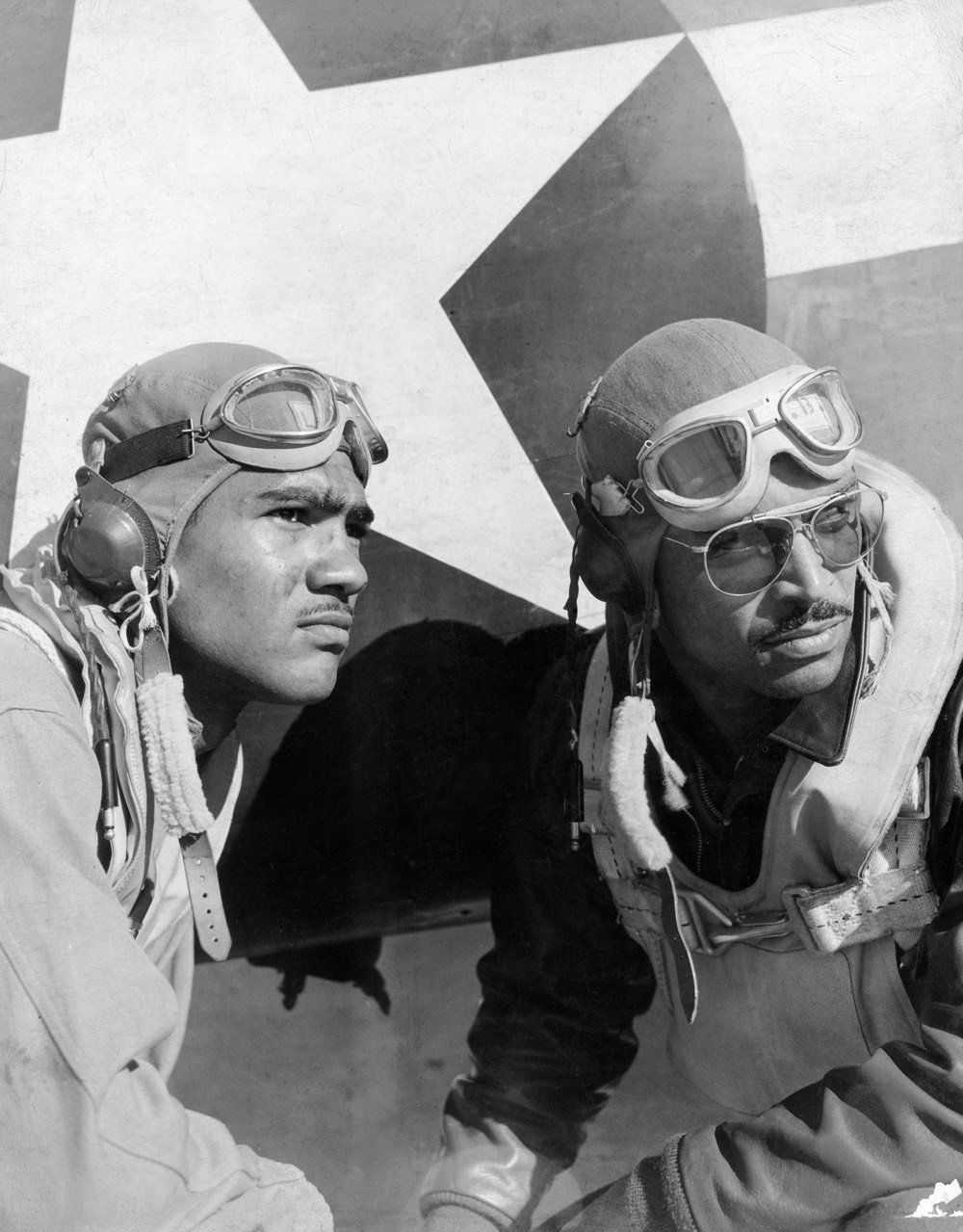
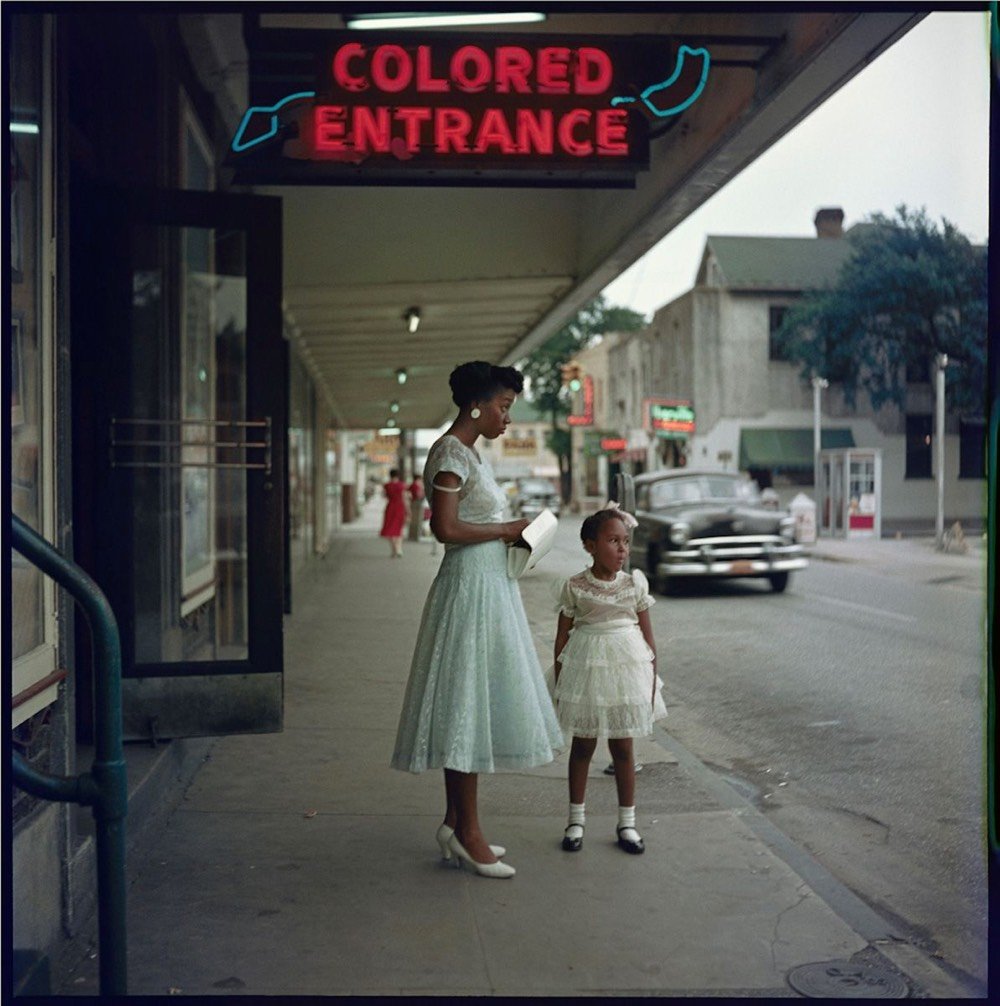
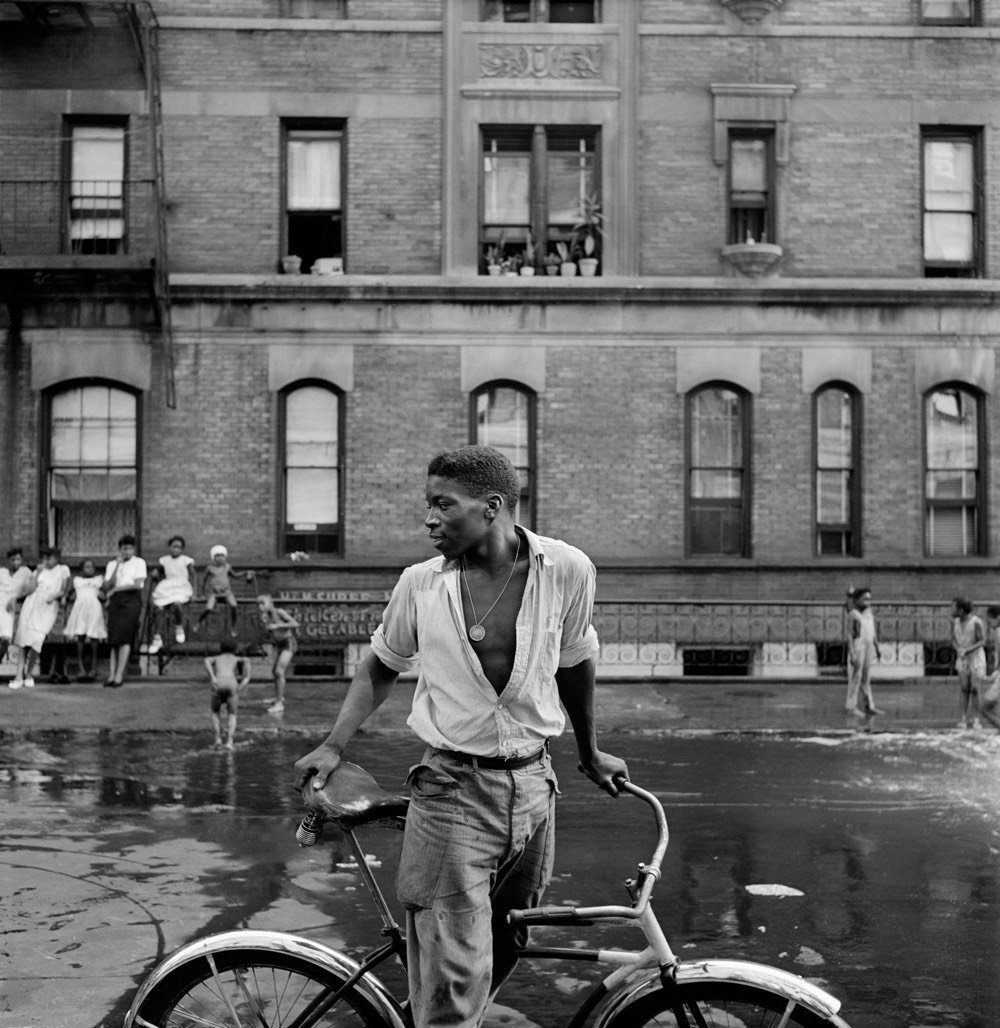
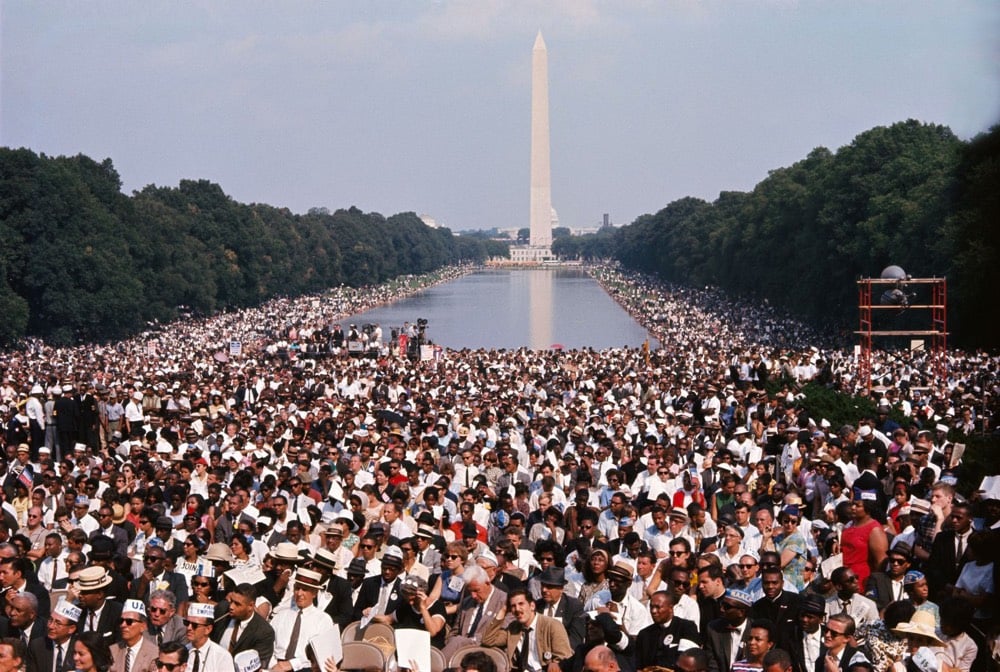
Gordon Parks was a novelist, poet, musician, composer, painter, and film director, but he was best known for his photography. In this video, Evan Puschak takes a look at Parks’ photography, from his FSA photos taken in the 40s to his photo essays for Life magazine. What a life, what a career. Here are just a few of Parks’ photos; I encourage you to check out the rest.
Lovely Illustrations of Plants and Wildlife in the English Countryside


Just enjoying Jo Brown’s illustrations today. Using a Moleskine notebook, she sketches plants and wildlife near her home in Devon, England. A replica of that nature journal called Secrets of a Devon Wood has been recently published in the UK (US edition is out soon — Amazon is the only place I could find it). You can check out more of her artwork on Instagram. (via colossal)
An Incomplete History of White Election Violence. “No, my friends, America is not ‘better than this.’”
An analysis of how police misconduct complaints are handled in Philadelphia. “Not only are the investigation and findings processes more dismissive toward Black complainants, they are more punitive toward Black officers.”
The AI Who Mistook a Bald Head for a Soccer Ball
Second-tier Scottish football club Inverness Caledonian Thistle doesn’t have a camera operator for matches at their stadium so the club uses an AI-controlled camera that’s programmed to follow the ball for their broadcasts. But in a recent match against Ayr United, the AI controller kept moving the camera off the ball to focus on the bald head of the linesman, making the match all but unwatchable. No fans allowed in the stadium either, so the broadcast was the only way to watch.
How Masks Protect Us from Covid-19
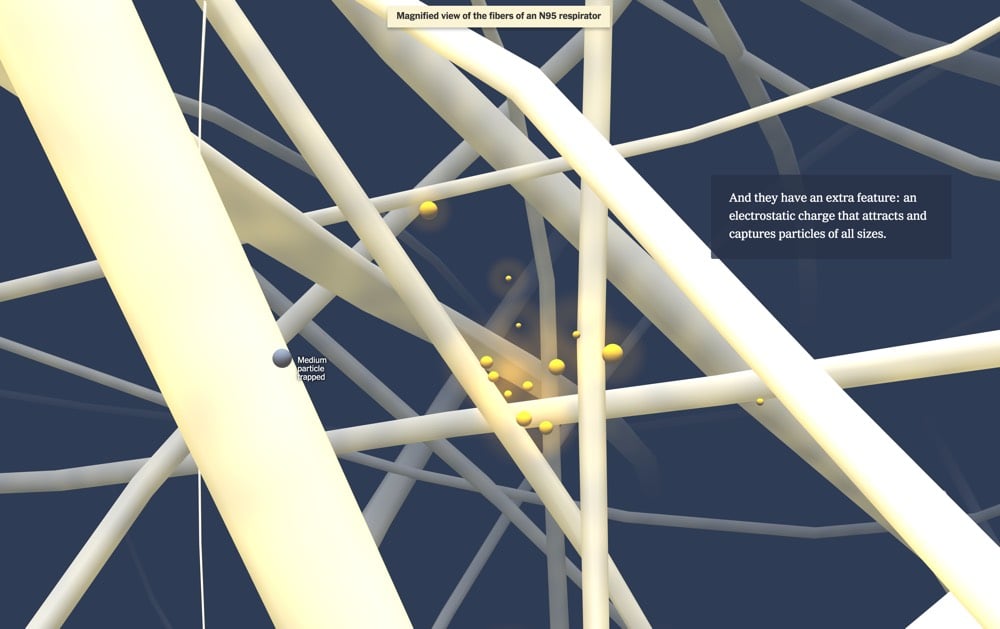
The NY Times has a fantastic visualization on how face masks help keep us safe from catching Covid-19 by taking readers on a journey through a mask to see how they block aerosols and droplets.
A lot of the pushback around the efficacy of masks from non-scientists focuses on the size of the droplets and aerosols (super tiny) compared to the gaps between the fibers in the masks (relatively large). Intuitively, it seems like masks don’t stand a chance of stopping anything. But as this visualization shows, multiple layers of fibers do the job quite well. Masks don’t work like sieves, which will let every particle smaller than the holes through the mesh. Instead, imagine shooting a BB gun into a thick stand of trees — no one tree stands a good chance of getting hit by the BB but the forest will stop it eventually.
N95, KN95, and masks made from polypropylene have an extra weapon against particles: the fibers carry an electrostatic charge that attracts particles to trap them. Picture our BB flying through a forest of magnetic trees — it’s got a much better chance of being captured that way.
The visualization also touches on the importance of making sure your mask fits properly. The best masks fit tightly around the edges and include a space around your nose and nostrils. Masks with unfiltered valves should not be used — you’re just breathing virus out into the air. It’s been 8-9 months now that we’ve been dealing with the pandemic and there will be many more months of wearing masks. If your mask is fits poorly around your nose, your straps aren’t tight enough, you need to fuss with it after putting it on, have a mask with a valve, or (god forbid) are still just wearing a bandana, please please do yourself and others a favor and upgrade your mask. High-quality, well-made masks are much easier to find now than 6-8 months ago.1 If you can’t afford a proper mask, email me and I’ll buy you one. Masks are one of the most successful low-tech interventions we can do to prevent the spread of Covid-19, and the better our masks, the more effective they will be.
I am hesitant in recommending particular masks because I am not a doctor or scientist, but you might want to look at Airpop’s masks. I also recently bought some Vida KN95s (but have not worn one yet). My daily mask is this Allett mask that combines a cotton layer with a non-woven polypropylene layer (I wouldn’t wear this on a plane for 4 hours but for 10 minutes in the grocery store in Vermont where community transmission levels are low, it’s fine). It’s more comfortable than a straight KN95 and fits my face perfectly — no “bunching up” gap between the ear loops or around the nose. Disposable surgical masks are very easy to find — they are better than wearing a bandana, valved mask, or even a thin cotton mask.↩
Jeff Bridges updates us on his cancer diagnosis. “This cancer is making me appreciate my mortality, appreciate impermanance. I’m realizing if I have shit to share, now’s the time.”

Socials & More