Entries for December 2018
While it’s billed as “How Pixar Helped Win 27 of the Last 30 Oscars for Visual Effects”, this video from Wired works pretty well as a short history of computer-generated visual effects, from the Genesis visualization in Star Trek II: The Wrath of Khan to Jurassic Park’s dinosaurs to Pixar’s own Coco.
The tradition of fans recutting trailers and clips of movies and TV shows into different genres — like Toy Story as a horror film and The Shining as a romantic comedy — has been around almost as long as YouTube itself. But I think this trailer by 20th Century Fox is the first official effort I’ve seen. Die Hard has become an unlikely holiday favorite so I guess they figured, hey, let’s put out a trailer that explicitly recasts the it as a Christmas film. Merry Christmas Hans!

Take a look at these black and white looping animated GIFs by Étienne Jacob. I would have posted these sooner, but those undulating stripes basically hypnotized me for three days and… woo, where was I? (via colossal)
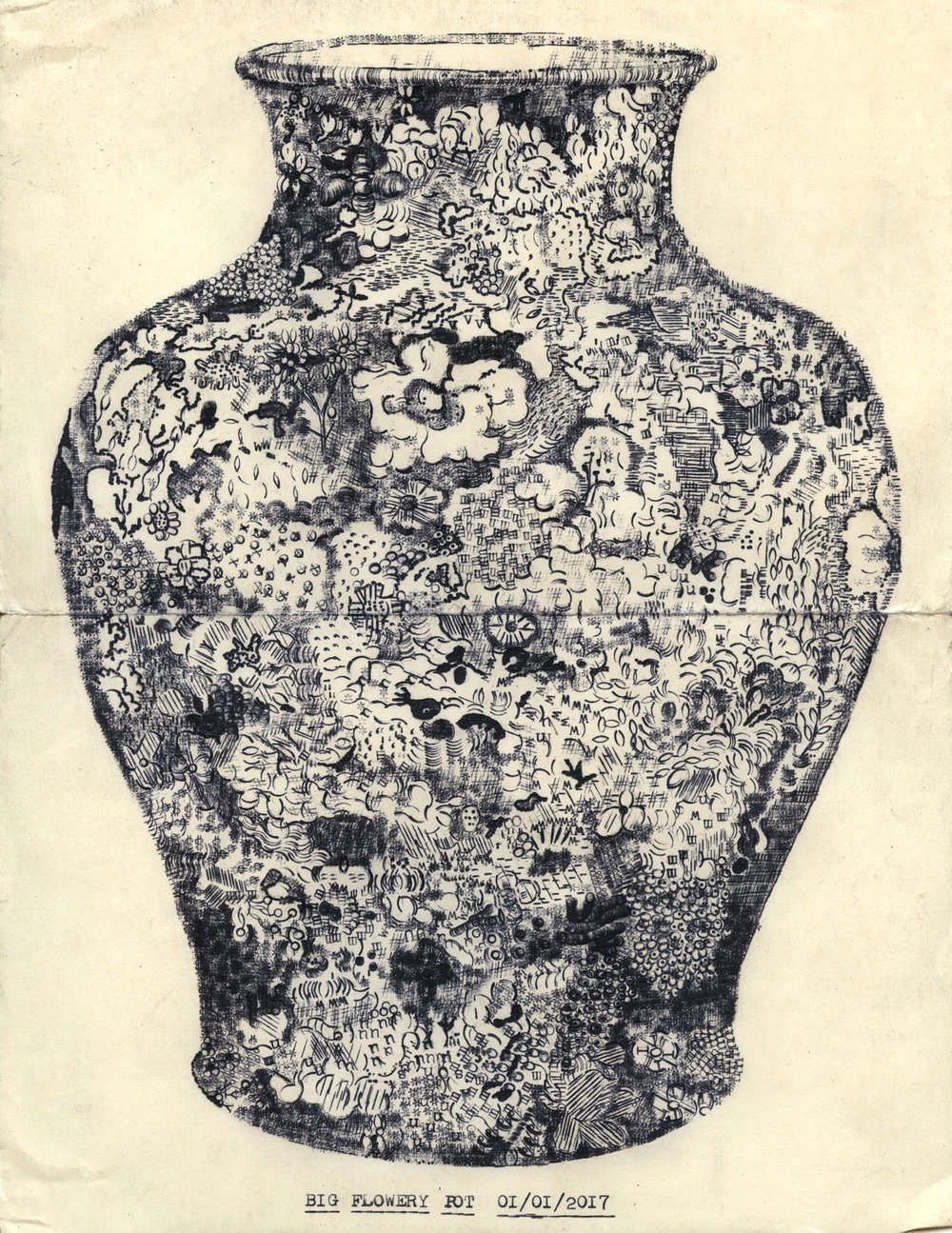
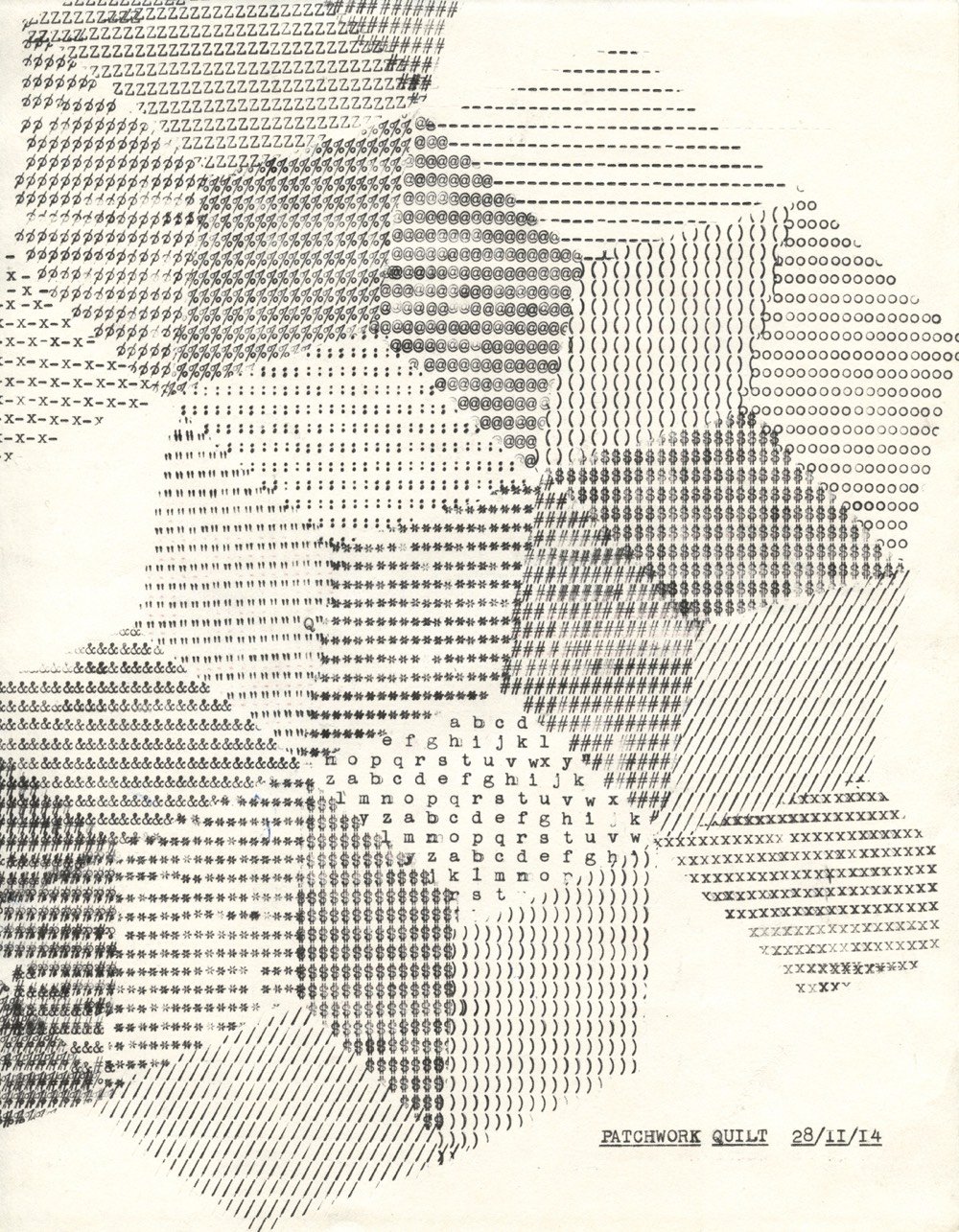
Lenka Clayton does drawings using a portable 1957 Smith-Corona Skyriter typewriter. That vase is amazing. (via @warmestregard)
In 2016, the National Museum of Brazil in Rio de Janeiro started working with Google Arts & Culture to make their collection available online. In September 2018, a devastating fire at the museum destroyed an estimated 20 million pieces, from one-of-a-kind artworks to archeological artifacts. Now Google is hosting an online exhibition of the museum’s collection where you can virtually explore the pre-fire museum in a Street View interface.


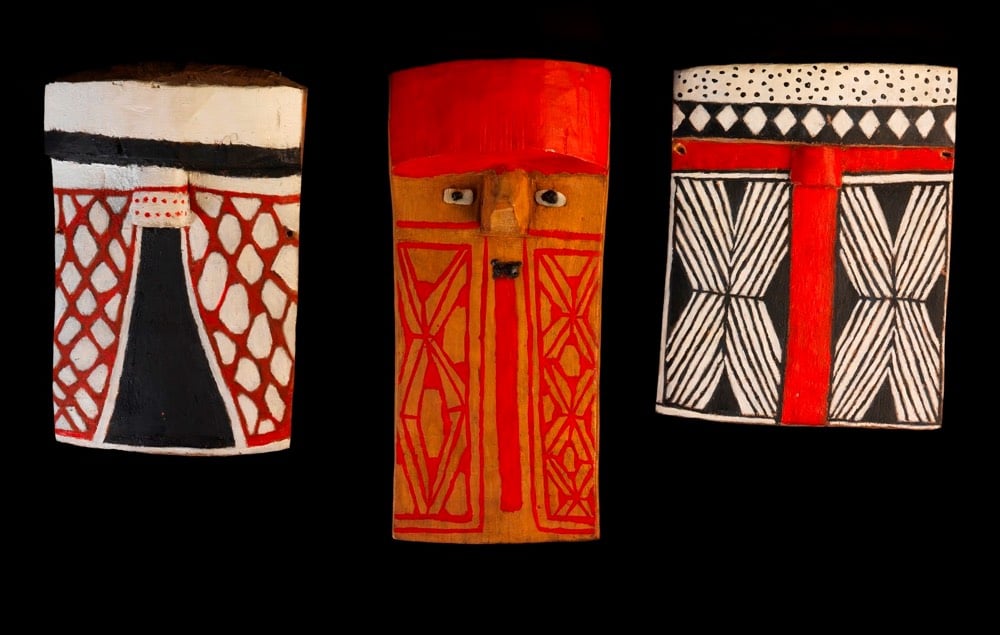
The artifacts pictured here are, from top to bottom: a 3000-year-old vase from the Marajoara culture, a skull from the oldest human skeleton discovered in the Americas, and indigenous masks from the Awetí, Waurá and Mehináku people.
From @kathrynschulz, The Best Facts I Learned from Books in 2018. “If you need to call a coin toss, be advised: coins are slightly biased toward ending up the same way they started.”
Book covers have long been one of my favorite design objects and with all the talented cover designers at work out there, 2018 produced a number of notable covers. In choosing some of my favorites below, I consulted Literary Hub’s 75 Best Books Covers of 2018 (according a panel of book designers), Paste’s 18 Best Book Covers of 2018, and The Casual Optimist’s Book Covers of Note 2018.
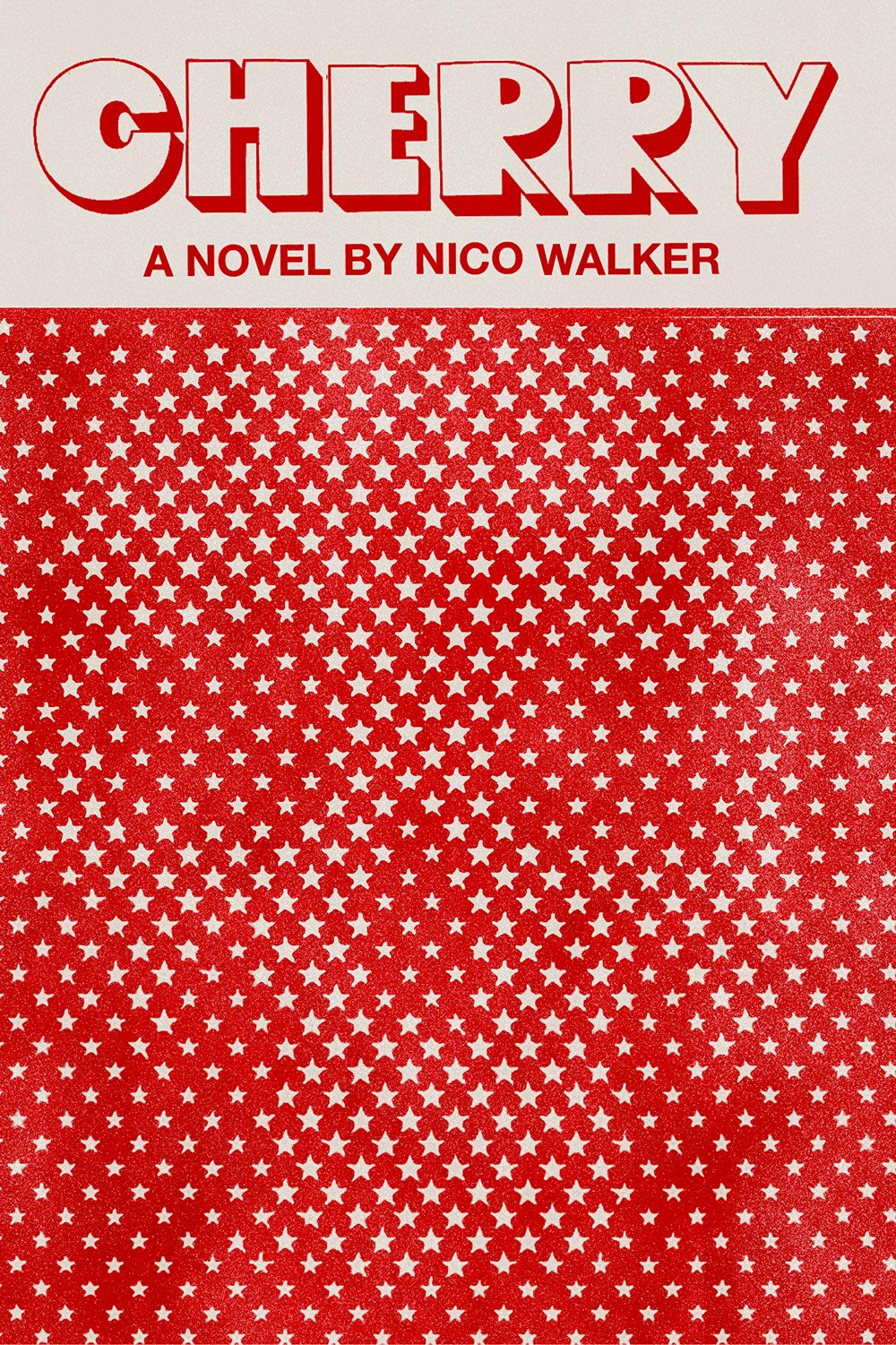
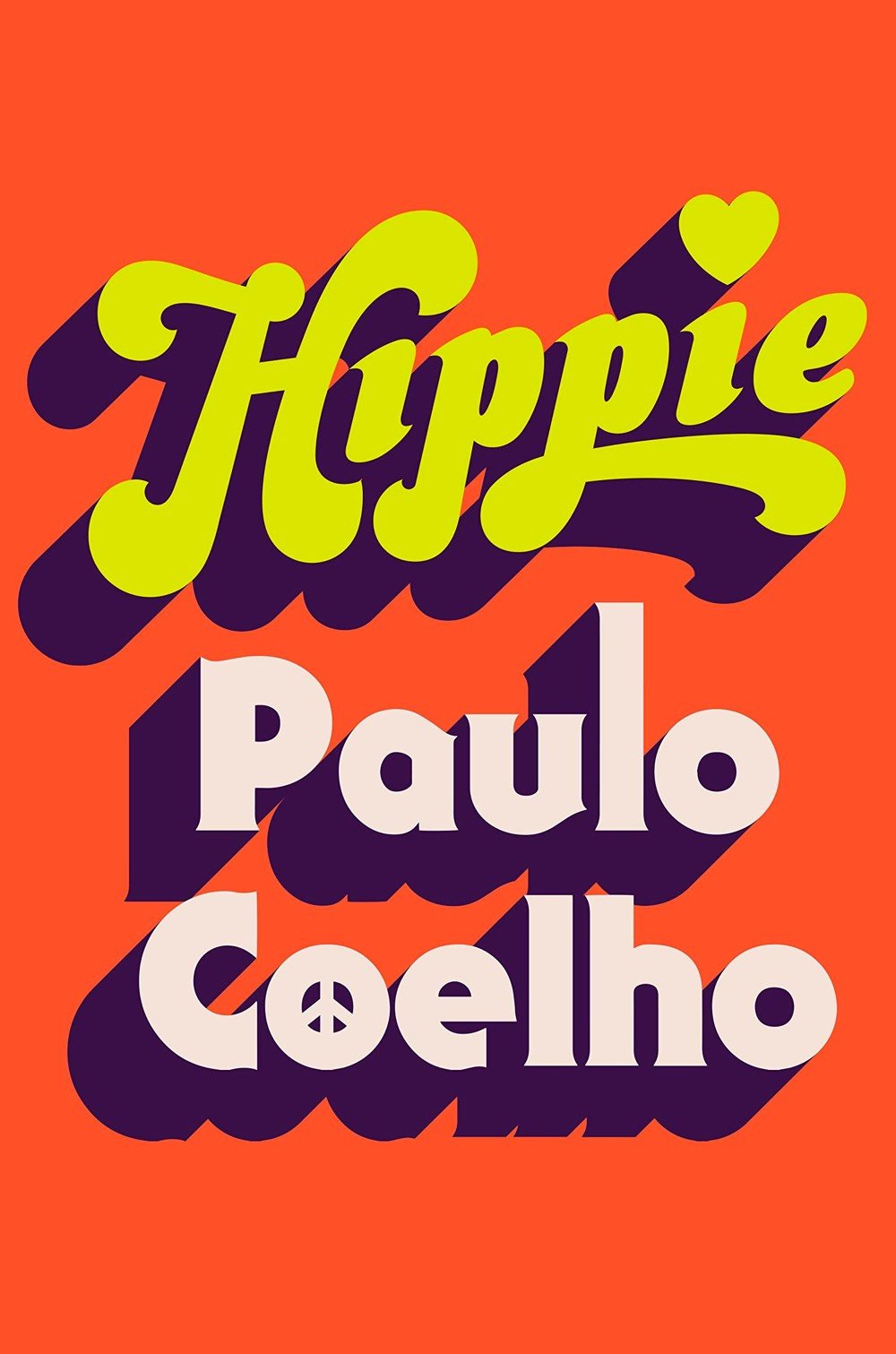
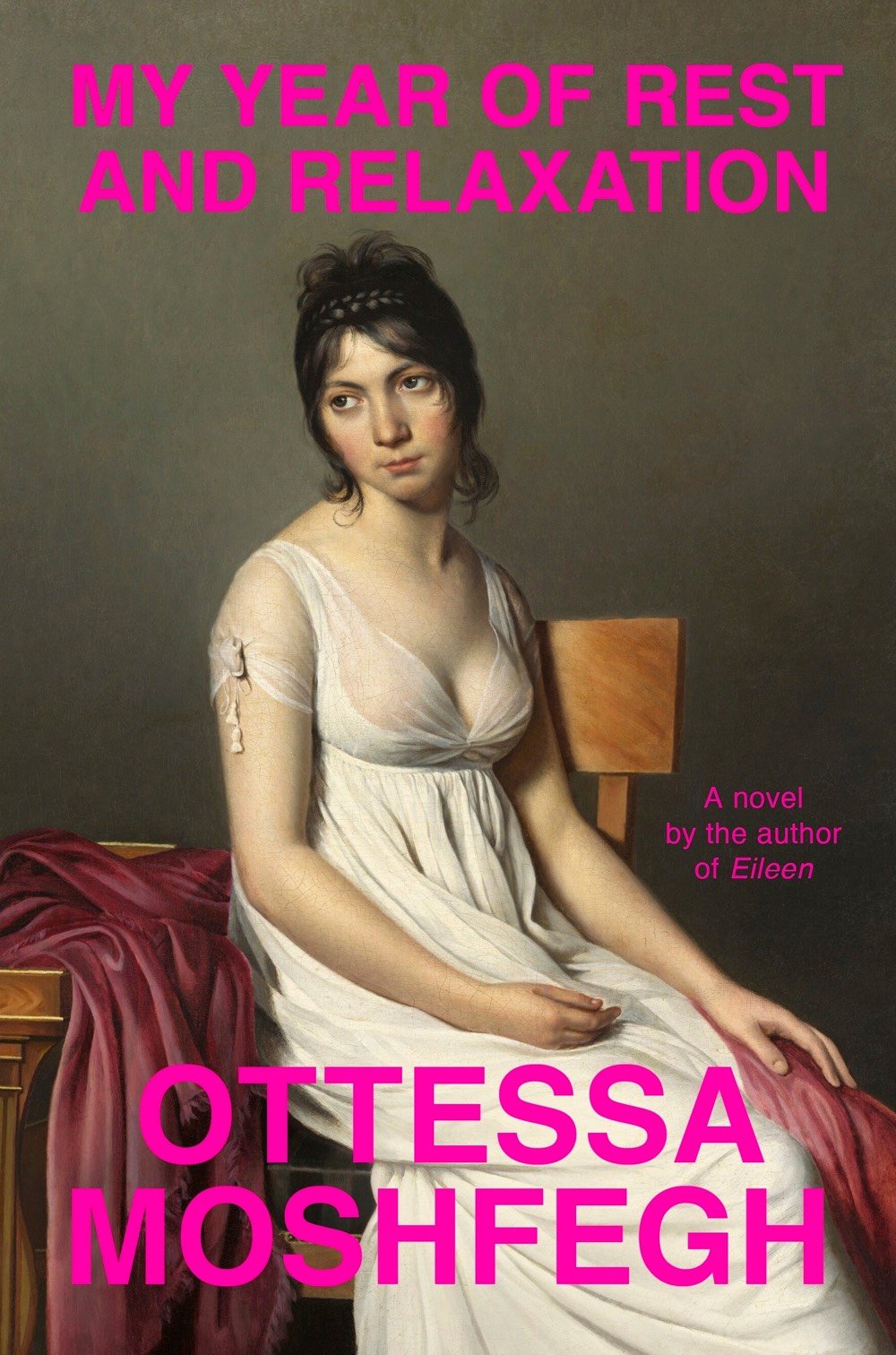
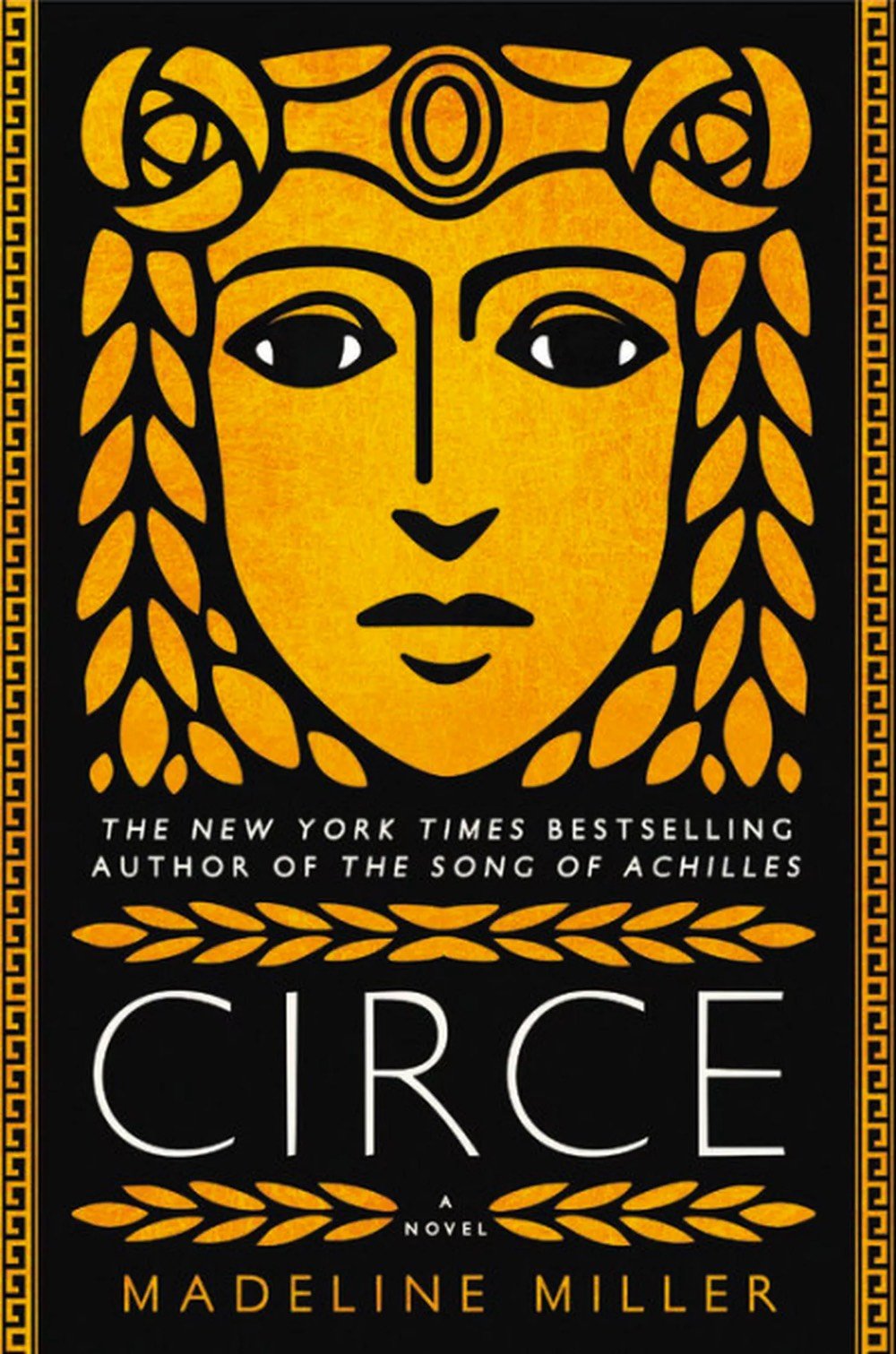
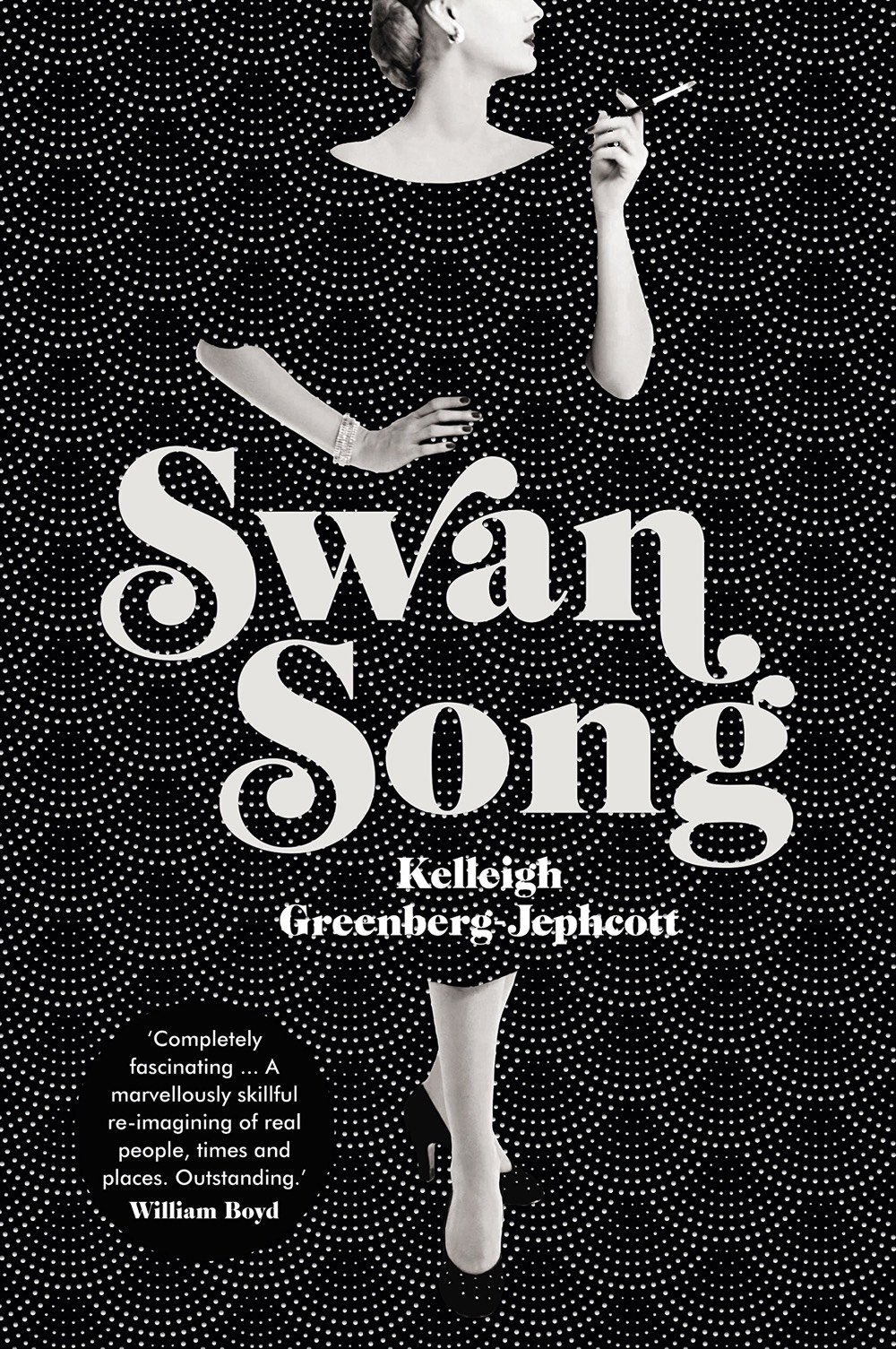
From top to bottom, Cherry by Nico Walker (designed by Janet Hansen), Hippie by Paulo Coelho (designed by Tyler Comrie), My Year of Rest and Relaxation by Ottessa Moshfegh (designed by Darren Haggar), Circe by Madeline Miller (designed by Will Staehle), and Swan Song by Kelleigh Greenberg-Jephcott (designed by Lauren Wakefield).
Kickstarter campaign to produce the first detailed 3D map of the Milky Way galaxy. The results will be released freely under a Creative Commons license for researchers, students, and anyone else who’s interested.
The Colossal shares its most-viewed posts of the year. I love The Colossal…it’s consistently one of the best sites on the web, a true gem.

Using data from the IMF and World Bank, this map by Näytä Data shows how quickly the relative fortunes of China and African countries changed over the last few decades. For reference, in 1980, Africa had an estimated population of 480 million and China’s population was 994 million, while in 2016, Africa had 1.23 billion people and China had 1.4 billion people.
“What If Brexit Were a Restaurant?” A scathing review of NYC’s newish restaurant, Bluebird London. “Atmosphere: Cafe in the front, bar in the middle, dining in the back. Desperation all around.”
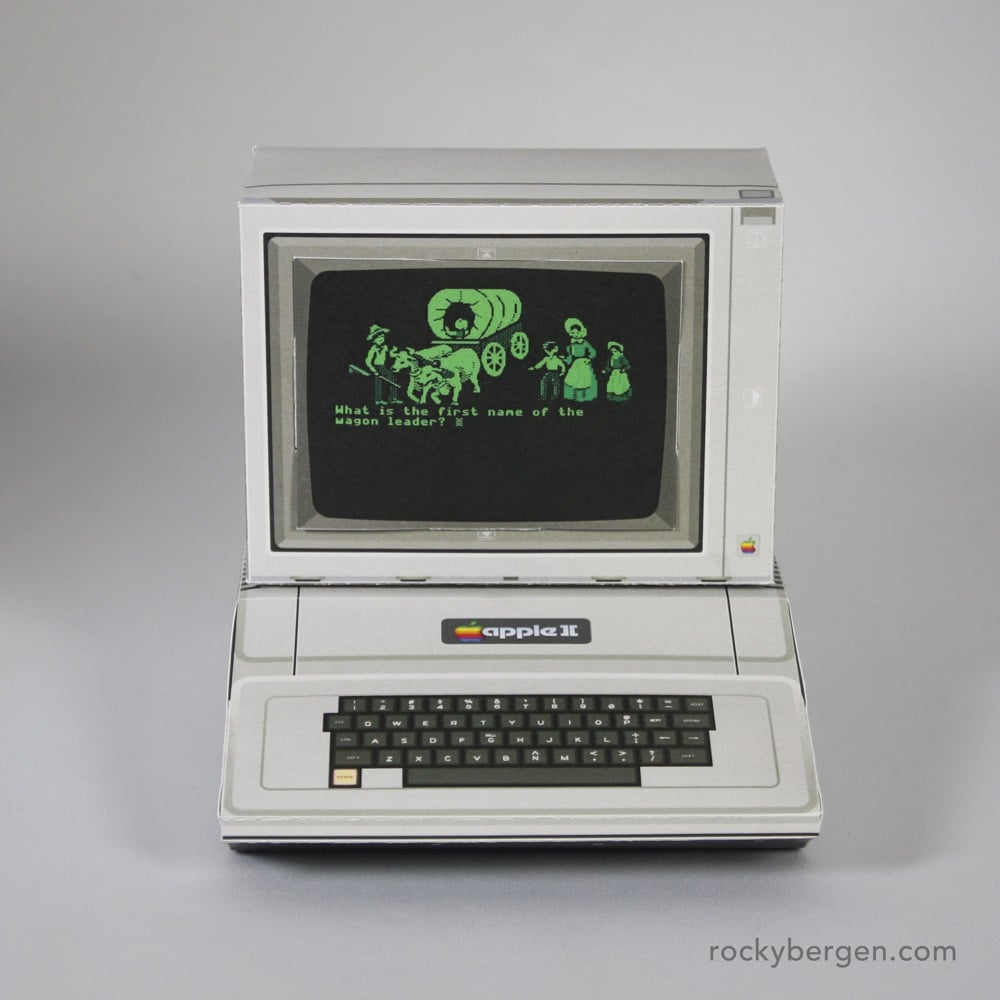
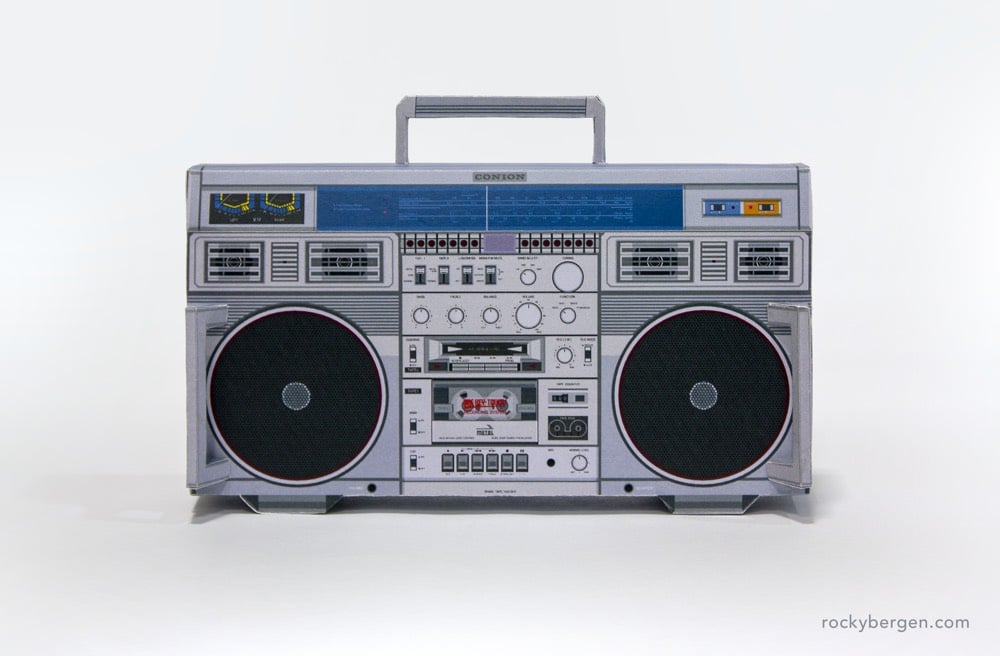
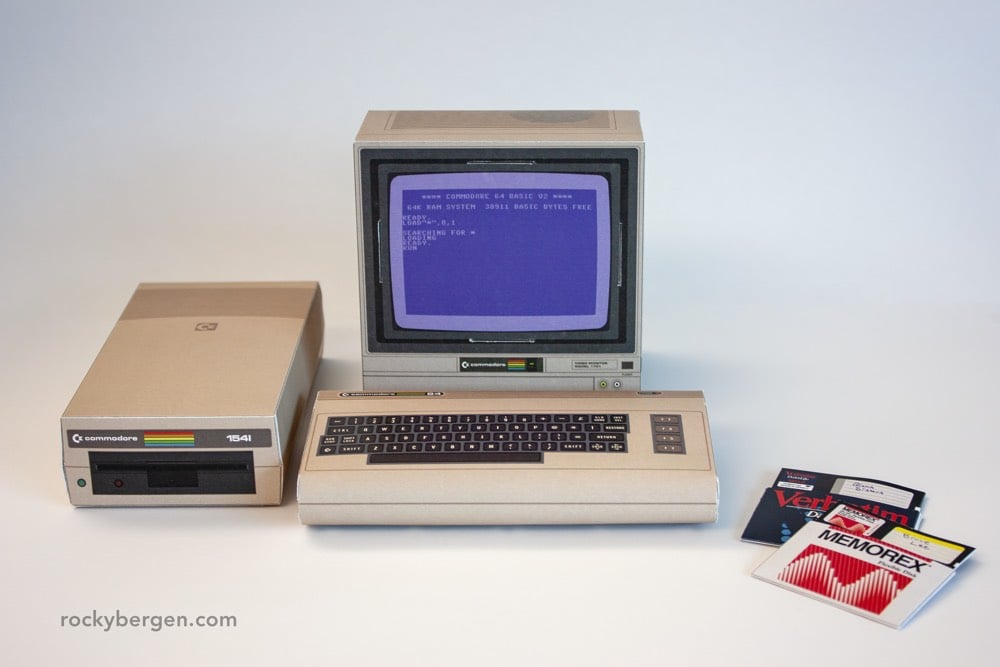
Rocky Bergen makes paper models of vintage electronics and computing gear. And here’s the cool bit…you can download the plans to print and fold your own: Apple II, Conion C-100F boom box, Nintendo GameCube, and Commodore 64.

Robert Caro, author of The Power Broker and The Years of Lyndon Johnson, is coming out with a memoir called “Working: Researching, Interviewing, Writing” that provides a behind-the-scenes look at his brilliant writing career.
For the first time in his long career, Robert Caro gives us a glimpse into his own life and work in these evocatively written, personal pieces. He describes what it was like to interview the mighty Robert Moses; what it felt like to begin discovering the extent of the political power Moses wielded; the combination of discouragement and exhilaration he felt confronting the vast holdings of the Lyndon B. Johnson Library and Museum in Austin, Texas; his encounters with witnesses, including longtime residents wrenchingly displaced by the construction of Moses’ Cross-Bronx Expressway and Lady Bird Johnson acknowledging the beauty and influence of one of LBJ’s mistresses. He gratefully remembers how, after years of loneliness, he found a writers’ community at the New York Public Library’s Frederick Lewis Allen Room and details the ways he goes about planning and composing his books.
It’s available for pre-order and will be out in early April 2019.
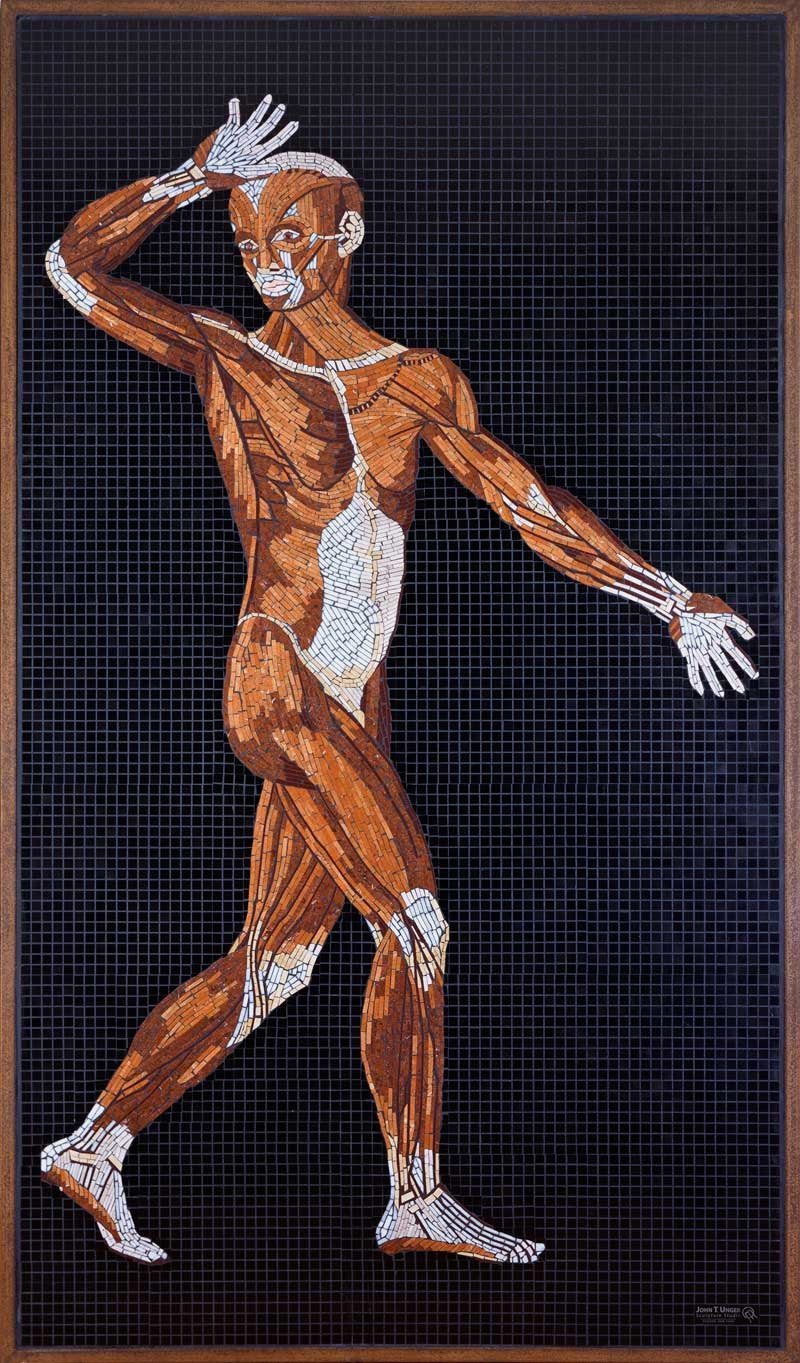
Sculptor John T. Unger is making a series of life-size stone mosaics based on anatomical drawings by the 16th-century Italian scientist Bartolomeo Eustachi.
Bartolomeo Eustachi, one of the first modern anatomists, is also considered the first comparative anatomist, as he was the first to use examples from the animal realm for comparison and clarity. Eustachi was a contemporary of Vesalius, and they share the credit of having created the science of human anatomy. In 1552 (nine years after Vesalius published his Fabrica) Eustachi completed a series of anatomical illustrations so accurate that had they been published in his lifetime, a modern understanding of anatomy might have come to pass two centuries before it was attained.
Unger has completed about half of the mosaics and is doing a Kickstarter campaign to help finish the rest of them. The first public showing of the finished artworks will be at the Carrie Haddad Gallery in Hudson, NY starting in June 2019.
Penny Marshall dies at age 75. She directed Big, Awakenings, and A League of Their Own.
Today has been a weird day for no particular reason and this 15-minute collection of the best news bloopers of 2018 fits right in.
yeah guys yeah guys yeah guys yeah guys yeah guys yeah guys yeah guys yeah guys yeah guys yeah guys yeah guys yeah guys yeah…
See also a roundup of odd 2018 headlines, including “Man calls police to get keys from goose, but a moose on the loose diverts help”.
This is pretty nerdy and entertaining. After someone stole a package off of his porch, Mark Rober spent months designing and building a fake package to get revenge on the next person stupid enough to try it. He outfitted the box with GPS, motion sensors, four cameras that auto-uploaded to the cloud, a glitter bomb that detonated when the package was opened, and a canister of fart spray that sprayed periodically until the thief threw the package out. Genius.
Update: At least some of the package robberies in this video were staged.
But shortly after the ode to all the packages we’ve lost before swept across the media landscape, viewers on the internet did what they do best: pick it apart.
They noticed some strange coincidences, like how one of the porch bandits seemed to live directly next door to Rober’s friend, Cici, and that the car used in one of the heists, a black Ford Focus with a rosary hanging on the mirror, was parked right in front of her house in Pittsburg, California.
Way to ruin Christmas, you jackholes.
The Lumière brothers were among the first filmmakers in history and from 1896 to 1900, they shot several scenes around Paris. Guy Jones remastered the Lumière’s Paris footage, stabilized it, slowed it down to a natural rate, and added some Foley sound effects. As Paris today looks very similar to how it did then, it’s easy to pick out many of the locations seen in this short compilation: the Tuileries, the Notre-Dame, Place de la Concorde, and of course the Eiffel Tower, which was completed only 8 years before filming. Here’s the full location listing:
0:08 - Notre-Dame Cathedral (1896)
0:58 - Alma Bridge (1900)
1:37 - Avenue des Champs-Élysées (1899)
2:33 - Place de la Concorde (1897)
3:24 - Passing of a fire brigade (1897)
3:58 - Tuileries Garden (1896)
4:48 - Moving walkway at the Paris Exposition (1900)
5:24 - The Eiffel Tower from the Rives de la Seine à Paris (1897)
See also A Bunch of Early Color Photos of Paris, Peter Jackson’s documentary film featuring remastered film footage from World War I, and lots more film that Jones has remastered and uploaded. (via open culture)
Update: Just as he did with the NYC footage from 1911, Denis Shiryaev has used machine learning algorithms to restore the Lumières film of Paris — it’s been upsampled to 4K & 60 fps, sharpened, and colorized.
Again, there are some obvious artifacts and the colorization is distracting, but the result is impressive for push-button. (via open culture)
Within the last couple of days, I’ve learned two things about the sinking of the Titanic and I’m going to share them with you. The first is that the discovery of the wreckage of the Titanic by ocean explorer Bob Ballard was actually a cover for the top secret investigation of two nuclear submarines during the height of the Cold War.
In 1985, Ballard’s mission was to dive to depths of 9,800 feet using a towed camera system called Argo to find and document the imploded remains of the Scorpion. The objective of the mission was to locate the submarine’s nuclear reactor and nuclear weapons and to gain evidence to help determine what led to her loss. After concluding his successful investigations of the Scorpion, Ballard used the final 12 days of his expedition to discover the RMS Titanic at a depth of 12,540 feet.
Ballard, you tricksy bastard!
The second thing is that the Titanic was on fire for days before it hit the iceberg, possibly causing damage that contributed to its quick sinking.
The work of Molony in his documentary is compelling and seems to make logical sense. The hidden fire caused damage to a bulkhead in the ship. The increased speed of the ship was due to the excess burning of coal to fight the fire. Also the failure of the bulkhead was due to the incredible heat generated by the coal fire, which was right against the bulkhead. In Molony’s opinion if the bulkheads held, the passengers on the ship may have been rescued. There was a ship hailed and on the way. If the Titanic could have stayed afloat for a few hours longer, a historic tragedy may have been averted.
Update: The coal fire thing has been a theory for years. After Molony’s documentary aired last year, a group of maritime historians who have studied Titanic extensively, wrote a thorough article debunking the idea that the coal fire contributed to the disaster in any way.
When hard evidence is factored in, there is only one viable conclusion: the coal bunker fire aboard Titanic was not a primary factor in her contact with the iceberg, or in causing her to sink after the she struck the ice. It played no part in the significant loss of life.
(thx, andrew)
Update: A group of enthusiasts used a video game engine called Unreal Engine 4 to build a fantastically detailed model of the Titanic that you can (virtually) walk though:
(via @mejum)
The Mars Reconnaissance Orbiter took photos of the InSight lander on the surface of Mars. When this sort of thing happens, humans seem like a true space-faring species, if only for a moment.
536 AD was an exceedingly bad year for humanity, perhaps even “the worst year to be alive”.
A mysterious fog plunged Europe, the Middle East, and parts of Asia into darkness, day and night — for 18 months. “For the sun gave forth its light without brightness, like the moon, during the whole year,” wrote Byzantine historian Procopius. Temperatures in the summer of 536 fell 1.5°C to 2.5°C, initiating the coldest decade in the past 2300 years. Snow fell that summer in China; crops failed; people starved. The Irish chronicles record “a failure of bread from the years 536-539.” Then, in 541, bubonic plague struck the Roman port of Pelusium, in Egypt. What came to be called the Plague of Justinian spread rapidly, wiping out one-third to one-half of the population of the eastern Roman Empire and hastening its collapse, McCormick says.
For Science magazine, Ann Gibbons writes about a new ice core sampling technique that is providing new insight into the causes of the fall of the Roman Empire and the Dark Ages in Europe.
Mayewski and his interdisciplinary team decided to look for the same eruptions in an ice core drilled in 2013 in the Colle Gnifetti Glacier in the Swiss Alps. The 72-meter-long core entombs more than 2000 years of fallout from volcanoes, Saharan dust storms, and human activities smack in the center of Europe. The team deciphered this record using a new ultra-high-resolution method, in which a laser carves 120-micron slivers of ice, representing just a few days or weeks of snowfall, along the length of the core. Each of the samples — some 50,000 from each meter of the core — is analyzed for about a dozen elements. The approach enabled the team to pinpoint storms, volcanic eruptions, and lead pollution down to the month or even less, going back 2000 years, says UM volcanologist Andrei Kurbatov.
Wow, this is like time travel! You should read the whole piece…it’s not long or technical. I loved the bit about how lead pollution provides evidence for the rise of the merchant class in medieval Europe. (via @tylercowen)
For the past few years, the @TerribleMaps Twitter account has been posting maps that aren’t useful or that don’t make a lot of sense. Here are some of my favorites.


(via laura olin)
This afternoon, my friend Casey Newton posted a thread of YouTube videos so good that I had to login on a Sunday and blog about it. There’s a simple theme connecting these videos that I’ll let Casey explain:
This might be my favorite one:
The kids are all right. Better than, in fact.
My Dad’s Friendship With Charles Barkley. “‘It gives me great memories and great joy to know that I was a friend of his,’ Barkley said.”
Remarkable pictures, outstanding detail, significant impact on understanding future eruptions. “What follows is a summary of key volcanic events in Kilauea’s 2018 outburst, in the order in which they occurred.”

Like any once-and-hopefully-future resident of the great city of Philadelphia, I’m entranced by Gritty, the new mascot for the Philadelphia Flyers. Now, full disclosure: the Flyers were not one of the teams I initially adopted when I moved to Philadelphia, because my hometown Detroit Red Wings were still great in 2002, and so I was all set, hockey-wise. I picked up the New York Rangers when I moved to New York in 2012, when Henrik Lundqvist was winning Vezinas and stunting on fools. But Gritty is sufficiently compelling that I might have to add the Flyers to the Eagles, Phillies, and Sixers, becoming a full Philadelphia sports fan.
Why is Gritty captivating the world? Is it because or despite of his muppet-like googly eyes and shaggy appearance? I mean, when you really dig into it, it’s not like there’s a whole lot there. But a sufficiently advanced cipher can become a multilayered text to the devout, and that’s what’s happened with Gritty. Fans turned what was briefly an object of ridicule into an icon of devotion. And a legend was born.
For a deeper look into the Gritty phenomenon, seek no further than The Ringer, the website that was designed from its origins in the late, beloved Grantland to get to the bottom of sports questions like this. Michael Baumann’s “The Monster In The Mirror” is insightful, and nearly exhaustive, in answering why people inside and outside of Philadelphia have taken to Gritty so strongly. It also doubles as a psychological profile of one of my favorite cities and their sports fans.
Some excerpts:
In the past two and a half months, Gritty has proven to be an overwhelming success as a mascot. More than that, he’s become a legitimate cultural phenomenon, a weird and scary avatar for a weird and scary time. He is all things to all people.
“Gritty is fairly appalling, pretty insurrectionary for a mascot, and I don’t think there’s any question that that’s our kind of symbol,” says Helen Gym, an at-large member of the Philadelphia City Council. “There’s nothing more Philly than being unapologetically yourself.”
And:
The Flyers, Raymond says, had long resisted the idea of creating a mascot, at the insistence of founding owner Ed Snider, whom Raymond calls “old-school.” The Flyers unveiled a furry mascot called Slapshot in 1976 but quickly shelved it, leaving the team without a mascot for more than 40 years. But after Snider’s death in 2016, the team’s marketing department pushed ownership to reconsider, Raymond says, and after overcoming so much institutional inertia, they weren’t going to be half-hearted about their new mascot.
One part of doing a mascot right, Raymond says, is sticking to the bit no matter what, rather than submitting the mascot to the public for approval, a lesson learned from the Sixers’ failed mascot vote in 2011. Philadelphians, and people on the internet in general, can sense uncertainty and will punish it.
On Gritty’s Hensonian roots:
Mascots are always at least a little silly and ridiculous because at their core, they’re created more for children than adults. Gritty is no exception. His hands squeak, and his belly button—which Raymond calls a “woobie”—is a brightly colored outie. The woobie, says Raymond, was the brainchild of Chris Pegg, who plays Rockey the Redbird for the Triple-A Memphis Redbirds and is a mutual friend of Raymond and Flyers senior director of game presentation Anthony Gioia.
When the Flyers unveiled such a weird, menacing mascot, it brought to mind something Frank Oz said about his longtime collaborator and Muppets creator Jim Henson: “He thought it was fine to scare children. He didn’t think it was healthy for children to always feel safe.” According to Raymond, in any sufficiently large group of children, a mascot, even a familiar one, will make at least one of them cry. Not Gritty.
“I’d never seen a mascot rollout anywhere where I didn’t see at least one kid running, crying in terror, trying to grab on to their mother’s legs,” Raymond says of the Please Touch Museum rollout. “I didn’t see any of that [with Gritty]. The kids were dancing and hollering and calling for him to come over, but no kid looked terrified.”
And on Gritty’s additional incarnation as the subject and vehicle for leftist political memes:
Some Gritty memes, however, are not just funny or scary, but overtly political. Gym’s resolution addressed this issue head-on; “non-binary leftist icon” was one of the descriptions quoted in the resolution. The resolution itself goes on to praise Gritty for his status as a political symbol: “Gritty has been widely declared antifa, and was subject to attempted reclamation in the editorial pages of The Wall Street Journal. It has been argued that he ‘conveys the absurdity and struggle of modern life under capitalism’ and that he represents a source of joyful comic respite in a time of societal upheaval.”…
“The great thing about memes—as ridiculous as this sounds—is they create an instant mass internet mobilization,” FWG says. “Memes can be used to perpetuate systematic oppression, or they can be used to burn down the prison-industrial system or talk about police brutality.”
This identity is independent from — this is to say, it has been thoroughly stolen from — Gritty’s original role as a corporate sports mascot.
There’s a danger to wrapping up one’s identity in anything one can’t control, whether it’s an artist, a sports team, or a fuzzy orange monster. And if Gritty played it safe, he’d stop being worth investing in; the reason Gritty is so popular is because he’s weird and unpredictable in a way that isn’t cultivated to be “edgy.” Fear of being let down might just be the price of trying to live with empathy in a society that frequently elevates the cruel. It’s worth thinking about something FWG said: that their Gritty is not the same thing as the Flyers mascot.
“I think that the spirit of Gritty will be fulfilled through the proletariat,” FWG says. “As the spirit of Gritty moves people, that’s how the people will act.”
This is serious business! But as Walter Benjamin wrote, in a time of crisis, the here-and-now becomes shot through with messianic time. Gritty recalls the Phillie Phanatic, Sesame Street’s muppets, and Blastaar from the Fantastic Four, but puts all of their energy to use in a sense of futurity, that hope for the future that sports fandom echoes, however dimly. To quote Benjamin again:
It is well-known that the Jews were forbidden to look into the future. The Torah and the prayers instructed them, by contrast, in remembrance. This disenchanted those who fell prey to the future, who sought advice from the soothsayers. For that reason the future did not, however, turn into a homogenous and empty time for the Jews. For in it every second was the narrow gate, through which the Messiah could enter.
It’s ridiculous to see Gritty, the googly-eyed, outie-bellybuttoned Philadelphia Flyers mascot, as a messianic figure of the revolutionary left. But is that any more ridiculous than everything else that is happening in our fucked-up present? No. No, it is not.
Newer posts
Older posts





Socials & More