Entries for June 2018
When I was a kid, I devoured books like locusts ravage crops on the plains. My sister and I would go to the library, get 5 or 6 books each, and when I was done reading all of mine, I’d read hers — Little Women, Judy Blume, The Baby-Sitters Club…I was not picky. I read Roald Dahl, all the Little House books, Where the Red Fern Grows, Encyclopedia Brown, E.B. White, the Bobbsey Twins, Nancy Drew, all kinds of biographies of famous people, and almost everything else in our local library. Reading was how I learned about the world outside my tiny town. Reading was how I came to know about Robert Wadlow, the world’s tallest man.
In 1981, when I was 8 years old, our household acquired two books that I would read more than any other during my childhood: a set of World Book encyclopedias and the Guinness Book of World Records.1 The encyclopedia, a prized family possession, sat on a shelf in the living room and one of my favorite things was to grab a random volume, crack it open to a random page, and start reading. The Guinness Book of World Records, in contrast, sat on a small table in the bathroom; I read it while sitting on the toilet.
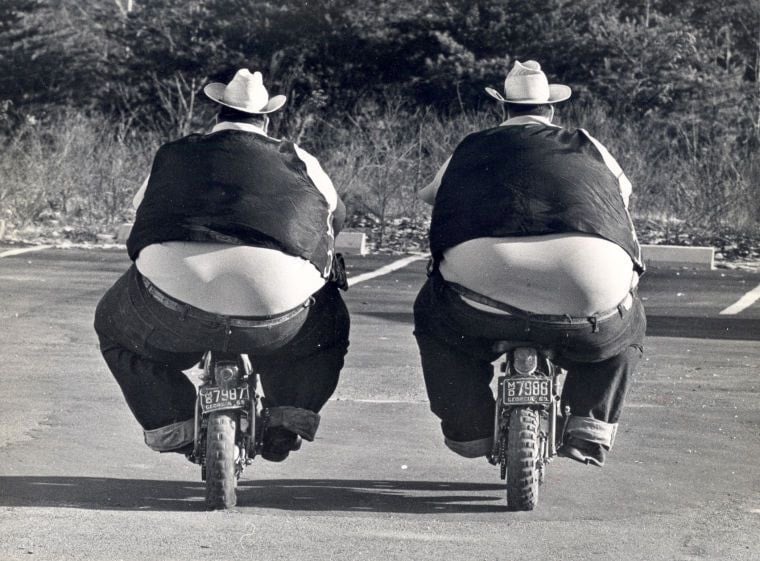
The first few pages of the book, which I am pretty sure is still sitting on that table in my dad’s bathroom, contained records related to the human body. I particularly remember reading about Robert Earl Hughes, then the world’s heaviest human, and The McGuire Twins, the world’s heaviest twins; they liked to ride motorcycles:
But most captivating part of that book was the section about Robert Wadlow, the world’s tallest person: 8ft 11in tall, shoe size of 37AA, wingspan of 9.5 feet, and he could carry his father up the stairs at age 9, a feat unimaginable by a scrawny Wisconsin boy of the same age. The tallest person I’d ever seen up until then was probably like 6’3” — a man almost 9 feet tall was like something out of the stories I read from the library. Who needs fiction when you’ve got facts like these?
I hadn’t thought about any of this in years until I ran across a short video of Wadlow the other day (there’s more footage here, here, and elsewhere on YouTube):
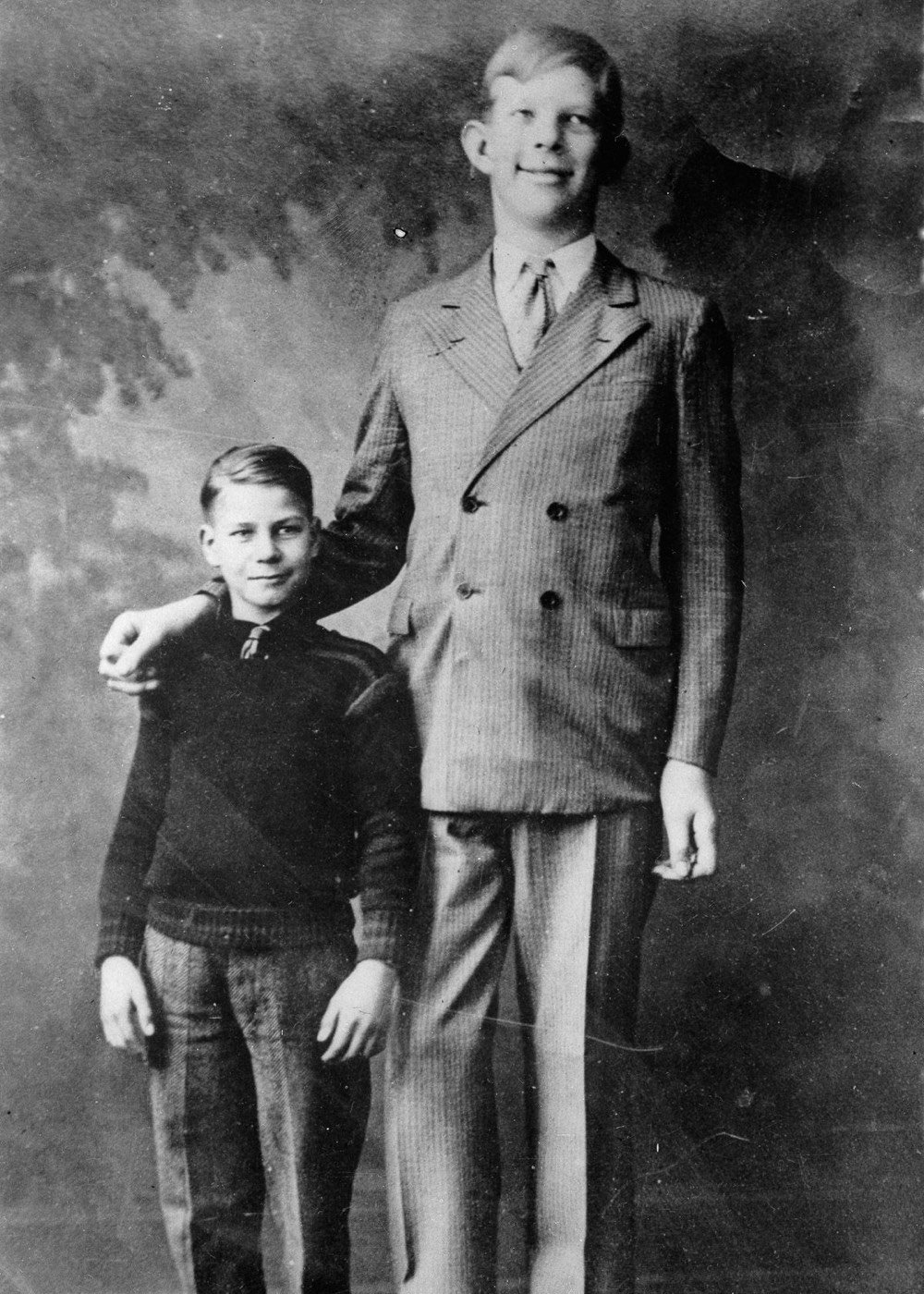
Holy shit. Suddenly this almost mythical person from my childhood is walking across my screen! Digging a little, I found the Retronaut’s collection of Wadlow photos, only a couple of which were included in my Guinness book. Here’s Wadlow at 10 years old, when he was already 6’5”:
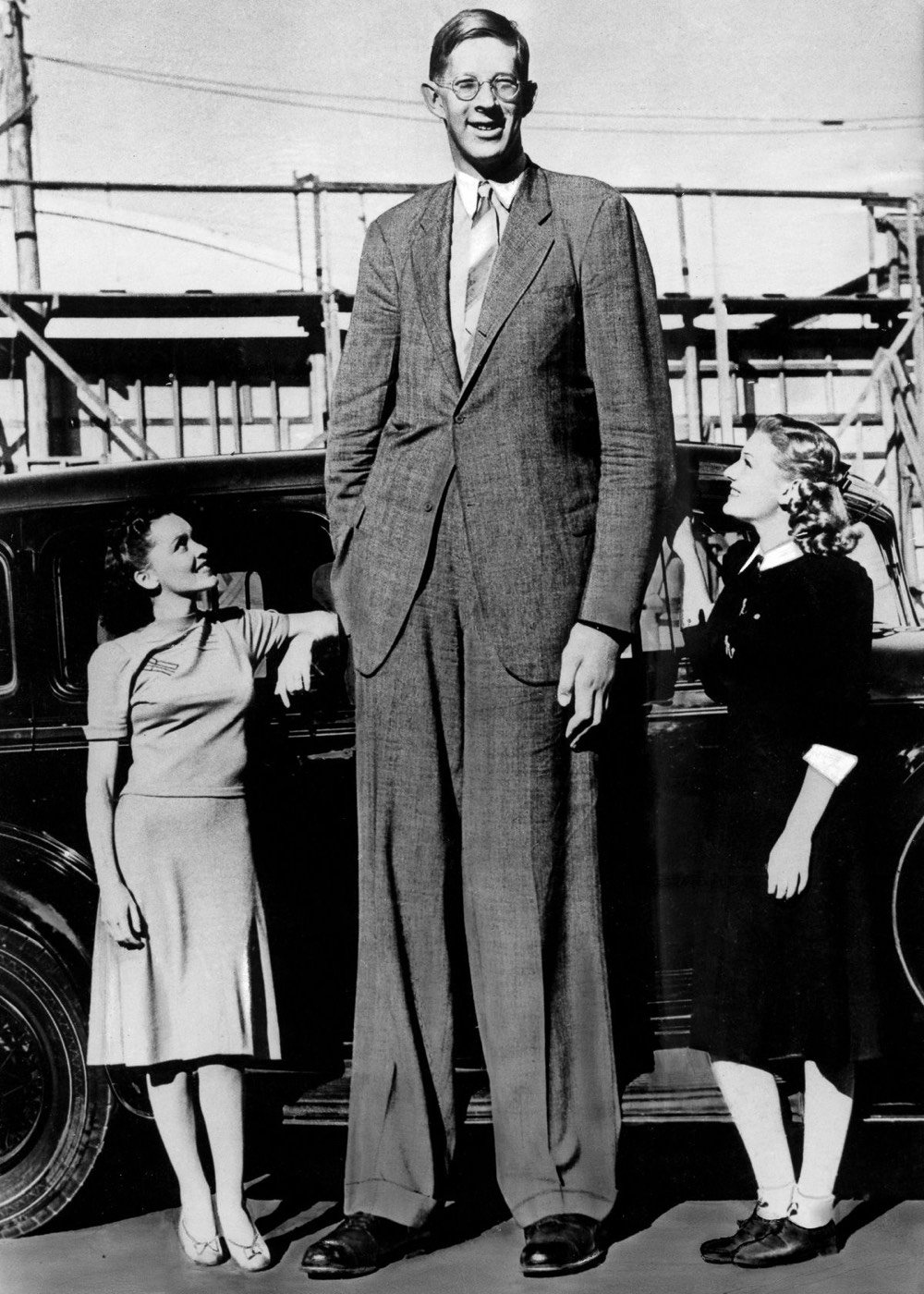
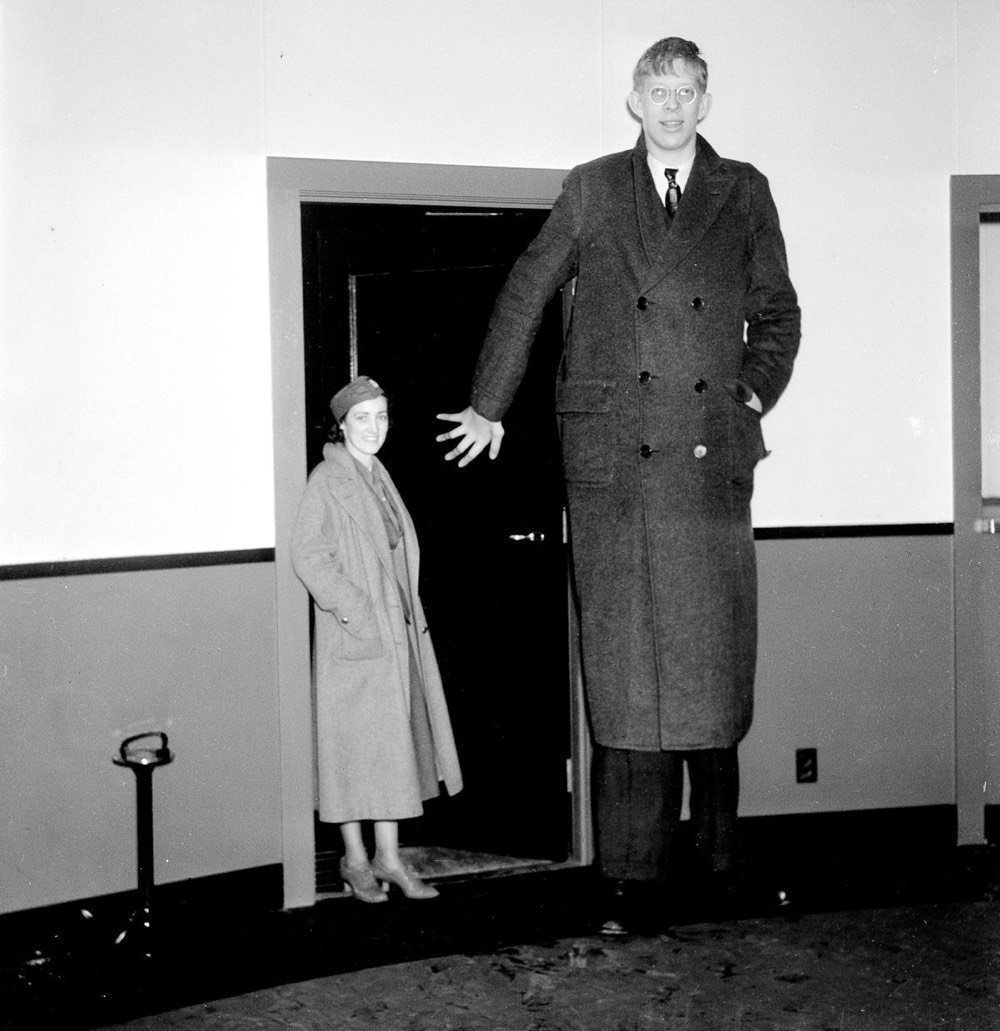
And here are a couple more photos that show just how tall he was:
You can read more about Wadlow on Wikipedia, on Retronaut, or, yes, on the Guinness World Records site. I don’t care what anyone says…the World Wide Web is still a marvel. It brought Robert Wadlow alive for me, all these years later. What a thing.
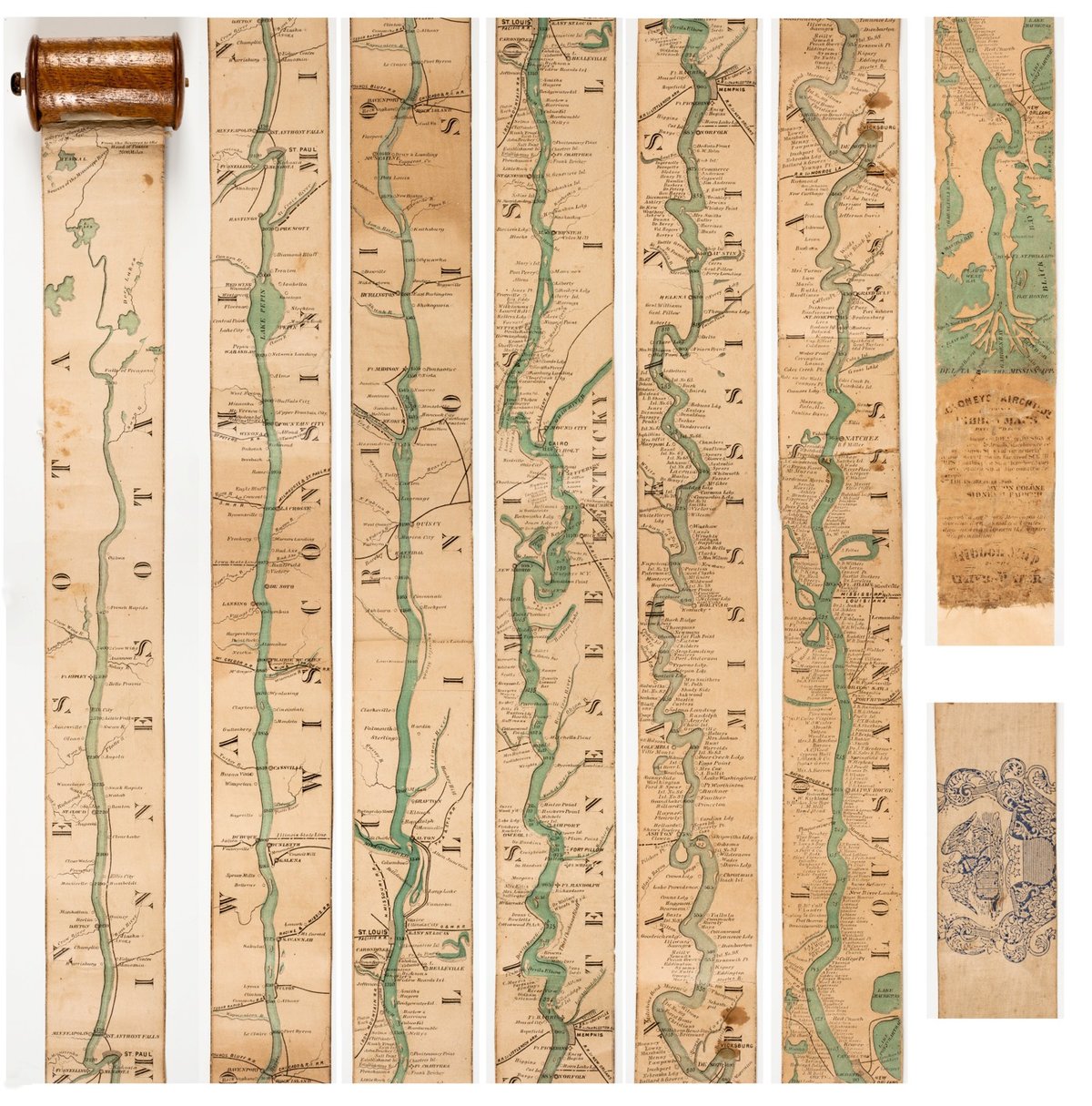
The Mississippi River runs for more than 2300 miles straight through the heartland of America, more or less straight from north to south. Representing the river in any detail presented a challenge for mapmakers wishing to provide maps to those wanting to travel along the river. In 1866, Coloney & Fairchild solved the problem by producing the Ribbon Map of the Father of Waters, a 2-inch wide & 11-foot long map that spooled up into a carrying case via a hand crank. From Nenette Luarca-Shoaf’s description of the map:
Coloney and Fairchild’s patented apparatus required that the single sheet be cut into strips, attached end-to-end, mounted on linen, and then rolled inside a wooden, metal, or paper spool (fig. 4). The resulting portability of the map was crucial because, as advertisements indicated, it was intended for business travelers, steamboat navigators, and tourists.
You can explore larger images of the ribbon map at the David Rumsey Map Collection or the American Antiquarian Society.
See also the meander maps of the Mississippi River. And I would love to see a satellite photo trip down the Mississippi like Best of Luck With the Wall, Josh Begley’s video journey along the 2000 miles of the US/Mexico border. (via open culture)
Update: In the 1840s, John Banvard painted a “moving panorama” of the Mississippi that measured 1300 feet in length. (via @mattbucher)

This is A Map of Chicago’s Gangland from Authentic Sources published in 1931 by Bruce-Roberts, Inc.
Map of Chicago gang locations showing Little Italy, Little Sicily, Cicero, Capone Territory, Westside O’Donnell Territory, Stickney, Saltis Territory, Southside O’Donnell Territory, and Little Africa. “Designed to inculcate the most important principles of piety and virtue in young persons, and graphically portray the evils and sin of large cities.” Numbers in red circles give the sequence of important events in Chicago’s gangland war. Insets include: Mrs. O’Leary’s cow, lawyer running to spring his client, an armored car, bootleggers stealing wheels from prohibition cars, machine gunners arriving from Detroit, World’s Fair grounds of 1933, police tipping over a speakeasy, and “gangland dictionary”.
Al Capone looms large over the map; he was arrested for tax evasion that year and sentenced to 11 years in federal prison. There’s also a zoomable reproduction you can explore at the David Rumsey Map Collection.
Update: See also these historic vice maps of Chicago depicting “all of the bars, dives, brothels, saloons, pool halls and gambling houses in the Levee and Little Cheyenne Districts of Chicago between 1870 and 1923”.
The other day, Erika Hall asked on Twitter: “If you could assign every American to read one book over the summer, what would it be?” I love these kinds of questions because it puts people into the shoes of teachers, curators, librarians, or, for the particularly strident, benevolent dictators. For many people, the question actually being asked is: “What do you want America to be? “Here are some of the answers worth mentioning:
The Rise and Fall of the Third Reich by William Shirer.
A People’s History of the United States by Howard Zinn.
Elements of Style by William Strunk Jr. & E.B. White.
So You Want to Talk About Race by Ijeoma Oluo.
The Half Has Never Been Told: Slavery and the Making of American Capitalism by Edward Baptist.
A Confederacy of Dunces by John Kennedy Toole.
The Fire Next Time, James Baldwin.
When Things Fall Apart: Heart Advice for Difficult Times by Pema Chödrön.
The Warmth of Other Suns by Isabel Wilkerson.
Why Buddhism Is True by Robert Wright.
Fantasyland: How America Went Haywire: A 500-Year History by Kurt Andersen.
When I first read this thread, someone gave an answer that I thought was pretty much spot on and now I can’t find it. They didn’t recommend a specific title but instead suggested that everyone read a simple book about kindness. I don’t know what that book would be, but in my imagination, it’s like a book version of Mister Rogers’ Neighborhood. I would totally read that this summer.
See also a reading list for the resistance.
Why Did We Ever Leave Mister Rogers’ Neighborhood? “Mister Rogers simply took you seriously and made room for whatever you might be feeling.”
A research team at MIT’s Media Lab have built what they call the “world’s first psychopath AI”. Meet Norman…it provides creepy captions for Rorschach inkblots. A psychopathic AI is freaky enough, but the kicker is that they used Reddit as the dataset. That’s right, Reddit turns mild-mannered computer programs into psychopaths.
Norman is an AI that is trained to perform image captioning; a popular deep learning method of generating a textual description of an image. We trained Norman on image captions from an infamous subreddit (the name is redacted due to its graphic content) that is dedicated to document and observe the disturbing reality of death. Then, we compared Norman’s responses with a standard image captioning neural network (trained on MSCOCO dataset) on Rorschach inkblots; a test that is used to detect underlying thought disorders.
Here’s a comparison between Norman and a standard AI when looking at the inkblots:
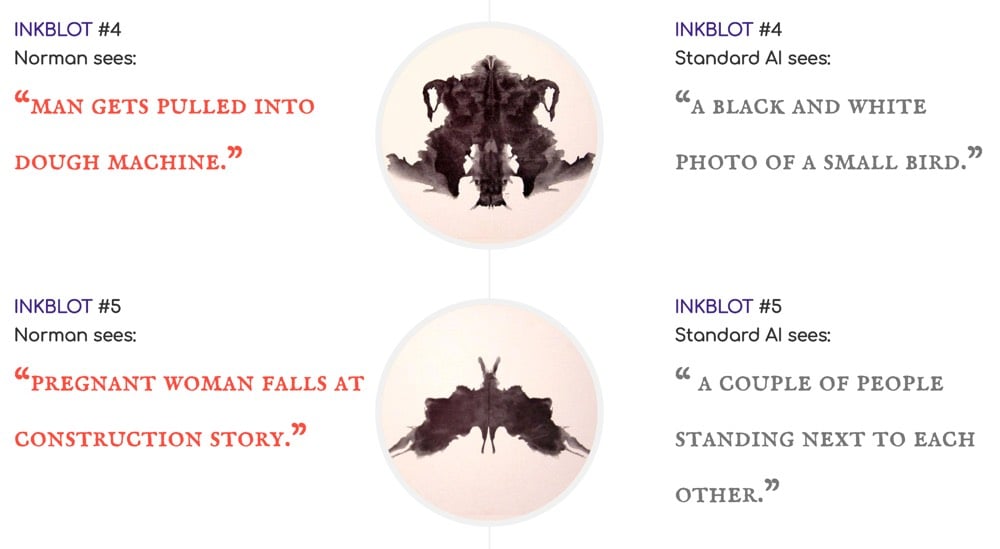
Welp! (via @Matt_Muir)
Update: This project launched on April 1. While some of the site’s text at launch and the psychopath stuff was clearly a prank, Norman appears to be legit.
In December 1951, British philosopher Bertrand Russell wrote a piece for the NY Times Magazine titled The Best Answer to Fanaticism — Liberalism with a subhead that says “Its calm search for truth, viewed as dangerous in many places, remains the hope of humanity.” At the end of the article, he offers a list of ten commandments for living in the spirit of liberalism:
1. Do not feel absolutely certain of anything.
2. Do not think it worthwhile to produce belief by concealing evidence, for the evidence is sure to come to light.
3. Never try to discourage thinking, for you are sure to succeed.
4. When you meet with opposition, even if it should be from your husband or your children, endeavor to overcome it by argument and not by authority, for a victory dependent upon authority is unreal and illusory.
5. Have no respect for the authority of others, for there are always contrary authorities to be found.
6. Do not use power to suppress opinions you think pernicious, for if you do the opinions will suppress you.
7. Do not fear to be eccentric in opinion, for every opinion now accepted was once eccentric.
8. Find more pleasure in intelligent dissent than in passive agreement, for, if you value intelligence as you should, the former implies a deeper agreement than the latter.
9. Be scrupulously truthful, even when truth is inconvenient, for it is more inconvenient when you try to conceal it.
10. Do not feel envious of the happiness of those who live in a fool’s paradise, for only a fool will think that it is happiness.
Over the past few years, I’ve found it increasingly difficult to keep an open mind about many issues, particularly on those related to politics. Remaining curious and generous about new & different ideas, especially in public, is perhaps more challenging than it was in Russell’s time. We are bombarded on all sides by propaganda, conspiracy theories, and broadly discredited theories from the past pushed upon us by entertainment news outlets and social media algorithms — we’re under a constant denial-of-service attack on our ability to think and reason.
We can’t reasonably be expected to give serious consideration to ideas like “the Holocaust didn’t happen”, “the Earth is flat”, “the Newtown massacre was faked”, “let’s try slavery again”, “vaccines cause autism”, and “anthropogenic climate change is a myth” — the evidence just doesn’t support any of it — but playing constant defense against all this crap makes it difficult to have good & important discussions with those we might disagree with about things like education, the role of national borders in a extremely mobile world, how to address our changing climate, systemic racism & discrimination, gun violence, healthcare, and dozens of other important issues. Perhaps with Russell’s guidelines in mind, we can make some progress on that front.


Are you a mountains or a beach person? I prefer the beach — the ocean in particular, even though it scares the hell out of me sometimes. Photographer Rachael Talibart captures the power of the sea with her photos of waves kicked up by storms. She spoke with Wired about the project and her healthy respect for the ocean.
Talibart still can’t help thinking of sea creatures when she looks at the photographs. Inspired by Homer’s Odyssey, she titled the series Sirens and gave each image the name of a mythological god or goddess. And although she avoids boats these days — she still gets seasick — Talibart credits her childhood sailing adventures with her ocean obsession.
“A part of me is still half-afraid of the sea,” she admits. “There’s a fascination and a love for it, but there’s also fear.”
(via robin sloan)
Cameras that can take usable photos in low light conditions are very useful but very expensive. A new paper presented at this year’s IEEE Conference on Computer Vision and Pattern Recognition shows that training an AI to do image processing on low-light photos taken with a normal camera can yield amazing results. Here’s an image taken with a Sony a7S II, a really good low-light camera, and then corrected in the traditional way:

The colors are off and there’s a ton of noise. Here’s the same image, corrected by the AI program:
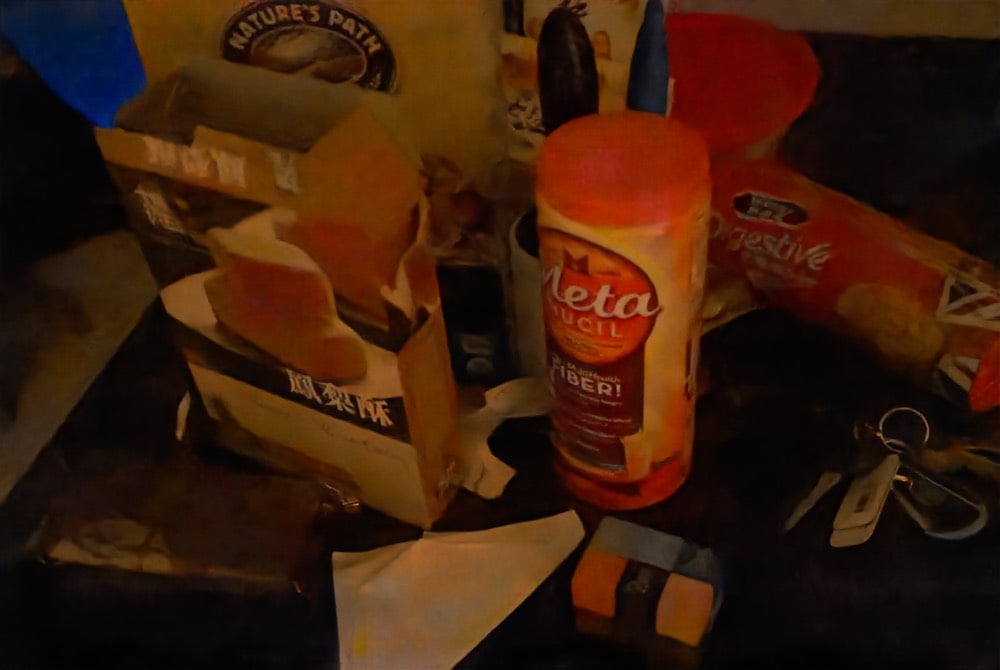
Pretty good, right? The effective ISO on these images has to be 1,000,000 or more. A short video shows more of their results:
It would be great to see technology like this in smartphones in a year or two.
Great quiz idea. “Who Said It: Philip and Elizabeth From The Americans or Philip and Elizabeth From The Crown?”
For these two videos, FunWithGuru collected scenes from movies & TV that can trigger ASMR. He featured movies like Phantom Thread (rustling cloth) and Amelie (whispering) as well as well as calmer moments from more unlikely fare like Inglourious Basterds, Edward Scissorhands, and The Office. The clips show ASMR staples like calm talking, people quietly performing tasks, whispering, hair brushing, pouring water, and rustling paper.
In his latest video, Evan Puschak compares the action scenes from Marvel and DC superhero movies and shows how DC comes up short. Some don’t appreciate all of the humor packed into Marvel’s films, but the DC movies take themselves WAY too seriously. And don’t even get me started on Zack Snyder — outside of 300, his take on action is not good. It’s not a coincidence that Snyder didn’t direct Wonder Woman, the best of the DCEU films in terms of action (and everything else).
See also the problem with action movies today and why are action movie trailers sounding more musical lately?
Over 300 different people drew/illustrated moments from a real-life dance performance, which Kristen Lauth Shaeffer then assembled into one cool animated performance. This strongly reminds me of Oliver Laric’s clip-art animation.
After the success of their book about the world’s most unusual places, Atlas Obscura is following up with an illustrated book aimed at kids showcasing “150 of the world’s most mesmerizing and mysterious wonders”: The Atlas Obscura Explorer’s Guide for the World’s Most Adventurous Kid.

Travel the world through common points of interest, from strange skeletons (Trunyan Tree cemetery in Indonesia leads you to India’s Skeleton Lake, for example) to wild waterfalls (while in Peru visit the Gocta Waterfall — and then move on to Antarctica’s Blood Falls) to ice caves to bioluminescence.
The book comes out in September but you can preorder it here. The first Atlas Obscura book was my son’s favorite for several months…he must have read it 8 times cover-to-cover. (via @kathrynyu)
These posters designed by the NSA emphasizing the importance of security and secrecy to their employees are amazing. Declassified in mid-April 2018, most of the posters were produced in the 50s, 60s, and 70s and look as though they were cooked up by Salvador Dali or the Dadaists. Or even Mad Magazine. I mean:
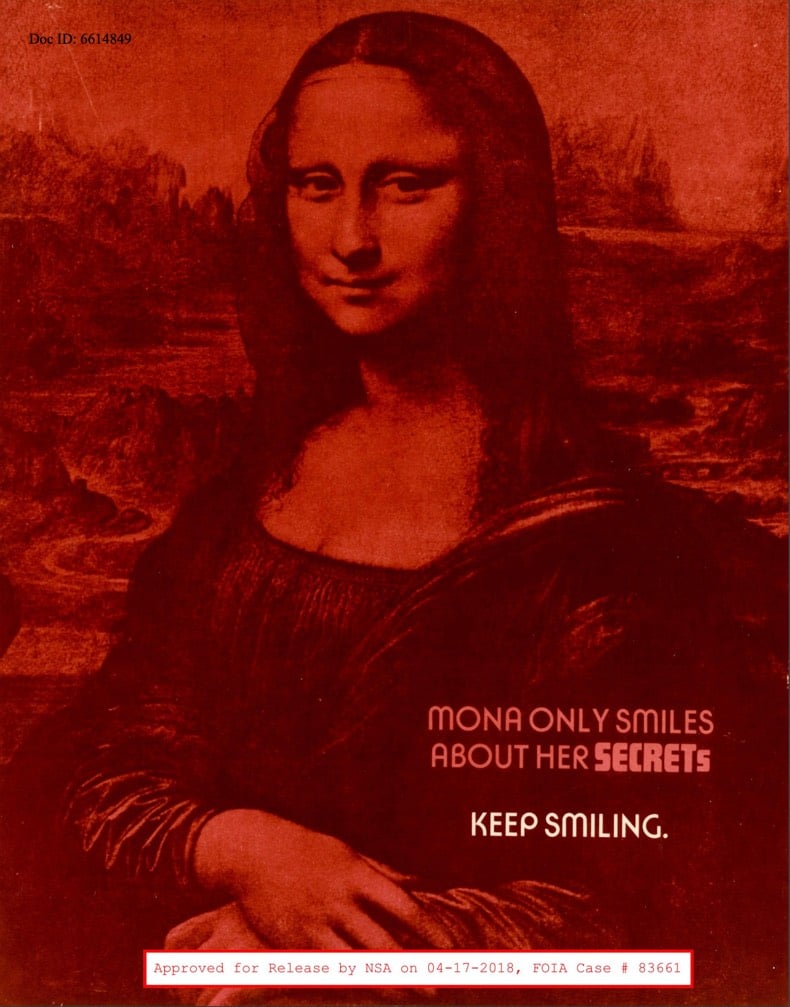
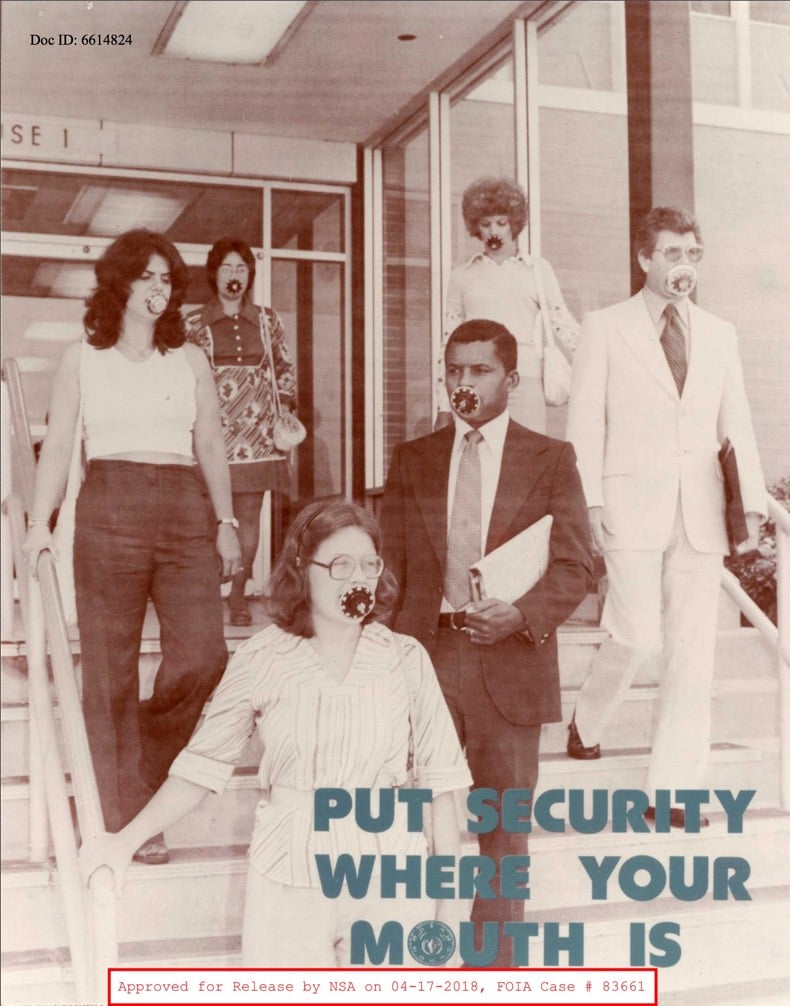
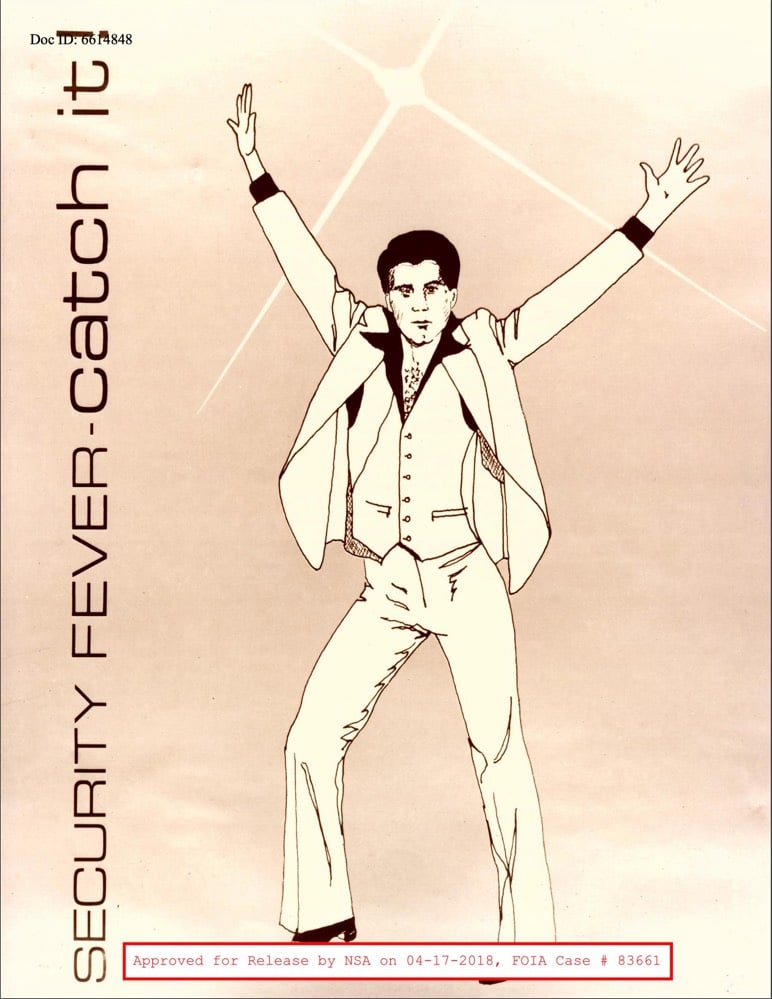
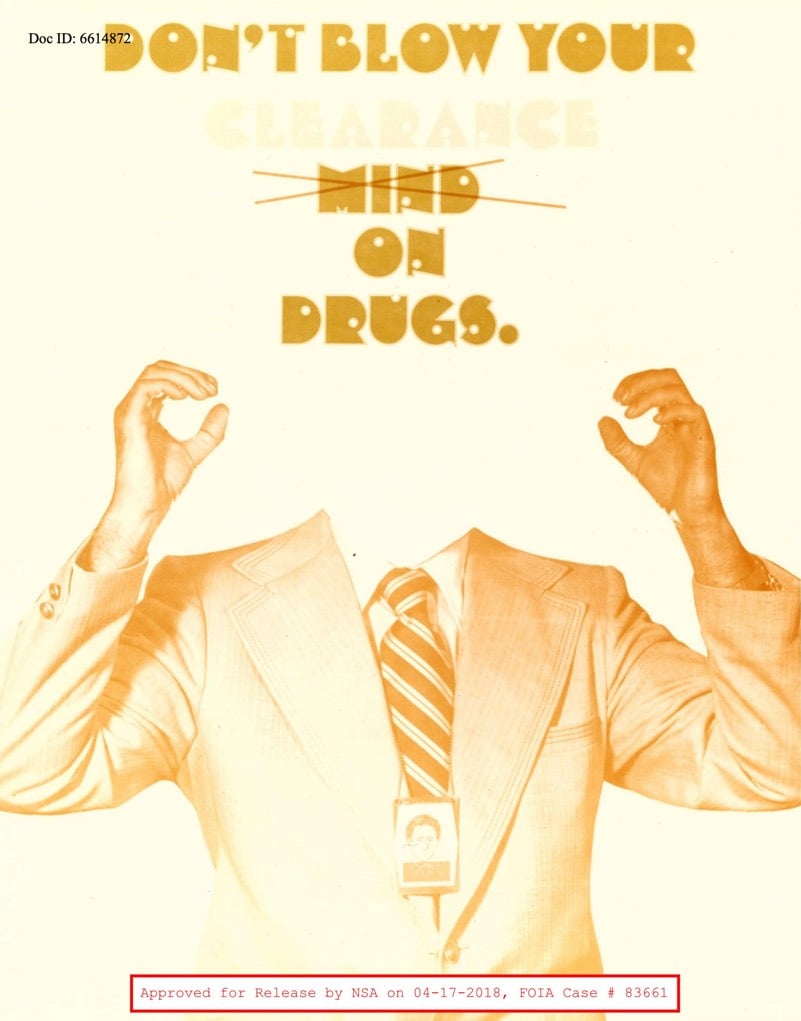
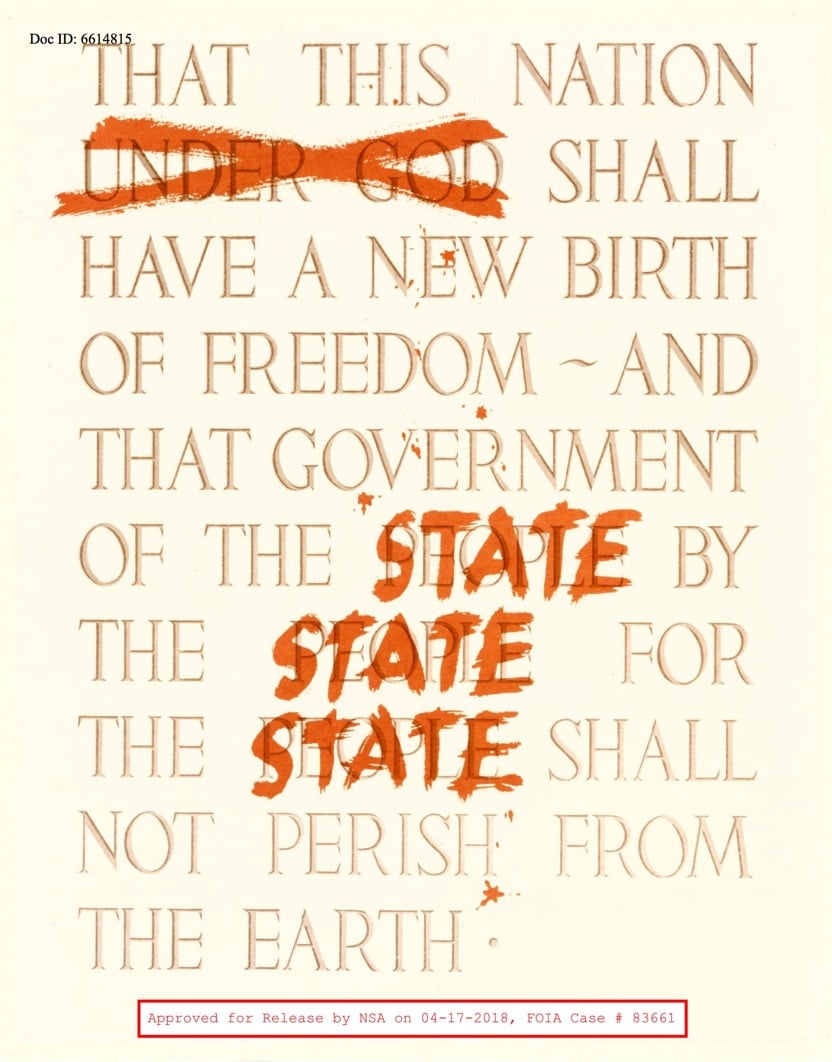
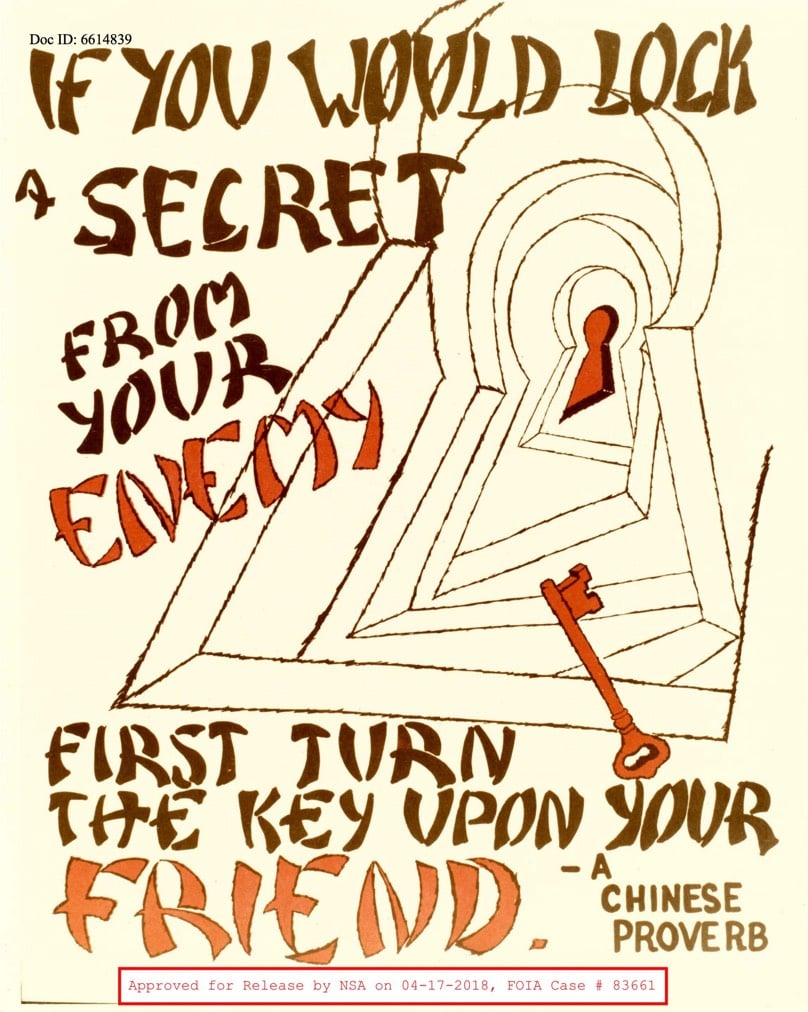
What fantastic design artifacts of that era. Many of them appear to be remixes/riffs of contemporary ad campaigns and messaging…you could easily imagine a security-themed distracted boyfriend or American Chopper poster hanging in today’s NSA offices.
I had a difficult time choosing just a few of these…many more are available in this PDF. (via hn)
The marshmallow test is a famous psychological experiment designed by Walter Mischel in the 1960s. Kids were given a single marshmallow but told they could have another if they refrained from eating the first one for 15 minutes. The results seemed to indicate a much greater degree of self-control amongst those children who were able to delay gratification, which led to better outcomes in their lives. From a New Yorker article about Mischel:
Once Mischel began analyzing the results, he noticed that low delayers, the children who rang the bell quickly, seemed more likely to have behavioral problems, both in school and at home. They got lower S.A.T. scores. They struggled in stressful situations, often had trouble paying attention, and found it difficult to maintain friendships. The child who could wait fifteen minutes had an S.A.T. score that was, on average, two hundred and ten points higher than that of the kid who could wait only thirty seconds.
But Mischel only tested ~90 kids from a single preschool. Researchers from UC Irvine and NYU recently redid the test with more kids that were more representative of the general population and found that household income was a big factor in explaining both the ability to delay and outcomes.
Ultimately, the new study finds limited support for the idea that being able to delay gratification leads to better outcomes. Instead, it suggests that the capacity to hold out for a second marshmallow is shaped in large part by a child’s social and economic background — and, in turn, that that background, not the ability to delay gratification, is what’s behind kids’ long-term success.
If you’re poor, you might look at the promise of future food somewhat dubiously…and not because of a lack of self-control:
The failed replication of the marshmallow test does more than just debunk the earlier notion; it suggests other possible explanations for why poorer kids would be less motivated to wait for that second marshmallow. For them, daily life holds fewer guarantees: There might be food in the pantry today, but there might not be tomorrow, so there is a risk that comes with waiting. And even if their parents promise to buy more of a certain food, sometimes that promise gets broken out of financial necessity.
This is an excerpt from this week’s edition of Noticing, Kottke.org’s newsletter.
Alexis Madrigal wrote movingly about the death of 20th century telephone culture in “Why No One Answers Their Phone Anymore.” A combination of more media options, a glut of robo-calls, and the transformation of the telephone technology itself, with caller IDs, individual rather than household numbers, and mutable ringtones have changed not just a communication medium, but a way of life. And it’s part of a pattern of shifting media use from real-time to my-time. (When this first emerged, I used to call it TiVo Time.)
I wonder though, whether telephone culture has died or it’s metastasized. Madrigal writes: “When you called someone, if the person was there, they would pick up, they would say hello. If someone called you, if you were there, you would pick up, you would say hello. That was just how phones worked. The expectation of pickup was what made phones a synchronous medium.”
Avital Ronell, a wonky writer/philosopher I read a lot back in my grad school days, writes in The Telephone Book (1989) about the always-on nature of the telephone as a key element of its mode of being. “Respond as you would to the telephone, for the call of the telephone is incessant and unremitting. When you hang up, it does not disappear but goes into remission…. There is no off switch to the technological.”
This is now basically our state all the time! Not exclusively on the telephone, but on at least one of the electrical vibrations of telecommunications, everywhere we go, every minute of every day.
So it’s almost as if we’re now always on the telephone. A ring is like a call waiting notification that we can acknowledge or ignore. And most of the time, now, many of us ignore it. But only on the rarest occasions do we ignore the entire electronic hum. That’s where most of us live now.
(See also: this 1927 documentary on how to use a dial telephone.)
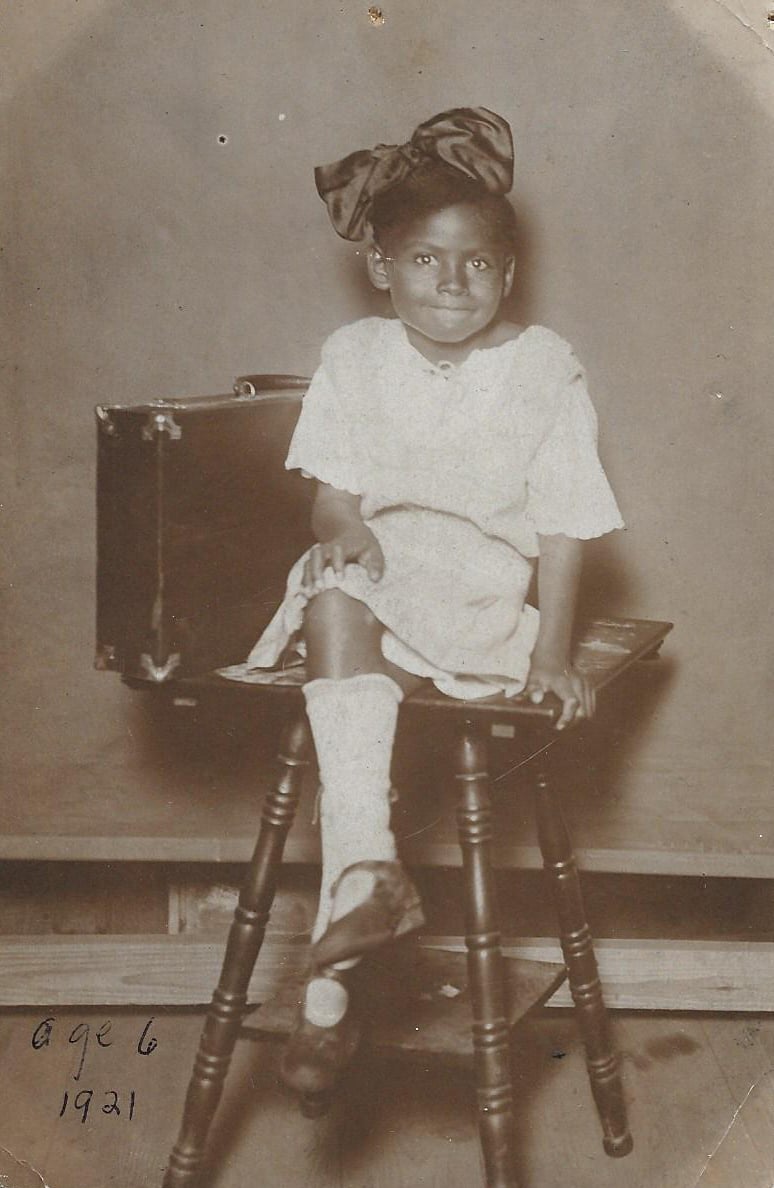
The history of the United States is a history of racial plunder, specifically whites plundering the property of nonwhites. It’s extremely difficult to build wealth across generations when gangs can burn down your farm or shoot up your banks without repercussions.
This is why the 1921 Tulsa Riots are so essential to American history, because it might be the starkest event of extralegal white plunder apart from the Trail of Tears. NPR managed to interview Olivia Hooker, who was six years old at the time of the riots. She is probably the last surviving witness.
In less than 24 hours, the white mobs destroyed more than 1,000 homes and businesses. They set fire to schools, churches, libraries, and movie theaters, leveling entire city blocks.
“My father’s store was destroyed,” Hooker says. “There was nothing left but one big safe. It was so big they couldn’t carry it away, so they had to leave it — in the middle of the rubble.”
“Fires had been started by the white invaders soon after 1 o’clock and other fires were set from time to time. By 8 o’clock practically the entire thirty blocks of homes in the negro quarters were in flames and few buildings escaped destruction. Negroes caught in their burning homes were in many instances shot down as they attempted to escape.”
— The New York Times, June 2, 1921
Reports varied wildly. Initial estimates put the death toll somewhere between 36 and 85. One report, released by Maurice Willows who directed the American Red Cross relief efforts, estimated that as many as 300 people were killed. Today, the Tulsa Race Riot is considered one of the worst incidents of racial violence in American history.
Hooker went on to get a doctorate in psychology and founded the Tulsa Race Riot Commission in 1997 to make a case for reparations. She’s now 103 years old.

I’m a big fan of different recipes for simple food dishes — Jose Andres’s “The Perfectly Fried Egg” changed the way I cook just about everything — and this deconstructed-then-reconstructed take on grilled cheese fits right in with that glorious recipe.
- Heat a heavy pan over medium-low heat.
- Thinly spread one side of each bread slice with butter. Spread the other side of each slice with mayonnaise and place the bread, mayonnaise-side-down, in the pan. Divide the cheese evenly on top of the buttered slices. Adjust the heat so the bread sizzles gently.
- When the cheese is about halfway melted, use a spatula to flip one slice over on top of the other, and press lightly to melt. Keep turning the sandwich, pressing gently, until the sandwich is compact, both sides are crusty, and the cheese is melted.
Personally, I would omit the mayonnaise and brush the down sides of the bread with olive oil instead: it gives the bread a nice cripsyness and none of that mayonnaise flavor. (I’m cool with mayo most of the time, but not on my grilled cheese.)
“I Am A Recently Divorced And Laid-Off Middle-Aged Man With A Lot Of Health Problems, And Everything I Say Is Incredibly Depressing. Ask Questions At Me” is one of the bleakest, funniest, most existentially absurd things I have ever read.
It’s structured like a Reddit AMA, so you have to read through the comments to get to the good bits, and the accumulative effect is bigger than any one punchline. A sample:
I got fired from my Pepsi job because one of my coworkers stuck a sign on my back that said “PROUD MURDERER OF JONBENET RAMSEY,” and the regional supervisor who was visiting that day took it at face value. I did not discover the sign until the following week, when I wore the same shirt again to a custody hearing and the judge cited it as justification for denying me visitation rights. Unfortunately, the sign on my back was perceived as a murder confession, and the company apparently reserves the right to withhold severance if termination comes as a result of criminal activity. So no severance for ol’ Ronald.
Sadly, the day I got fired was also the day of my 30th anniversary at Pepsi, and when my boss called me into his office I thought he was going to honor me. That was not the case.
Ronald also tries to get a dog to cheer himself up (he loses his beloved family dog in the divorce), but turns out to be allergic to it; the shelter refuses to take the dog back because “it they said ‘smelled too much like me.’” He chats up workers at the cellular phone stall so he can have human contact and reminisce about having a family plan. If this kind of black humor does anything for you, trust me, you should check this out.
As Matt Novak tweeted, “I’d just like to say that Nick Denton would be very proud if he had lived to see Kinja used like this. Clickhole is amazing. RIP Nick Denton.”
Lots of good stuff in the Ampersunder Monthly newsletter today. “What do I like to read? I’ll know it when I see it. Or, better, I’ll become the person who wants to read that book when I see it.”
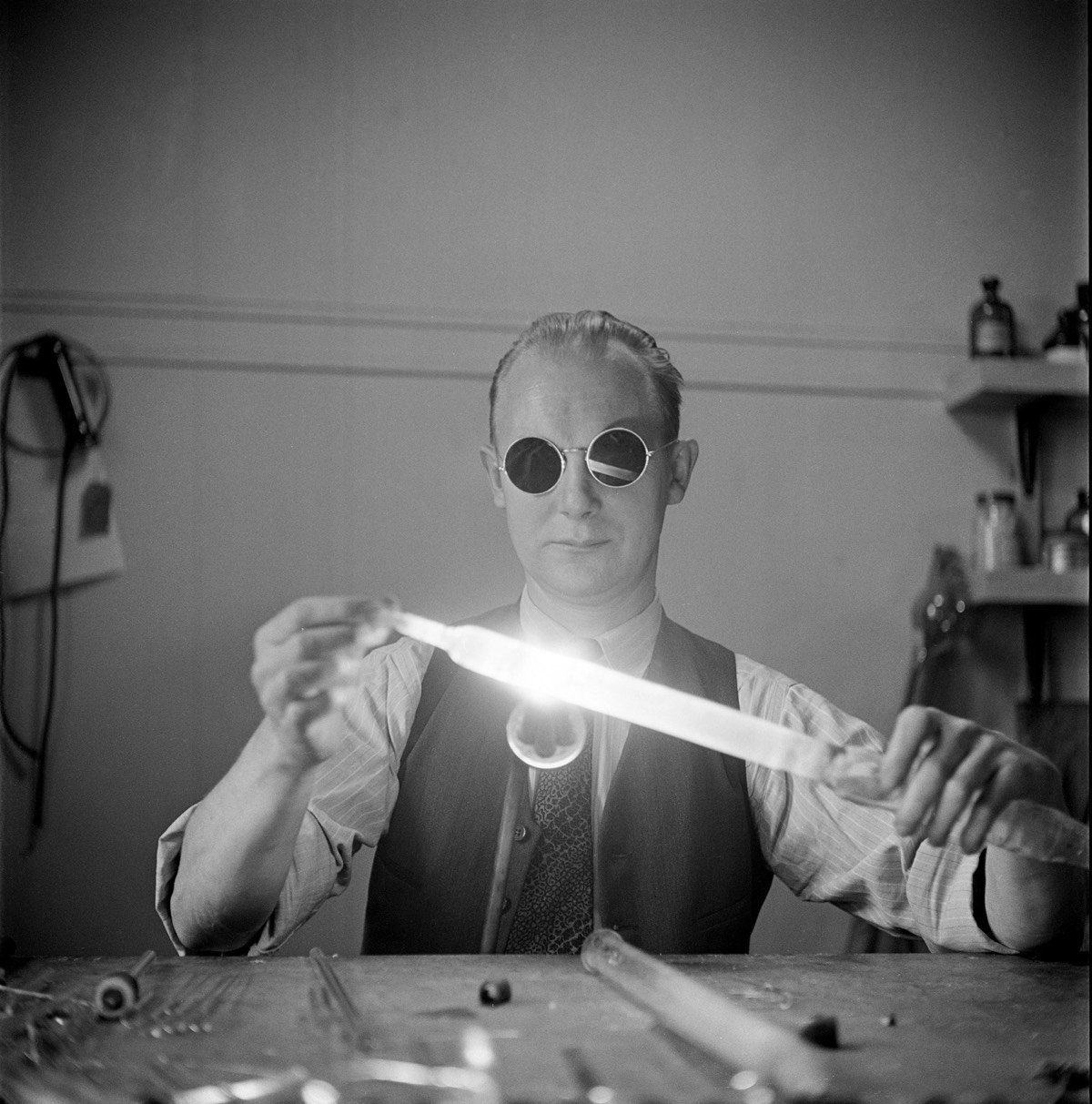
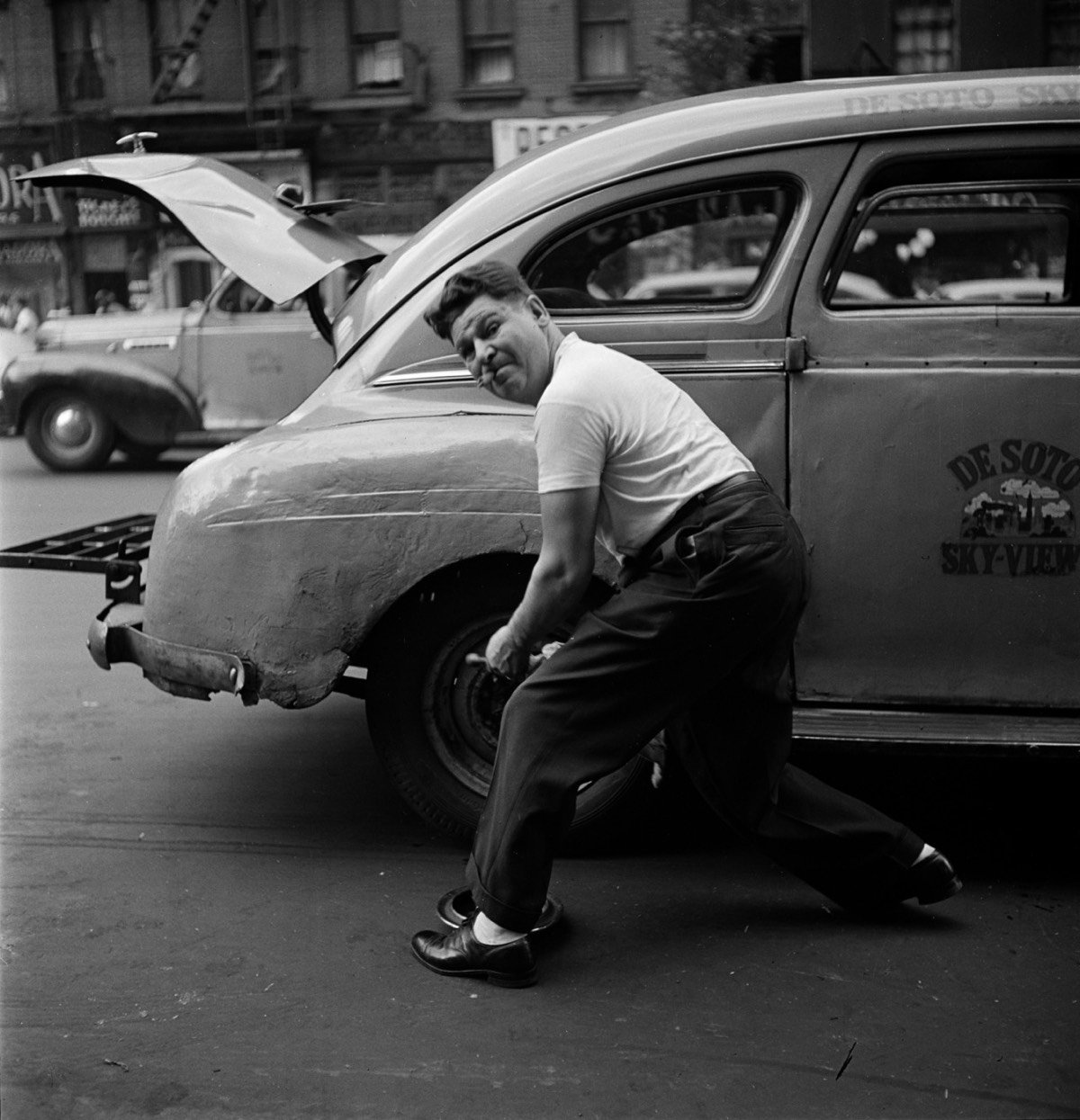
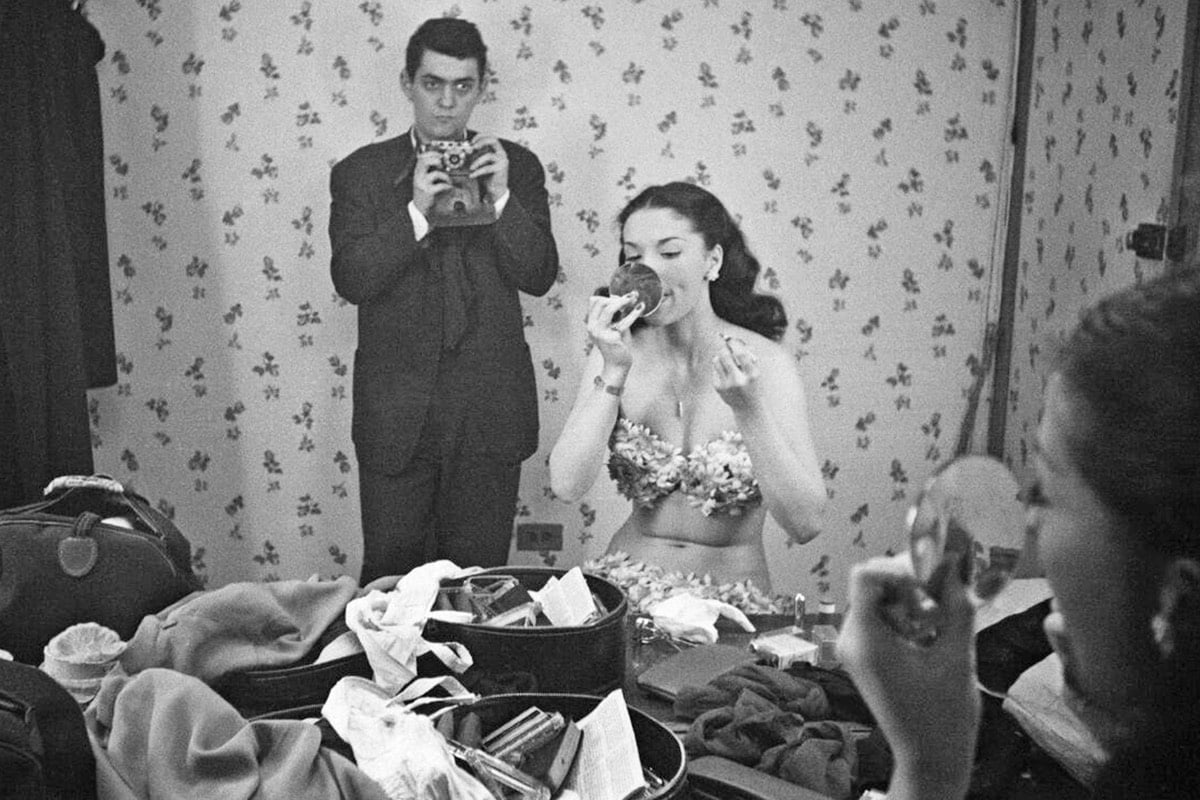
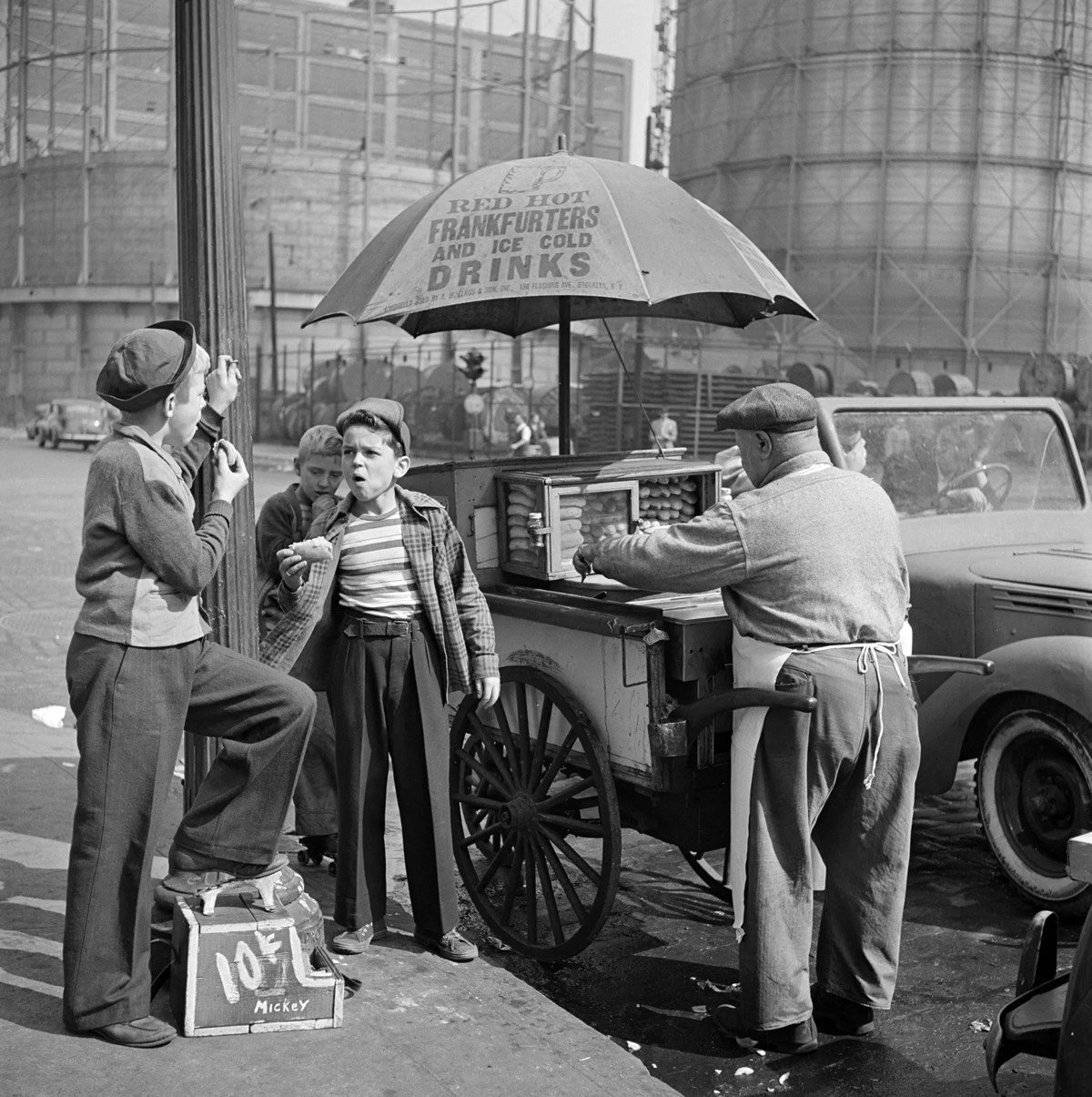
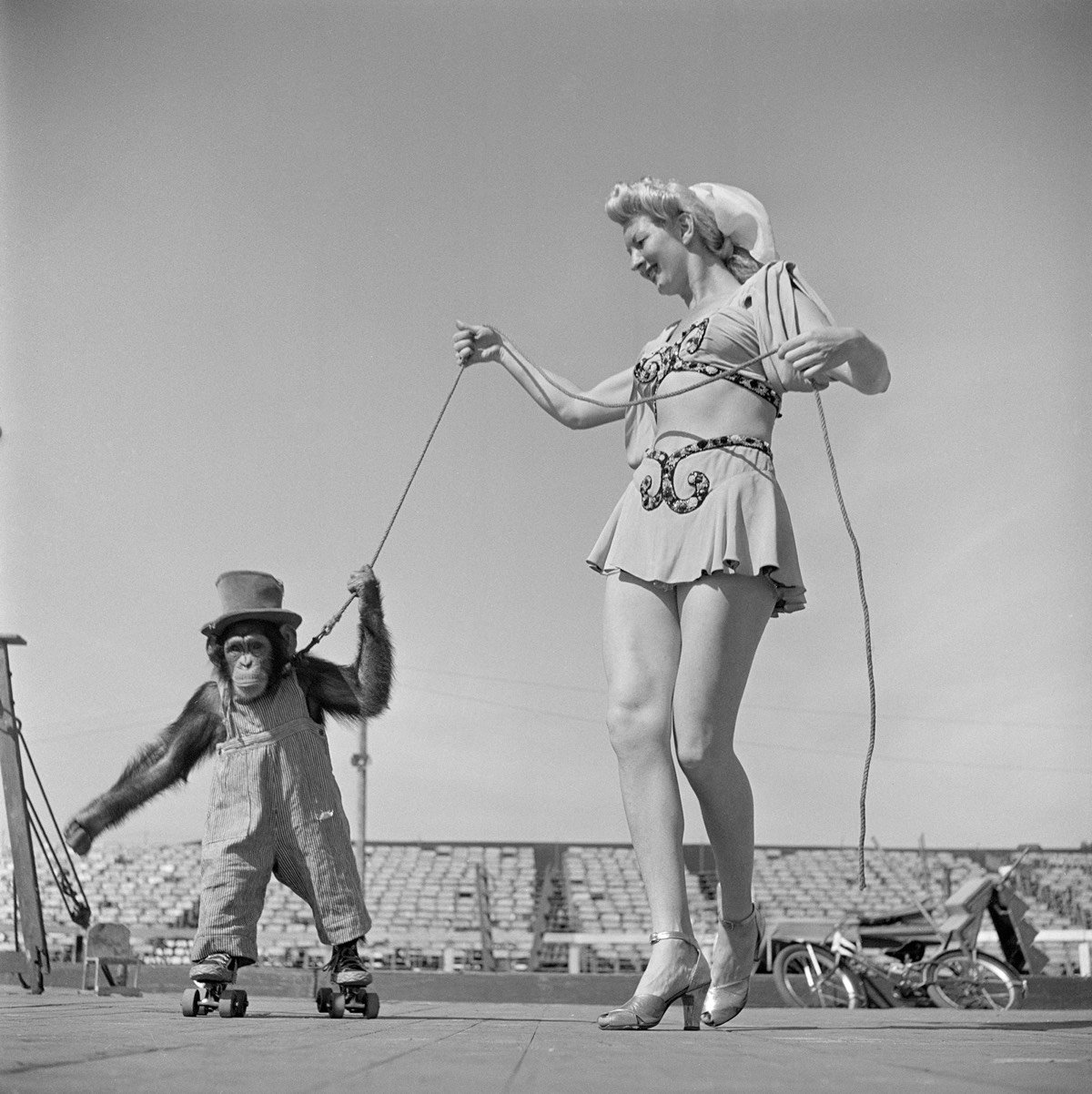
There is much to admire in how Stanley Kubrick’s movies are constructed, but the director’s keen compositional eye is perhaps the most noticeable. Before becoming a filmmaker, Kubrick honed his observational skills as a photographer in NYC. Look magazine hired him when he was just 17 years old to fill the pages of the publication with photos of life in the city. A new book, Stanley Kubrick Photographs: Through a Different Lens, celebrates Kubrick’s photography, showcasing how that youthful talent would eventually translate into a great filmmaking career.
Through a Different Lens reveals the keen and evocative vision of a burgeoning creative genius in a range of feature stories and images, from everyday folk at the laundromat to a day in the life of a debutant, from a trip to the circus to Columbia University. Featuring around 300 images, many previously unseen, as well as rare Look magazine tear sheets, this release coincides with a major show at the Museum of the City of New York and includes an introduction by noted photography critic Luc Sante.
Kubrick’s photos are also on display at the Museum of the City of New York until late October 2018.
New Kanye album. 23 minutes. First track is “I Thought About Killing You”.
Newer posts



Socials & More