



Tapbots (makers of Tweetbot) have released their new Mastodon app called Ivory.

Advertise here with Carbon Ads
This site is made possible by member support. 💞
Big thanks to Arcustech for hosting the site and offering amazing tech support.
When you buy through links on kottke.org, I may earn an affiliate commission. Thanks for supporting the site!
kottke.org. home of fine hypertext products since 1998.
Beloved by 86.47% of the web.
Entries for January 2023
America’s unique, enduring gun problem, explained. “The Supreme Court has made it impossible to cure America’s gun violence epidemic.”
Disfrustrating Puzzles
XKCD’s Randall Munroe recently shared some of the pages from his grandfather’s collection of Disfrustrating Puzzles and Diversions for People Who Don’t Have Time for the Hard Ones and….I cannot stop laughing at some of these.
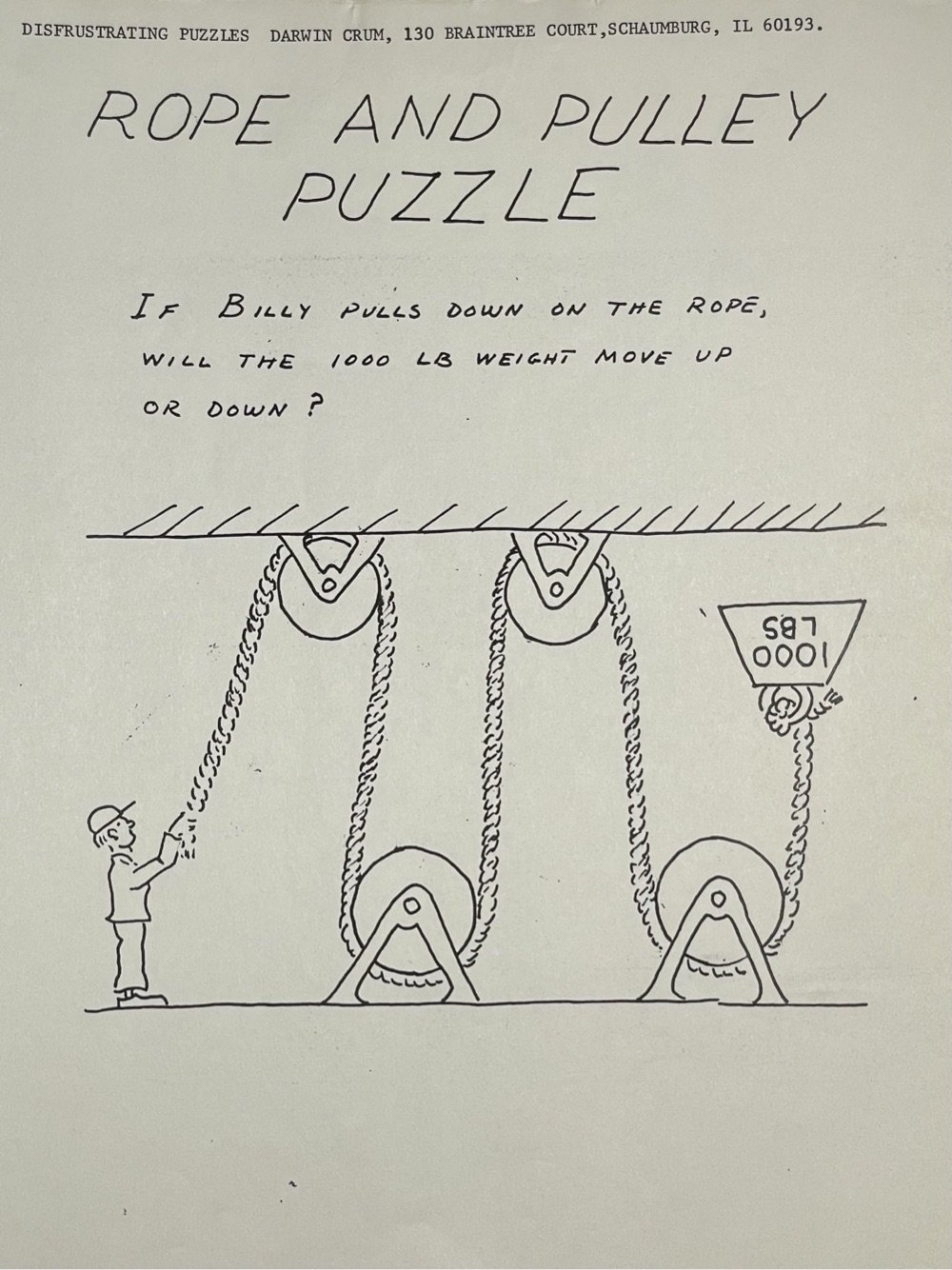
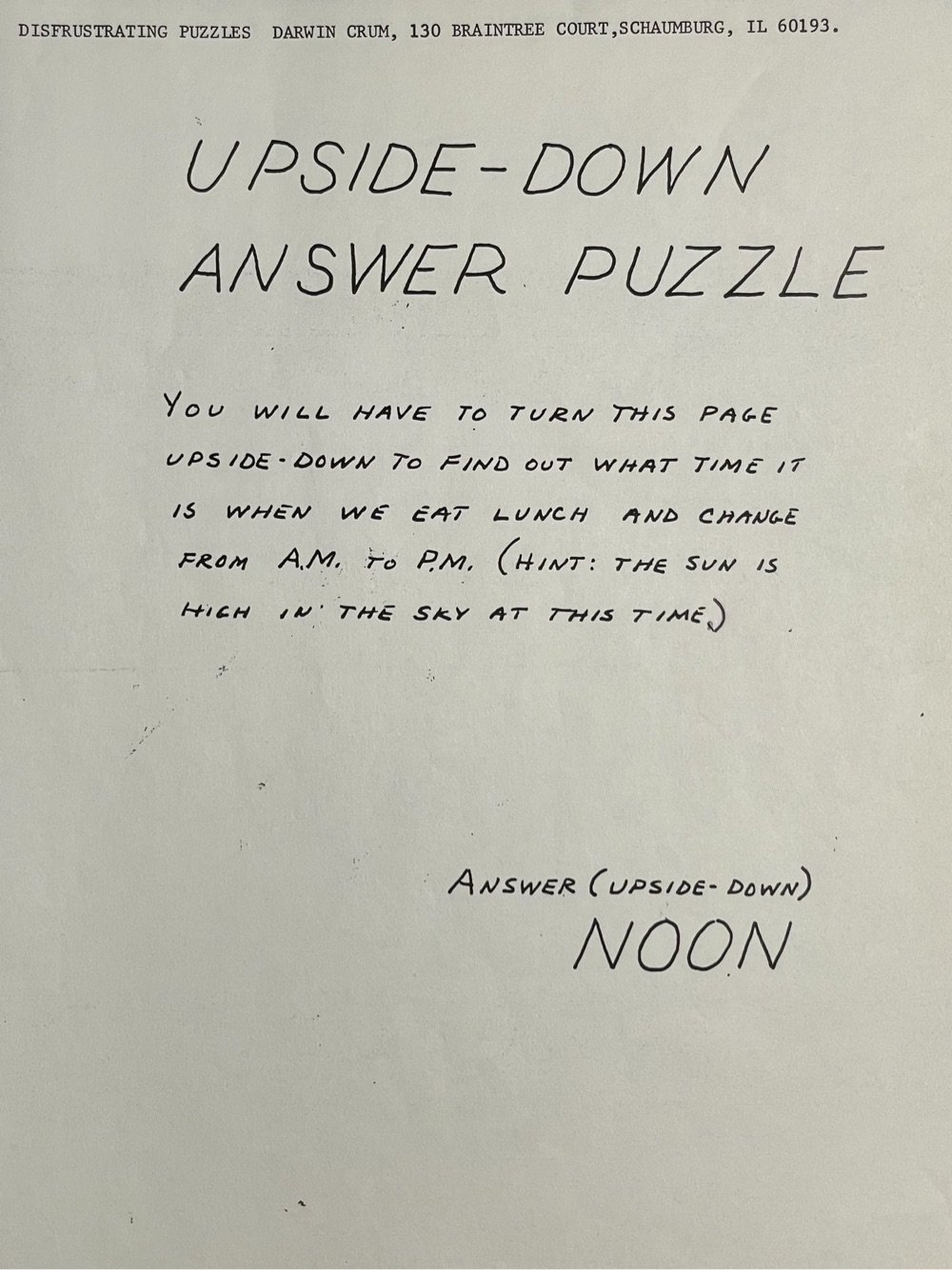
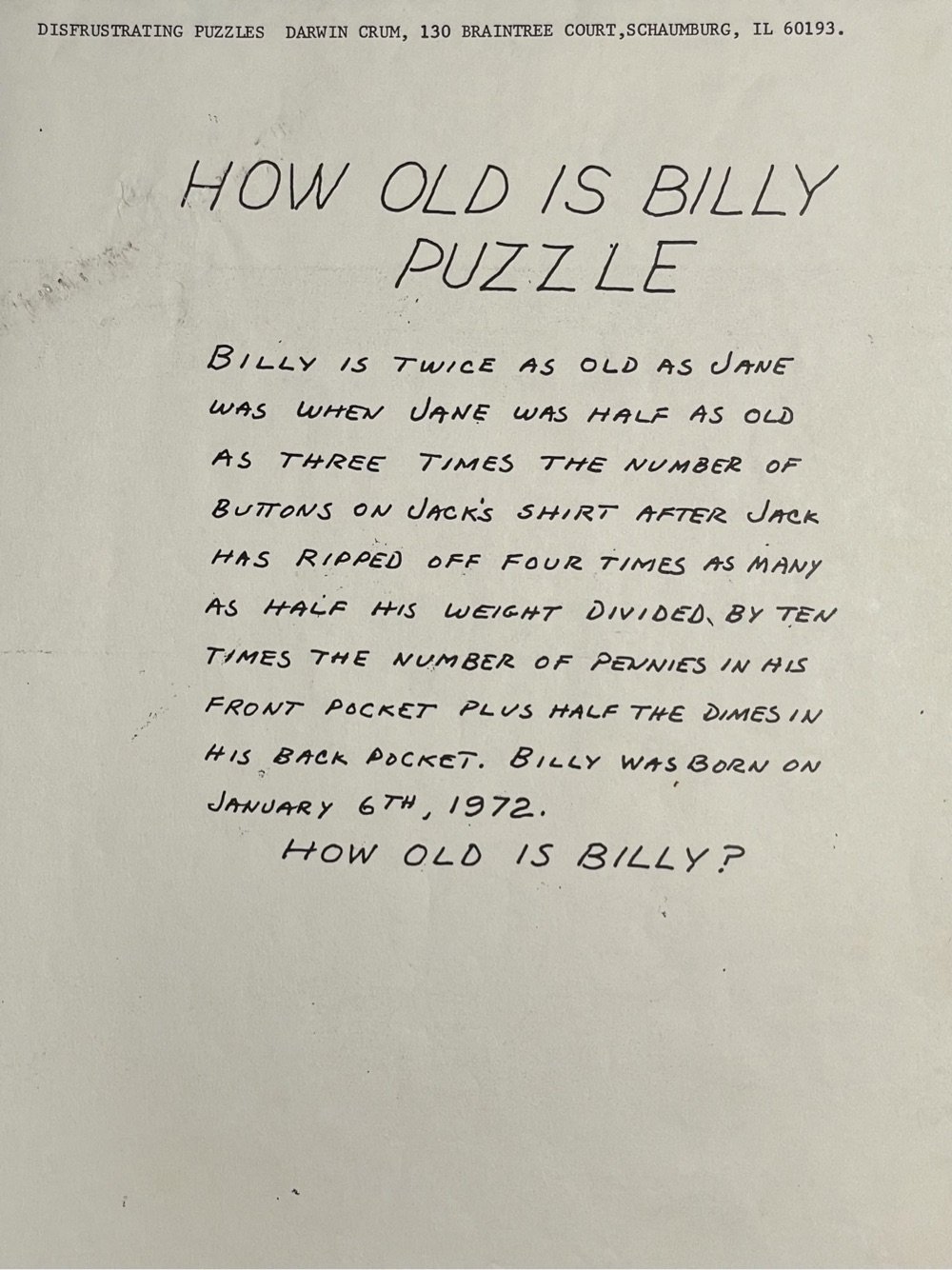
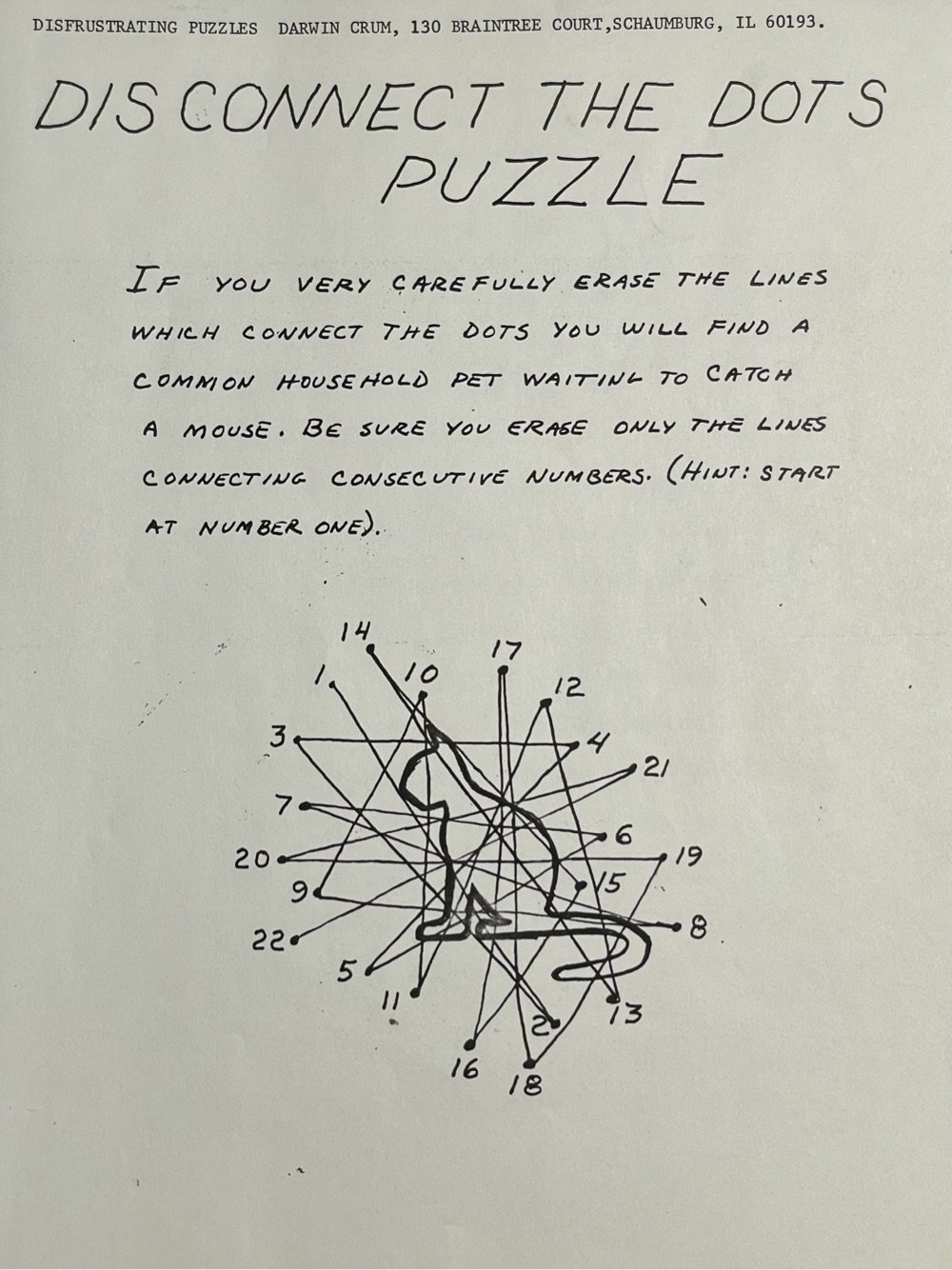
Welp, it’s no mystery where XKCD came from then.
‘No Way To Prevent This,’ Says Only Nation Where This Regularly Happens.
The Availability of Guns and Books in America

Image by Cuban cartoonist Osvaldo Gutierrez Gomez. The cartoon is a few years old, but with the increased scrutiny of and legal repercussions feared by school librarians and the never-ending gun violence in our communities, it’s more relevant than ever. (via @irwin)
A list of the 2023 Oscar nominees. Everything Everywhere All at Once leads the way with 11 nominations.
Japan was the future but it’s stuck in the past. “A hundred and fifty years after it was forced to open its doors, Japan is still sceptical, even fearful of the outside world.”
Early Abortion Looks Nothing Like What You’ve Been Told. “At this stage of pregnancy, the embryo is not typically visible to the naked eye.”
Animals, Remixed


Photoshop wizard Ingo Lindmeier makes these delightful mashups of animals and objects (fruits, vegetables, technology) which you can find on his Instagram account. Some of them are a little over-the-top, but the conceptually simpler ones are great. (via moss and fog)
This new website has high-res scans of L.M. Montgomery’s manuscript copy of Anne of Green Gables, transcribed and annotated with author notes, photography, video, and audio. Fantastic resource for Anne fans.
Casey Johnston Turned Bulking Up Into a Business. “The unlikely weight-lifting coach is making a killing arguing that pumping iron can be for everyone.” Love to see this taking off!
Why We All Need Subtitles Now
Dialogue from movies and TV shows has become more difficult to hear in recent years, prompting many to switch on subtitles for much of what they watch. As this video from Vox details, the reasons for this shift come down to a desire for realism, choices that filmmakers have access to because of technology, and mediocre at-home sound systems on TVs, computers, and devices.
I dislike watching movies and shows with subtitles on (unless there’s non-English dialogue) because if there are words on the screen, they capture 95% of my attention and I find it extremely difficult to pay attention to all of the other things going on — physical acting, cinematography, pacing, effects, etc. Movies and TV shows are much more than plot-delivery mechanisms and all of that other stuff is important! But with dialogue harder than ever to hear these days (and with my mild misophonia), it does mean more rewinding and not watching anything unless I’m in a quiet room or using noise-cancelling AirPods.
See also Why Everyone Is Watching TV with Closed Captioning On These Days, Why Gen Z Loves Closed Captioning, and It’s not you - movies are getting darker.
The release of Indiana Jones and the Temple of Doom is closer to World War II than it is to today. WHAT
Is the sun a node in a gigantic alien space internet? “Through a phenomenon known as gravitational lensing, aliens could be transmitting signals using the sun, but a quick scan for such signals has turned up nothing.”
How Do You Design the Next Wordle?
David Shariatmadari, an editor at The Guardian, was asked by a colleague to “have a go” at inventing a new game, a new viral sensation like Wordle. The game he came up with is called Wordiply (it’s fun!) and he wrote up the whole process of how he went about designing it. The idea behind the game is a simple one and the way in which Shariatmadari arrives at it is a familiar trope in discovery stories:
That’s where my older brother, Daniel, comes in. While I’m racking my brains about how to come up with a better version of Boggle, he’s with his partner Nic in a hospital waiting for their baby to be born. On the morning she is due for an induction, they arrive bright and early at 8am. I call at about 11am to see how things are going. “What about if you had a word,” Daniel says, “of three letters — and the point of the game is to find the longest word that still has those three letters.”
“You mean like an anagram, but you make it longer?” I ask, confused.
“No, you’ve got to keep them in order. So if you had ‘bid’, then maybe, er, ‘forbidden’ would be the longest word.”
“Or ‘ambidextrous’.”
“Right.”
This is typical. I’ve been thinking about this for weeks. Daniel is supposed to be having a baby today and instead he’s come up with something that just might be the next Wordle.
“I think that’s pretty good,” I tell him.
“Yeah, OK — gotta go.”
“What about the bab — “
It’s worth reading the whole thing — stories of invention and discovery are always interesting and the familiarity that most people have with word puzzles makes this one easy to follow and even to place yourself in the creator’s shoes. A key part of the design process is to look for the spark:
Next, I pitch the longest word game: “So if you have a word like ‘pit’, you could have ‘spit’, ‘spittoon’, ‘hospitable’.” “Amphitheatre!” Will exclaims, triumphantly. There’s a beat before we realise it doesn’t work. But I can hear an excitement in his voice — pride at having swung even if he missed. Maybe there is something to this. We do a paper prototype, and decide to play it against the clock — 15 seconds. I call out the word “cub” and everyone scribbles furiously. Time’s up before we know it, and all I managed is “scuba”. Someone gets “incubation”. Will has “cubism”. “You know what?” he says. “It’s a good game!” Entrancement? Unlocked. Well, possibly.
I found this via Clive Thompson, who riffs on Shariatmadari’s piece here.
Alas, there is no magic formula to finding the right mix of rules. You just have to tweak and tweak, and test and test.
Often the hardest part of finessing a design can be some incredibly weird thing you’d never predict.
For Shariatmadari, the hardest part was creating the list of allowable words. Since the goal of his game was - given a target word like “pop” (for example) - to find the longest possible word that contains the target, there are a ton of super-long medical and chemical words one could use, like “pseudopseudohypoparathyroidism”. But allowing words like that could break the feeling of fairness, giving an advantage to people who rote-memorize really long medical words. (As an aside, this is why I find competitive Scrabble rather dreary: Success hinges upon memorizing endless marginal two-letter words that normal people rarely ever use in daily speech; this does not feel, to me, like a particularly interesting skill.)
I have a weird relationship with word puzzles. I don’t like crossword puzzles but have been doing them recently with a friend over FaceTime, which has been enjoyable. Boggle is my jam and has been since childhood, but I dislike Scrabble with an intensity that is almost absurd. I’ve never played Wordle (I know!) but I do Spelling Bee every day. I’m not sure why I love some of these games and dislike others — all word games require pattern matching to some extent, which is something I enjoy and am good at, but for some reason Scrabble and Wordle don’t interest me at all while I cannot get enough Spelling Bee.
Lessons on How to Draw by Hokusai
In 1812, Japanese woodblock print artist Katsushika Hokusai, who would later become famous for his iconic Great Wave off Kanagawa prints, published a three-volume series called Quick Lessons in Simplified Drawing. All three volumes are available online: one, two, three. Even if you’re not in the market for drawing lessons, the pages are wonderful to flip through.
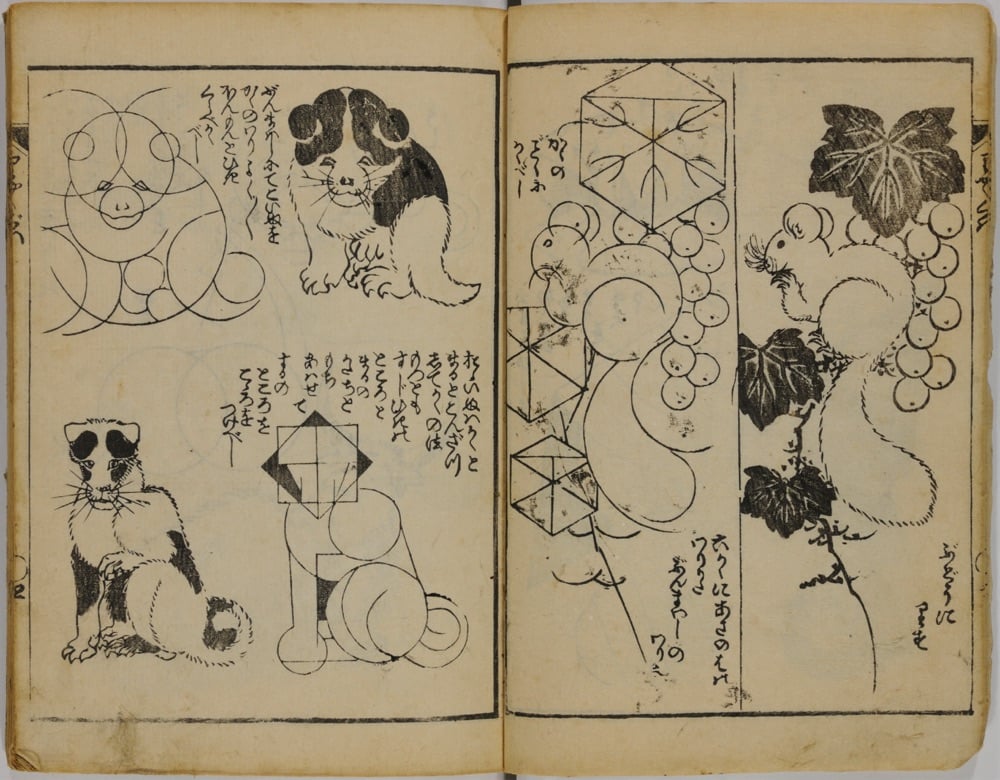
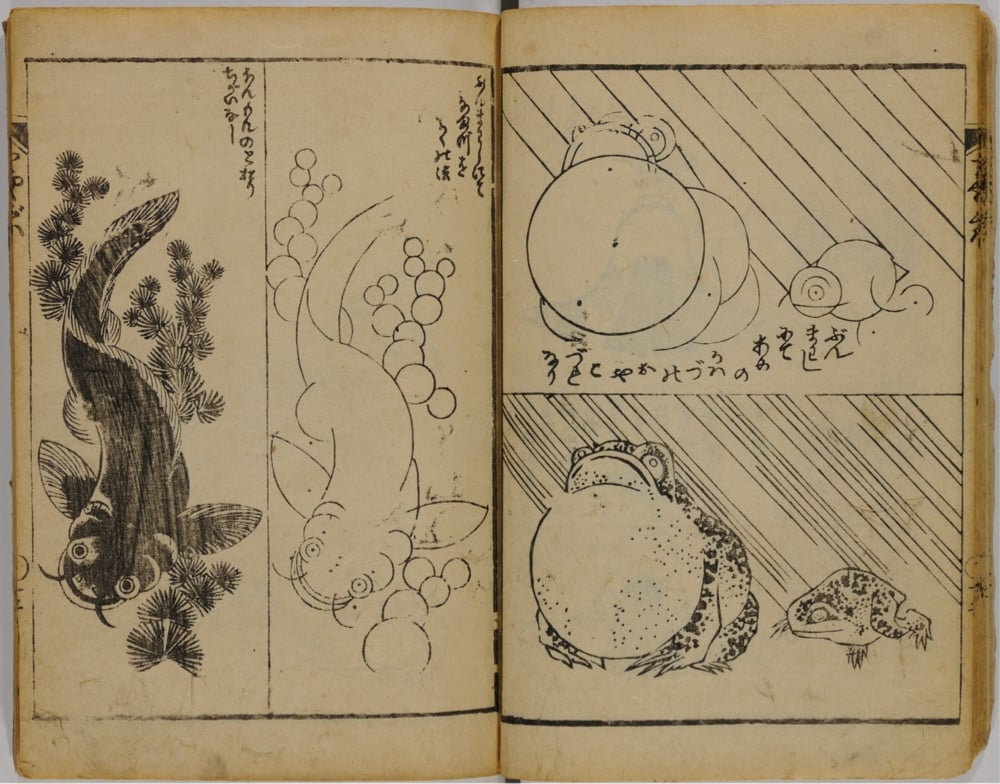
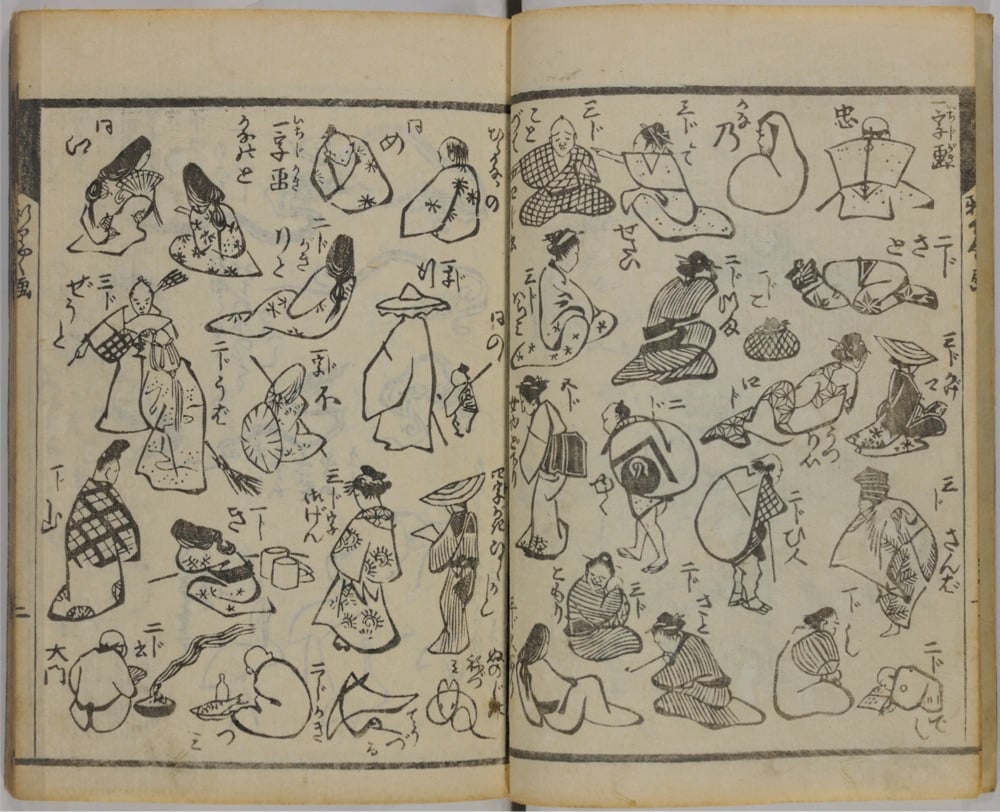

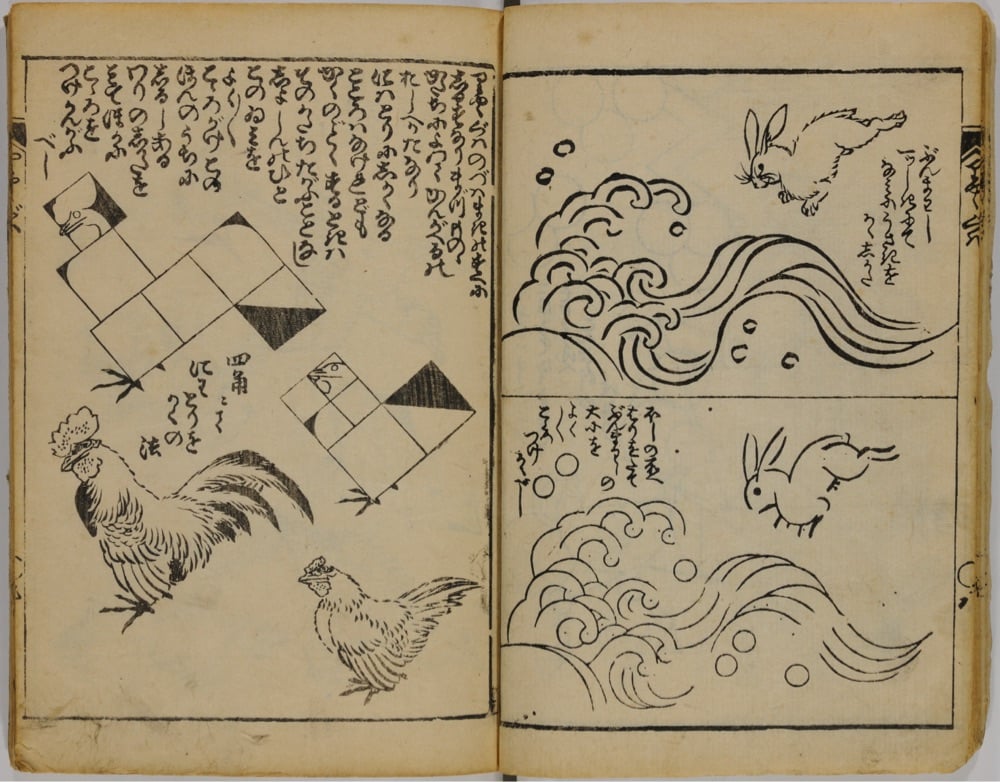
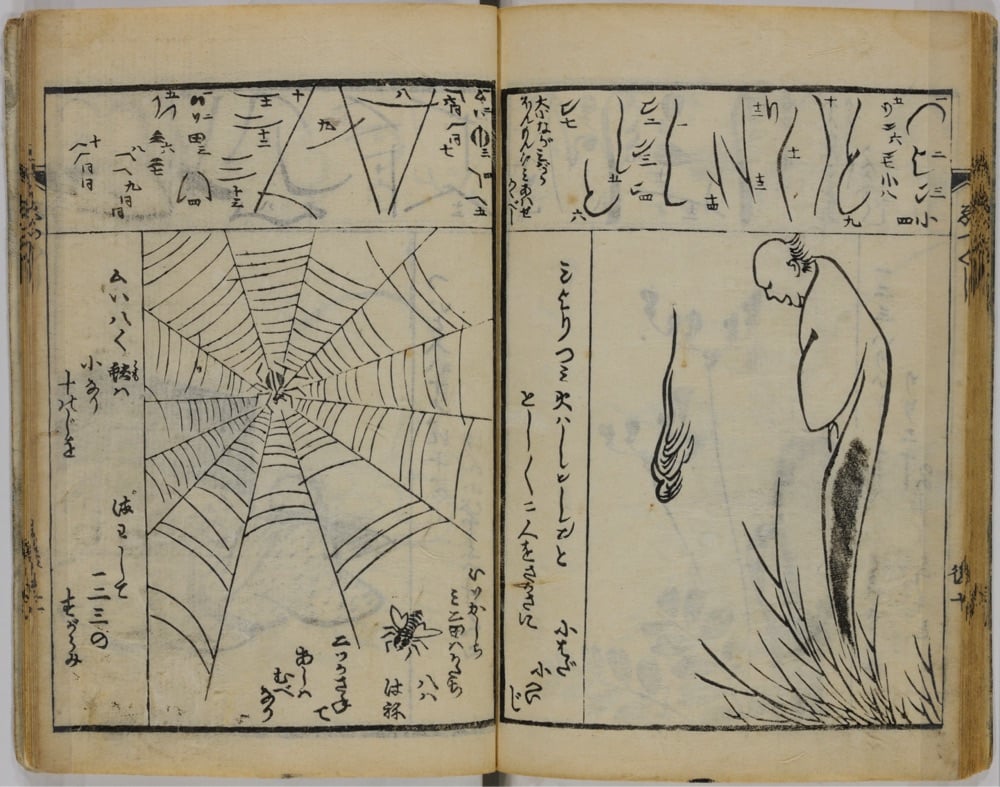
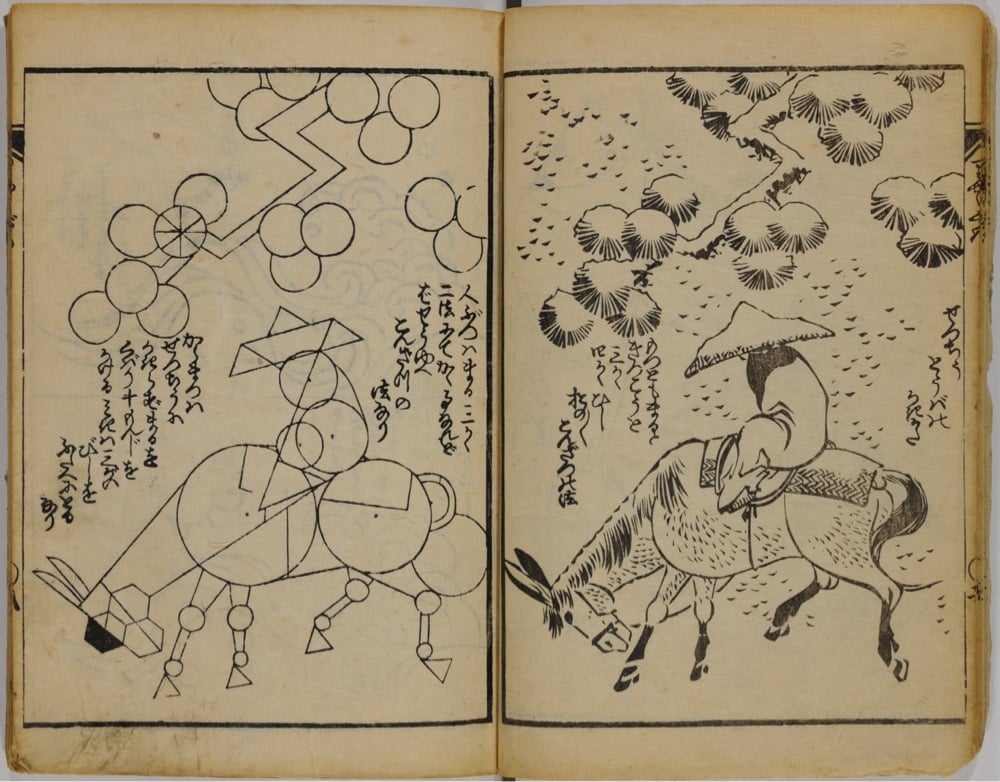
(via open culture)
The Many Ingenious Ways People in Prison Use (Forbidden) Cell Phones. A group of 300 incarcerated people are using materials from one of Harvard’s online computer science courses to learn programming.
Tweetbot has been discontinued as well. Much appreciation to the Tapbots and Iconfactory (Twitterrific) teams for their excellent apps. “We’ve invested over 10 years building Tweetbot for Twitter and it was shut down in a blink of an eye.”
How to Change Your Life, One Tiny Step at a Time
Here’s Kurzgesagt on the deceptively simple way we can make changes in our life: build new routines and turn them into habits.
If you are like most people, there is a gap between the person you are and the person you wish to be. There are little things you think you should do and big things you ought to achieve — from working out regularly, eating healthy, learning a language, working on your novel, reading more or simply actually doing your hobby instead of browsing Reddit.
But it can seem that to achieve your goals, you have to become a different person. Someone who is consistent, puts in more effort, has discipline and willpower. Maybe you have tried your hardest to be like that. And it worked! For a while. Until you find yourself slipping back into your old ways. In the end, you always seem to fail. And with every failed attempt, you become more and more frustrated and annoyed with yourself.
If you believe “success and hustle” internet, it is all your own fault: if you don’t succeed, you just didn’t want it enough and the failure is all you. But change is actually hard. But as with most things in life, understanding why makes things easier.
Why Tipping Is Impossible to Get Rid of in America
Eric Huang is the chef/owner/operator of Brooklyn’s lauded Pecking House fried chicken joint. In a recent Instagram post, Huang explains why tipping is a part of the experience at his restaurant.
We do NOT use a tip credit at Pecking House. If we do not take a tip credit that means we pay every employee at least $15/hour. We then pool the tips and divide them among the entire hourly staff, including all back-of-house employees. This helps to foster an equitable team culture where everyone feels they are participating in the restaurant’s success.
So far, we’ve been able to pay every front-line employee an average of an extra $7 per hour on top of their hourly wages. We’ve been managing that while collecting a tip average of 18% on a check average of $26. So even an entry-level employee at Pecking House is making $22/hour if not more.
Almost no one in New York City does this. This is pretty damn unique. And while people have been generally enthusiastic about supporting restaurants as they weather a furious storm of inflation, this is an easy way for us to take better care of our restaurant workers. Because the pandemic revealed quite painfully that we are a sizable, important and vulnerable population. And this is all perhaps even more relevant given that certain Best Restaurants have been outed about certain abhorrent business practices. Their example should be motivating us to take a look at how we can change the restaurant industry for the better.
So when you add a tip at Pecking House, you’re really helping to take care of the whole team and acknowledge their effort in creating your experience. I think we’ve all been guilty of having a great time and leaving a fat tip, but forgetting at that moment that the cook who made you that taglioni isn’t seeing an extra penny. So for those of you who have been helping us out with 18% on $26, an extra $4, know that it’s going to everyone. Except and rightfully so, the chef standing there pointing at stuff, not being terribly helpful, i.e. me.
From there, he goes on to explain why eliminating tipping doesn’t work from the standpoint of the restaurant (customers spend less), its employees (they make less than they could elsewhere), or, surprisingly, its customers (they want the illusion of control/agency). And there’s also a sort of tacit collusion that happens amongst restaurants — no one wants to eliminate this obviously unfair system because of the financial hit so none of them do. The whole thing is worth a read.
Back when I lived in NYC, a restaurant I frequented experimented for a few months with eliminating tipping. In practice, it meant that the bartenders and servers made less money and the chefs got paid more. As a regular customer who knew and liked everyone who worked there, I thought that was much more fair than front-of-the-house staff being paid more than the kitchen folks due to some antiquated racist bullshit. In the end, they had to revert to doing tips again because customers weren’t spending as much money and it eliminated the restaurant’s profit margin. Customers looked at the higher prices ($25 for the chicken instead of $21, $17 cocktails instead of $14) and ordered fewer and less-expensive items, even though they were paying exactly the same amount for them by tacking 20% onto the check at meal’s end. It’s just economic reality: lower posted prices with added fees will encourage people to spend more money because the posted price is what gets stuck in their heads.
It seems like the only way to get rid of tipping in the US is for every restaurant to do it simultaneously, either by mutual decision (ha!) or through some kind of legislation (double ha!). But because of the pandemic and the ubiquity of digital payment screens, tipping is more engrained in American commerce than ever so…??
See also The Failure of the Great Tip-Free Restaurant Experiment.
Currently listening to Moby’s recent Ambient 23 album. Good background music for working.
Increasingly, movie and TV trailers feature reworked versions of classic songs. “Almost never does a song just drop into a trailer and work. Maybe it needs to feel more epic or more emotional.”
Magnificent Black & White Photos of the Earth Rising Over the Moon
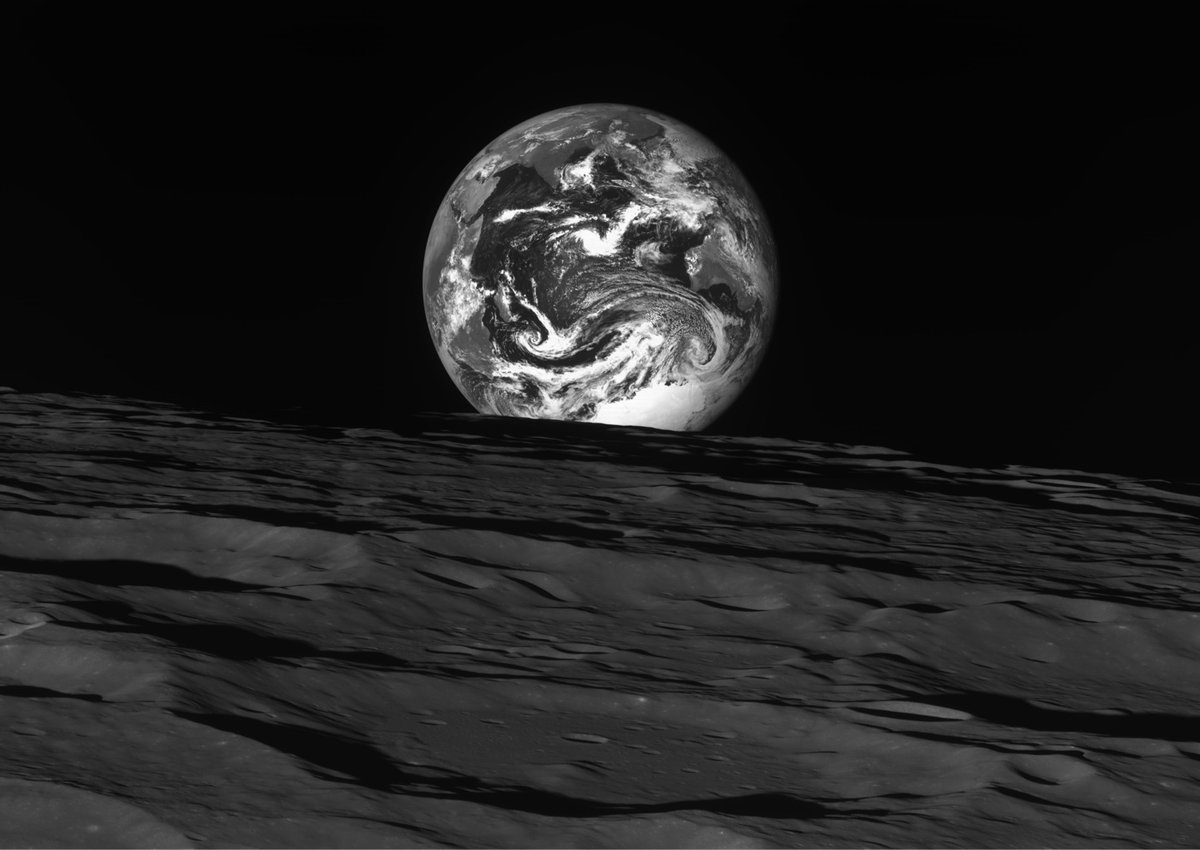
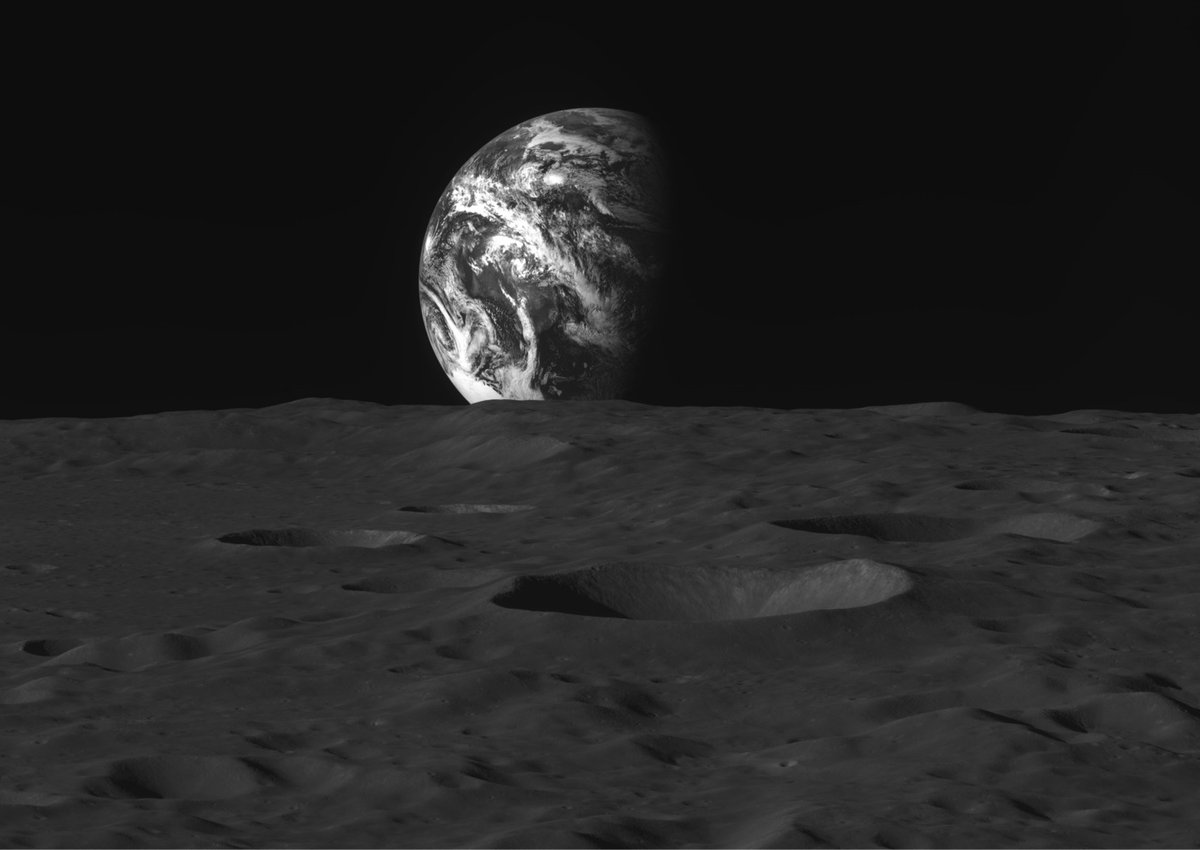
South Korea currently has a probe called Danuri orbiting the Moon at an altitude of about 62 miles above the surface. It’s just begun its mission but has already sent back some black & white photos of the Moon and the Earth, including the two above. Over at EarthSky, Dave Adalian says these shots “rival the work of legendary nature photographer Ansel Adams” and it’s difficult to disagree.
Also worth a look: Danuri’s shot of the Earth and Moon from a distance, hanging in the blackness of space like a pair of pearls. (via petapixel)
A survey about what pronoun to use for someone of unknown gender conducted both in 2007 and 2023 shows how much usage has changed in that time. “Their” increased from 32% to 68% while “his” declined from 25% to 3%.
Carsized lets you compare the size of two different cars. Here’s an classic 2-door Fiat vs a GMC Yukon.
Walls Cannot Keep Us From Flying
Jonathan Mehring’s short documentary Walls Cannot Keep Us From Flying follows two young Palestinians who have found freedom in skateboarding while surrounded by walls & barbed wire and facing harassment from Israeli authorities and their own families & communities.
What do I feel when I skate? What do I imagine? I imagine there’s no occupation, there’s no wall. I feel freedom.
With every new trick, it’s like you become aware of a new life, new ideas. It’s not something that I can describe, it’s something you feel in your heart. It’s like when something has been missing and you’re looking for it and slowly you find it.
According to one of the young skaters in the film, when a new skatepark opened in the West Bank, the Israeli army came and fired tear gas. And no wonder — when oppressed people start doing things like skateboarding and begin to feel like they are free, authoritarian regimes can’t have that — they’ve got to crack down.
Light pollution is getting worse. From a paper in Science: “The average night sky got brighter by 9.6% per year from 2011 to 2022, which is equivalent to doubling the sky brightness every 8 years.” Almost 10% a year!
It’s official: Twitter’s new rules for accessing their API forbid creating third-party clients. Dumb, dumb, dumb, dumb, dumb.
Iconfactory has discontinued Twitterrific. “We are sorry to say that the app’s sudden and undignified demise is due to an unannounced and undocumented policy change by an increasingly capricious Twitter.” This makes me *so* mad.
Tiny Seawater Worlds


Smithsonian Magazine is featuring some incredible photos from Angel Fitor’s SeaDrops project: microphotography of tiny plankton-populated worlds contained in drops of seawater.
It took Fitor three years of surgically precise work to get the jewel-like images you see here. First, he would take a boat out on the Mediterranean Sea and dive in to collect water samples, usually 30 to 50 feet below the surface. He’d bring the samples straight back to his home studio in the coastal village of Alicante, south of Valencia on Spain’s eastern coast. Then he’d get straight to work: When copepods die, they quickly lose their color and look like dull brown beetles. Fitor wanted to capture the vivid blues and golds of the living organisms, and he wanted to show them in action just as he does when he photographs any other marine animal.
You can check out more of Fitor’s work on Instagram and his website.
An illustrated book of Typographic Firsts. “How were the first fonts made? Who invented italics? When did we figure out how to print in color?”
Mink!
In the course of making his Oscar-winning documentary about basketball star Lusia Harris, director Ben Proudfoot became interested in how Title IX, the federal civil rights law that prohibits sex-based discrimination in any educational program that receives federal funding, was passed. And that led him to former US Representative Patsy Mink, who was the first woman of color elected to Congress and a key advocate in the fight for Title IX.
As the first woman of color elected to Congress, Ms. Mink — and her path to office — was influenced by the discrimination she experienced in her personal and professional lives. Many doors were closed to her as a Japanese American woman, and she became an activist and later a politician to change the status quo.
As I learned more about the early history of Title IX in the 1970s, I found that lobbyists and legislators mounted a formidable campaign to dilute and erode the law. This effort would culminate in a dramatic moment on the House floor, where Ms. Mink was pulled away during a crucial vote on the future of the law.
Something for the web old heads: Auriea Harvey’s seminal Entropy8 is still online. This was the freshest thing around in 1997 – I was endlessly inspired by it.
The Embroidered Supermarket
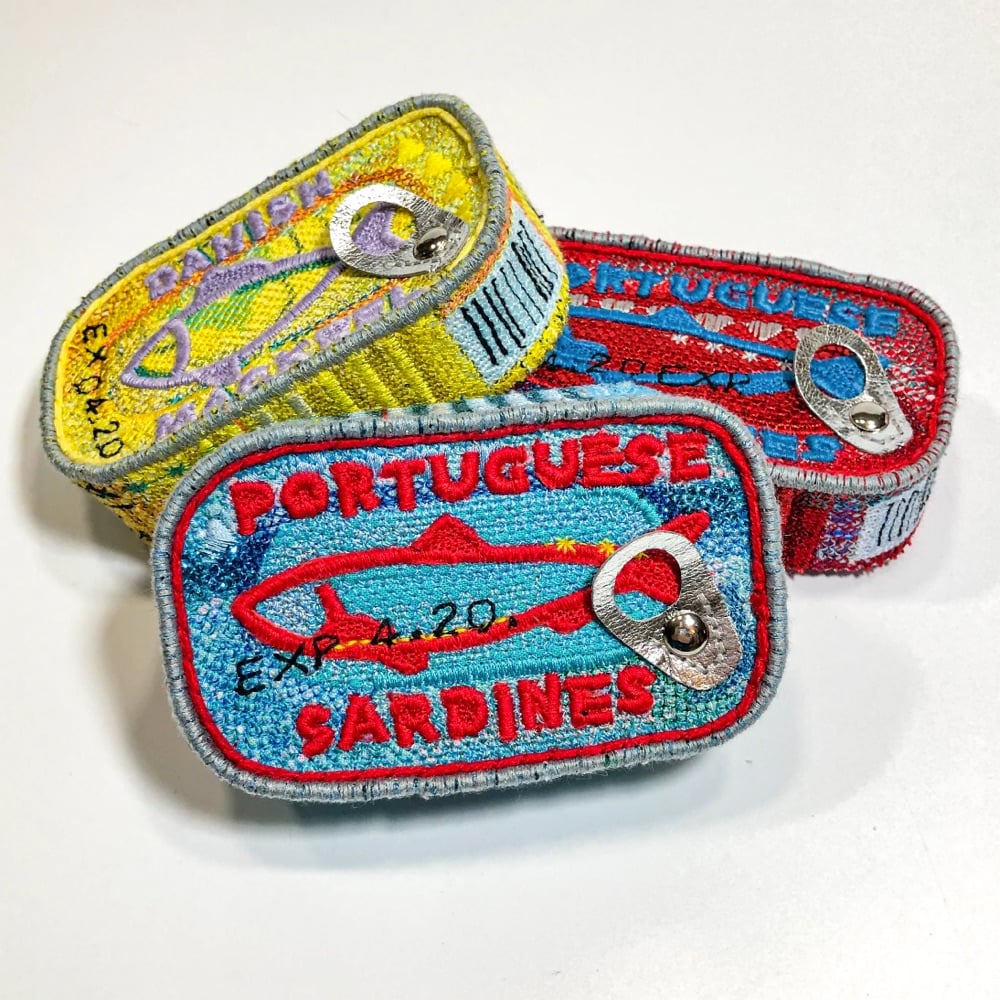
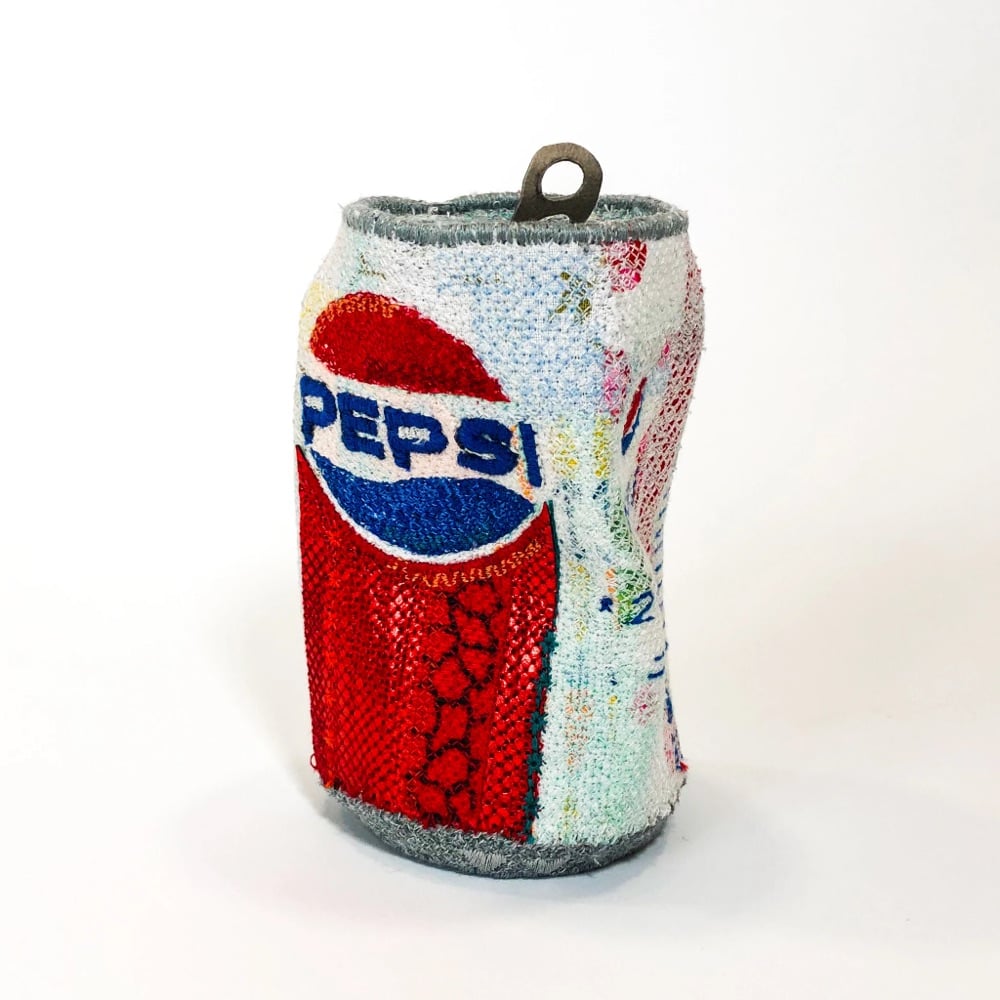
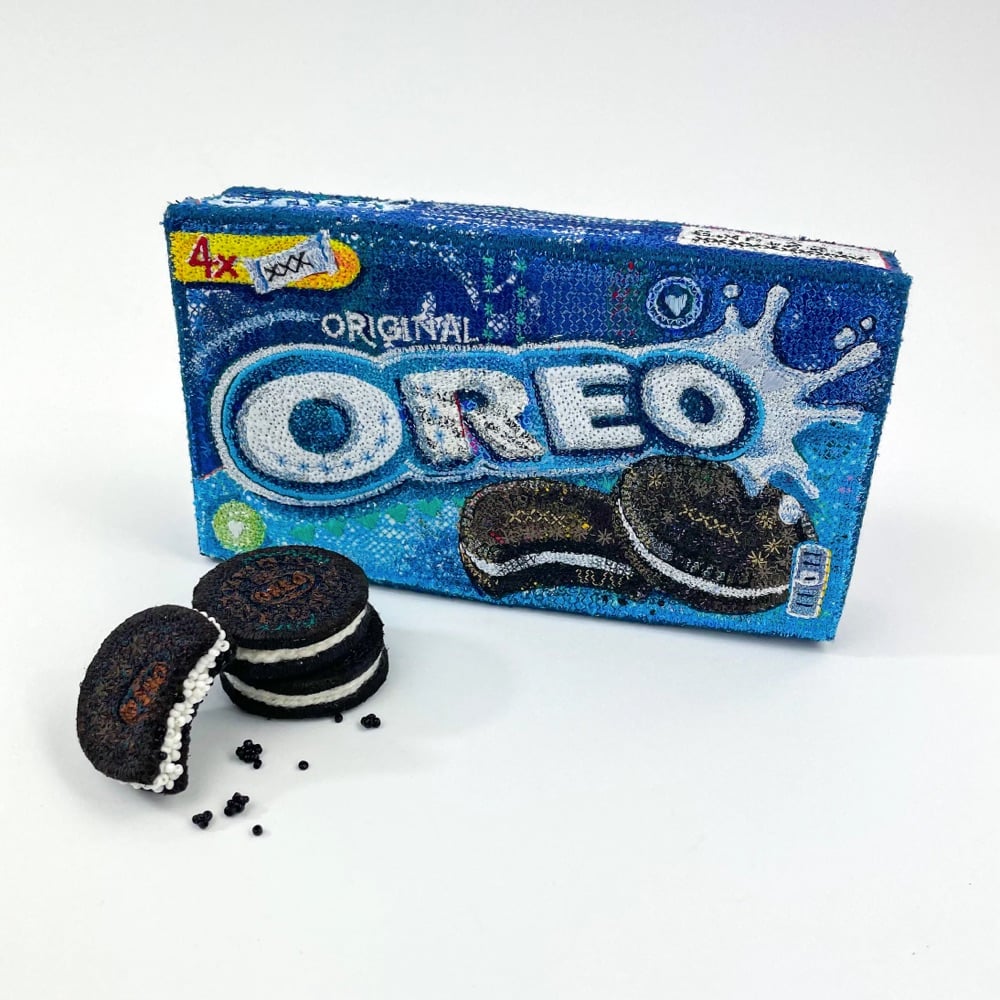
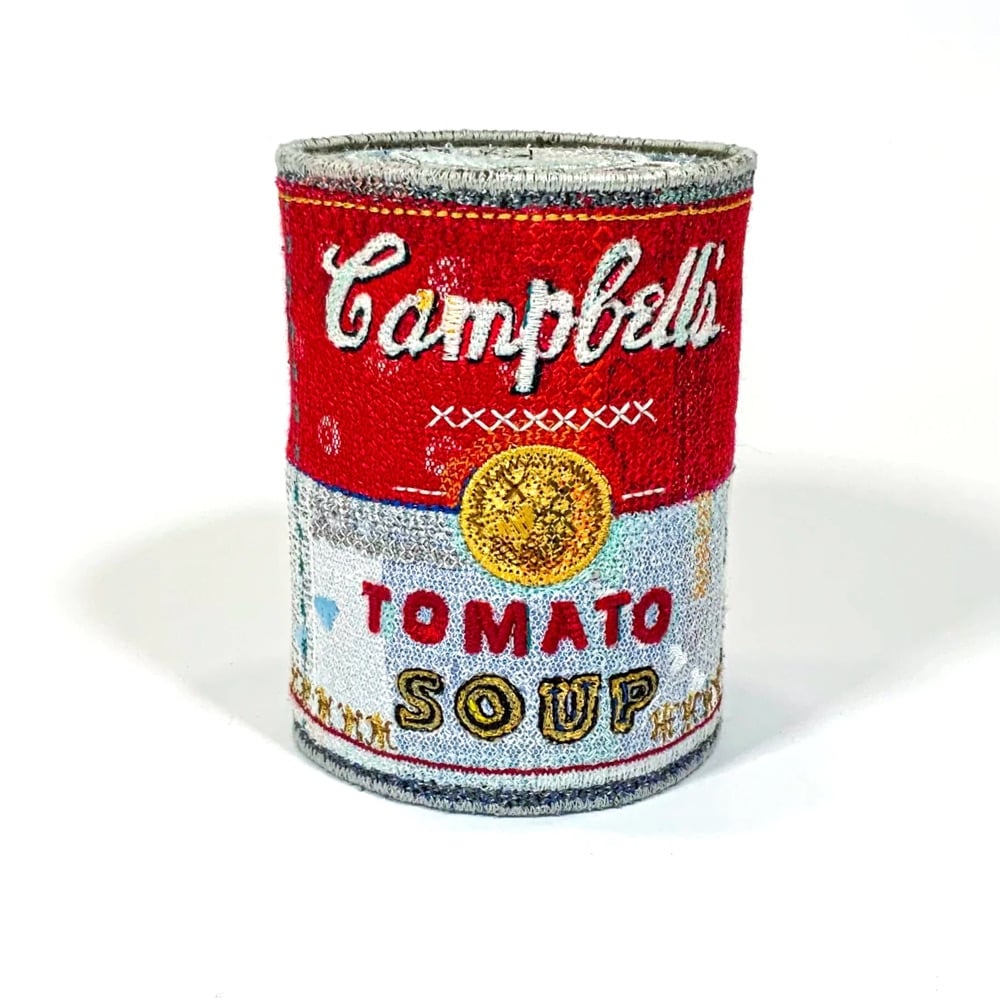
Textile artist Alicja Kozlowska’s Embroidered Ordinaries series recalls the the pop art of Warhol & Lichtenstein and Andreas Gursky’s 99 Cent II Diptychon while also being firmly contemporary. There’s maybe a Duchamp/readymade something something riff in there? I dunno, I’m not an art critic, just a fan. Anyway, I love how detailed these are — remarkably true-to-life for objects that are embroidered. (via colossal)
Fun With Magnets
Magnets are cool. Full stop. The Magnetic Games channel has a ton of videos about all the neat stuff you can do with them.
I can’t be the only person who, after watching this, wants to spend a significant amount of money on neodymium magnets and magnetic putty? Some people do puzzles, others do Lego — maybe I could be a magnet guy?
The History of Rome With Mary Beard
The Odyssey YouTube channel is a trove of documentaries about the ancient world, “from the dawn of Mesopotamia to the fall of Rome”. Several of their videos about Rome are presented by classicist Mary Beard, perhaps the best-known Roman scholar in the world and the author of SPQR: A History of Ancient Rome, which you couldn’t enter a bookstore in the late 2010s without seeing. I’ve embedded her videos on The Ancient Origins Of The Roman Empire and Why Did The Roman Empire Collapse above and you can head to YouTube to watch several more hours of Beard explaining Rome: Who Were The Citizens Of Ancient Rome?, How Did The Ancient Roman World Work?, The Meteoric Rise And Fall Of Julius Caesar, What Was Normal Life Like In Pompeii Before Its Destruction?, and Caligula And Corruption In Imperial Rome. (via 3 quarks daily)
The Plywood E-Bike
Self-described “maker of things” Evie Bee has made a cool thing indeed: an e-bike with a frame constructed mostly from sustainably sourced poplar and birch plywood called the Electraply.
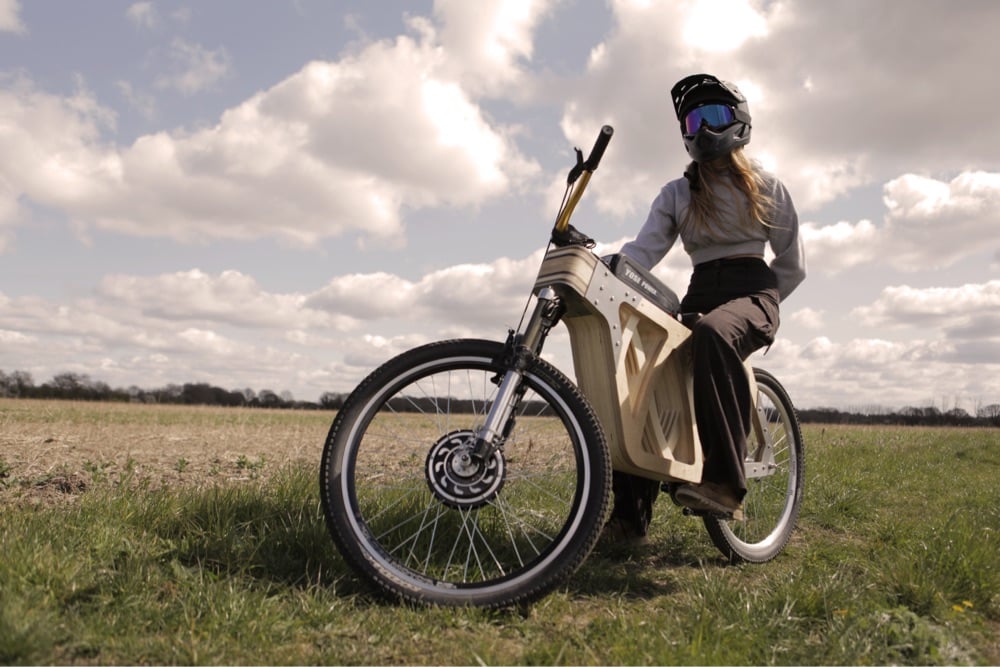
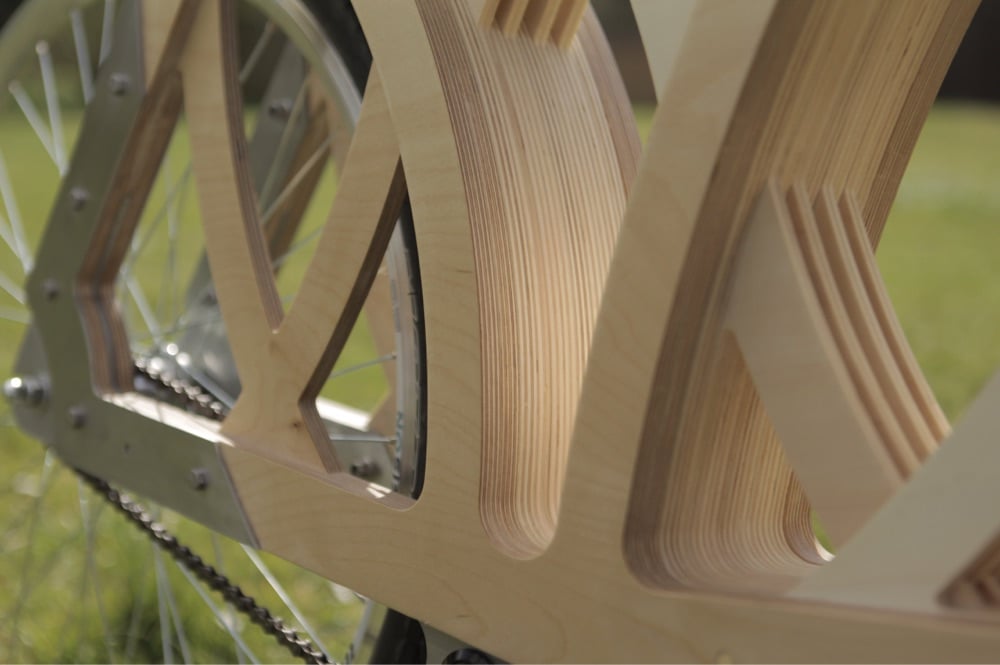
Here’s a video of the bike in action:
The design of the bike was inspired by my love for the cafe racer and scrambler motorcycles of the past (the Great Escape anyone?) and the desire to honour and continue this iconic design through a modern interpretation.
Bee has released a pair of PDFs (one, two) to guide you through the entire process of building your own plywood e-bike. (via design milk)
Socials & More