



Advertise here with Carbon Ads
This site is made possible by member support. 💞
Big thanks to Arcustech for hosting the site and offering amazing tech support.
When you buy through links on kottke.org, I may earn an affiliate commission. Thanks for supporting the site!
kottke.org. home of fine hypertext products since 1998.
Beloved by 86.47% of the web.
Entries for January 2020
Steven Soderbergh’s Media Diet for 2019
Every year, director Steven Soderbergh publishes a list of the movies, books, TV series, short films, and short stories he’s watched and read over the course of the year (one of the inspirations for my media diet posts). For many creators, the key to making good work is to read and watch widely with an emphasis on quality — it’s difficult make great work if your ingredients are poor — so Soderbergh’s 2019 list is a fascinating look at the director’s inputs for the next year’s creative endeavors.
Some observations:
- The pace here is incredible…2,3,4 movies in a day, several episodes of TV shows in a sitting.
- He didn’t watch Star Wars: Rise of Skywalker but did watch the Kenobi fan film.
- He binged Succession in three days. Finishing Fleabag took him more than a month.
- He watched Marriage Story and The Irishman on the same day.
- One day he did a mini Mike Judge film festival: Office Space and Idiocracy.
- I remember from past lists that he watches some movies over and over…that doesn’t seem to be the case this year.
10 pairs of British tabloid headlines comparing Meghan Markle to Kate Middleton. Markle, a woman of color, gets dragged for the same things that Middleton is praised for.
Retitling “Little Women” So Men Will Go See It
The audience for Greta Gerwig’s Little Women is running about 2/3 women and 1/3 men. Bruce Handy has some suggestions for a title change that would entice more men to check the movie out.
“Star Wars, Episode X: The Rise of Amy”
“Four Girls, One Teacup”
“Into the Marchverse”
“The Jo Supremacy”
I saw Little Women on New Year’s Day and loved it — one of my favorite 2019 movies for sure. It’s idiotic that Gerwig didn’t get nominated for a Best Director Oscar.
See also Kaitlyn Greenidge’s opinion piece, The Bearable Whiteness of ‘Little Women’.
Alcohol is one of America’s biggest public health & safety threats. Why isn’t it treated as such? “Alcohol is the one drug almost universally accepted at social gatherings that routinely kills people.”
Gallup poll: Only 84% of Americans say it’s very or extremely important for parents to vaccinate their kids. And 46% are unsure if vaccines cause autism.
The First and Last Time Mister Rogers Sang “Won’t You Be My Neighbor” on TV
Including special shows, Mister Rogers’ Neighborhood ran for 912 episodes and at the beginning of each one, Rogers sang “Won’t You Be My Neighbor?” while putting his sweater on and changing his shoes. In the video above, you can compare his rendition of the song from the first episode (February 19, 1968) and the final episode (August 31, 2001). It would take a significant effort (and might actually be impossible because he sings the song at a different pace each time), but I’d love to see someone cut together a version of this that features all 912 openings strung together chronologically, so you can see Rogers get older as he sings (a la Noah Kalina’s Everyday).
The same YouTube channel also edited together the first and last times Rogers sang “Good Feeling”:
(via open culture)
In 1992, a football rule was changed: the goalkeeper couldn’t pick up a backpass from a teammate. This small change revolutionized the game. Keepers & defenders became more skilled w/ the ball & possession gained importance.
The Arsonous Birds of Australia
Ornithologists have collected a number of eyewitness accounts from Australia of three types of birds that deliberately set fires to flush out prey from grassy areas.
Black kites (Milvus migrans), whistling kites (Haliastur sphenurus) and brown falcons (Falco berigora) all regularly congregate near the edges of bushfires, taking advantage of an exodus of small lizards, mammals, birds and insects — but it appears that some may have learnt not only to use fire to their advantage, but also to control it.
“At or around an active fire front, birds — usually black kites, but sometimes brown falcons — will pick up a firebrand or a stick not much bigger than your finger and carry it away to an unburnt area of grass and drop it in there to start a new fire,” says Bob Gosford, an ornithologist with the Central Land Council in Alice Springs, in the Northern Territory, who led the documentation of witness accounts. “It’s not always successful, but sometimes it results in ignition.”
(via @christopherjobs)
McMillions, an HBO Documentary on the Massive McDonald’s Monopoly Scandal
In July 2018, I posted about the FBI investigation into the multi-million dollar McDonald’s Monopoly fraud.
For years, Jerry Jacobson was in charge of the security of the game pieces for McDonald’s Monopoly, one of the most successful marketing promotions in the fast food giant’s history. And for almost as long, Jacobson had been passing off winning pieces to family, friends, and “a sprawling network of mobsters, psychics, strip club owners, convicts, drug traffickers”, to the tune of more than million in cash & prizes.
In early February, HBO is airing a five-part documentary series on the investigation called McMillions:
Hosting Christmas Dinner for 50 Strangers
Inspired by his holiday solitude in a new place last year, Brad Lancaster decided to host a Vancouver Christmas dinner for people who were going to be alone that day. Word got out, donations poured in, and he ended up hosting 50 people for a baller holiday dinner.
Paris Museums Put 100,000 Images Online for Unrestricted Public Use
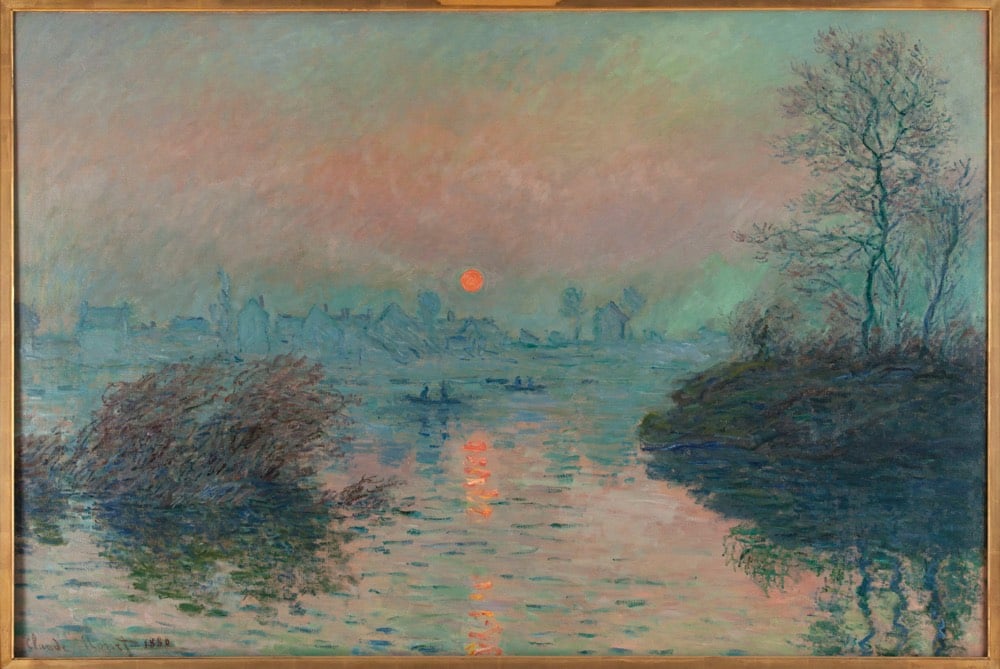
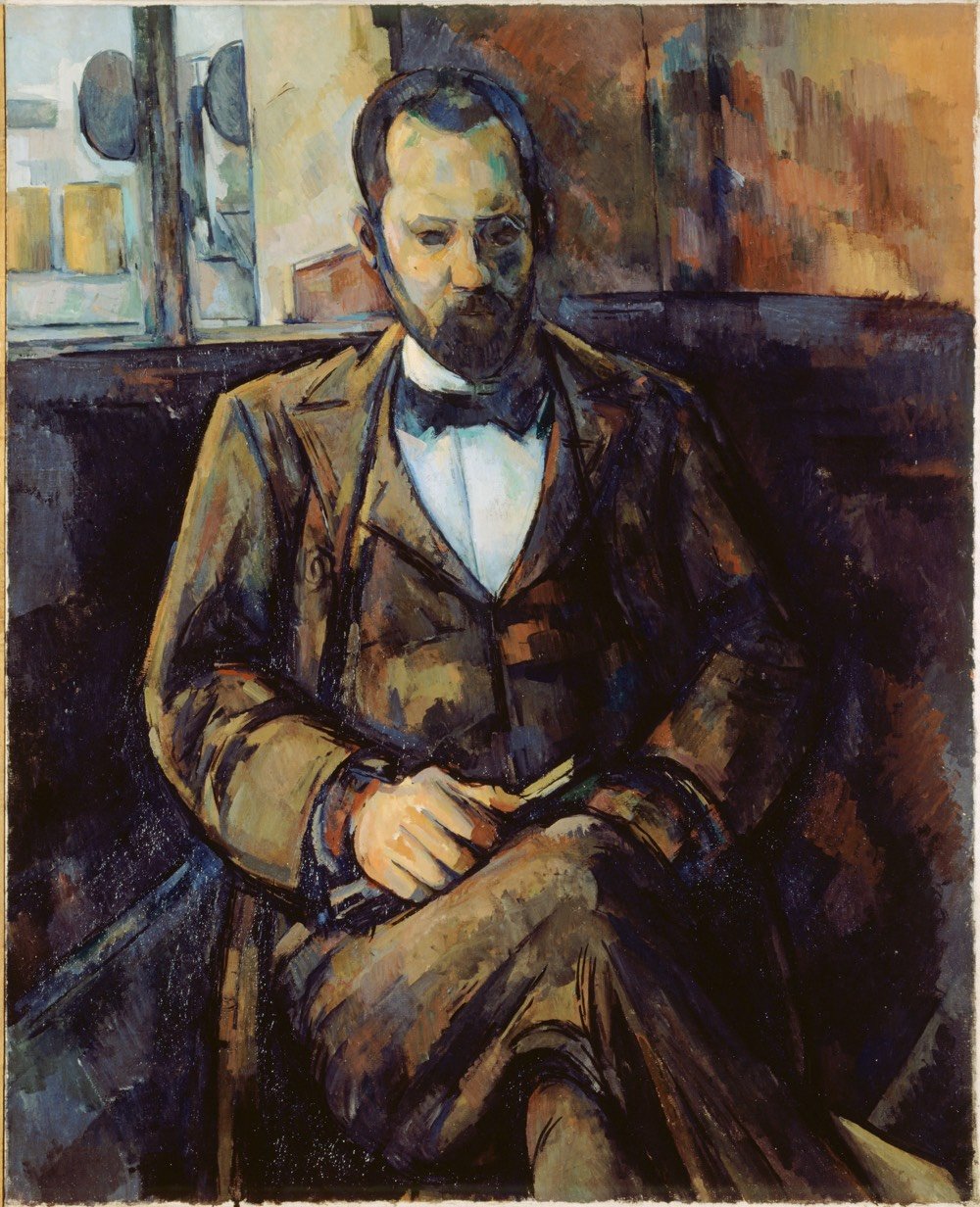
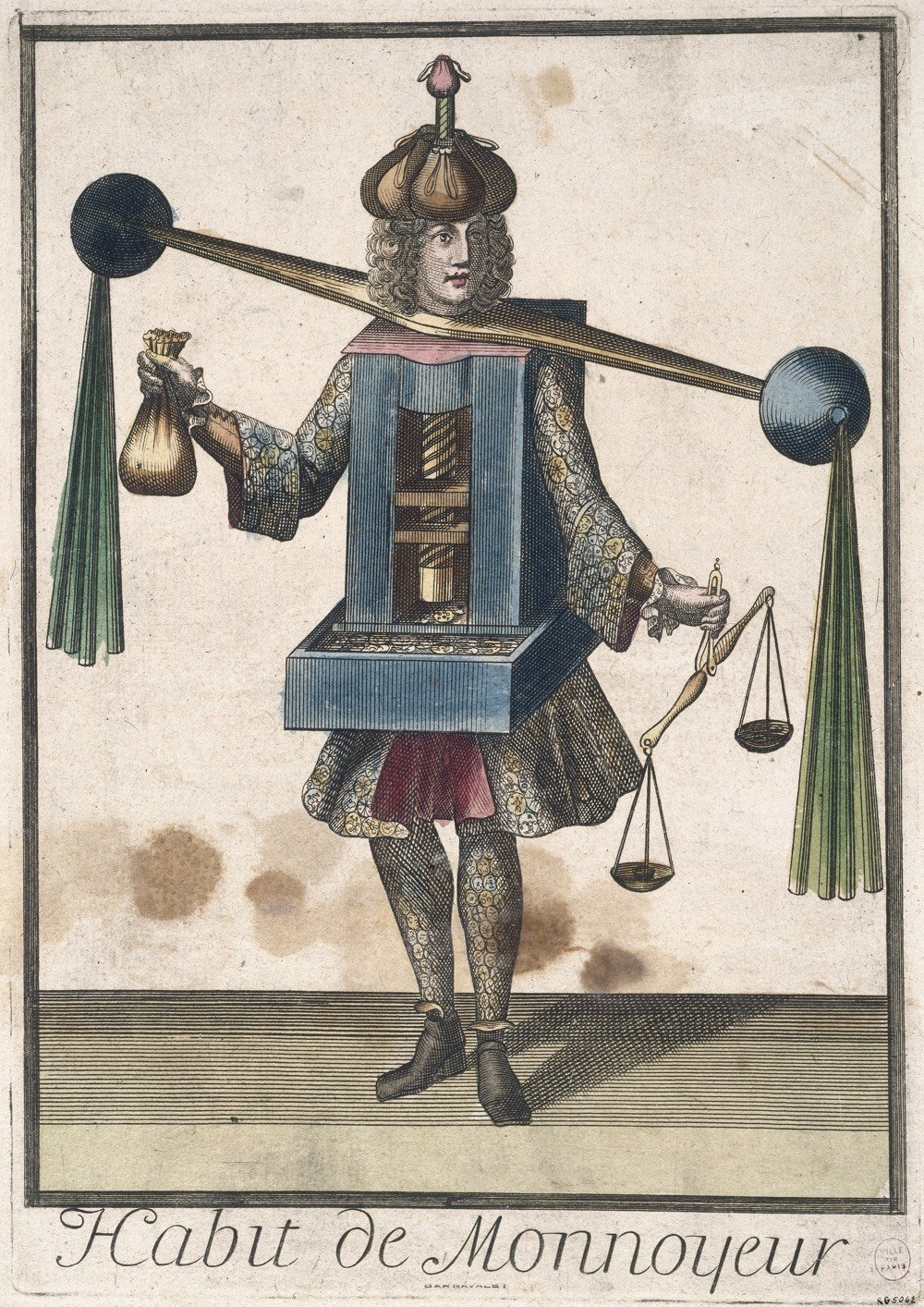
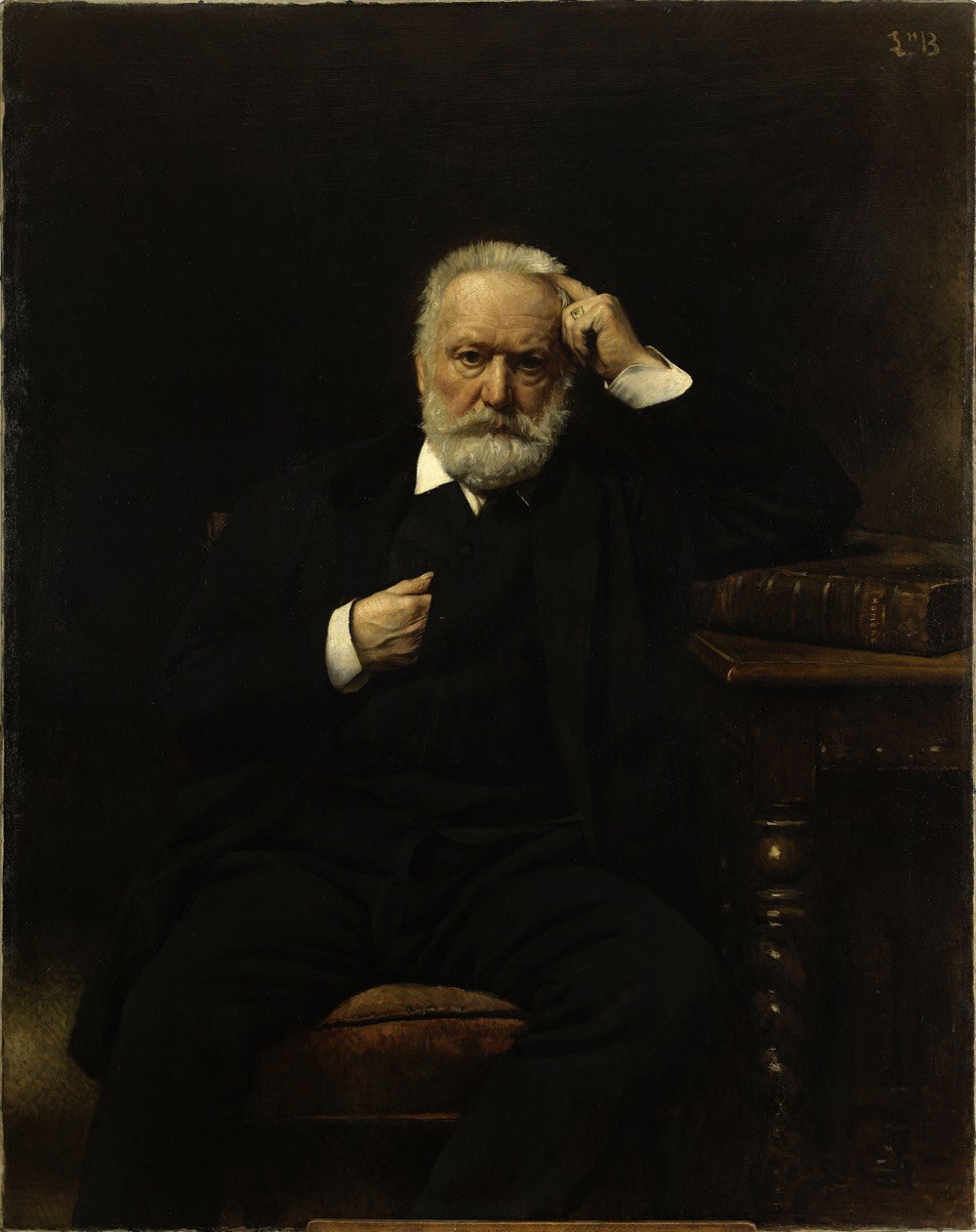
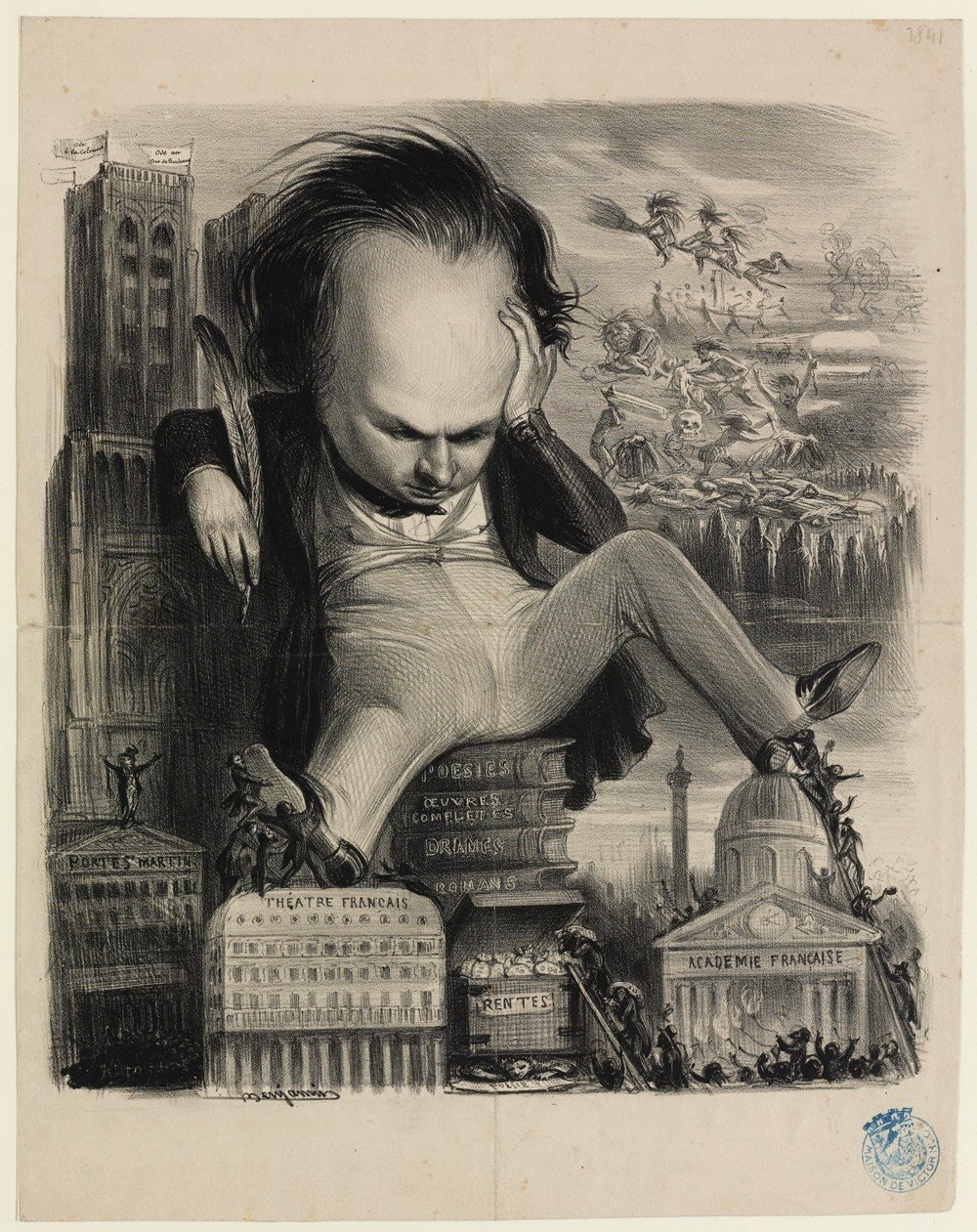
Paris Musées, a collection of 14 museums in Paris have recently made high-res digital copies of 100,000 artworks freely available to the public on their collections website. Artists with works in the archive include Rembrandt, Monet, Picasso, Cézanne, and thousands of others. From Hyperallergic:
Paris Musées is a public entity that oversees the 14 municipal museums of Paris, including the Musée d’Art Moderne de la Ville de Paris, Petit Palais, and the Catacombs. Users can download a file that contains a high definition (300 DPI) image, a document with details about the selected work, and a guide of best practices for using and citing the sources of the image.
“Making this data available guarantees that our digital files can be freely accessed and reused by anyone or everyone, without any technical, legal or financial restraints, whether for commercial use or not,” reads a press release shared by Paris Musées.
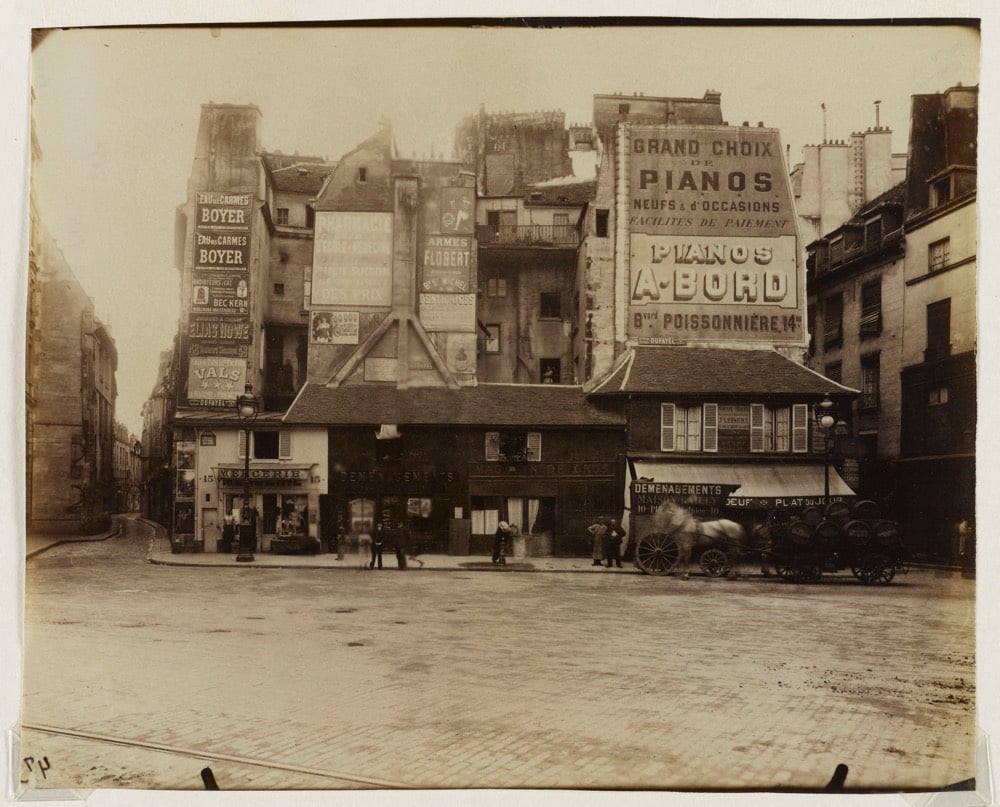
What a treasure trove this is. I was particularly happy to see a bunch of work in here from Eugène Atget, chronicler of Parisian streets, architecture, and residents and one of my favorite photographers.


(via @john_overholt)
How one librarian effectively banned Goodnight Moon from the NYPL for 25 years. “If Anne Carroll Moore didn’t like a book, she could effectively kill it.”
Photos of the Great Migration
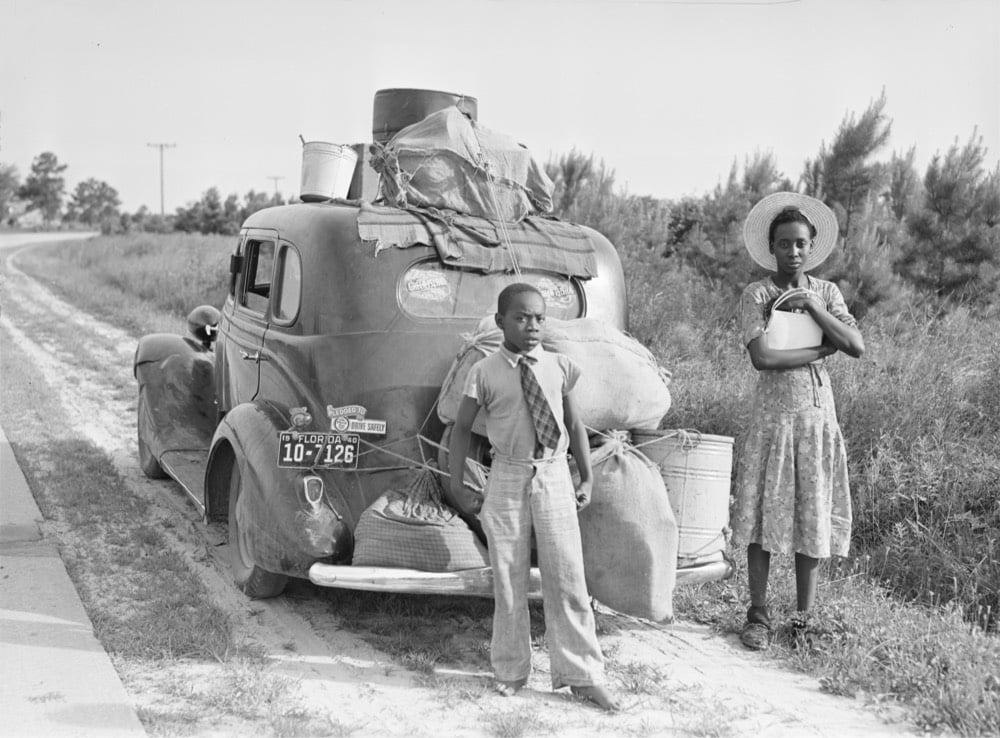
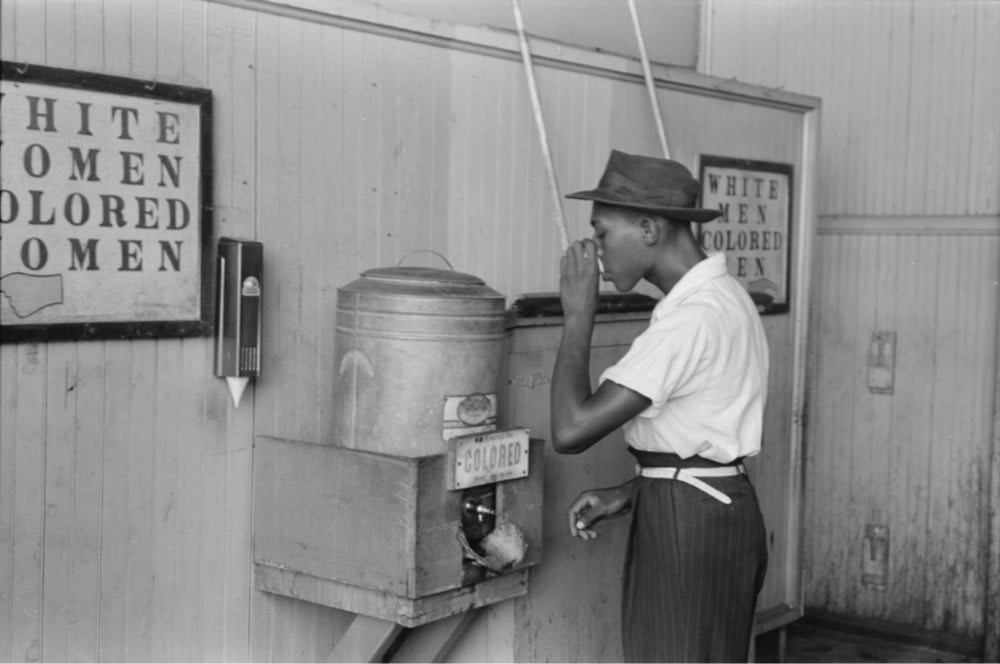

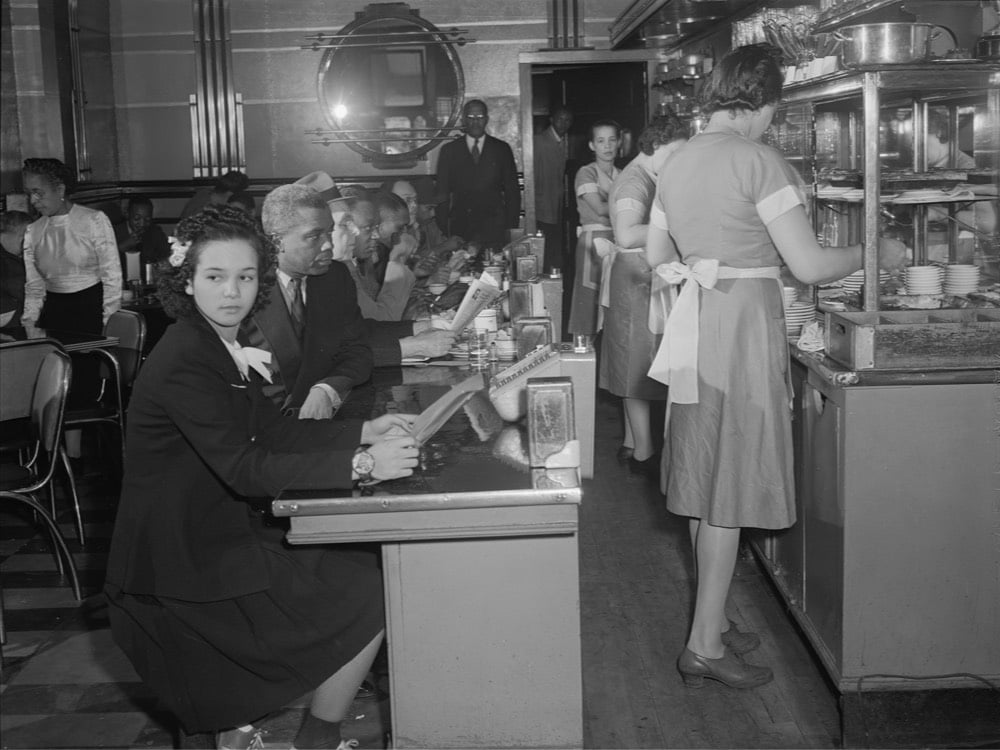
Librarians at the Library of Congress have created a new guide to finding photos of the Great Migration1 contained in their extensive collection. Here’s a blog post announcing the guide.
The “Searching for Images” page of the guide suggests search strategies for finding images related to the Great Migration. For example, when searching our online catalogs, researchers will be most successful when using keyword terms and subject headings that refer to specific places, people or events. I knew that “Black Belt” was sometimes used to describe the area on Chicago’s South Side that experienced a population boom during the Great Migration. Entering the keywords “black belt chicago” in the online catalog yielded a number of images of the area from April of 1941 from the Farm Security Administration / Office of War Information Collection.
I was just talking about the Great Migration with a friend last night. Neither of us had learned about it in school (not even college), even though it completely reshaped America in the 20th century. If you’re in a similar boat, I recommend starting with Isabel Wilkerson’s Pulitzer Prize-winning The Warmth of Other Suns. It’s impossible to understand contemporary American society without knowing the history of the Great Migration and Wilkerson’s book helped open my eyes to that. (via @john_overholt)
A refresher on what the Great Migration was from the LOC guide: “During the Great Migration, from about 1915 to 1970, millions of African Americans moved from southern, primarily rural areas of the United States to urban areas to the north and west. They sought better opportunities away from racial discrimination and violence in the South.”↩
Hand-Painted Movie Posters from Ghana in the 80s & 90s
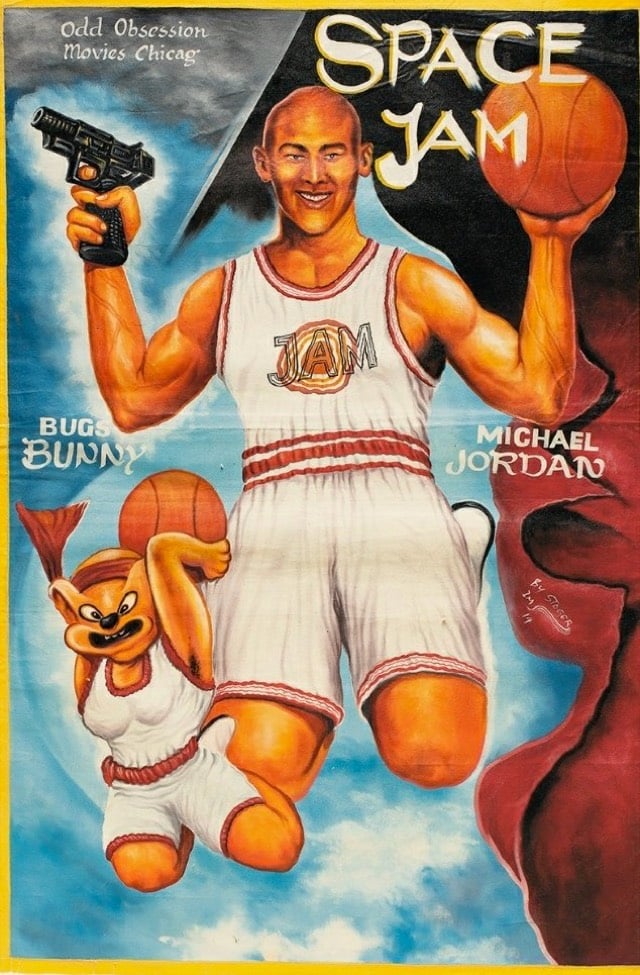
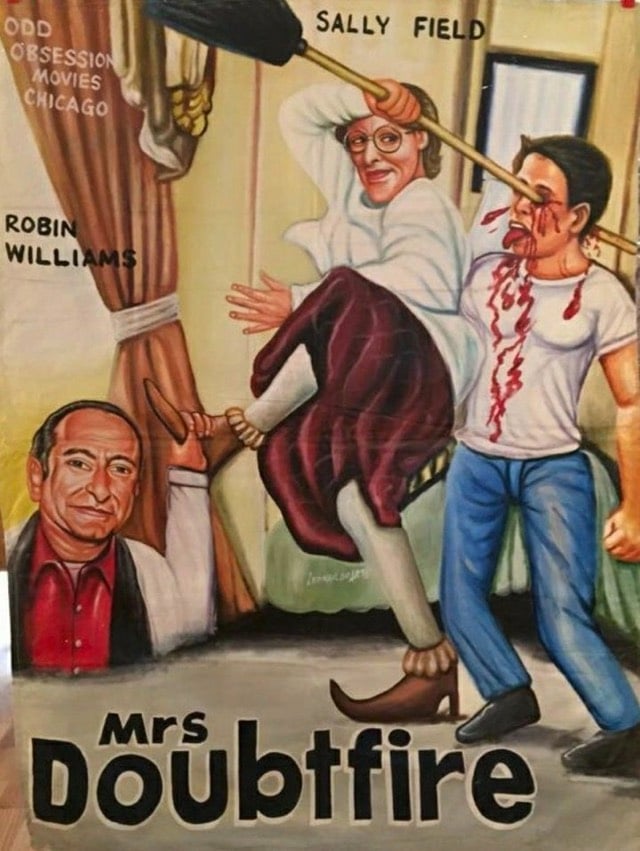
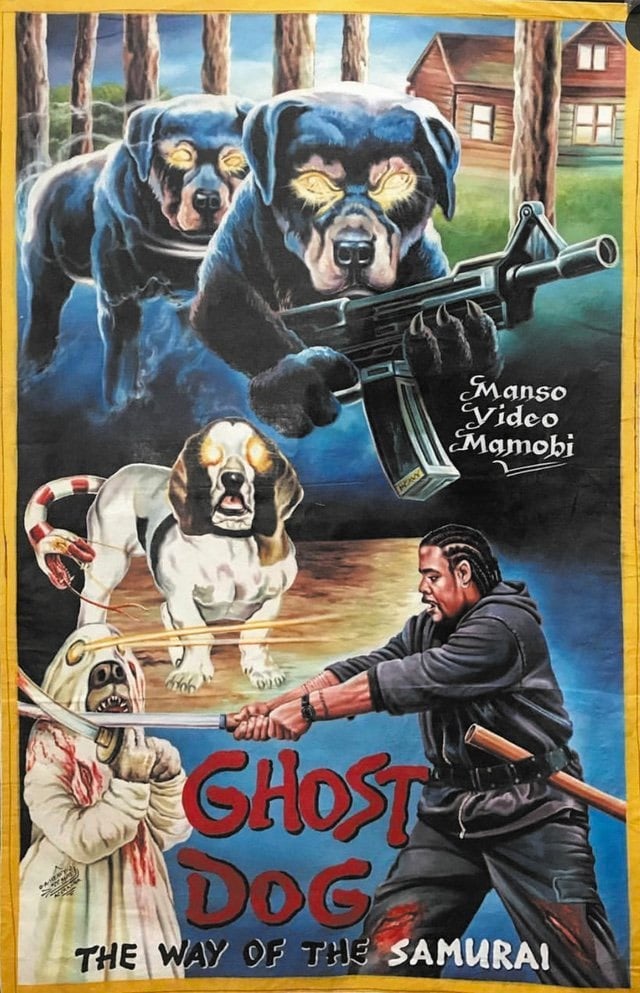
In order to drum up business for local movie theaters in Africa (most notably in Ghana), theater owners would commission local artists to paint movie posters.
When Frank Armah began painting posters for Ghanaian movie theaters in the mid-1980s, he was given a clear mandate: Sell as many tickets as possible. If the movie was gory, the poster should be gorier (skulls, blood, skulls dripping blood). If it was sexy, make the poster sexier (breasts, lots of them, ideally at least watermelon-sized). And when in doubt, throw in a fish. Or don’t you remember the human-sized red fish lunging for James Bond in The Spy Who Loved Me?
“The goal was to get people excited, curious, to make them want to see more,” he says. And if the movie they saw ended up surprisingly light on man-eating fish and giant breasts? So be it. “Often we hadn’t even seen the movies, so these posters were based on our imaginations,” he says. “Sometimes the poster ended up speaking louder than the movie.”
You can check out more of these amazing artworks in this Twitter thread, this BBC story, on the AIGA site, and at Poster House, which has an exhibition of these posters up through Feb 16.
Update: I removed this modern-day spoof of the Ghanaian posters from the post. The tell is the reference to this amazing GIF. (thx, erik)

Why does every website now ask you to accept its cookies? And is this helping improve our online privacy?
Criminals are using virtual goods in games like Counter-Strike to launder real money. “Buying and reselling digital goods is a popular way for financial criminals to cash out from identity theft.”
Noah Takes a Photo of Himself Every Day for 20 Years
On January 11, 2000, when he was 19 years old, photographer Noah Kalina took a photo of himself — and just never stopped doing that. Although he’s missed a few days here and there, he’s kept up his daily habit for 20 years. The video above shows all 20 years of his daily photos.
Six years into the project in 2006, Kalina uploaded a video of his progress to Vimeo and then YouTube and it went viral, changing the trajectory of his career and life. The project has exhibited in art galleries around the world and The Simpsons even did a parody of it.
As someone who has done one thing near-daily for 20+ years, I feel a great kinship towards this project. I’ll see you in 2040, Noah.
Update: Kalina did an interview about the project with Van Schneider:
I can basically look at any shot in this project and know exactly where I was. Certain photos provide details and I can recall who I was with or what I was up to. It’s the perfect diary for me since I’ve never really enjoyed writing.
Ian McKellan’s 1999 Lord of the Rings Blog

Starting in 1999 with his casting as Gandalf and continuing through 2003, Ian McKellan wrote a blog called The Grey Book about his experiences starring in Peter Jackson’s Lord of the Rings movie trilogy. (His website is getting pounded right now, so check out the Internet Archive mirror if you can’t get through.)
So the journey has begun without me. On Monday 11th October, Elijah Wood et al gathered in Hobbiton — and I hear they are behaving themselves! I have been in Toronto, masquerading as Magneto, the master of magnetism, on the set of Bryan Singer’s “X-Men.” I have just sent Peter Jackson an e-mail of good luck. I don’t expect an immediate reply — directing a film is totally time-consuming.
Meanwhile, Tolkien aficionados are mailing to the “Grey Book.” From teenagers and readers old as wizards come the advice, the demands, the warnings — united by the hope that the film’s Gandalf will match their own individual interpretations of the Lord of the Rings. I take comfort from the general assurance that they approve of the casting (not just of me but of all the other actors so far announced - thrilling news that Cate Blanchett is joining us.) Yet how can I satisfy everyone’s imagined Gandalf? Simply, I can’t.
And yet I believe he did satisfy almost everyone. Maybe McKellen will even reprise his role as the wizard in the upcoming Amazon series. (via a very excited Stephen Colbert)
World Underwater

Inspired by a trip to Venice, the world’s most prominent example of what life could be like in many of our coastal cities in the years to come, Hayden Williams made a series of 3D rendered images showing what our world might look like underwater. (via the morning news)
Presidential Candidates Ranked By Popularity of First Name
This is a big ass field of presidential candidates, though it’s gotten smaller in recent weeks. There are plenty of polls circulating which rank the candidates via the scientific method of asking strangers who they’re supporting and then weighting those responses to create a list of candidates. The candidates are then listed in descending order by level of support.
This list below, also reasonably scientific, though far less useful, ranks the candidates in the order of popularity of their first name according to the handy dandy Popular Baby Names website helpfully maintained by the Social Security Administration. So what does this list tell us? Not much! Former MA Governor Bill Weld probably isn’t going to top any other list this election cycle, while Vermont Senator Bernie Sanders will likely not be on the bottom anywhere else.
3. William Weld
13. Elizabeth Warren
14. Michael Bennet, Michael Bloomberg (Number 1 name from 1961-1998, so that’s a lot)
23. Joseph Biden, Joseph Walsh
27. John Delaney
43. Andrew Yang
49. Thomas Steyer
211. Peter Buttigieg
205. Amy Klobuchar
526. Donald Trump (Has really small hands)
904. Cory Booker
943. Bernard Sanders (Last ranked 2008)
Never ranked:
Tulsi Gabbard
Deval Patrick
Also notable: The name Donald is getting slowly but steadily less popular. Going from 217th most popular name in 2000, to 376th most popular name in 2010, to 526th most popular name in 2018.
(For the record, the name Aaron was ranked 60th and Jason was 100th, so eat it, nerd.)
If you don’t run across many folks who identify as nonbinary, today’s trending #IAmNonbinary tag is a good way to meet some. Thanks to those sharing their stories!
A Map of Mormon Geological Theology
Boston Rare Maps recently sold a nine-foot-high cloth map from 1899 that shows a geographic interpretation of the Book of Mormon.
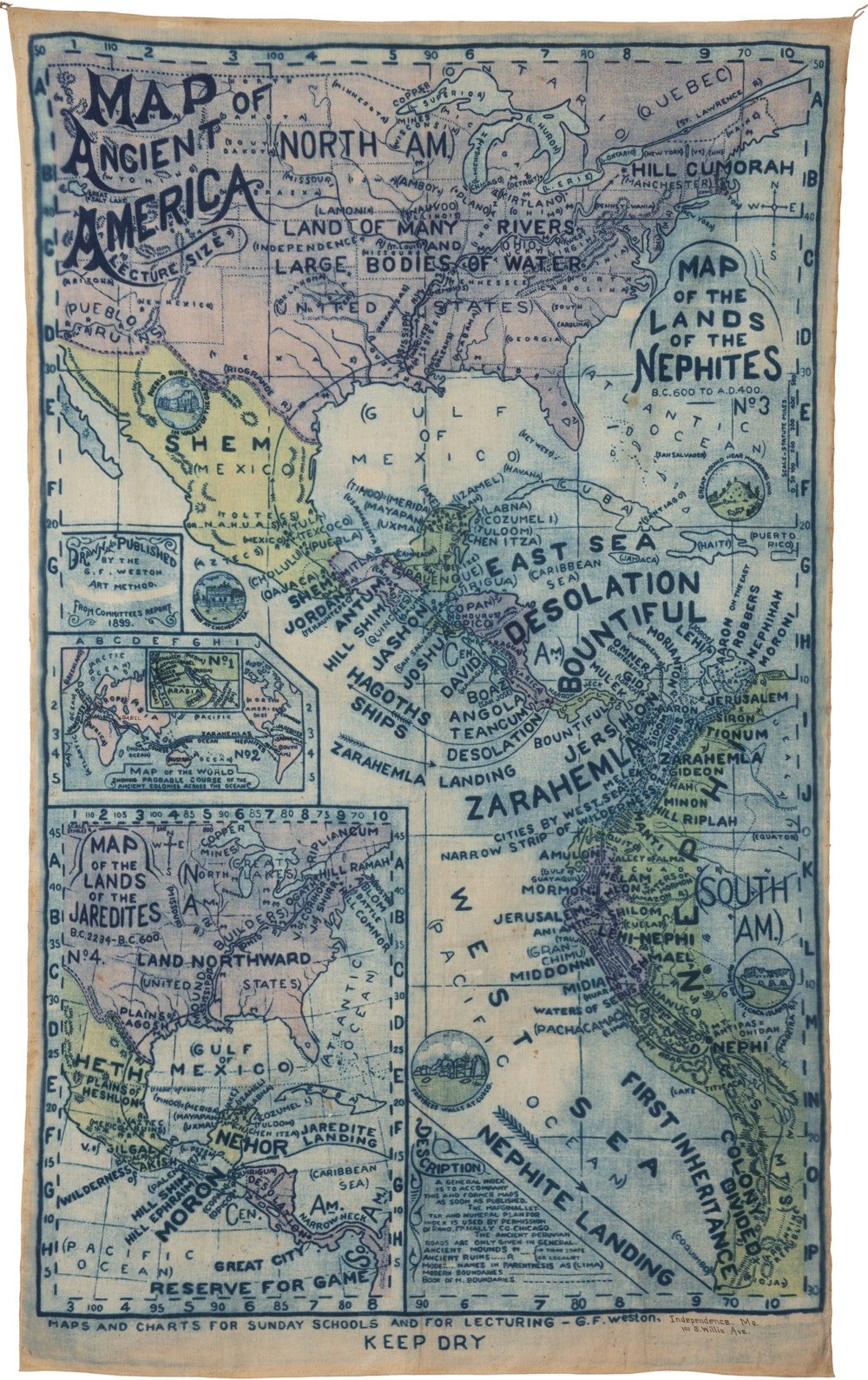
The map was an official production of the Reorganized Church of Jesus Christ of Latter Day Saints (RLDS) in Independence, Missouri. The RLDS (known since 2001 as the Community of Christ), is a reformist branch of the Church of Latter Day Saints, established in 1860.
You can read more about the proposed setting of the Book of Mormon on Wikipedia and its adherents’ belief that the indigenous peoples of the Americas are descended from Israelites.
The Book of Mormon is based on the premise that two families of Israelites escaped from Israel shortly before the sacking of Jerusalem by Nebuchadnezzar and that they constructed a ship, sailed across the ocean, and arrived in the New World as founders of Native American tribes and eventually the Polynesians. Adherents believe the two founding tribes were called Nephites and Lamanites, that the Nephites were white and practiced Christianity, and that the Lamanites were rebellious and received dark skin from God as a mark to separate the two tribes. Eventually the Lamanites wiped out the Nephites around 400 AD, leaving only dark skinned Native Americans. The descent of Native Americans from Israel is a key part of The Church of Jesus Christ of Latter-day Saints’s foundational beliefs.
(via @john_overholt)
An HBO adaptation of Bong Joon Ho’s Parasite is in the works. “It is unclear if the limited series will be some sort of follow-up to the movie or an English-language remake.”
Winners Take All
Winners Take All is Anand Giridharadas’ 2018 book about how “the global elite’s efforts to ‘change the world’ preserve the status quo and obscure their role in causing the problems they later seek to solve”. For instance, Giridharadas would argue that Jeff Bezos donating a billion dollars to charter schools while Amazon pays no federal income tax is a problem.
Why, for example, should our gravest problems be solved by the unelected upper crust instead of the public institutions it erodes by lobbying and dodging taxes? His groundbreaking investigation has already forced a great, sorely needed reckoning among the world’s wealthiest and those they hover above, and it points toward an answer: Rather than rely on scraps from the winners, we must take on the grueling democratic work of building more robust, egalitarian institutions and truly changing the world — a call to action for elites and everyday citizens alike.
The RSA made an animated video of a talk by Giridharadas that distills his central message into about five minutes — it’s a good watch/listen. The full talk is available here. (via aeon)
Woven City, Toyota’s Prototype City of the Future
In early 2021, Toyota plans to break ground on a prototype city of the future located at the base of Mt. Fuji in Japan. Around 2000 people will populate Woven City at first, which will be powered by hydrogen fuel cells.
The masterplan of the city includes the designations for street usage into three types: for faster vehicles only, for a mix of lower speed, personal mobility and pedestrians, and for a park-like promenade for pedestrians only. These three street types weave together to form an organic grid pattern to help accelerate the testing of autonomy.
The city is planned to be fully sustainable, with buildings made mostly of wood to minimize the carbon footprint, using traditional Japanese wood joinery, combined with robotic production methods. The rooftops will be covered in photo-voltaic panels to generate solar power in addition to power generated by hydrogen fuel cells. Toyota plans to weave in the outdoors throughout the city, with native vegetation and hydroponics.
Residences will be equipped with the latest in human support technologies, such as in-home robotics to assist with daily living. The homes will use sensor-based AI to check occupants’ health, take care of basic needs and enhance daily life, creating an opportunity to deploy connected technology with integrity and trust, securely and positively.
The press release and video above are the best sources of info about the city, but there’s also a website with not a lot of info and some weirdly fuzzy low-res icons that I hope are not indicative of the level of effort and polish being put into this effort. Those icons definitely didn’t go through the Toyota Production System.
Sequin, an iOS app that “lets you touch/brush colorful sequins”. You can change the sequins’ colors and turn photos into sequined patterns. $0.99.
Slaughterhouse-Five Graphic Novel
Later this year, Kurt Vonnegut’s sixth novel Slaughterhouse-Five will be reimagined as a graphic novel by writer Ryan North, artist Albert Monteys, and colorist Ricard Zaplana. Vonnegut’s descriptive stories lend themselves well to the format of graphic novels with pithy dialogue, fantastical plots, and non-linear narratives. This project is being released with the blessing of the Vonnegut family, so if it’s successful, hopefully other Vonnegut novels will be released as graphic novels as well.

Ryan North is the writer of How To Invent Everything: A Survival Guide for the Stranded Time Traveler. Kottke readers will presumably appreciate a guide for building a recognizable society if you’re stuck in the past after a catastrophic time machine breakdown.
There hasn’t been a film made of Slaughterhouse-Five since 1972 (a film, by the way, which Vonnegut loved), but imagine what someone like Taika Waititi could do with this story.
So it goes.
The New-York Historical Society has acquired Robert Caro’s papers. “I want people to be able to see how I gather my material and how I turn it into books, how I write.”
Ridgeline Maps of the World

Using Andrei Kashcha’s Peak Map tool, you can create what’s called a ridgeline chart — picture the album cover for Joy Division’s Unknown Pleasures — of the elevation anywhere on the Earth. Try it out here. (via @eramirez)
The Full Legacy of Isaac Asimov
On the occasion of the 100th anniversary of Isaac Asimov’s birth, Alec Nevala-Lee writes about the sci-fi author’s dual legacies: his prodigious literary output and his decades-long practice of groping women, hundreds of them.
Isaac Asimov loved large numbers. He was born a century ago this month, and when he died, in 1992, he was both the most famous science fiction writer in the world and perhaps the most prolific author in American history. He kept close track of his publications, most of which were nonfiction, and confessed that he was generous when it came to including borderline cases, such as anthologies, in his total of nearly five hundred books: “We all want to be known for something, and I was beginning to see that there would be a good chance that if for nothing else, I would be known for the vast number of books I would publish.”
In the end, however, another number might turn out to be equally meaningful. Over the course of many decades, Asimov groped or engaged in other forms of unwanted touching with countless women, often at conventions, but also privately and in the workplace. Within the science fiction community, this is common knowledge, and whenever I bring it up in a room of older fans, the response is usually a series of nods. The number of such incidents is unknown, but it can be plausibly estimated in the hundreds, and thus may match or exceed the long list of books that Asimov wrote.
See also How Picasso Bled the Women in His Life for Art. (via @john_overholt)
Air Travel in the Age of Climate Crisis: Is It Wrong to Fly?
Because of the climate crisis, Greta Thunberg doesn’t fly anymore. Neither does climate journalist Eric Holthaus (aside from this recent trip). The flight shame movement and personal reflection on the climate has caused others to limit their air travel.
In this video, Joss Fong and her team at Vox look at the cost of air travel to our environment, investigate electric airplanes, and consider whether it’s wrong to fly in the age of climate crisis.
Climate change implicates us all in a planet-sized injustice. If I fly, if I drive, if I heat or cool my home, if I buy stuff, if I eat stuff, all of this now has a cost that I’m not paying.
Trees in the Fog


Michael Schlegel took these photographs of trees in the fog in the Fanal region on the Portuguese island of Madeira. I was going to describe these as “eerie” but they’re not really. More of a Entish Middle Earth bonsai vibe. I went for a hike in the fog a couple of years ago and it was remarkably peaceful, like a dream. (via moss & fog)
An imagined report from 2030 on how we ended the climate emergency. “We will finally reach peak global emissions. We will finally stop accelerating towards our own destruction.”
The 100 Best Books Written By African American Women
The editors of ZORA, a publication for women of color, have published a list of the 100 greatest books written by African American women: The ZORA Canon.
To our knowledge, however, no one has ever compiled a comprehensive list specifically featuring the finest literary works produced by African American women authors. We decided to undertake that effort both to honor that still underappreciated group of writers and to provide ZORA readers — you — with a handy reference guide to their work.
Here are a sampling of the books on the list — click through to peruse them all.
Our Nig by Harriet E. Wilson. “The first novel written by an African American woman, Our Nig focuses on the fictional character Frado and her servant-girl life in New England during antebellum slavery.”
The Red Record by Ida B. Wells. “This tome by the groundbreaking writer, Mathis says, is ‘an exhaustively researched publication about lynchings in the U.S. after the abolition of slavery.’”
Their Eyes Were Watching God by Zora Neale Hurston. “This groundbreaking novel by the Harlem Renaissance novelist and anthropologist focuses on the emerging autonomy and maturation of Janie Crawford as she endures multiple marriages, poverty, and various other associative trials to reach a state of clarity.”
I Know Why the Caged Bird Sings by Maya Angelou. “The first of a multivolume series, this much-loved autobiographical tale recounts Maya Angelou’s early life…”
Song of Solomon by Toni Morrison. “As he grows up, Milkman Dead strives to take flight as he sets out on a pilgrimage to reclaim his family history…”
The Warmth of Other Suns by Isabel Wilkerson. “The Pulitzer Prize-winning journalist traces the lives of three people — a sharecropper’s wife, an agricultural worker, and a doctor — who embark upon one of the greatest movements of African Americans within American history: the Great Migration.”
Brown Girl Dreaming by Jacqueline Woodson. “This series of poems chronicles Woodson’s experiences in South Carolina and New York in the 1960s and ’70s under Jim Crow and with the civil rights movement.”
I have read several of the more recent books on this list but not enough.
Socials & More